Merv
Merv, Turkmenistan
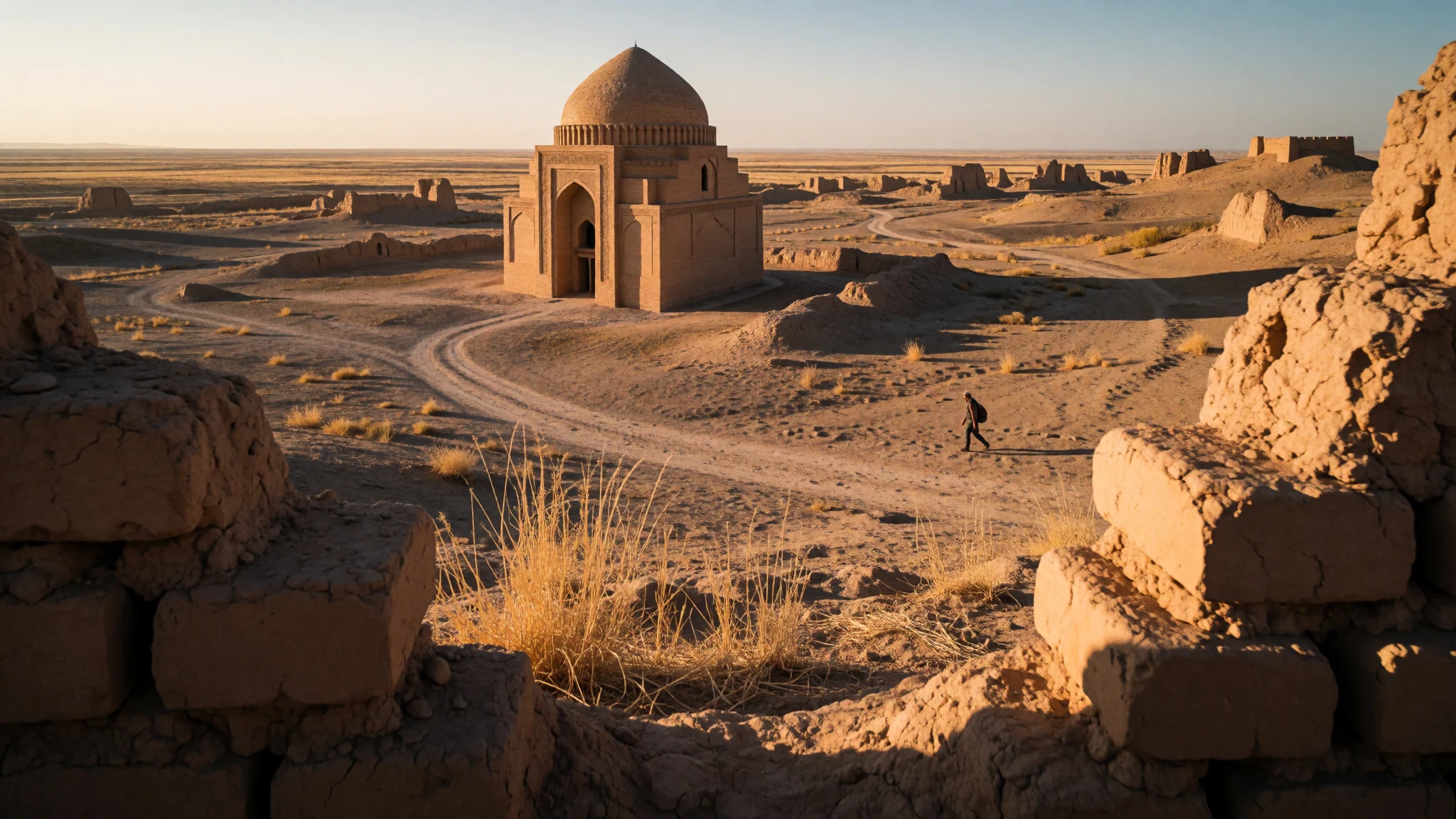
Merv is a sprawling Silk Road ruin where centuries of empires layered over one oasis, visible in walls, quarters and mausoleums.
The place
Merv (Merw; مرو) is one of Central Asia’s most satisfying “history you can walk through” places. Set near modern Mary in Turkmenistan, it’s often called the Merve Oasis, because the whole story of the site begins with water in a dry landscape. From the 3rd millennium BC settlement traces to the 18th century AD, people kept returning, rebuilding, and rebranding the city as different powers came and went.
What makes Merv feel different from many ruins is how clearly the city’s changing eras can be read in its layout. The site was part of the Achaemenid world, then passed through Hellenistic, Parthian, Sasanian, Arab and Turkic hands. Later, it became closely associated with Islamic learning and court life, including Abbasid rule in the early 9th century and then Seljuk prominence in the 11th–12th centuries.
The atmosphere on the ground is very “wind and stone”, not “museum and crowds”. You’ll see fortifications and enclosed city areas—large walls, ramparts, and the sense that this was once a real urban machine supporting trade, scholarship, and pilgrimage. Even the smaller religious and funerary structures carry weight because they’re embedded in the same lived-in landscape.
Practical note: Merv isn’t a place where you drift between sights without a bit of planning. Distances are real, and the weather in this part of the world can swing from cool-to-sharp to hot and sun-heavy, depending on the month. Go with a light schedule and time for lingering; the quiet is part of the appeal.
Its story
Merv’s story starts before the “great empires” labels really kick in. Archaeological traces point to village life stretching back to the 3rd millennium BC, and the region is linked culturally to the Bactria-Margiana archaeological complex. In older religious geography, Merv appears under the name Mouru; in Zoroastrian belief, Mouru is presented as one of sixteen “perfect lands” created by Ahura Mazda. That’s not a reason to treat Merv like a themed fantasy—just a reminder that the oasis mattered long before there was a famous dynasty to attach it to.
When the major written empires enter the picture, Merv becomes a strategic node. Under the Achaemenids it appears in Persian-era inscriptions connected to the Margu name. Later, the site cycles through Hellenistic and then Parthian/Sasanian spheres, and then the Islamic world. Over and over, Merv functions as a capital or key regional seat: in the early 9th century it becomes associated with the Abbasids under al-Ma‘mun, and centuries later it’s bound up with Seljuk power as a centre of government.
But the most compelling “human” thread is what happened to Merv’s status in the Islamic period. The city drew scholars, and its reputation linked it to learning, science and culture—poets, physicians, mathematicians and astronomers. The observatory connection, and the idea of libraries housed within major mosques, gives the site a different texture than “just a frontier fortress”.
Even the physical ruins reflect that layering: walls and enclosed districts suggest control and defence; mausoleums and mosques point to devotion and remembrance; and the repeated rebuilding suggests the oasis never stopped attracting people who wanted to rule, study, travel and trade.
What to see
- Erk Kala — Ancient Merv complex
Erk Kala is one of the core fortified areas at Ancient Merv, with a wall and moat system and surviving walls that can reach up to 30 m high. It’s a good “orientation” spot to understand how the city organised power and protection around defensible edges.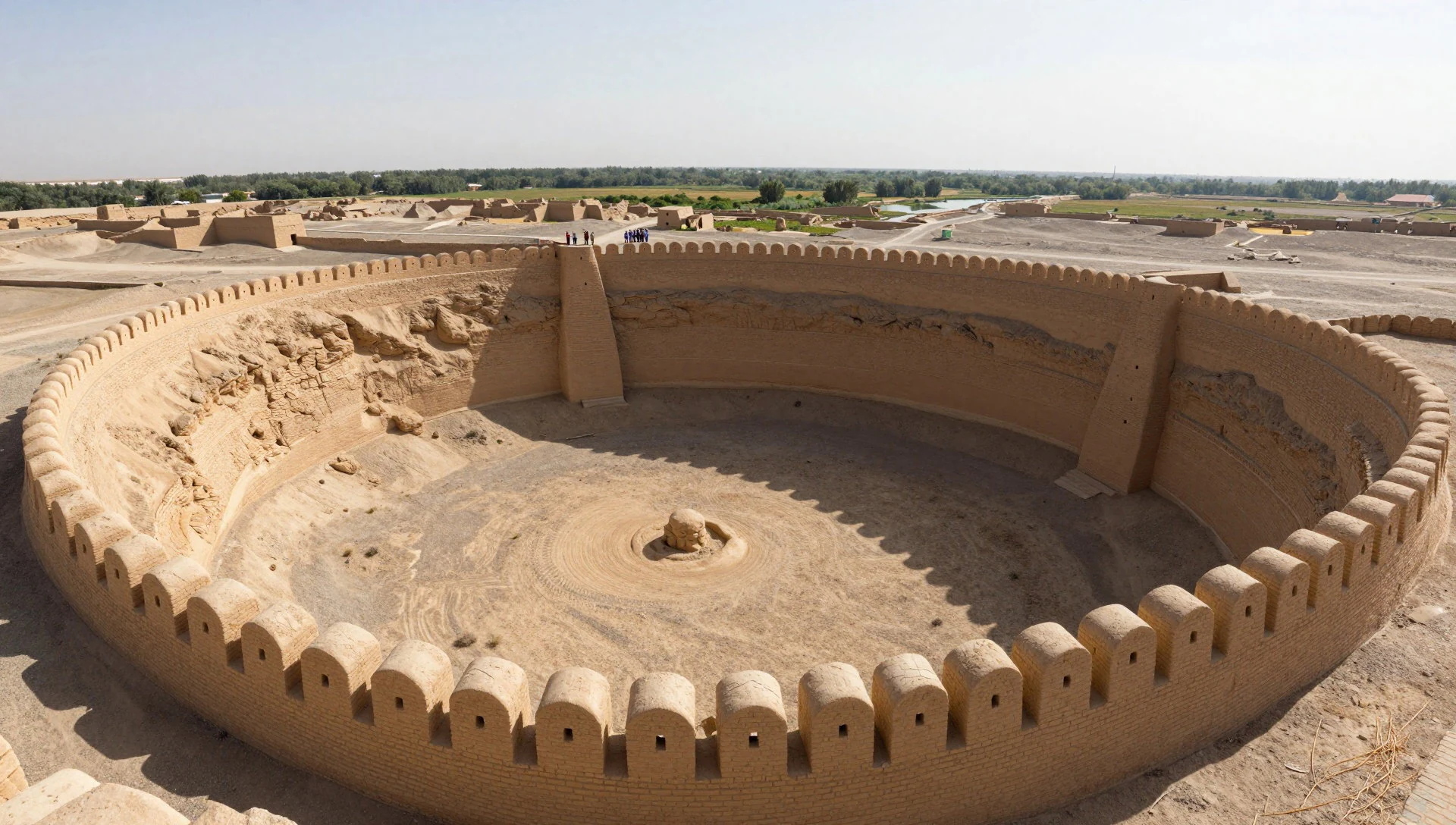
- Giaur Kala (Gyaur/Gaur Kala) — Ancient Merv complex
Giaur Kala dates from around 1000 AD and is roughly square in plan. Its walls run about 2 km long, and the central Ben Makhan Mosque is described as barely recognisable today—so expect to look closely at what remains rather than dramatic reconstructions.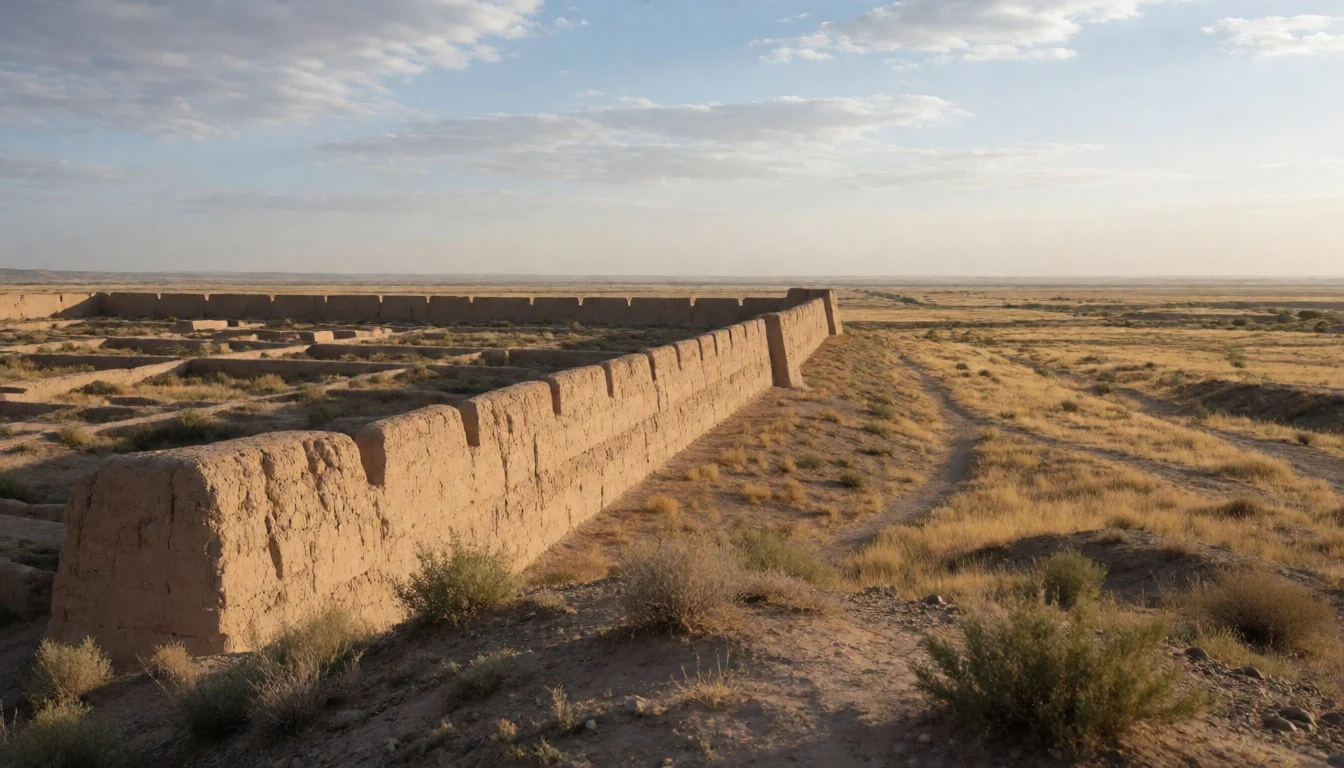
- Sultan Kala — Ancient Merv complex
Sultan Kala sits west of Giaur Kala and is tied to the Seljuks, since Merv became their capital in the 11th–12th centuries. The fortress area is labelled as “fortress of the sultans”, and it’s a clear place to see how the city’s most important zones shifted over time.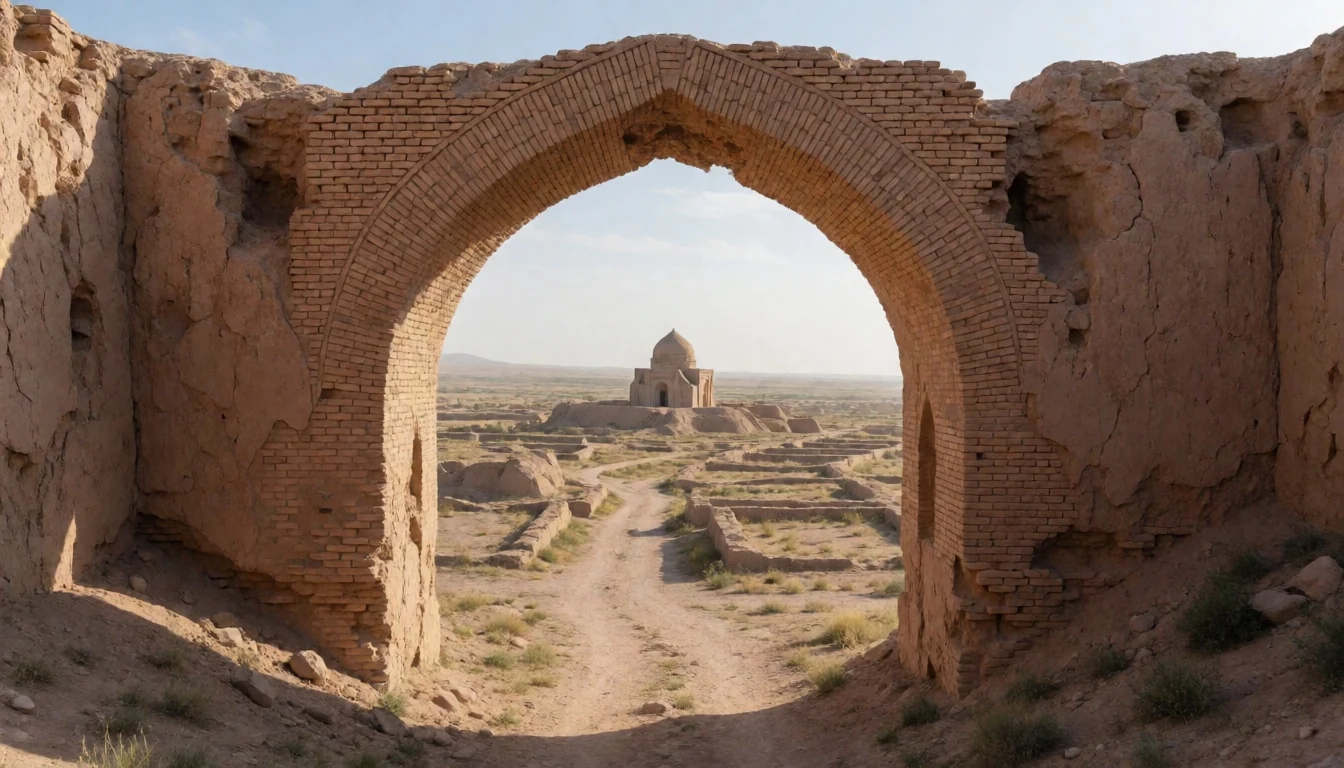
- Mausoleum of Mohammed ibn Zayid — Ancient Merv complex
This mausoleum is located nearby and dates from the 12th century. It’s associated with Mohammed ibn Zayid, described as a major representative of the Shi’iet branch of Islam and descended from caliph Ali in the fifth generation, making the site feel both scholarly and devotional.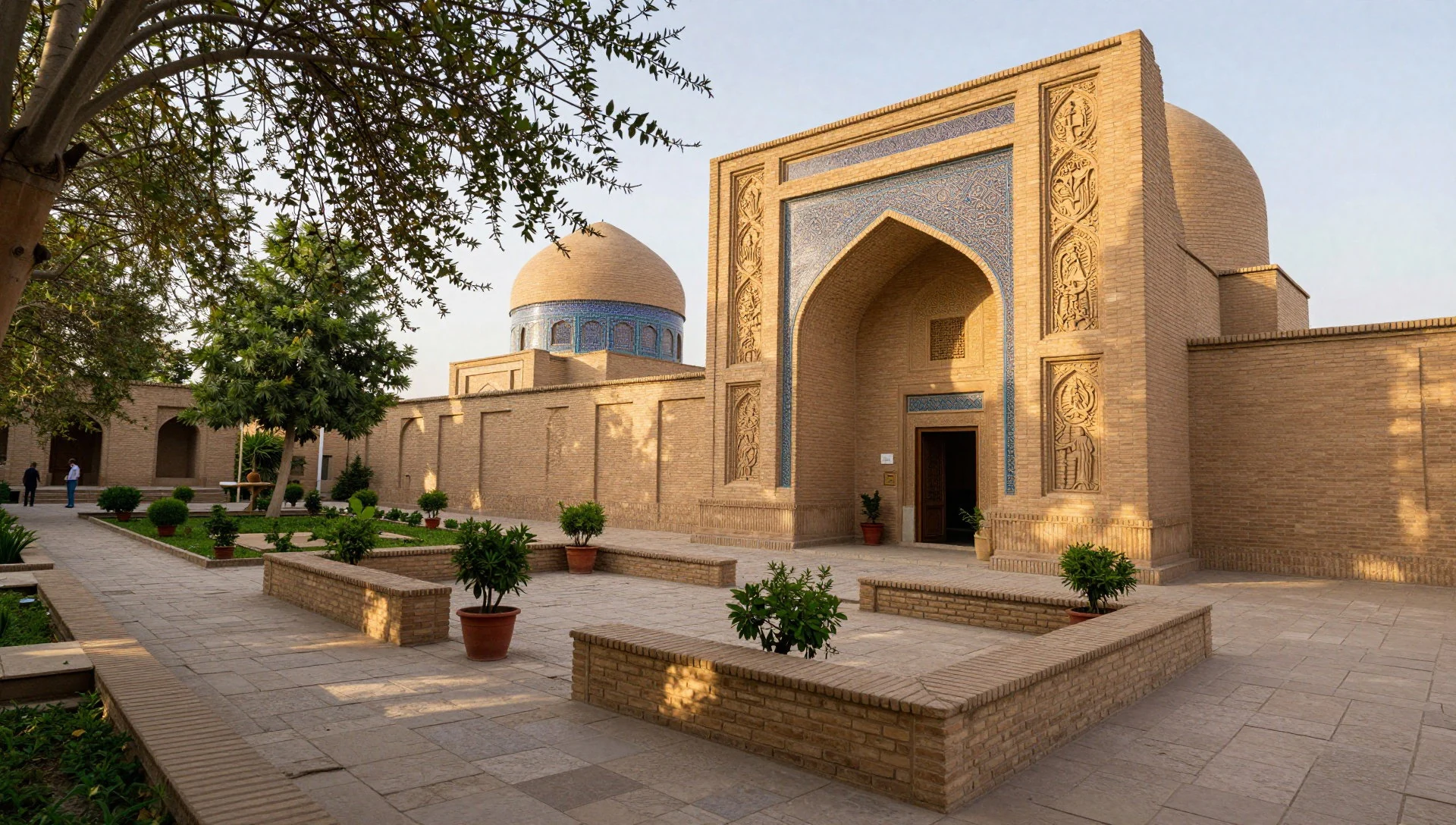
- Abdullah Khan Kala — Ancient Merv complex
Abdullah Khan Kala is attributed to Timur’s son Shahrukh and is dated to the 15th century. The fortification is described as lined with mud bricks from the outside and having 44 watch towers, which gives you plenty to spot even when the best views come from walking the perimeter.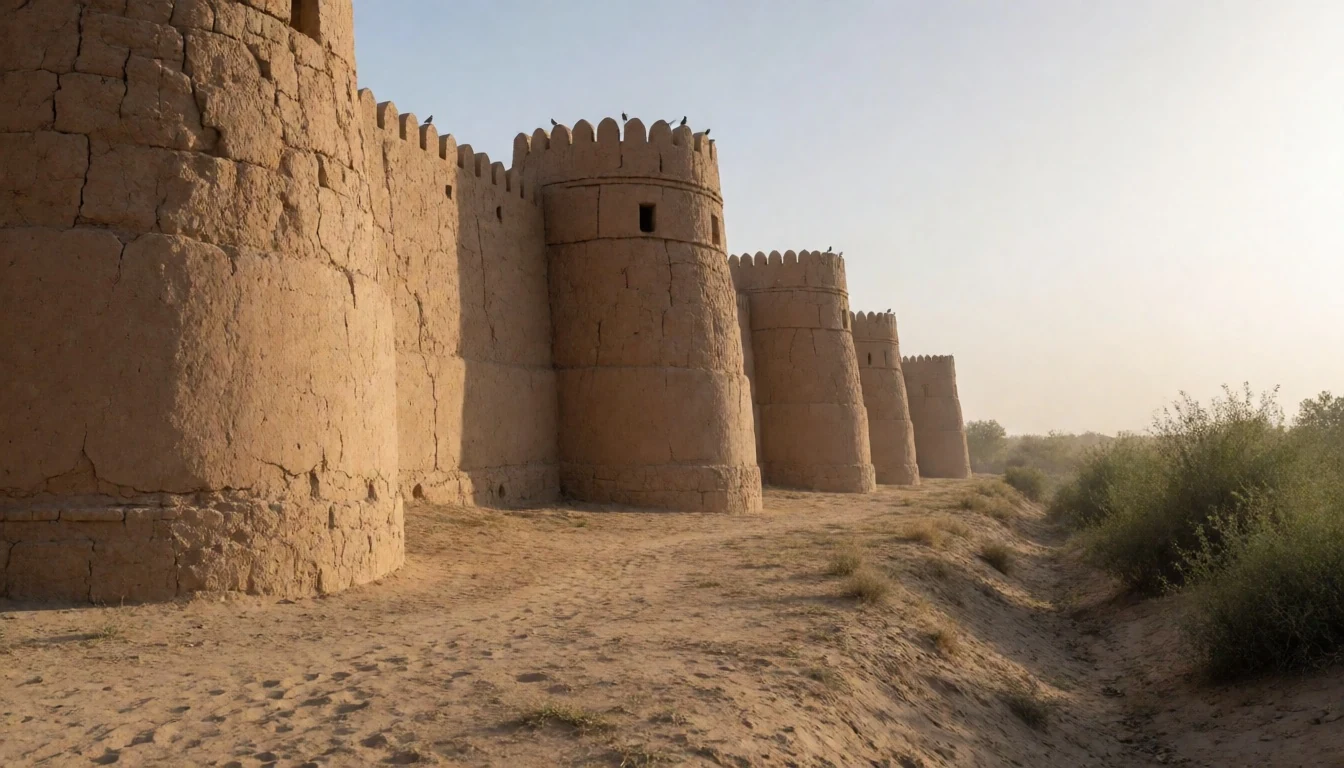
Culture
Merv’s culture is quieter than the “headline” cities, but it’s still deeply place-based: the ruins sit next to modern life, and the religious structures (mosques and mausoleums) give you a sense that the landscape was meaningful to communities beyond rulers. Even if you’re coming for archaeology, treat the site as an active heritage area, not only a photo backdrop.
In practice, that means moving at the pace of the place. The ground can be uneven and dusty, and the best moments often come when you slow down—watching light fall along walls, stepping back from the most direct angles, and letting the scale sink in. If you see people praying or visiting a shrine, keep your distance and keep voices down. A lot of sites like this are respectful by default; the only thing visitors sometimes get wrong is thinking that emptiness equals permission to be loud.
Another cultural point: Merv is tied to Islamic history and also to older traditions reflected in the wider region’s mythology. That doesn’t require you to “explain” yourself; it just means to dress and behave in a way that fits sacred spaces.
Visitor etiquette: dress modestly around mosques and mausoleums, speak quietly, and avoid stepping into prayer areas or crossing tight shrine paths.
What to wear
At Merv, dress is about two things: respect around religious structures and surviving the terrain. Traditional Turkmen dress is often associated with richly patterned textiles—carpets and woven garments are a cultural shorthand for the region’s skills, and you’ll see references to clothing and embroidery tied to local life and ceremonial occasions.
What people actually wear now is usually practical for heat and travel: lightweight trousers or long skirts, breathable shirts, and head covering options for sun. In and around heritage sites, modesty still matters because mosques and mausoleums are part of the visit.
For a visitor, think “sun + modest + walkable”. Choose long, lightweight layers (especially for the lower half), a T-shirt or long-sleeve top that isn’t revealing, and something to cover shoulders if you’re moving through prayer spaces. Footwear should be sturdy trainers or walking shoes—sandy paths and uneven ground make flip-flops a gamble. If visiting during colder months, bring a light jacket for mornings and evenings, as desert regions can feel noticeably cooler than expected once the sun drops.
What to eat
- Pilaf (plov) — Mary area restaurants and local dining spots
Look for pilaf in local eateries and community tables around Mary. It’s the kind of hearty, rice-based comfort food that suits long drives and dusty walks, especially when the weather turns dry and windy.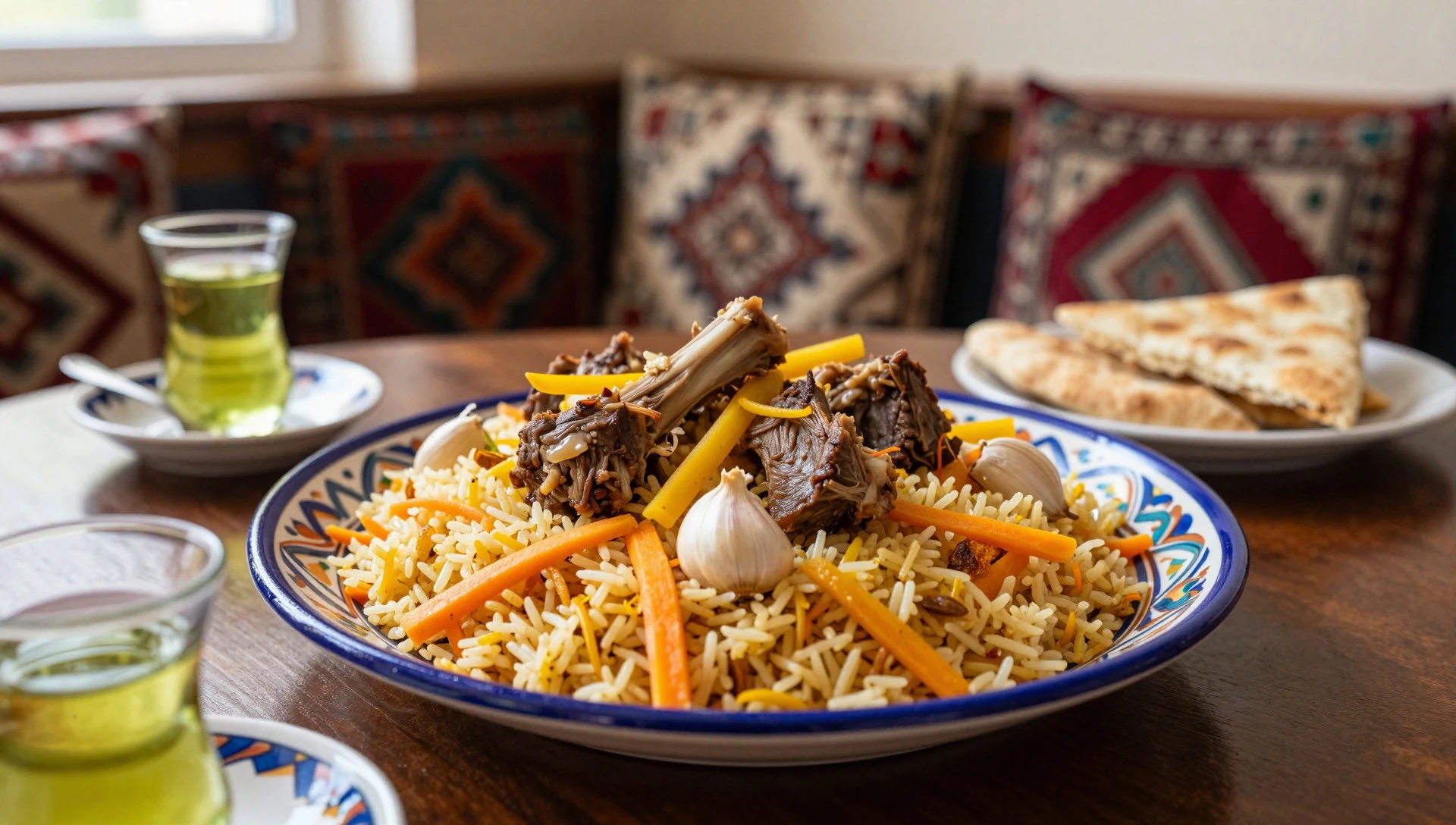
- Lavash and flatbreads — Bakeries and casual eateries in Mary
Flatbreads like lavash are a steady companion at Central Asian meals. Find them at bakeries or as part of any simple meal set in Mary, often served alongside dips and stews for quick, filling energy.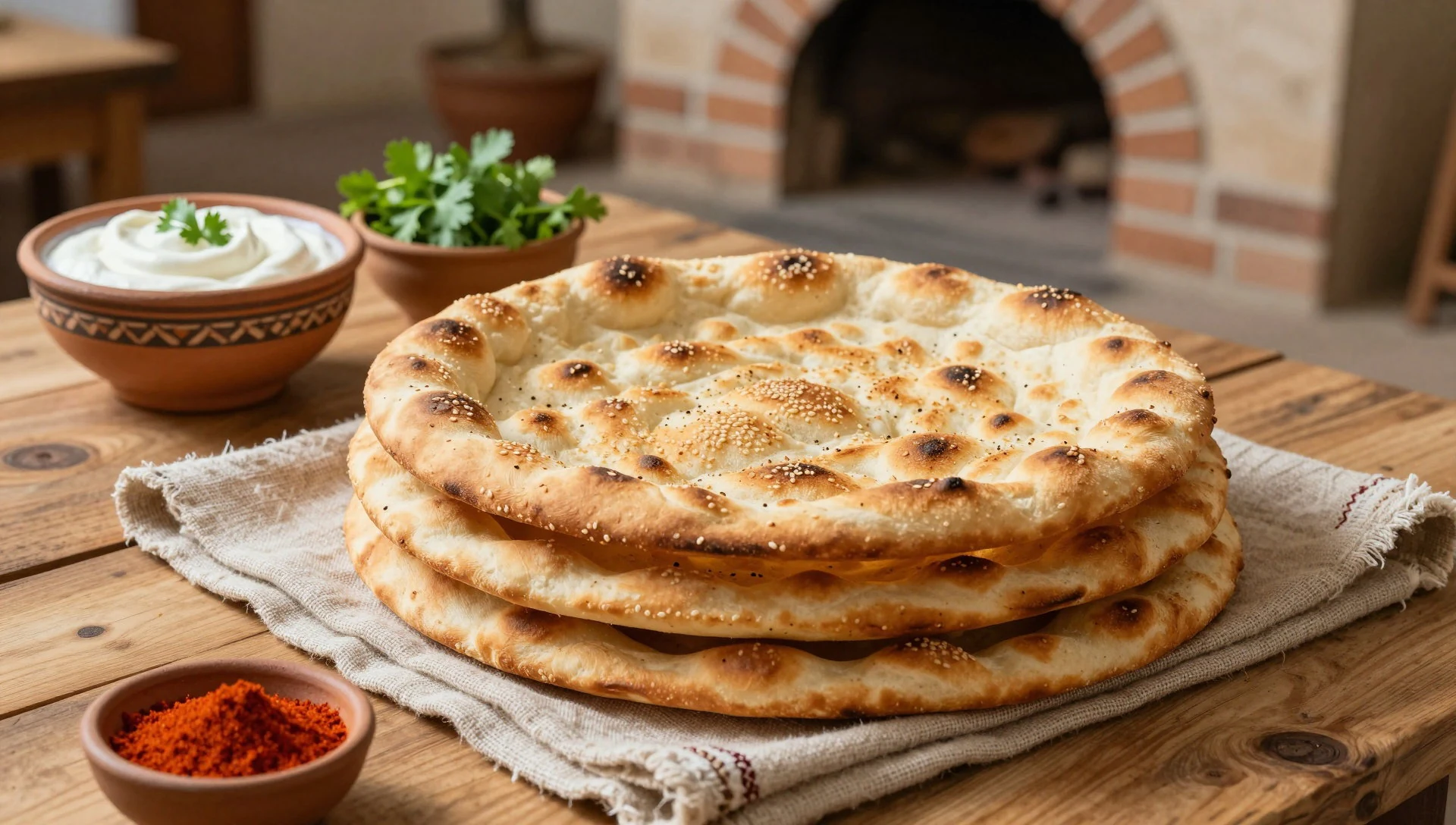
- Shashlik / grilled meat — Casual restaurants and grill stalls around Mary
Grilled meat is a familiar street-and-casual-restaurant staple across the region. In Mary, you’ll typically see it served with bread and salad, a straightforward option after a day of walking ruins. - Dried fruit and nuts — Markets and small shops in Mary
For something easy on the move, pick up dried fruits and nuts. They’re useful for day trips when you’re out in the open for hours and want a snack that doesn’t melt or spoil. - Tea (black tea) — Tea stops and restaurants in Mary
Tea is the default pause during travel in this part of the world. In Mary, it’s served with most meals and is a good chance to warm up in cooler months or rehydrate slowly when it’s hot.
Plan it
Best time. March–April and October–November for comfortable daylight temperatures and easier walking; summer can be punishingly hot and sun-heavy, so plan for early starts and shade breaks.
How long. 2–3
Getting there. Most visits are built around Mary, Turkmenistan. Plan your day using a drive from Mary to Merv and back, then spend your remaining time with a local plan for the main fortified areas and mausoleums inside Ancient Merv.
Budget. mid
Tips
- Base the day trip on a realistic time window; a drive from Mary to Merv and back plus site time can fit into a roughly 4-hour block for selected highlights.
- Start early in the day when the light is softer and the sun is less punishing; it also helps with photographing stone textures.
- Carry water and basic sun protection (hat, sunglasses, sunscreen); the ruins are spread out and you won’t find shade everywhere.
- Keep a little cash for small purchases and snacks, and check card acceptance locally for any meals before you rely on it.
- Consider pairing Merv with nearby sites that tours can reach in adjacent days if your schedule allows.
Etiquette
- Dress modestly around mosques and mausoleums and keep shoulders and lower legs covered.
- Avoid loud voices and don’t interrupt people visiting religious areas.
- Stay on paths where they exist; ruins can look stable but the ground can be loose.
Nearby
Sources
- Wikidata Q193325 (CC0)
- Wikipedia (Merv) (CC BY-SA 4.0)
- Wikivoyage (Merv) (CC BY-SA 4.0)
- photos/01-merv-city-walls-10-44747325714.jpg (CC BY-SA 2.0)
- photos/02-turkmenistan-merv-city.jpg (CC BY-SA 4.0)
- photos/03-faravahar-at-behistun.jpg (CC BY-SA 2.0)
- photos/04-mausoleum-of-sultan-sanjar-with-camel-42400295421.jpg (CC BY 2.5)
- photos/05-mausoleums-of-two-askhab-42328549562.jpg (CC BY 2.5)
- photos/06-maqama-38-abu-zayd-before-the-governor-of-merv-governor-deta.jpg (Public domain)
- photos/07-sultansanjarmausoleum1.jpg (CC BY 3.0)
- photos/08-sultan-sanjar-mausoleum-3-44747314854.jpg (CC BY-SA 2.0)


