Mersin
Mersin, Turkey
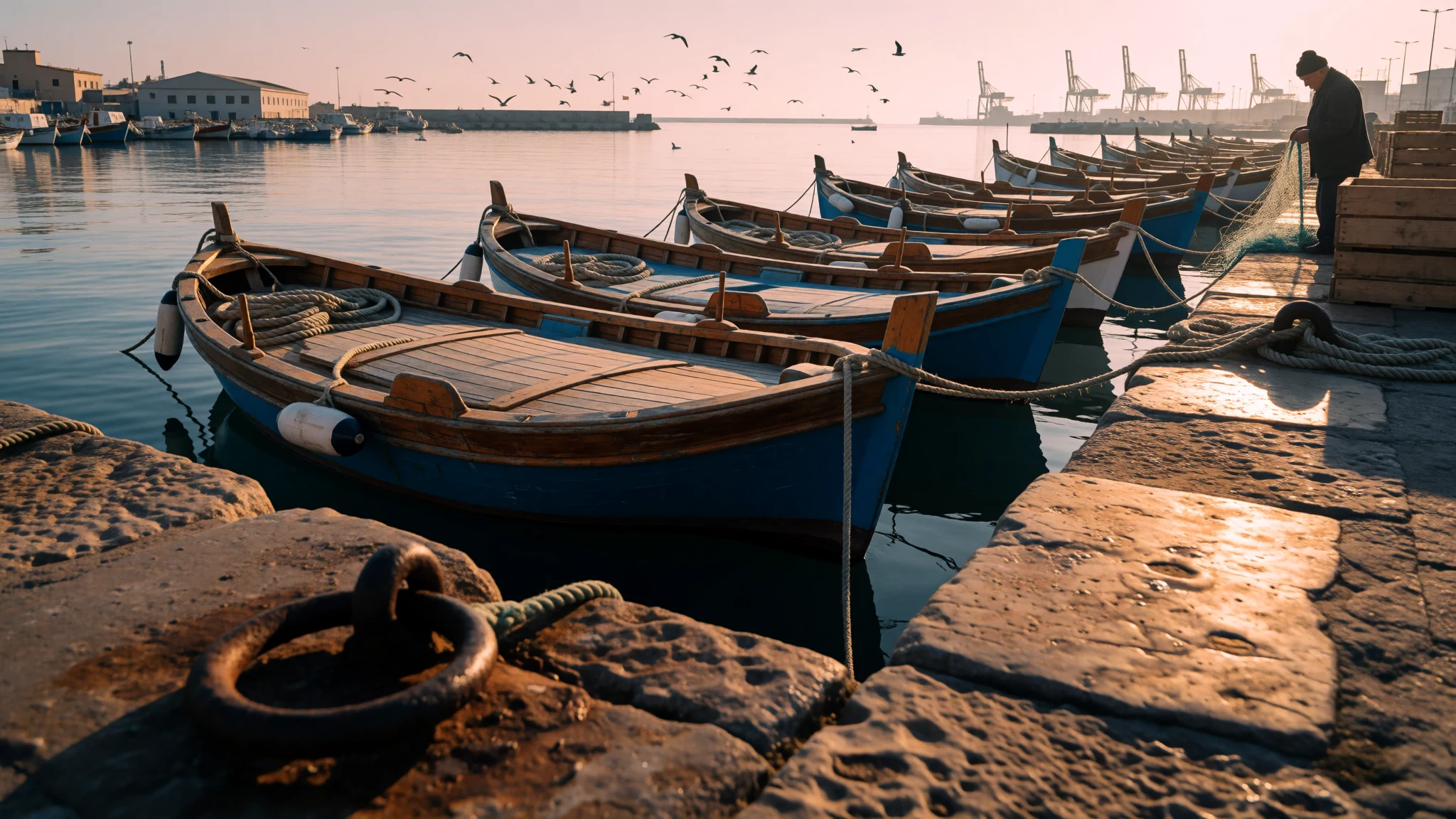
Mersin offers a dynamic Mediterranean coastline, deep archaeological roots stretching back millennia, and celebrated regional street food.
The place
Mersin sits as a major port and provincial capital along the Mediterranean coast of southern Turkey, functioning as an economic and cultural anchor for the region. The municipality is divided into four main district governorates: Akdeniz, Mezitli, Toroslar and Yenişehir. Together with neighbouring settlements, the wider metropolitan area accommodates a population exceeding one million residents. Geographically, Mersin rests at the western extremity of the Çukurova plain, presenting a striking contrast to the rugged, mountainous terrain that characterises much of the surrounding province. While seismic risk within the immediate city centre is moderated compared to active fault lines further inland, the urban core rests upon alluvial deposits.
The local climate is defined as a hot-summer Mediterranean pattern, bringing intensely warm, humid summers alongside mild, wet winters. Rainfall is concentrated during the colder months, while summer periods remain exceptionally dry with almost zero precipitation. Visitors arriving by air land at the regional airport situated some distance east of the urban core, connecting onward via established coach routes and local transport links. The coastline features expansive public green spaces, including promenades stretching alongside the blue waters where local fishermen dock their vessels and residents gather during the cooler evening hours to catch the sea breeze.
Its story
The heritage of Mersin stretches deep into antiquity, with archaeological excavations at Yumuktepe revealing numerous distinct occupational strata spanning many millennia. Ancient fortifications constructed during early epochs indicate the strategic importance of this coastal position along southern Anatolian trade corridors. Throughout successive centuries, sovereignty over the port shifted across numerous empires and civilisations, including the Hittites, Assyrians, Persians, Greeks, Armenians, and Romans.
In the era of Classical antiquity, the settlement was known as Zephyrion, noted by ancient writers for its natural harbour and maritime commerce. The surrounding hills yielded valuable mineral resources, and the city minted its own coinage to facilitate trade across the region. During the Wars of the Diadochi, naval fleets frequently anchored in the bay as rival commanders vied for control of royal treasuries and strategic strongpoints along the Mediterranean littoral. Under subsequent imperial administration, the territory was incorporated into the Roman province of Cilicia, operating in close economic relationship with nearby regional administrative hubs. Over subsequent centuries, the port evolved through Byzantine, medieval Armenian, and Ottoman rule, gradually transforming from an ancient anchorage into the sprawling modern maritime centre visible along the southern Turkish coastline today.
What to see
- Grand Mosque — Akdeniz district centre
Constructed originally in the late nineteenth century and later remodelled, the Grand Mosque stands as a prominent landmark in the central district. Visitors can observe its architectural evolution and contrast it with more traditional Ottoman-style places of worship erected in later decades across the municipality. - St Anthony Catholic Church — Central downtown
Built during the nineteenth century to serve Christian communities arriving from the Levant, this active Italianate church features historic masonry and serves as a quiet sanctuary amid the downtown streets, reflecting the cosmopolitan past of the Mediterranean port. - Atatürk House Museum — Central Atatürk Park vicinity
Housed within a late nineteenth-century residential villa originally constructed for a European consul, this museum commemorates visits by the founder of modern Turkey through historical photographs, personal belongings, and period furnishings reflecting late Ottoman domestic life. - Muğdat Mosque — Yenişehir district
Commissioned and built in traditional architectural style, this expansive religious complex accommodates thousands of worshippers beneath its grand central dome, framed by multiple towering minarets that dominate the western skyline of the urban municipality. - Yumuktepe — Western urban fringe
This ancient archaeological mound preserves numerous stacked levels of human settlement dating from Neolithic times through the Middle Ages. Walking around the base offers a tangible connection to the earliest agricultural communities that established themselves on the fertile coastal plain.
Culture
Mersin maintains a vibrant artistic scene, hosting institutions such as the State Opera and Ballet alongside an annual international music festival held every October that draws performers from across the region. Local cultural life is further enriched by active photography associations and art societies that sponsor exhibitions and community gatherings throughout the year. Agricultural heritage is celebrated through annual events such as the citrus festival, which features large sculptural installations constructed entirely from locally grown fruit alongside traditional folk dance performances from various regions.
The social atmosphere along the Mediterranean waterfront is relaxed, with residents frequenting tea gardens and promenade cafes during the cooler evening hours. Hospitality is an integral part of daily interactions, and visitors are generally met with warmth and curiosity by locals eager to share recommendations about their hometown. When entering active mosques or sacred spaces, dress modestly and ensure shoulders and knees are covered, and remove footwear at the entrance where requested.
What to wear
Traditional attire in Mersin reflects the agrarian and coastal heritage of the Çukurova region, historically featuring lightweight cotton garments suited to the warm climate, layered waistcoats, and traditional headscarves woven with local motifs. While these traditional costumes are now reserved for folk dance performances, cultural festivals, and historical exhibitions, they highlight a long-standing textile tradition rooted in local cotton production.
In contemporary daily life across Mersin, residents wear modern urban clothing that balances practicality with regional styles. Lightweight, breathable fabrics such as cotton and linen dominate wardrobes during the humid summer months, while jackets and lighter layers are common during the mild, wet winters. For international travellers exploring the city, standard casual wear is entirely appropriate for strolling the downtown streets and seaside promenades. When visiting religious sites, mosques, or conservative neighbourhoods, both men and women should dress modestly with covered shoulders and knees, and women should carry a light scarf to cover their head when entering active prayer halls.
What to eat
- Tantuni — Downtown street food stalls and dedicated tantuni shops
Finely diced meat sautéed with onions and spices, served wrapped in thin lavash bread with fresh herbs and lemon juice, found in specialist eateries across every neighbourhood. - Cezerye — Traditional sweet shops and confectioners across the central market
A traditional confection made from caramelised carrots, dried figs, sugar, and spices, typically rolled in crushed pistachios or walnuts as a sweet regional specialty. - Kerebiç — Local dessert houses and pastry shops throughout the municipal centre
Semolina dough biscuits stuffed with crushed pistachios or walnuts, served fresh and traditionally accompanied by a rich, fluffy white vegetable foam called çöven otu cream. - Künefe — Specialist pastry cafes downtown and near the seaside parks
An Arab-style dessert consisting of crisp, oven-baked shredded pastry layered with mild salt-free cheese, soaked generously in a thick sweet sugar syrup and topped with crushed nuts. - Şalgam — Local beverage vendors, kebab restaurants, and street kiosks
A traditional savoury fermented beverage crafted from purple carrots, bulgur wheat, salt, and yeast, offering a tangy, refreshing accompaniment to heavy meat dishes.
Plan it
Best time. March to April and October to November offer pleasant daytime temperatures ideal for exploring archaeological sites and walking along the coastal promenades, while summer months are hot and humid.
How long. 2–3
Getting there. Fly into Çukurova International Airport situated 50 km east of the city centre, then continue onward via regional coach services or road transit.
Budget. mid
Tips
- Visit archaeological mounds and outdoor sights during the cooler morning hours
- Carry cash for small shops, tea houses, and street food vendors
- Check regional transport schedules in advance as rail links may undergo temporary engineering works
Etiquette
- Cover shoulders and knees when visiting mosques and religious sanctuaries
- Remove your shoes before stepping onto carpets inside active places of worship
- Ask permission before photographing local residents and market vendors
Nearby
Sources
- Wikidata Q134291 (CC0)
- Wikipedia (CC-BY-SA 4.0)
- Wikivoyage (CC-BY-SA 4.0)
- Photos (CC BY 3.0 / CC BY-SA 4.0)