Mavrovo National Park
Mavrovo National Park, North Macedonia
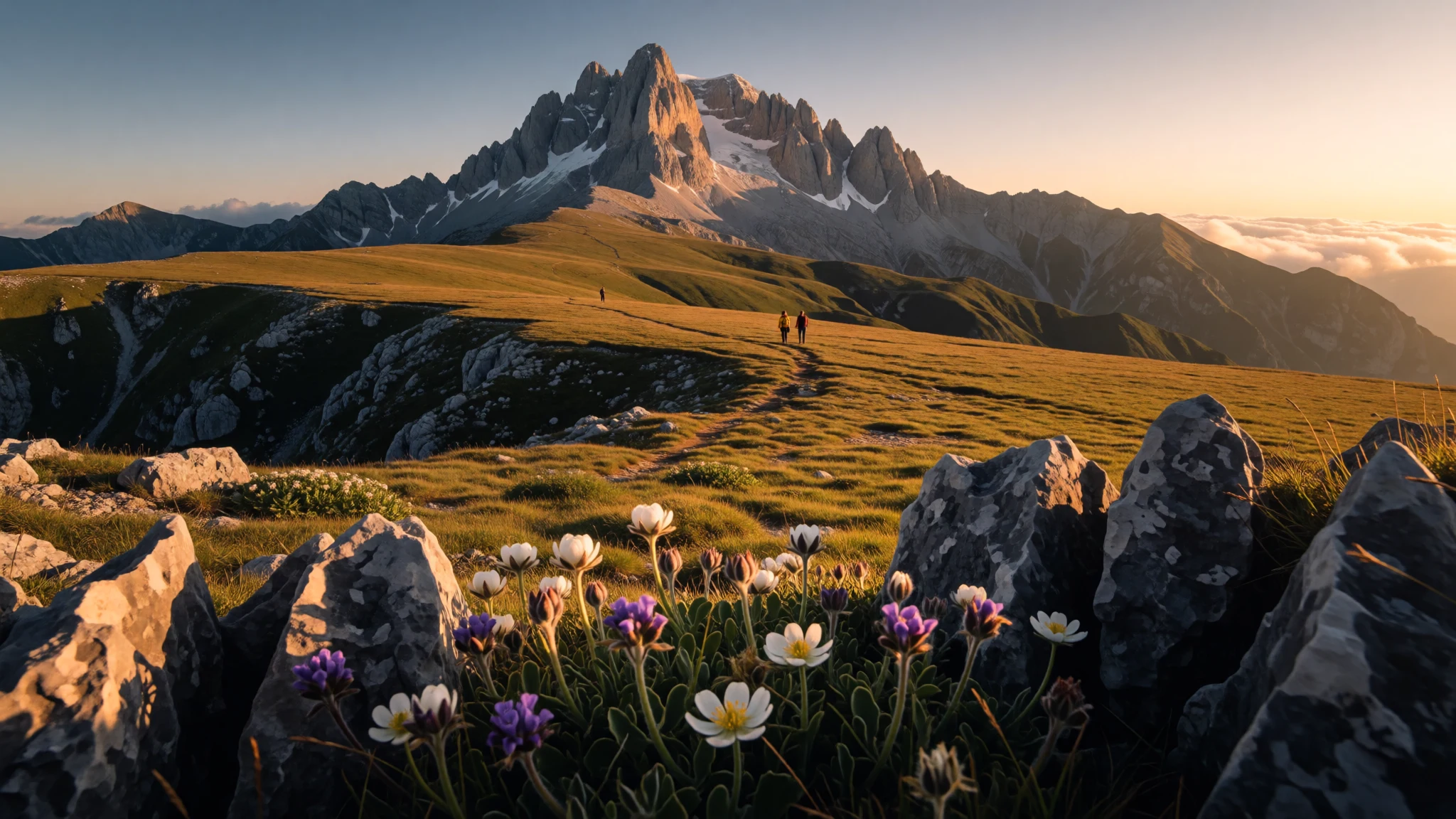
Mavrovo National Park is a big, rugged slice of North Macedonia—lakes, deep gorges and mountain hikes with room to roam.
The place
Mavrovo National Park (Национален парк Маврово) sits in the west of North Macedonia and covers about 780 km² of mountain country, shaped by canyons, lakes and dense forest. It’s not a “walk in a straight line” park; the terrain folds into alpine systems where the Šar, Korab and Bistra mountains meet, bringing steep relief, grassy plateaus and rugged ridgelines.
A central feature is the Radika gorge, a long stretch of steep-sided valley carved by the river, with vertical cliffs that rise for hundreds of metres. Around that, the park holds a mix of habitats: glacial lakes across the high Alpine zone, wet bogy patches described as Ice Age remnants in the Šar mountains, and karst landscapes in the Bistra mountains, including caves. Water is everywhere in the story of Mavrovo—lakes, river valleys and even a major waterfall with a vertical fall of about 120 m.
Since 1949, the park’s protection has been tightened by law, with areas divided into strict nature reserves, managed reserves and a visitor zone. That zoning matters in practice: it keeps the wild parts wild, while still giving visitors places where trails and access are set up.
The names loop neatly together too—Mavrovo is the name of the park, a village inside it, and the largest lake. If the mountains feel like the main character, the lake and gorge are the supporting cast that make the scenery feel lived-in, not just postcard.
Its story
Mavrovo National Park reads like a map that kept being redrawn. It began as a national park in 1949, created by legislation, and then later the rules were strengthened and organised into zones: strict nature reserves, managed reserves and a visitor zone. That shift explains why the place can feel both remote and practical—there’s wild country, but there’s also somewhere for visitors to plug into routes and sights.
The landscape does the storytelling. Three mountain systems—Šar, Korab and Bistra—give the park its alpine character, with snowy-looking peaks in concept and broad grassy areas lower down. Between them, the Radika gorge stretches for more than 25 km, tightening the terrain and channelling the river through dramatic cliffs. Those drops shape what’s possible on foot: you can spend a day moving between valley and slope, then end up at viewpoints where the forest texture changes under different light.
Water keeps turning the plot. The park has glacial lakes in the high zone, and the Radika valley brings you into contact with the sort of geography that makes weather feel personal—mist in the gorge one hour, clearer air on the ridges the next. In the Bistra mountains, the karst scenery and caves add another layer to what “nature” means here: not only forests and cliffs, but underground spaces.
Even the cultural footprint is tied to place names—there are churches, monasteries and memorials that anchor you in the villages scattered around the park. Mavrovo isn’t just scenery you pass through; it’s a region where mountains, water and local history overlap.
What to see
- Saint Jovan Bigorski Monastery — Mavrovo and Rostuse Municipality
Saint Jovan Bigorski Monastery is the cultural anchor around Mavrovo—one of the region’s most important spiritual sites. Even if the main focus is landscape, it’s worth budgeting time for a calm stop and a look at the historic setting inside the park area.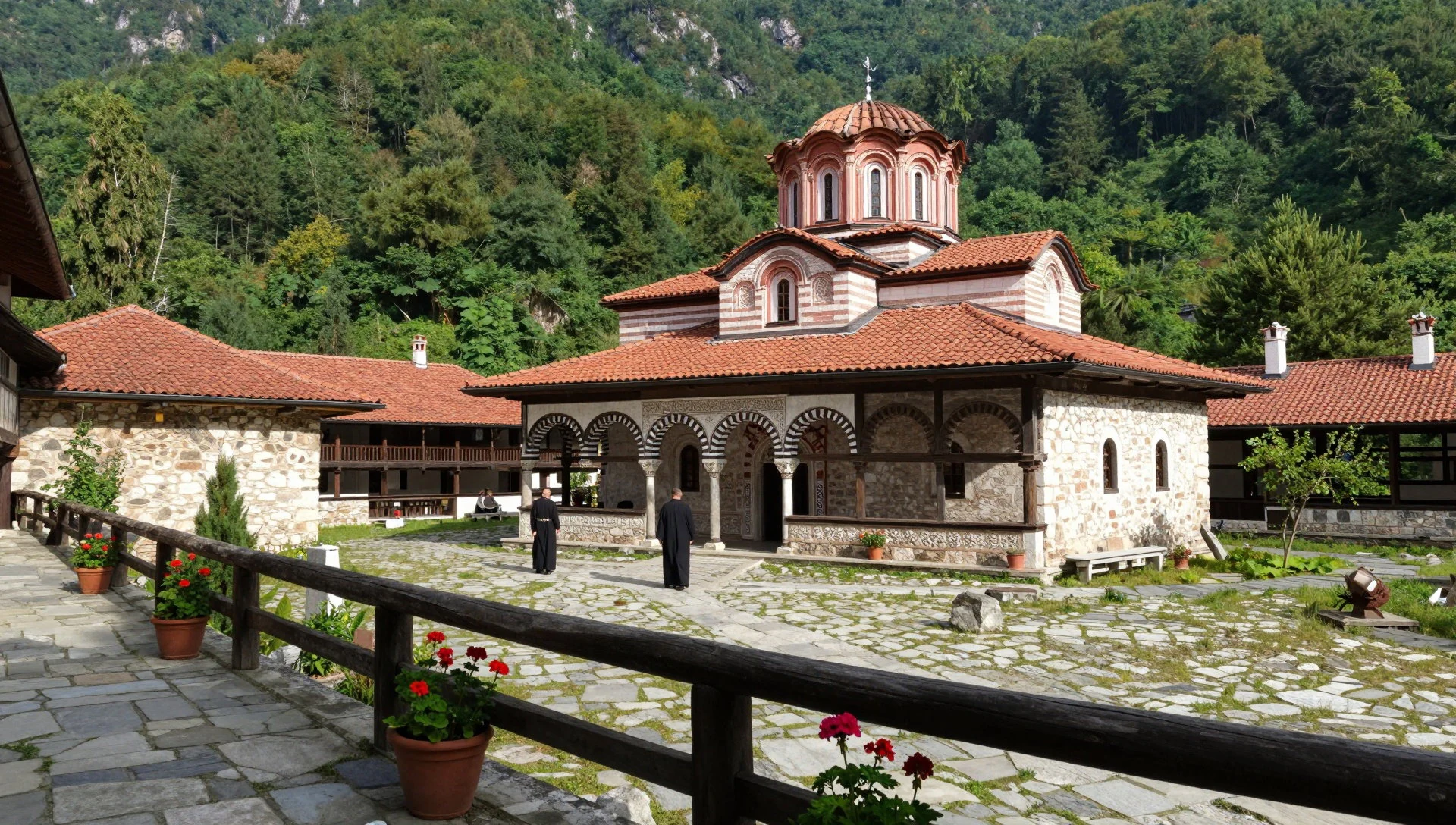
- Šarkova Hole cave — Near Šarkova area (by the village trailhead)
Šarkova Hole is a cave reached via a short paved trail from the village. It’s a straightforward add-on even for mixed groups, with an interior that’s roomy and easy to explore at an unhurried pace. The cave’s interior is roomy and easy to explore at an unhurried pace.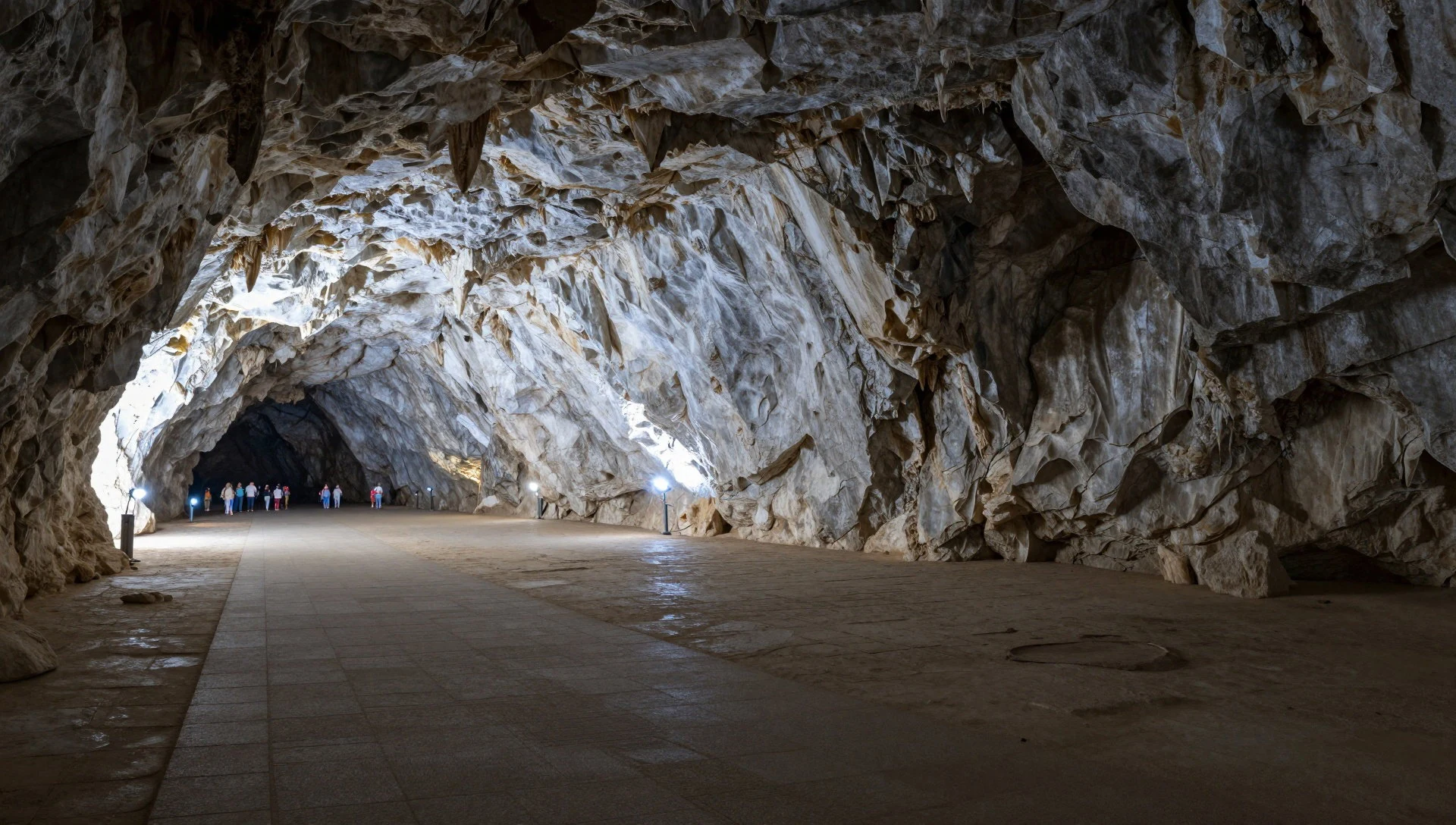
- Church of Saint Nicholas (often half-submerged) — By the lake in Mavrovo area
The Church of Saint Nicholas (Summer) at Mavrovo gives you a very different kind of “look”: a stone structure combining religion and lake scenery. Bring something to shield from wind if conditions are rough.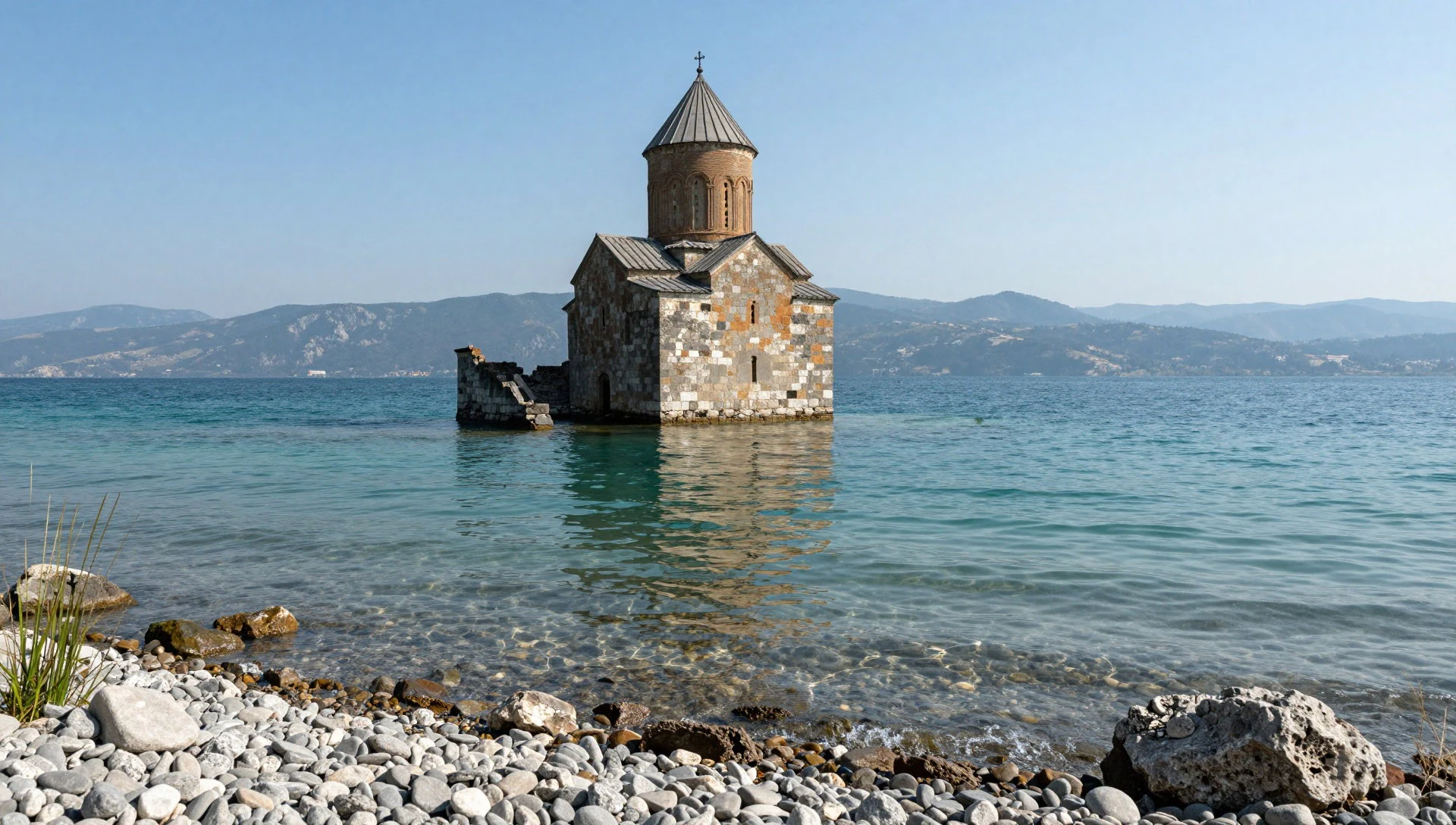
- Church of Saint Nicholas (icons and frescoes) — Mavrovo village area
The Church of Saint Nicholas (stone church noted for its icons and frescoes) is a good cultural counterbalance to mountain hikes. Its character is described as having an uncommon square-ish shape and being built of stone, so it feels distinctive rather than generic. Plan this as a slower stop between outdoor legs.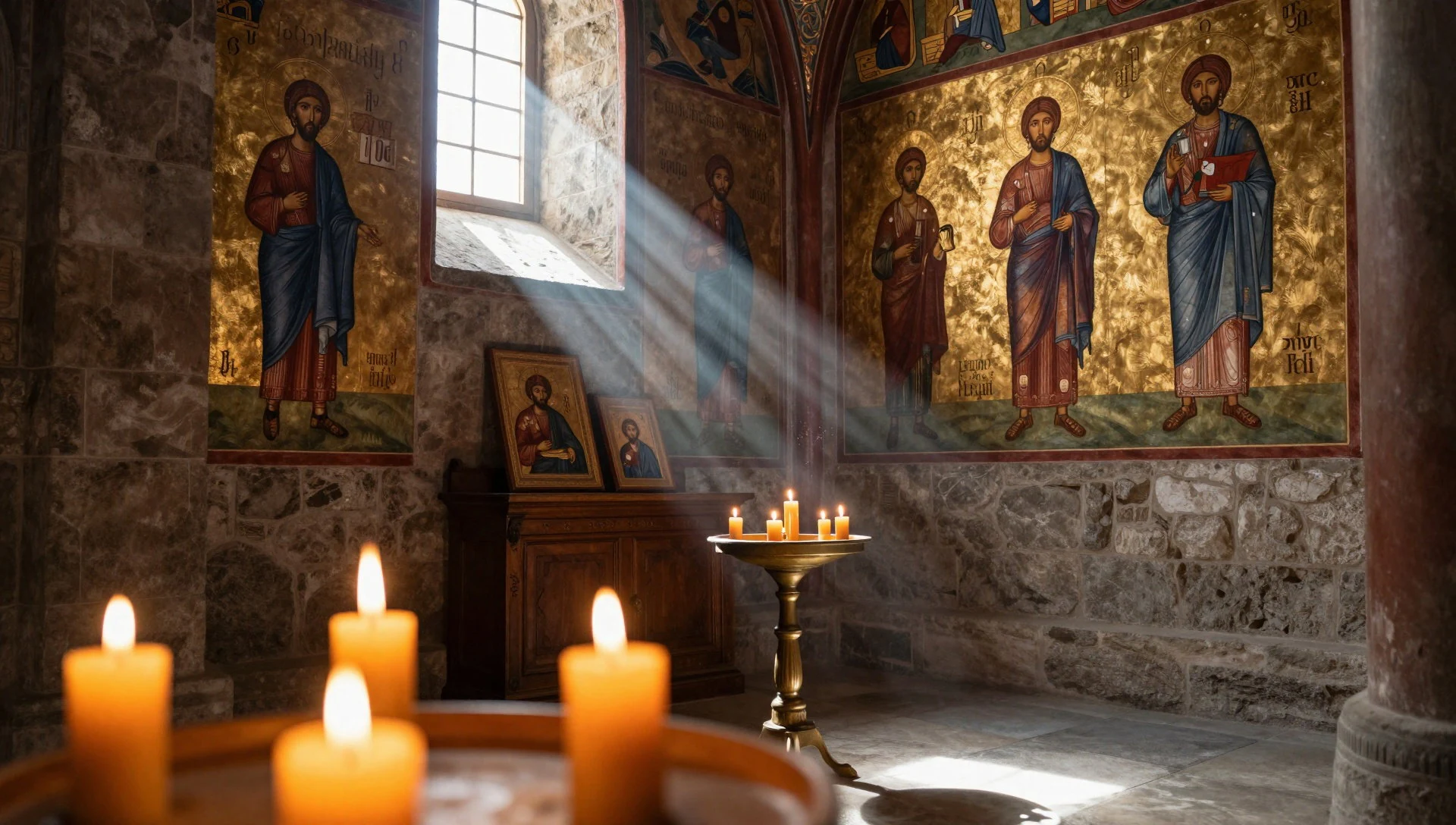
- Belčica Massacre Memorial — Belčica area
Belčica Massacre Memorial is a place for reflection rather than sightseeing. When you go, keep it respectful—this is history you’re walking into, not a photo backdrop.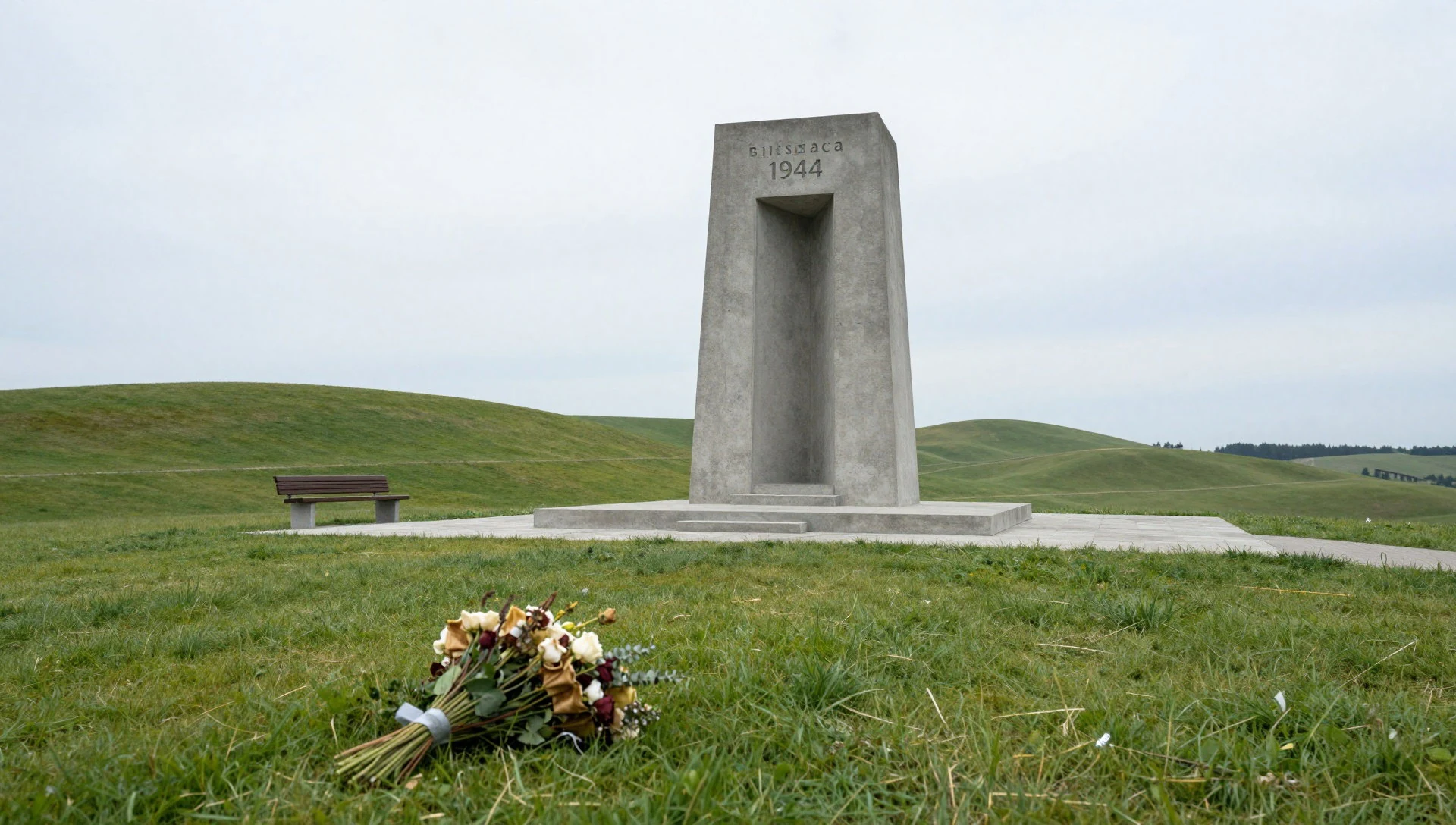
Culture
Mavrovo National Park sits inside a region with layered identities, and that shows up in the park’s religious and memorial sites. Villages around the park include communities described as Macedonian, Turkish and Albanian, with some Macedonians also identifying as Turks or Albanians. It’s a reminder that the mountains aren’t empty land; they’re lived-in.
When visiting churches and monasteries in the Mavrovo area, the main thing is to treat these places as places of meaning, not just architecture. Keep voices low, step aside for prayers or services if people are gathered, and avoid blocking entrances or pathways. In winter or shoulder seasons, don’t be surprised if surfaces are slippery—stone steps, shaded corners and damp air all come with the gorge and forest setting.
Memorials, meanwhile, ask for extra care. If you’re reading about the Belčica Massacre Memorial, give yourself a moment to take it in rather than rushing through—this is tied to specific lives and a specific date.
Visitor etiquette: Dress modestly for church and monastery visits, and keep noise down in memorial areas.
What to wear
In and around Mavrovo National Park, clothing is mostly about practicality first, because the scenery changes fast—from lake shore breezes to forest shade and steep terrain. Traditional dress exists in the region, but visitors won’t need to wear it to enjoy the park; most locals dress for daily life.
What to look out for if you do want to spot traditional textiles: regional outfits are associated with embroidered garments and distinctive patterns created with local weaving traditions. You’ll usually see them during cultural events, family celebrations or village occasions rather than on standard trail days.
What people wear now is sensible and seasonal: layers for cool mornings, a warm mid-layer when you climb, and rain protection when weather turns. For visiting churches and monasteries, modest clothing is the norm—think shoulders and knees covered.
What to wear as a visitor: closed walking shoes with grip (the park terrain can be uneven), a light waterproof jacket, and a scarf or layer you can pull on for religious sites and for windy lake areas. In warmer months, breathable fabrics help, but keep a layer for evenings in the mountains.
What to eat
- Mavrovo lake fish dishes — Restaurants in the Mavrovo area
Fish from Mavrovo Lake shows up on menus around the park—an obvious choice when you want something local rather than standard “traveller fare”. It’s typically served as a main course, often grilled or in a simple preparation that lets the taste stay clean.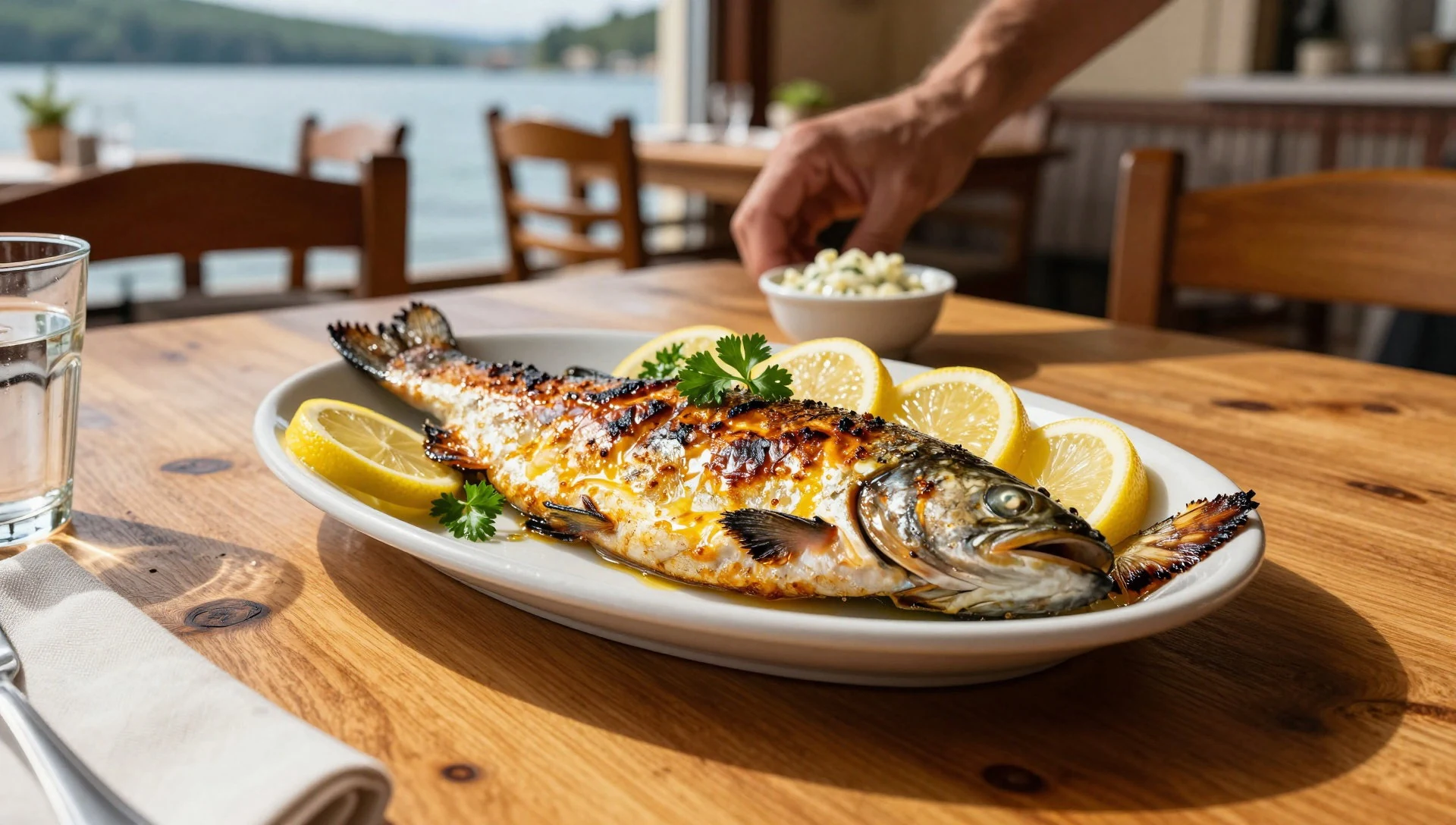
- Traditional Mijaks-style meals (House of the Mijaks) — House of the Mijaks (Ethno Restaurant) in the Mavrovo area
House of the Mijaks (Ethno Restaurant) is a good bet for traditional dishes, with food presented as part of local table culture. It’s the sort of place you go when you want flavours that feel regional rather than international, with fish and meat options likely depending on the day.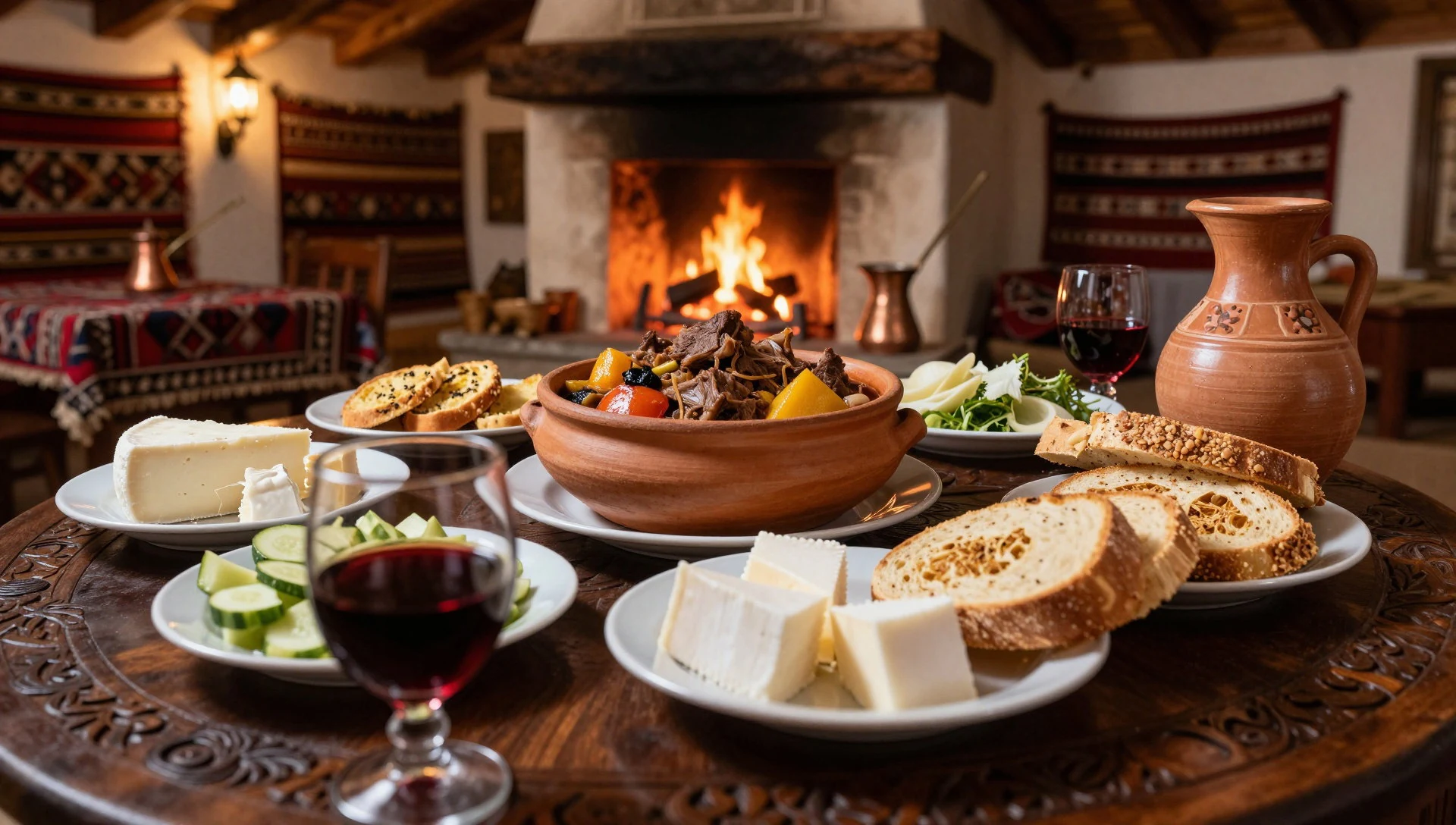
- Restaurant Rekanski Merak meals — Rekanski Merak restaurant area
Restaurant Rekanski Merak is one of the local dining options listed around Mavrovo. If the day has you hiking in the gorge and by the forest, this kind of restaurant stop is where you’ll refuel with hearty meals—aim for something warm after time outdoors. - Restaurant Glamour — Glamour restaurant area
Restaurant Glamour appears on the local food list for the Mavrovo region. It’s a practical pick when you want a sit-down meal without hunting across multiple villages, and it helps you stick close to whatever route you’re doing that day. - Restaurant Mavrovski Merak — Mavrovski Merak restaurant area
Restaurant Mavrovski Merak rounds out the set of listed places to eat in the park region. When you want a familiar restaurant environment after hiking—something quick, filling and not overly complicated—this is the kind of option that fits a half-day plan.
Plan it
Best time. March–April and October–November for comfortable mountain walking and clearer days; June is the rainy season, and August is hot and humid.
How long. 3–4
Getting there. Use the nearest practical route into North Macedonia (often via Skopje or Debar), then rely on local minibus services—there is a minibus between Debar and Skopje. The last leg into the park area is best planned by asking at the bus station or with locals for the nearest stops, as the brief suggests.
Budget. mid
Tips
- Start by using the minibus link between Debar and Skopje, then confirm the final park-side stop by asking at the bus station or locally, since exact timetables are not fixed in the brief.
- Build your days around the gorge and lake: do one cultural stop (monastery or church) on a slower morning and save longer hikes for clearer weather.
- Keep a small buffer for mountain conditions—rain in June and humidity in August can change walking comfort quickly.
- Carry water and snacks; trail days can involve stretches where you’re focused on getting from viewpoint to viewpoint.
- Plan around religious visits: keep shoulders and knees covered for churches and aim for quieter hours.
Etiquette
- Remove shoes where you see a step-up and slips waiting at church or monastery entrances.
- Keep voices low inside churches and be careful not to block doorways or icon areas.
- At memorials like Belčica, avoid casual photo posing and move on only when you’re ready.
Nearby
Sources
- Wikidata Q569069 (CC0)
- Wikipedia (rev 1362854959) (CC BY-SA 4.0)
- Wikivoyage (rev 5410848) (CC BY-SA 4.0)
- Photo photos/01-velky-korab-2011.jpg (CC BY-SA 2.0)
- Photo photos/02-.jpg (CC BY-SA 2.0)
- Photo photos/03-mavrovo-national-park-3.jpg (CC BY 3.0)
- Photo photos/04-.jpg (CC BY-SA 2.0)
- Photo photos/05-.jpg (CC BY-SA 4.0)
- Photo photos/06-asphodelus-albus-from-mavrovo-national-park.jpg (Public domain)
- Photo photos/07-bike-trip-in-northern-macedonia.jpg (CC BY 3.0)
- Photo photos/08-bistra-1.jpg (CC BY 3.0)


