Zermatt and the Matterhorn
Zermatt and the Matterhorn, Switzerland
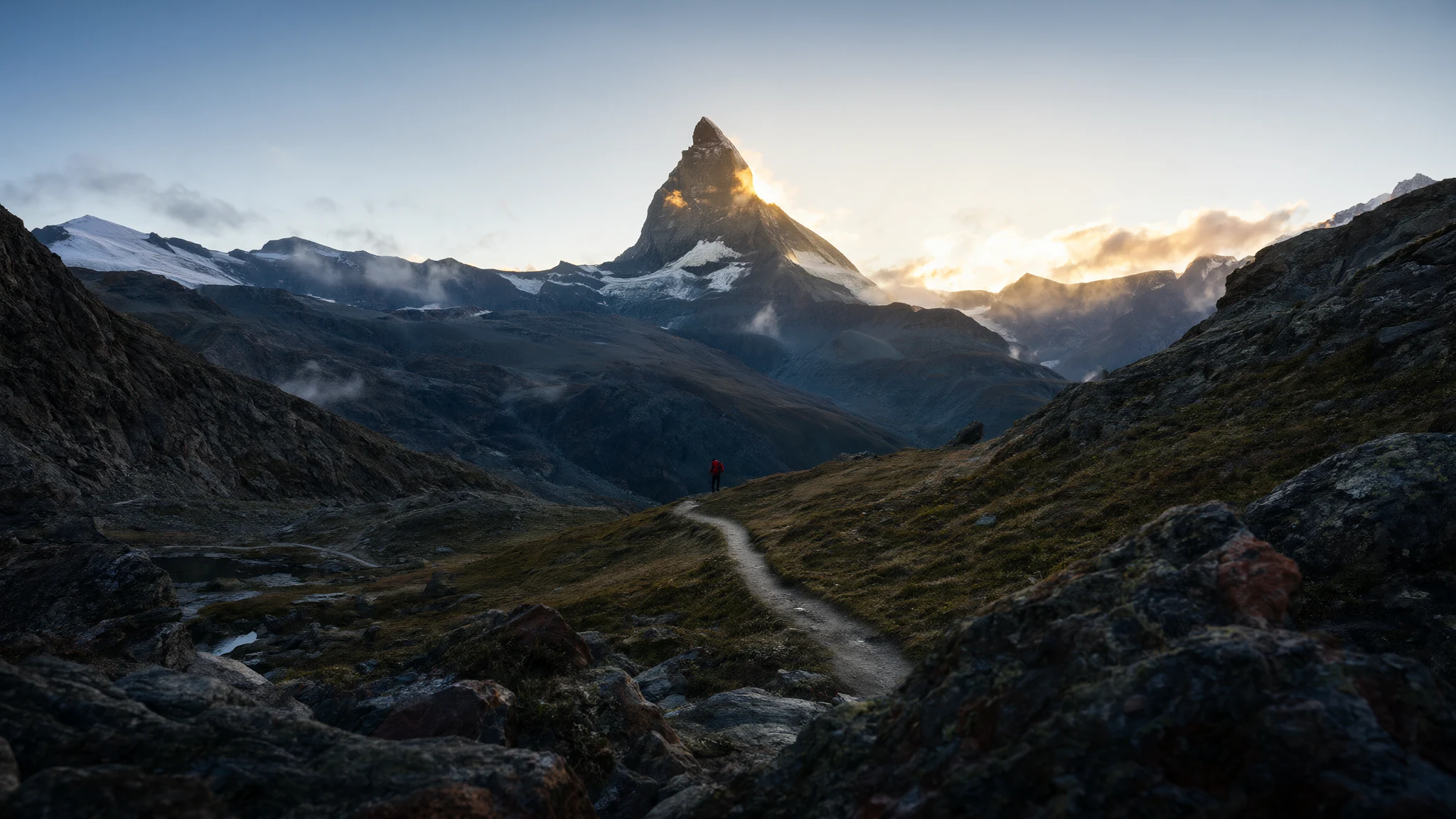
Witness the world's most famous pyramidal peak soaring above classic Swiss alpine valleys, glacier trails, and historic mountain passes.
The place
Zermatt and the Matterhorn command attention from the Pennine Alps, standing proudly across the boundary dividing Switzerland and Italy. This massive, nearly symmetrical pyramid towers above surrounding glaciers, presenting four distinct faces oriented toward the cardinal directions. The north, east, and west walls lie entirely within Swiss territory in the Valais canton, while the southern precipice drops toward the Aosta Valley in Italy. Separating these formidable faces are four sharp geological ribs: the Hörnli, Furggen, Zmutt, and Leone ridges. Down in the valley, the Swiss town of Zermatt looks up at the peak, acting as the primary hub for travellers arriving to explore the high alpine environment. Just to the east, the Theodul Pass has served as a mountain thoroughfare since Roman times, connecting northern and southern valleys. Because of its isolated position on the main Alpine watershed, the mountain creates its own weather patterns. Rapid cloud formation often cloaks the summit, producing dramatic banner clouds as moisture condenses on the leeward slopes in swirling alpine air currents. Visitors roaming the local trails experience an environment shaped by intense glacial forces, where every vantage point reveals the raw scale of the Pennine range.
Its story
Zermatt and the Matterhorn entered written alpine history during the sixteenth century when early topographers traversed nearby high passes. Aegidius Tschudi published an early account in Basel after reaching the summit of the Theodul Pass as a student, though he paid little attention to the colossal peak dominating the skyline. For more than two centuries, the summit remained largely unstudied until Genevan geologist Horace Benedict de Saussure travelled to the region, filled with deep admiration for its geological majesty. Although he doubted anyone could ever measure its altitude by carrying a barometer to the very top, his scientific curiosity was instantly ignited. He observed that the peak resembled an ancient triangular obelisk carved by a master chisel, correctly deducing that natural weathering had spent centuries destroying a much larger ancient mass. While other great alpine heights were conquered earlier, this isolated pyramid held out against climbers, sparking an intense international race for the summit that gripped Europe in the nineteenth century. Naturalists, artists, and travellers like John Ruskin soon followed, embedding the silhouette of the mountain into global consciousness as the ultimate emblem of alpine grandeur.
What to see
- The Matterhorn — Pennine Alps border
The towering pyramidal peak stands as an enduring symbol of the Alps, with its four steep rock faces overlooking glaciers and valleys on both the Swiss and Italian borders. Visitors can view the mountain from various high-altitude viewing platforms accessible via cable cars and mountain trains.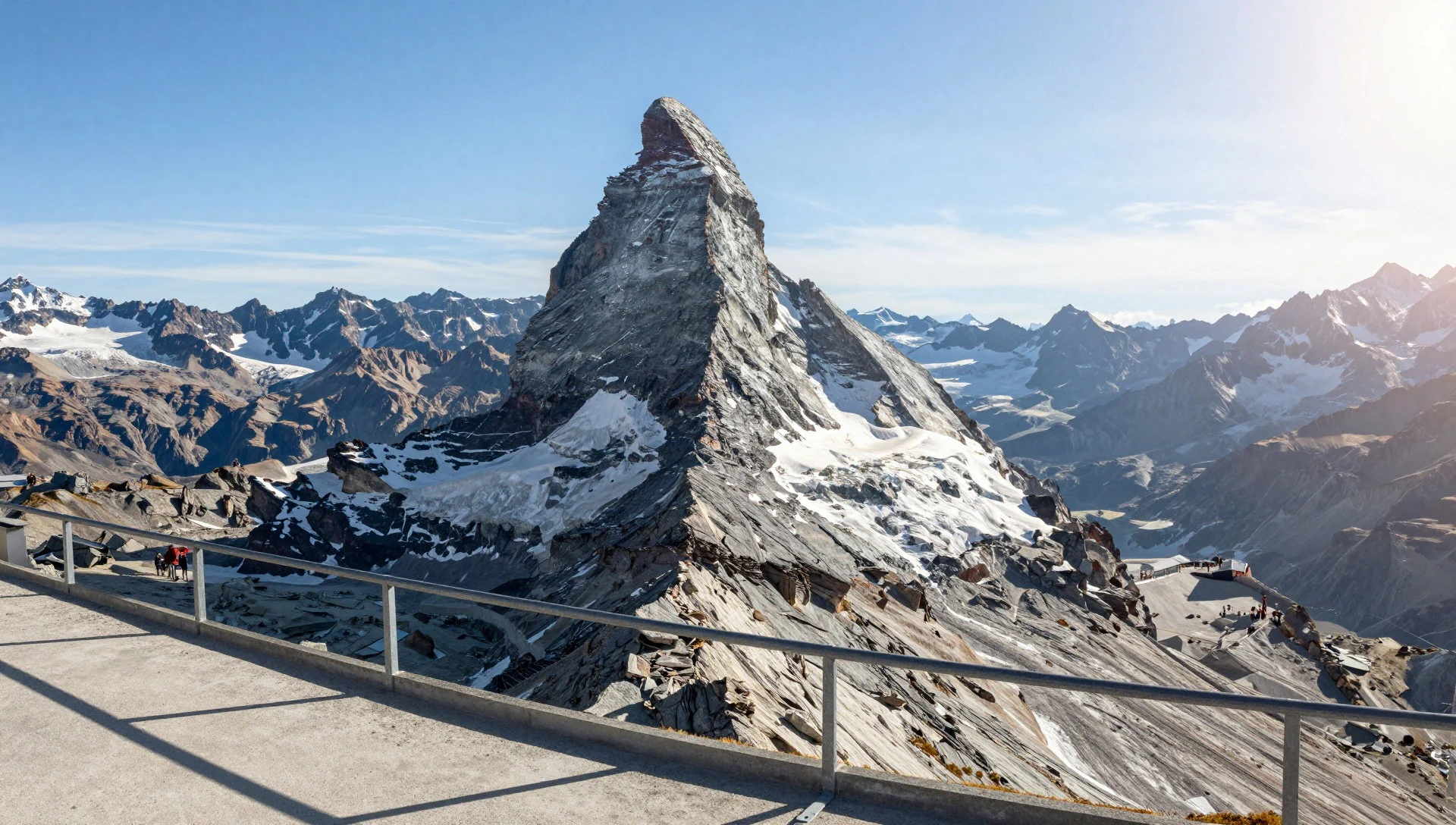
- Breithorn — Pennine Alps ridge
Reaching an altitude of over four thousand metres, this snowy peak is widely regarded as the most accessible high alpine summit in the region. Cable cars from the valley transport visitors up toward the high station, allowing experienced mountaineers with proper gear to attempt the ridge climb.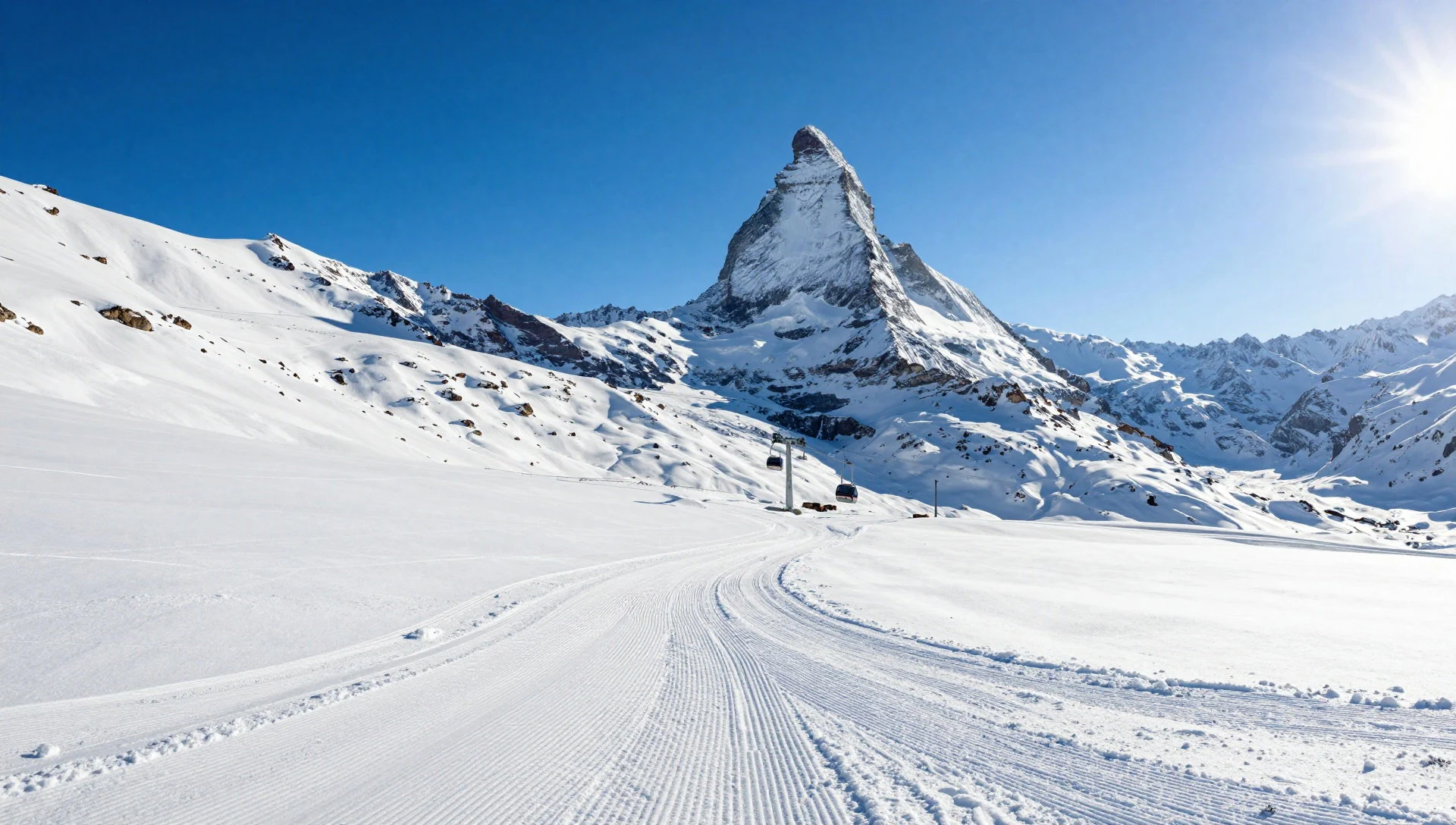
- Monte Rosa — Monte Rosa massif
This massive alpine massif represents the culminating high point of Switzerland, featuring vast glacial fields and rugged climbing routes. The remote mountain hut serves as the primary base for seasoned mountaineers tackling the challenging ascent with crampons and prior acclimatisation.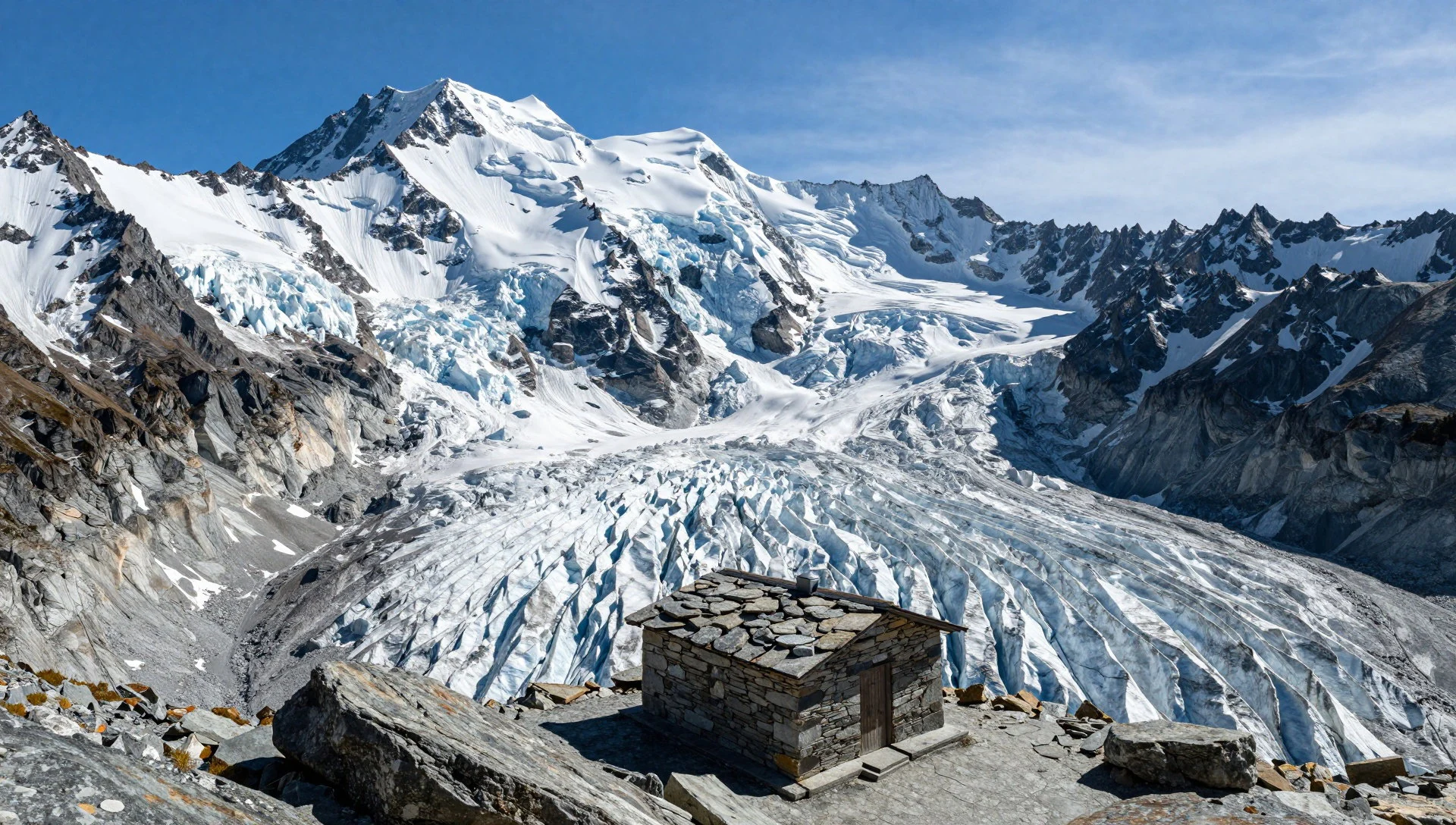
- Zermatt Village and Ski Area — Mattertal valley floor
The charming valley settlement of Zermatt provides a lively alpine atmosphere with traditional wooden chalets, bustling shopping streets, and car-free lanes. Connected directly with Italian slopes across the glacier, the massive ski domain offers year-round winter sports and extensive hiking paths.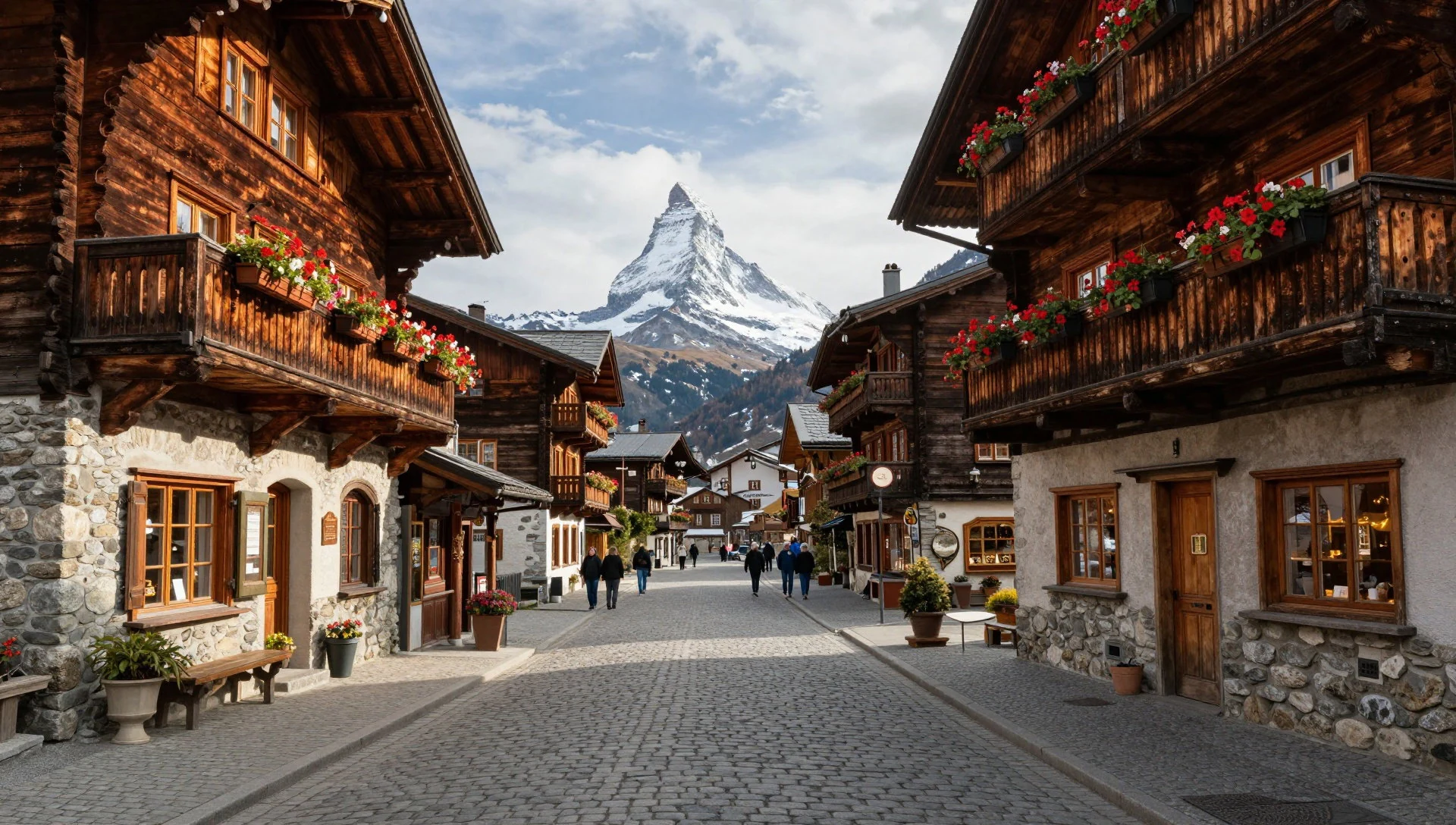
Culture
Zermatt and the Matterhorn sustain a deep mountain heritage rooted in farming, guiding, and alpine resilience. For generations, local communities lived a pastoral life farming high pastures before tourism transformed the valley into an international mountaineering capital. Traditional Valais customs are preserved through local music, village festivals, and timber architecture featuring weathered larch chalets elevated on stone pillars to keep grain safe from rodents. Modern village life runs on strict Swiss punctuality and deep respect for the fragile mountain ecosystem, where quiet residential zones and electric taxis maintain a peaceful atmosphere. Visitors share village paths with locals who take immense pride in their alpine rescue history and mountain traditions. Always greet shopkeepers and fellow hikers on remote trails with a polite local greeting when passing by.
What to wear
Zermatt and the Matterhorn locals historically wore heavy woollen garments, sturdy leather boots, and woven aprons designed to withstand freezing alpine winters and rugged outdoor labour. Today, residents and mountain guides wear practical, high-performance outdoor apparel suited for changing weather, including waterproof shells, thermal layers, and durable trousers. Visitors exploring Zermatt and the surrounding trails need sturdy, broken-in hiking boots with good grip, layered wool or fleece clothing, windproof jackets, UV-blocking sunglasses, and a reliable daypack for variable mountain conditions.
What to eat
- Cheese Fondue — Traditional village taverns
A classic Swiss melted cheese dish prepared with local mountain cheeses and white wine, served in a communal pot with bite-sized pieces of crusty bread. Find this hearty speciality at traditional taverns and rustic village eateries throughout the valley.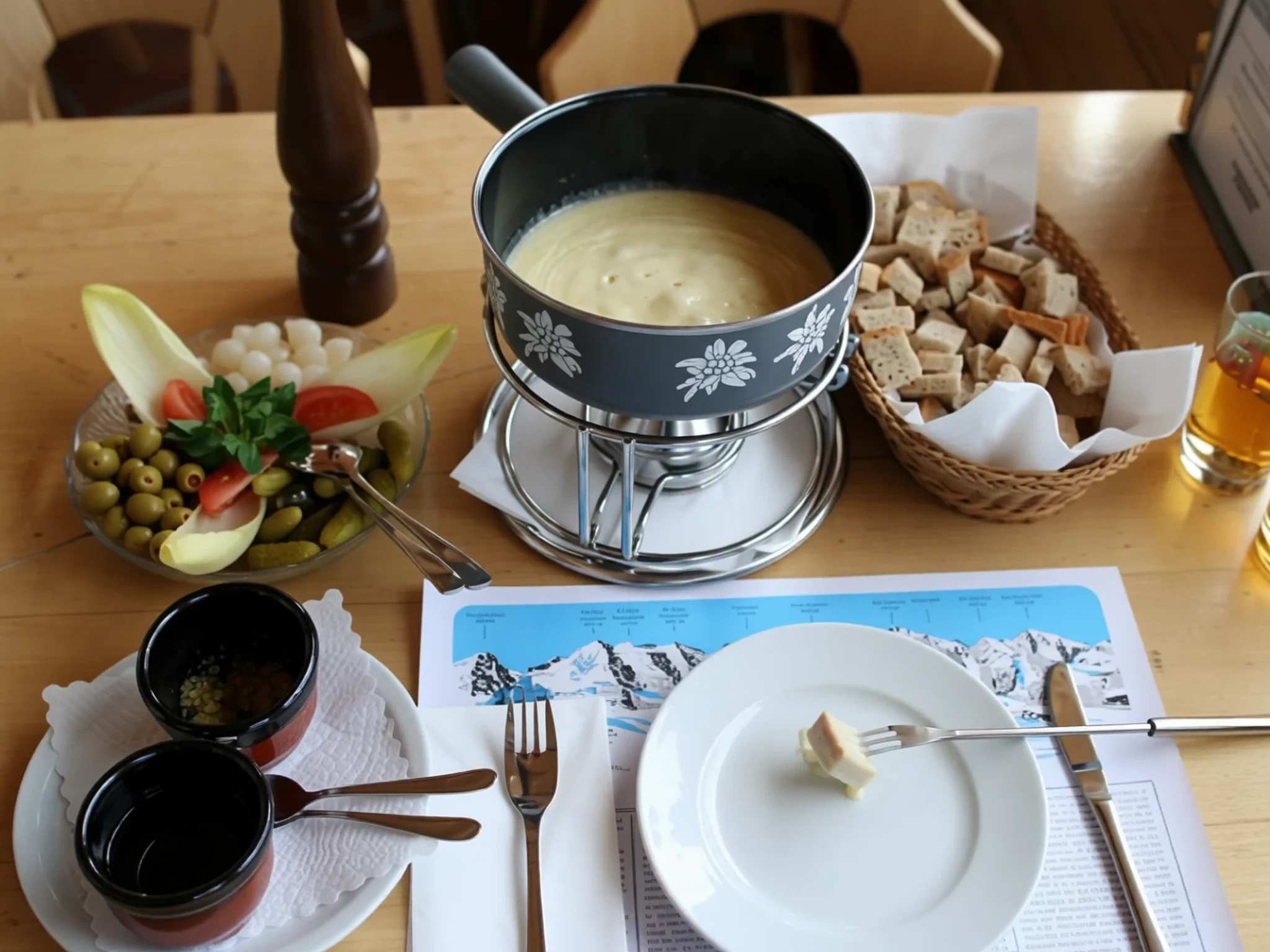
- Raclette — Alpine dining rooms
Scrumptious melted cheese scraped directly from a heated wheel over boiled potatoes, accompanied by pickled onions and gherkins. Savour this warming winter comfort food in cosy alpine restaurants across the local settlement.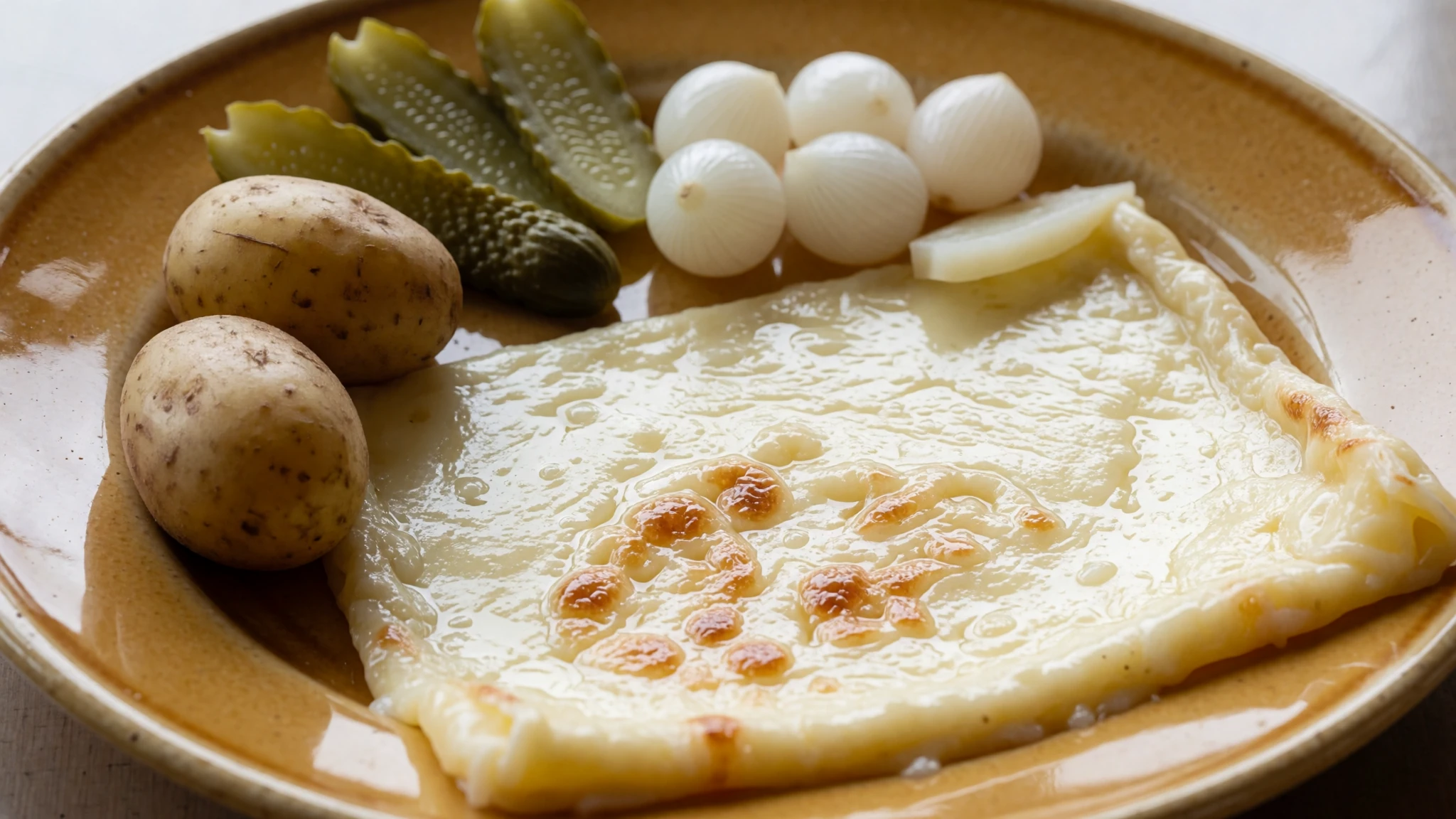
- Rösti — Mountain huts and alpine chalets
Crispy golden grated potato cakes fried in butter until crunchy on the outside and tender within, often topped with fried eggs or cheese. Order this hearty dish at local mountain huts after a long day of hiking.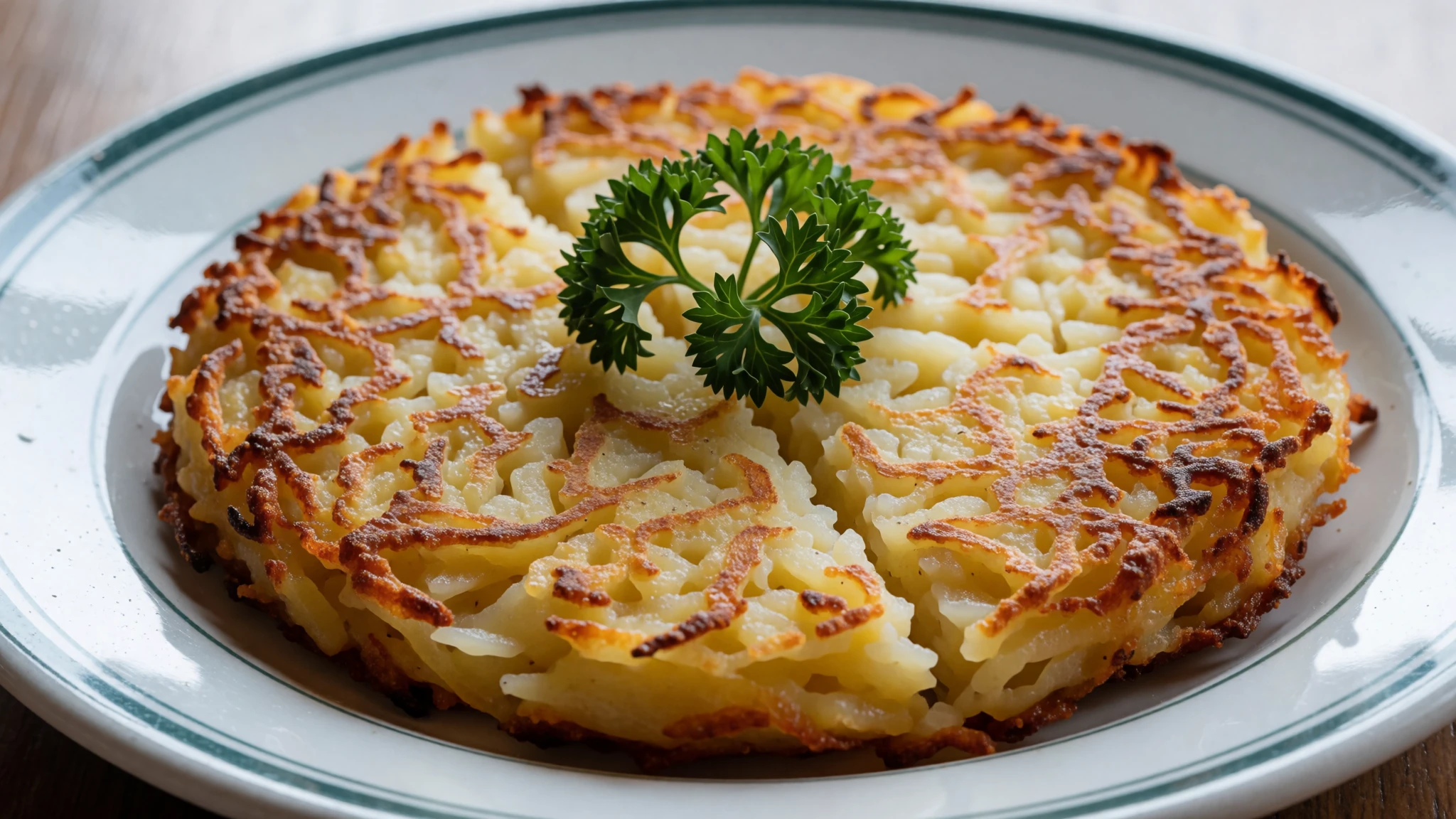
- Swiss Chocolate — Village chocolate boutiques
Exquisite artisanal chocolate confections crafted by master chocolatiers using rich alpine milk and fine cocoa beans. Browse specialty confectionery shops lining the pedestrian avenues of the main village.
Plan it
Best time. June to September for clear hiking trails and accessible cable cars; December to April for winter sports and skiing.
How long. 3–4
Getting there. Fly into Geneva or Zurich airport, take the connecting train to Visp, and catch the connecting mountain railway up to Zermatt.
Budget. high
Tips
- Book accommodations many months ahead as hotels fill up quickly during peak holiday seasons
- Park private vehicles in Täsch and complete the final journey into town by shuttle train
- Check daily weather forecasts before attempting high-altitude cable car trips or trail walks
- Carry Swiss francs or cards, noting that some traditional mountain eateries do not accept cards
- Acclimatise gradually to high altitudes before undertaking strenuous alpine hikes
Etiquette
- Keep noise levels low in residential village areas late at night
- Greet fellow hikers when passing on narrow mountain footpaths
- Respect local conservation rules by carrying all rubbish back down with you
Nearby
Sources
- Wikidata Q1374 (CC0)
- Wikipedia (CC-BY-SA 4.0)
- Wikivoyage (CC-BY-SA 4.0)