Margaret River, Western Australia
Margaret River, Western Australia, Australia
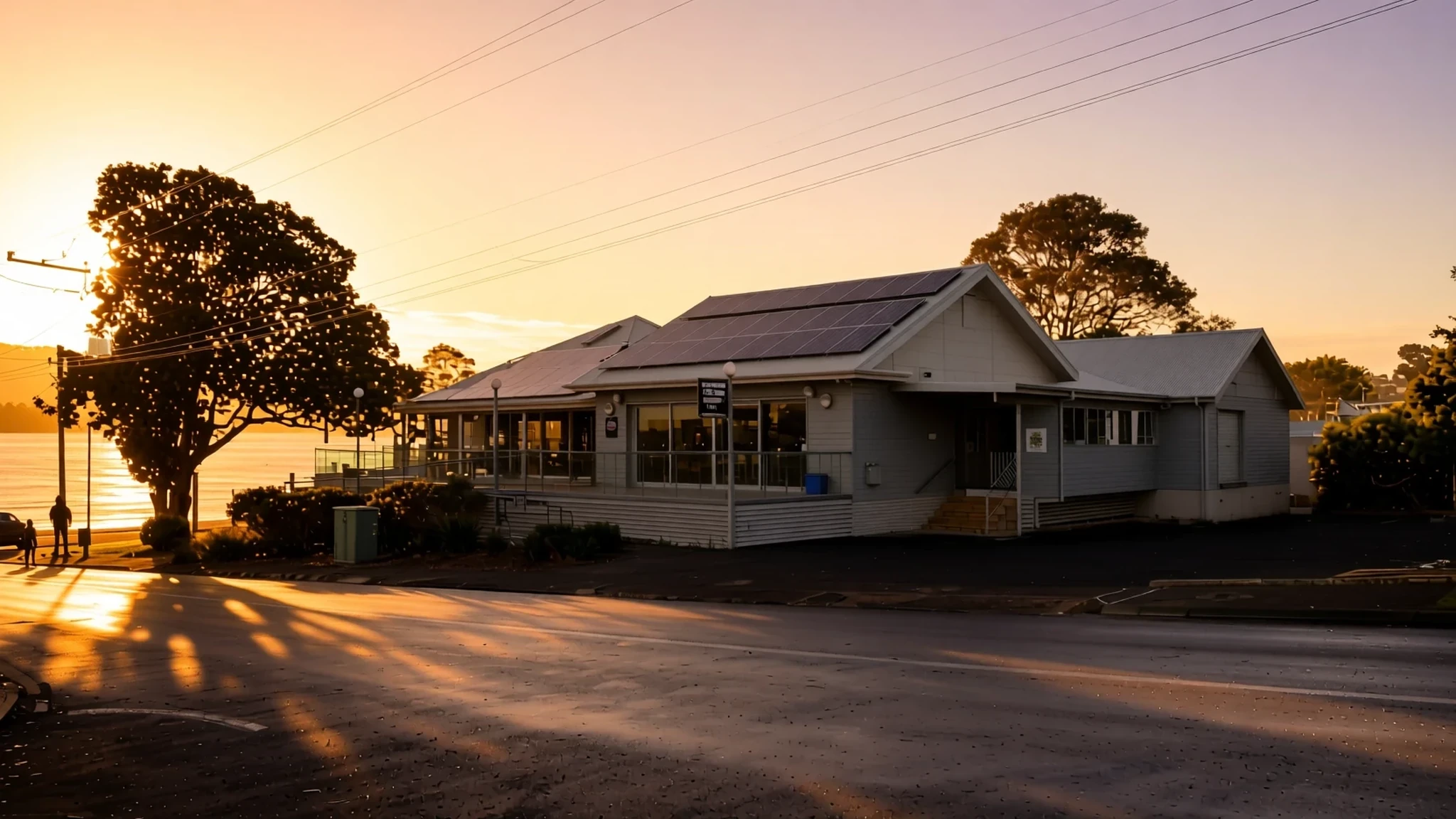
Surrounded by vineyards and ancient caves, Margaret River pairs world-class surf breaks with a laid-back regional charm in Western Australia's picturesque south-west.
The place
Margaret River is a town situated within the valley of its namesake river in the South West region of Western Australia. Located inland from the Indian Ocean, the settlement sits roughly midway between Cape Naturaliste and Cape Leeuwin. Locals and regular visitors often refer to the surrounding area simply as Margs. The region is widely recognised for its dramatic coastal scenery, featuring powerful surf breaks such as Main Break and The Box that draw surfers from across the globe. Beyond the shoreline, the landscape shifts into rolling hills patterned with vineyards, tall karri forests, and subterranean limestone formations.
The local climate follows a warm-summer Mediterranean pattern, bringing sunny, warm days through the summer months tempered by reliable coastal sea breezes. Winter brings cooler temperatures and the bulk of the annual rainfall, greening the valleys and feeding local streams. This combination of Mediterranean warmth and damp winters creates an environment that supports both intensive agriculture and rich native flora. Because of the dry summers and strong winds, the surrounding bushland carries a persistent risk of fires during the warmer months, making local caution essential during peak dry periods.
Agriculture, viticulture, and tourism form the backbone of the local economy. Hundreds of thousands of visitors travel into the region annually to tour the cellar doors, walk sections of the coastal hiking trails, and explore the nearby underground caverns. Despite this constant stream of travellers, the town retains an unhurried, rural character. Main streets bustle with cafes, artisan bakeries, and local produce stores, while quiet country lanes wind past boutique wineries and open pastures.
Its story
Before British settlement, the country surrounding the valley was stewarded by the Noongar people, who maintained deep spiritual and practical connections to the land, rivers, and coastal margins. European history in the area began when British settlers arrived around the middle of the nineteenth century. The town takes its name from the river, which is believed to have been named after Margaret Whicher, a cousin of early pioneer John Garrett Bussell, with the name first appearing on a regional map in the late eighteen-thirties.
Timber logging became a major commercial activity from around 1870 onwards, drawing workers and small homesteads into the valley. By 1910, the settlement had grown enough to require official administrative recognition, prompting the Margaret River Progress Association to request a designated townsite near the upper river bridge. Lots were surveyed shortly thereafter, and the townsite was officially gazetted. Following the First World War, the Government of Western Australia launched the ambitious Group Settlement Scheme to attract migrants and establish dairy and agricultural farms throughout the district, bringing a fresh wave of families to clear the dense forests and build new communities.
Transport links evolved slowly across difficult terrain. The construction of the Busselton to Margaret River Railway in the early nineteen-twenties opened up reliable freight and passenger routes, connecting the isolated valley to broader regional networks until shifting transport patterns eventually led to the line's closure. In more recent times, infrastructure improvements, including the opening of a major town bypass road, have helped redirect heavy traffic away from the main commercial strips, allowing the historic centre to preserve its walkable atmosphere while accommodating modern travel.
What to see
- Wardan Aboriginal Culture Centre — Margaret River
Gain insight into Noongar heritage, traditional land management, local art, and storytelling through community-led cultural experiences and displays located close to the town centre.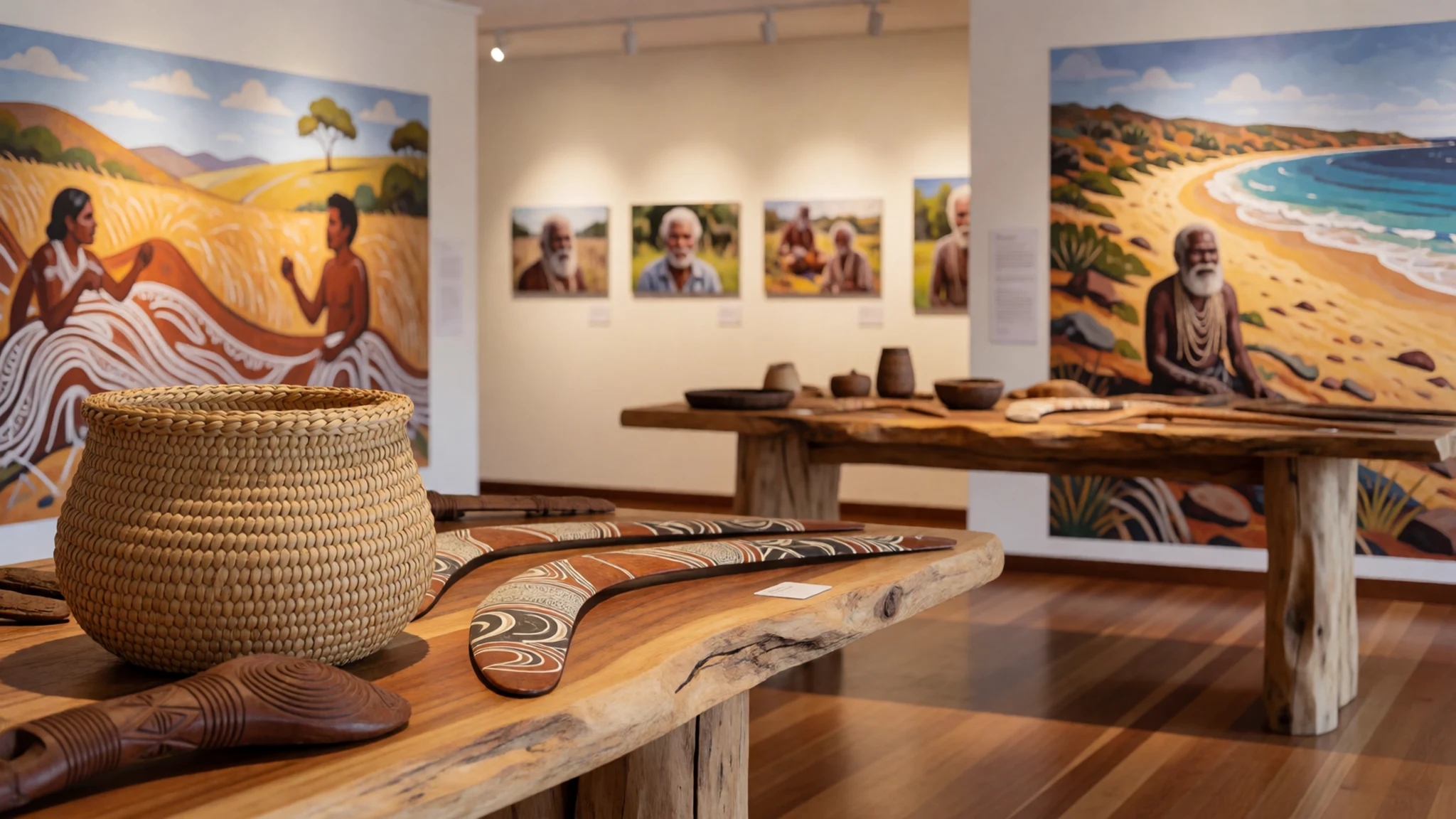
- Margaret River Caves — Caves Road ridge
Explore the subterranean limestone caverns hidden beneath the ridges, where guided underground tours reveal ancient crystal formations, fossilised remains, and dramatic dripstone pillars carved over millennia.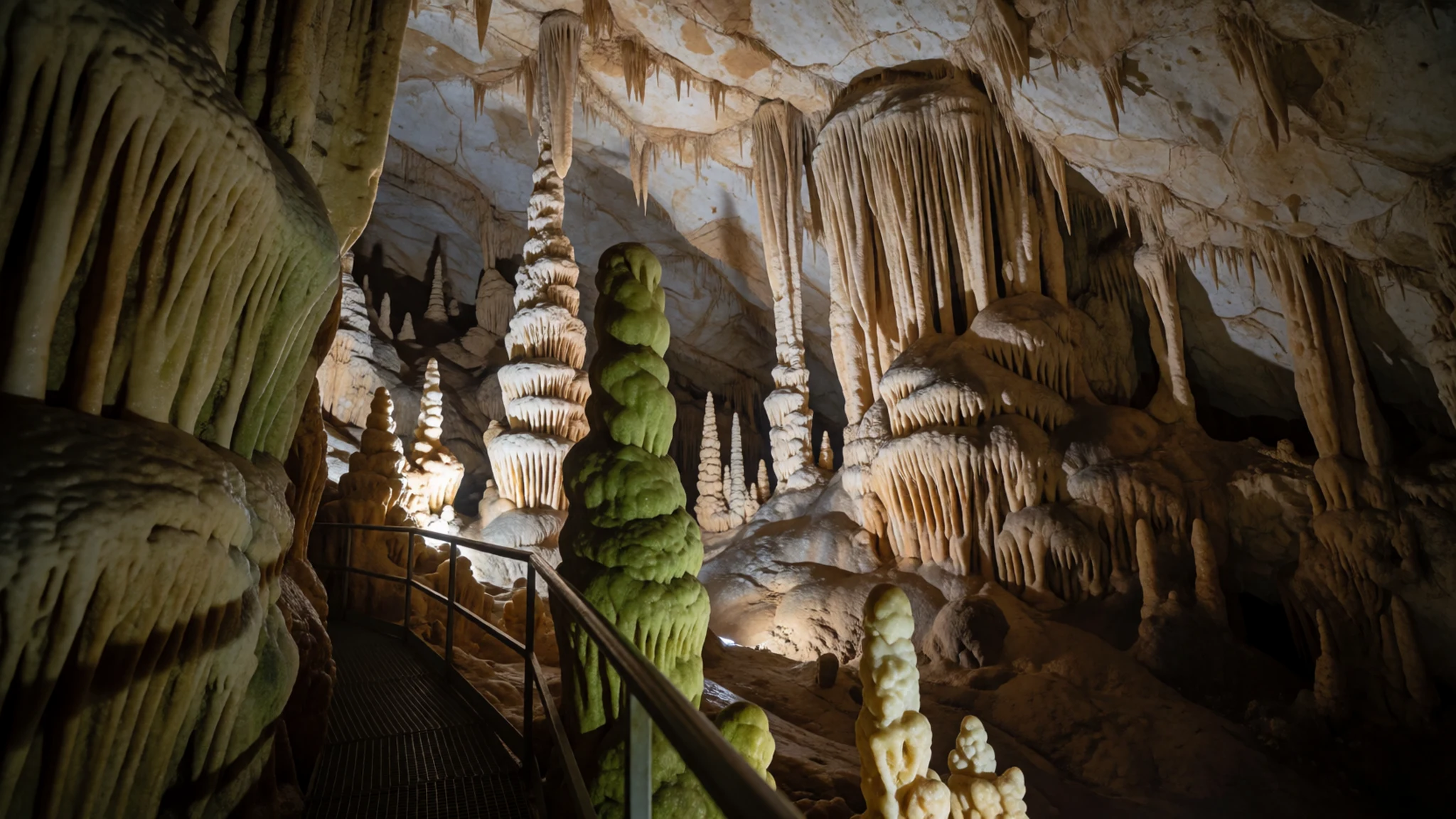
- Clairault Vineyard — Wilyabrup valley
Wander among rows of established vines at one of the valley's classic wine producers, where heritage cabernet sauvignon blocks showcase the unique microclimate and soils of the district.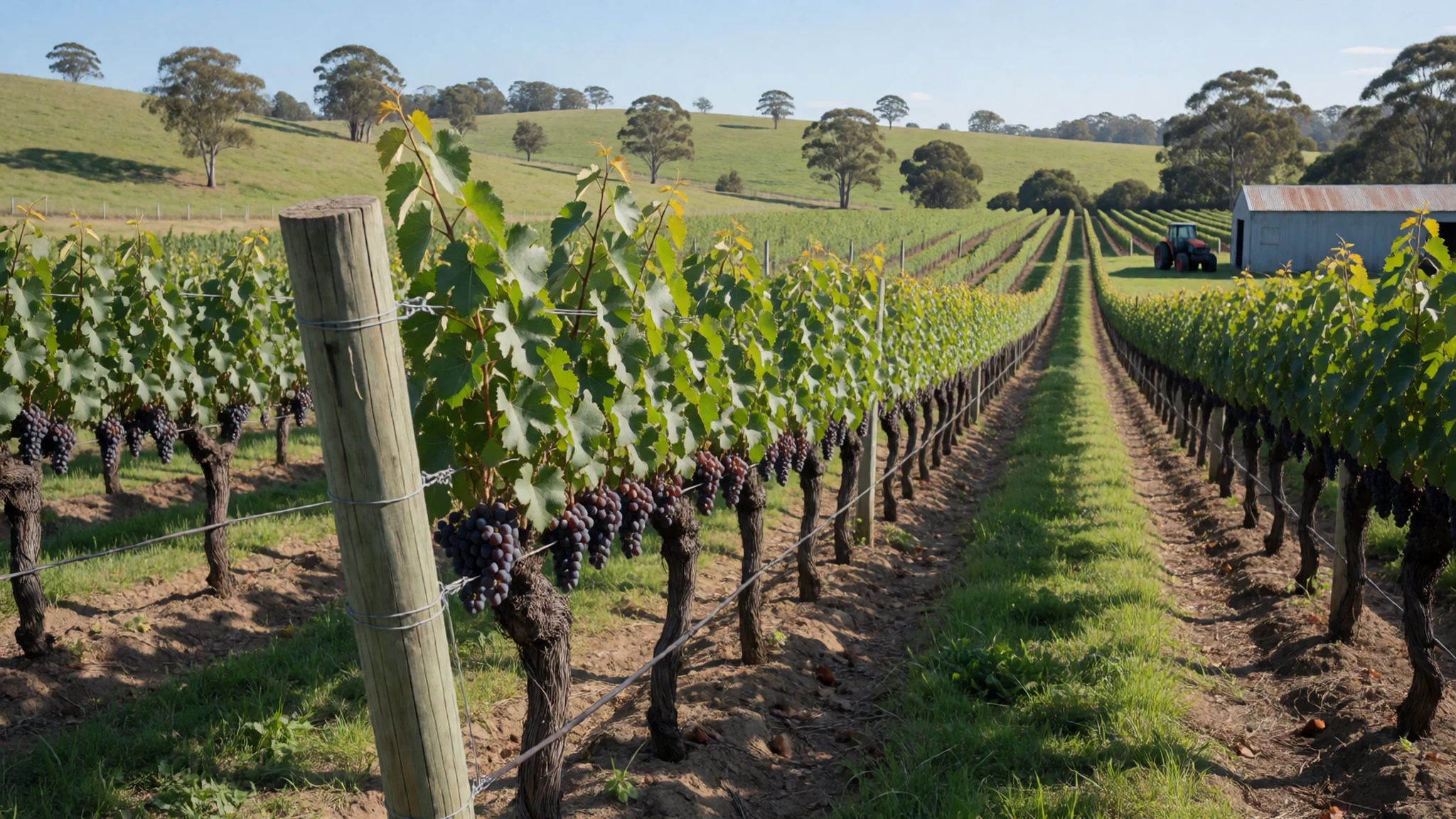
- Canal Rocks — Yallingup coast
Walk across the wooden footbridges suspended above churning granite channels where the open Indian Ocean surges through narrow coastal gaps, offering sweeping views of the rugged marine shelf.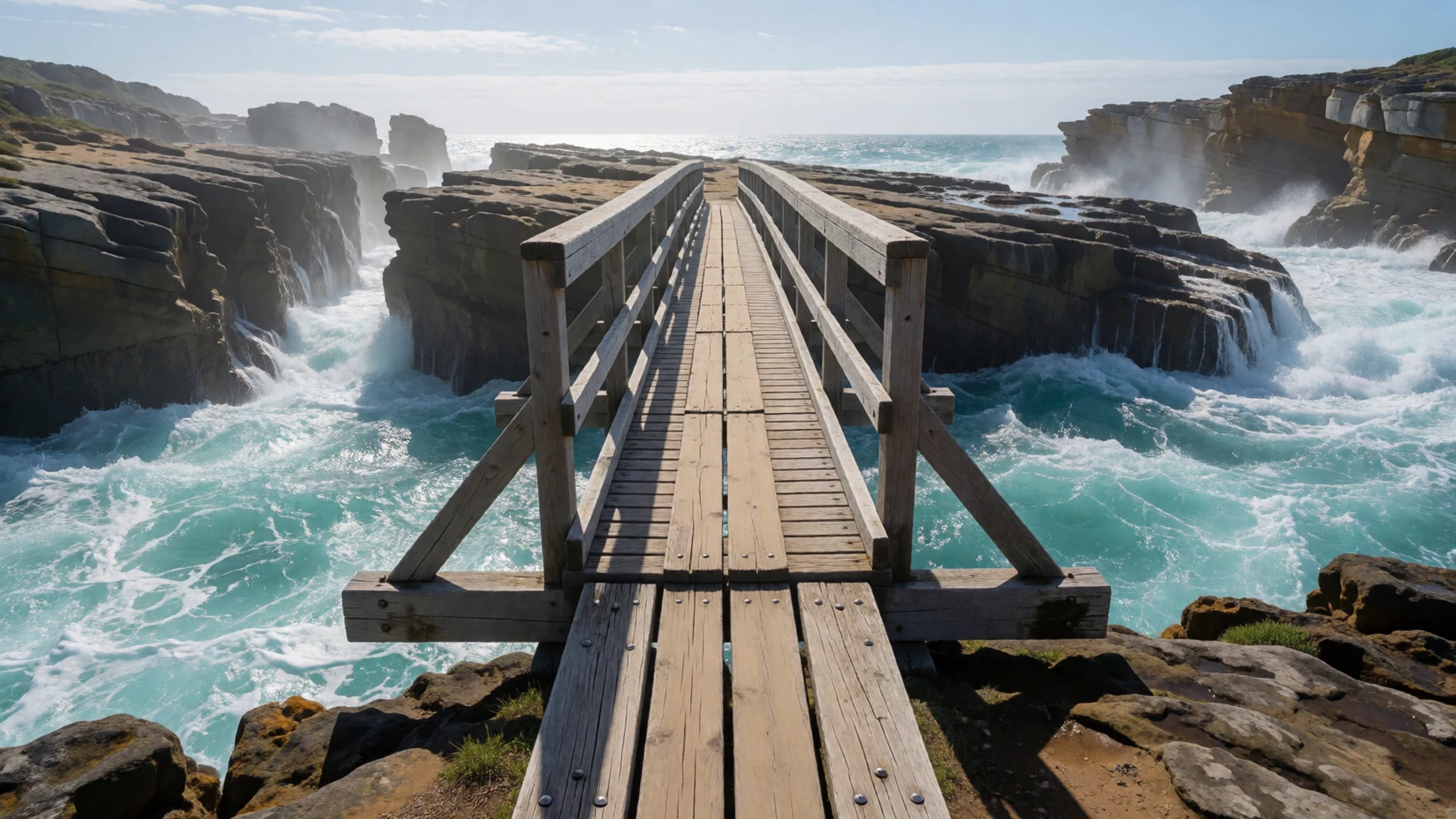
Culture
The cultural fabric of Margaret River is shaped by an intersection of traditional Noongar custodianship, pioneering farming heritage, and a modern community of winemakers, surfers, and artisans. Respect for the natural environment is paramount among locals, who fiercely protect the surrounding forests, river systems, and marine parks from overdevelopment and environmental degradation. The arts scene thrives alongside agriculture, with local galleries showcasing regional painters, sculptors, and woodworkers whose creations draw inspiration from the surrounding coastline and bush. Visitors will find an open, welcoming community that values sustainability, local produce, and a slower pace of life. When visiting culturally significant Aboriginal sites or joining guided tours on Noongar country, always follow local guidance regarding restricted areas and photography permissions.
What to wear
Traditional attire in the region reflects practical rural and maritime heritage, historically favouring durable cottons, woollens, and sturdy workwear designed for timber felling, farming, and coastal life. Today, everyday wear across the town and surrounding vineyards is casual and functional. Locals and visitors typically lean towards smart-casual layers, breathable linen shirts, denim, and comfortable footwear suitable for uneven terrain. Because the climate features strong coastal winds, warm sunny days, and cooler evenings, dressing in versatile layers is essential. Visitors exploring the bush trails, coastal rocks, or winery grounds should pack sturdy walking shoes or trainers, a windproof jacket for the coast, and sun protection including a hat and sunglasses year-round.
What to eat
- Regional Wine and Cheese Platters — Cellar doors across the wine region
Sample locally crafted artisan cheddar and soft cheeses paired with award-winning regional cabernet sauvignon or chardonnay at any of the numerous boutique cellar doors scattered throughout the valley.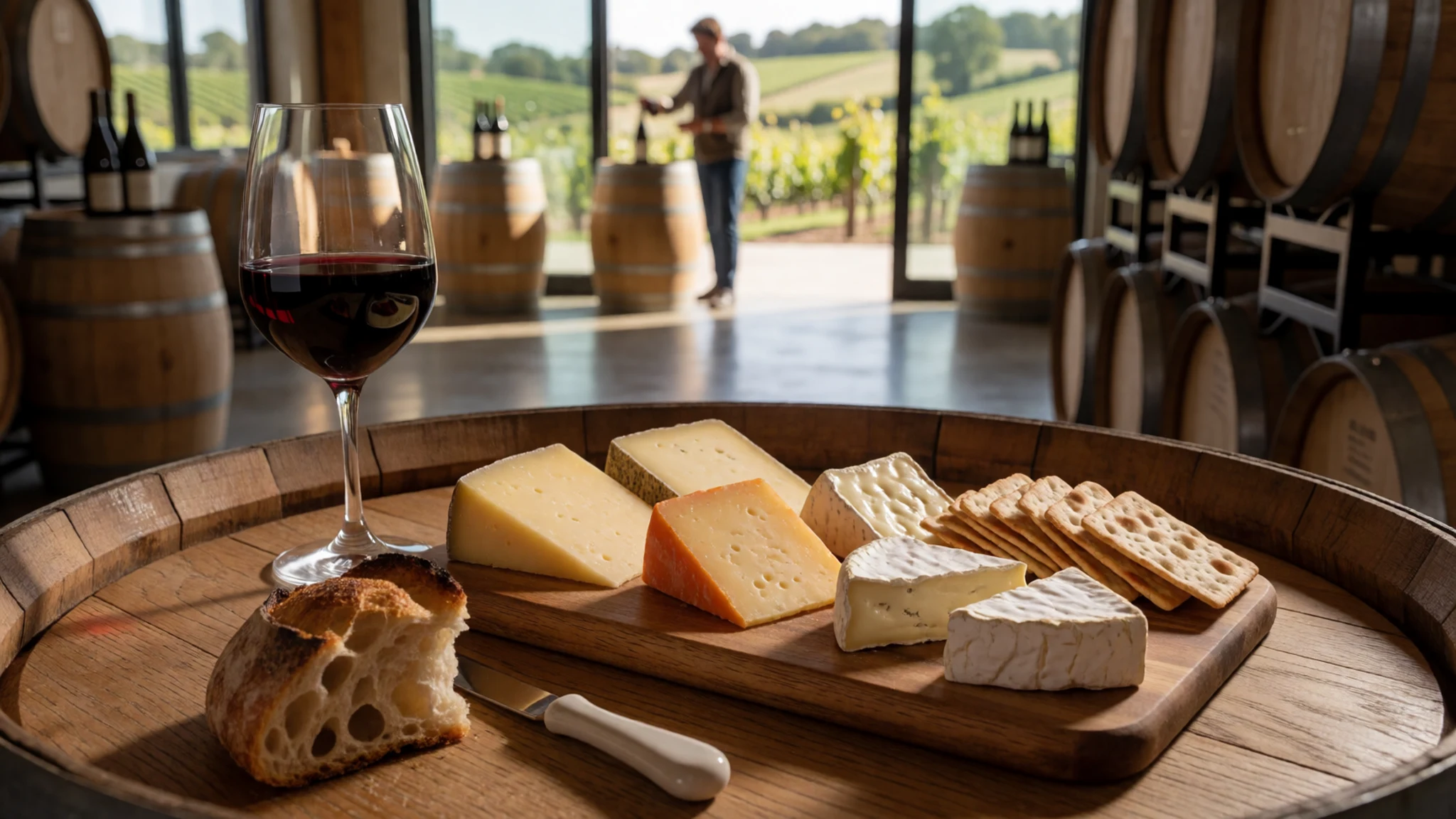
- Wood-Roasted Coffee — Local coffee roasteries and cafes
Savour freshly roasted specialty coffee beans brewed into rich morning cappuccinos at local roasting houses and bustling townsite cafes.
- Craft Brewery Tasting Paddles — Countryside breweries along the main highways
Enjoy seasonal ales and artisanal lagers served alongside family-friendly meals at the region's expansive countryside breweries and restaurant venues. - Thai Stir-Fries and Curries — Chang Thai Kitchen in the town centre
Dine on aromatic, freshly prepared noodle dishes and spiced regional specialities served in a relaxed, casual eatery setting within the town centre.
Plan it
Best time. March to April during autumn, or October to November during spring, when the weather is warm and sunny without the peak summer crowds.
How long. 3–4
Getting there. Drive south from Perth along the Kwinana Freeway and Highway 1 for about 3 hours, or take the train to Bunbury followed by a connecting regional bus service.
Budget. mid
Tips
- Hire a car, as exploring the spread-out valley and coastal spots without private transport is very limiting
- Book popular cellar door tastings and vineyard restaurants well in advance during peak holiday periods
- Pack sturdy footwear for exploring uneven cave floors and coastal granite rocks
- Keep a close eye on local fire warnings and safety notices during hot, windy summer months
Etiquette
- Respect sensitive Aboriginal cultural sites and follow all guidelines provided by traditional custodians
- Leave farm gates as you found them and respect private vineyard boundaries when exploring the countryside
Nearby
Sources
- Wikidata Q74033 (CC0)
- Wikipedia (CC BY-SA 4.0)
- Wikivoyage (CC BY-SA 4.0)