Madrid
Madrid, Spain
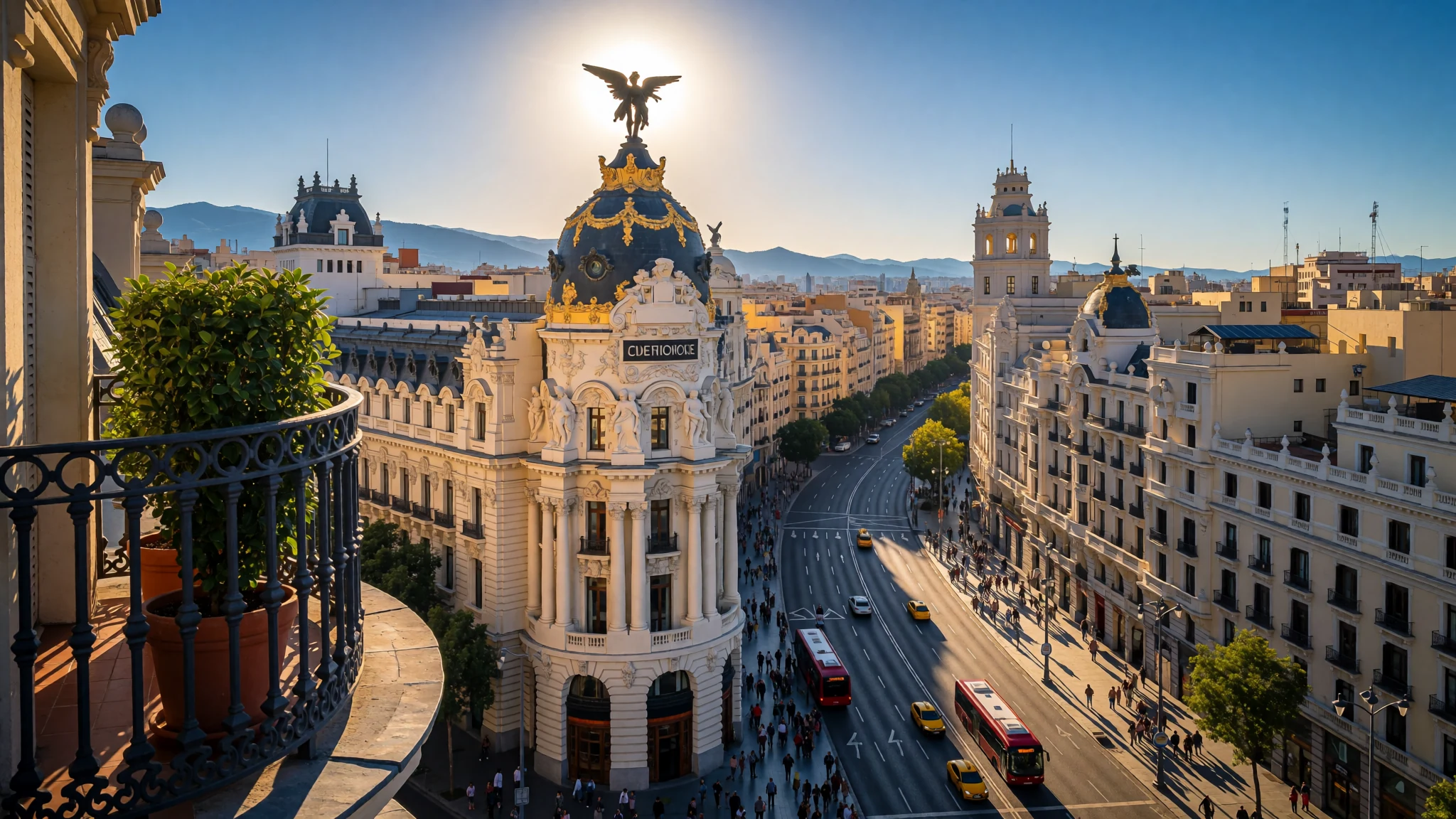
Spain's high-altitude capital pairs grand royal palaces and world-class art galleries with late-night tapas bars and tree-lined boulevards.
The place
Madrid sits at an elevation of 663 metres on a high plateau in the centre of the Iberian Peninsula, along the banks of the River Manzanares. As the capital of Spain, it forms the administrative, economic, and cultural core of the nation. The physical character of the city reflects centuries of royal design and rapid urban expansion, stretching out from an ancient historic core into sweeping avenues and distinct residential districts. At the heart of the city lies a network of historic squares, wide boulevards, and residential quarters filled with apartment buildings featuring intricate wrought-iron balconies. Sunlit plazas host outdoor cafe tables where daily life unfolds at an easy pace, transitioning into evening gatherings that stretch well past midnight. To the west, formal royal gardens sweep down towards the riverbank, while the eastern side of the city is anchored by green parks and grand nineteenth-century avenues lined with stone fountains and monumental government buildings. Unlike coastal Spanish cities shaped by maritime trade, Madrid possesses an inland atmosphere with intense seasonal variations, featuring crisp winters and sun-baked summers. Its modern transport network seamlessly connects historic central quarters with expanding suburban districts, preserving an accessible urban layout where grand classical architecture stands alongside lively local plazas.
Its story
Madrid began as a modest fortified settlement established in the second half of the ninth century by the Umayyad Emir Muhammad I. Built on a rocky bluff overlooking the River Manzanares, this Muslim outpost was designed to defend the northern approaches to Toledo against Christian armies advancing from the north. The settlement remained a frontier stronghold for two centuries until 1085, when King Alfonso VI of León and Castile captured the fortress during his military campaign across central Spain. Under Christian rule, the town slowly expanded from a strategic garrison into an established trade hub within the Crown of Castile. The decisive turning point in local history arrived in 1561, when King Philip II chose to relocate his royal court permanently to Madrid. This monarchical decree transformed what was a medium-sized provincial town into the permanent administrative centre of a vast empire. Master builders, diplomats, scholars, artists, and religious orders flocked to the newly designated capital, initiating an extensive urban construction campaign. Over the subsequent centuries, succession struggles, royal patronage, and centralised national governance continuously shaped the cityscape, leaving behind grand ceremonial plazas, stately palaces, and extensive monastery complexes that still define the historic heart of the city today.
What to see
- Prado Museum — Paseo del Prado
The premier national art museum of Spain houses an extraordinary collection of European masterpieces accumulated by the Spanish monarchy over centuries. Visitors can examine seminal paintings by Diego Velázquez, Francisco Goya, and Hieronymus Bosch within its spacious neo-classical galleries. Navigating the expansive collection requires several hours, so focusing on specific wings or artists is advisable during busy afternoons.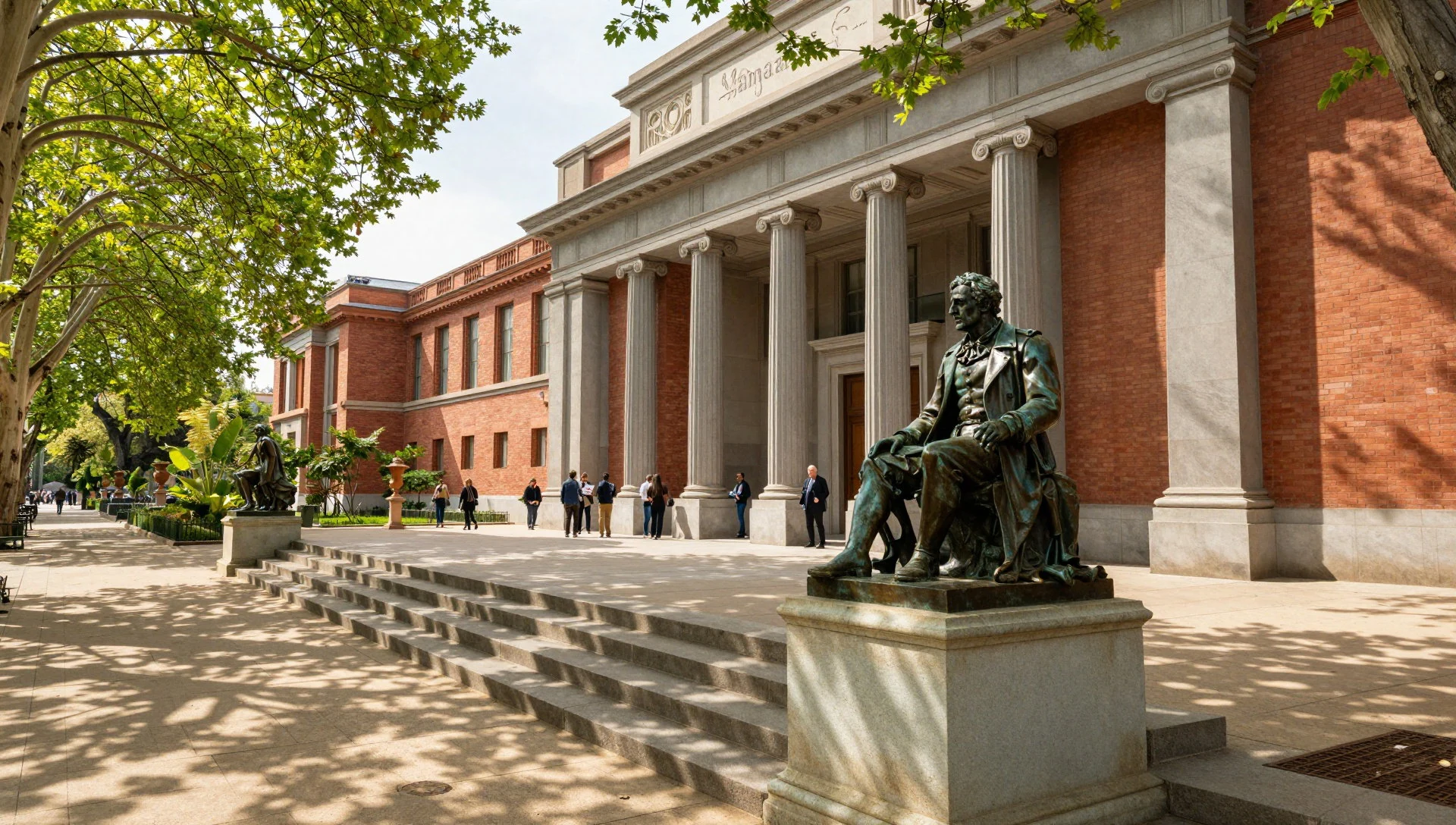
- Plaza Mayor — Sol and Los Austrias
Enclosed by uniform four-storey residential buildings with painted frescoes and symmetry, this grand seventeenth-century public square forms the heart of old Madrid. Porticoed arcades surround the central cobbles, housing traditional shops, outdoor cafes, and stamp markets. The historic space regularly hosts civic celebrations, holiday markets, and outdoor public gatherings throughout the year.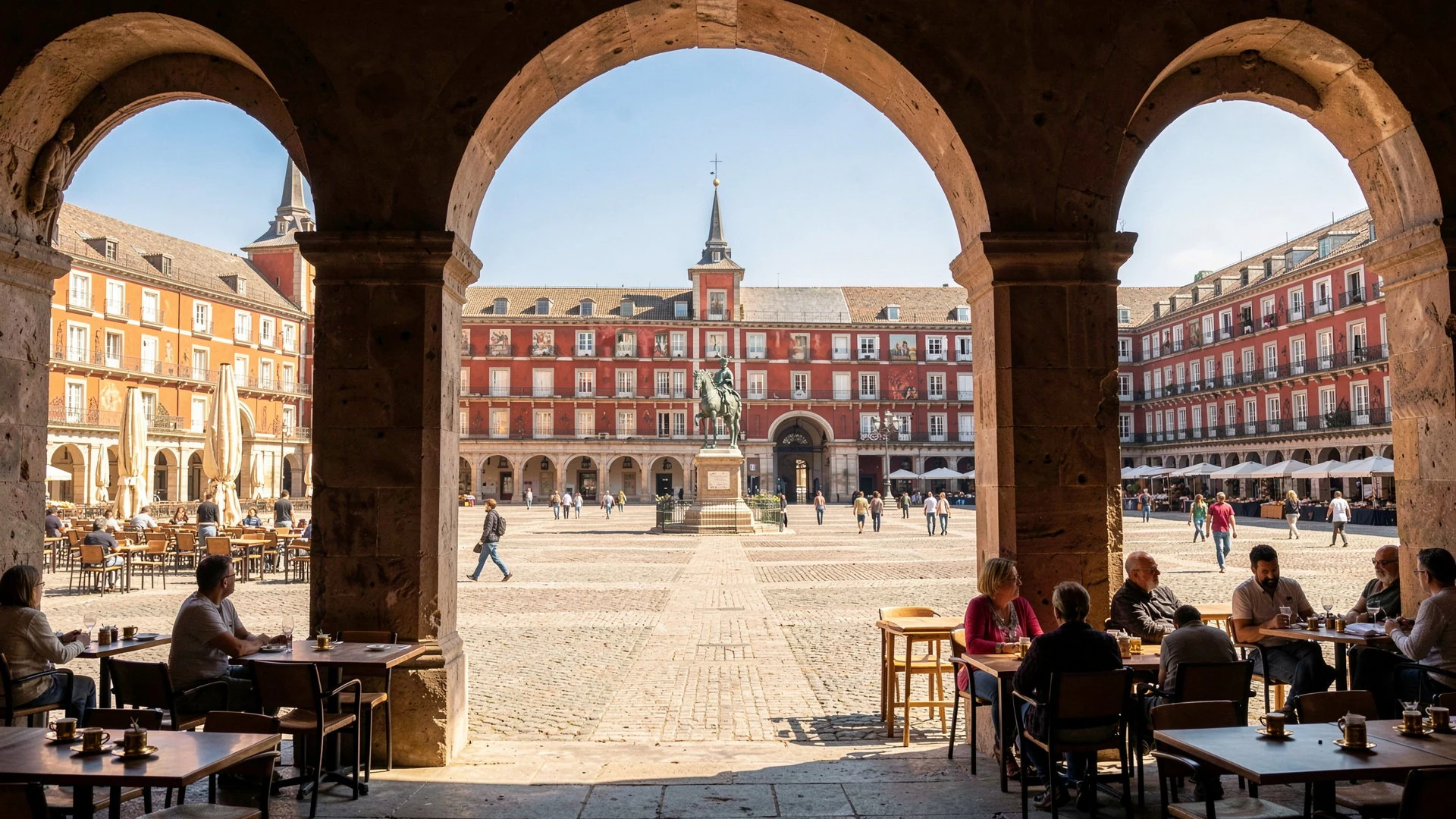
- Gran Vía — Central Madrid
Constructed in the early twentieth century to connect western districts with the city centre, this iconic avenue serves as the entertainment and architectural showcase of Madrid. Early skyscraper designs, grand cinema facades, and ornate stone balconies line the wide boulevard. High-street shops and historic theatres draw constant foot traffic from morning until late into the evening.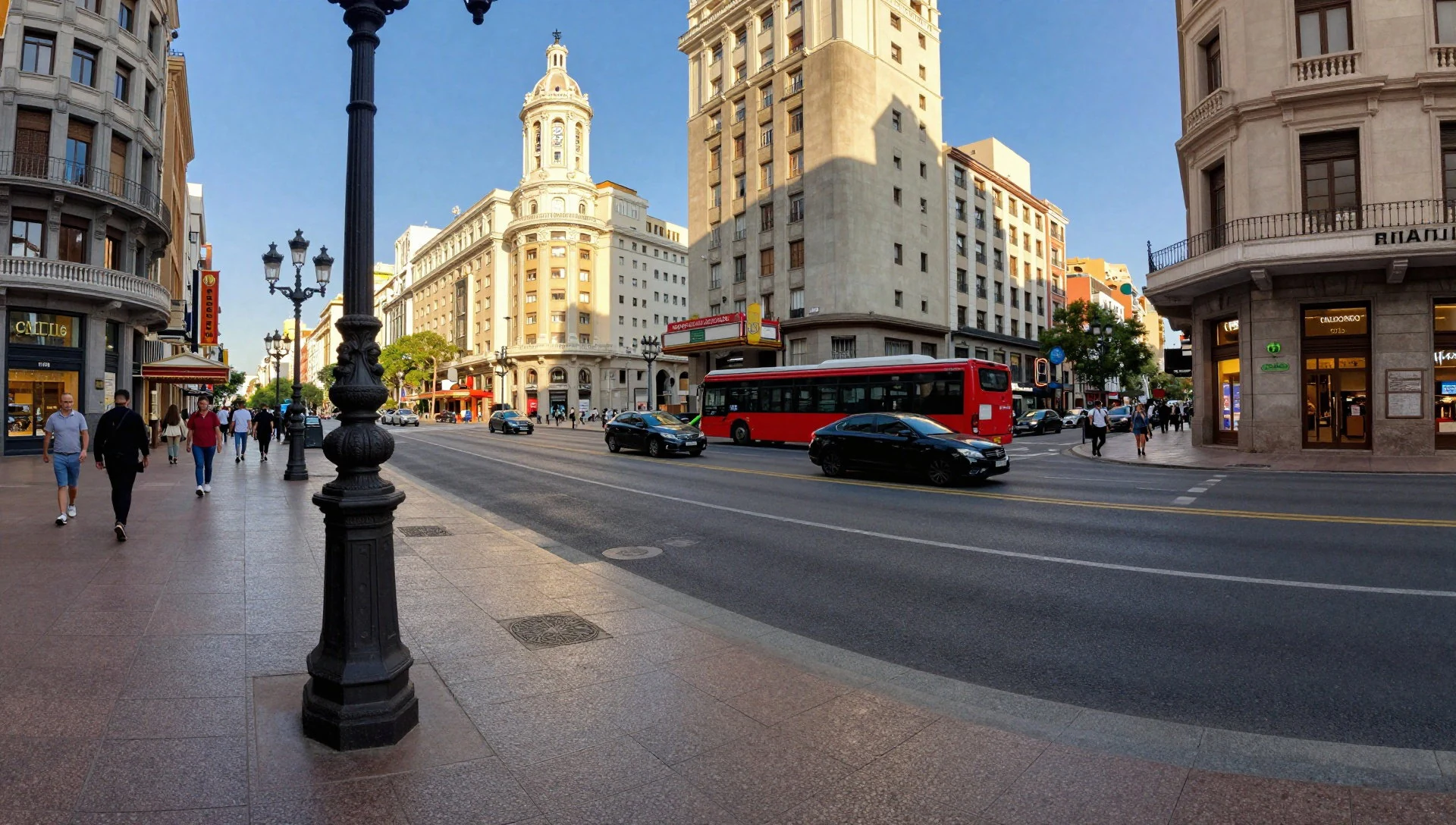
- Royal Palace and Almudena Cathedral — Palacio district
Standing side by side above the Manzanares river valley, these colossal structures represent centuries of Spanish monarchical and religious ambition. The baroque Royal Palace boasts over three thousand rooms filled with tapestries and armour, while the neighbouring Almudena Cathedral features a striking modern interior beneath its classical grey dome. Broad courtyards provide sweeping panoramic views across western Madrid.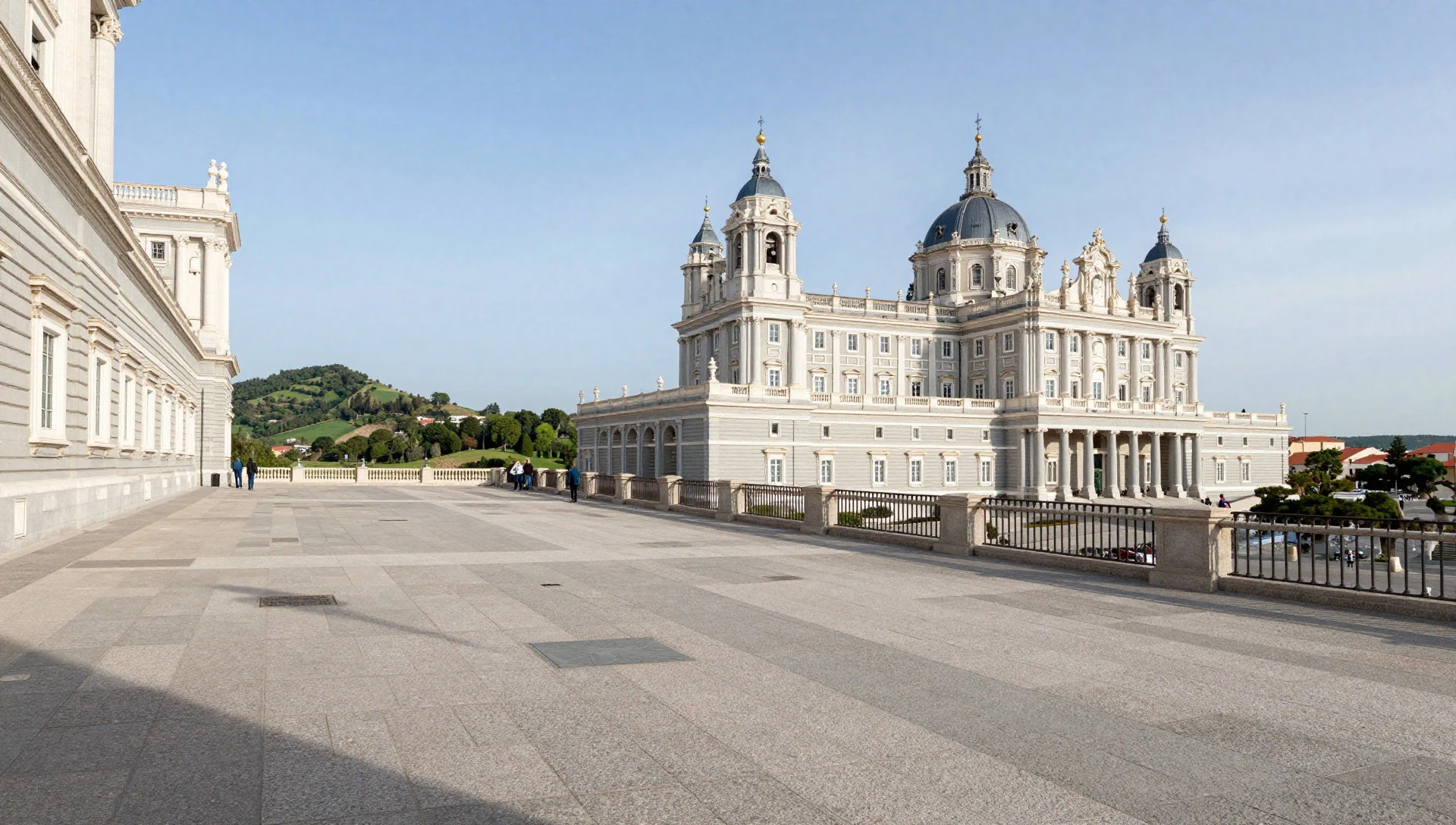
- El Retiro Park — Retiro district
Originally created as a private royal retreat, this lush urban park spans formal gardens, shaded marble avenues, and a large central boating lake overlooked by a monument to King Alfonso XII. Highlights include the iron-and-glass Crystal Palace and peaceful rose gardens. Local residents gather here for afternoon walks, summer brass band concerts, and weekend leisure activities.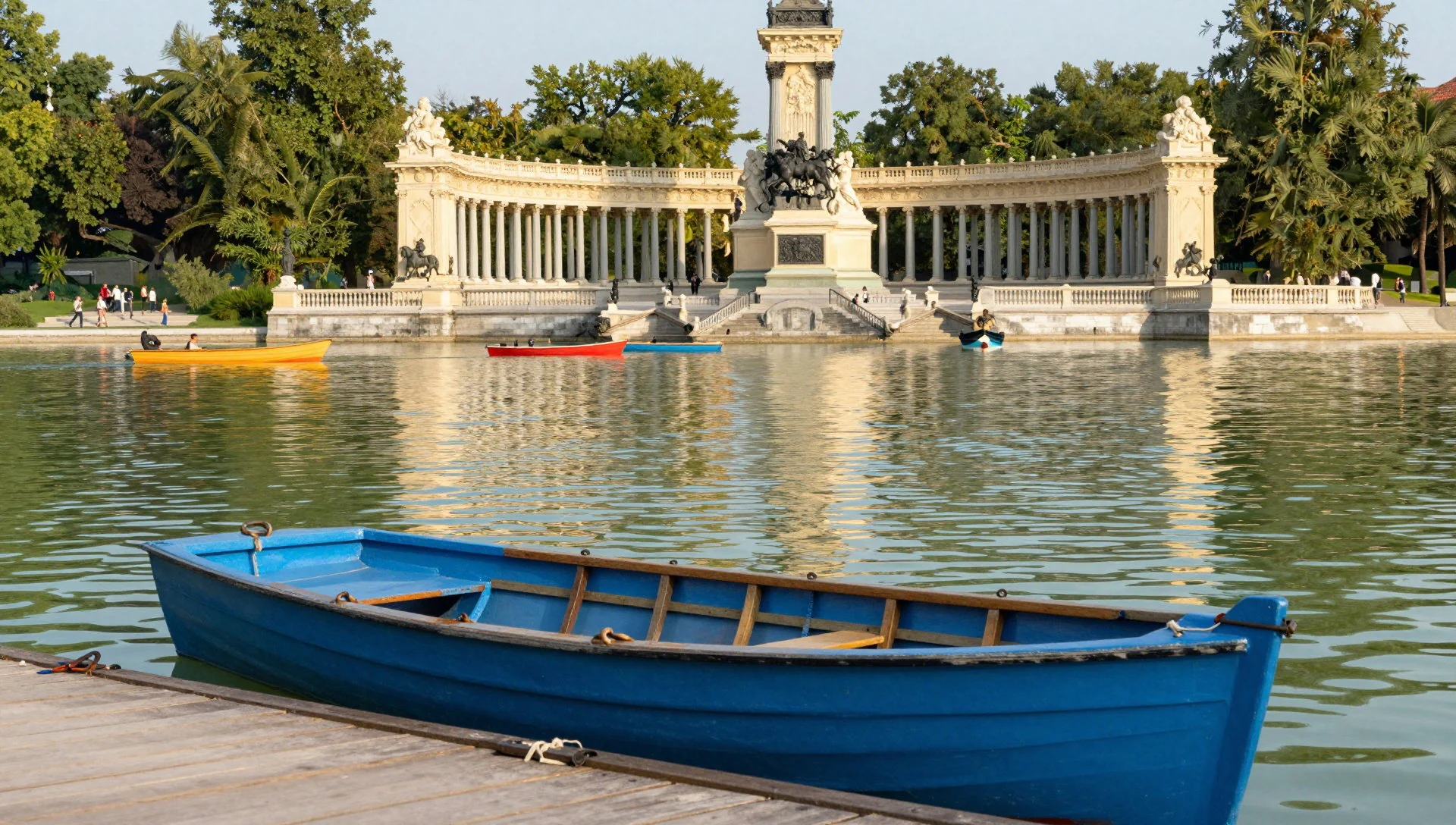
Culture
Madrid possesses a distinct social rhythm shaped by its continental climate and traditional dining schedule. Daily life moves at a deliberate pace during the hot afternoon hours, shifting into dynamic social activity late into the evening. Residents gather in neighbourhood plazas, tapas bars, and outdoor terraces to converse over small plates and drinks before eating dinner well past nine o’clock. Architecturally, the city reflects its royal history, featuring the Habsburg-era 'Austrian style' marked by red-brick facades, granite trim, and sharp slate spires imported from Central Europe during the sixteenth century. Later Bourbon rulers introduced grand classical avenues, ornate fountains, and sweeping public parks that lend the capital its spacious, ceremonial character. Performing arts thrive across the city, ranging from classical symphony performances in park pavilions during summer to traditional zarzuela operettas and contemporary theatre productions. Respecting local meal timings by dining after two in the afternoon for lunch and after eight-thirty for dinner ensures you experience authentic restaurant service alongside local residents.
What to wear
Madrid maintains a refined sense of everyday style that seamlessly bridges historical tradition and modern European fashion. The traditional dress of the city, known as the chulapo or chulapa attire, originated in working-class nineteenth-century neighbourhoods. Women wore fitted waistcoats, headscarves tucked with red carnations, and embroidered silk shawls known as mantón de Manila, while men wore checkered waistcoats, flat caps, and dark trousers. Today, this festive attire is worn during mid-May celebrations honouring San Isidro, the patron saint of the city. In everyday contemporary life, local residents favour smart, well-tailored urban clothing. Clean lines, lightweight blazers, fitted trousers, and polished leather shoes are standard for work and evening socialising, with casual sportswear generally reserved for exercise or parks. For visitors, packing depends heavily on the season due to significant temperature shifts. Summer requires breathable linen or cotton clothing, sunglasses, and sun protection to handle intense afternoon heat, while winter demands a substantial coat, scarf, and warm layers. Sturdy, comfortable leather shoes or cushioned walking shoes are essential for navigating cobbles, historic pavements, and expansive art galleries throughout the day.
What to eat
- Cocido madrileño — Traditional taverns across La Latina and the city centre
This hearty, slow-cooked chickpea stew is a cornerstone of winter dining in the capital. The dish is served in distinct courses: first a rich noodle broth, followed by tender chickpeas, vegetables, and cured meats including chorizo and pork belly.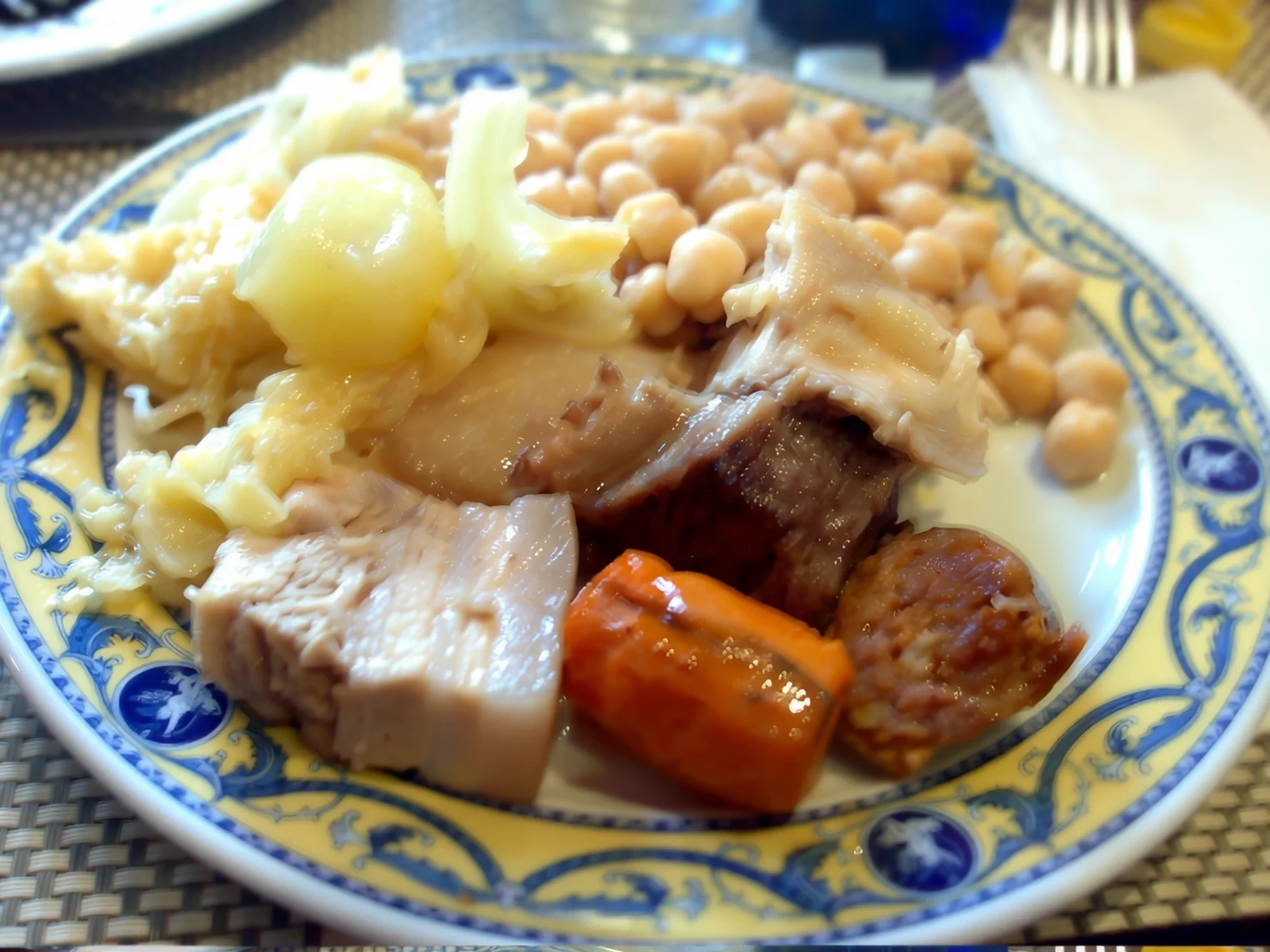
- Callos a la madrileña — Historic taverns around Plaza Mayor and traditional neighbourhood eateries
A classic stew made from slow-simmered beef tripe, chorizo, blood sausage, and sweet paprika. Rich and slightly spicy, this deeply satisfying dish is traditionally served steaming hot in earthenware dishes accompanied by crusty bread for dipping during cooler months.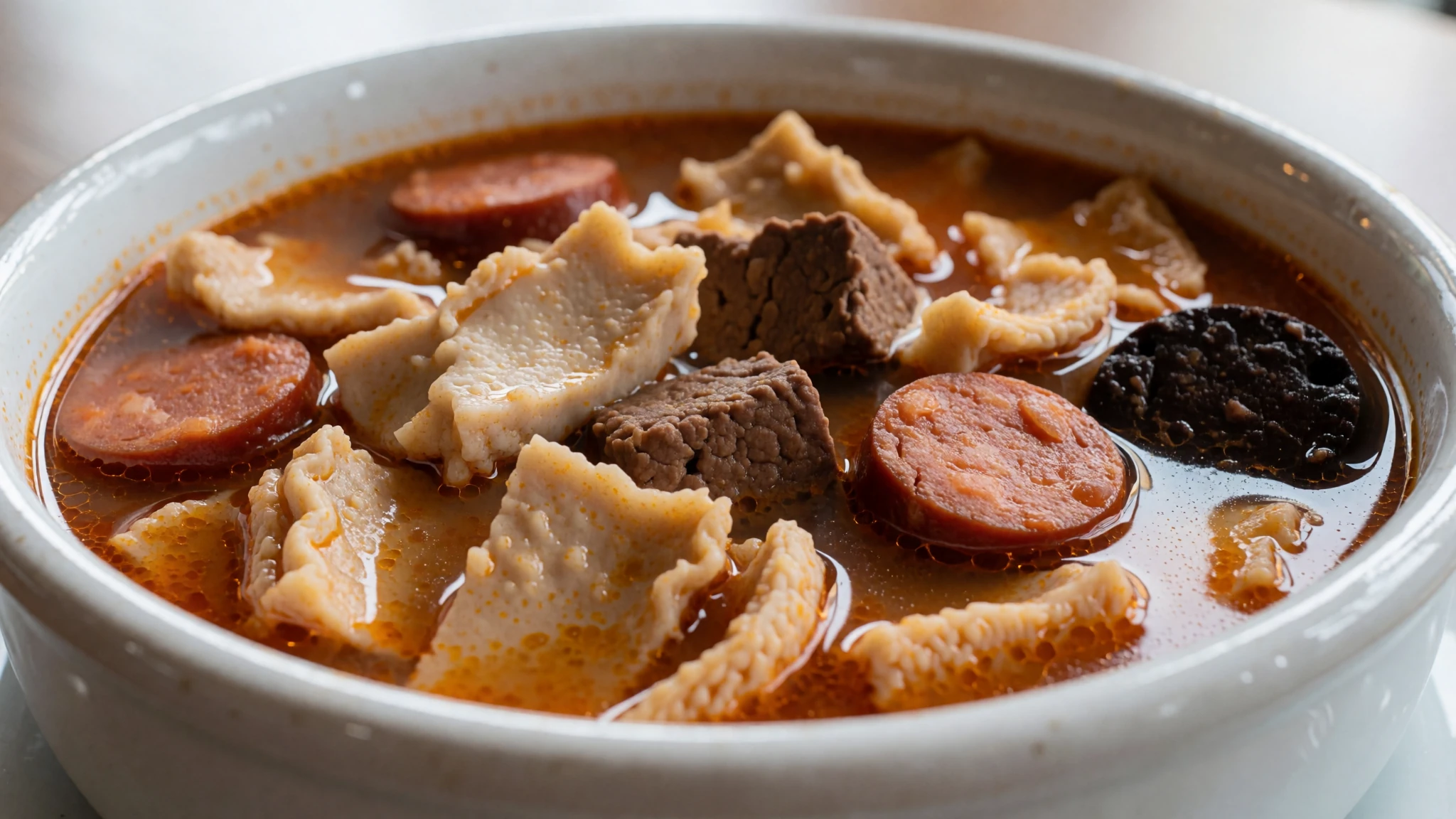
- Gallinejas and entresijos — Specialised frying shops in Embajadores and traditional neighbourhood fairs
These fried lamb chitterlings represent one of the oldest working-class culinary traditions in the city. Crisped in their natural fat until golden, they offer a rich, savoury snack traditionally served in paper cones during local neighbourhood festivals and night fairs. - Oreja de cerdo — Tapas bars along Calle Cava Baja and La Latina
Pan-fried pig ear seasoned heavily with garlic, olive oil, and chopped parsley or spicy paprika. Seared on a flat grill until the skin turns crispy while remaining chewy inside, it is a staple tapas offering shared over draft beer.
Plan it
Best time. April–May and October offer sunny days and comfortable temperatures, though October is the wettest month; June to September bring intense heat, while winter months are crisp and cold.
How long. 3–4
Getting there. Madrid–Barajas Airport connects directly to the city centre via Metro Line 8 to Nuevos Ministerios, or regional Cercanías C-1 train from Terminal 4 to Chamartín, where you change trains for Atocha railway station.
Budget. mid
Tips
- Book tickets online in advance for major art venues like the Prado Museum and Royal Palace to bypass long entrance queues.
- Take advantage of free entry hours at major art museums during early evening periods.
- Adjust your daily schedule to local dining hours: lunch runs from 14:00 to 16:00, and dinner starts after 20:30.
- Carry a contactless payment card for public transport barriers and small purchases across the city.
Etiquette
- Greet shopkeepers and restaurant staff with a polite 'Buenos días' or 'Buenas tardes' upon entering.
- Leave small change or 5–10% cash tips for good service at sit-down restaurants, though tipping is not compulsory.
- Keep your voice at a moderate volume when using public transport or visiting quiet churches.
Nearby
Sources
- Wikidata Q2807 (CC0)
- Wikipedia (rev 1382142097) (CC BY-SA 4.0)
- Wikivoyage (rev 5410094) (CC BY-SA 4.0)
- Photo photos/01-madrid-38624991251.jpg (CC BY 2.5)
- Photo photos/02-madrid-sky-bar-360-hotel-riu-plaza-espa-a-vistas-19.jpg (CC0 1.0)
- Photo photos/03-puerta-de-alcal-madrid-espa-a-2017-05-18-dd-14.jpg (CC BY-SA 4.0)
- Photo photos/04-plaza-mayor-de-madrid-215862629-edited.jpg (CC BY 3.0)
- Photo photos/05-gran-v-a-madrid-1.jpg (CC BY 2.5)
- Photo photos/06-fountain-of-cybele-at-plaza-de-cibeles-madrid-spain-ank-kuma.jpg (CC BY-SA 4.0)
- Photo photos/07-palaciorealycatedraldelaalmudena-retouched.jpg (CC BY 2.5)
- Photo photos/08-dibujo-madrid-1562.jpg (Public domain)


