Lofoten
Lofoten, Norway
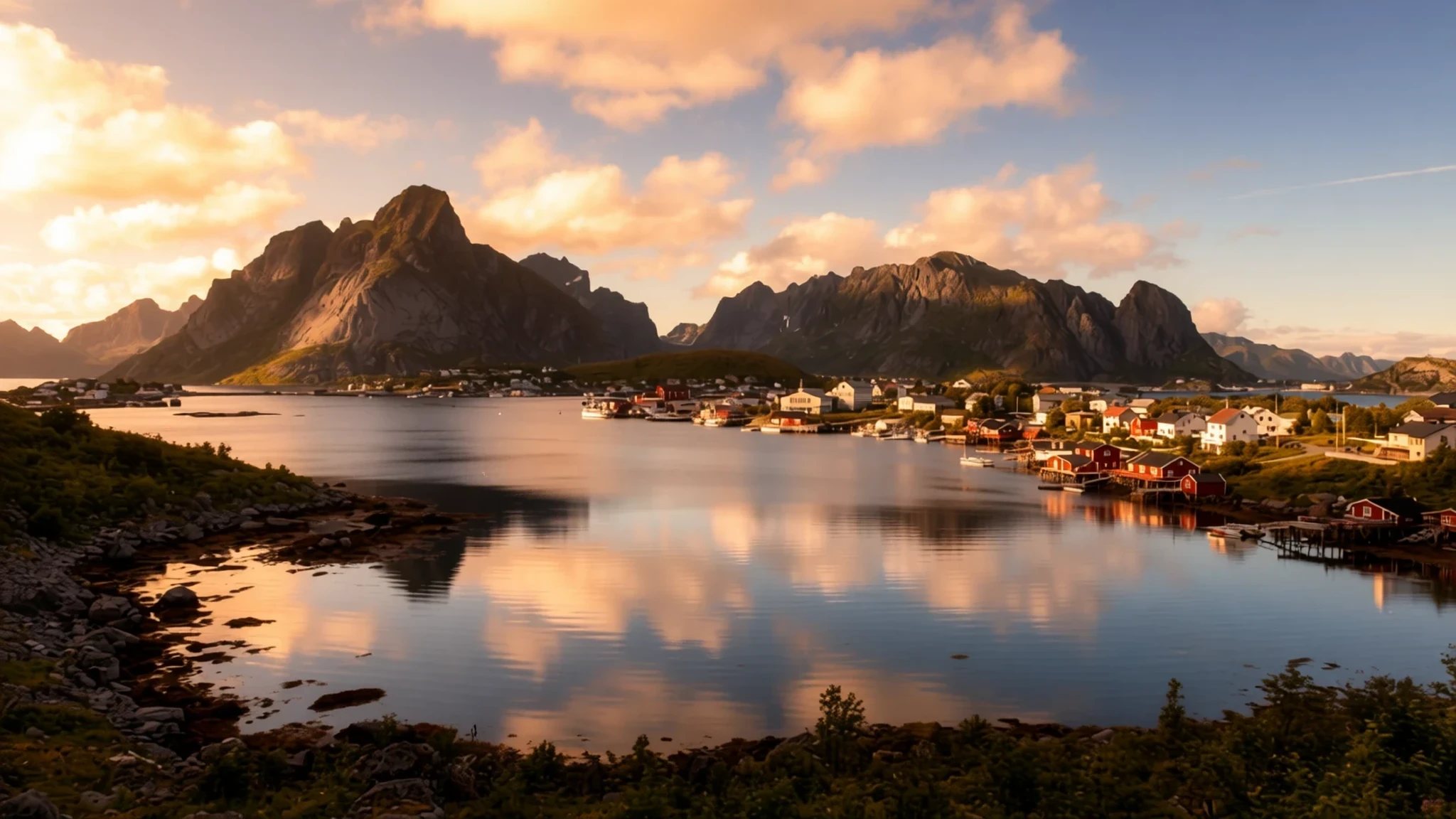
Lofoten offers dramatic Arctic peaks plunging straight into sheltered bays, deep fjords, and a profound maritime heritage untouched by ordinary mainland life.
The place
Lofoten is a striking archipelago and traditional district stretching into the open sea within Nordland county, far above the Arctic Circle. The landscape is defined by sheer, tooth-like mountains and peaks that rise directly from deep blue fjords, interspersed with hidden sandy beaches, marshlands, and sheltered fishing bays. Despite its formidable latitude, the archipelago enjoys remarkably temperate conditions during winter compared to other regions at the same parallel, driven by oceanic currents that temper the Arctic chill. The territory spans several distinct municipalities, including Vågan, Vestvågøy, Flakstad, Moskenes, Værøy, and Røst, creating a varied chain of islands linked by bridges and road tunnels.
The region contains two main urban centres, Svolvær and Leknes, which serve as hubs for exploring the dramatic geography. In recent years, the islands have welcomed hundreds of thousands of annual visitors drawn by the raw coastal wilderness. While summer brings endless daylight under the midnight sun, the winter months plunge the islands into the polar night, drawing travellers seeking the aurora borealis dancing above snow-covered summits and steep shorelines. The interplay of shifting light, open sea, and jagged topography creates an ever-changing visual spectacle that attracts painters, photographers, and independent travellers alike.
Its story
Human history in Lofoten stretches back many thousands of years, with early archaeological evidence pointing to settlement across the transition into the late Stone Age. Agriculture and permanent livestock rearing took root during the early pre-Roman eras, laying the groundwork for established coastal communities. During the Viking Age, the town of Vågan emerged on the southern coast of eastern Lofoten as the first known urban formation in northern Norway, becoming an important trade and gathering point.
For more than a millennium, the islands have served as the epicentre of massive cod fisheries. Every winter, mature cod migrate south from the Barents Sea to spawn in the sheltered fjords of Lofoten, drawing fishermen from across the coast in seasonal harvests. Historically, the catch was dried on wooden racks along the shoreline to create stockfish, which was then transported south through Bergen by Hanseatic merchants for export across Europe. This enduring maritime tradition shaped the local economy, architecture, and cultural identity, leaving behind heritage sites, restored fishing houses, and ancient longhouses that continue to tell the story of survival at the edge of the Arctic.
What to see
- Reine Fishing Village — Moskenes
A picturesque settlement composed of traditional red fishermen's cabins huddled beneath towering granite peaks along the edge of Reinefjorden. It remains one of the most iconic and visually arresting corners of the entire archipelago.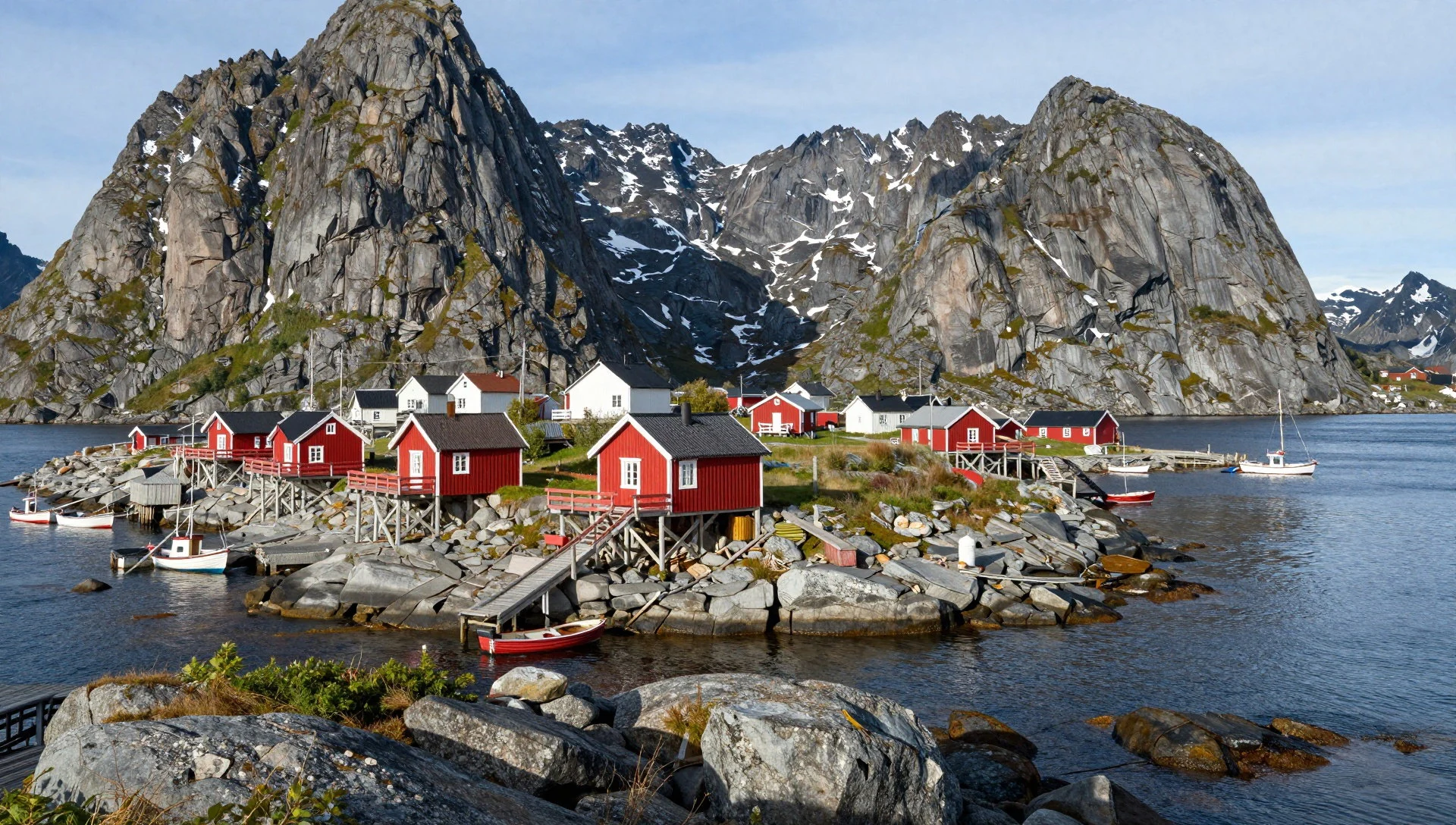
- Lofotr Viking Museum — Vestvågøy
Situated on the fertile island of Vestvågøy, this archaeological attraction features a faithful, full-scale reconstruction of an enormous Viking longhouse alongside numerous Iron Age finds discovered in the surrounding countryside.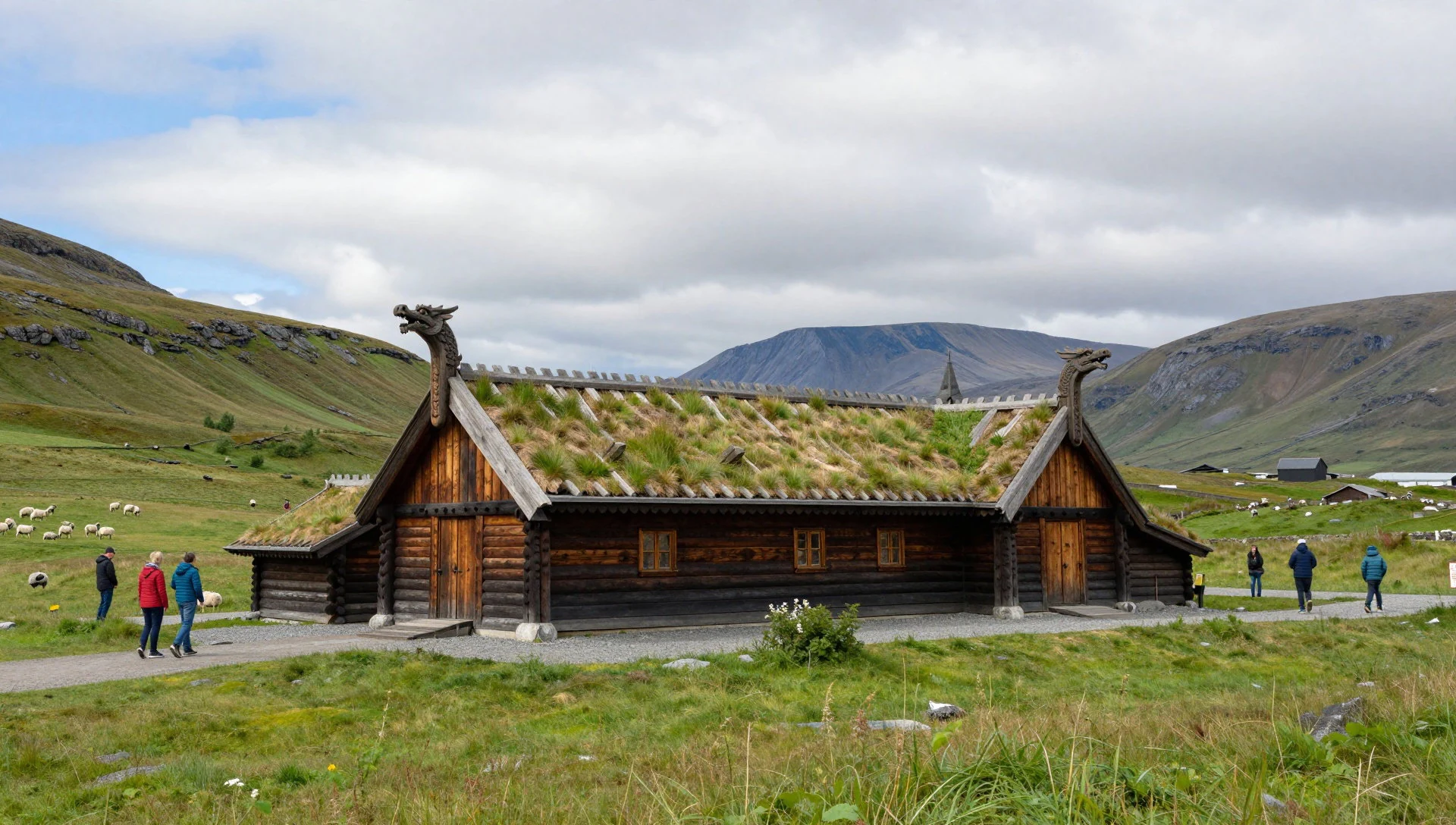
- Nusfjord — Flakstad
A remarkably well-preserved historic fishing village tucked into a narrow, protected cove surrounded by steep cliffs. It offers a tangible glimpse into the historic architecture and daily operations of traditional coastal life.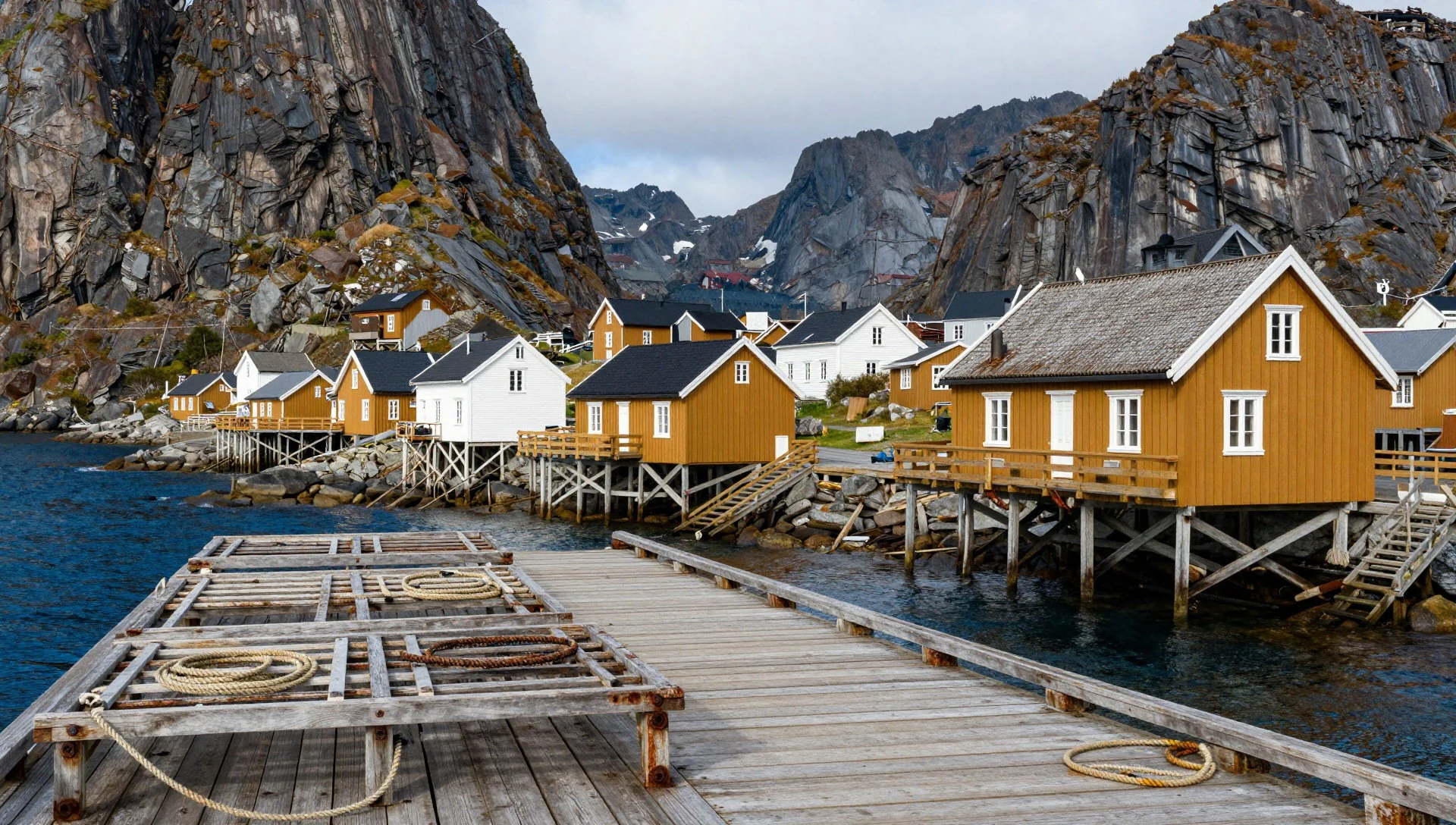
- Kollhellaren — Moskenes
A dramatic shoreline cave carved into the rock face, famous for prehistoric paintings discovered by archaeology students. Access is strictly regulated and requires a licensed local guide.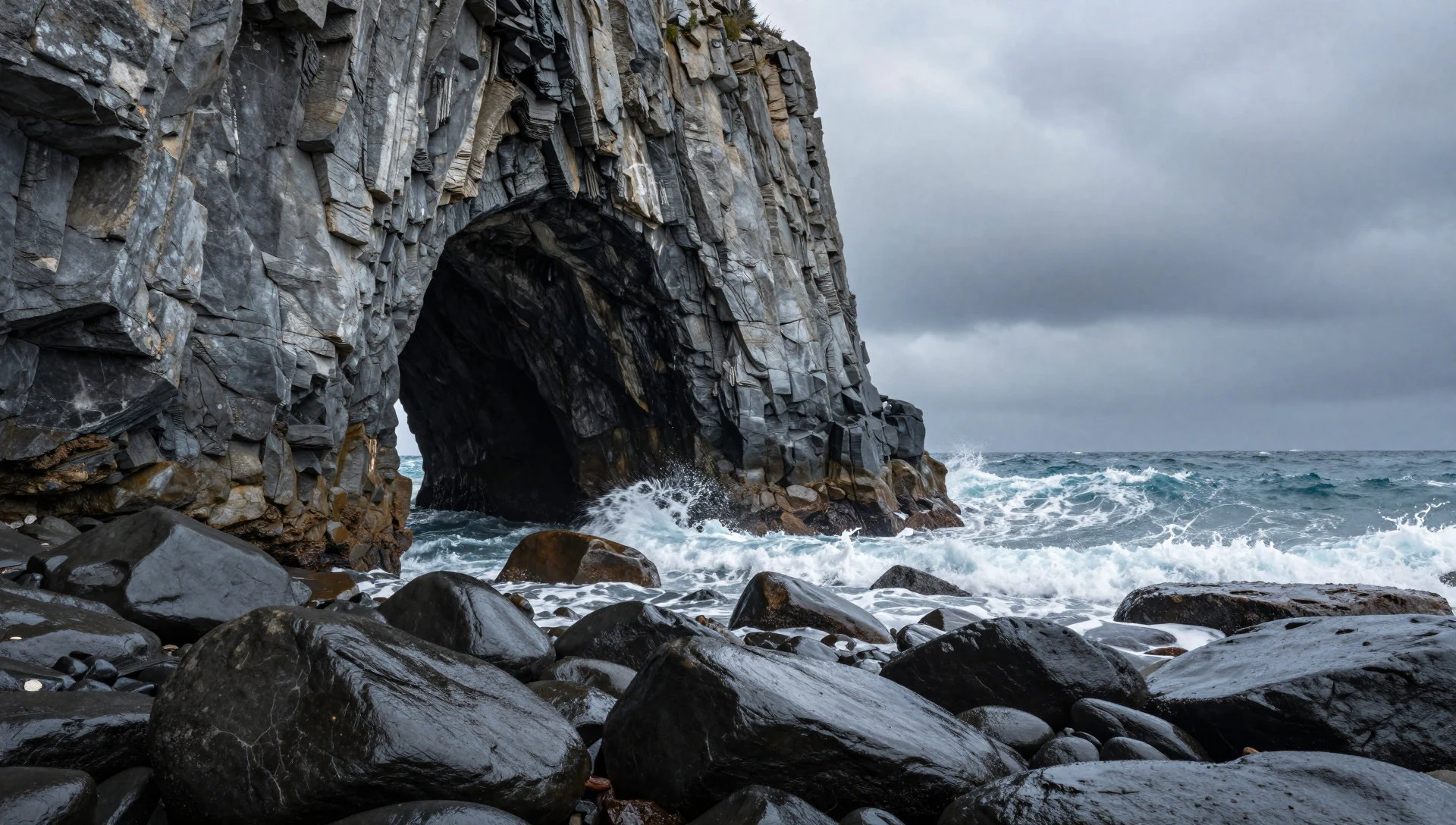
- Langåsen Sculpture Park — Svolvær
An open-air contemporary art installation located in the central district of Svolvær. The park showcases a selection of sculptural works and remains freely accessible to visitors at all hours.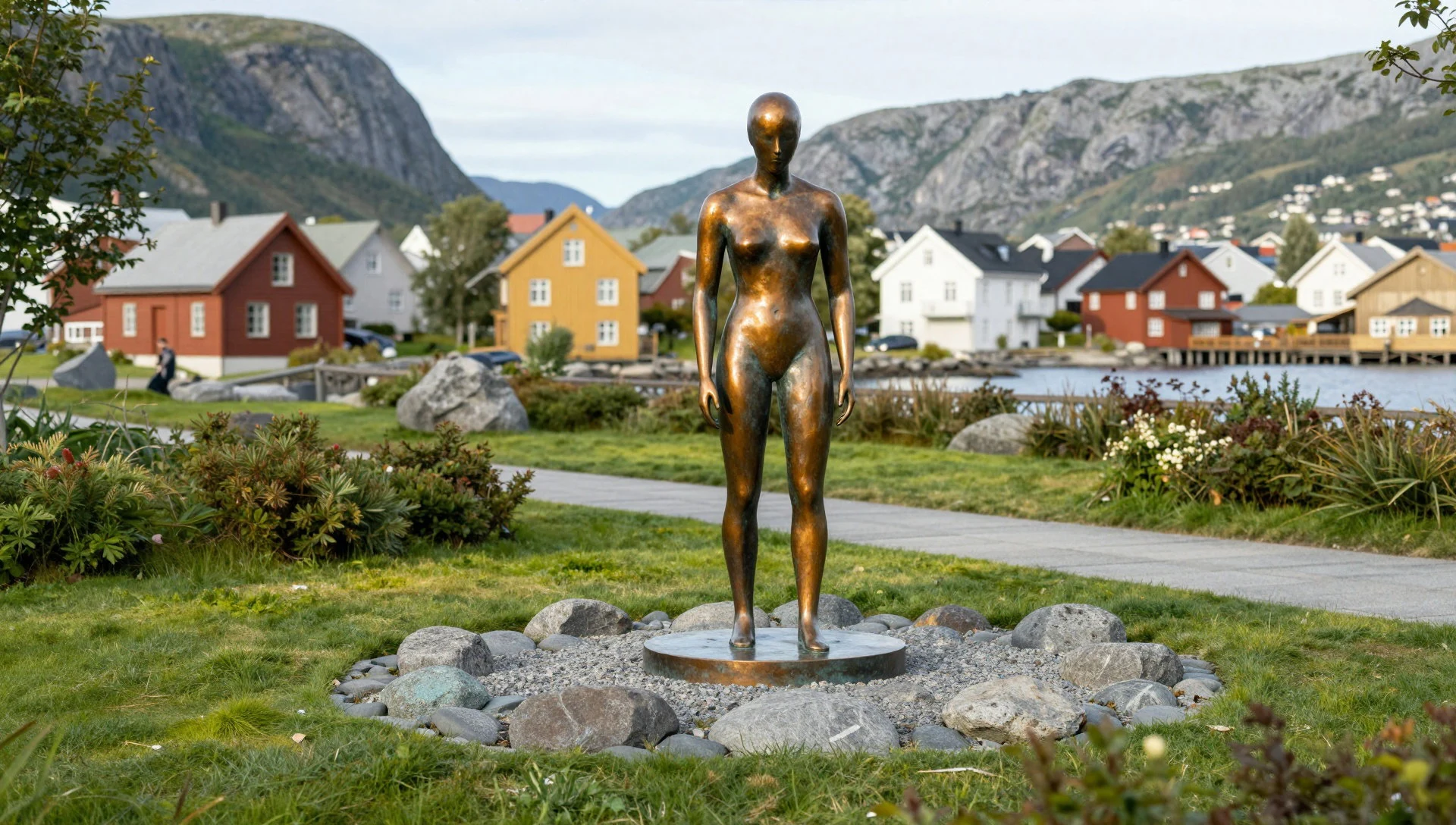
Culture
Creative expression in Lofoten draws deeply from the surrounding landscape, inspiring generations of landscape painters such as Gunnar Berg, Adelsteen Normann, and Otto Sinding, who documented the arduous lives of local fishermen. Today, the islands sustain a vibrant contemporary arts scene, anchored by institutions like the North Norwegian Art Centre in Svolvær, the KaviarFactory gallery in Henningsvær, and the regional art and film school in Kabelvåg. Major cultural gatherings, including the roving Lofoten International Art Festival, bring international contemporary artists to unexpected venues across the archipelago. Visitors should respect local quiet hours in residential fishing communities and refrain from trespassing on private property or drying racks used for commercial fish production.
What to wear
Traditional workwear in Lofoten was dictated by the harsh demands of the sea, relying on heavy woollen jumpers, thick felted trousers, and oilskins designed to withstand freezing saltwater and relentless coastal gales. Today, locals dress in practical, weather-resistant outdoor attire suitable for unpredictable Arctic conditions, favouring durable technical fabrics, waterproof shells, and sturdy layers.
Visitors should pack strictly for utility and comfort rather than formality. Essential items include windproof and waterproof outer jackets, thermal base layers, woollen socks, gloves, and a reliable beanie. Sturdy, waterproof hiking boots with good ankle support are indispensable for navigating rocky coastal paths and uneven mountain terrain.
What to eat
- Stockfish — Any traditional fishing settlement or coastal market
Unsalted cod dried naturally on massive wooden racks by wind and sun. It is a cornerstone of local culinary heritage, prepared in various traditional stews or enjoyed dried as a savoury snack.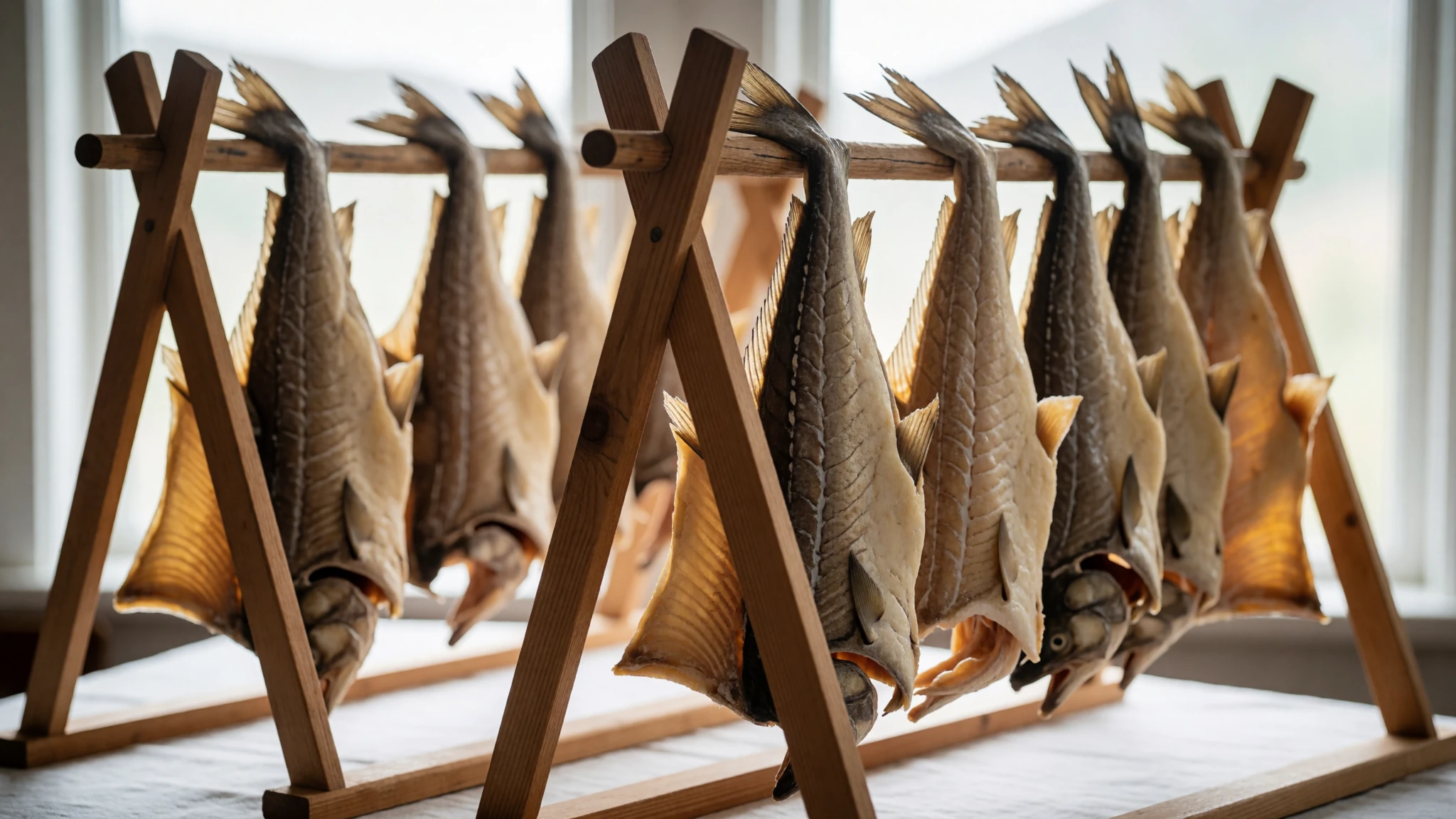
- Fresh Coastal Bakery Pastries — Local bakeries in Reine and Svolvær
Locally baked cinnamon buns and crusty artisanal sourdough breads sold in village bakeries, best purchased early in the morning before daily supplies sell out.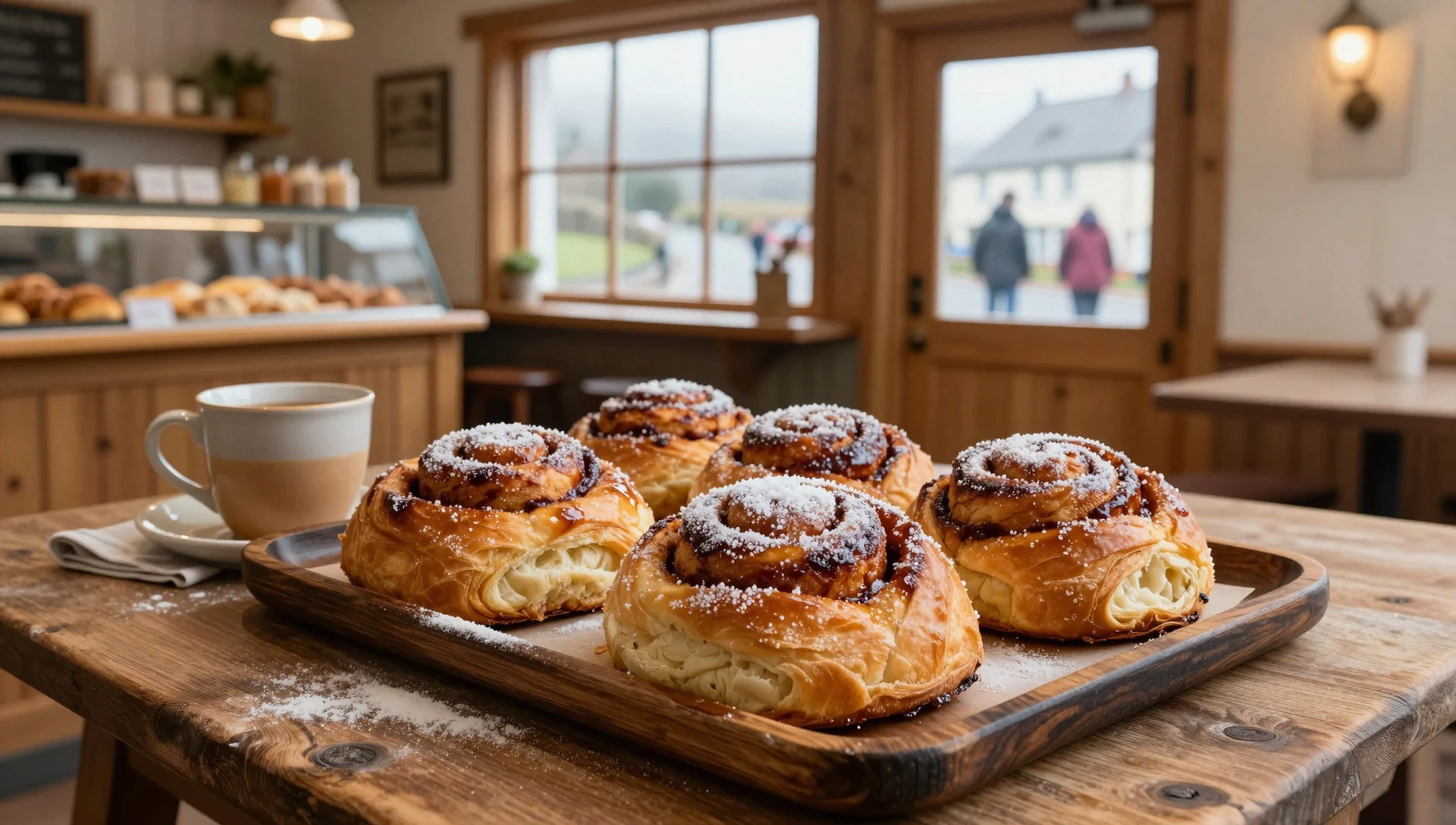
- Harbourside Café Coffee — Harbourside cafés near Reine and Svolvær
Hot beverages and light seasonal snacks served in cosy waterside spots overlooking fishing boats and docked vessels. - Ice Bar Beverages — The local ice bar in Svolvær
Specialty drinks served in custom glasses carved from crystal-clear blocks of ice inside a converted fish-freezing facility.
Plan it
Best time. March to April for winter scenery and skiing under stable spring light, or September to October for autumn colours before deep winter settles in.
How long. 4–6
Getting there. Fly from Bodø to regional airports such as Leknes or Svolvær, or drive via the E10 highway connection linking the islands directly to the mainland.
Budget. high
Tips
- Book accommodation and rental cars well in advance, especially for the peak summer and winter seasons.
- Arrive early at popular trailheads and viewpoints to secure parking and avoid midday crowds.
- Carry a mix of cards and local currency for small village shops and independent farm stalls.
- Check weather forecasts and avalanche warnings daily before undertaking mountain hikes.
Etiquette
- Do not walk across private property or disturb drying racks used for local fish harvesting.
- Take all rubbish with you and follow local leave-no-trace principles across fragile coastal habitats.
Nearby
Sources
- Wikidata Q186822 (CC0)
- Wikipedia (CC BY-SA 4.0)
- Wikivoyage (CC BY-SA 4.0)