Lima
Lima, Peru
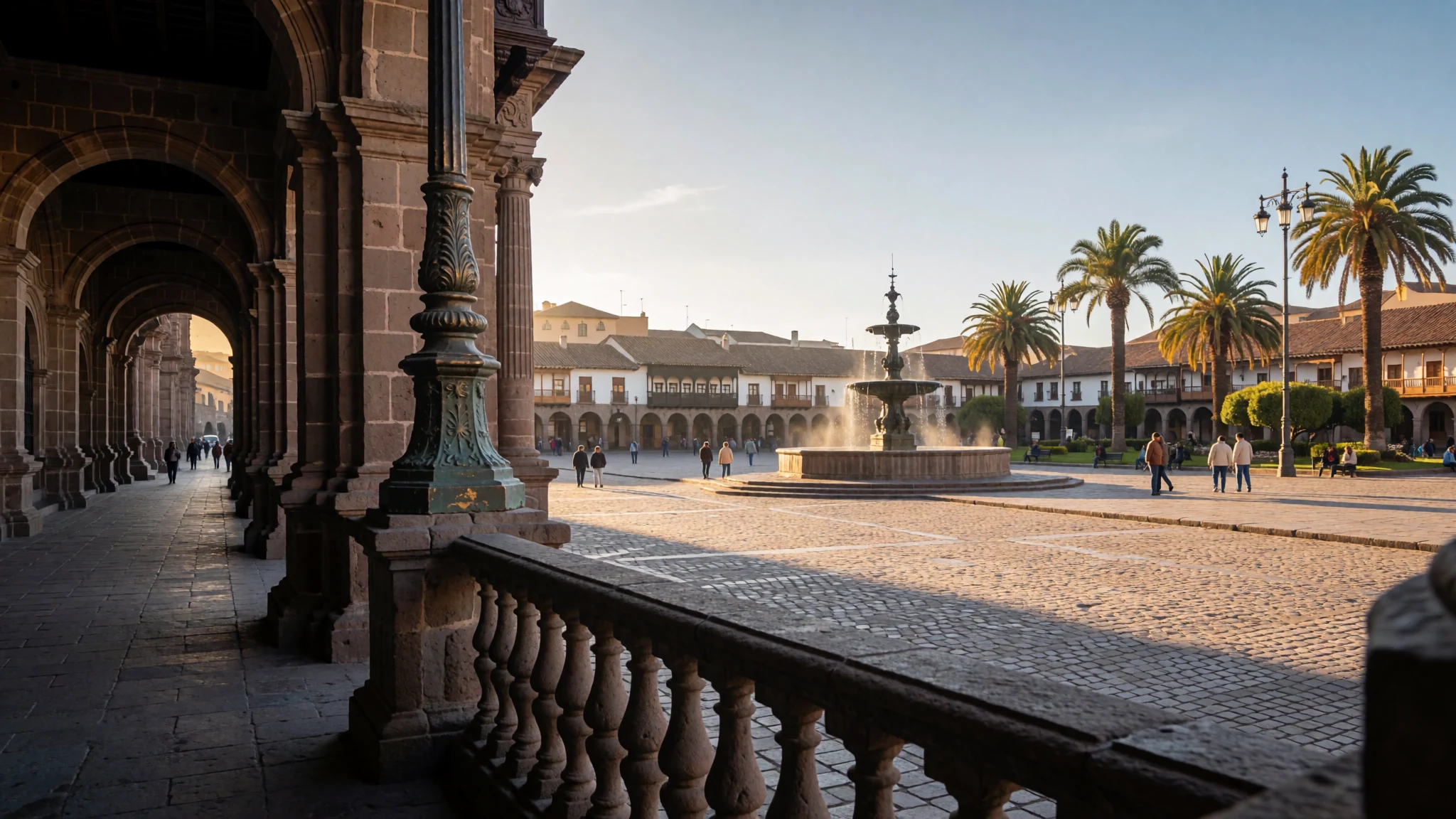
Lima is a sprawling, unhurried capital where colonial squares, Pacific clifftop parks and some of the best food in the Americas sit side by side.
The place
Lima is the capital of Peru and the country's largest city. It sits in the desert strip of the central coast, spread across the valleys of the Chillón, Rímac and Lurín rivers and looking out over the Pacific. Politically, financially and culturally it is the centre of the country, and most national institutions, banks and media companies have their headquarters here. The metropolis reaches beyond the province of Lima into the Constitutional Province of Callao to the west, where the seaport and the international airport are located.
The city has about 10 million people, which makes it one of the largest urban areas in South America. Its population is a mix of coastal Spanish-speaking families, Andean migrants who moved down from the highlands over the twentieth century, and communities with African, Chinese and Japanese ancestry. That blend shows in the architecture, the markets and the kitchens.
The historic centre is compact enough to walk, with balconied colonial houses, churches and government buildings grouped around the Plaza Mayor. Beyond it, the districts of Miraflores, San Isidro and Barranco offer clifftop parks, galleries and restaurants above the ocean. The sea is often hidden by a low grey haze for much of the year, so the coast looks gentler in the warmer months, when the beaches fill up with weekend crowds.
Its story
Lima was founded by the Spanish in 1535, but the valleys around it had been home to settled communities for many centuries before that. The Rímac, Chillón and Lurín river valleys were farmed and organised under a number of local lordships, and the Maranga and Lima cultures shaped distinct identities in the area. Their monuments and adobe platforms still rise from the desert on the city's edges.
Some of the most important sites predate the Spanish by a long way. The sanctuary of Pachacámac, about an hour's drive south of the centre, was a major pilgrimage place built up over many centuries by successive peoples, and it was still drawing visitors when the conquistadors arrived. Earlier, the Wari Empire had extended its influence along the coast and built the ceremonial centre of Cajamarquilla. When Wari power faded, the Chancay culture rose to prominence before the region was absorbed into the Inca Empire in the fifteenth century.
The Spanish chose the site for its river valley and nearby harbour, and the city soon became the seat of the Viceroyalty of Peru, the administrative heart of Spain's South American empire. Its wealth, earthquakes and a long history of rebuilding shaped the baroque churches and carved balconies that visitors see today. Lima's name is generally traced to an older local word used for the valley region.
What to see
- Plaza Mayor — Historic Centre
The main square of the historic centre has been the political and religious core of the city since the colonial period. Around it stand the cathedral, the archbishop's palace and the presidential palace, with arcaded balconies on the older buildings. Go in the morning, when the square is quieter and the light is good for photographs, and keep an eye on your bag in the crowds near the fountain.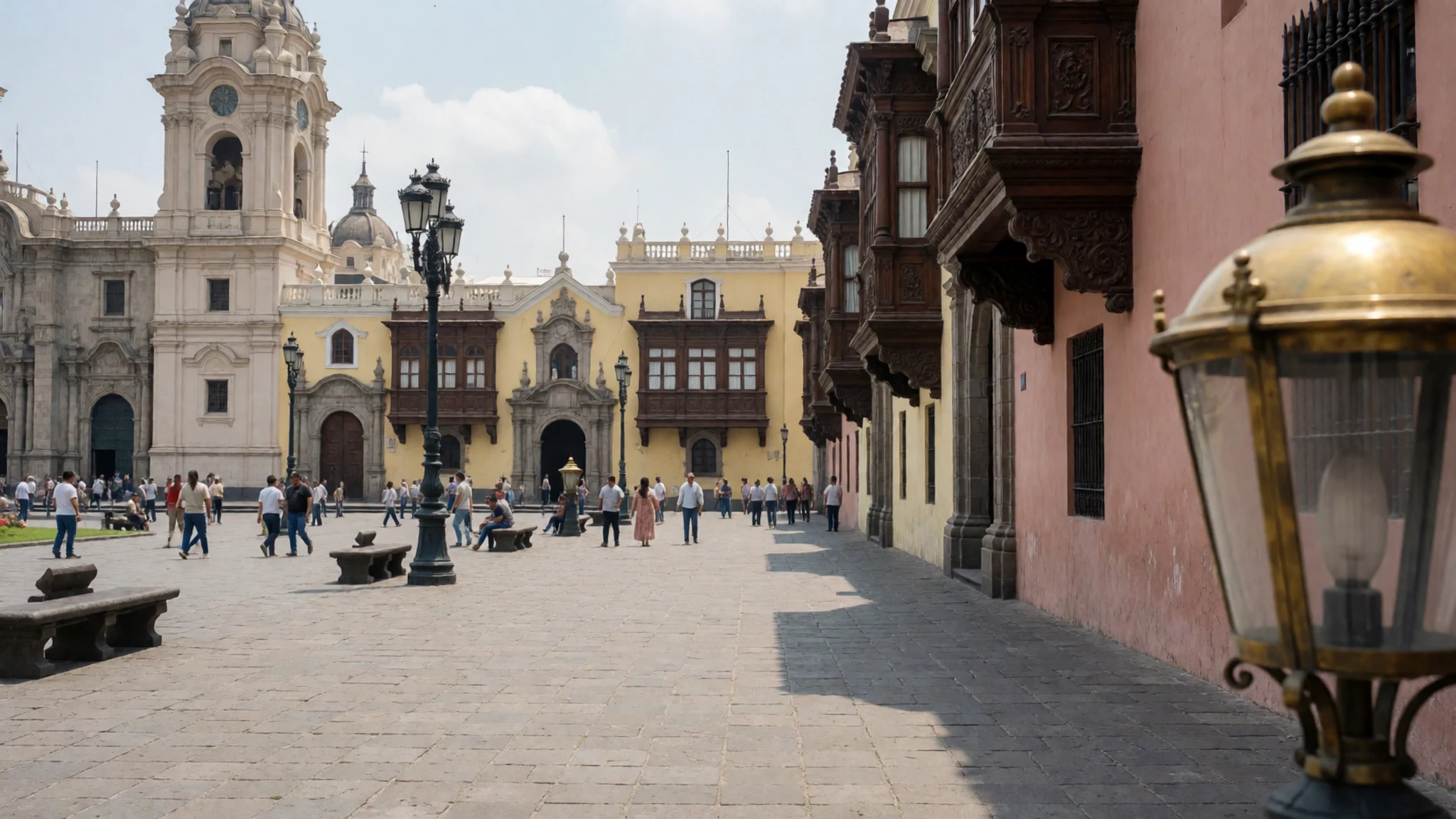
- Lima Cathedral and the Historic Centre — Historic Centre
The Metropolitan Cathedral sits on the Plaza Mayor and has been rebuilt more than once after earthquakes. Its interior, with carved choir stalls and side chapels, shows the mix of Spanish and colonial craftsmanship that marks the city. Nearby churches, monasteries and the colonial balconies on the surrounding streets are best explored on foot, with a guide if you want the stories behind them.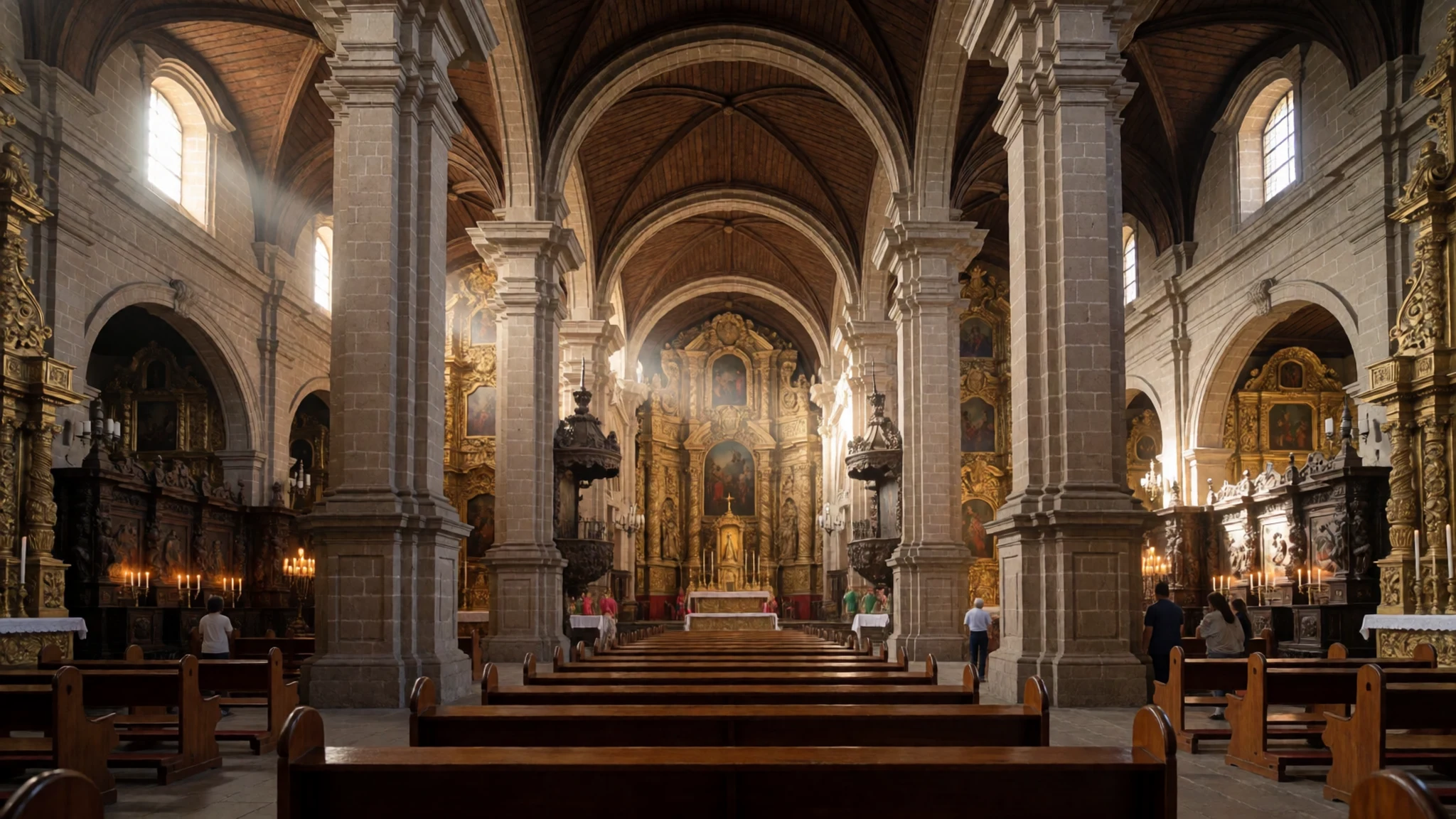
- Miraflores clifftop and La Marina lighthouse — Miraflores
Miraflores has long parks along the cliffs above the Pacific, with paths, benches and steep stairways down to the beach. The lighthouse at La Marina is a fixed landmark for walks along the seafront. Sunset is the busiest time, so arrive early to find a bench. Eateries line the cliff roads, and the sea air is cooler than the city inland.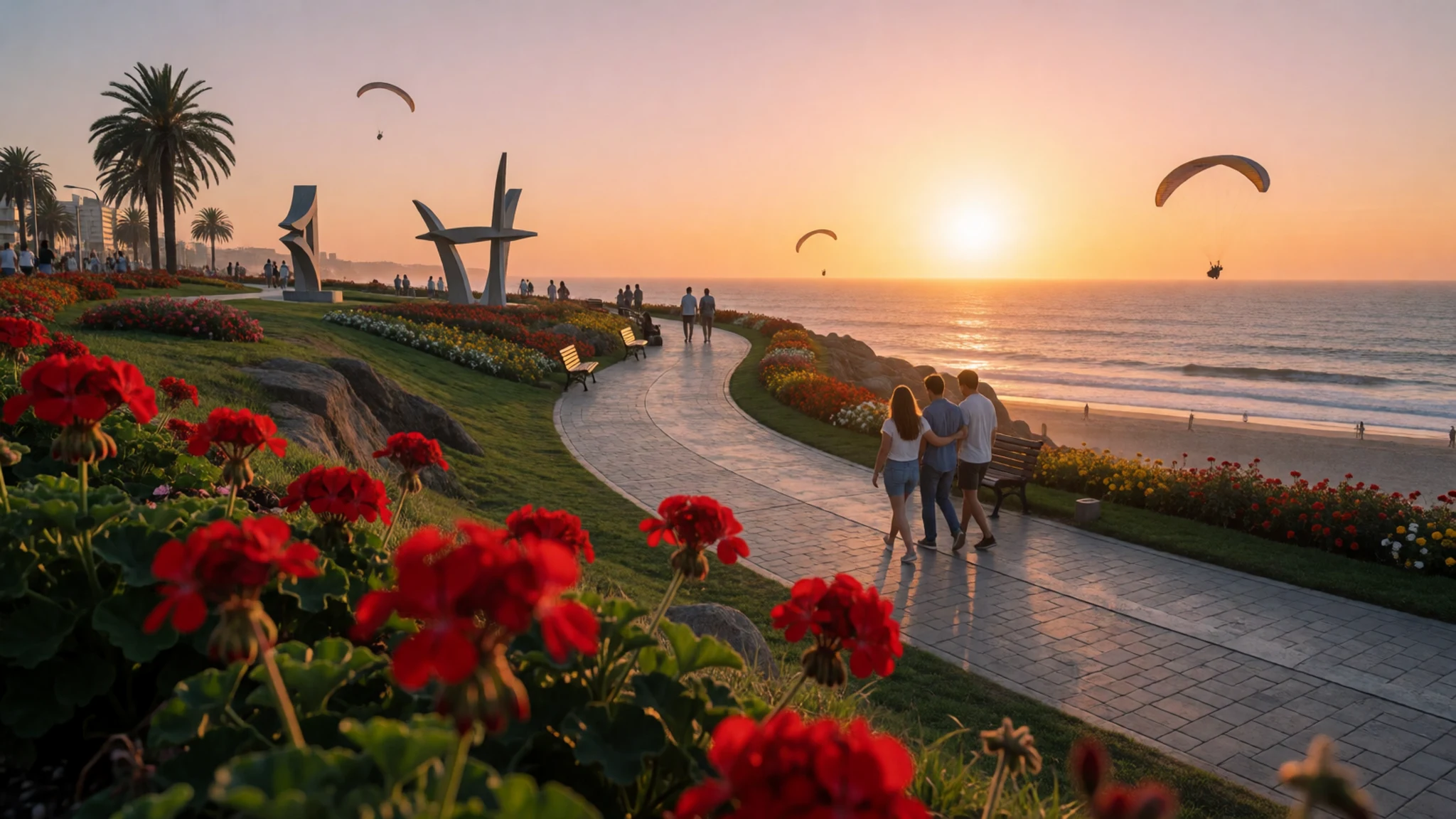
- Parque de la Reserva — Cercado de Lima
This large park in the city centre district is one of Lima's better-known public spaces, with fountains, gardens and paths that come alive in the evenings. It is a good place to see families and couples out after dark. Stay on the lit paths and keep valuables close, as is sensible in any large public park here after sunset.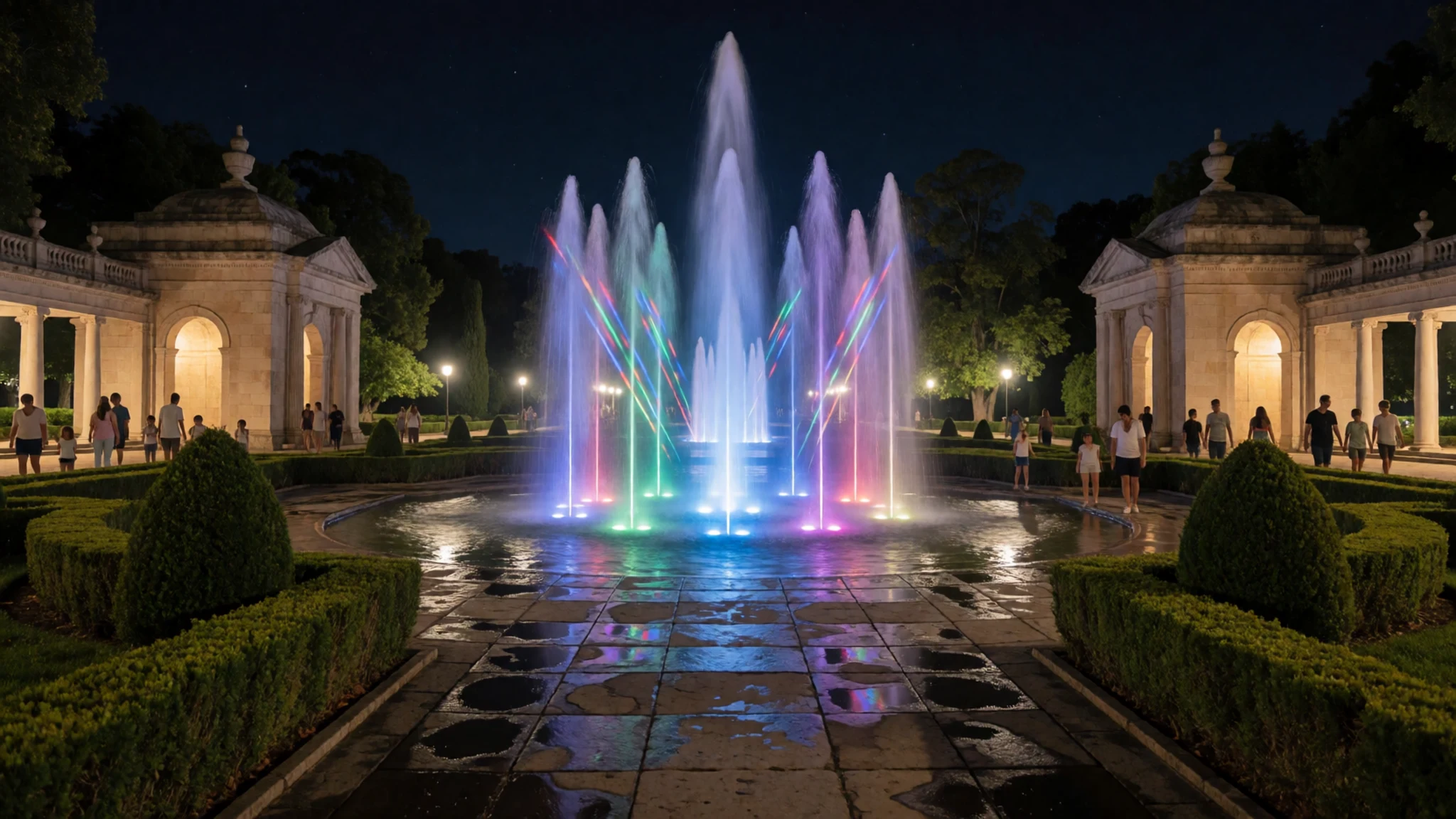
- Pachacámac archaeological site — Lurín valley, south of the city
The old pilgrimage sanctuary of Pachácamac lies in the Lurín valley to the south, among adobe temples, pyramids and cemeteries. It is usually reached by a tour or a long taxi ride, and the desert heat is strong by midday. Bring water and a hat, and allow half a day to see the site and its museum properly.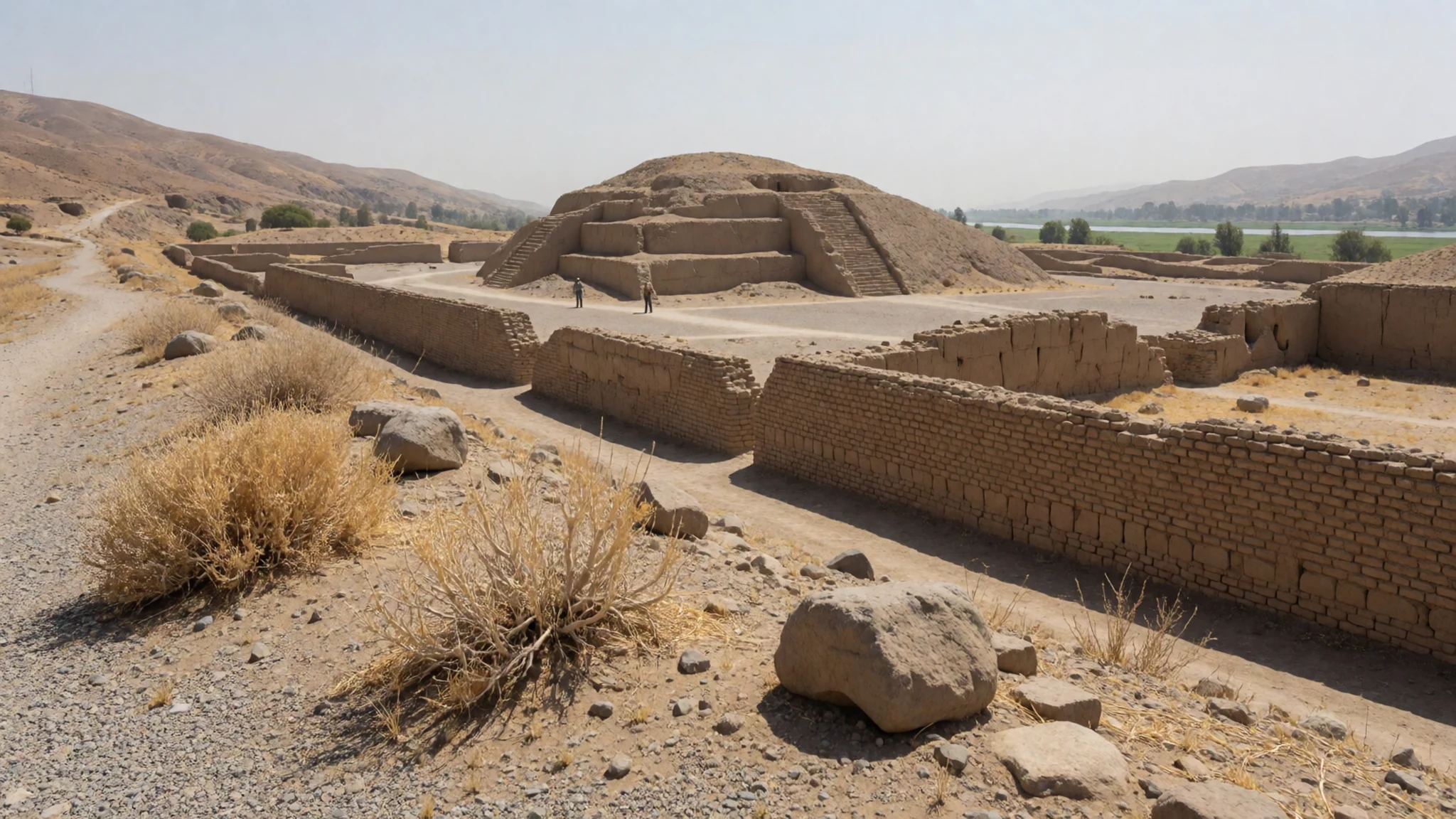
- Food tours and folkloric dance shows
Several operators run walking food tours through the markets and neighbourhoods, usually with English-speaking guides, and some include a cooking class. Folkloric dance shows with a lunch or dinner included are another easy way to see regional music and costume in one evening. Book ahead for the tours, which need a reservation, and check current times with the operator.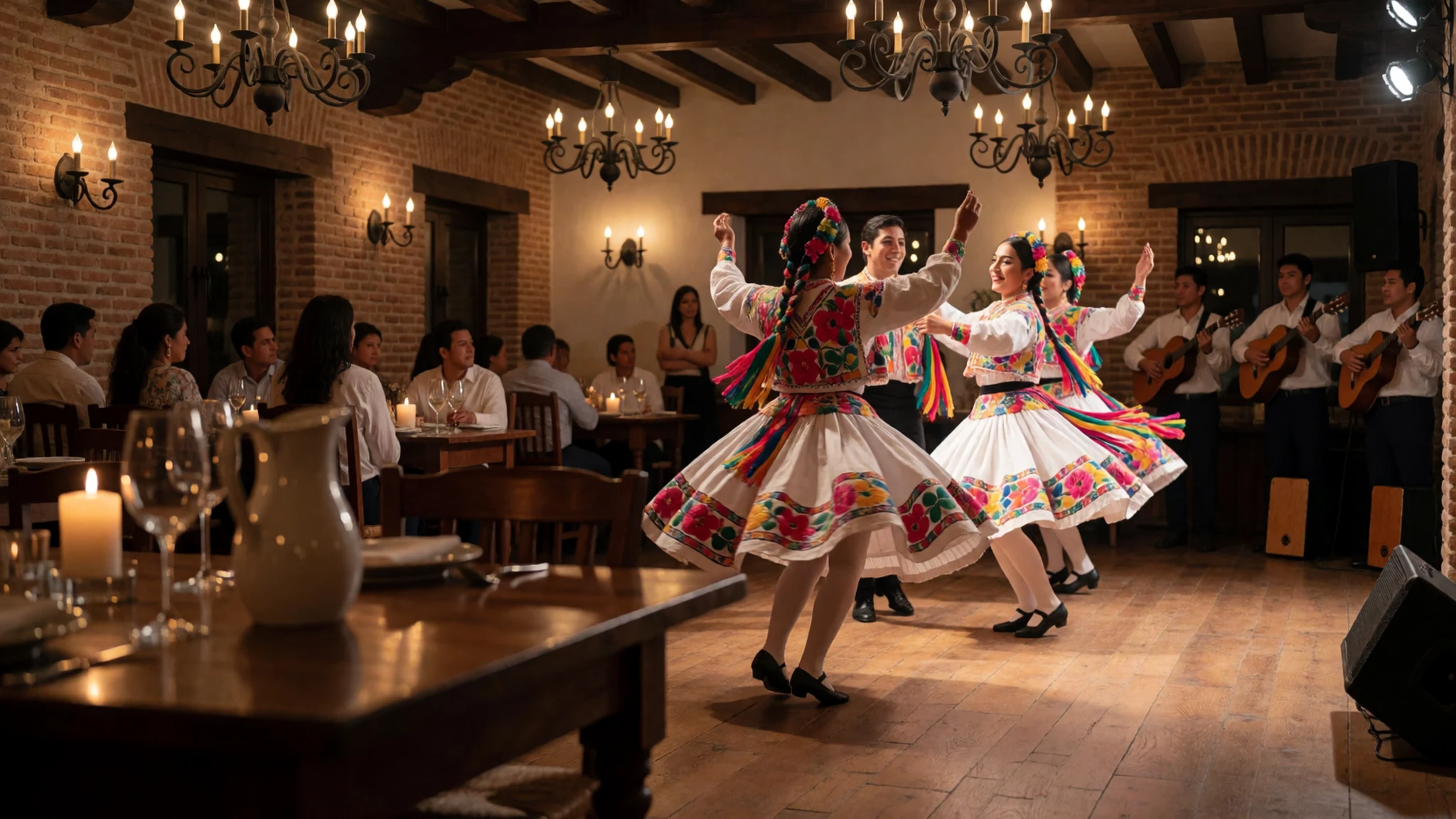
Culture
Lima is a layered city shaped by Spanish colonial rule, Andean traditions, African and Asian immigration and the many waves of people who have arrived from the provinces since the mid-twentieth century. Its historic centre has been on the UNESCO World Heritage list since 1988, and the city has a strong claim to be the gastronomic capital of the Americas, with Spanish, Andean and Asian cooking traditions meeting in its restaurants and markets.
Family life is central, and Limeños tend to be warm and talkative with people they meet. Lunch is often the main meal of the day, and dinner can be late. The coastal beaches are busiest in the summer months, and clubs and eateries near the sea stay busy into the evening. The theatre scene is lively too, from classic and experimental productions to dance and children's shows.
Security advice from local sources is to keep a low profile: avoid showing expensive watches, phones or laptops on the street, and use registered taxis or ride-hailing apps rather than hailing cars at random. Dress modestly when entering churches, and ask before photographing people at markets. If you are robbed, do not resist; hand over the item and keep calm, because attackers may be armed.
What to wear
Lima does not have one traditional costume in the way some Andean towns do, but its dress reflects Peru's wider textile heritage. Andean communities in the highlands weave alpaca and llama wool into ponchos, shawls and brightly patterned skirts, and many Limeños buy these in markets. The coastal marinera, a partner dance that is part of Lima's folk culture, is performed in long white and colourful dresses and waistcoats, which are often worn at festivals and folklore shows.
What people wear now is largely western and practical. In the business districts of San Isidro and the centre, office workers dress smartly, while in Miraflores and Barranco the look is relaxed, with jeans, trainers and light jackets. Weekend markets and older neighbourhoods show more traditional knitwear and hats, particularly among people with highland roots.
For a visitor, the climate is mild but often damp and grey, with a fine mist for much of the year, so pack layers and a light waterproof. Lightweight clothing works in the sun, but cover your shoulders for churches and bring comfortable walking shoes with good grip for the cliffs and uneven pavements. Smart-casual outfits are fine for most restaurants.
What to eat
- Ceviche — Cevichería in the historic centre, or the morning market stalls
Raw fish cured in fresh lime juice with chilli, red onion and coriander, usually served with sweet potato and corn. It is Peru's national dish and comes best fresh, early in the day. Look for it at a traditional cevichería in the centre or the cooking stalls of the morning market.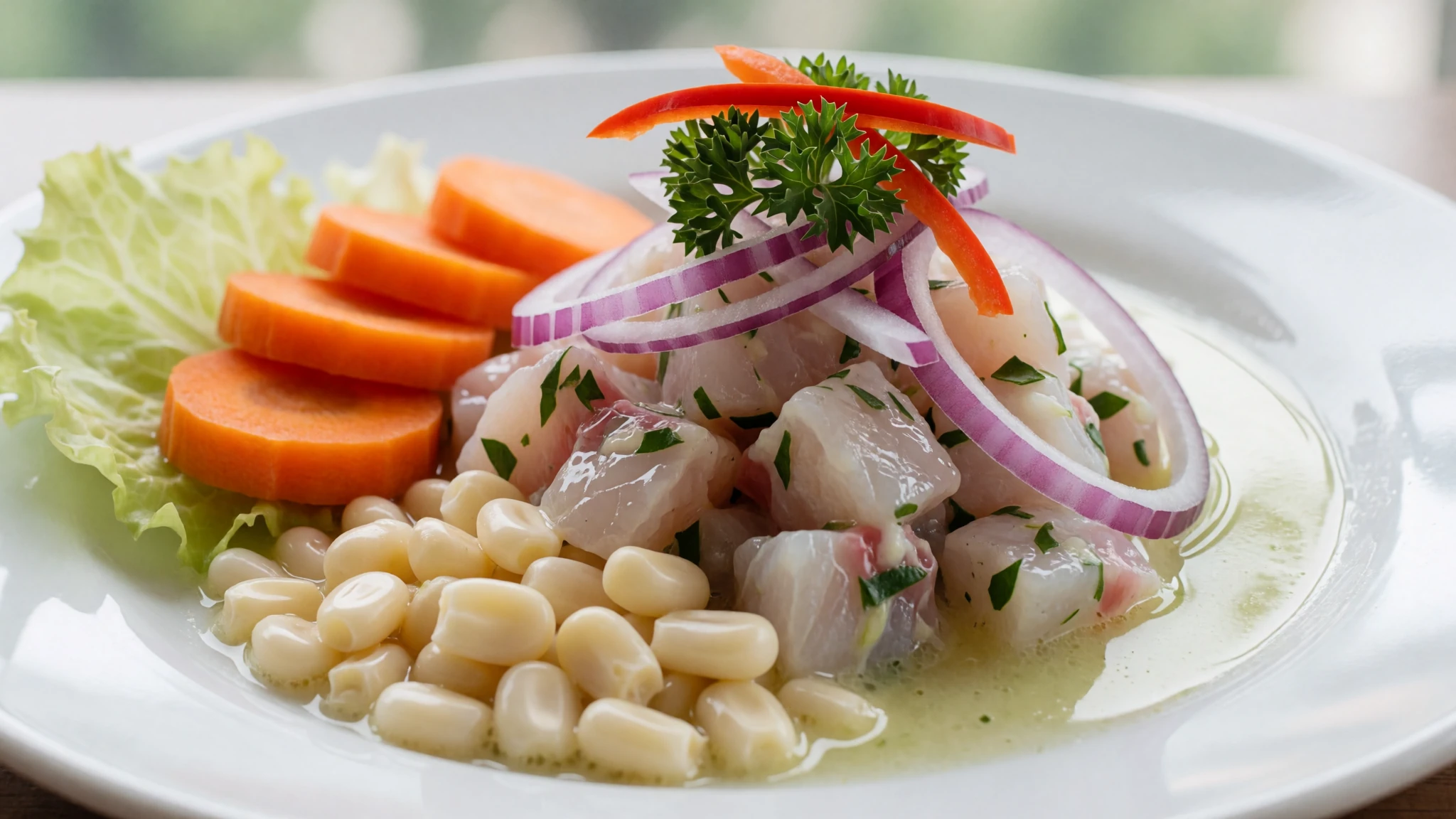
- Causa limeña — Family-run restaurants and lunch menus in the historic centre and Miraflores
A cold layered dish of yellow potato mashed with lime and chilli, filled with chicken, avocado or crab. It is a Lima classic, often served as a starter in family restaurants. It is simple, light and a good introduction to Peruvian home cooking.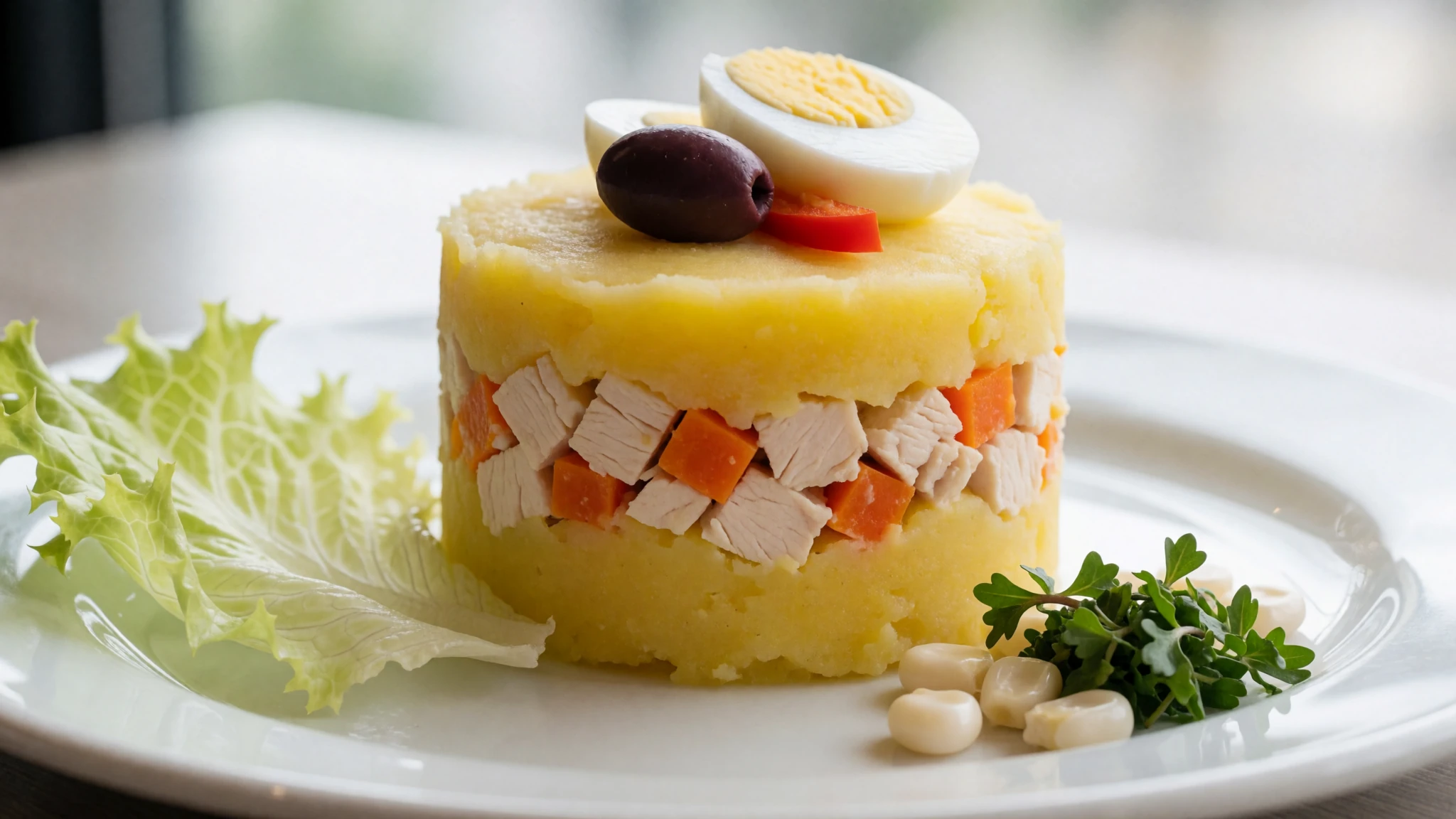
- Anticuchos — Evening street carts and grill stalls in the older districts
Skewers of marinated beef heart, grilled over charcoal and served with potato and a spicy sauce. They are sold from street carts in the evening, especially in the older districts. Eat them hot from the grill and choose a stall where the cooking area looks busy.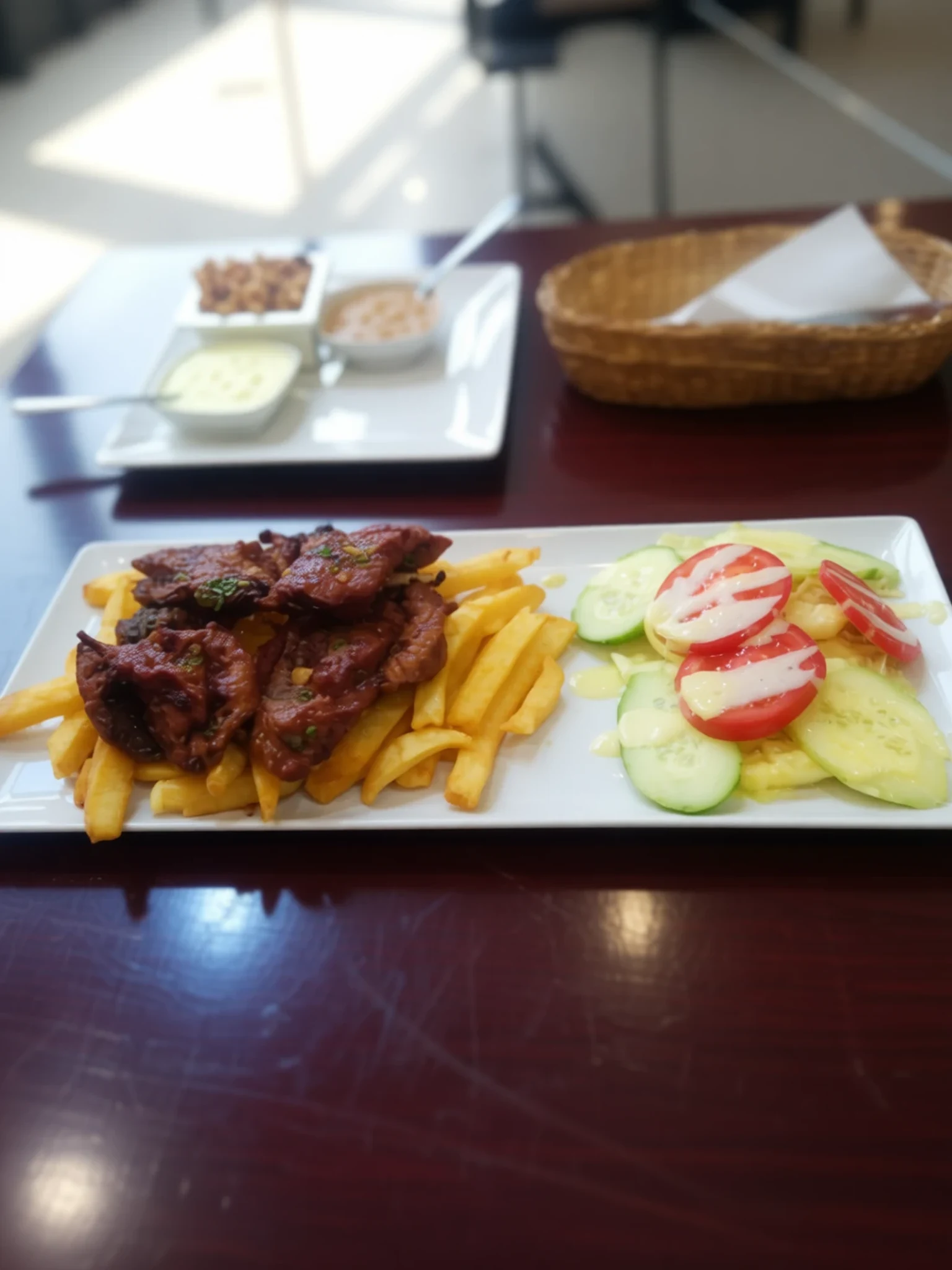
- Lomo saltado — Chifa restaurants in the historic centre and Barrio Chino area
Strips of beef stir-fried with onion, tomato and soy, served with chips and rice. It reflects Chinese-Peruvian cooking, which has been part of the city's food for generations. Chifa restaurants in the centre serve versions of it at lunch. - Picarones — Market and street stalls, especially in the afternoon
Ring-shaped doughnuts made from sweet potato and squash, fried and drizzled with a dark syrup made from chancaca, a pale brown sugar. They are a common street and market snack, often eaten in the afternoon. The best ones are warm and crisp at the edges. - Pisco sour — Bars in Miraflores and Barranco
The national cocktail, made with pisco, lime juice, sugar syrup, egg white and bitters. Bars along the cliffs in Miraflores and in the bohemian streets of Barranco are good places to try it. Ask for it made in the traditional way.
Plan it
Best time. December to April is warmer and usually clearer, with more sun on the coast, while May to October brings the grey garúa mist and cooler temperatures. January to April is the warmest stretch, with highs near 27°C and the least grey cloud, while June to September is the coolest, with highs of 24 to 25°C and persistent drizzle.
How long. 3–4
Getting there. Fly into Jorge Chávez International Airport in Callao, which is the main gateway with direct flights from several European and North American cities and regional connections across South America. The airport is about a taxi or ride-hailing trip from the centre and Miraflores; use an official taxi booth or app inside the arrivals hall.
Budget. mid
Tips
- Book food tours and the Pachacámac trip in advance, especially at weekends
- Visit the historic centre in the morning before the heat and crowds build up
- Take a registered taxi or ride-hailing app, and agree on the fare or check the route before you set off
- Carry bottled water and sun protection for the coast and the desert sites
- Use cards at larger shops and restaurants, but carry some cash for markets and small stalls
- Plan sunset on the Miraflores cliffs and reserve a table early at popular restaurants
Etiquette
- Dress modestly and cover your shoulders when you enter churches
- Ask before photographing market vendors or people in traditional dress
- Keep valuables out of sight on the street and avoid showing expensive devices
Nearby
Sources
- Wikidata Q2868 (CC0)
- Wikipedia: Lima (CC BY-SA 4.0)
- Wikivoyage: Lima (CC BY-SA 4.0)
- Plaza Mayor de Lima-1 (JulioKuLu) (CC BY-SA 4.0)
- Ciudad de Lima (Vengador1) (CC BY-SA 4.0)
- Basílica Catedral Metropolitana de Lima (David Felipe Ruiz Hoyos) (CC BY-SA 4.0)
- Urban View of Lima, Peru 09 (Night City) (Zeromilas123) (CC BY 3.0)
- Parque de La Reserva, Lima (Paulo JC Nogueira) (CC BY 3.0)
- Faro La Marina, Miraflores (Alex Proimos) (CC BY 2.5)
- Centro financiero en el Perú 30 (Ciudades) (CC BY-SA 4.0)
- Pachacamac Mamacona2 (Xauxa, assumed) (CC BY 3.0)


