Lavaux
Lavaux, Switzerland
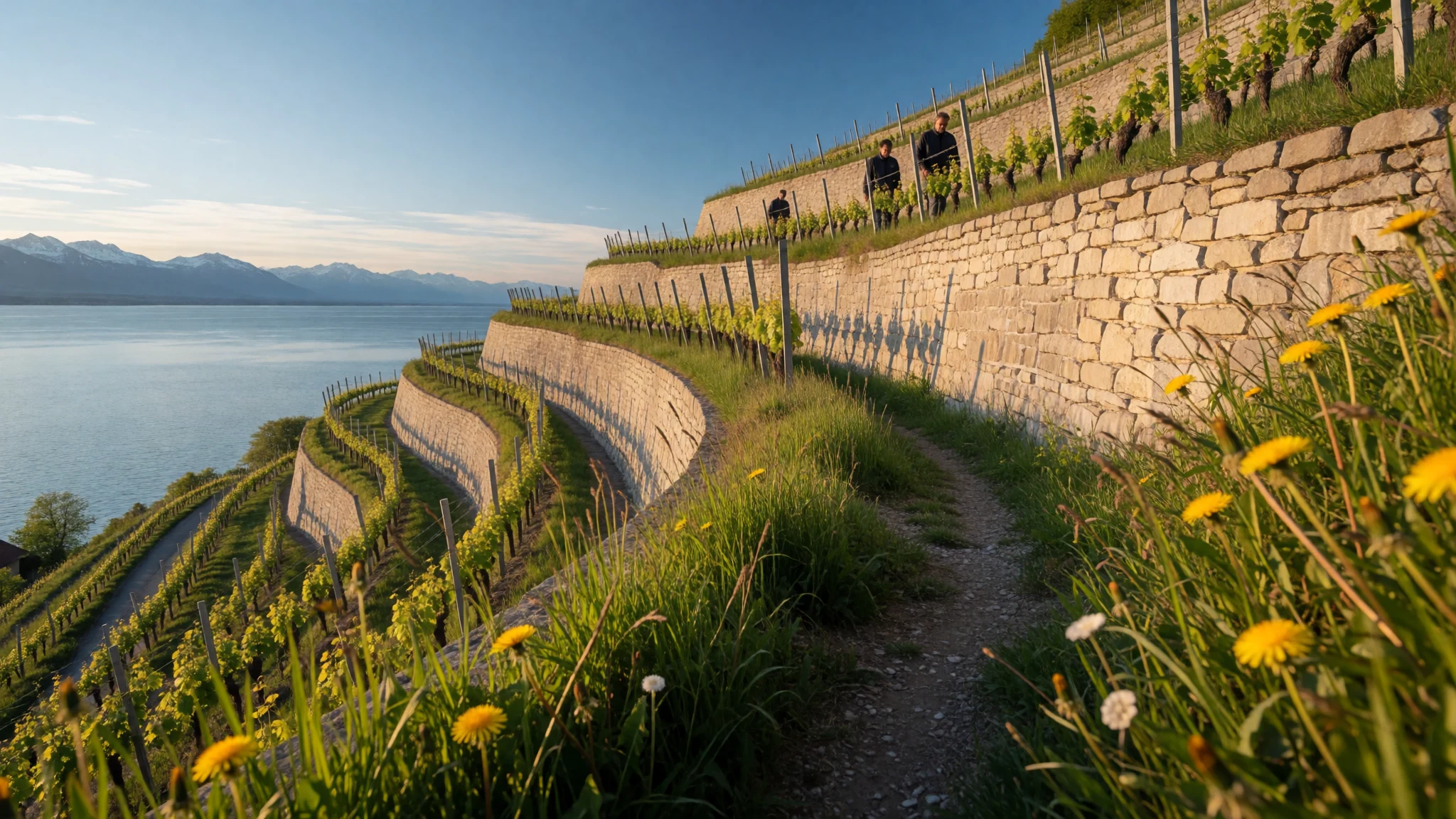
Lavaux turns a lake shoreline into long, sunlit vineyard terraces where wine culture and big views share the same walking path.
The place
Lavaux is a terraced vineyard region in Switzerland’s canton of Vaud, in the district of Lavaux-Oron. It runs along the north-facing shore of Lake Geneva, forming a ribbon of carefully built slopes that descend towards the water. The terraces stretch for about 30 kilometres and cover 830 hectares, so the landscape feels lived-in rather than scenic-in-a-glance.
These aren’t just pretty hills. Lavaux’s vineyard system has been shaped for centuries: records point to the 11th century, when monastic communities such as Benedictines and Cistercians helped develop viticulture. Today the main grape variety is Chasselas, a clue to what the region is really about: steady, methodical farming rather than one-off landmark architecture.
Lavaux is also designated as a UNESCO World Heritage Site, formally known as Lavaux, Vineyard Terraces. That status matters on the ground. The terraces, walls, lanes and viewpoints feel protected from the kind of “development everywhere” pressure that can erase these rural patterns.
The region sits around 700–900 metres at its higher reaches, which changes the feel as you move: some parts offer immediate lake sparkle, while upper zones look out across the water and beyond to mountain ridges. In winter, snow can cover the higher vineyards and farmland, bringing a quieter rhythm and even off-piste cross-country style routes. In late summer into autumn, weather shifts can be dramatic: mist can sit over Lausanne and bas-Lavaux while upper Lavaux villages such as Savigny and Forel enjoy clearer, brighter skies.
For a traveller, Lavaux is about pace. It rewards slow wandering, repeated viewpoints from slightly different angles, and a willingness to plan around weather and train timing.
Its story
Lavaux has the kind of history that still shows up in everyday detail. The terraces themselves look permanent, but the idea behind them is older than “heritage tourism”: long-term cultivation carved these slopes into usable steps, so vines could grow where there would otherwise be only steep, difficult ground. Monastic influence—Benedictines and Cistercians in the early centuries—helped set that rhythm, and even now the landscape reads like a working farm.
What surprises many first-timers is how quickly the views become part of the labour. Walking routes cut across slopes and link villages, so each stretch is both a stroll and a change of perspective: lake first, then the wider basin, then the mountains that frame it. On clear afternoons, the water can feel almost close enough to touch; on misty days, the terraces become the main character, with the lake turning into a soft blur.
There’s also a modern, practical side to the story. Since 2016, synthetic pesticides are no longer used in the vineyards, which adds a contemporary sustainability chapter to an area that already runs on tradition and careful maintenance.
And then there’s the seasonal logic. Late autumn has that crisp, reset quality—often with blue-sky breaks higher up—while winter brings snow to the higher parts and changes what “walking” even means. The best experiences tend to come from mixing transport (to reposition fast) with walking (to stay immersed). The route works as a slow loop: arrive by train, spend time on foot, leave before daylight shrinks, then do it again the next day with different light.
What to see
- Vineyard terrace lanes and viewpoints — Across Lavaux (Vineyard slopes along Lake Geneva)
Lavaux Vineyard Terraces deliver long stretches of stepped vineyards that alternate between shaded lanes and sudden openings to Lake Geneva. The UNESCO landscape reads clearly from the footpaths, especially in warmer months.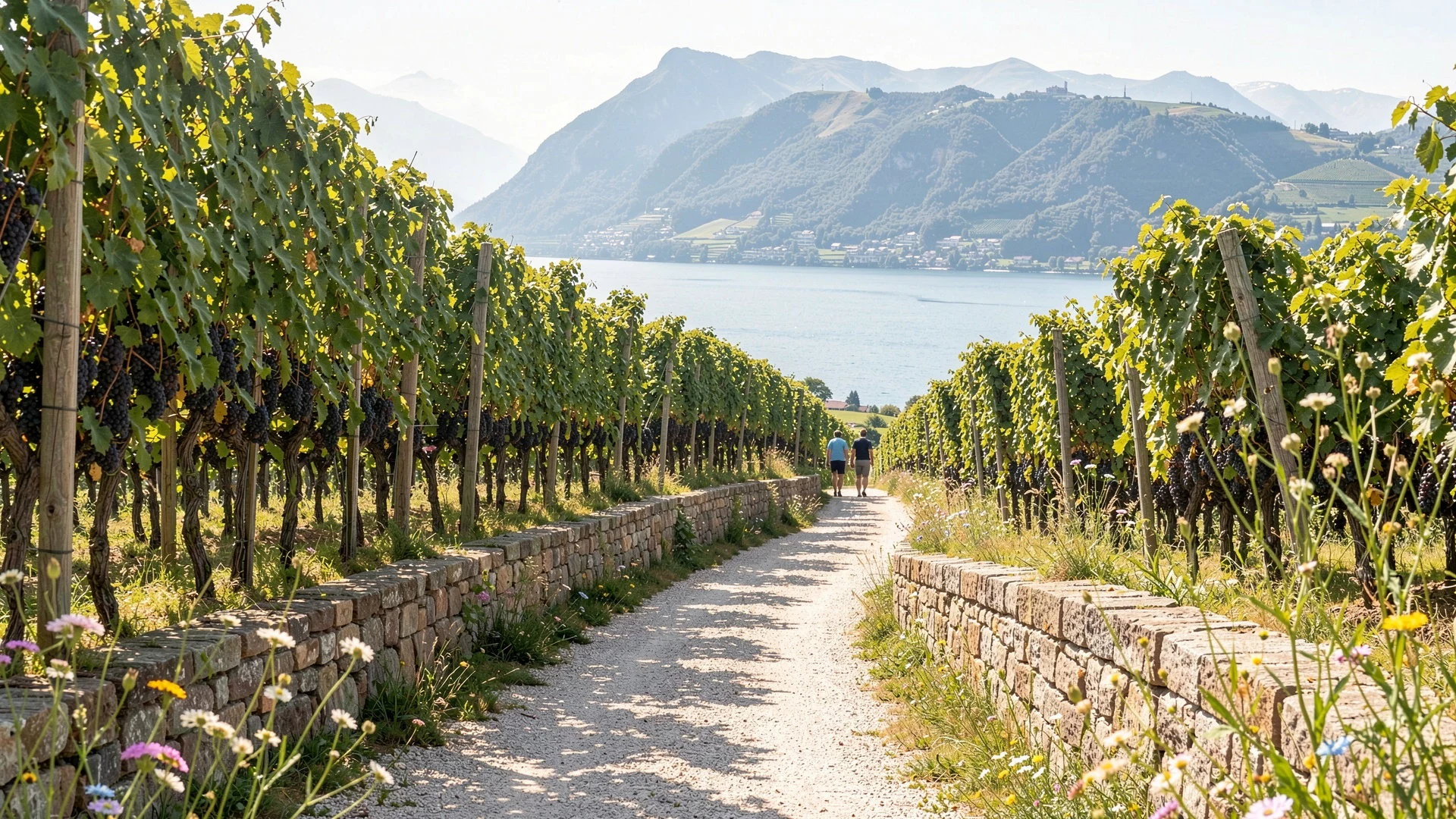
- Train-and-lake corridor between villages — Lakeshore villages between Lausanne and Vevey
Lavaux feels easiest when moving by train along the lakeshore, then dropping into villages reachable in minutes. Views appear between stops—terraces, lake reflections, and framed mountain lines.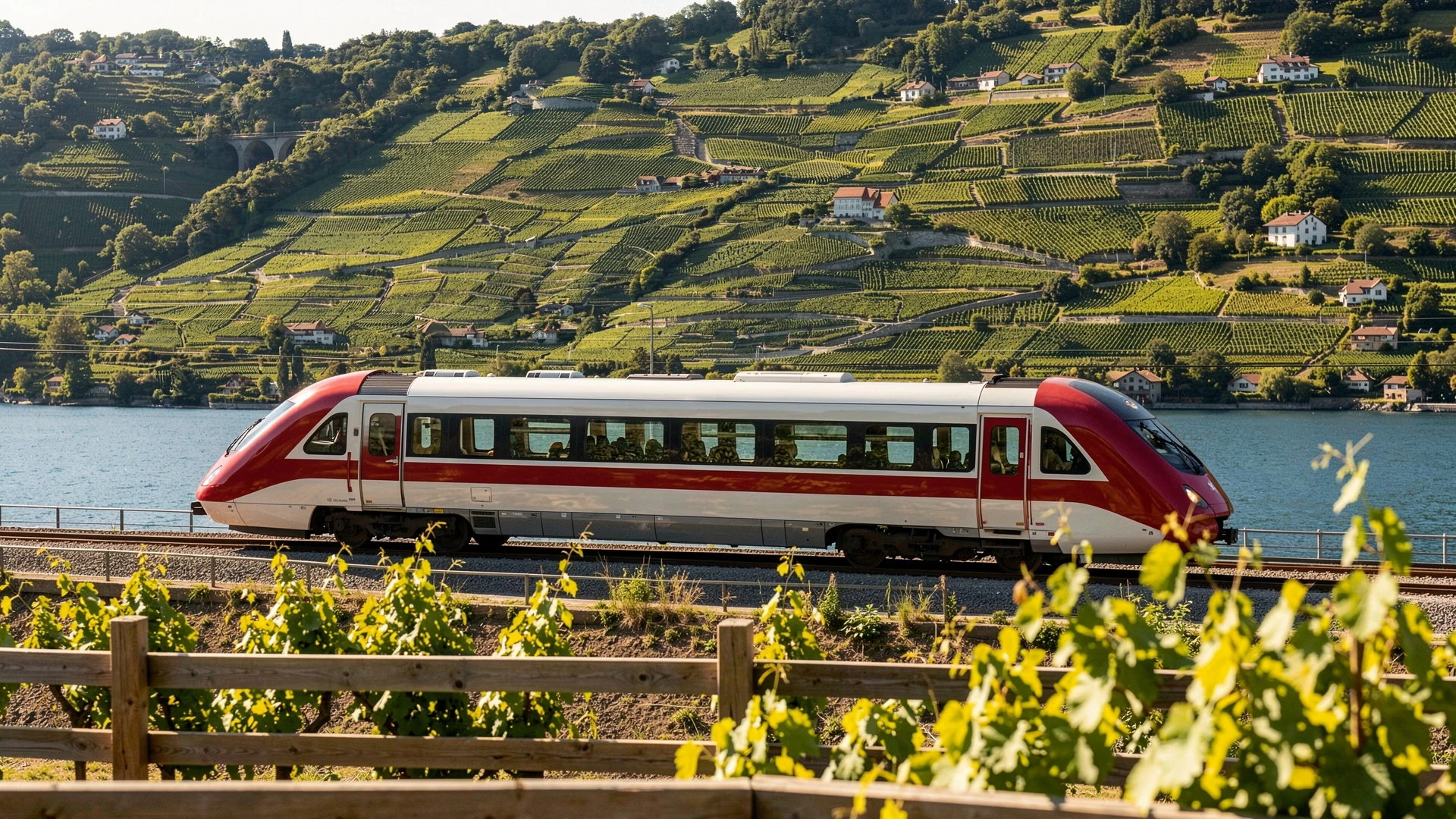
- Chemin de la Dame in Puidoux — Puidoux (Chemin de la Dame)
In Puidoux, vineyard lanes follow steep gradients and quiet backroads. A walk here gives a more intimate feel than the main lakeside strips, with terrace edges, walls, and consistent vineyard structure.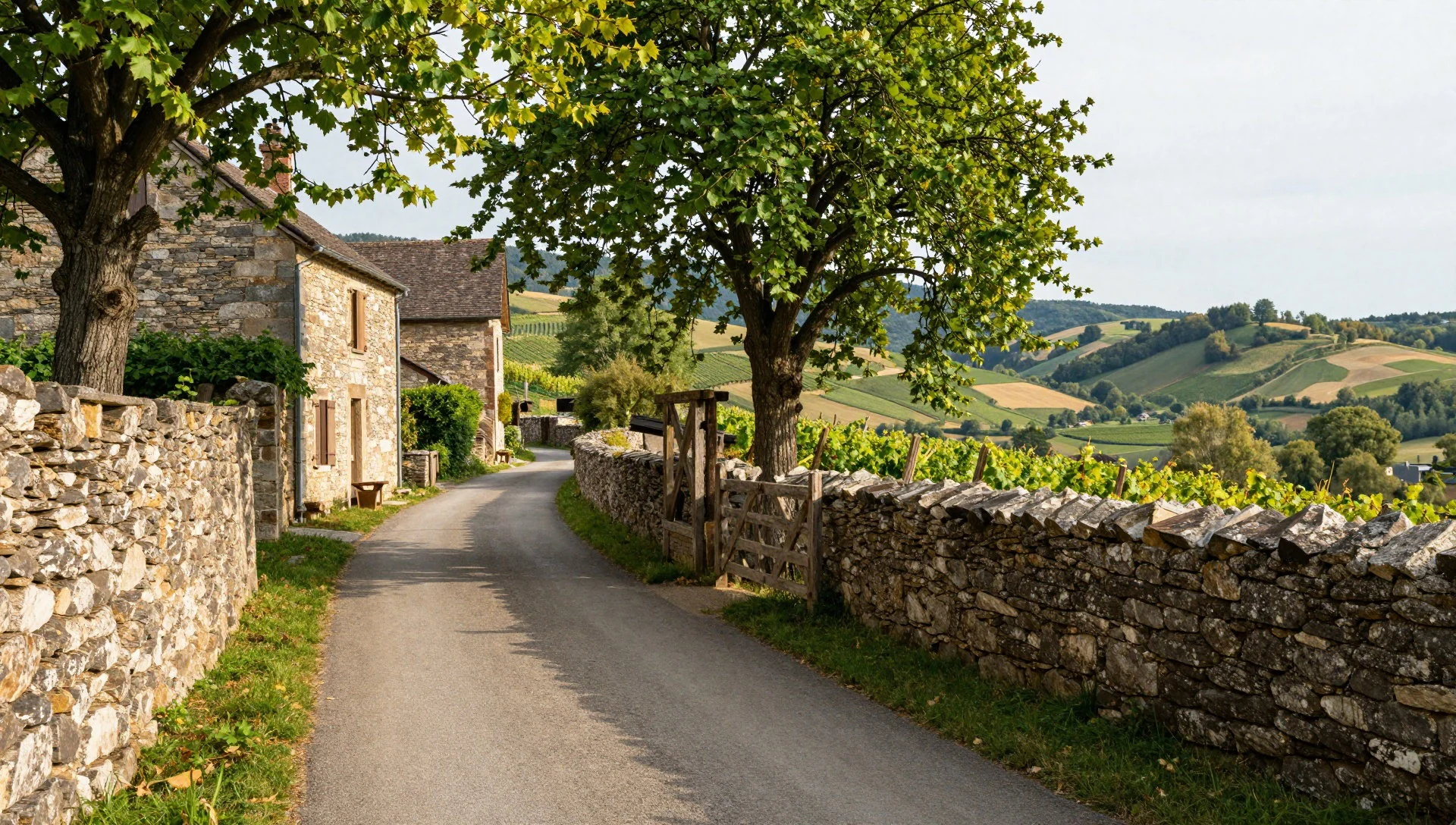
- Lake Geneva and Alpine panorama spots — Miradores across Lavaux towards the lake and Alps
Lavaux is all about layering horizons: vines in the foreground, the lake mid-distance, and the Alps behind. On clear days, repeated lookouts deliver different compositions as the terraces step down.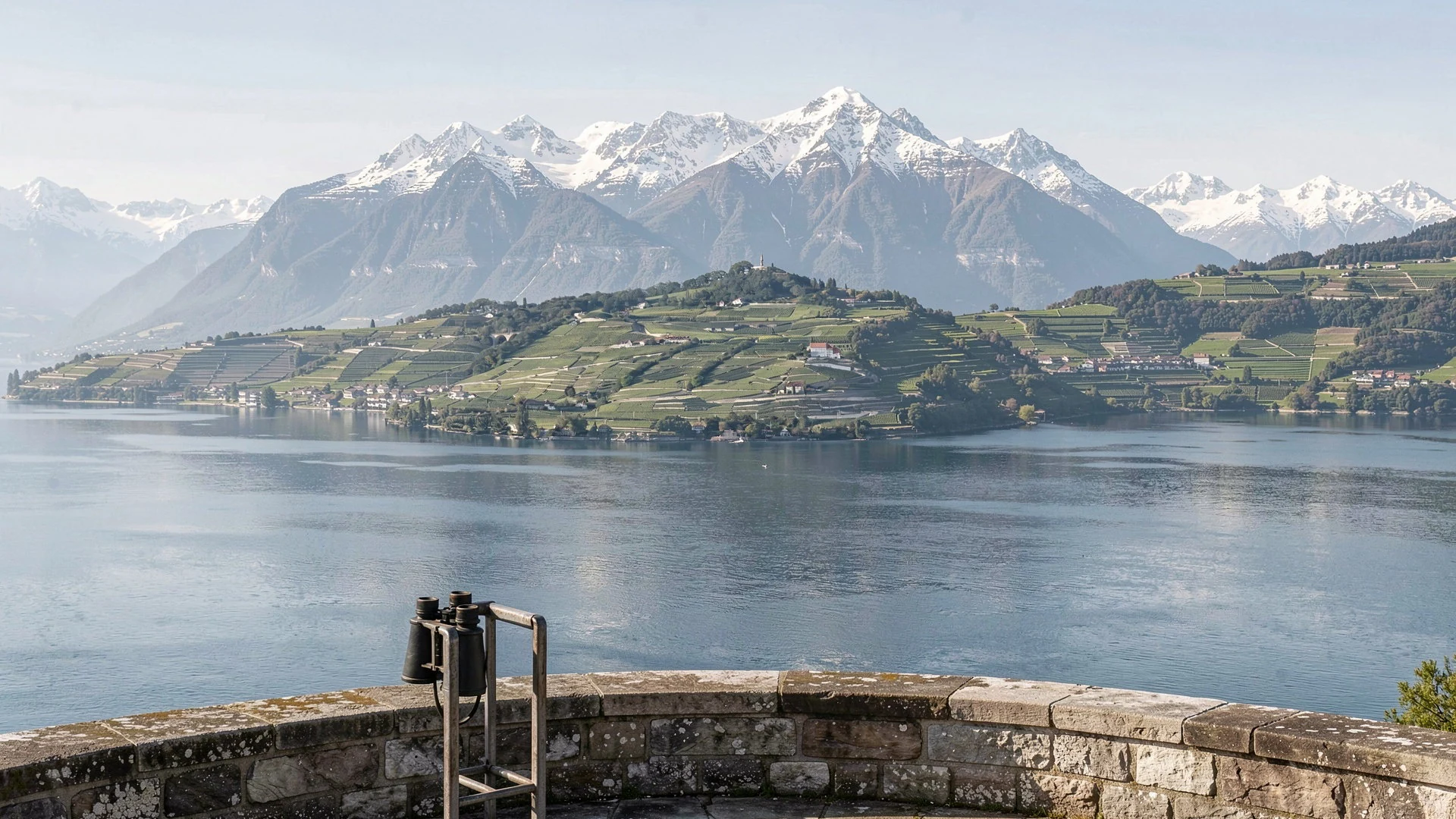
Culture
Lavaux’s culture is vineyard-first. The region is organised around terraces that guide movement—paths, small roads, and lookout points line up with how wine is grown and harvested. Even without a winery tour, the landscape tells the story: stone walls, consistent rows, and village clusters that sit like anchors along the slope.
Food culture follows the same rhythm. Vineyard towns and larger hubs tend to feel built for lingering: markets, small cafés and simple lunch stops are part of how people spend the day outdoors rather than quick “sightseeing breaks”. This is also a place where timing matters—morning light often feels calmer, while afternoons can be busier along the most popular lakeside stretches.
If a festival is on, the rhythm shifts again. Jazz events like the Montreux Jazz Festival and the Cully Jazz Festival bring crowds and extra energy, but the terrace landscape still offers a visual pause between performances. The UNESCO designation adds another layer: it encourages a “keep it as it is” mindset, so the experience can feel both traditional and carefully managed.
Visitor etiquette: stick to marked paths, keep noise down in villages and vineyard lanes, and never climb over terrace walls for a photo.
What to wear
Lavaux’s traditional dress belongs to Swiss regional life, but the visitor reality here is comfort and modesty over costumes. Locals in vineyard towns may dress seasonally—think light layers in spring and summer, and warmer coats when the air cools in autumn. In everyday settings, trousers and sturdy shoes are normal, because the terrain includes steep vineyard paths and uneven lane surfaces.
For visitors, the key “wear this” logic is practical. Wear breathable clothing for walking in sun-exposed terrace sections, and bring a warmer layer for evenings near the lake. Closed walking shoes matter: some paths are rocky, and terrace edges can make a casual flip-flop choice a bad idea.
If planning to enter small churches or more formal spaces in nearby towns, modest covering is sensible—shoulders and knees are the general guideline, especially when crowds gather. During cooler or snowy periods in higher areas, proper winter footwear and grip become more important than style.
In short: blend into the landscape—layers, weather-appropriate fabrics, and shoes built for hills.
What to eat
- Chasselas glass (and local white wine) — Vineyard cellar tastings and wine-focused spots in towns along Lake Geneva
Lavaux’s main grape is Chasselas, so tasting local white wine is the easiest “what to eat” here. Pair it with a simple lunch stop in a lakeside village before walking back through the vineyards.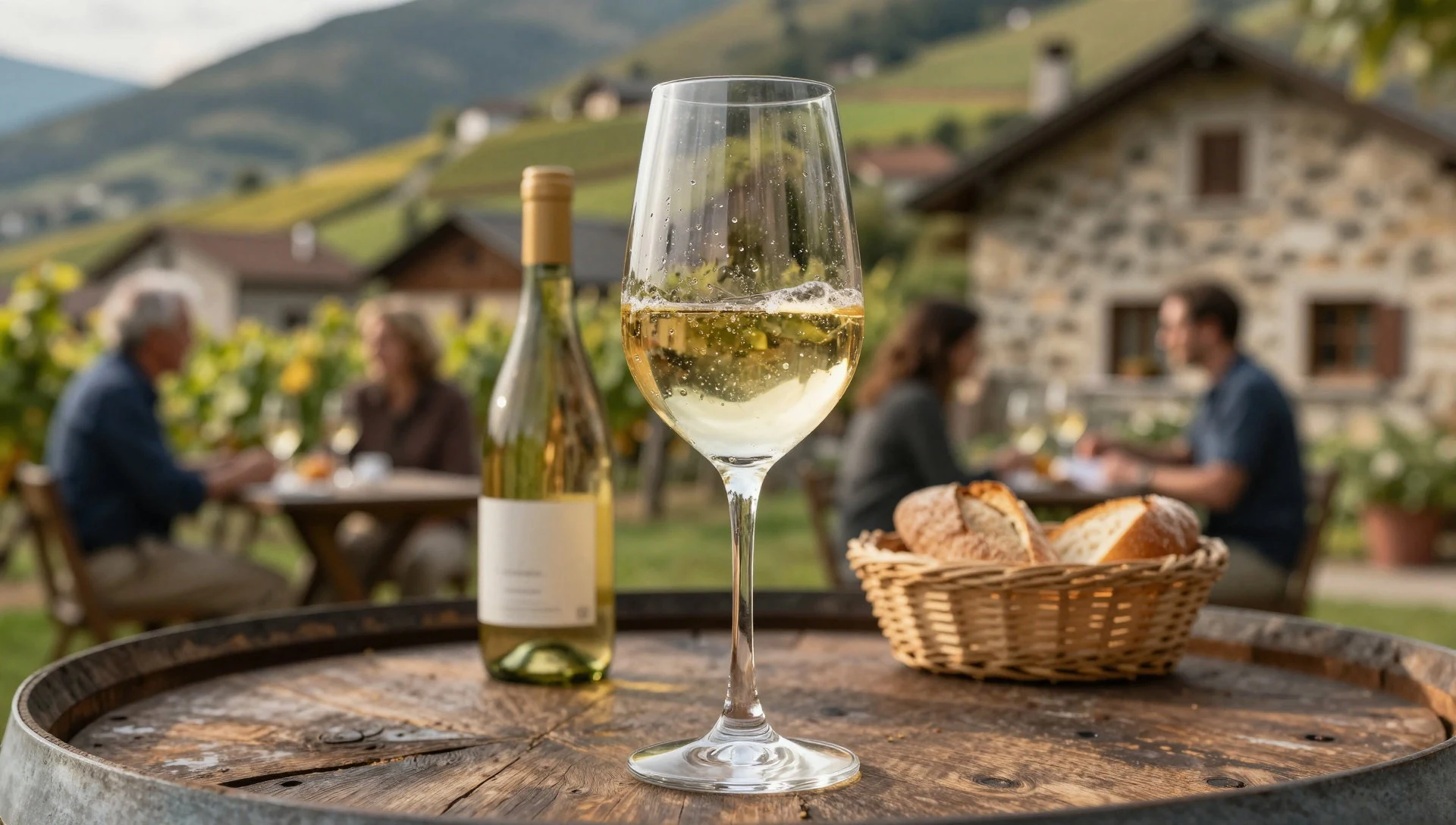
- Filets de perche (perch fillets) — Cafés and restaurants in lakeside towns like around Vevey/Lavaux
A local classic associated with the lake, perch fillets show up on menus in vineyard-region cafés. It’s a satisfying option after a long terrace walk when the lake view has worked up an appetite.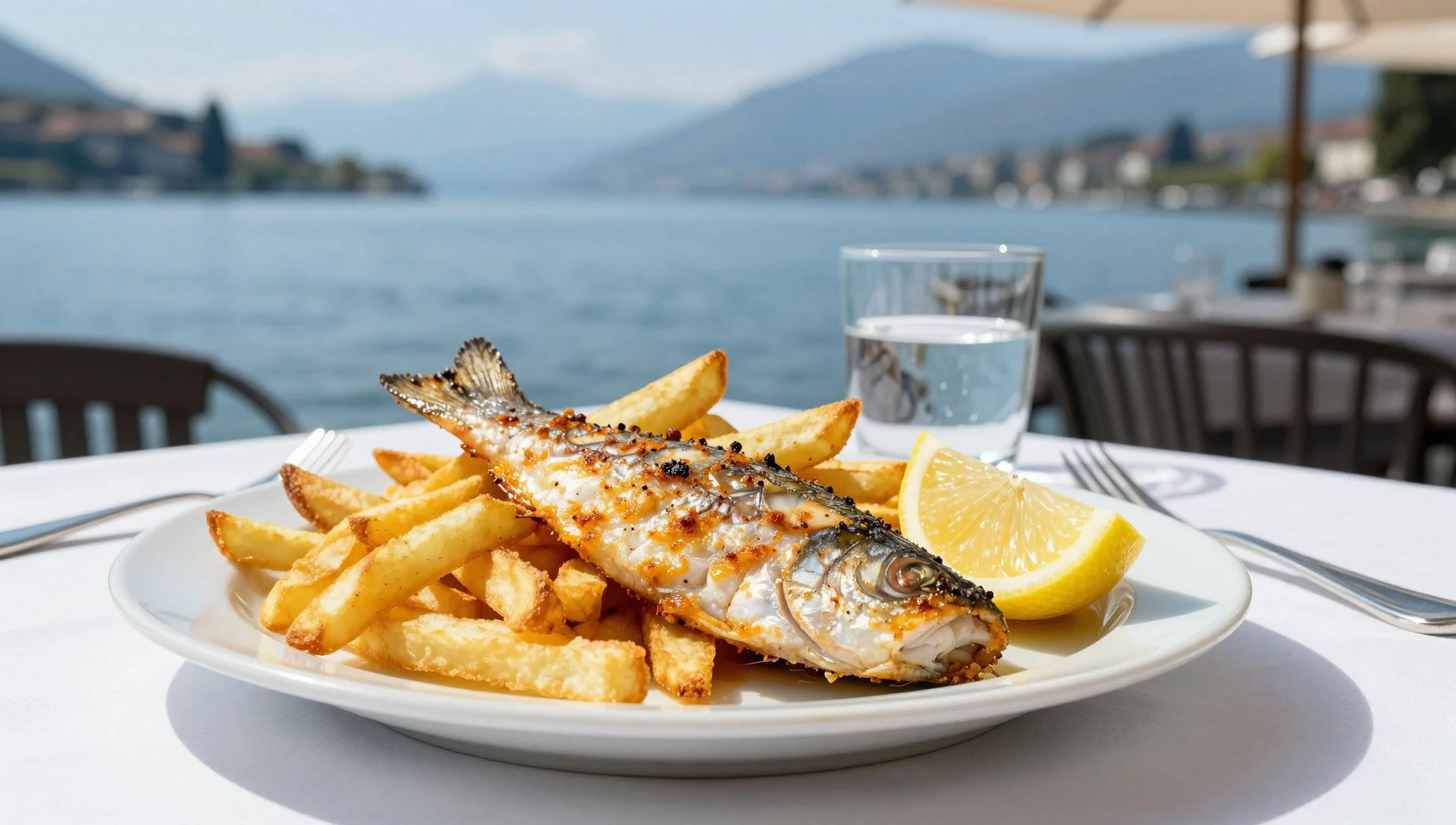
- Stepped-vineyard lunch picnic supplies — Supermarkets in Lausanne, Chexbres, Vevey, Montreux, and Savigny
For self-catering days, pick up picnic basics from supermarkets in larger towns and top up water before heading into the smaller vineyard villages. It’s a practical way to keep pace while walking terrace-to-terrace. - Market produce lunch from village markets — Village markets in Lavaux (including Lutry and Cully)
Open-air markets are a good shortcut to local flavours—fresh fruit, dairy, meats and other regional produce. Aim for a morning visit, then eat outdoors and continue along the lakeside route.
Plan it
Best time. For comfortable walking, aim for April and September, when the temperatures are mild and rain is comparatively lighter. The warmest stretch is July and August, while the wettest month is May. June is wetter than the peak-summer months, but August is warmer rather than wetter.
How long. 3–4
Getting there. Arrive via Lausanne or Geneva, then connect by train to Lavaux villages; for moving within the region, use the S-train network (S1/S2/S3) that links Lutry, Vilette, Cully, Epesses, Rivaz, St-Saphorin, and also reaches Chexbres from Vevey.
Budget. mid
Tips
- Plan terrace walks around transport: take trains between villages, then switch to foot for the views
- Start earlier on busy weekends so the most popular stretches feel calmer
- Carry water for longer walks, and pack lunch if the next village is small
- Check local weather forecasts for the Lavaux area before committing to an all-day lakeside hike
- Consider a boat ride from Ouchy, or from Vevey and Montreux, to see terrace lines roll past
Etiquette
- Stay on marked paths and respect vineyard boundaries
- Keep to quieter volumes in villages and lanes, particularly in early morning
- If visiting seasonal event areas, be patient with crowds and follow posted guidance
Nearby
Sources
- Wikidata Q688060 (CC0)
- Wikipedia (rev 1366046839) (CC BY-SA 4.0)
- Wikivoyage (rev 5408485) (CC BY-SA 4.0)
- photo 01: Lavaux Switzerland (Lorenz Poffet) (CC BY-SA 4.0)
- photo 02: Plaque commémorative (Lucignolobrescia) (CC BY 3.0)
- photo 04: Lavaux Alpes et Lac Léman (CalistaZ) (CC BY-SA 2.0)
- photo 07: Vue du Lavaux et du lac Léman (Londo Mollari) (CC BY-SA 2.0)


