Launceston, Tasmania
Launceston, Tasmania, Australia
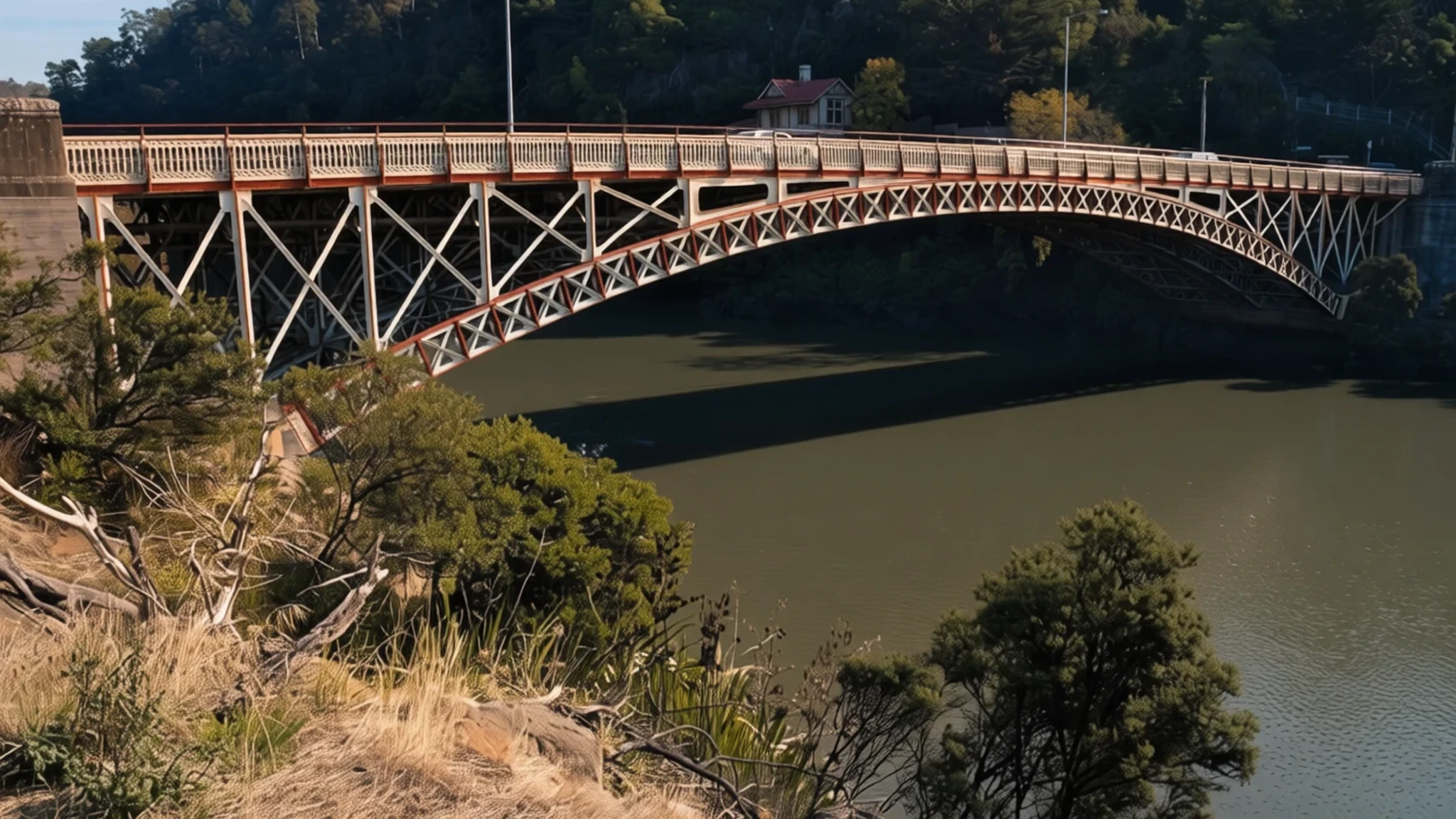
Launceston offers a relaxed pace of life, historic colonial streetscapes, and magnificent river junctions in northern Tasmania.
The place
Launceston sits quietly in the north of Tasmania, positioned precisely at the meeting point of the North Esk and South Esk rivers where their waters join to form the broader River Tamar, known locally as kanamaluka. As one of the most established urban settlements in the country, the municipality preserves an extensive collection of nineteenth-century brick architecture, wrought-iron lacework balconies, and leafy public squares that speak to its long colonial history. The surrounding landscape transitions smoothly from gentle river valleys to wooded hillsides, giving the urban area a distinctly green character that distinguishes it from larger metropolitan centres elsewhere on the Australian mainland. Life here moves at a measured pace, anchored by a strong appreciation for local produce, community spaces, and outdoor recreation along the waterways. The local climate brings four well-defined seasons, featuring crisp winters and warm summers that encourage residents and visitors alike to spend their time outdoors. Parks and public gardens are woven tightly into the urban fabric, offering shaded lawns and mature exotic trees that put on a vibrant display of colour through the autumn months. Walking through the central grid reveals independent bookshops, artisan bakeries, and neighbourhood cafes housed within heritage-listed facades that have been carefully repurposed for modern life. The community maintains an active interest in the arts, heritage preservation, and local gastronomy, making the destination a rewarding stop for travellers seeking depth and character rather than frantic sightseeing.
Its story
Long before European ships entered the Tamar estuary, the lands around modern Launceston were home to nomadic Aboriginal Tasmanians belonging to the Northern Midlands Nations. These traditional custodians included the Stoney Creek Nation, the Tyerenotepanner, the Panninher, and the Lettermairrener, who moved seasonally through the river valleys and open woodlands to hunt and gather resources. British exploration of the northern region began in earnest when George Bass and Matthew Flinders arrived in the area to investigate whether a passage separated the mainland from Van Diemen's Land. Colonial occupation of the northern territory took shape after Lieutenant Colonel William Paterson established an initial garrison camp. Following early moves along the river, the settlement eventually took root on its present site along the riverbanks. The emerging town was briefly known by another name before being officially designated to honour the birthplace of a colonial governor in Cornwall, United Kingdom. Over subsequent decades, the community achieved several notable milestones, pioneering regional infrastructure developments including early medical techniques, municipal sanitation networks, and municipal lighting systems. These early technological achievements helped shape the compact, liveable character of the modern regional centre, ensuring its enduring importance within the wider geographical context of the island state.
What to see
- Queen Victoria Museum and Art Gallery — Royal Park and Inveresk Precinct
Spread across two distinct locations, this regional institution houses extensive collections of colonial art, contemporary craft, natural sciences, and industrial heritage. Visitors can explore permanent and changing exhibitions that detail the social and environmental history of the island, alongside a working planetarium located within converted nineteenth-century railway workshop buildings.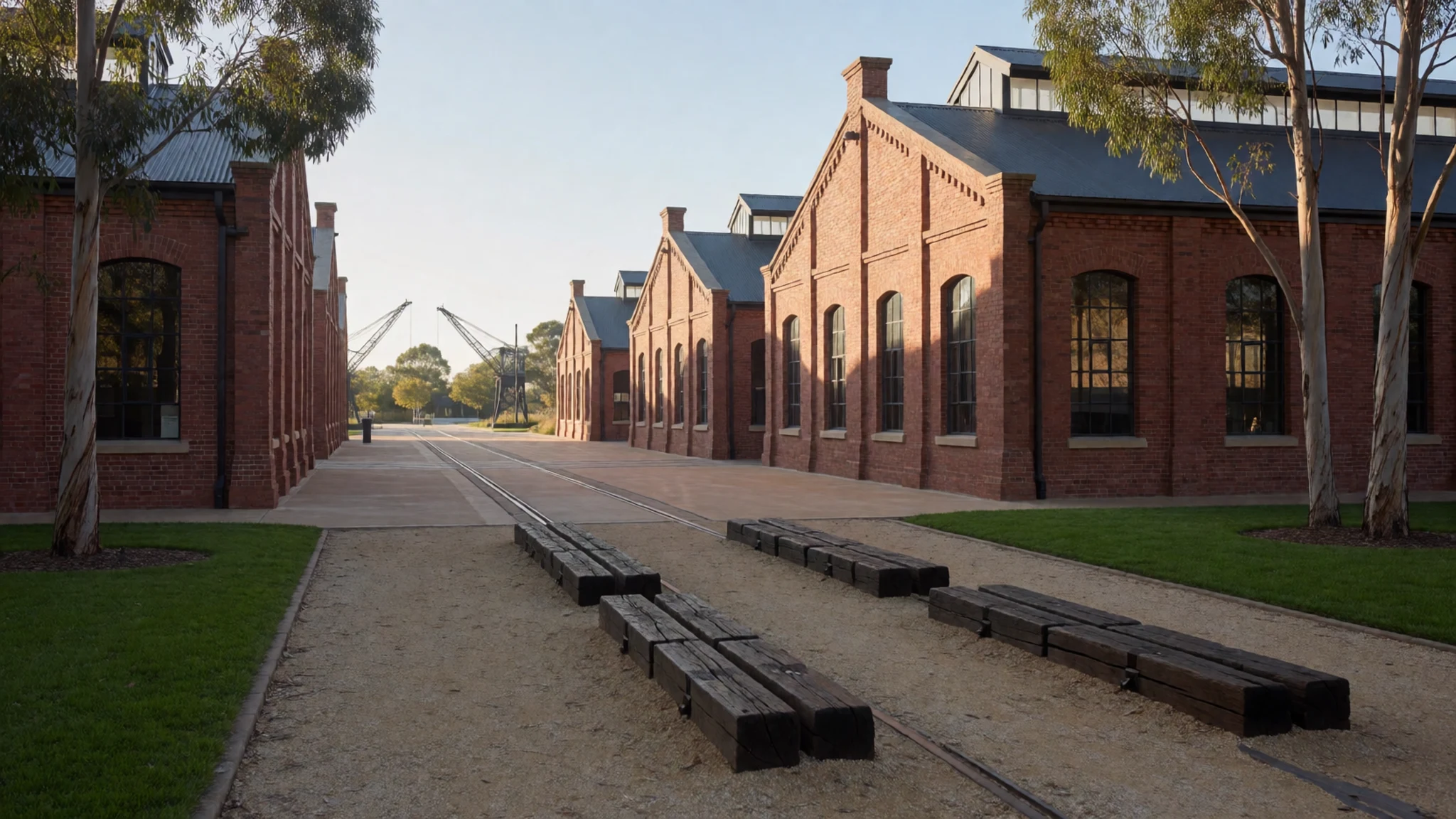
- Boag's Centre for Beer Lovers — Central Launceston
This historic brewing facility offers guided tours that walk visitors through traditional methods of beer production developed over generations in northern Tasmania. Housed near the heart of the urban area, the visitor centre showcases brewing heritage and local manufacturing history. Fully enclosed footwear is required for all participants joining the guided production floor walkthroughs.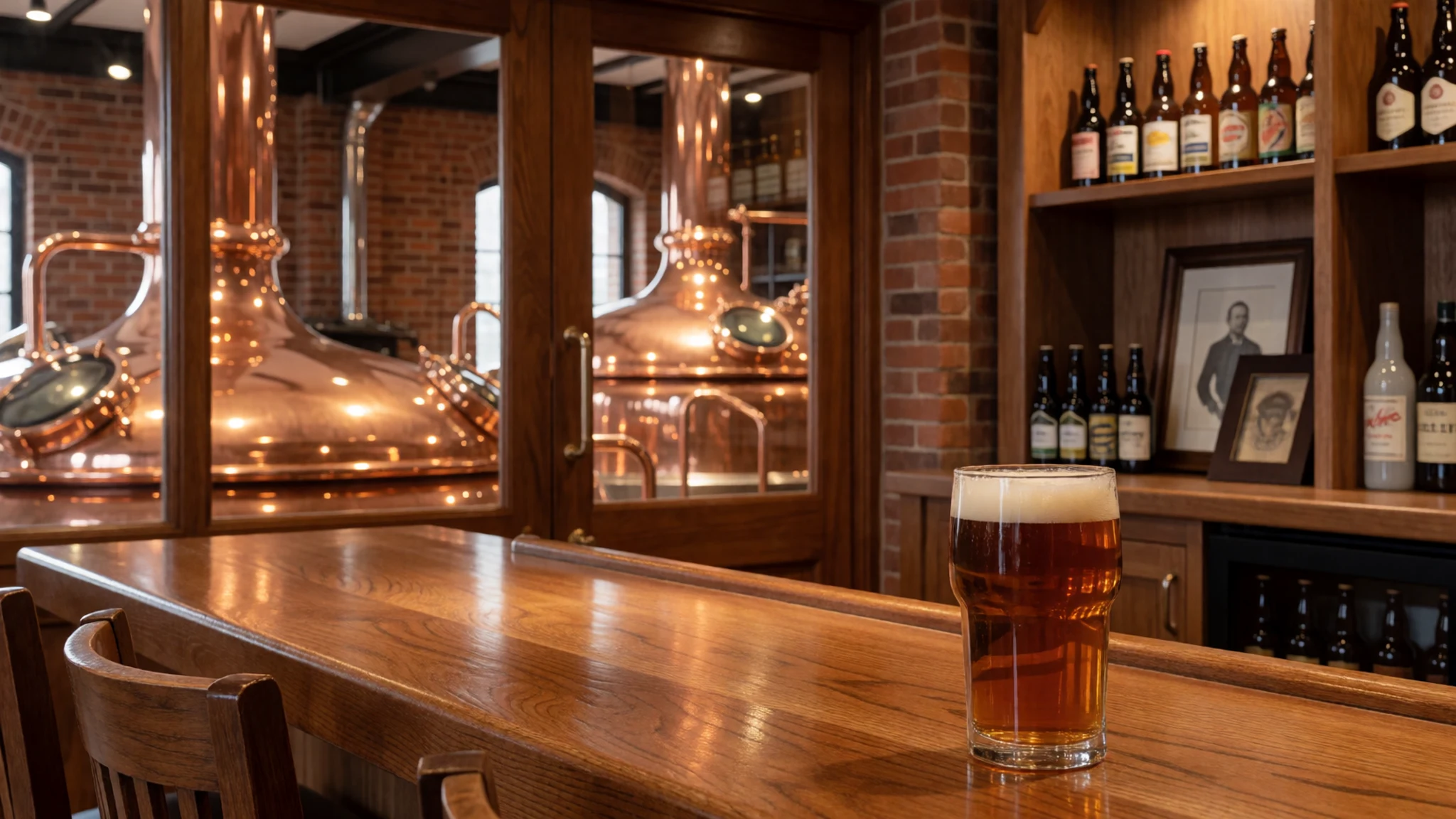
- Prince's Square — Inner City
A tranquil Victorian-era public park featuring sweeping lawns, mature English trees, and ornamental flower beds designed for quiet reflection. The central focal point is a striking cast-iron fountain crafted by foundries in Val d'Osne, providing a picturesque spot to rest during a walk through the surrounding historic streets of the inner city.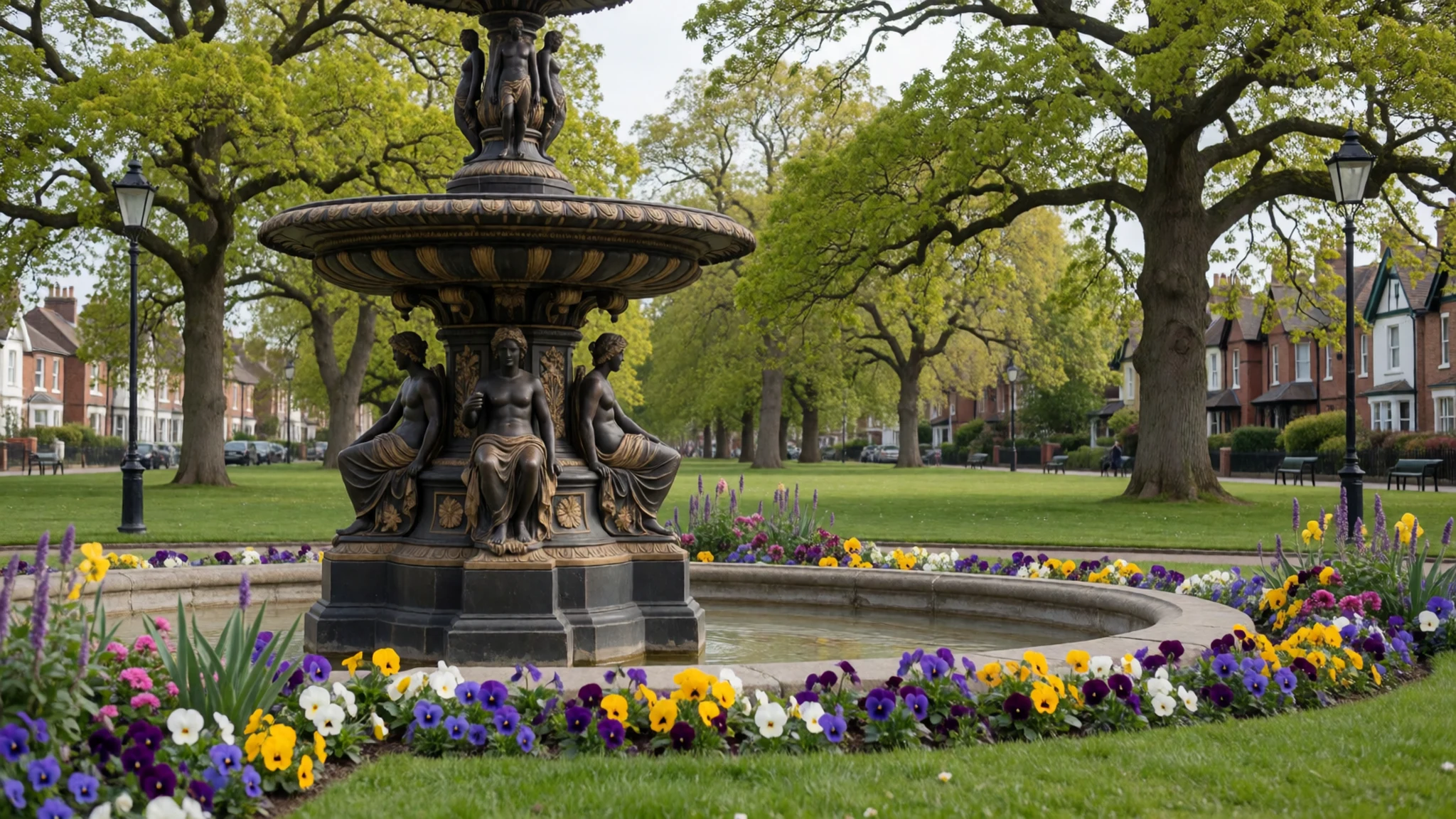
- King's Bridge — South Esk River crossing
An impressive single-lane wrought-iron suspension bridge spanning the gorge where the South Esk River meets the Tamar. Built during the nineteenth century, the structure provides a striking architectural landmark and pedestrian crossing point, offering dramatic elevated views down towards the rushing river waters and steep surrounding rock formations.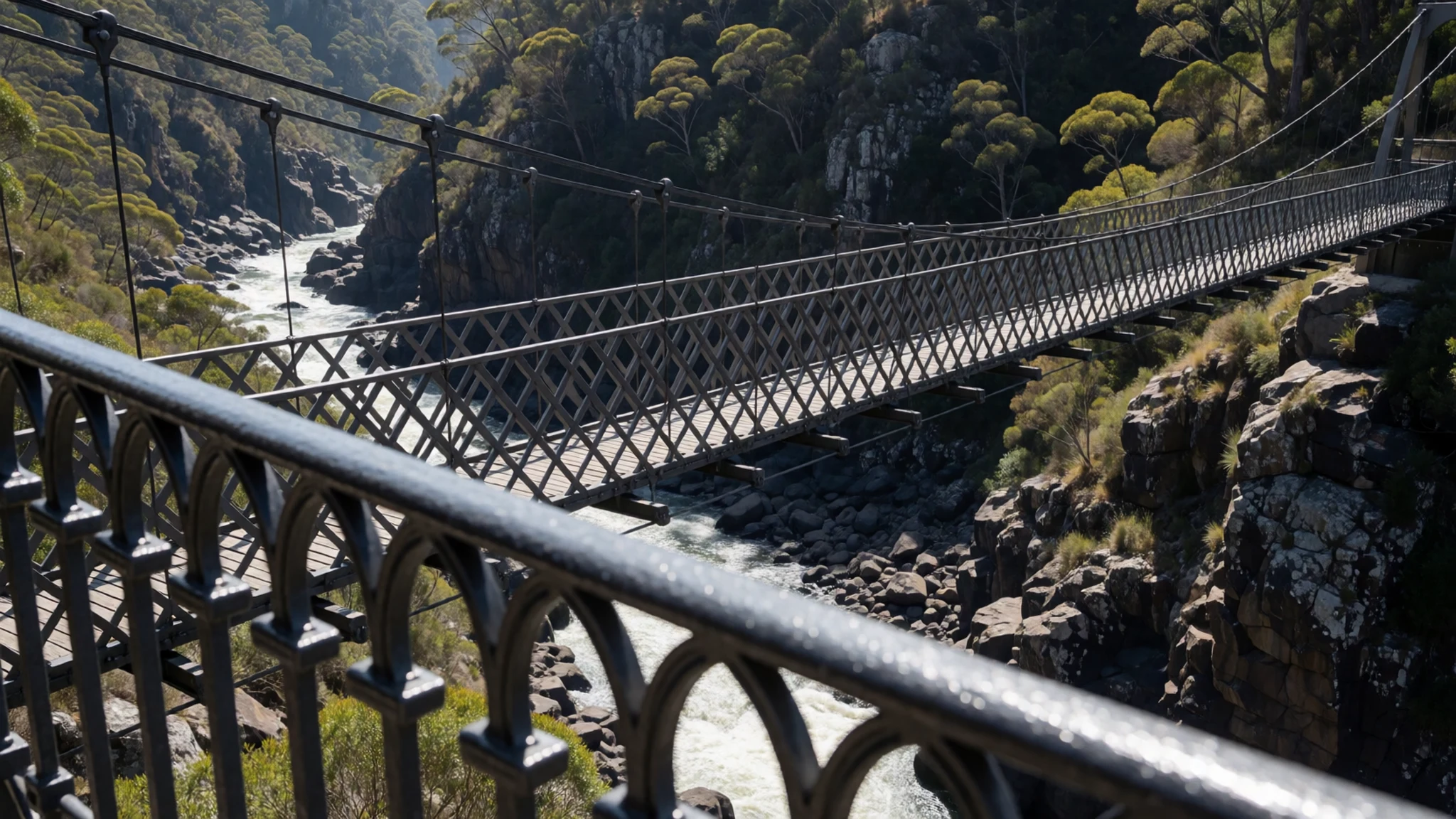
Culture
Cultural life in Launceston draws heavily on its rich industrial past and an active community of local artists, makers, and historians. The city supports a vibrant calendar of community events, craft markets, and agricultural showcases that celebrate the produce of the surrounding Tamar Valley. Traditional cultural institutions stand alongside independent galleries and community theatre spaces, reflecting a population that values both historical preservation and contemporary creative expression. Residents place a strong emphasis on outdoor recreation, gardening, and supporting local independent businesses, creating a welcoming atmosphere for travellers who take the time to converse with locals in neighbourhood cafes and parks. Visitors should always respect local heritage sites and parklands by keeping paths clean and adhering to posted guidelines at historic monuments and museum displays.
What to wear
Everyday dress in Launceston is practical, comfortable, and casual, reflecting the active outdoor lifestyle of residents who split their time between urban cafes and regional nature walks. Local people generally favour layered clothing due to the variable maritime weather, wearing comfortable jeans, durable walking shoes, knitwear during cooler months, and light jackets for breezy evenings by the river. Traditional historical dress is no longer worn in daily life but is preserved in museum collections to illustrate the colonial attire of the nineteenth century. For travellers visiting the region, the most important wardrobe items are sturdy footwear for exploring uneven river tracks and historic cobblestone lanes, along with a waterproof outer shell to manage unexpected rain showers. Smart-casual attire is entirely appropriate for dining out in local restaurants and attending evening events, as formal dress codes are rarely enforced outside of private functions or official ceremonies.
What to eat
- Artisan Sourdough and Pastries — Bread + Butter Cafe and central neighbourhood bakeries
Local cafes and bakeries craft exceptional house-made sourdough bread, laminated viennoiserie, and delicate cakes using seasonal Tasmanian ingredients, paired perfectly with expertly roasted specialty coffee.
- Regional Seafood Specialties — Me Wah and waterfront dining rooms
Establishments across the city serve fresh catches from local waters, offering creative seafood dishes that highlight the exceptional quality of cold-water marine produce harvested around the island state.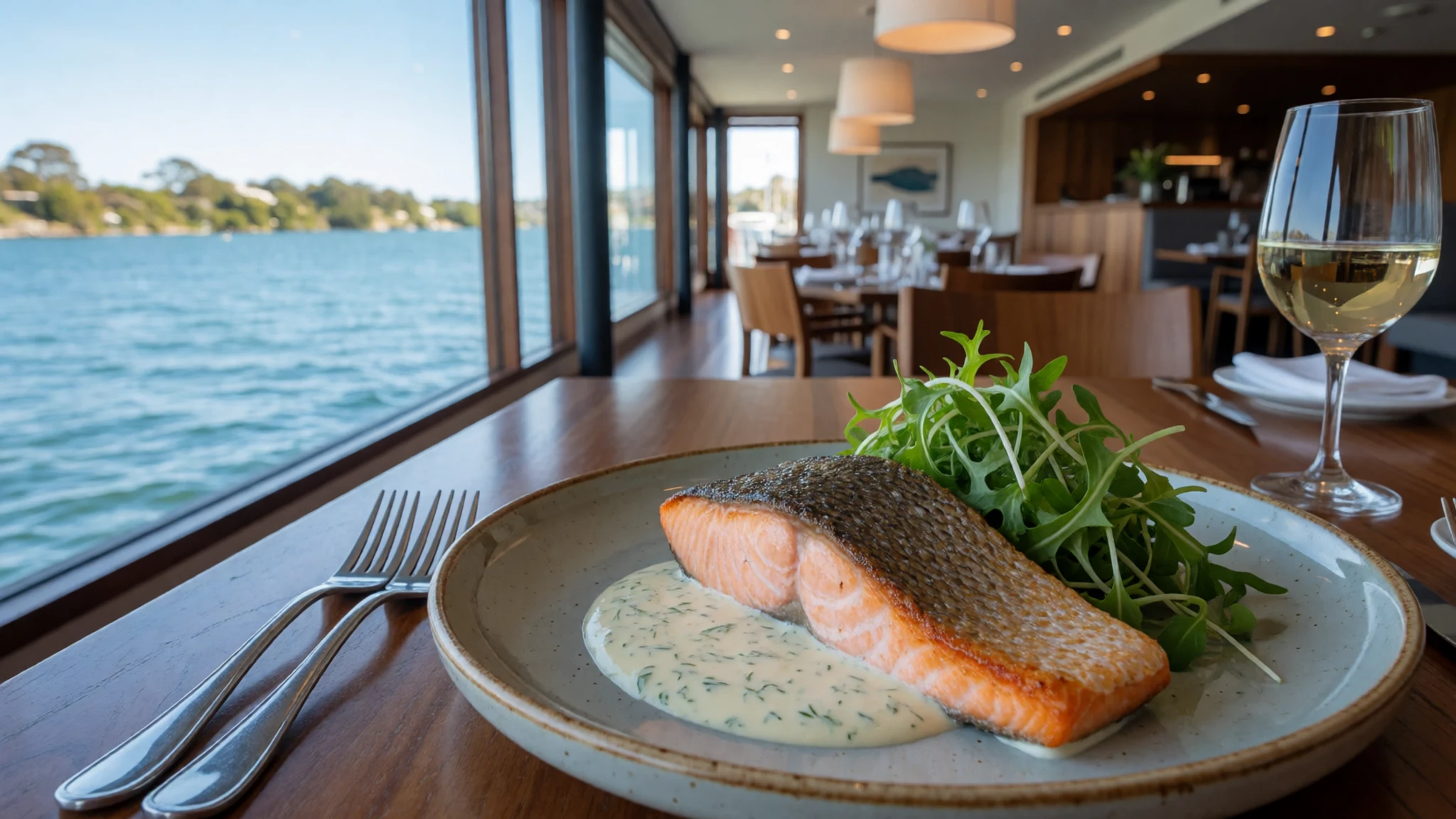
- Wood-Fired Pizza and Tapas — The Star Bar Cafe and local bistros
Casual dining spots prepare authentic wood-fired pizzas with local toppings alongside shared plates and tapas, providing a relaxed atmosphere for evening meals in the heart of town. - Casual Global Fare — Charles Street and central restaurant strips
A diverse array of informal eateries offers everything from classic Thai dishes to home-style Italian and traditional Mexican meals in welcoming, unpretentious dining spaces.
Plan it
Best time. October to April brings warmer weather, long daylight hours, and vibrant garden displays, making it the most pleasant period for exploring the outdoors.
How long. 2–3
Getting there. Fly into Launceston Airport from major Australian cities like Melbourne or Sydney, then take a rental car or airport shuttle for the short drive into the centre.
Budget. mid
Tips
- Book brewery tours and ghost walks in advance to secure preferred times
- Wear comfortable, closed-toe walking shoes for industrial tours and uneven heritage paths
- Bring layers of clothing to easily adapt to shifting daily temperatures
- Rent a car if you plan to explore surrounding Tamar Valley vineyards and historic towns
Etiquette
- Always wear fully enclosed footwear when visiting industrial heritage tours
- Respect quiet residential zones when walking through historic inner-city streets late at night
Nearby
Sources
- Wikidata Q339527 (CC0)
- Wikipedia (rev 1381707002) (CC BY-SA 4.0)
- Wikivoyage (rev 5391150) (CC BY-SA 4.0)