Lamington National Park
Lamington National Park, Australia
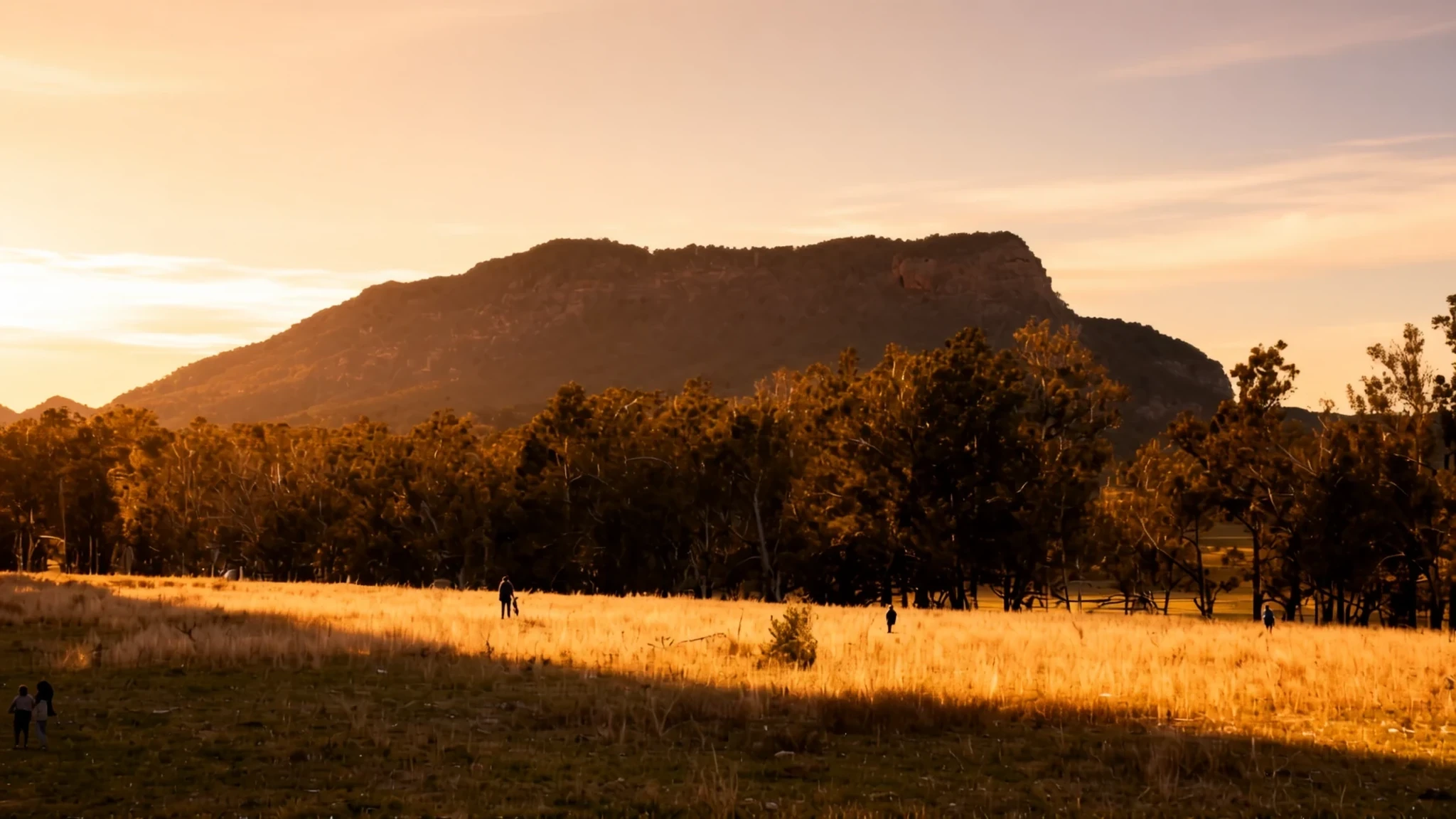
Lamington National Park protects ancient Gondwana rainforests, dramatic volcanic plateaus, and pristine walking tracks across towering Queensland mountain ranges.
The place
Lamington National Park sits high in the McPherson Range along the border between Queensland and New South Wales in Australia. Protected within this sweeping conservation area are vast tracts of temperate forest, dramatic volcanic plateaus, deep river valleys, and cascading waterfalls that plunge through thick vegetation. The landscape represents the northern and northwestern remnants of an ancient shield volcano, shaping a dramatic topography of sheer cliffs and high plateaus that catch moisture-laden winds rolling in from the Pacific ocean shores. These dense canopies provide crucial habitats for an immense variety of birdlife and threatened species, forming a cornerstone of regional biodiversity. Visitors walking through the shaded trails encounter towering ancient trees, delicate ferns, and vibrant rainforest fungi flourishing in the damp, fertile volcanic soils. The park is divided into distinct sections around Green Mountains and Binna Burra, each offering entry points into a labyrinth of walking tracks that range from gentle strolls to strenuous day hikes. As hikers ascend the ridges, breaks in the dense eucalyptus and beech forests reveal sweeping views across the green valleys stretching toward the coast. The combination of cool mountain air, secluded gorges, and rich wildlife makes this protected zone a vital sanctuary for both local fauna and travellers seeking deep immersion in untouched wilderness.
Its story
Lamington National Park has a deep human history stretching back millennia before European explorers mapped the rugged terrain. For at least six thousand years, Aboriginal people lived in and visited these high mountain regions, with the Wangerriburras and Nerangballum tribes claiming the plateau territory as their traditional home. Archaeological evidence from sites such as Bushrangers Cave demonstrates ancient occupation going back ten thousand years, revealing a long-standing connection to the land through seasonal gathering and camping. European exploration began when figures like Captain Patrick Logan and Allan Cunningham traversed the difficult country, soon followed by timber cutters eager to harvest the valuable cedar and pine trees from the steep slopes. The challenging task of surveying the interstate border fell to Francis Edward Roberts and Isaiah Rowland, who cut through dense rainforest along the highest ridgelines where visibility was minimal. Conservation efforts gained momentum when Robert Collins campaigned heavily in the late nineteenth century to protect the forests from logging, a cause later championed by Romeo Lahey. Their tireless political advocacy eventually secured legal protection for the region. Meanwhile, the O'Reilly family established a remote guesthouse near the plateau, creating a pioneering hub for travellers that eventually transformed into a celebrated retreat while the surrounding wilderness remained strictly preserved.
What to see
- Morans Falls Lookout — Green Mountains sector
Morans Falls Lookout offers a dramatic perspective where the dense, claustrophobic rainforest abruptly opens up to reveal sweeping mountain views and plunging valley depths just a few metres away.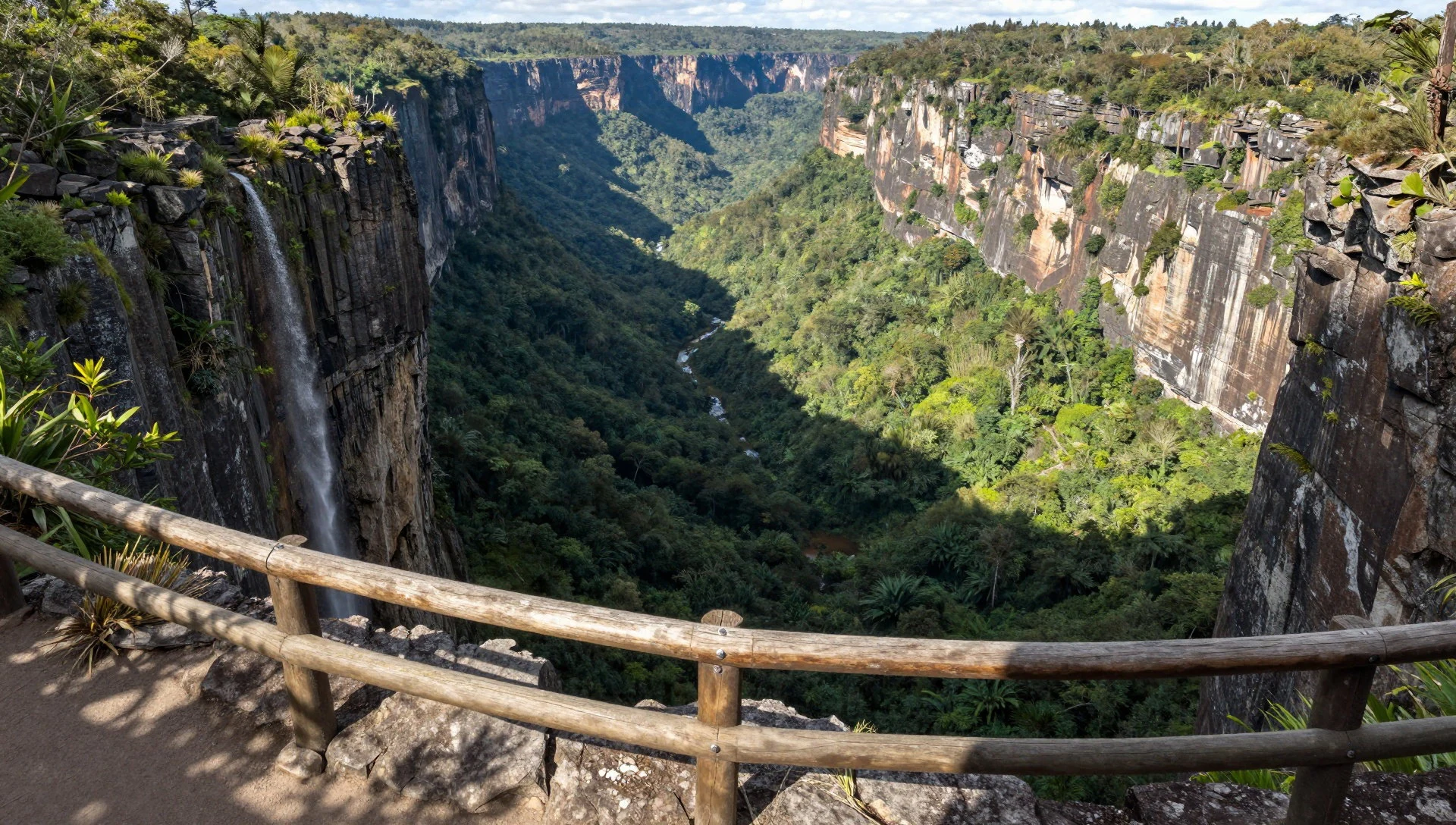
- Elabana Falls — Green Mountains sector
Elabana Falls is a picturesque cascade waterfall tucked deep within the ancient timber stands, accessible via well-graded walking tracks branching from the Green Mountains area through lush fern glades.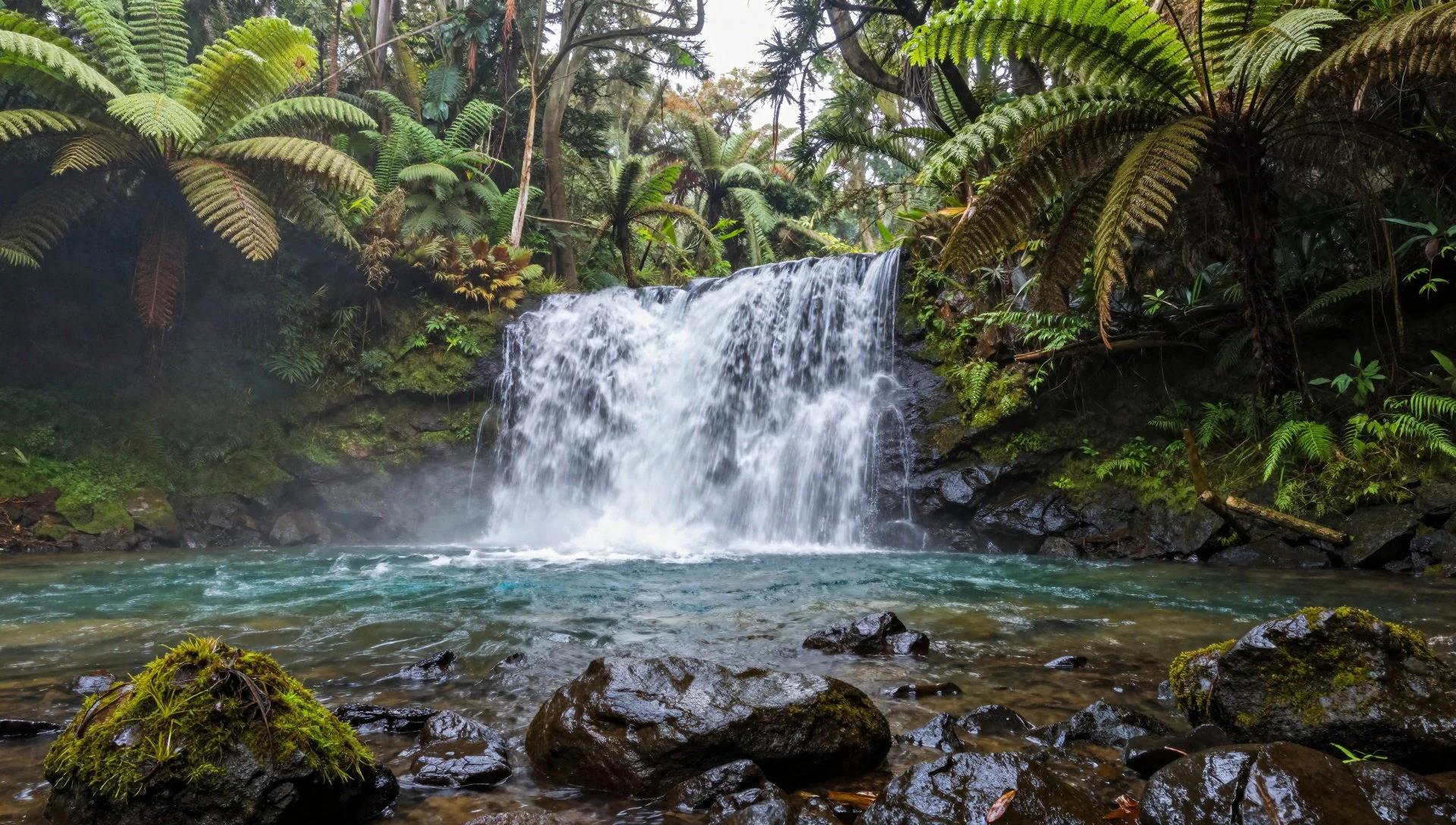
- Python Rock Lookout — Green Mountains sector
Python Rock Lookout provides a stunning vantage point overlooking the rugged Green Mountains landscape, with distant views of Morans Falls cutting through the steep, forested valley walls far below.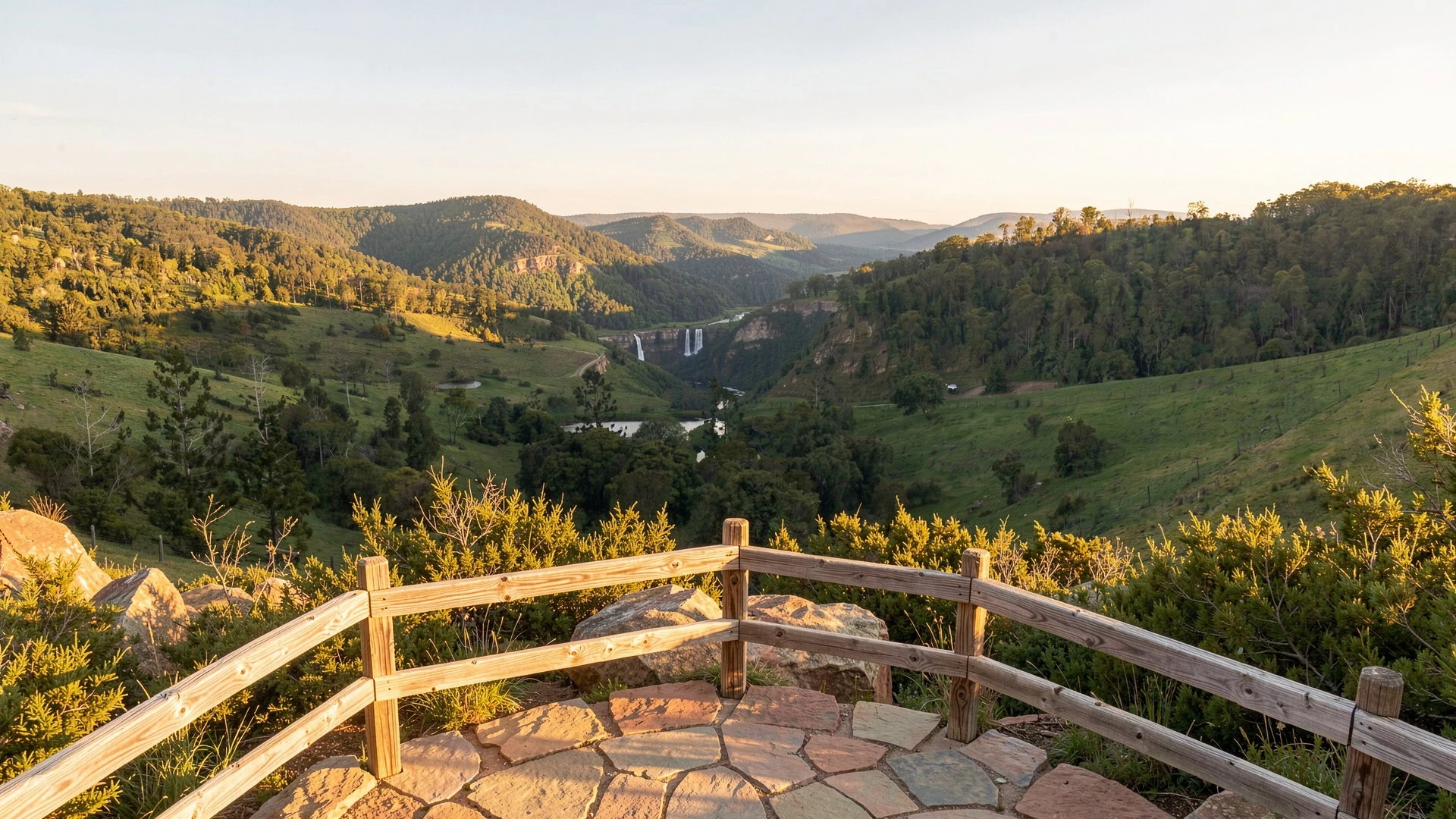
- Green Mountain Gardens — Green Mountains sector
Green Mountain Gardens is a meticulously maintained botanical space completely surrounded by the national park, showcasing the diverse endemic flora and specialized plant species thriving in the Gondwana rainforest ecosystem.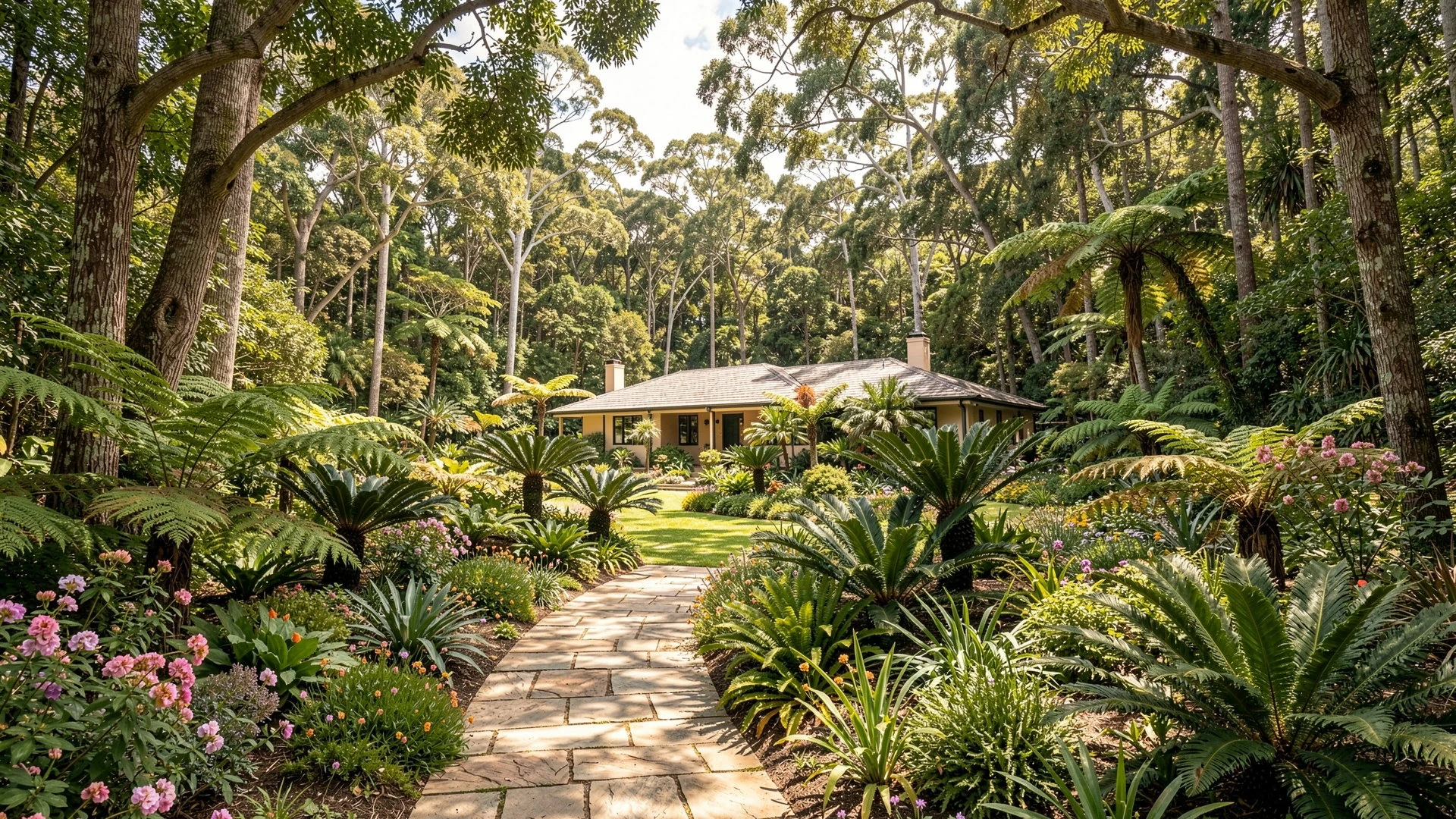
Culture
Lamington National Park represents a profound meeting point between Indigenous heritage and modern Australian conservation values. The traditional custodians maintain a deep spiritual and cultural connection to these highlands, viewing the ancient trees, caves, and water sources as living heritage passed down through generations. Today, the park operates as a shared sanctuary where bushwalkers, naturalists, and families come to study and appreciate the rare ecosystems of the Gondwana rainforests. Conservation is deeply embedded in the local ethos, driven by the historical sacrifices of early preservationists who fought to save the mountain timber from commercial logging. Visitors are encouraged to engage respectfully with the natural environment, keeping noise levels low to avoid disturbing native wildlife and adhering strictly to established park guidelines. Always stay on designated walking tracks to protect fragile root systems, rare fungi, and vulnerable ground-nesting birds from trampling.
What to wear
Lamington National Park visitors typically dress for active outdoor exploration and variable mountain weather conditions. Traditional attire holds no direct sway here; instead, modern outdoor practicality dictates what people wear on the trails. Given the damp climate and dense vegetation, sensible clothing includes moisture-wicking layers, durable trousers to protect against scratches from undergrowth, and a reliable waterproof jacket for sudden mountain downpours. Sturdy, well-worn hiking boots with strong grip are essential for navigating slippery tree roots, muddy paths, and steep stone staircases across the rainforest circuits. Travellers should also pack a warm fleece or jumper, as temperatures at the higher elevations can drop sharply compared to the coastal lowlands below, particularly during the cooler winter months.
What to eat
- Binna Burra Tea House Scones — Binna Burra sector
Binna Burra Tea House serves freshly baked traditional scones accompanied by local jams and thick cream, offering a comforting treat after long hikes along the escarpment trails.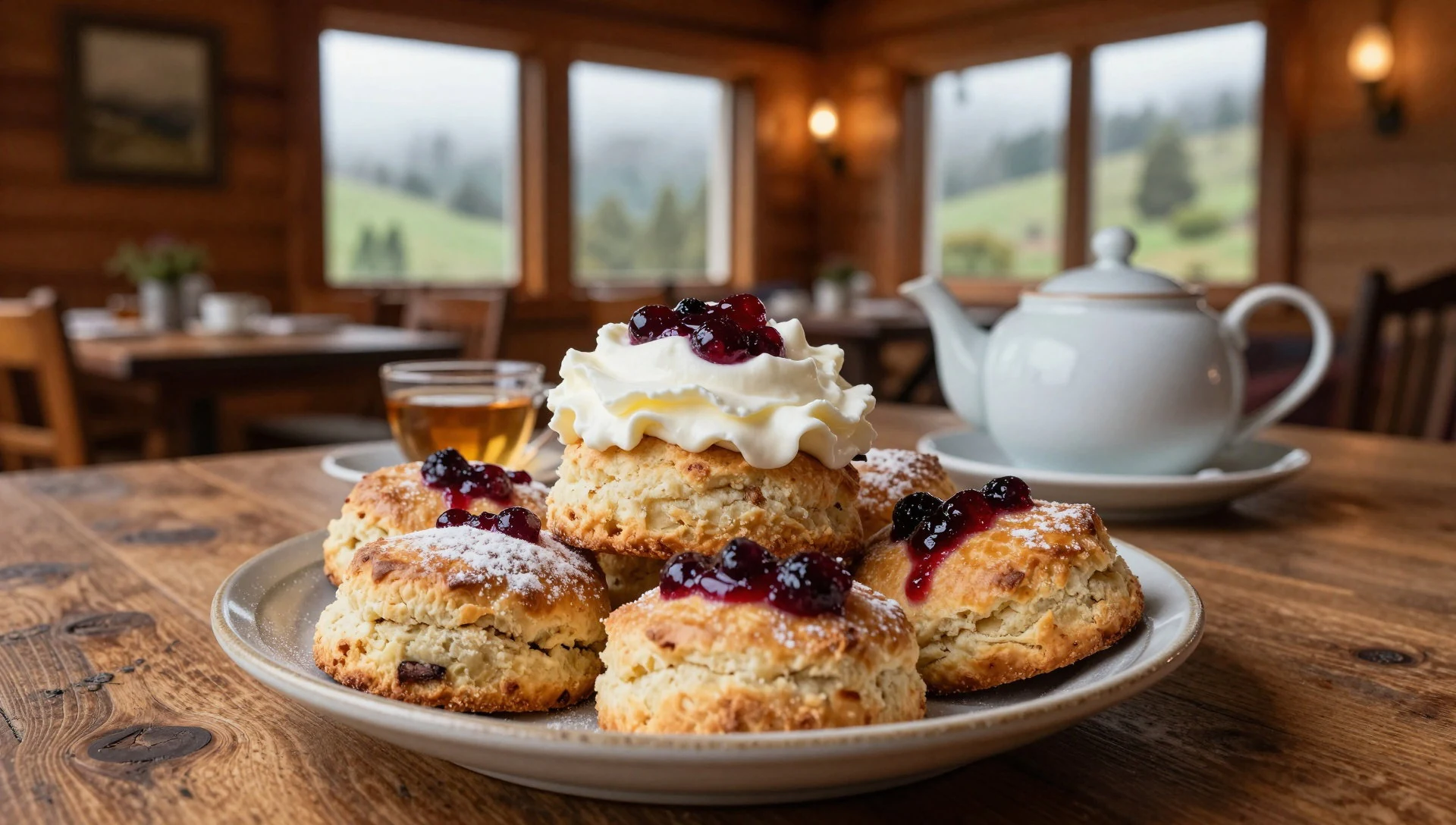
- Mountain Cafe Devonshire Tea — Green Mountains sector
Mountain Cafe serves hearty breakfasts and traditional Devonshire teas, providing a warm gathering space for travellers warming up against the cool mountain air.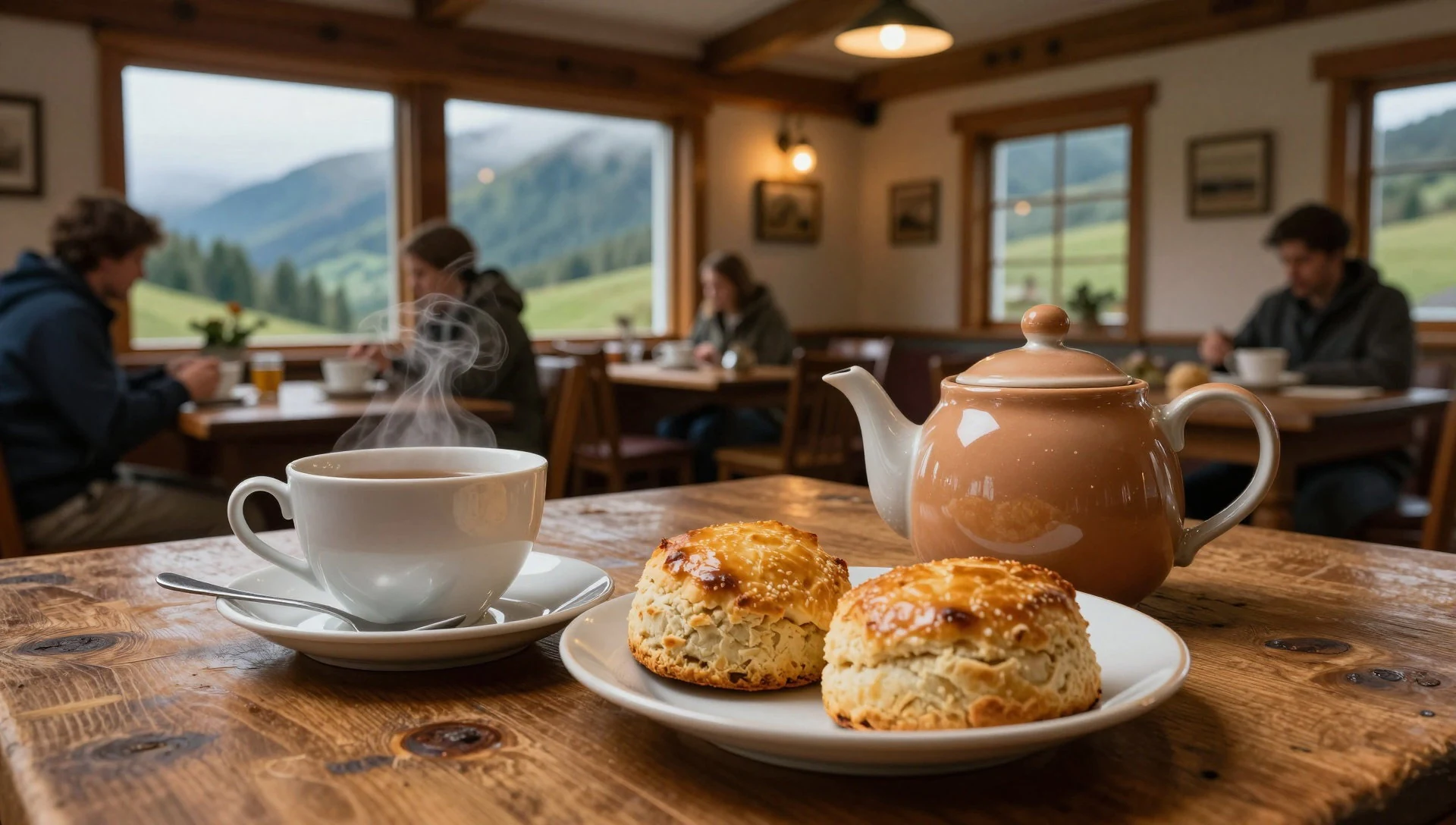
- Hinterland Forest Honey — Surrounding Scenic Rim region
Hinterland honey harvested from local flowering eucalypts and rainforest flora, prized for its robust floral flavour and available through regional farm gates and mountain lodges. - Bush Tucker Damper — Local guesthouses and retreat kitchens
Traditional Australian soda bread baked over campfires or in rustic ovens, often served warm with native seed seasonings and regional fruit preserves.
Plan it
Best time. September to November offers mild spring temperatures and blooming wildflowers, while March to May brings comfortable autumn weather ideal for long-distance bushwalking.
How long. 2–3
Getting there. Drive from Brisbane down the M1 Pacific Motorway and State Route 90 through Canungra, then follow Lamington National Park Road up into the mountains.
Budget. mid
Tips
- Pack layers and waterproof gear as mountain weather changes rapidly
- Wear sturdy, grip-tested boots for muddy and uneven rainforest trails
- Check official park websites for track closures and safety alerts
- Bring a reusable water bottle and fill up before setting out on long circuits
Etiquette
- Stay strictly on marked tracks to protect fragile sub-tropical flora and root systems
- Take all rubbish with you and avoid disturbing native wildlife or feeding birds
- Keep noise levels low on walking trails to preserve the peaceful forest atmosphere
Nearby
Sources
- Wikidata Q751274 (CC0)
- Wikipedia (rev 1362848128) (CC BY-SA 4.0)
- Wikivoyage (rev 5408138) (CC BY-SA 4.0)
- Photo 01-lamington-np-1-stevage.jpg (CC BY-SA 2.0)
- Photo 02-binnaburra5.jpg (Public domain)
- Photo 03-binnaburra1.jpg (Public domain)
- Photo 04-nothofagus-moorei-in-lamington-national-park-australia.jpg (CC BY 3.0)
- Photo 05-rainforest-fungi.jpg (CC BY 3.0)
- Photo 06-lophostemon-confertus-tree1.jpg (CC BY-SA 2.0)
- Photo 07-green-mountain-scenic-view-lamington-national-park-qld-dec-2.jpg (CC BY 3.0)
- Photo 08-ships-stern-lamington-national-park.jpg (Public domain)


