Lake Tahoe
Lake Tahoe, United States
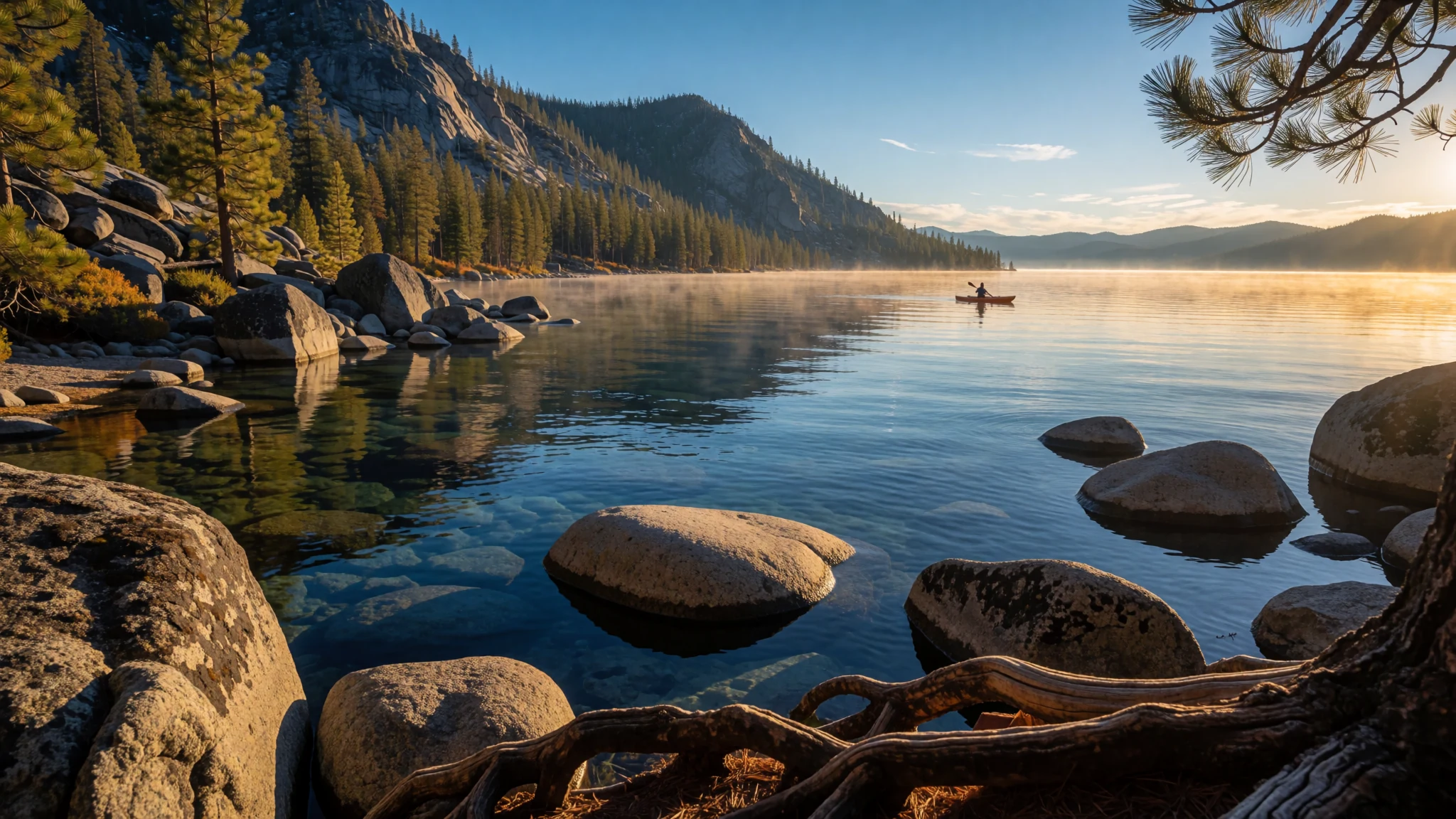
Lake Tahoe offers vast alpine waters surrounded by mountain forests, drawing travellers for winter sports, summer hiking and lakeside relaxation.
The place
Lake Tahoe is a large freshwater lake situated in the Sierra Nevada mountain range of the Western United States, sitting squarely across the state line between California and Nevada. Positioned high in the mountains, the lake's surface lies at an elevation of 1,900 metres above sea level. This position makes it the largest alpine lake in North America, while its sheer volume places it among the largest inland water bodies in the country. The surrounding region shares the name of the lake, encompassing a massive watershed where a large proportion of the land is preserved within national forest boundaries managed by federal forestry units. Forested ridges and steep mountain flanks drop directly into the water, creating deep indigo coves and wide open vistas across the expanse. Major highways circle the perimeter, linking distinct communities, shoreline beaches, and winter recreation areas that operate throughout the calendar year. Visitors travelling through the area find a landscape divided between rugged wilderness protection zones and established tourist settlements that cater to outdoor enthusiasts. The climate is defined by cold, snowy winters that accumulate deep packs of powder on the surrounding peaks, followed by warm, dry summers that draw swimmers and boaters to the clear shallows along the shore. The local economy relies heavily on this year-round cycle of tourism, supporting hospitality networks from quiet northern coves to lively southern entertainment hubs.
Its story
The geological origins of Lake Tahoe stretch back millions of years, taking shape through ancient tectonic faulting that created a deep depression within the Sierra Nevada mountains. Successive epochs and glacial movements during the ice ages further sculpted the basin, carving out the dramatic topography that defines the shoreline today. For generations before the arrival of European settlers, the Washo people inhabited the basin, relying on the lake and its surrounding forests for sustenance and gathering during the warmer months. Their traditional name for the water body, Dáʔaw, serves as the linguistic root for its modern English designation. In the nineteenth century, the discovery of precious minerals in nearby regions brought a wave of prospectors, loggers, and road builders into the watershed. Forests were harvested to shore up underground mining tunnels elsewhere in the region, temporarily transforming the ecology of the basin. As timber demands receded, the focus of the area shifted toward conservation and leisure. Wealthy travellers began building private estates along the shoreline, while early entrepreneurs established rudimentary roads and lodges to accommodate visitors seeking the restorative mountain air. By the mid-twentieth century, the establishment of winter sports infrastructure, highlighted by major regional athletic events, cemented the reputation of the basin as a premier destination for cold-weather recreation. Today, strict environmental regulations govern the watershed to protect the legendary clarity of the water from urban runoff and human impact, ensuring that the natural balance of the basin is preserved for future generations who come to explore its shores.
What to see
- Emerald Bay — West Shore
Emerald Bay is a striking glacial inlet on the western shore of the lake, featuring steep granite cliffs, forested slopes, and a small island at its centre. Visitors can walk down steep forest trails to reach the shoreline or view the entire panorama from viewpoints along the main highway.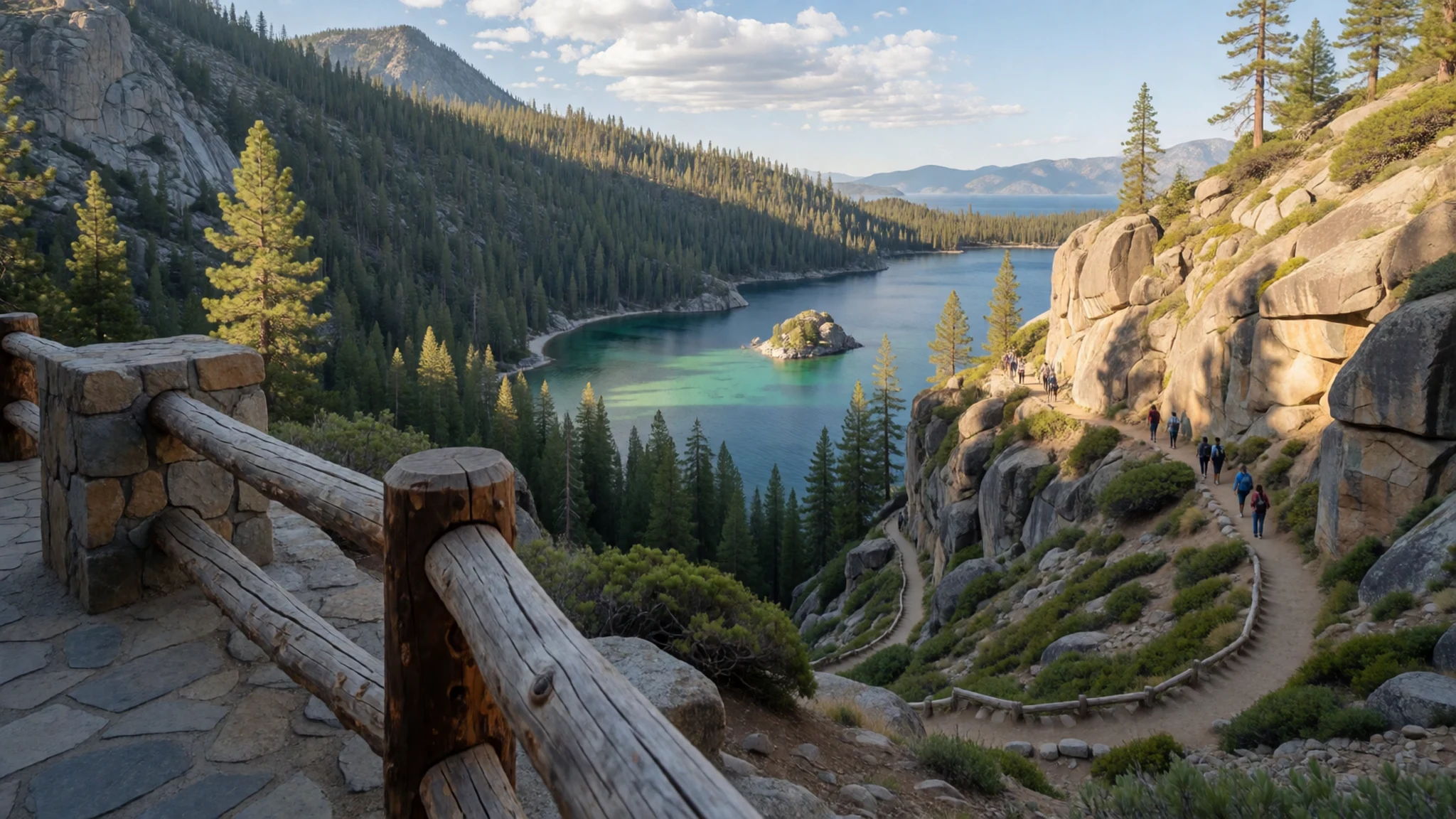
- Heavenly Valley — South Shore / Stateline
Heavenly Valley spans the state line between California and Nevada, offering extensive winter ski runs and summer sightseeing gondola rides that rise high above the southern shore. The upper elevations provide sweeping views across the entire lake basin and the rugged peaks of the surrounding range.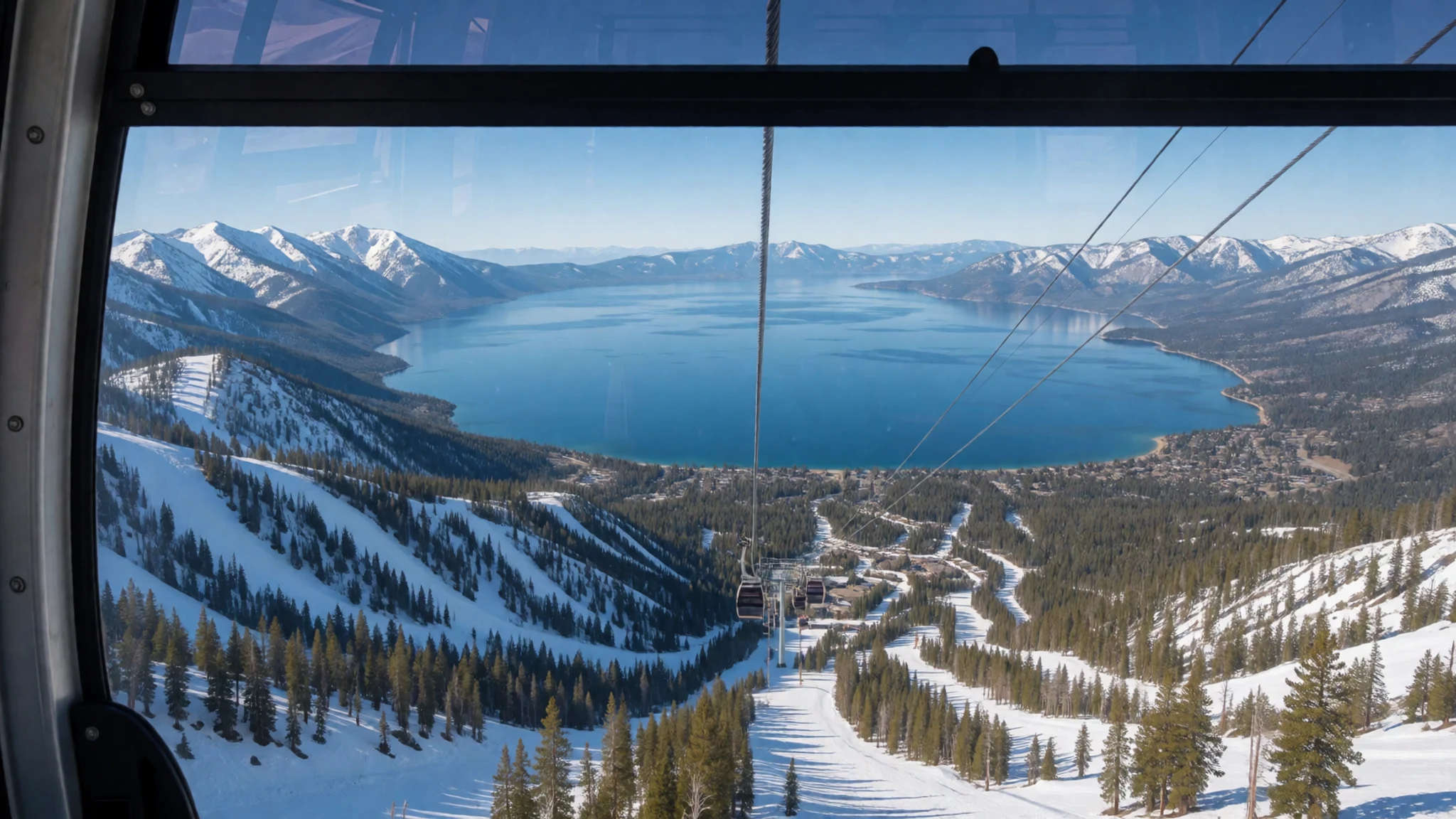
- Northstar California — Truckee area
Northstar California is a family-oriented mountain resort located near Truckee on the northern side of the basin. It features wide, gentle ski slopes, a village centre with ice skating and dining options, and an extensive network of mountain biking trails operating during the warm summer months.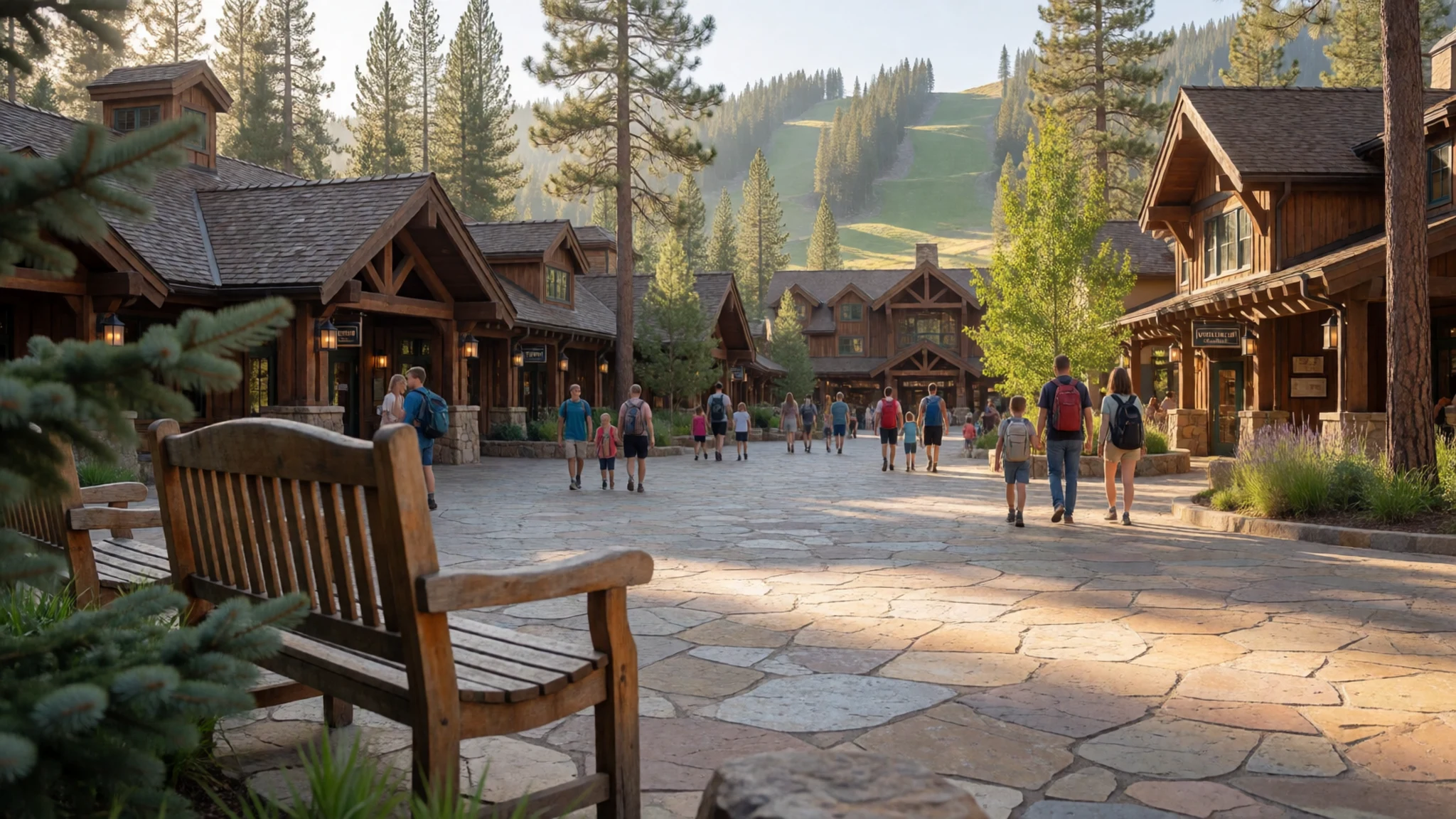
- Homewood — West Shore
Homewood sits directly on the western lake boulevard, covering mountain terrain that rises straight from the water's edge. Because of its immediate proximity to the shoreline, the ski runs offer uninterrupted prospects of the deep blue lake below while visitors navigate the varied mountain trails.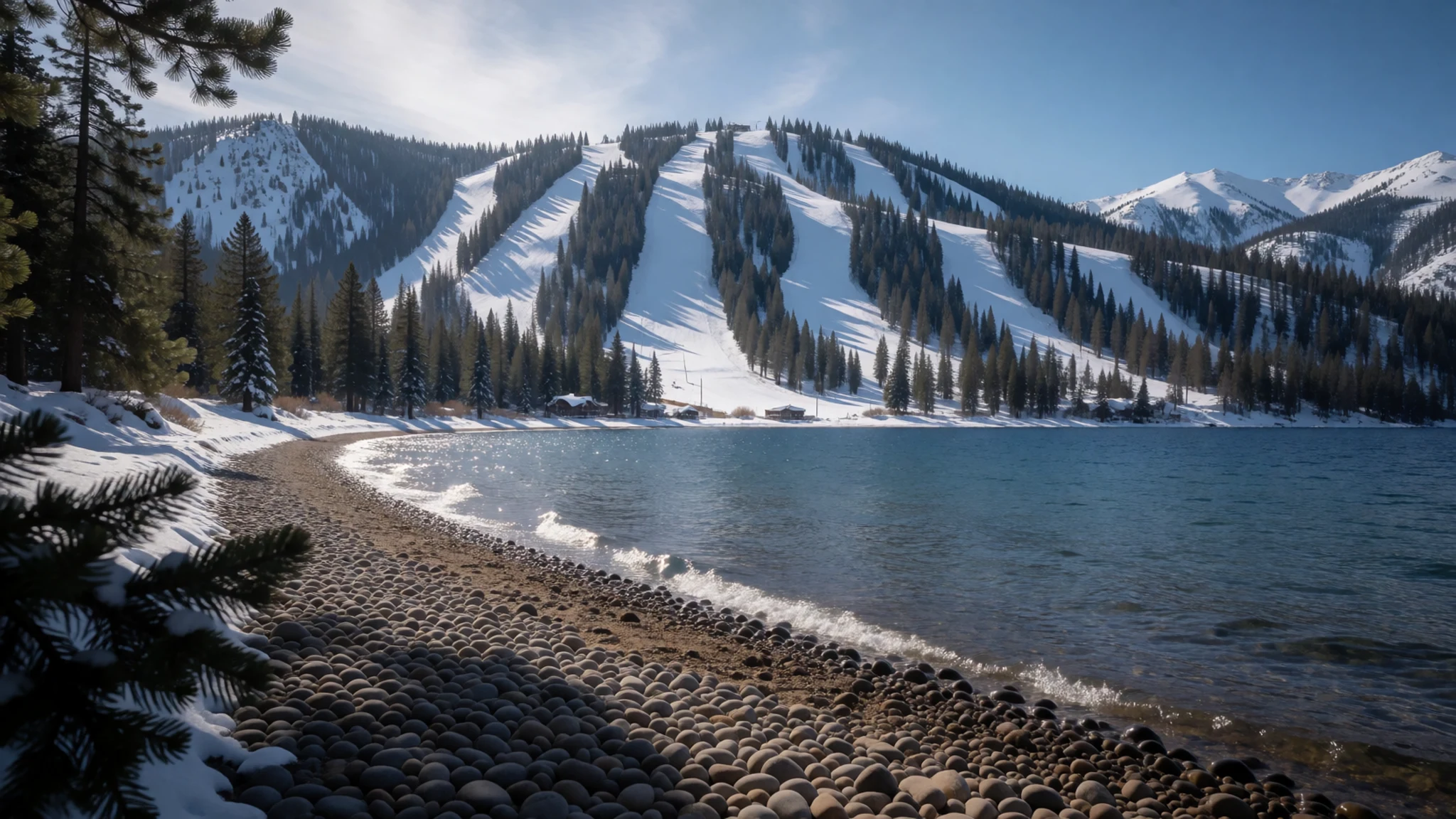
- Tunnel Creek Road — East Shore
Tunnel Creek Road provides a scenic route up the steep eastern slopes of the basin within Nevada, popular with hikers and mountain bikers. The path winds through pine forests and granite formations, opening up to elevated vistas of the expansive water surface stretching toward the distant California mountains.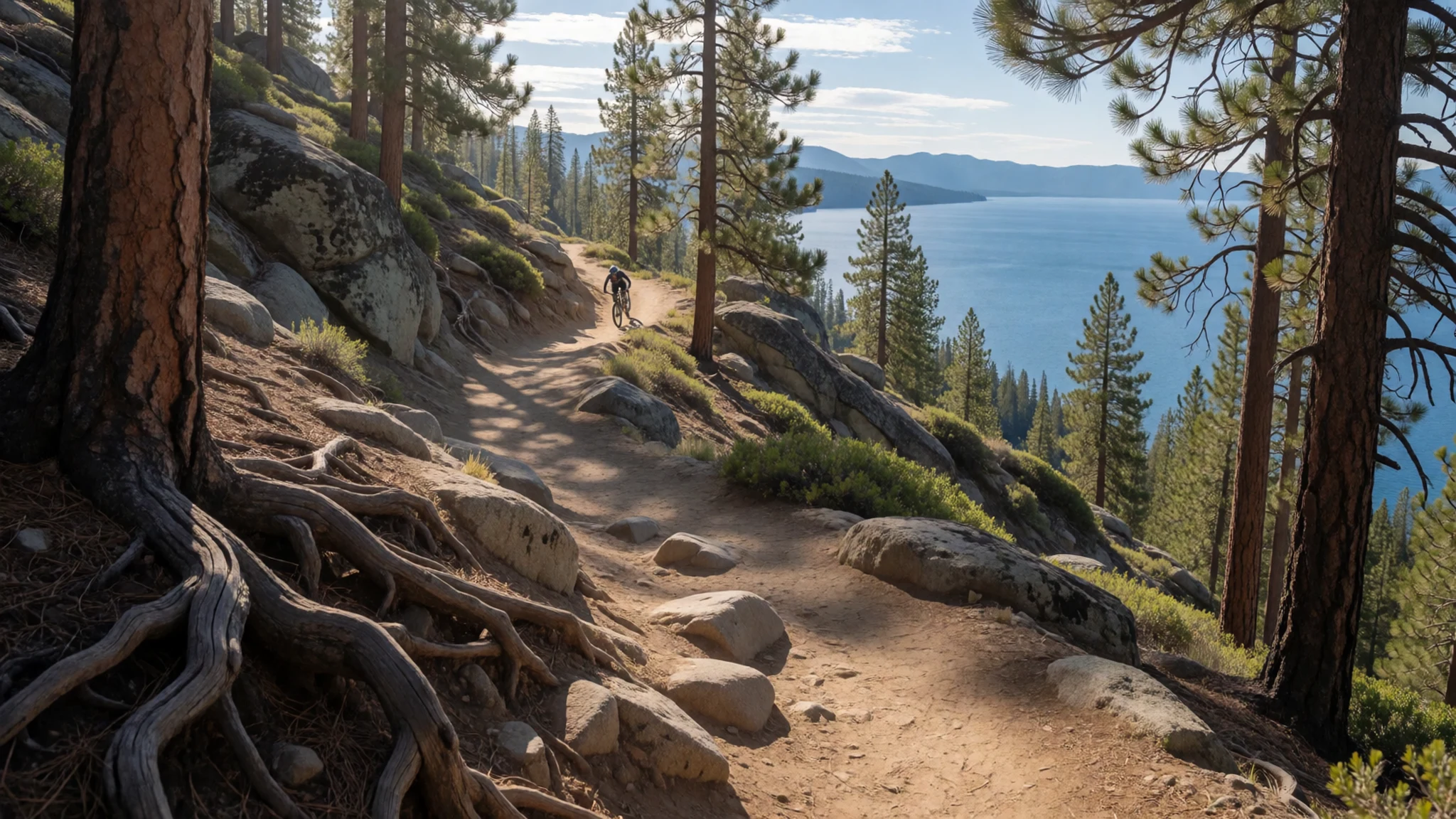
Culture
The culture of Lake Tahoe is deeply rooted in outdoor stewardship, mountain athleticism, and a shared commitment to preserving the natural environment of the basin. Local communities span two distinct state jurisdictions, creating a blend of California environmental consciousness and Nevada entertainment traditions along the southern state line. Residents and long-term workers share a strong bond over seasonal shifts, transitioning seamlessly from winter snow sports to summer water activities like paddleboarding, sailing, and hiking. Indigenous heritage, particularly the history of the Washo people, remains an important cultural foundation, honouring a deep ancestral connection to the watershed. Community life often revolves around local farmers' markets, volunteer trail-building groups, and seasonal festivals celebrating mountain arts and ecology. Visitors will find a friendly, informal atmosphere where practical outdoor gear is standard attire in almost every social setting. When exploring the wilderness trails or shoreline parks, always pack out all your rubbish to protect the fragile local ecosystem from litter.
What to wear
Fashion around Lake Tahoe is entirely practical, driven by the demands of mountain weather and outdoor recreation rather than formal trends. There is no traditional regional costume worn today, though historical influences draw from early logging heritage and rugged American mountain wear. Locals and regular visitors favour functional layering: moisture-wicking base layers, durable fleece jackets, wind-resistant outer shells, and sturdy footwear suitable for rocky trails or packed snow. During summer months, casual sportswear, denim, and sun hats dominate the lakeside beaches and village streets. In winter, heavy insulated parkas, waterproof snow trousers, beanies, and specialized winter boots are essential for navigating icy paths and ski villages. Visitors should pack versatile clothing that can adapt quickly to rapid temperature drops when the sun dips behind the mountain ridges. Sturdy walking shoes or hiking boots with good grip are mandatory for exploring uneven forest terrain, while swimwear is necessary for summer days spent by the water. Evening dining in the lakeside settlements and casino resorts remains relaxed, though a warmer wool jumper or smart jacket is useful when temperatures fall after dark.
What to eat
- Independent Alpine Burgers — Independent diners across South Lake Tahoe
Hearty grilled beef burgers served with locally sourced toppings and artisan buns, found at long-standing independent eateries throughout the towns of South Lake Tahoe and Tahoe City.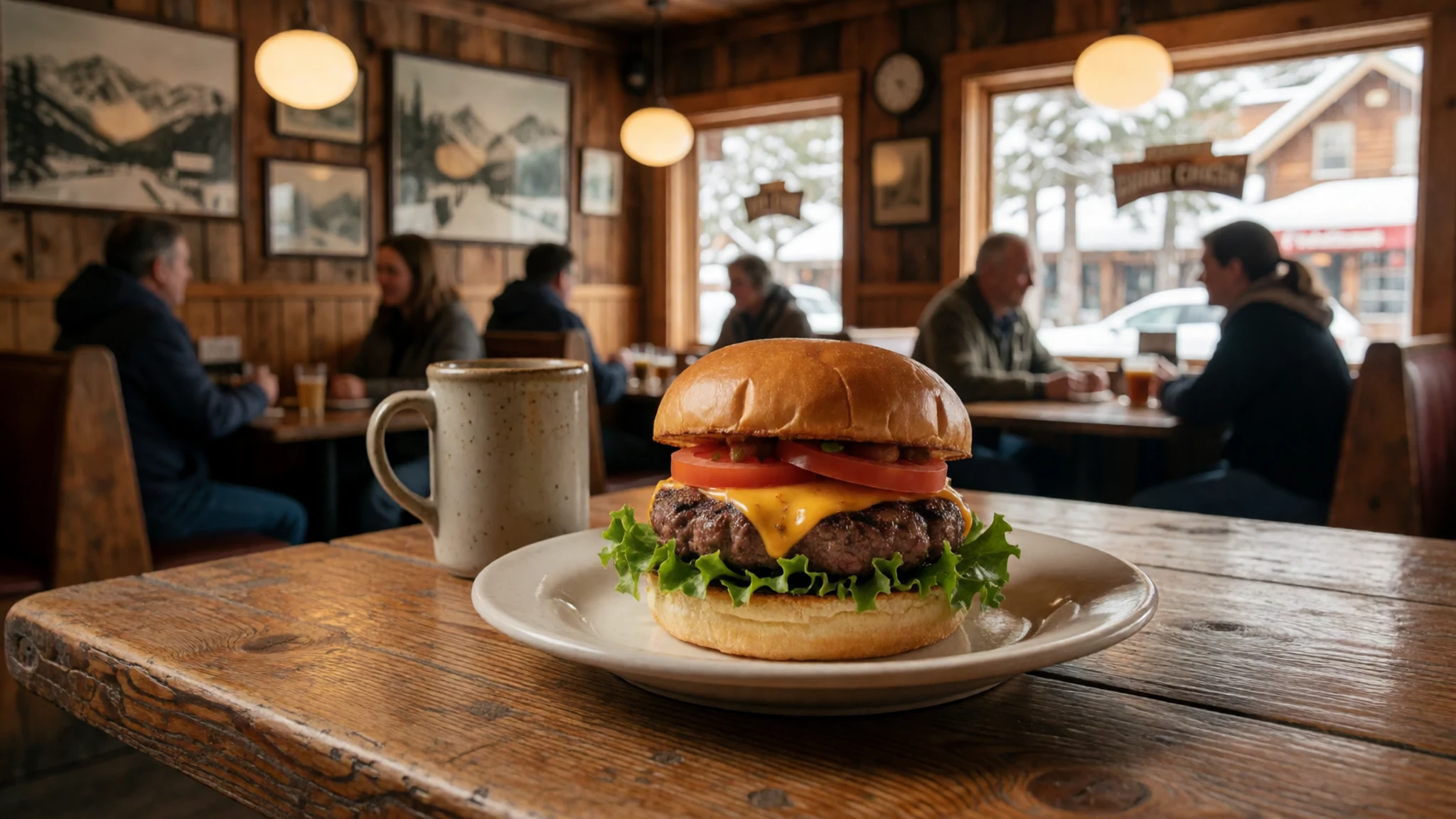
- Mountain Craft Brews — Local taprooms and pubs in Tahoe City and Truckee
A wide variety of pale ales, stouts, and seasonal brews crafted by independent regional breweries operating throughout the Truckee and North Tahoe communities.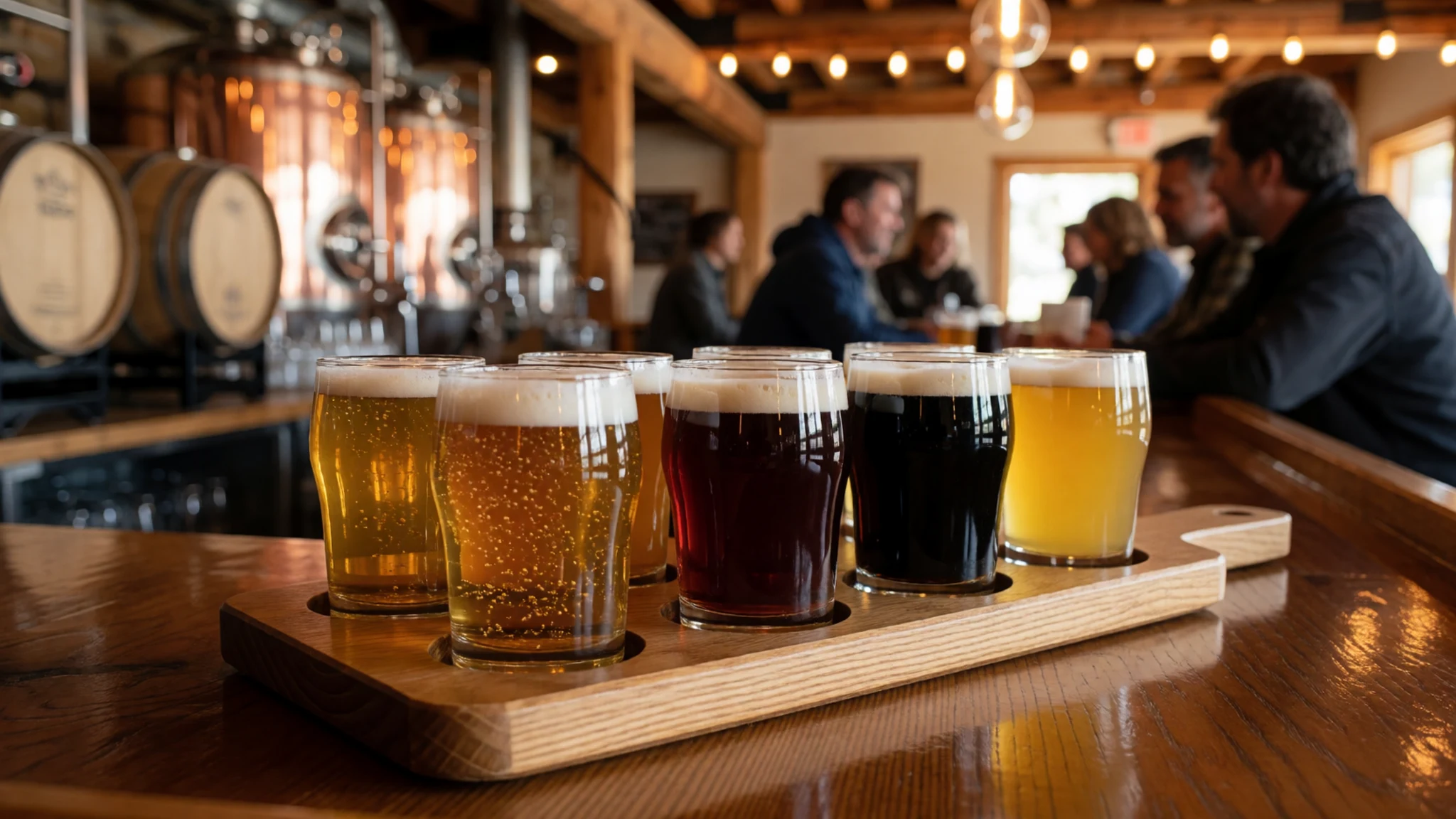
- Fireside Hearth Dinners — Lodge restaurants near Olympic Valley
Comforting winter dinners featuring roasted meats, root vegetables, and warm soups served in rustic mountain lodges nestled near the major ski resorts. - Fresh Mountain Breakfast Skillets — Morning cafes along the main streets in Tahoe City
Cast-iron skillets filled with eggs, potatoes, bacon, and cheese, served in casual neighbourhood cafes before a day out on the hiking trails or ski slopes. - Lakefront Cocktails — Lakeside patios along the West Shore
Refreshing regional drinks enjoyed on outdoor terraces overlooking the water during warm summer afternoons at independent lakeside bars.
Plan it
Best time. March to April for spring skiing and clear mountain air, or October to November for autumn foliage and quieter trails; winter brings heavy snow and summer brings warm weather with peak visitor crowds.
How long. 3–4
Getting there. Fly into Reno-Tahoe International Airport, then take Interstate 580 south and connecting highways to the lake communities; regular shuttle services connect the airport directly to North and South Lake Tahoe.
Budget. mid
Tips
- Book accommodations well in advance for both the peak winter ski season and the busy summer months.
- Always carry tyre chains in your vehicle during the winter months, as sudden snowstorms can trigger immediate road restrictions.
- Keep a safe distance from local wildlife and never feed the bears or leave food wrappers inside parked cars.
- Start your outdoor hikes and visits to popular scenic viewpoints early in the morning to avoid the heaviest visitor traffic.
Etiquette
- Secure all food items and rubbish in bear-proof containers to protect local wildlife.
- Respect private property boundaries when walking near residential lakefront neighbourhoods.
Nearby
Sources
- Wikidata Q169962 (CC0)
- Wikipedia (CC BY-SA 4.0)
- Wikivoyage (CC BY-SA 4.0)
- Photo 01 (CC BY 2.5)
- Photo 02 (CC BY-SA 3.0 igo)
- Photo 03 (CC BY 4.0)
- Photo 04 (CC BY-SA 4.0)
- Photo 06 (CC BY-SA 4.0)
- Photo 07 (CC BY-SA 4.0)


