Lake Shōji
Lake Shōji, Japan
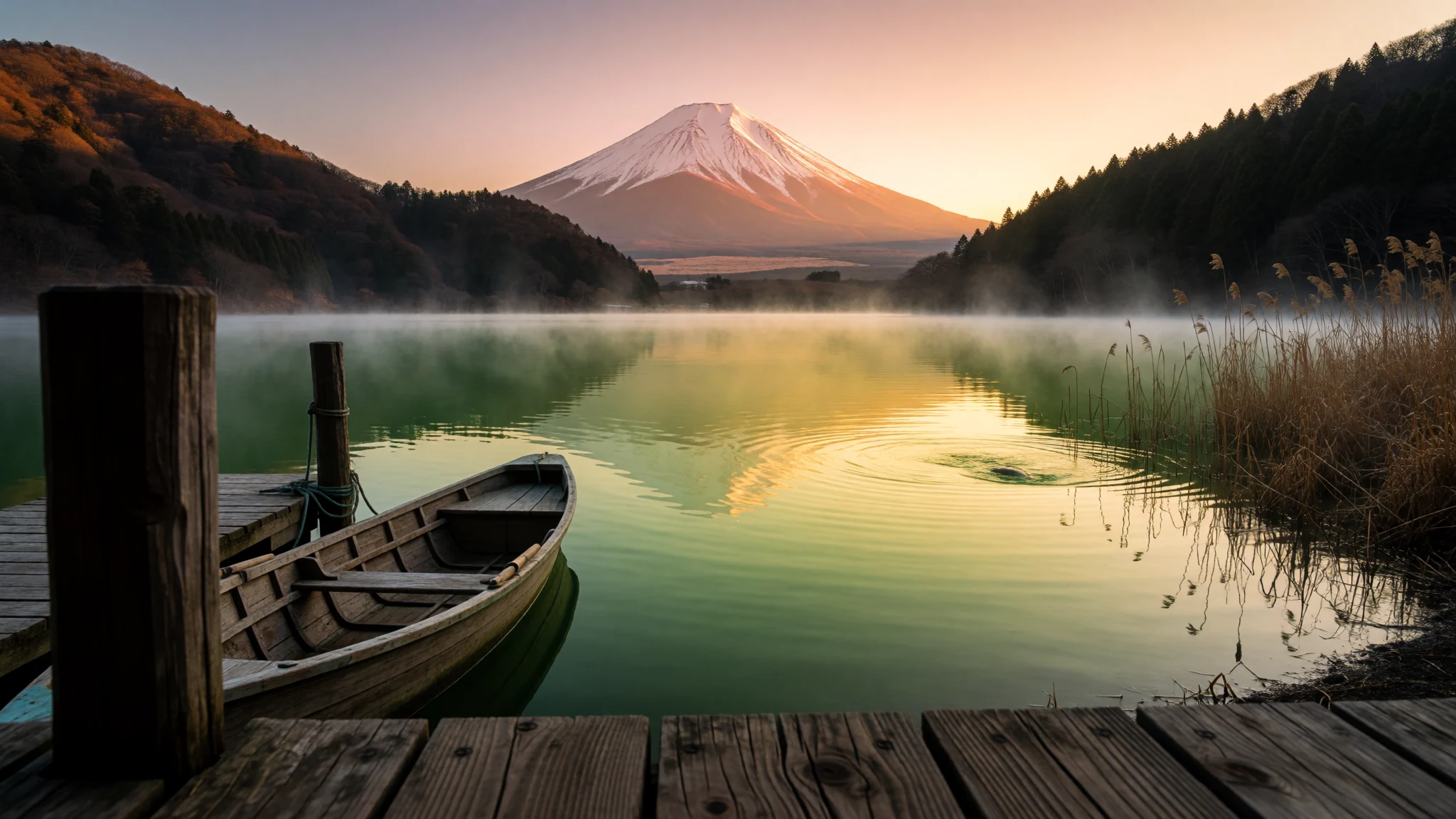
Lake Shōji offers tranquil waters, rich local wines, and classic views of Mount Fuji away from the heavier crowds.
The place
Lake Shōji sits quietly within the sweeping boundaries of Fuji-Hakone-Izu National Park in southern Yamanashi Prefecture, cradled by the dramatic landscape of the Fuji Five Lakes. Among these five sister bodies of water, this lake holds the distinction of being the most compact in terms of surface area. Despite its smaller size, it reaches notable depths and features a characteristic greenish hue caused by natural plankton and algae within its nutrient-rich waters. The shoreline remains largely peaceful, edged by forested slopes and quiet retreats where travellers can hire small boats to drift across the surface.
The surrounding region is defined by the Kofu Basin, a flat agricultural heartland enclosed by formidable mountain barriers that have kept provincial borders virtually unchanged for centuries. Visitors arriving at the lake find an environment shaped by volcanic history and old traditions. Lakeside spots provide classic vistas of Mount Fuji rising beyond the trees, framed by the rugged contours of the Misaka Mountains. Whether arriving to fish for introduced white crucian carp and wakasagi or simply to watch the shifting light across the water, the atmosphere here feels worlds away from the urban sprawl of Tokyo, offering a slower, contemplative pace by the water's edge.
Its story
The story of Lake Shōji is inextricably linked to the fiery eruptions of Mount Fuji, particularly the cataclysmic events that unfolded between 864 and 868. During this period, an enormous flow of molten lava cascaded down the northern flanks of the great volcano, splitting what was once a single, vast body of water into three distinct basins. Today, this geological event is reflected in the shared surface elevation of Lake Shōji, Lake Motosu, and Lake Sai, which all sit at the same height above sea level and remain connected by hidden subterranean waterways beneath the dense canopy of the Aokigahara Jukai Forest.
Centuries later, the shores of the lake attracted a different kind of explorer. During the Meiji period, British expatriates living in Japan ventured around the base of the volcano and bestowed upon the water the flattering moniker of the 'Switzerland of East Asia,' captivated by the way the smaller peaks frame the majestic summit of Fuji from this specific angle. Historically, the broader province was known as Kai Province, the fiercely contested domain of the legendary samurai warlord Takeda Shingen. Shingen's legacy still permeates local culture, from annual festivals celebrating his military campaigns to the shrines and castles that dot the surrounding valleys, reminding modern travellers of an era when samurai armies marched through these mountain passes.
What to see
- Mount Fuji — Regional skyline
Japan's highest and most famous peak towers over the region, with its northern half situated in Yamanashi. The mountain can be viewed from most of the prefecture, offering striking backdrops to the lakes, forests, and valleys below.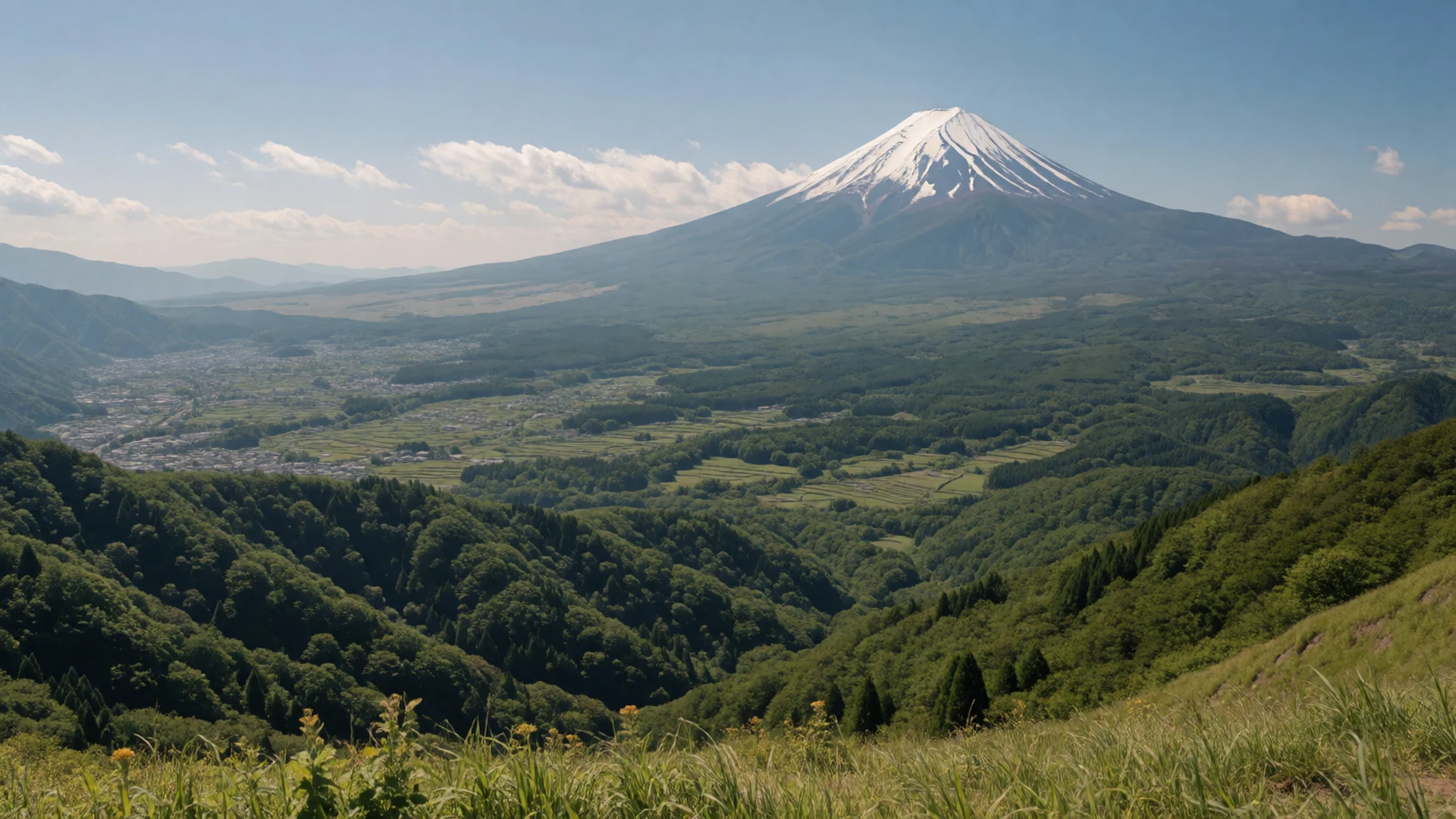
- Kuon-ji Temple — Minobu
Serving as the grand head temple of the Nichiren Shū sect of Buddhism, this scenic religious complex is set against steep mountain slopes. It features atmospheric wooden halls, towering cedar trees, and long stone staircases that reward visitors with quiet contemplation.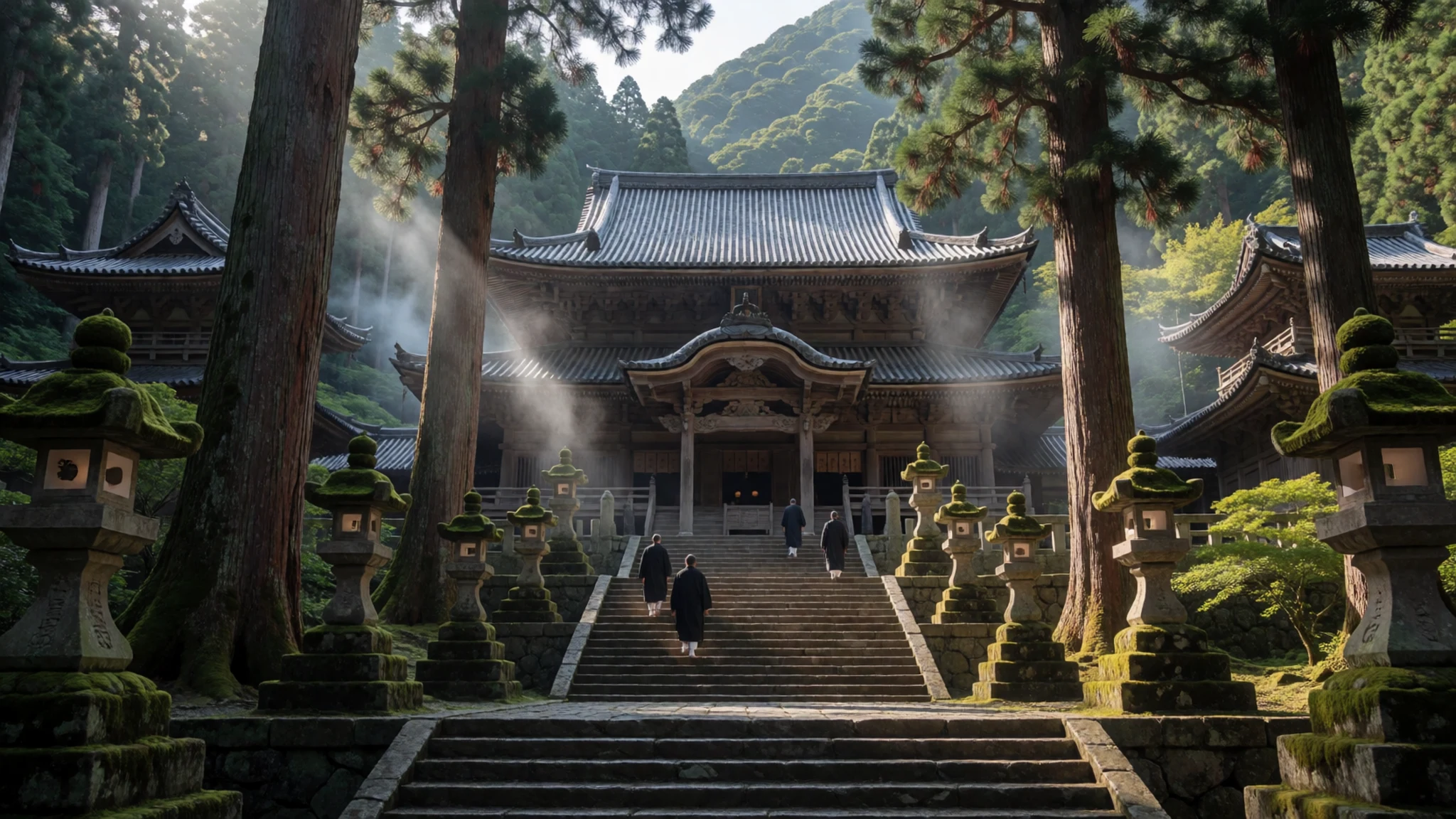
- Takeda Shrine — Kofu
Constructed on the former residential grounds of Kai Province's revered samurai lord, Takeda Shingen, this shrine honours the region's historical hero. Visitors can explore the preserved moat remains, gardens, and exhibits dedicated to the strategist's life.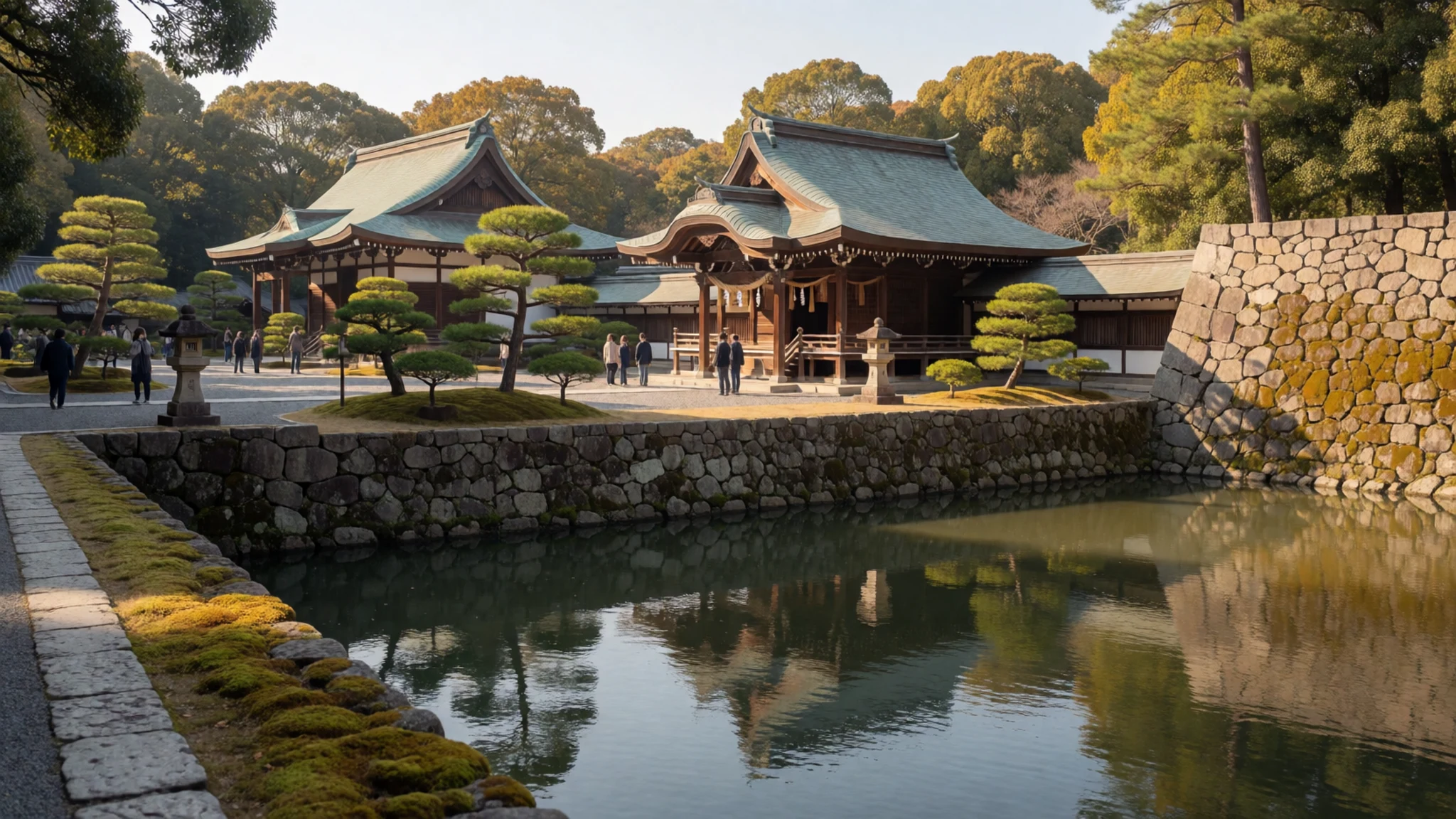
- Kofu Castle — Kofu
Split by the railway tracks near Kofu Station, these stone fortifications offer pleasant park grounds and elevated viewpoints across the basin. The site is particularly popular during the cherry blossom season when old stone walls are framed by pink petals.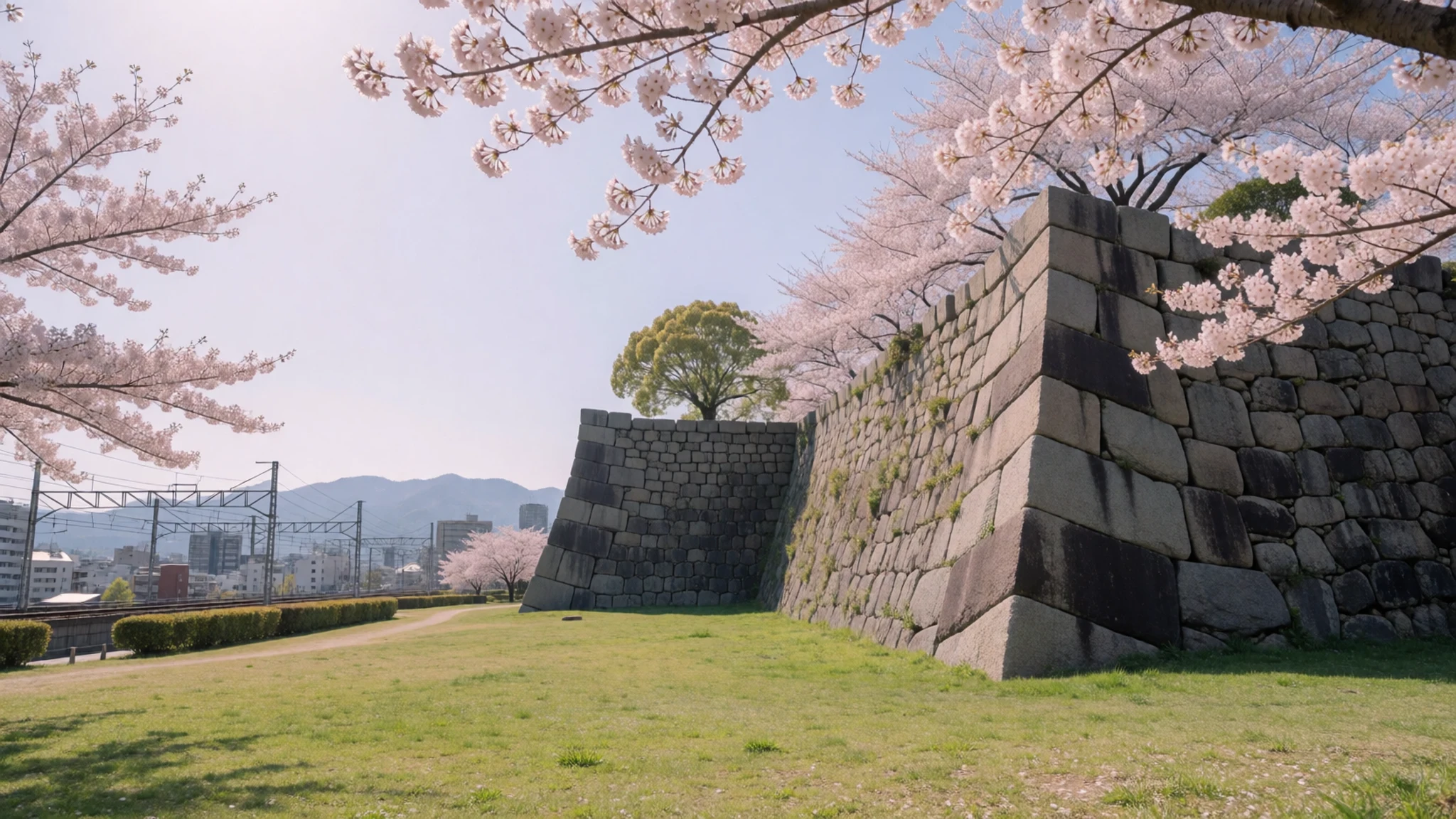
- Shosenkyo Gorge — Northern Kofu
Widely celebrated as one of the most scenic river gorges in the country, this natural canyon forms part of the Chichibu-Tama-Kai National Park. It features dramatic granite cliffs, rushing waterfalls, and walking trails carved through forested ravines.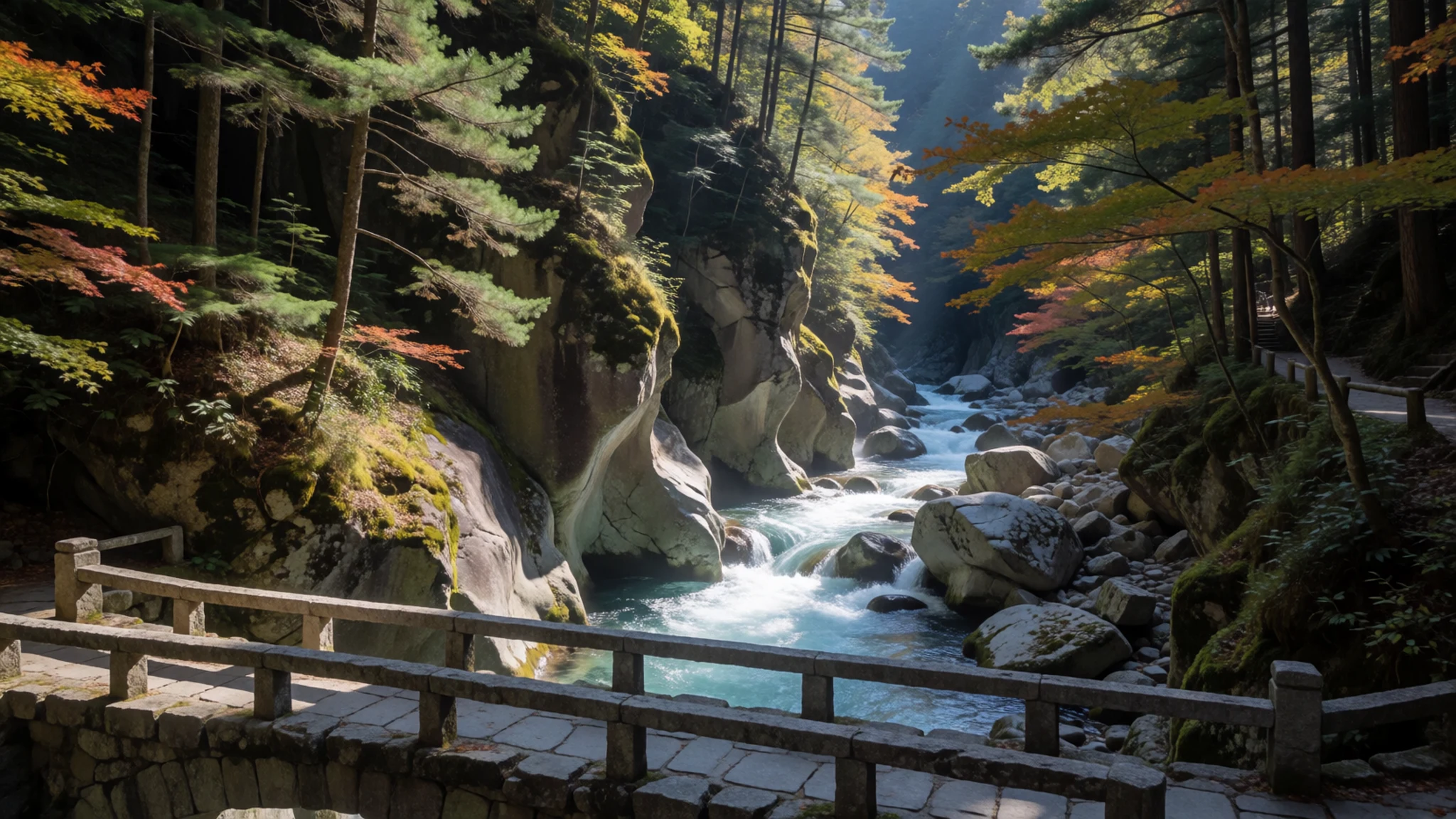
Culture
Culture around Lake Shōji and the wider Yamanashi Prefecture is deeply rooted in agricultural rhythms, samurai heritage, and seasonal appreciation. Local communities maintain a strong connection to the natural landscape, celebrating the changing seasons through long-standing festivals that honour local deities and historical figures such as Takeda Shingen. Traditional craftsmanship and winemaking reflect a pride in local produce cultivated within the sheltered Kofu Basin. Daily life moves at a gentle pace, influenced by the surrounding mountains and the presence of sacred waters. When visiting temples, shrines, or traditional inns in the area, visitors should always remove their footwear when stepping onto raised tatami mats or wooden threshold steps, exchanging them for the provided indoor slippers.
What to wear
Traditional attire across Yamanashi reflects practical garments suited for agricultural labour in the basin and seasonal mountain travel, historically featuring indigo-dyed cottons and sturdy fabrics worn by farmers and merchants. While everyday modern clothing—such as comfortable denim, knitwear, and practical outdoor jackets—is worn by residents today, traditional robes and garments still appear during seasonal festivals like the Shingen-Ko Matsuri, where participants dress in elaborate samurai armour and historical court attire. Visitors exploring Lake Shōji and its surrounding trails should pack practical, weather-layered clothing, as mountain temperatures can shift rapidly between warm sunshine and chilly breezes off the water. Sturdy walking shoes or hiking boots are essential for exploring uneven lakeside paths and nearby forest tracks, while modest, slip-on footwear is recommended for easy removal when entering traditional accommodations, temples, or tea houses.
What to eat
- Hōtō — Lakeside eateries and traditional restaurants throughout Yamanashi
A comforting winter staple featuring flat, thick wheat noodles resembling wide udon, simmered in a rich miso broth loaded with local garden vegetables such as pumpkin, burdock, radish, and taro.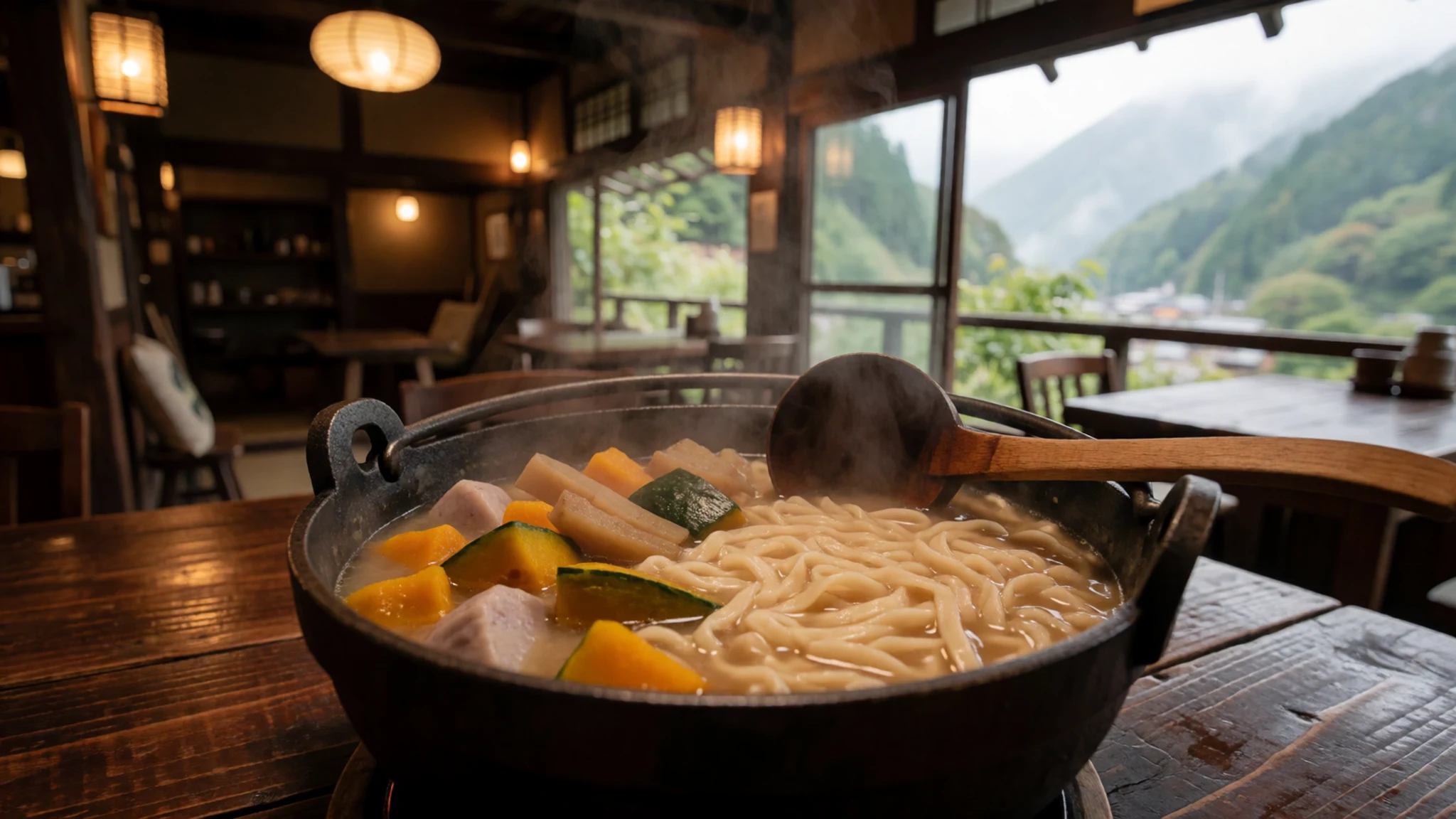
- Yoshida Udon — Local noodle shops around Fujiyoshida and the Fuji Five Lakes
A distinctively firm and chewy style of thick noodle soup served in various broths, often topped with seasonal vegetables or meats, originating from the settlements near the base of the mountain.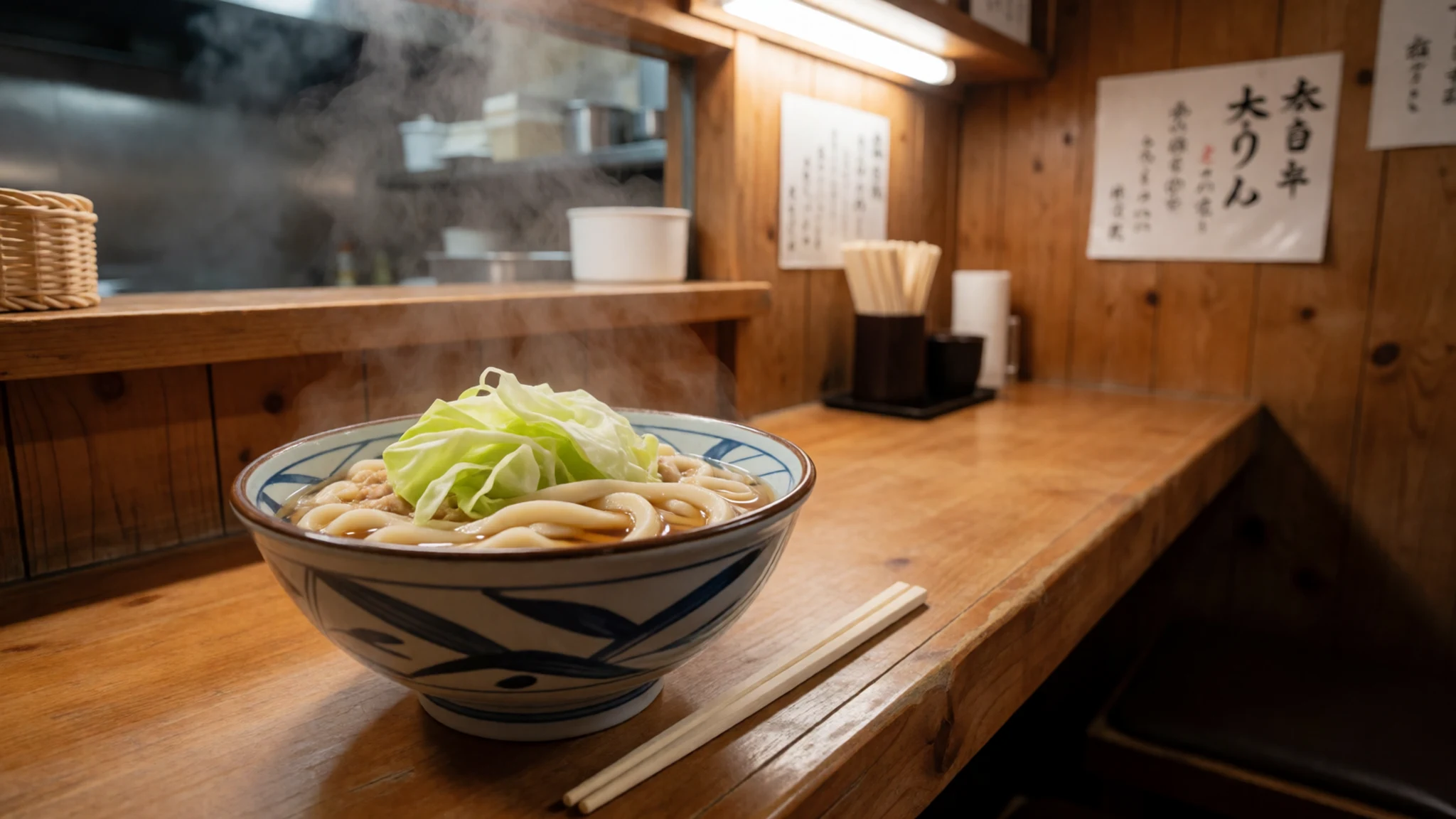
- Yamanashi Wine — Vineyard cellars, wine caves in Katsunuma, and local restaurants
Produced from grapes grown in the sun-drenched Kofu Basin, local white wines are particularly celebrated for their crisp profile, while regional red wines often carry a distinctive sweetness. - Basashi — Traditional izakayas and regional dining rooms across the prefecture
A regional delicacy consisting of thinly sliced raw horse meat, typically served chilled with soy sauce, grated ginger, and garlic as a savoury accompaniment to local drinks.
Plan it
Best time. March to May for spring greenery and clear mountain views, or October to November for autumn foliage; summer brings warmth, while winter is cold.
How long. 2–3
Getting there. Take the Chuo Line express train from Shinjuku to Kofu or Otsuki, then connect via local bus lines towards the Fuji Five Lakes and Lake Shōji.
Budget. mid
Tips
- Check local bus schedules in advance as services around the smaller lakes can be infrequent
- Carry cash for small shops, local shrines, and rural bus fares
- Bring layers of clothing, as temperatures near the water drop quickly after sunset
- Book lakeside accommodation well ahead if visiting during autumn colour or cherry blossom seasons
Etiquette
- Remove shoes before stepping onto tatami mats inside traditional buildings
- Keep noise levels low when visiting quiet lakeside spots and temple grounds
Nearby
Sources
- Wikidata Q11190939 (CC0)
- Wikipedia (rev 1381645754) (CC BY-SA 4.0)
- Wikivoyage (rev 5214058) (CC BY-SA 4.0)
- Photo photos/01-mt-fuji-and-lake-shojiko.jpg (CC BY 2.5)
- Photo photos/02-mt-fuji-and-lake-shoji.jpg (CC0 1.0)
- Photo photos/03-020419-panoramio.jpg (CC BY 3.0)
- Photo photos/04-autumn-leaves-at-lake-shoji.jpg (CC BY-SA 4.0)
- Photo photos/05-lake-shoji-from-panoramadai.jpg (CC BY 3.0)
- Photo photos/06-lake-sh-ji-from-north-side-02.jpg (CC BY-SA 4.0)
- Photo photos/07-lake-sh-ji-from-panoramadai.jpg (CC BY-SA 4.0)
- Photo photos/08-mount-ashiwada-and-aokigahara.jpg (CC BY-SA 4.0)


