Lake Qarun
Lake Qarun, Egypt
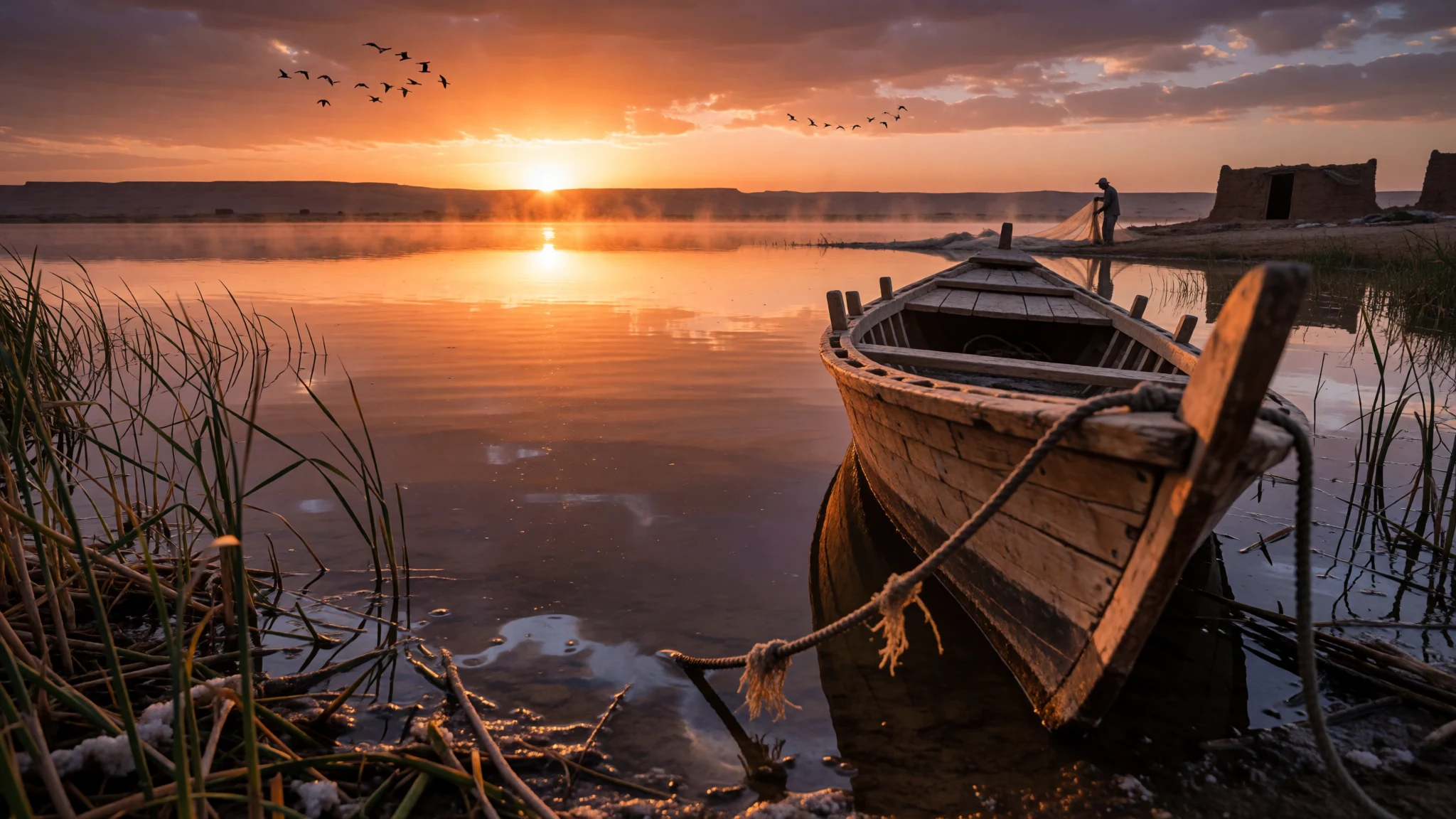
Lake Qarun is Egypt’s salty, bird-filled contrast to Cairo’s bustle—part lake, part living landscape, best visited for quiet sunsets.
The place
Lake Qarun (also known as Birket Qarun) sits in the Faiyum Oasis, a little under two hours’ drive west of Cairo if traffic is kind. It isn’t the bright, postcard “lake” you might picture from elsewhere: its water is hypersaline, so the shoreline feels more like a working reserve than a resort, with wide views, pale reflections, and an atmosphere that changes hour by hour.
The lake today is the smaller, modern remnant of an older freshwater system that once spread across the Faiyum. Over long stretches of time, human canals and shifting water connections changed the balance—so the story of Qarun is written in water levels and in what survives. In practical terms for a visitor, that salinity is exactly why fish populations look different here, and why certain birds make the area worthwhile.
Because the lake and its surroundings are protected under Egyptian law, it’s also one of those places where you feel the “nature reserve” character: a little less development, more space to watch the water, and a quieter pace than the big sights around Cairo. Winter brings migrants that use the lake as a wintering ground, turning quiet roadside pull-offs into impromptu observation points.
Expect the day to be warm and bright outdoors, with stronger light near sunrise and sunset. If you time it right, Lake Qarun is a simple place that rewards attention—sun on ripples, small boats tethered along the edge, and birds arriving when the day cools.
Its story
Lake Qarun’s past is a chain reaction: geology first, then water management, then centuries of gradual change. In ancient times the system was linked to the Nile via the Hawara Channel, which meant water could feed the basin intermittently. The earlier “Lake Moeris” wasn’t a single fixed size; its levels fluctuated across prehistoric periods.
When you move forward into the Middle Kingdom, you start to see the human hand. Under Twelfth Dynasty rule, excavation connected with what is now known as the Bahr Yussef canal, increasing inflow into the older lake. At the same time, drainage and land reclamation projects began to treat the lake as an agricultural resource. That combination—more water in one phase, more draining in another—helps explain why the lake’s footprint kept shifting.
Later, during the early Ptolemaic period, further drainage and reclamation effectively severed the lake’s direct connection to the Nile. From there, the trend was a slow recession through the Roman era, medieval centuries, and into early modern times. The result is the modern Qarun: a hypersaline lake at a surface level far below sea level, occupying only a fraction of the earlier basin.
There’s also a legend-like undertone in the archaeological record. Stone tools have been found along margins that indicate people were living near the lake environment far back into the Middle Paleolithic, and later settlements appeared in the Epipaleolithic and Neolithic periods.
Today the story continues in a different way—through migration patterns. Birds use Lake Qarun as a wintering ground, and the reserve status keeps the landscape from being “just another patch of water”.
What to see
- Shoreline viewpoints and golden-hour water views — Lake Qarun shoreline in the Faiyum Oasis (Birket Qarun area)
Lake Qarun’s shore is where the lake feels real: pale water, wide horizons, and long light that makes even small ripples look dramatic. Golden hour is calmer for photos and easier on the heat, especially when wind drops.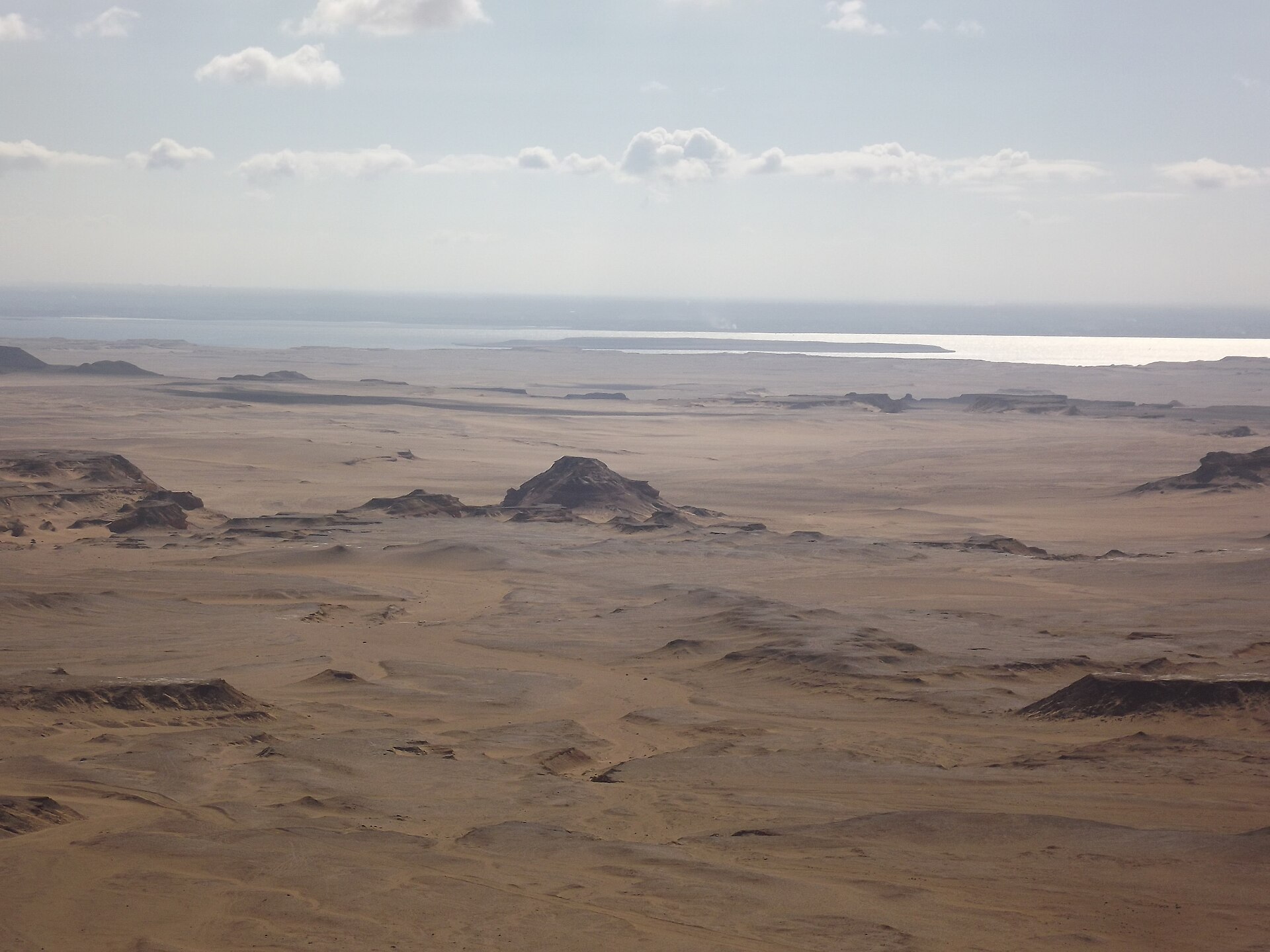
- Birdwatching during wintering season — Protected-area edges and calmer inlets around the lake
Lake Qarun is used as a wintering ground by Eurasian water birds from higher latitudes. In cooler months, scanning the waterline and sheltered edges can pay off, and you’ll often find other quiet watchers along rural tracks.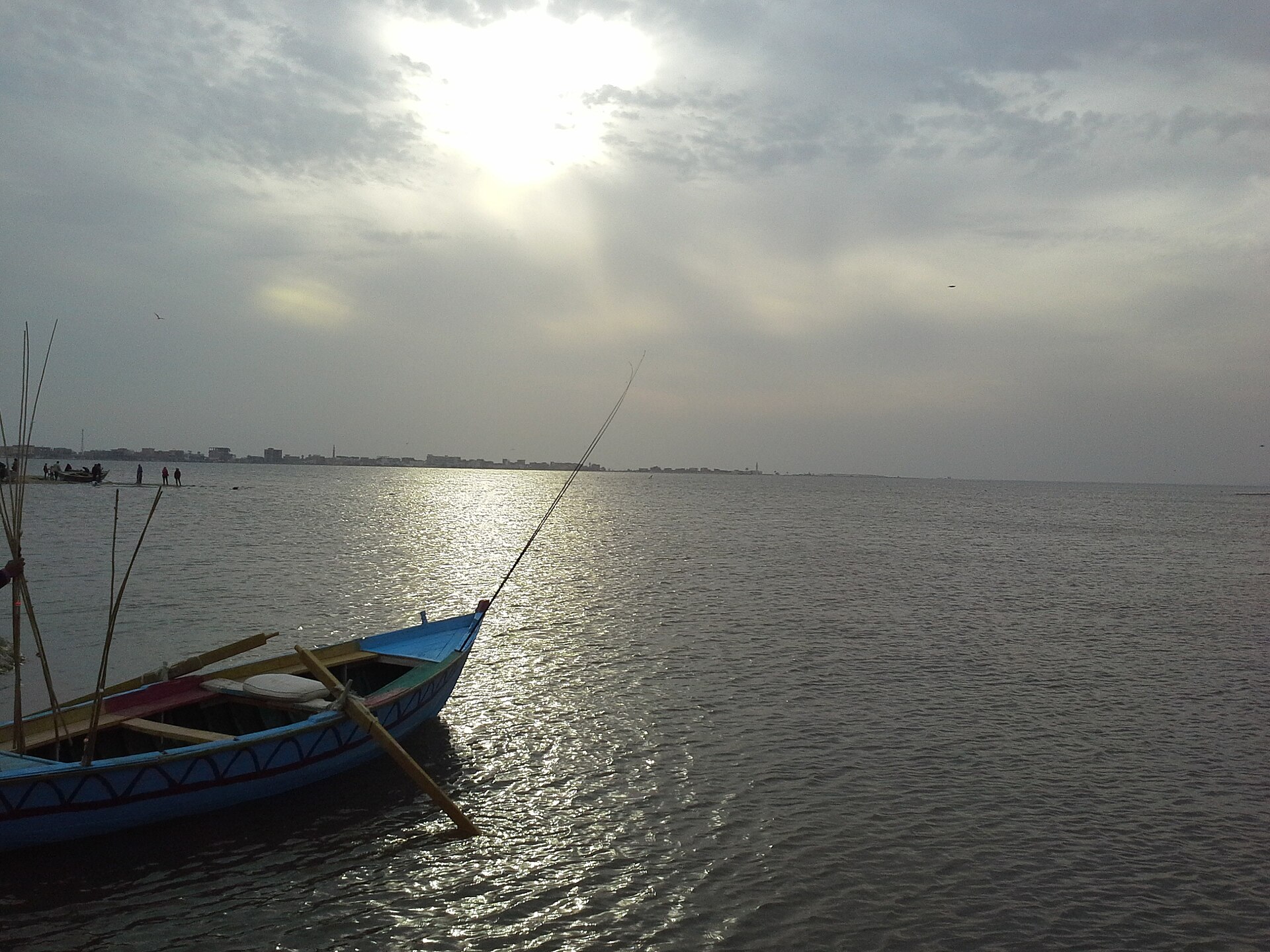
- Traditional boat moments at sunset — Lakeside spots along the Faiyum’s Qarun shoreline
Small boats are part of daily life on the lake, and sunset turns that simple scene into something memorable. Look for moments where a boat is tethered near shore and the sky reflects on the water—usually best in the last hour before dark. - Canal-side landscape linkages — Faiyum canal connections around Birket Qarun
The Qarun story is tied to canals and past connections to the Nile system. A look at canal-adjacent views helps you understand why the lake’s character can change—look for the straight lines of water routes against the softer lake edges.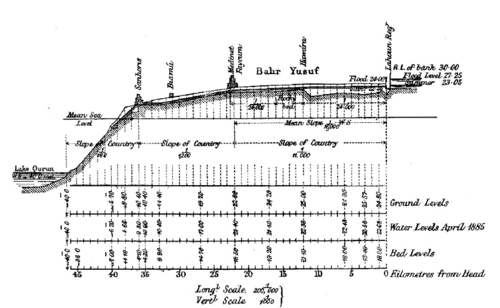
- Salt-tinged nature reserve atmosphere — Nature reserve zones around the protected lake
Because the lake is hypersaline, the surroundings feel different from freshwater lakes: the air can feel dry, and the landscape looks sun-bleached at midday. Walk slowly, notice the vegetation margins, and keep your eyes low for wildlife along the edges.
Culture
Lake Qarun’s culture is less about monuments and more about how people live with water. In the Faiyum, the lake connects to fishing and local routines, shaped by the lake’s salinity and the kind of species that can survive there. You’ll notice it in everyday scenes: how boats rest along the edge, how people move between settlements and the water, and how the protected-area rules translate into a calmer, less crowded feel than major city attractions.
The wider backstory also matters. Qarun’s modern form is tied to long-ago canal works and later water-diversion projects, so the landscape is effectively “managed nature” rather than untouched wilderness. That’s why the reserve status under Egyptian law feels practical: it protects habitat for migrating birds while allowing local livelihoods to continue around the lake.
If you’re visiting in winter, the atmosphere shifts again as birds arrive for the season. Even when you don’t see a lot at once, the area has a patient rhythm—more watching than ticking boxes.
Visitor etiquette: keep voices low near wildlife areas, and respect local fishing activity by giving space around boats and nets.
What to wear
In the Lake Qarun area (Faiyum), clothing is a balance between daily comfort, sun exposure, and the generally modest norms you’ll see around local homes and public paths. Traditional Egyptian dress in this region can include long garments and head coverings, and textiles tend to be lightweight so people can handle dry heat.
What you’ll likely see now is a mix: some women wearing long dresses or loose trousers with a headscarf, and many visitors and locals opting for breathable everyday clothes—t-shirts, long skirts, loose shirts, and lightweight trousers. The key is coverage from the strong sun rather than fashion statements.
For visitors, plan for outdoor walking and bright glare: bring a long-sleeved top or a light overshirt, a hat or headscarf, and sunglasses. If you’re approaching the water’s edge or walking along tracks, closed-toe footwear with grip helps with dusty ground and uneven paths. During cooler months, layers are useful because mornings and evenings can feel noticeably fresher than midday.
If you’re stopping near any fishing work or reserve edges where people are active, dress simply and keep your clothes comfortable—practical beats pretty here.
What to eat
- Shakshuka (egg and tomato with spices) — Local eateries and home-style meals in Faiyum
Shakshuka is a go-to comfort dish in the Faiyum region—eggs cooked in a spiced tomato sauce. It’s commonly found at casual eateries and local home-style meals, especially around the governorate’s smaller towns near the lake.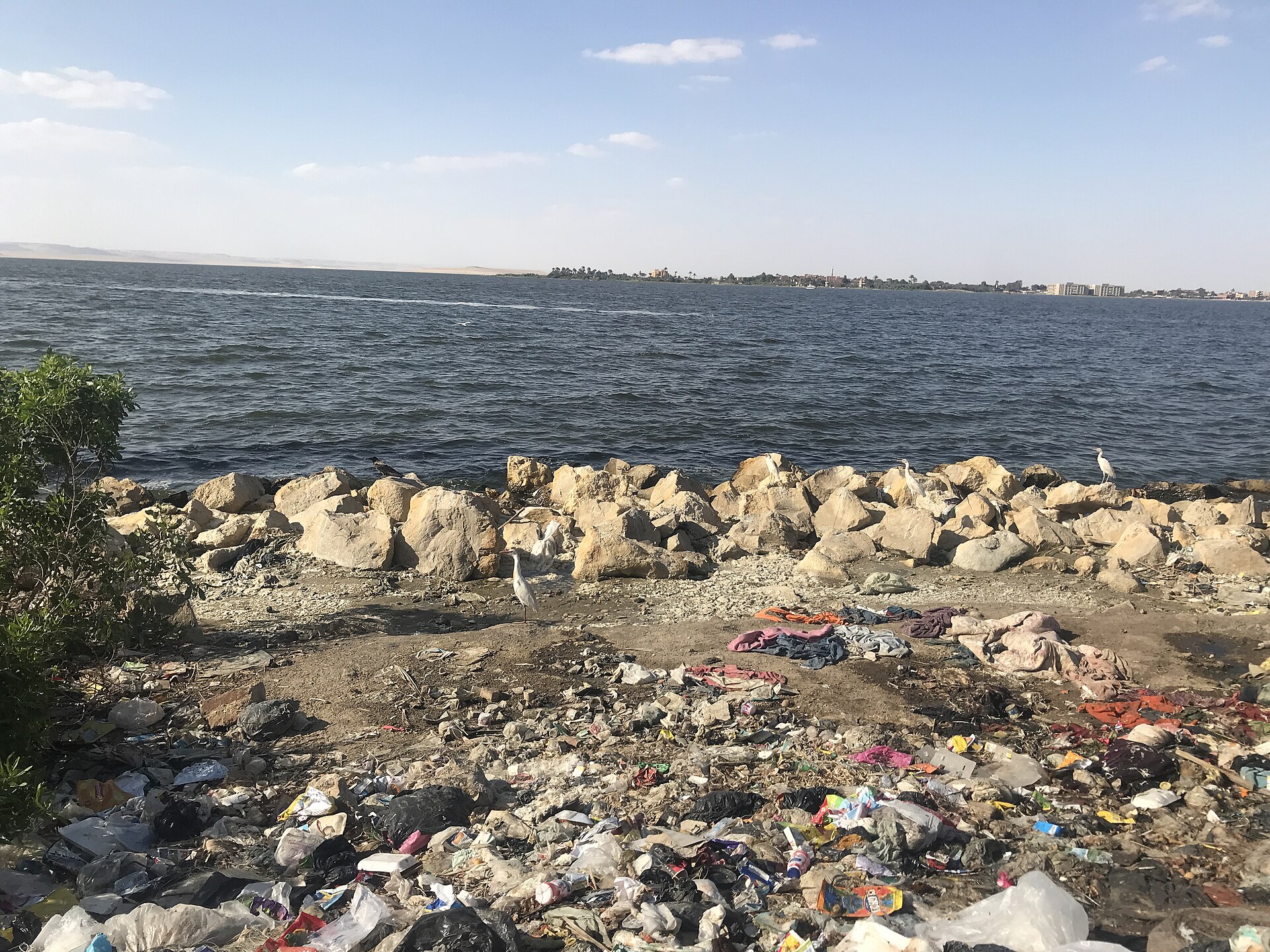
- Boiled or pan-fried eggs with herbs — Breakfast spots and simple roadside places around Faiyum
Eggs show up in simple, filling meals when you’re out in the countryside: often cooked with herbs and served with bread. Look for it as a quick breakfast or light lunch at smaller places rather than formal sit-down restaurants. - Fresh flatbread with dips — Local cafes and takeaway counters around Faiyum towns
In the Faiyum, you’ll usually find bread at the centre of a meal—torn or folded, then paired with dips and simple spreads. It’s an easy, low-fuss option when you’re timing your day around lake views. - Simple lake-area street snacks — Market lanes and snack stalls in Faiyum
Around busy areas in Faiyum, you’ll see quick snacks designed for eating on the move—warm, portable bites you can grab between short walks or viewpoints. Ask what’s being cooked that day and keep it simple. - Grilled fish when available — Local restaurants serving lake-area fish around Qarun and Faiyum
Because fishing matters around the lake, grilled fish may appear depending on what’s fresh and what’s in demand. In calmer seasons it can be more common to find lake-linked dishes at local eateries, but availability varies.
Plan it
Best time. March–April and October–November tend to feel most comfortable for long outdoor stretches: bright daylight with less punishing heat than mid-summer. June is the rainy season and August can be hot and humid, so plan for shorter outings and earlier starts.
How long. 2–3
Getting there. Start from Cairo (nearest major hub), then take a road journey to the Faiyum Oasis. From the governorate area, use local transport or a hired car for the last leg to Lake Qarun’s protected shoreline.
Budget. mid
Tips
- Go early for calm light and gentler temperatures along the water’s edge.
- If you’re birdwatching, plan your timings around the cooler part of the day in winter months.
- Bring sun protection (hat/sunglasses) because the landscape is open and glare is strong.
- Carry small cash for casual snacks and local helpers, and keep water with you.
Etiquette
- Keep your distance from fishing activity and don’t step into working areas around boats.
- When photographing people, ask first and respect a no.
- Stay on safe paths near the reserve edges and avoid disturbing wildlife.
Nearby
Sources
- Wikidata Q4119367 (CC0)
- Wikipedia — Lake Qarun (rev 1374871033) (CC BY-SA 4.0)
- Wikivoyage (CC BY-SA 4.0)