Lake McKenzie
Lake McKenzie, Australia
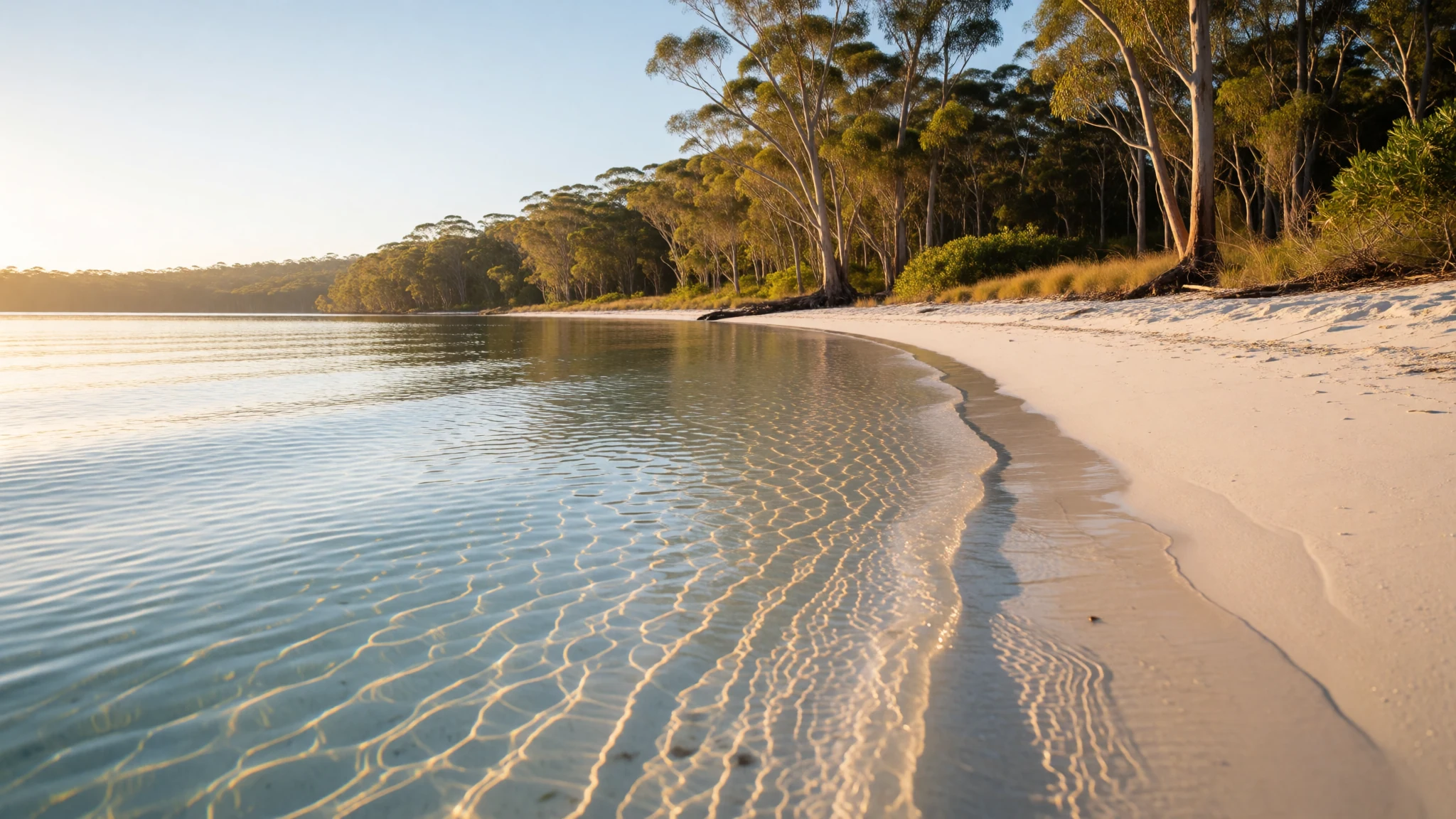
Visit Lake McKenzie to experience pure rainwater gathered in dazzling white silica sand on a remarkable sand island.
The place
Lake McKenzie, known traditionally as Boorangoora, is a perched lake situated on K'gari, formerly called Fraser Island, within the boundaries of the Great Sandy National Park in Queensland. Positioned a short distance southeast of Kingfisher Resort, this striking body of water spans about a thousand metres in length and nearly a thousand metres in width, covering an approximate area of eighty hectares. Because it is a perched lake, it sits well above the surrounding water table, entirely fed by rainwater that neither runs off nor drains away through the sand directly, but is held in place by an impermeable layer of compacted organic matter and decaying vegetation.
The most remarkable feature of the lake is its shoreline, which consists of pure, powdery white silica sand. This silica acts as a natural filter, leaving the water exceptionally clear and transparent. However, the extreme purity of the water means it contains very few nutrients, rendering the lake unsuitable for many species of fish and aquatic plants. Visitors approaching the water will find essential amenities such as picnic areas and public toilets tucked into the surrounding bushland, allowing travellers to enjoy the pristine environment while maintaining minimal impact on the fragile ecosystem. The surrounding region is part of a massive Australian state known for its varied ecosystems, ranging from dense rainforests to wide open beaches and distinctive outback terrains.
Its story
The history of Lake McKenzie encompasses wartime operations and modern media appearances alongside its ancient Indigenous heritage. During the middle of the twentieth century, specifically in March 1944, a military training camp was established near the lake. This installation served as the second such camp on the island during the global conflict before being deactivated later the same year as military priorities shifted across the Pacific theatre.
In more recent times, the lake gained international television exposure when it was chosen as a filming location for reality competition television. It served as the setting for the final roadblock and the dramatic finish line of a major endurance series, bringing global attention to its striking turquoise waters and white shores. Beyond television, the area regularly hosts prominent visitors, including members of traditional and international royalty who come to witness the ecological significance of the region and participate in traditional welcomes. These modern milestones add layers of human history to a landscape that has held profound spiritual importance for the local Aboriginal custodians for countless generations, long before European maps ever recorded the unique hydrology of the island's perched lakes.
What to see
- The Silica Beach — Lake shoreline
Wander along the shoreline of Lake McKenzie to feel the famously cool, squeaky white silica sand beneath your feet. The brilliant white grains contrast sharply with the deep blue and turquoise hues of the water, creating one of the most photographed inland beach landscapes in the entire state.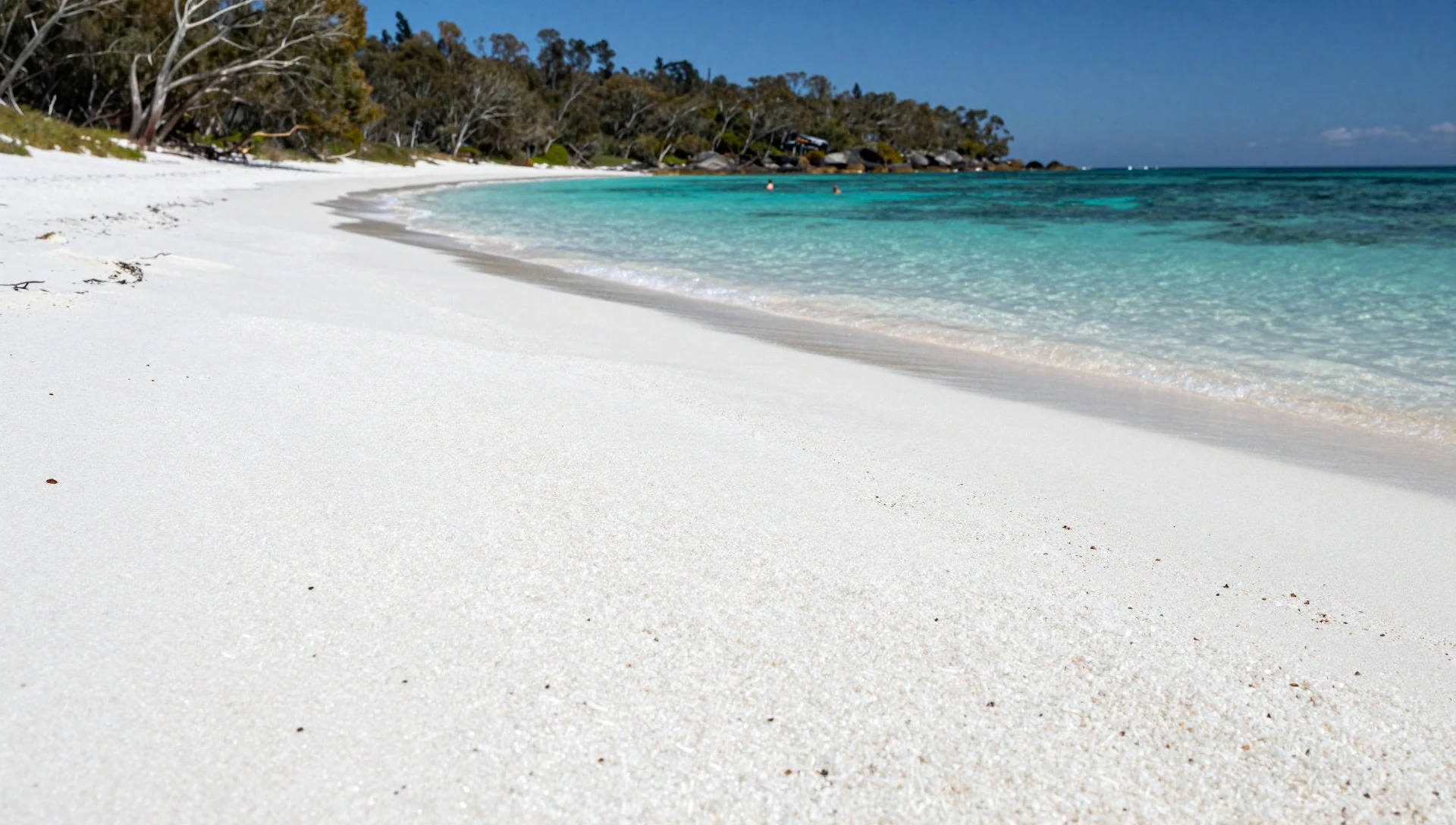
- Carnarvon Gorge Art Gallery — Carnarvon Gorge National Park
Journey to the sandstone overhangs of Carnarvon Gorge to view an extensive collection of ancient Aboriginal rock art. A gentle walk along the escarpment leads past numerous stencils and engravings that bear silent witness to centuries of ceremonial gatherings held by traditional custodians.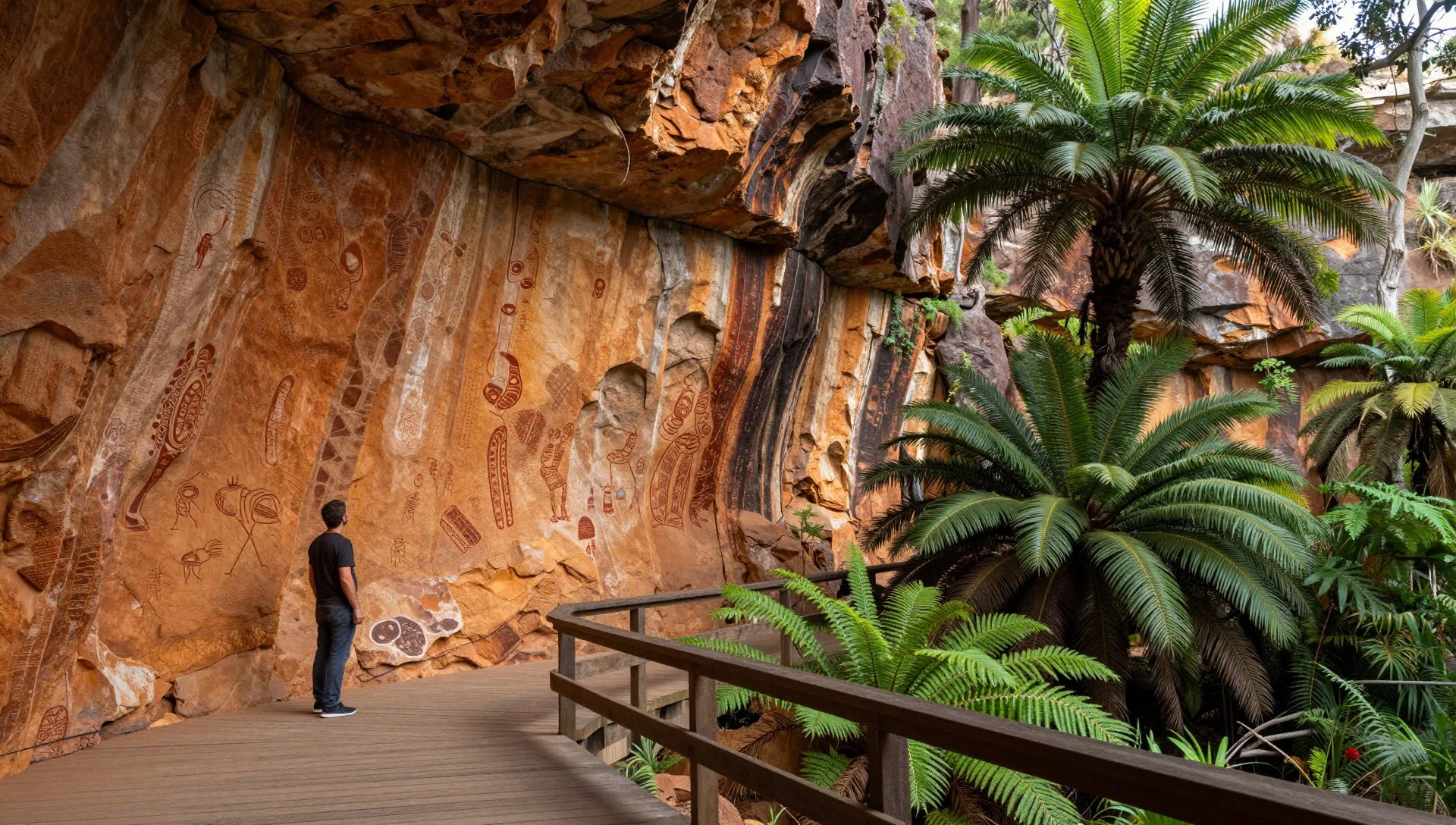
- Glass House Mountains Lookout — Glass House Mountains National Park
Drive up to the scenic viewing points around the Glass House Mountains to gaze at the dramatic volcanic plugs rising steeply above the surrounding patchwork of farms and forests. These ancient peaks carry deep spiritual meaning for the local Aboriginal communities who have inhabited the area for ages.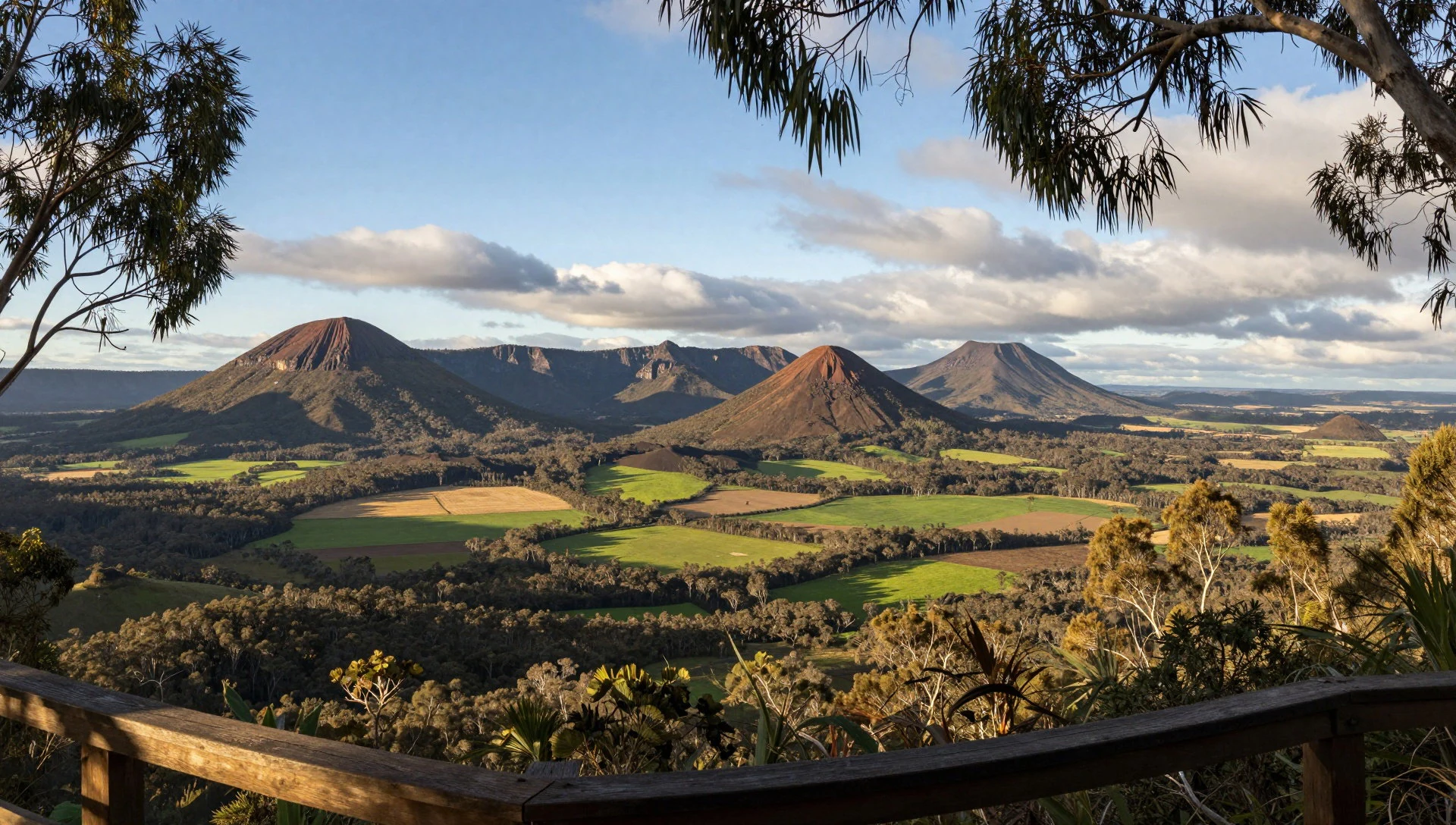
- Wallaman Falls Banggurru Walk — Wallaman Falls National Park
Take a leisurely stroll along the banks of Stony Creek on the Banggurru walk to immerse yourself in the lush rainforest environment surrounding the tallest permanent single-drop waterfall in the country. Keep your eyes open for native wildlife sheltering near the rushing waters.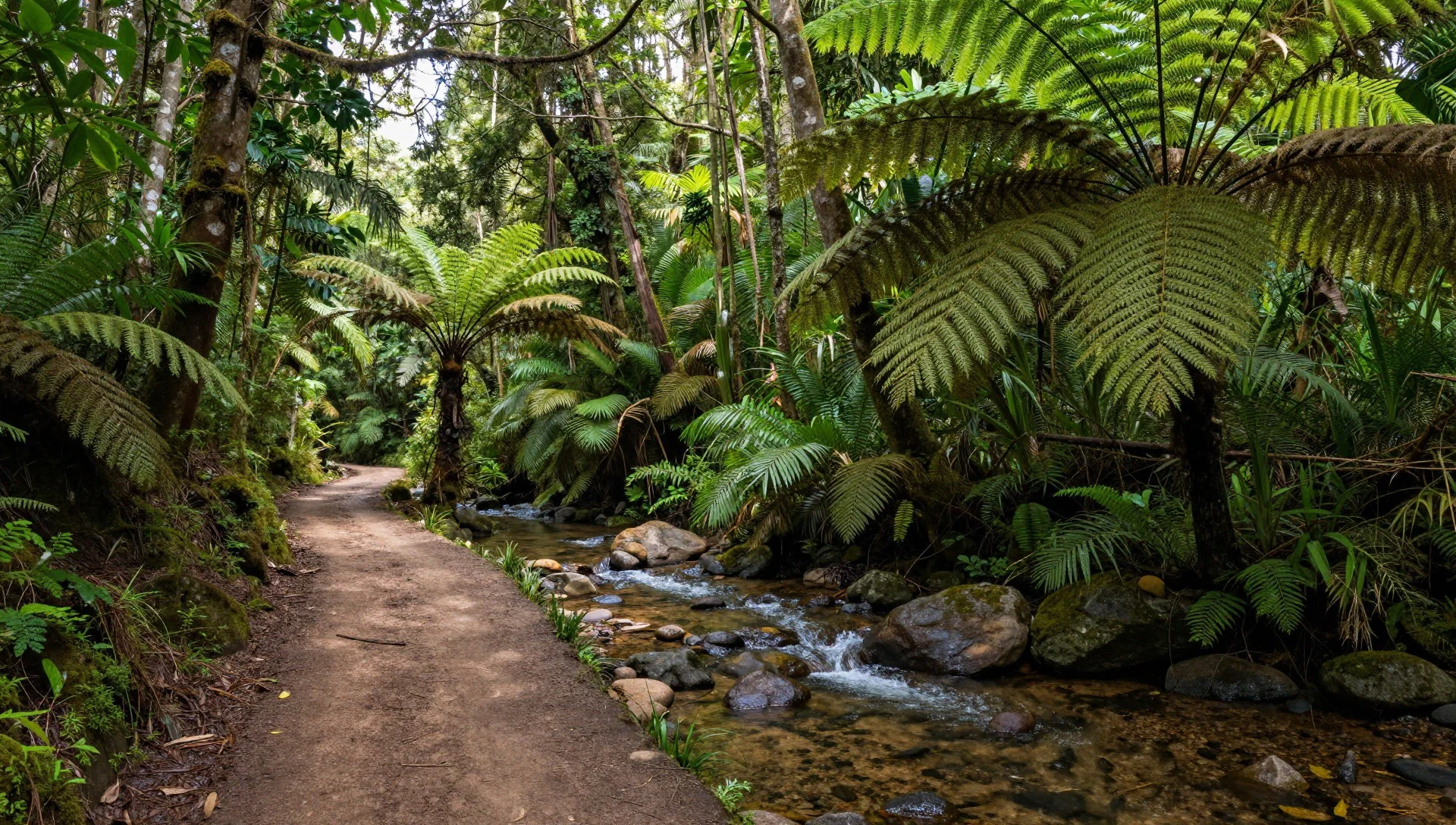
Culture
The cultural fabric surrounding Lake McKenzie is deeply rooted in the traditions of the Butchulla people, the traditional custodians of K'gari. For generations, the land and its waters have held profound spiritual and communal significance, featuring in ancient Dreaming stories that explain the creation of the island's unique ecosystems. Visitors to Lake McKenzie are encouraged to approach the landscape with deep respect for its sacred status and fragile ecological balance. Contemporary Queensland culture blends a laid-back coastal lifestyle with a strong appreciation for the outdoors, where community gatherings often centre around beach barbecues, outdoor markets, and local arts. While traditional attire has evolved into standard modern casual clothing suited for warm weather, the underlying respect for Indigenous heritage remains a cornerstone of meaningful travel through the region. Always take your rubbish with you and avoid using chemical sunscreens or soaps directly in Lake McKenzie to protect the pristine purity of the fragile silica-filtered water.
What to wear
Traditional clothing for the Indigenous peoples of the region historically reflected practicality and the tropical climate, utilising animal skins and plant fibres for protection and adornment during ceremonies and daily life. Today, local residents and travellers in Queensland dress for a warm, outdoor-oriented lifestyle. Everyday attire across coastal areas and national parks typically consists of lightweight, breathable fabrics such as cotton and linen. Shorts, t-shirts, sun dresses, and comfortable sandals or walking shoes are universally worn to cope with the subtropical warmth and sandy terrain. For visitors heading to Lake McKenzie, practical outdoor wear is essential. Pack durable walking shoes or sandals that can handle loose sand, a wide-brimmed hat, UV-blocking sunglasses, and lightweight swimwear. Because the sun can be intense throughout much of the year, wearing a rash vest or light long-sleeved shirt provides necessary sun protection during extended visits to the lake without harming the delicate natural environment.
What to eat
- Fresh Coastal Fish and Chips — Coastal towns and beachside eateries
Savour freshly caught local fish fried or grilled to perfection, served alongside hot chips at traditional takeaway shops located all along the Queensland coastline.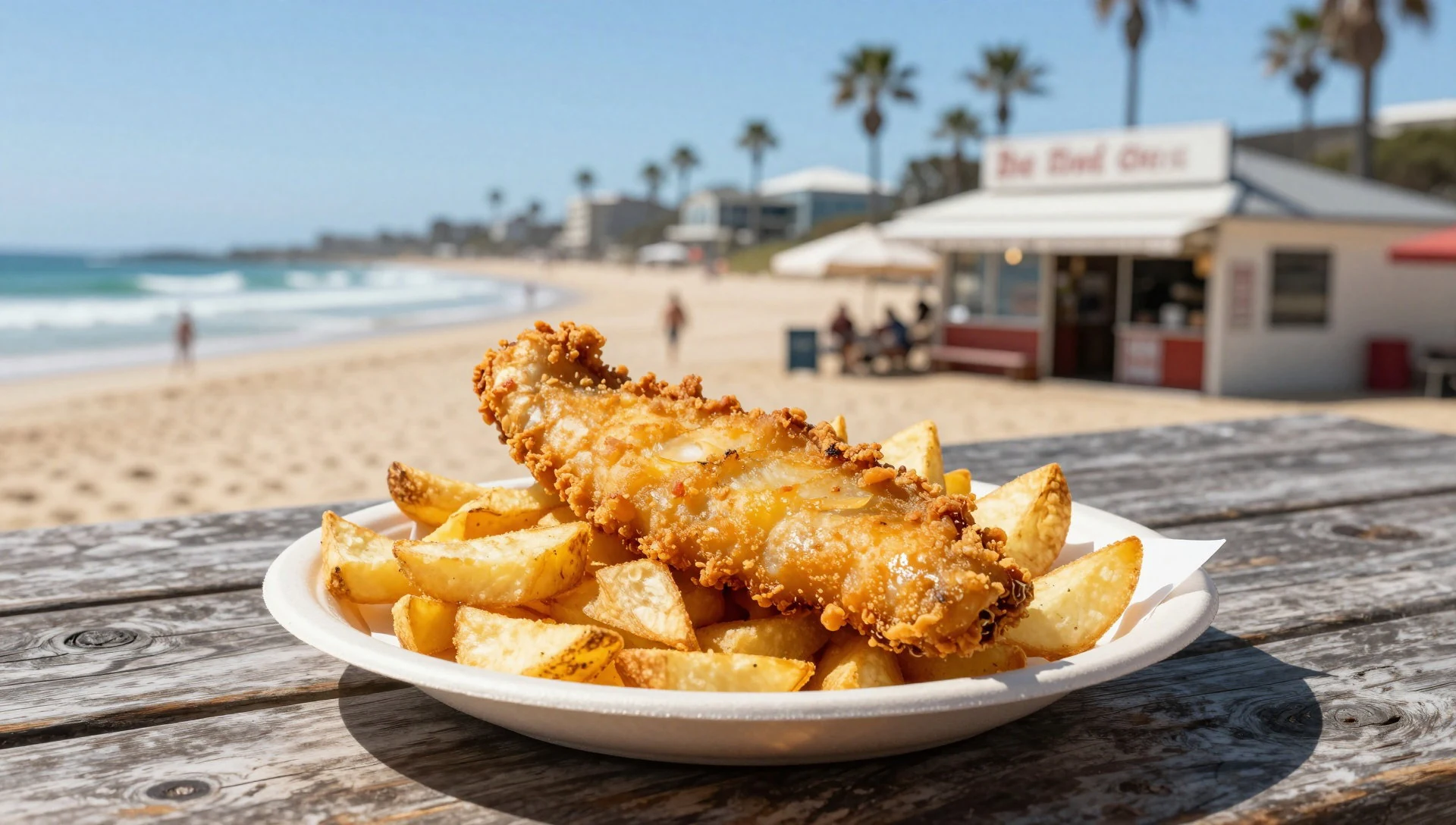
- Kingaroy Peanuts — Kingaroy and regional produce markets
Taste locally grown peanuts renowned across the region for their rich flavour, available in various roasted and seasoned styles from regional markets and specialty shops.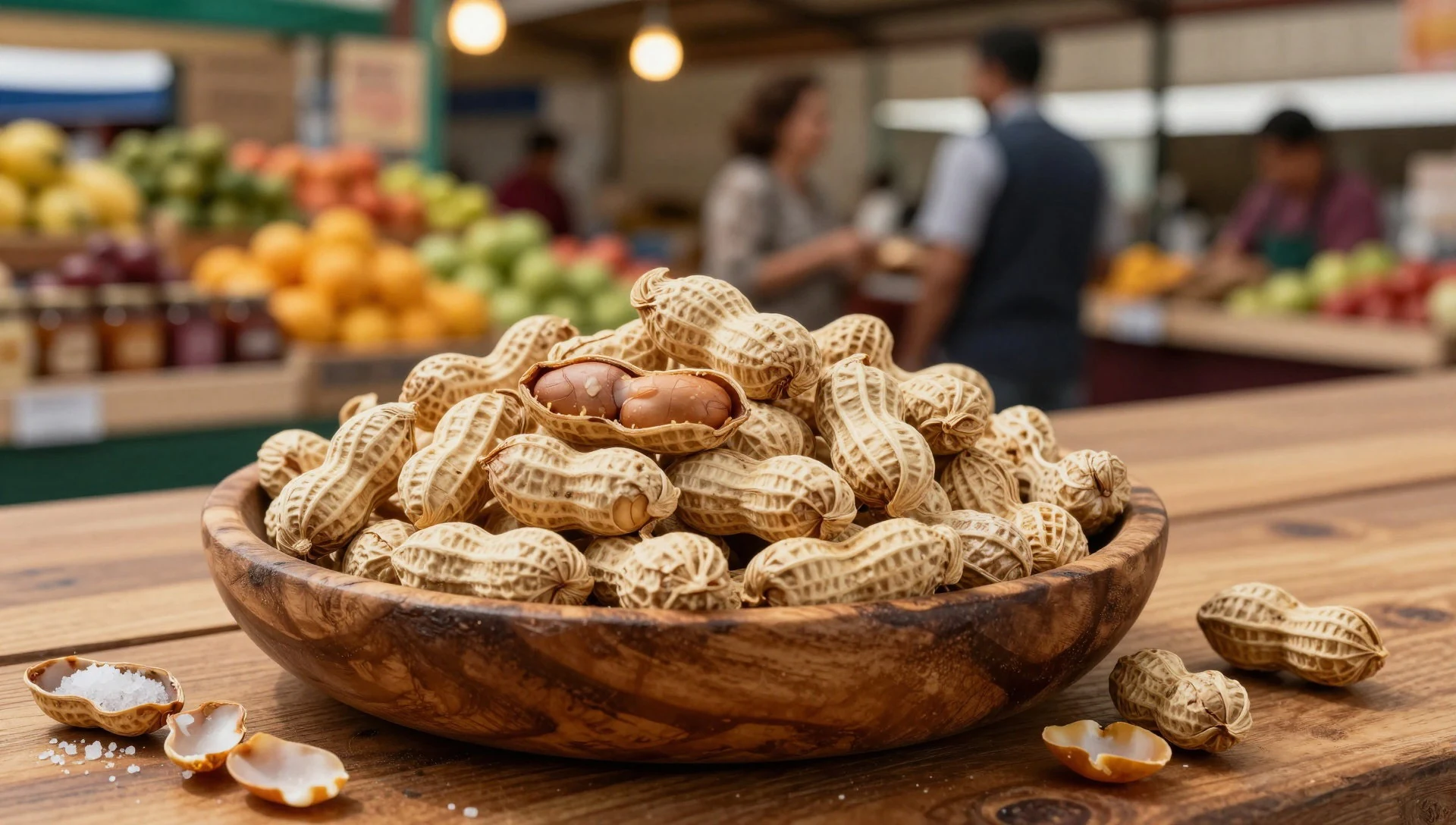
- Bowen Mangoes — Bowen orchards and fruit stalls
Enjoy sweet, juicy tropical mangoes harvested from orchards in the northern part of the state, famous for their vibrant flavour during the warmer fruiting months. - Whitsunday Sugarcane Treats — Whitsunday regional markets and bakeries
Sample artisan sweets and beverages crafted from locally harvested sugarcane grown in the fertile valleys surrounding the central coastal districts.
Plan it
Best time. September to November or March to May offer warm temperatures and pleasant weather, avoiding the intense heat and humidity of mid-summer.
How long. 2–3
Getting there. Fly into Brisbane or the Fraser Coast airport, then travel by road and take the vehicle barge across to K'gari / Fraser Island.
Budget. mid
Tips
- Arrive early in the morning to enjoy the lake before day-tripper crowds arrive from the resorts
- Carry plenty of drinking water as facilities on the island can be remote
- Protect your skin with clothing rather than washing chemical sunscreens into the pristine lake water
- Book your ferry transfers and national park vehicle permits well in advance during peak holiday periods
Etiquette
- Respect cultural heritage sites and heed all interpretive signs regarding sacred areas
- Keep wildlife wild by never feeding dingoes or other native animals encountered on the island
- Pack out all rubbish to help preserve the pristine condition of the national park
Nearby
Sources
- Wikidata Q3181150 (CC0)
- Wikipedia (rev 1366231987) (CC-BY-SA 4.0)
- Wikivoyage (rev 5381291) (CC-BY-SA 4.0)