Lake Dukan
Lake Dukan, Iraq
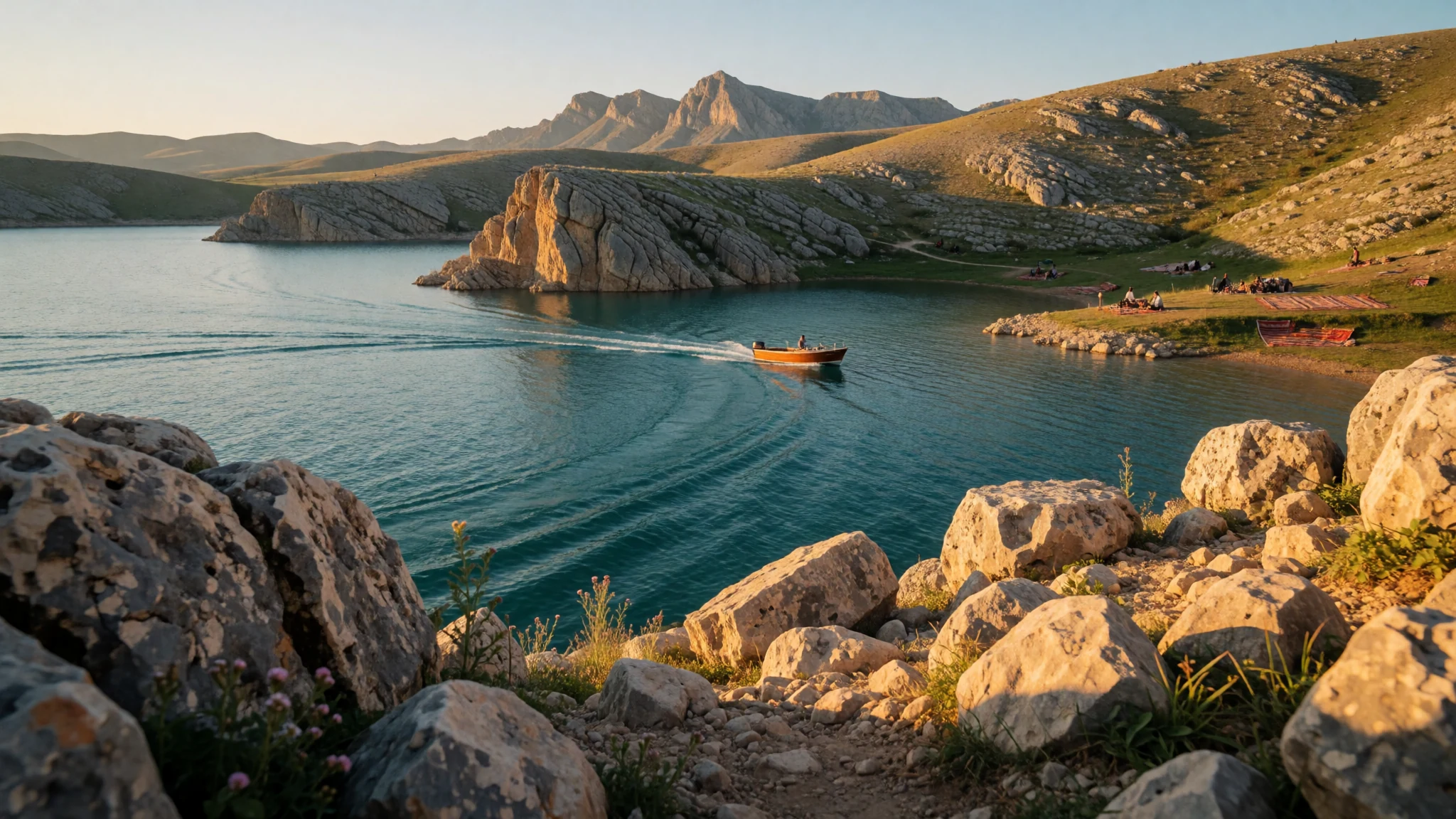
Lake Dukan offers wide blue water, ancient cave sites, and tranquil mountain scenery in the heart of Iraqi Kurdistan.
The place
Lake Dukan is a vast body of open water created by a dam on the Little Zab river in the Sulaymaniyah Governorate of Iraqi Kurdistan. Sitting at an elevation of 515 metres above sea level, the blue reservoir stretches across undulating hills and dramatic rock formations, offering a stark contrast to the surrounding limestone landscape. The impoundment was designed as a multi-purpose infrastructure project to store vital water reserves, supply irrigation to downstream agricultural lands, and produce hydroelectric power for the wider region.
Today, Lake Dukan has evolved into one of the principal gathering spots for relaxation and outdoor recreation in northern Iraq. Local families and travellers head to the shoreline during warmer weekends to hire wooden motorboats, fish along the banks, or set up day picnic camps near the water. Quiet coves and secluded bays cut into the shoreline, providing peaceful viewpoints across the wide basin where low ridges rise directly out of the deep water. The climate in this part of Kurdistan brings hot, dry summers and noticeably cooler winter days, meaning the surrounding slopes turn green during the spring before drying to warm earth tones later in the year. The atmosphere along the shore is calm and unhurried, reflecting the steady rhythm of rural life in the surrounding governorate.
Its story
Before Lake Dukan was filled, the fertile Ranya Plain along the Little Zab river was home to human communities for thousands of years. Realising that the upcoming dam construction would submerge extensive land, international and regional teams of archaeologists conducted detailed land surveys across the valley. They located numerous ancient settlements, recording evidence of continuous human activity ranging from early prehistoric villages to medieval towns.
Among the sites surveyed before the waters rose, specialists chose several key mounds for targeted excavation. At Tell Shemshara, archaeologists uncovered an ancient village dating to early prehistoric eras alongside a later palace complex that preserved a collection of cuneiform clay tablets. These written records offered rare insight into ancient administrative networks, diplomatic trade relations, and daily life in the region thousands of years ago. Meanwhile, work at Tell Bazmusian brought to light a significant ancient temple structure that had stood over successive historical periods.
The filling of Lake Dukan permanently altered both the physical landscape and the human geography of the Ranya Plain. As the reservoir basin filled up to its operating capacity, dozens of long-established villages were submerged, requiring the resettlement of more than a thousand local families to newly constructed communities further west. Today, the ancient mounds and structural remains lie deep beneath the lake surface, preserved in historical reports while the modern reservoir continues its role as a life-giving water source for Iraqi Kurdistan.
What to see
- Chemi Rezan Caves — Sulaymaniyah Governorate
Chemi Rezan features historic cave shelters set into high rocky cliffs near Lake Dukan. Ancient human burials were discovered inside these limestone caverns, making the location an essential stop for visitors interested in early human history. Walking paths lead up toward the cave openings, offering wide views over the gorge.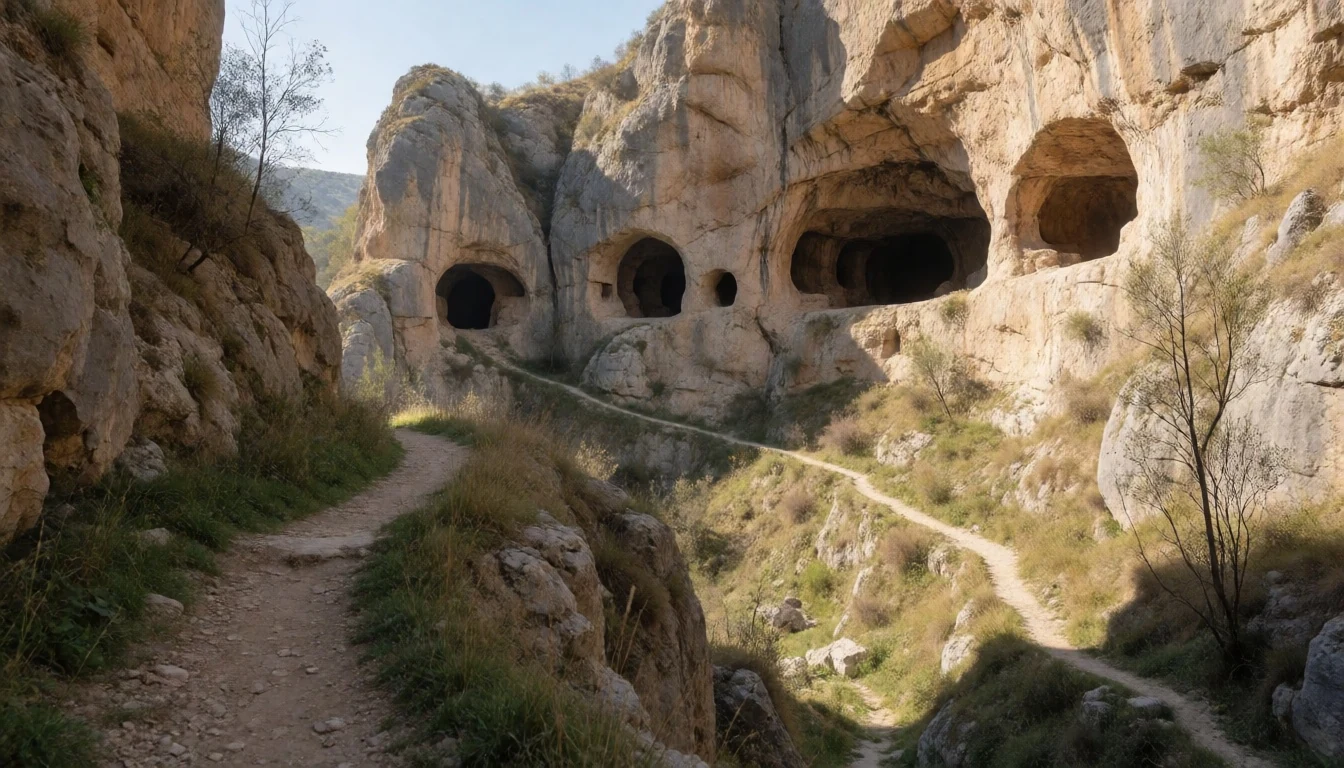
- Hazar Merd Cave — Sulaymaniyah Governorate
Hazar Merd Cave is an important Paleolithic site carved into a steep mountain cliffside within driving distance of Lake Dukan. Archaeologists excavated stone tools and pre-historic remains here, shedding light on early human habitation in the region. Visitors can hike up the steep trail to stand inside the spacious cavern entrance.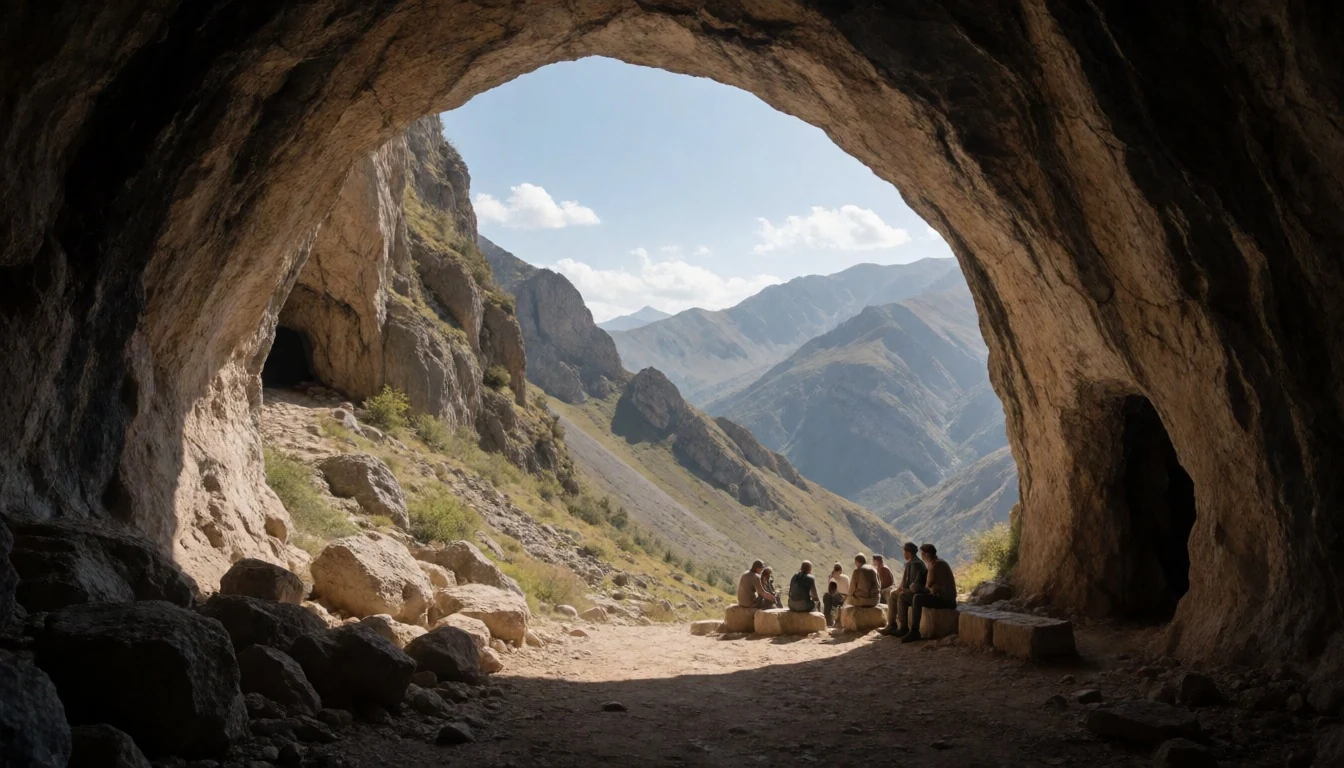
- Qaradagh Mountain Valley — Qaradagh District
Qaradagh Mountain forms a long, lush valley framed between two high mountain ridges south of Lake Dukan. Unlike the arid rocky terrain nearby, this valley stays surprisingly green with dense shrubs and local trees. It is a favourite spot for hiking, quiet nature walks, and outdoor summer picnics away from city crowds.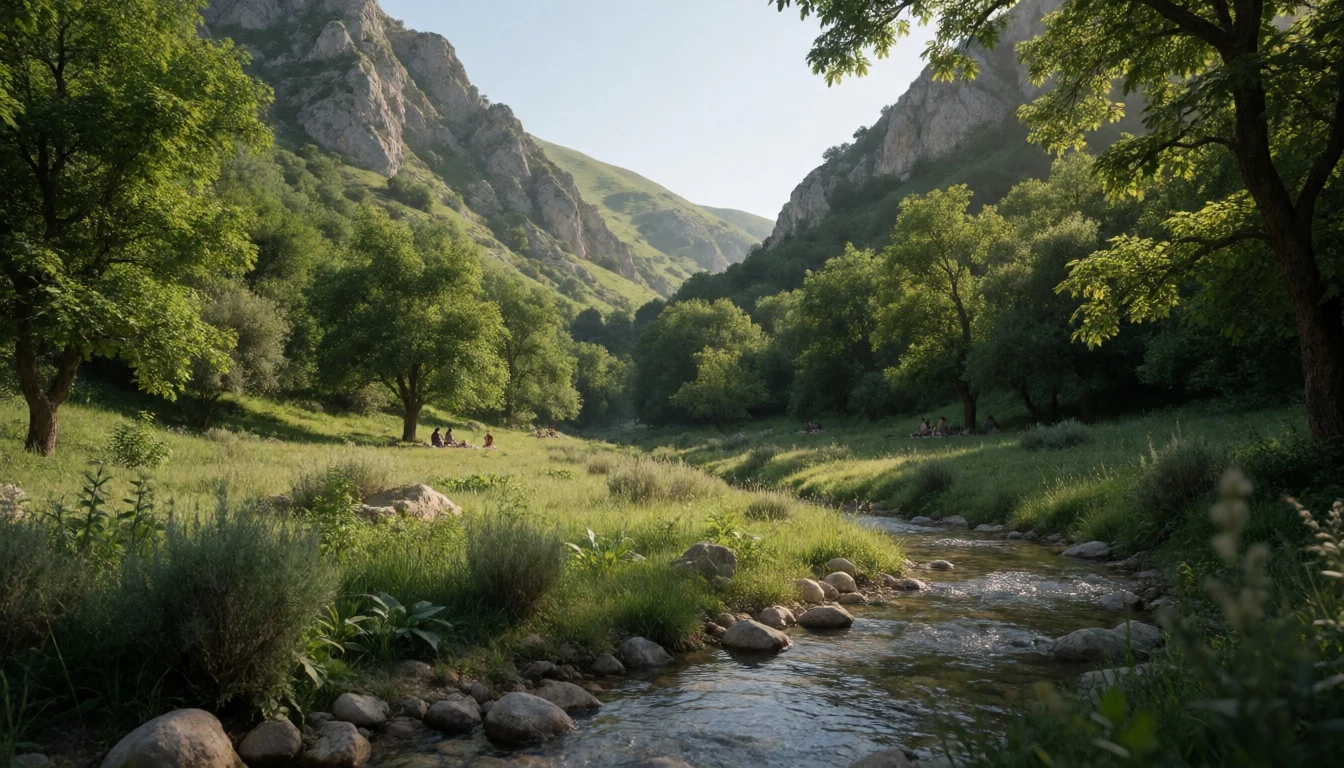
- Ranya Plain Shoreline — Ranya District
The northern shores of Lake Dukan touch the historic Ranya Plain, where quiet inlets meet rolling hills. Visitors come here to rent local wooden boats, swim in calm waters, or stroll along the water's edge. The surrounding terrain offers great vantage points to photograph the expansive water against distant mountain backdrops.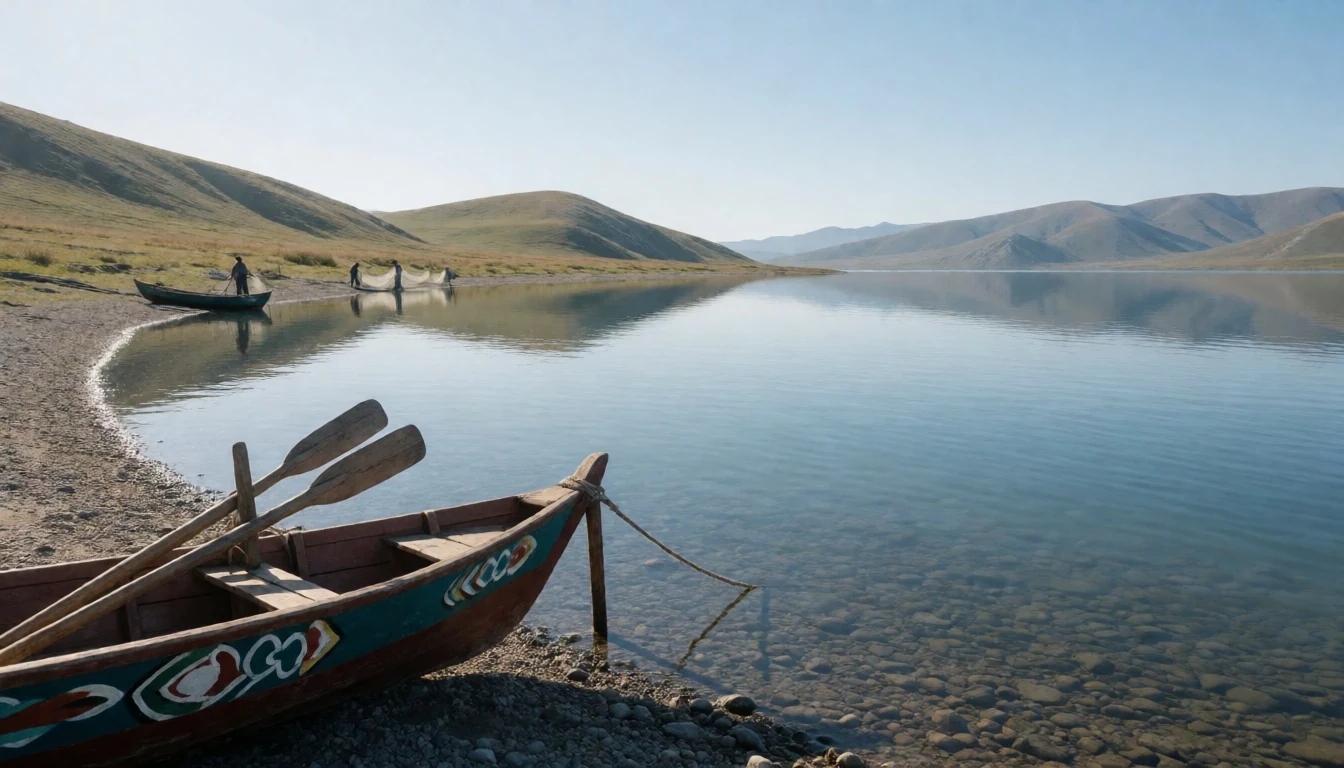
- Dukan Dam and Overlook — Dukan Town
The massive Dukan Dam holds back the Little Zab river, creating the expansive reservoir seen today. Visitors can drive to concrete overlooks near the dam structure to take in the sheer engineering scale and admire panoramic views where the lake narrows into the outflow canyon below.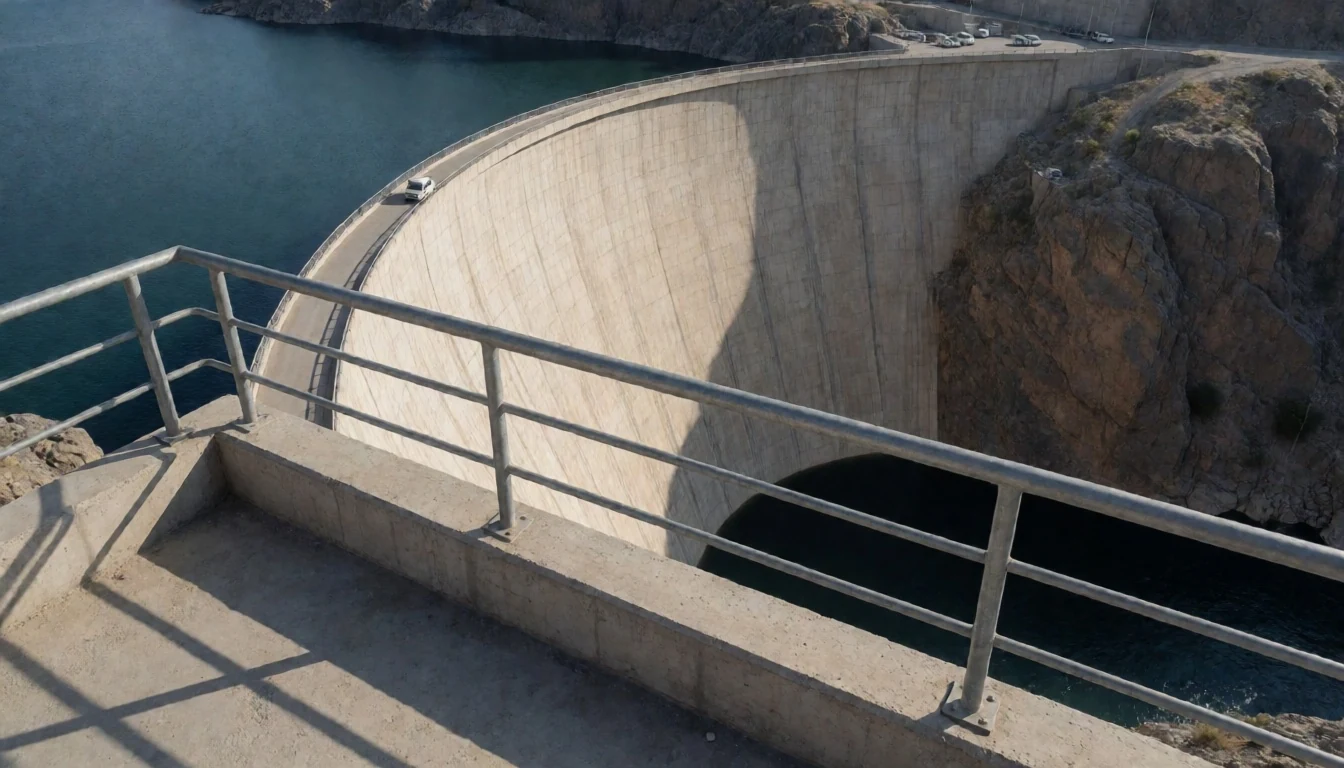
Culture
Culture around Lake Dukan is deeply defined by Kurdish traditions of hospitality, generous hosting, and outdoor living. Picnicking, locally referred to as seyran, is an essential weekend activity across Iraqi Kurdistan. During spring and early summer, multi-generational families travel to the lakeside with woven rugs, portable tea kettles, and elaborate home-cooked meals. Traditional music and lively line dancing, known as govend, often take place during festive family gatherings near the shore.
Language in the governorate is primarily Sorani Kurdish, and social life revolves around strong family bonds and shared hospitality. While Iraqi Kurdistan is welcoming and relatively relaxed, community values remain conservative outside major city centres. Visitors are greeted with genuine warmth, and learning a few basic Kurdish greetings is met with quick appreciation. When visiting rural villages or shorefront gathering spots around Lake Dukan, always ask for permission before photographing local people or family groups.
What to wear
Around Lake Dukan, dress reflects a mix of traditional Kurdish garments and practical modern clothing suited to the warm climate. Traditional men's attire, known as rang u chokh, consists of broad-legged trousers paired with a fitted jacket and a wide fabric sash wrapped around the waist, typically made from wool or heavy cotton in earth tones. Kurdish women wear vibrant, multi-layered dresses called kewas, featuring bright silks, sheer overlays, intricate embroidery, and gold accessories, which are proudly worn during weddings, Spring New Year celebrations (Newroz), and family picnics.
In daily life around Dukan and Sulaymaniyah, younger generations and urban residents routinely wear casual contemporary clothing such as jeans, polo shirts, and lightweight dresses. However, traditional outfits remain common among older locals in rural villages surrounding the reservoir.
For visitors to Lake Dukan, modesty and sun protection are key. Lightweight, breathable trousers, long skirts, and loose shirts made of linen or cotton work best for the summer heat. Women should dress modestly by covering shoulders and knees when visiting town centres or conservative villages. Sturdy hiking shoes or comfortable trainers are essential for navigating the rocky terrain and steep paths around the lake.
What to eat
- Masgouf (Grilled River Fish) — Lakeside fish eateries and riverside food stalls
Freshly caught fish from the lake or Little Zab river is butterflied, seasoned with salt and spices, and slow-grilled upright beside an open wood fire. Served with fresh flatbread, pickles, and lemon wedges, it is a staple lakeside feast.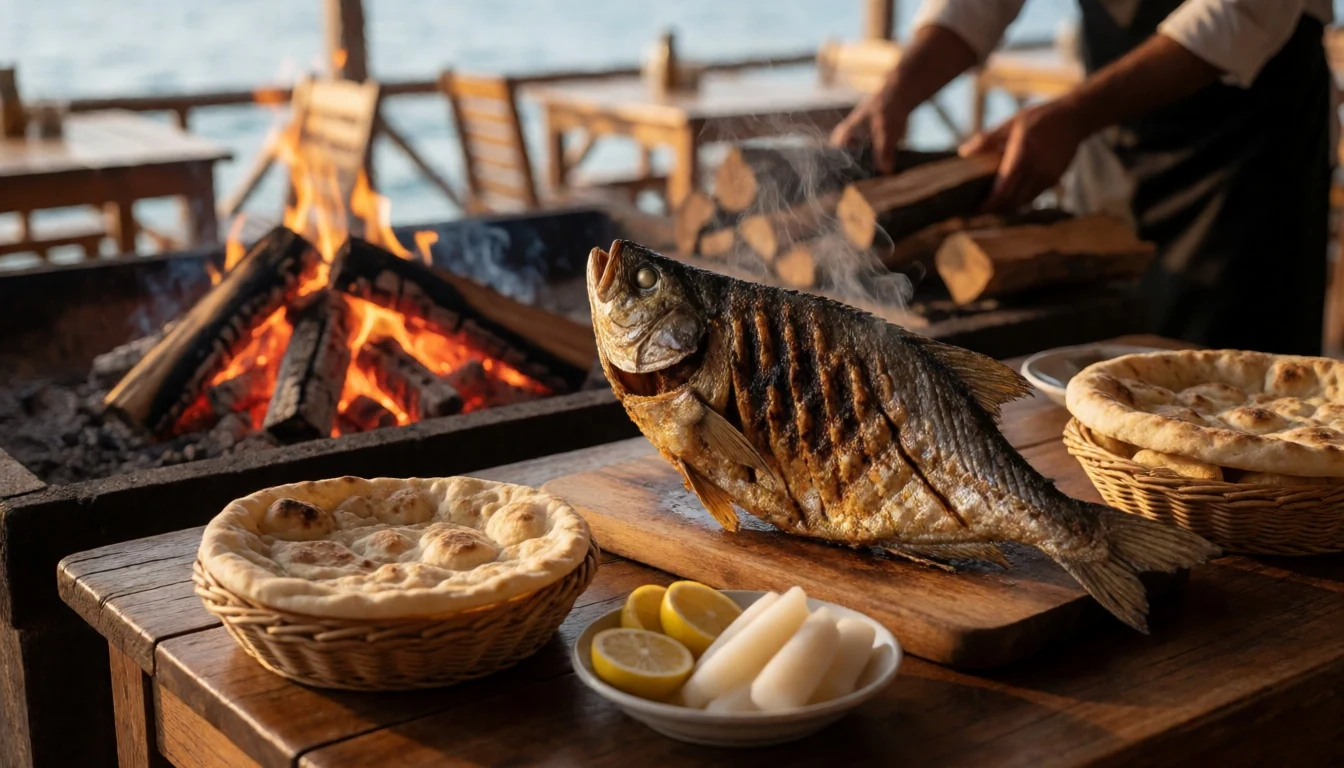
- Dolma (Stuffed Vegetables) — Family-run restaurants and picnicking spots
Grape leaves, onions, zucchini, and peppers are stuffed with spiced rice, minced meat, and herbs, then cooked together in a savory tomato broth. Families often pack large pots of hot dolma for afternoon picnic gatherings along the shoreline.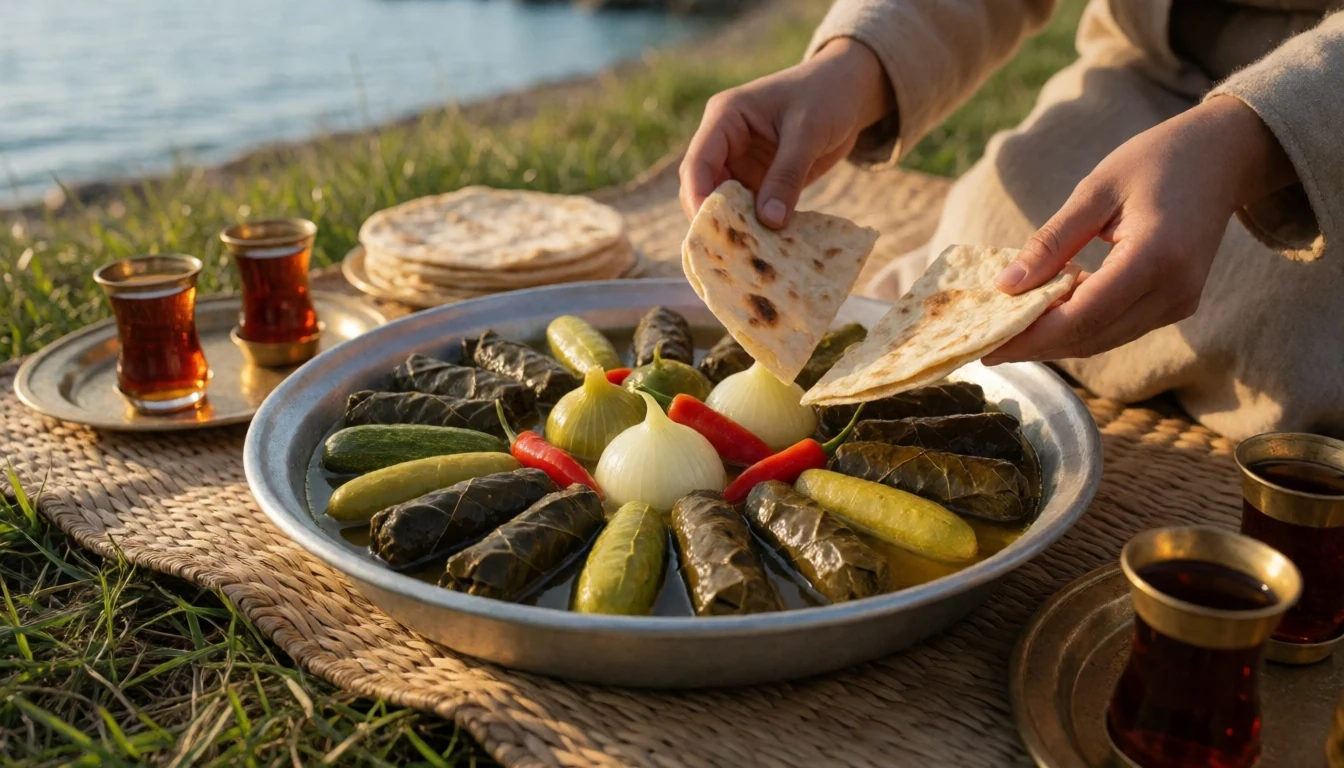
- Kurdish Rice and Stew (Beryani and Yaprak) — Traditional eateries in Dukan town and Sulaymaniyah
Fluffy aromatic rice served alongside slow-cooked stews made from lamb or chicken, eggplant, okra, or white beans. This hearty meal is cooked in rich tomato sauce and seasoned with local spices, served with fresh herbs on the side. - Nan-i Tiri (Thin Kurdish Flatbread) — Village bakeries and roadside stalls
Paper-thin flatbread baked on a convex metal griddle over open flames. Light and crispy when freshly cooked, this traditional bread accompanies almost every meal near Lake Dukan, ideal for scooping up grilled meats, white cheese, and dips. - Kurdish Chai (Sweet Black Tea) — Tea houses, shorefront cafes, and picnic camps
Strong black tea brewed slowly in double-tiered kettles and served piping hot in small, waist-shaped glass cups with generous sugar. It is offered constantly as a gesture of welcome to guests and enjoyed after every meal along the lake.
Plan it
Best time. March–May for green landscapes and mild temperatures, or October–November for pleasant sunny weather; July and August bring extreme summer heat.
How long. 2–3
Getting there. Fly into Sulaymaniyah International Airport, then take a private car or shared taxi north directly to Dukan town and the lake.
Budget. low
Tips
- Pack sturdy footwear for walking over uneven limestone rocks along the lake shore.
- Carry local Iraqi Dinars in cash, as small stalls and boat owners rarely accept cards.
- Bring plenty of drinking water and sun protection when exploring during summer months.
- Arrange private transport or rent a car for easy access to cave sites and mountain valleys.
Etiquette
- Dress modestly when passing through conservative rural villages and local markets.
- Always request permission before taking photographs of local residents.
- Accept tea when offered by local hosts as a standard sign of polite greeting.
Nearby
Sources
- Wikidata Q4115003 (CC0)
- Wikipedia Lake Dukan (rev 1366207667) (CC BY-SA 4.0)
- Wikivoyage Sulemania Governorate (rev 5235219) (CC BY-SA 4.0)
- Photo 01-lake-dukan-12.jpg (Public domain)
- Photo 02-5-lake-dukan-sulaymaniyah-governorate-iraqi-kurdistan.jpg (CC BY-SA 4.0)
- Photo 03-lake-dukan.jpg (Public domain)
- Photo 04-1-lake-dukan-sulaymaniyah-governorate-iraqi-kurdistan.jpg (CC BY-SA 4.0)
- Photo 05-2-lake-dukan-sulaymaniyah-governorate-iraqi-kurdistan.jpg (CC BY-SA 4.0)
- Photo 06-20190510-153318-koysinjaq-dukan-sulaymaniyah-kurdistan.jpg (Public domain)
- Photo 07-20190510-153415-koysinjaq-dukan-sulaymaniyah-kurdistan.jpg (Public domain)
- Photo 08-20190510-153418-koysinjaq-dukan-sulaymaniyah-kurdistan.jpg (Public domain)


