Lake Bled
Lake Bled, Slovenia
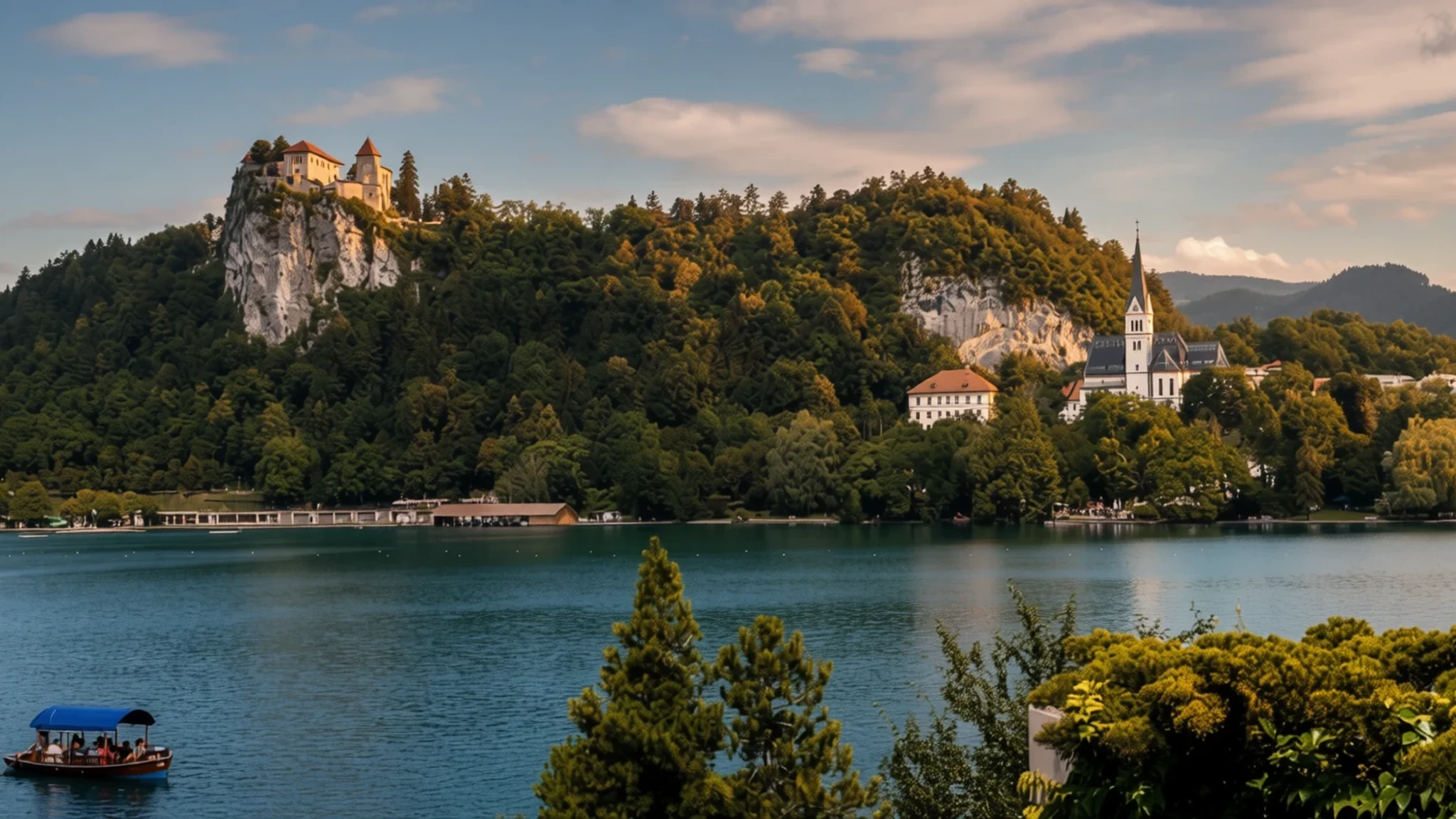
Visit Lake Bled for its emerald glacial waters, dramatic cliffside castle, and the peaceful, pine-fringed shores of the Julian Alps.
The place
Lake Bled sits in the northwestern corner of Slovenia, tucked into the rugged folds of the Julian Alps within the Upper Carniolan region. It is a glacial and tectonic body of water, shaped by ancient ice and earth movements, measuring over two kilometres long and more than a kilometre wide. Its greatest depth dips just shy of thirty metres. Adjoining the eastern shore is the town of Bled, while the western side features the Zaka Valley, where rowing competitions have historically taken place on its placid surface.
The setting feels almost theatrical. Steep, forested mountains rise sharply from the water, casting deep green reflections across the surface, while the northern shore is dominated by a medieval fortress clinging to a sheer rock face. A small, tear-shaped island breaks the water near the western end, home to a pilgrimage church that has drawn travellers for centuries. The surrounding area transitions from quiet lakeside paths into dense woodland trails that climb into the higher alpine elevations.
Travellers have made their way to these shores for generations, initially drawn not only by the scenery but also by the reputed therapeutic benefits of the local climate and thermal springs. Emperor Henry II of the Holy Roman Empire valued the location enough to gift the estate away in the early eleventh century. Today, the lake remains a cornerstone of Slovenian tourism, offering a stark contrast between the bustling lakeside promenade and the quiet, misty stillness of the early morning hours before the day-trippers arrive from the capital.
Its story
Long before medieval knights and emperors staked their claims, Lake Bled was a place of ritual and settlement. Archaeological finds indicate that the lakeshore served as an important cult centre during the Bronze Age. Excavations have uncovered delicate gold appliqués dating back thousands of years, carrying embossed patterns that experts believe mapped the movements of the solar and lunar years. These artefacts, similar to discoveries made in Switzerland, Bavaria, and Hungary, point to a community deeply attuned to the rhythms of the seasons and connected to wider European trade networks.
As the centuries turned, the shores transitioned from sacred gathering grounds to feudal estates. In the eleventh century, the German ruler Emperor Henry II granted the lakeside lands to the Bishops of Brixen. To secure the territory, construction began on Bled Castle, perched defensively on the north shore above the water. Over the medieval and early modern periods, ownership shifted through various noble houses as empires rose and fractured across Central Europe. The lands around the lake eventually became part of the Habsburg domains, tying the local destiny to the broader political shifts of Vienna.
By the nineteenth century, the region shed its strictly defensive and administrative character to become a fashionable health resort. Wealthy visitors from across the Austro-Hungarian Empire arrived to take the waters and stroll the wooded paths. Although the old empires have long since dissolved, leaving behind a modern democratic Slovenia, Lake Bled retains the layered echo of its past—from ancient Bronze Age rituals to the grand nineteenth-century spa culture that first put it on the modern traveller's map.
What to see
- Bled Island
The iconic island sits quietly at the western end of the lake, featuring a historic pilgrimage church and a slender bell tower. Visitors reach it by boarding traditional wooden boats rowed by local oarsmen from the shoreline.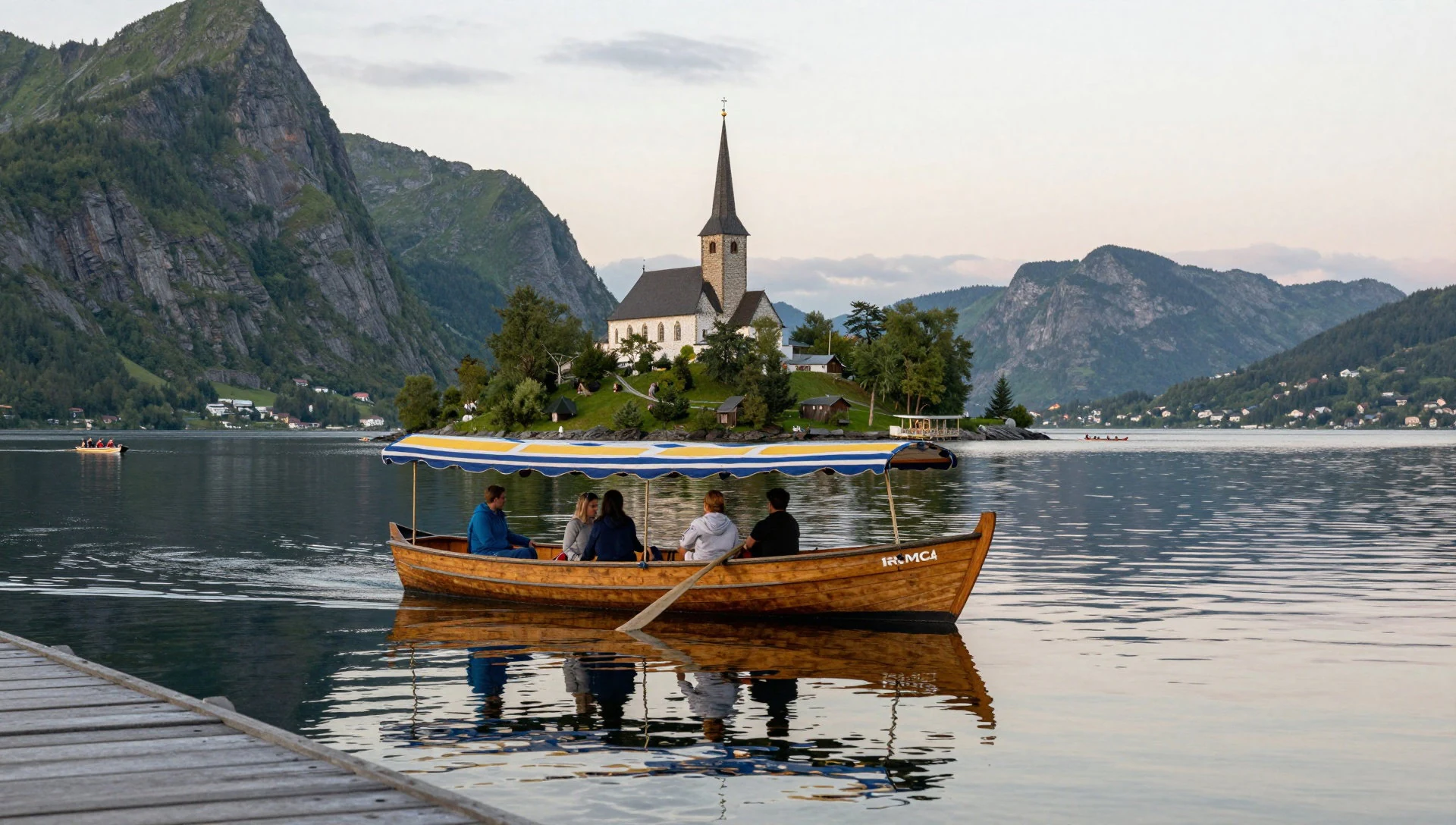
- Bled Castle
Perched dramatically on a steep cliff over one hundred metres above the north shore, this ancient fortress houses a museum detailing local history, a historic printing press, and sweeping panoramic viewpoints across the entire alpine basin.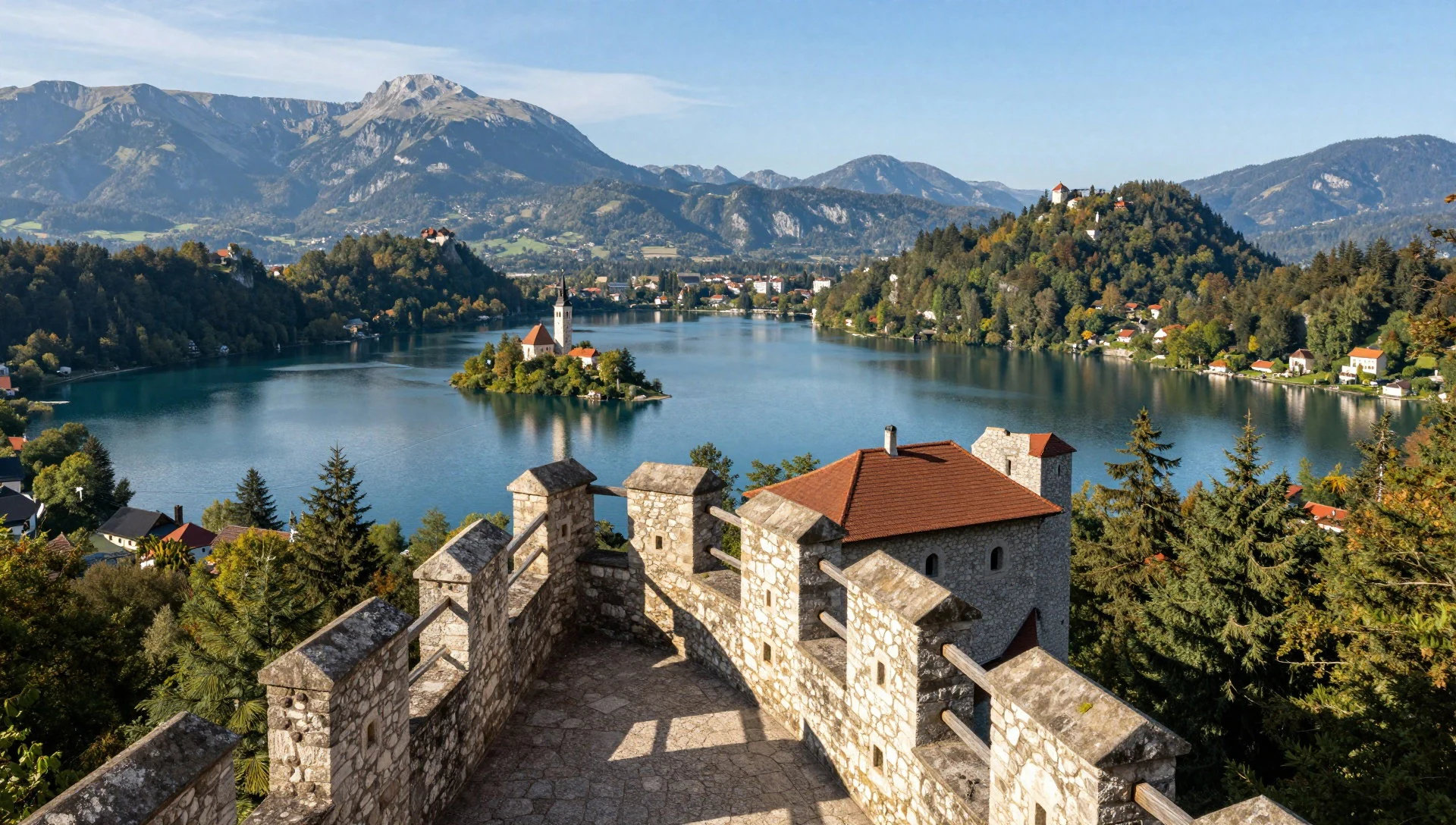
- Zaka Valley
Located at the quiet western end of the lake, the Zaka Valley serves as a peaceful hub for rowing and swimming. It provides a less crowded starting point for forest trails that lead up into the surrounding Julian Alps.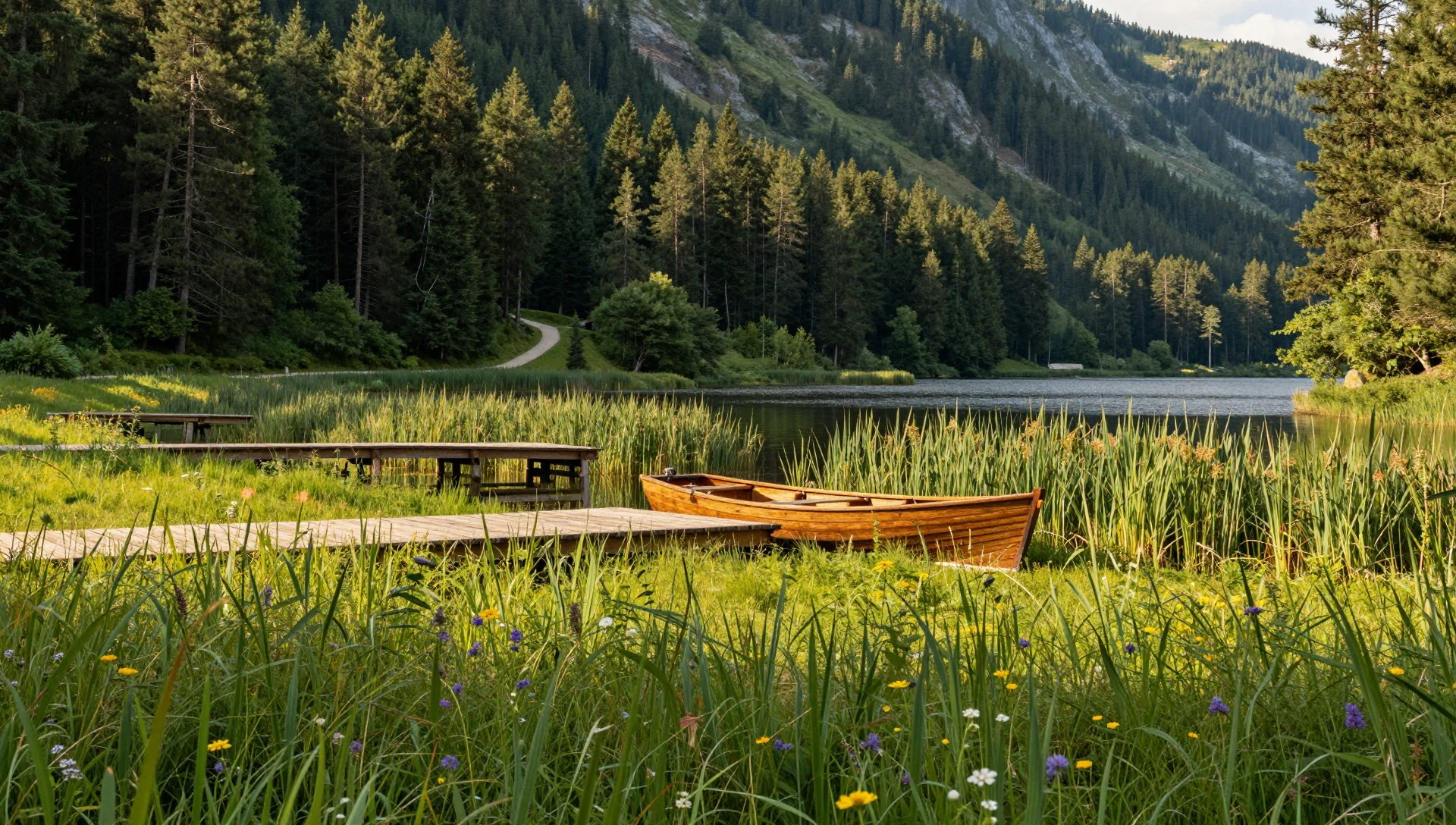
- The Lakeside Promenade
A paved path circles the entire perimeter of the lake, stretching for roughly six kilometres beneath the shade of weeping willows and chestnut trees. It offers uninterrupted views of the water and benches for quiet contemplation.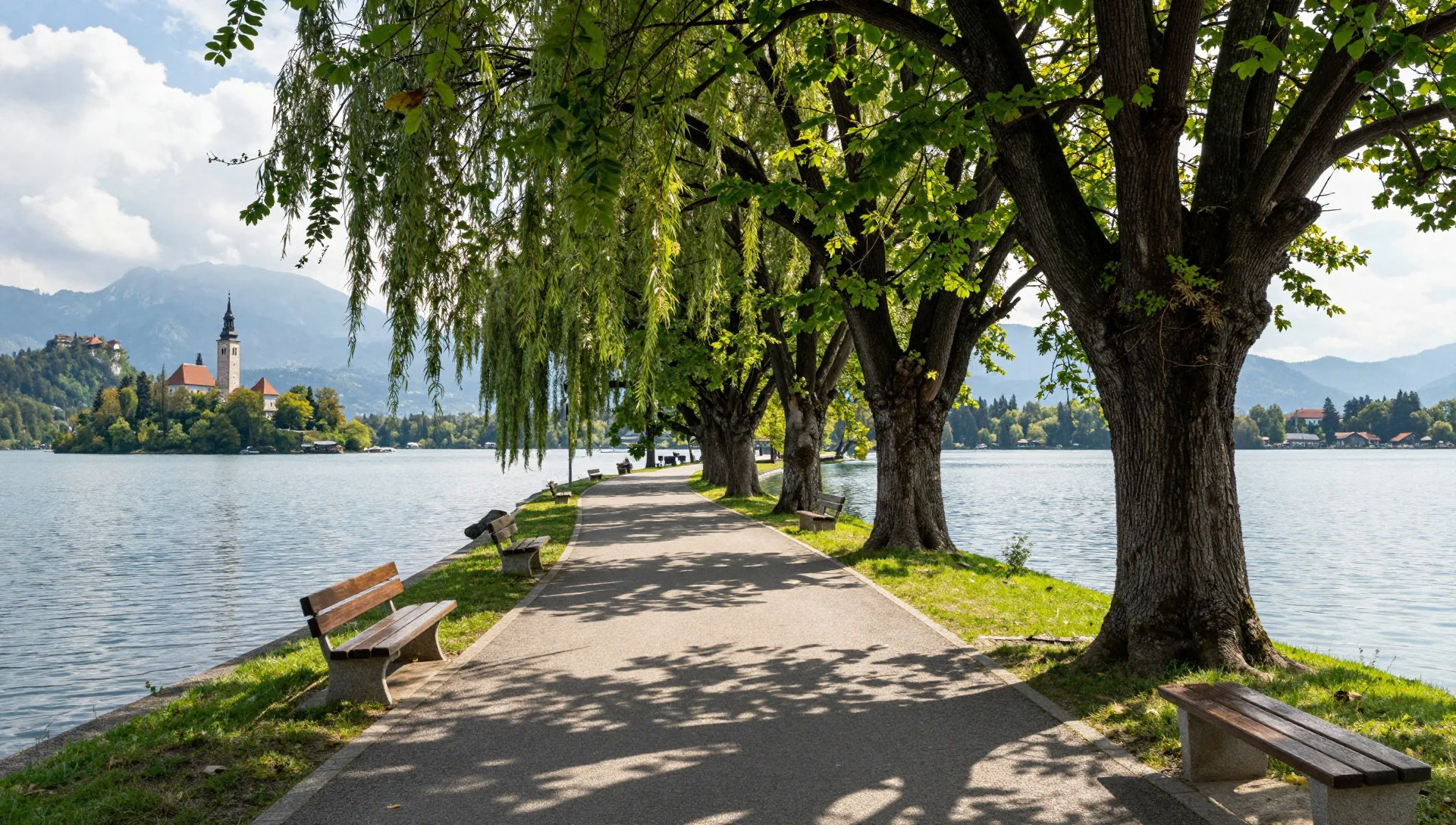
Culture
Slovenian culture around Lake Bled is deeply rooted in alpine traditions, community cooperation, and a profound respect for the natural environment. While the region has seen centuries of outside influence—from the Holy Roman Empire to the Habsburg monarchy—local identity remains distinctly proud and tied to the land. Traditional folklore often features tales of water nymphs and mountain spirits, reflecting the mystical atmosphere of the Julian Alps. Music plays an important role in local life, with traditional choral singing and accordion melodies echoing through community gatherings and festivals.
Everyday interactions are polite, understated, and warm. Slovenians value quiet hospitality and take immense pride in keeping their towns and natural landscapes meticulously clean. Environmental stewardship is not just a policy but a cultural norm; visitors will notice that litter is virtually non-existent and recycling is taken very seriously. Cafés around the lake serve as social hubs where people gather to converse over coffee and pastry without rushing. When entering churches, particularly the pilgrimage church on the island, modest dress is expected, covering shoulders and knees. Always keep your voice subdued when visiting sacred or quiet natural spaces.
What to wear
Traditional attire in the Upper Carniolan region is preserved for cultural festivals, folk dance performances, and national holidays. For women, this historically included embroidered linen blouses, layered skirts, and a distinctive apron, often accompanied by a structured headdress. Men traditionally wore wool trousers, embroidered waistcoats, and felt hats. These garments feature intricate needlework and regional motifs that once denoted social status and home village.
Today, locals and visitors dress in modern, practical clothing suited for alpine weather and outdoor recreation. Layering is essential around the lake, as temperatures can shift rapidly between bright sunshine and chilly mountain air. For exploring the trails or walking the six-kilometre lakeside path, sturdy walking shoes or comfortable trainers are a necessity. If you plan to dine in nicer restaurants around the town centre or visit the castle's formal areas in the evening, smart-casual attire is standard. Swimwear is welcome along the designated swimming areas during the warmer months, but cover-ups should be worn when walking through the residential streets of Bled.
What to eat
- Bled Cream Cake (Kremšnita) — Local cafés and patisseries along the lakefront promenade
The definitive local specialty, featuring a thick layer of vanilla custard and whipped cream sandwiched between crisp layers of golden puff pastry and dusted with icing sugar. Find it in almost any traditional café or patisserie near the lake shore.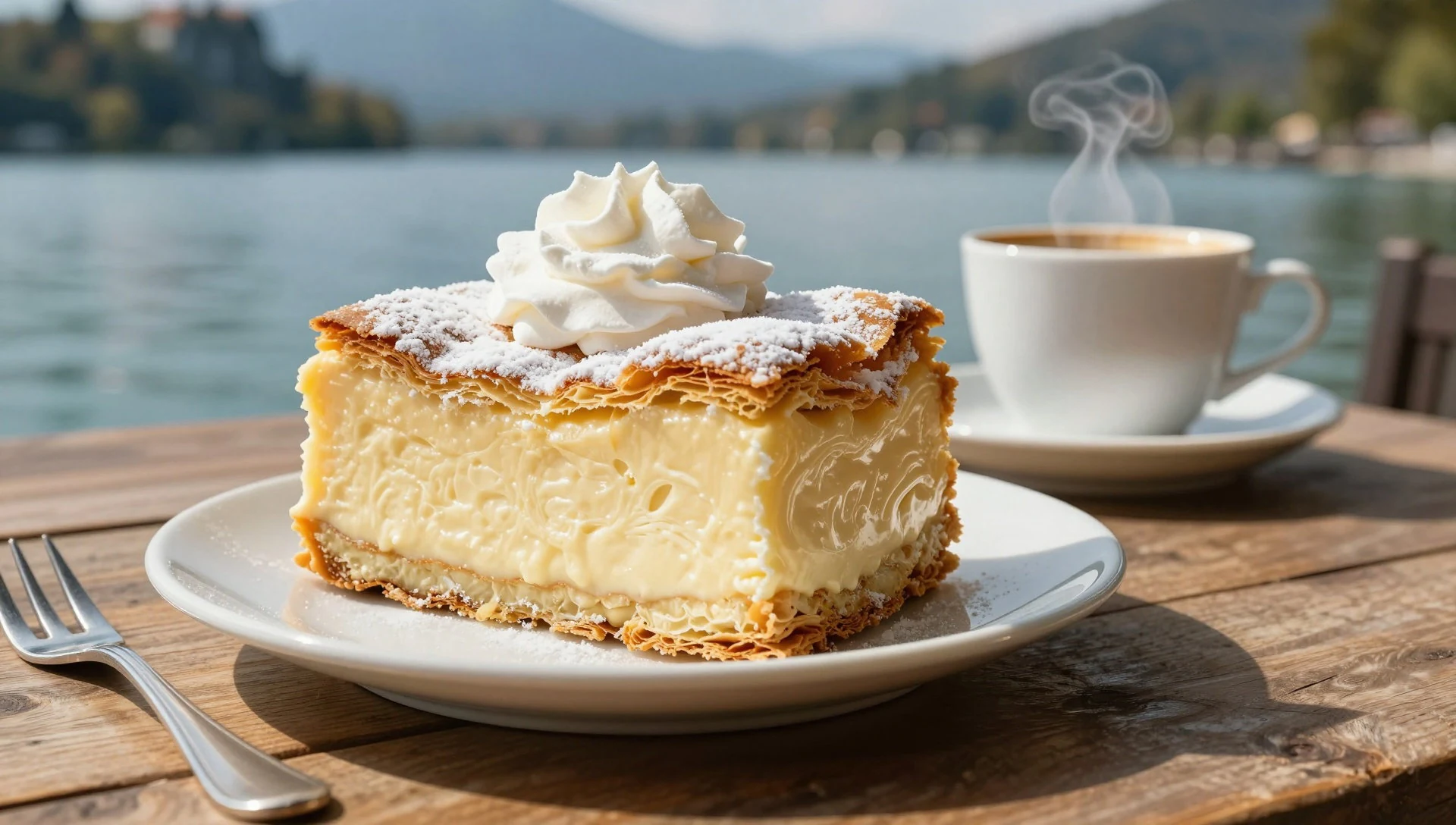
- Carniolan Sausage (Kranjska Klobasa) — Traditional gostilnas and inns in Bled town
A protected Slovenian pork sausage seasoned simply with garlic, salt, and pepper, traditionally served hot with mustard, horseradish, and crusty bread. Enjoy it at local alpine inns and traditional gostilnas around the town.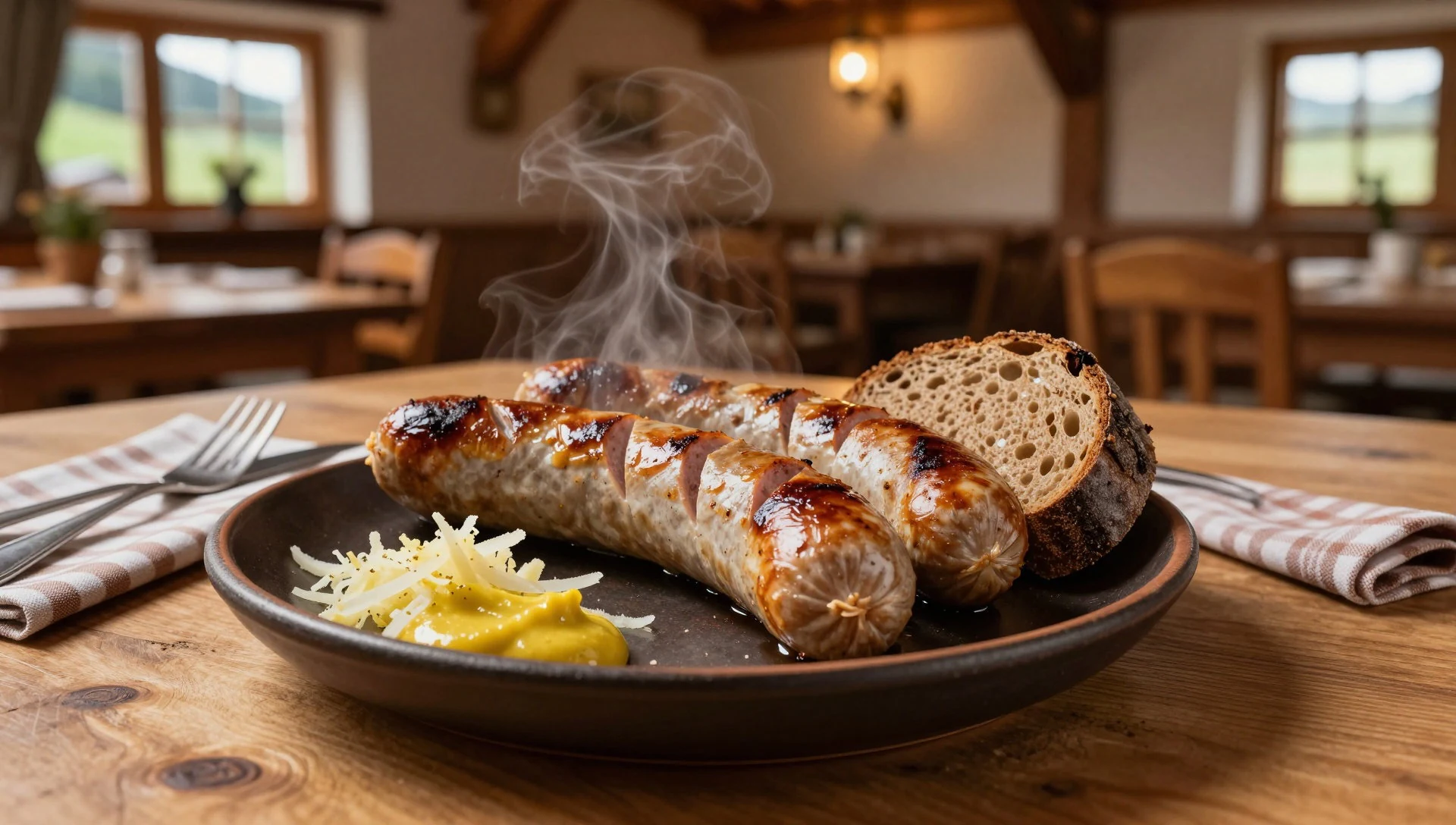
- Potica — Local bakeries and family-run coffee shops
A traditional rolled dough pastry baked with various rich fillings, most commonly ground walnuts, tarragon, poppy seeds, or honey. Slices can be found in local bakeries and are traditionally served during festive occasions and holidays.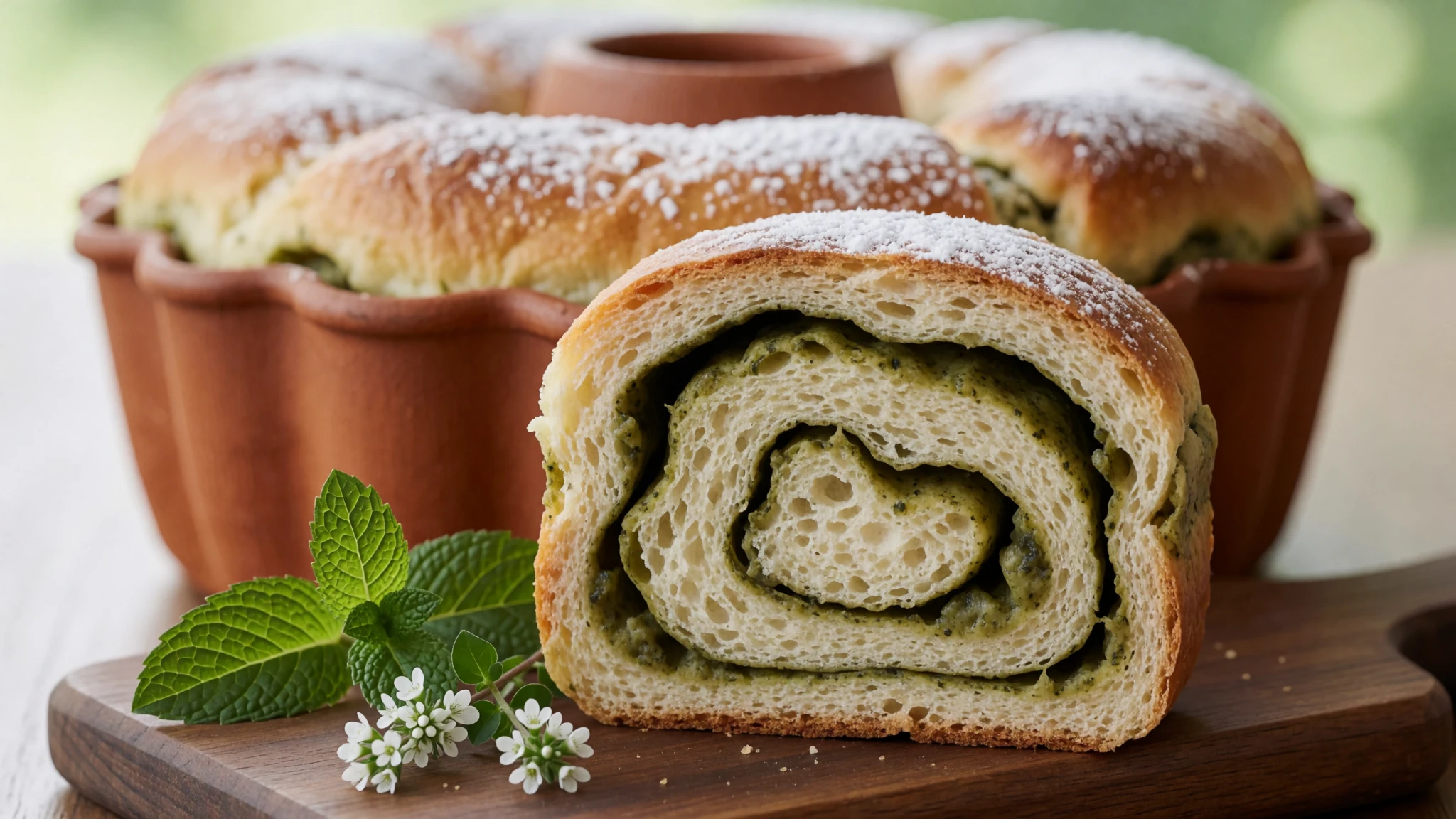
- Alpine Trout — Restaurants overlooking the water on the east shore
Fresh fish caught directly from the cold waters of the surrounding rivers and lakes, usually pan-fried with garlic butter and herbs, and served alongside boiled potatoes or Swiss chard. Look for it on the menu at lakeside restaurants.
Plan it
Best time. May to September offers warm weather ideal for swimming and hiking, while autumn brings brilliant foliage to the surrounding forests and spring offers quieter trails.
How long. 2–3
Getting there. Fly into Ljubljana International Airport, then take a bus or taxi for the remaining distance to the lake, or catch a train to the nearby Lesce–Bled station.
Budget. mid
Tips
- Arrive before 8 am to experience the lakeside path and island without the midday crowds.
- Wear comfortable walking shoes if you plan to hike the forest trails or climb up to the castle.
- Carry some cash for small purchases at market stalls and boat tickets to the island.
- Drink the tap water, which is exceptionally clean and drinkable throughout the region.
Etiquette
- Keep noise levels low when visiting the island church and other quiet natural spots.
- Dress modestly with covered shoulders and knees when entering religious buildings.
- Dispose of all waste responsibly and adhere to local recycling practices.
Nearby
Sources
- Wikidata Q648902 (CC0)
- Wikipedia (rev 1382814997) (CC BY-SA 4.0)
- Wikivoyage (rev 5378189) (CC BY-SA 4.0)
- Photo 01 (CC BY-SA 4.0)
- Photo 02 (CC BY 3.0)
- Photo 03 (CC BY-SA 4.0)
- Photo 04 (CC0 1.0)


