Lake Annecy
Lake Annecy, France
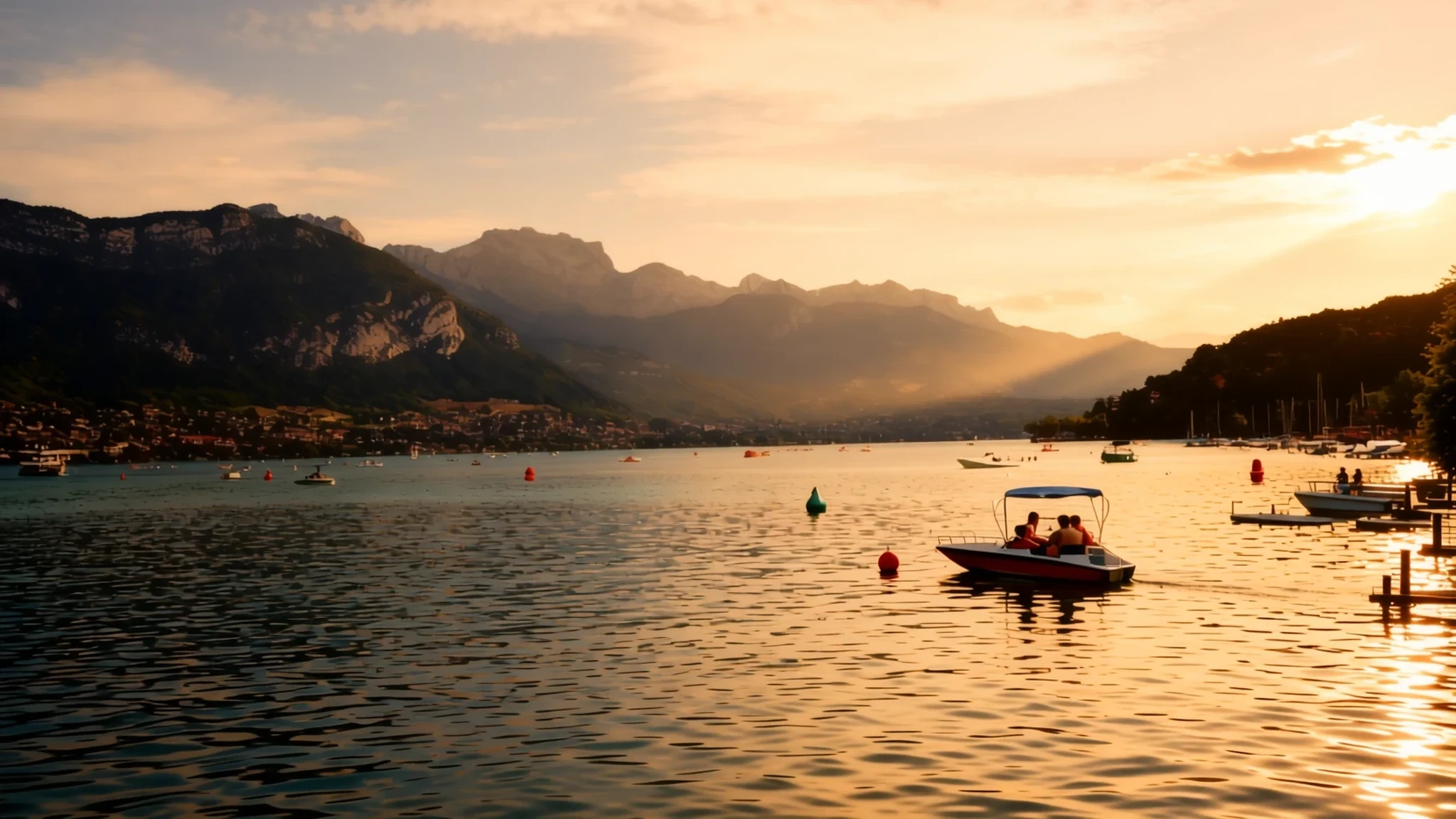
Lake Annecy offers crystal-clear alpine waters, medieval canals, and panoramic mountain trails in the heart of Haute-Savoie.
The place
Lake Annecy is a perialpine lake situated in the Haute-Savoie department of southeastern France. Taking its name from the adjacent city of Annecy, which marks the northern outlet where waters drain into the Thiou river, the body of water sits in a protected natural bowl ringed by peaks. The shoreline alternates between public lawns, reed beds, wooded promontories, and charming lakeside villages such as Talloires and Saint-Jorioz. The water is celebrated for its clarity and quality, maintained by strict environmental regulations implemented decades ago. Visitors are drawn to its shores for swimming, sailing, rowing, and simply walking along the waterside paths that connect the urban centre to quieter coves. While the immediate vicinity of the old town draws significant crowds during the warmer months, venturing slightly further along the eastern or western shores reveals quieter corners where the scale of the surrounding mountains feels much closer. The lake serves as both a vibrant recreation ground and a peaceful retreat, offering distinct moods depending on whether one remains by the urban canals or climbs the nearby slopes to view the entire basin from above.
Its story
Lake Annecy owes its existence to the massive alpine glaciers that carved through the landscape millennia ago. As these enormous rivers of ice retreated, they left behind a deep basin fed by numerous small tributary streams descending from the steep surrounding heights, alongside a powerful underwater spring known as the Boubioz. For centuries, the lake provided sustenance through fishing and transport for the communities along its banks, while the city of Annecy developed as a regional administrative and ecclesiastical centre. The medieval canals running through the historic core were engineered to harness the outflow of water, powering mills, tanneries, and workshops that drove the early local economy. Over the generations, the region transitioned from an industrial and agricultural hub into one of France's premier leisure destinations. Artists and writers were drawn to the dramatic light on the water and the sheer limestone faces of the peaks rising directly from the shoreline. Today, the collective heritage of the lake is preserved not only in its medieval architecture and castle museums but also in the ongoing efforts of local authorities to protect the fragile alpine ecology from the pressures of modern tourism.
What to see
- Palais de l'Isle — Historic centre canals
This striking former medieval palace and prison rests on a triangular stone islet directly in the middle of the canal. Its distinct prow-like shape makes it one of the most photographed architectural landmarks in the historic centre.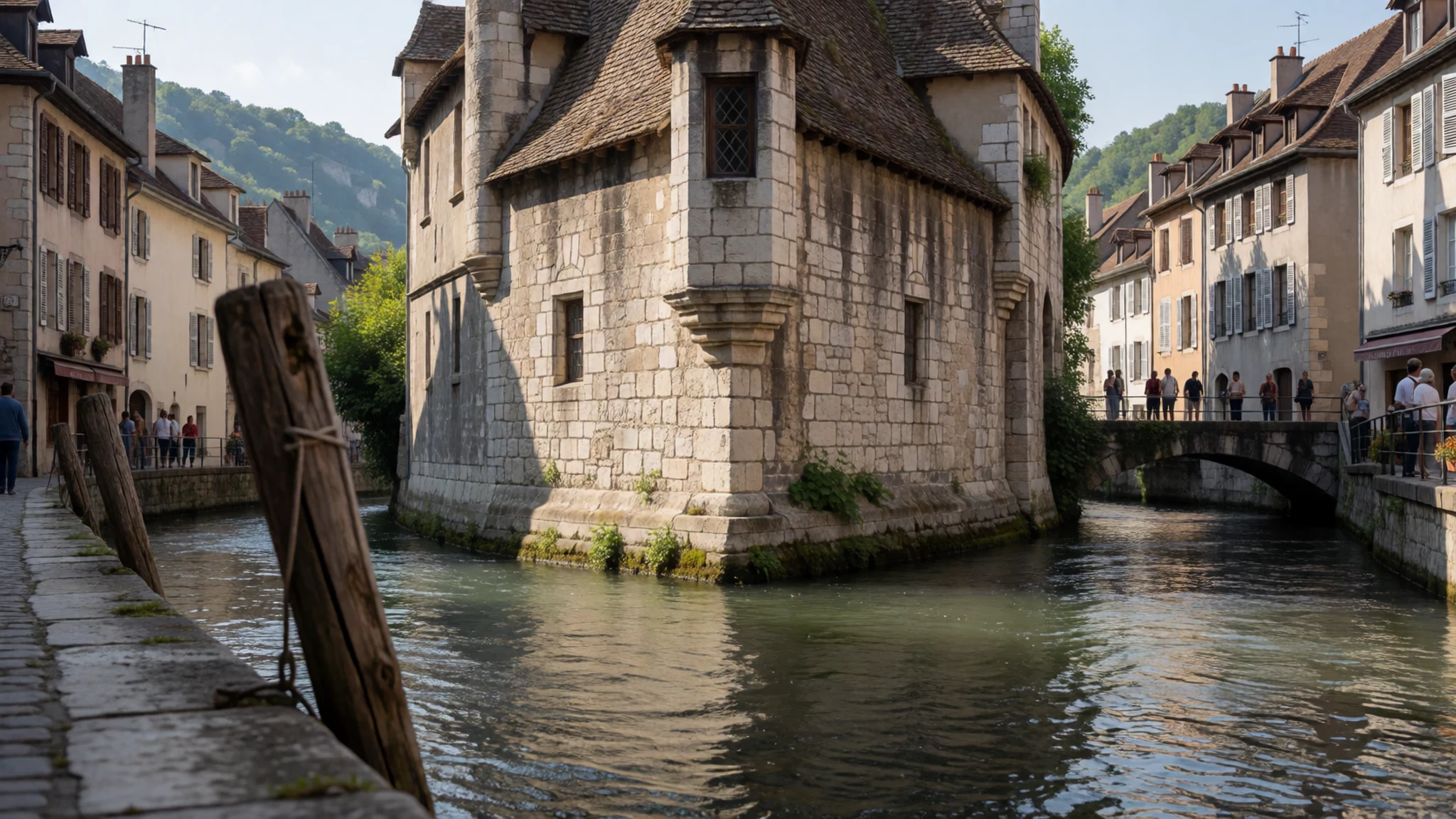
- Annecy Castle — Castle hill
Perched on a rocky eminence overlooking the old town, this fortified residence commands fine views across the rooftops and the water. Inside, the museum rooms display traditional regional furniture, medieval sculptures, and contemporary art exhibitions.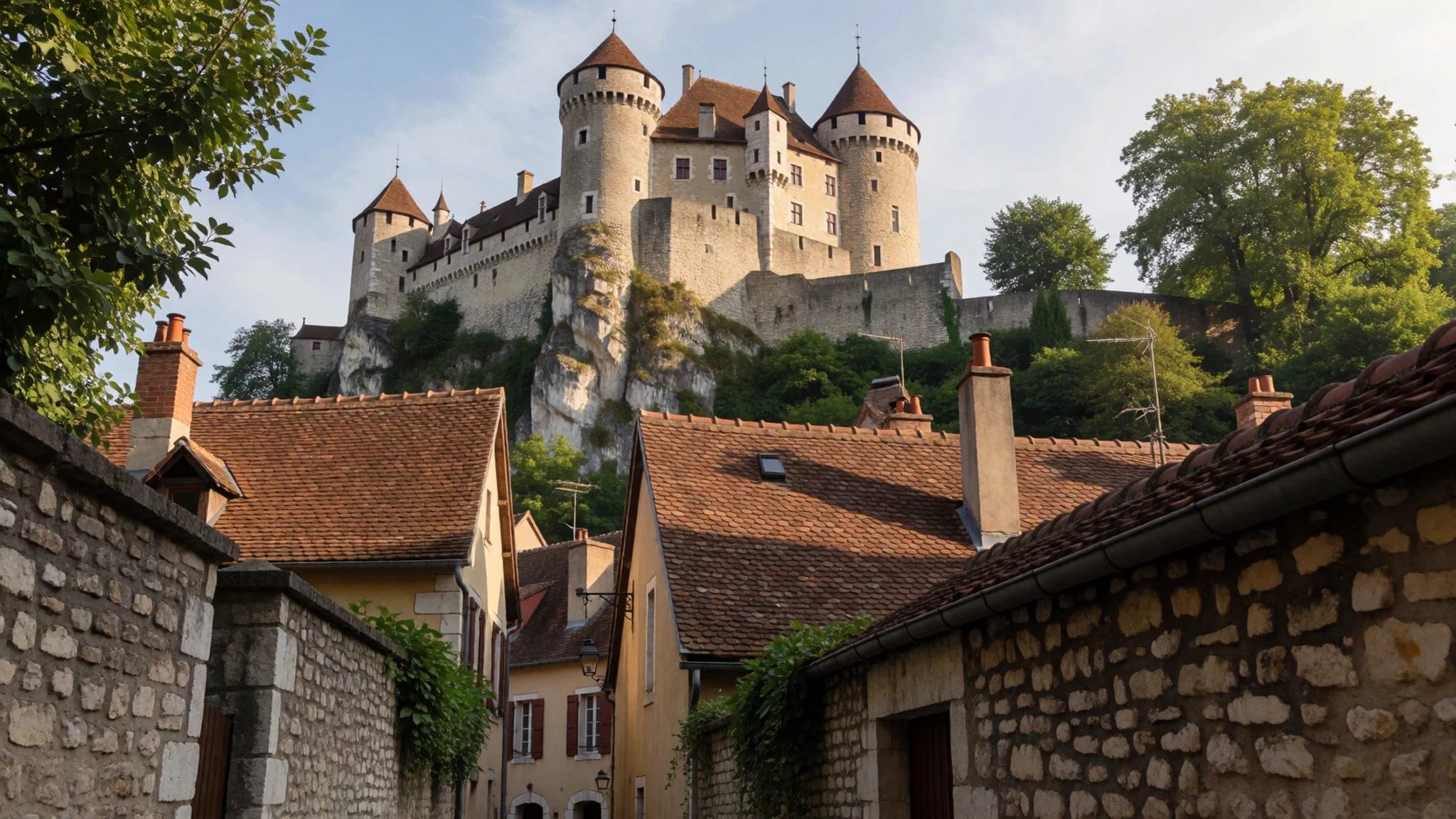
- Basilica of the Visitation — Southern slopes
Situated on the slopes south of the city centre, this early twentieth-century sanctuary holds the tombs of Saint Francis de Sales and Saint Joan of Chantal. The broad esplanade in front offers an exceptional vantage point over the entire lake basin.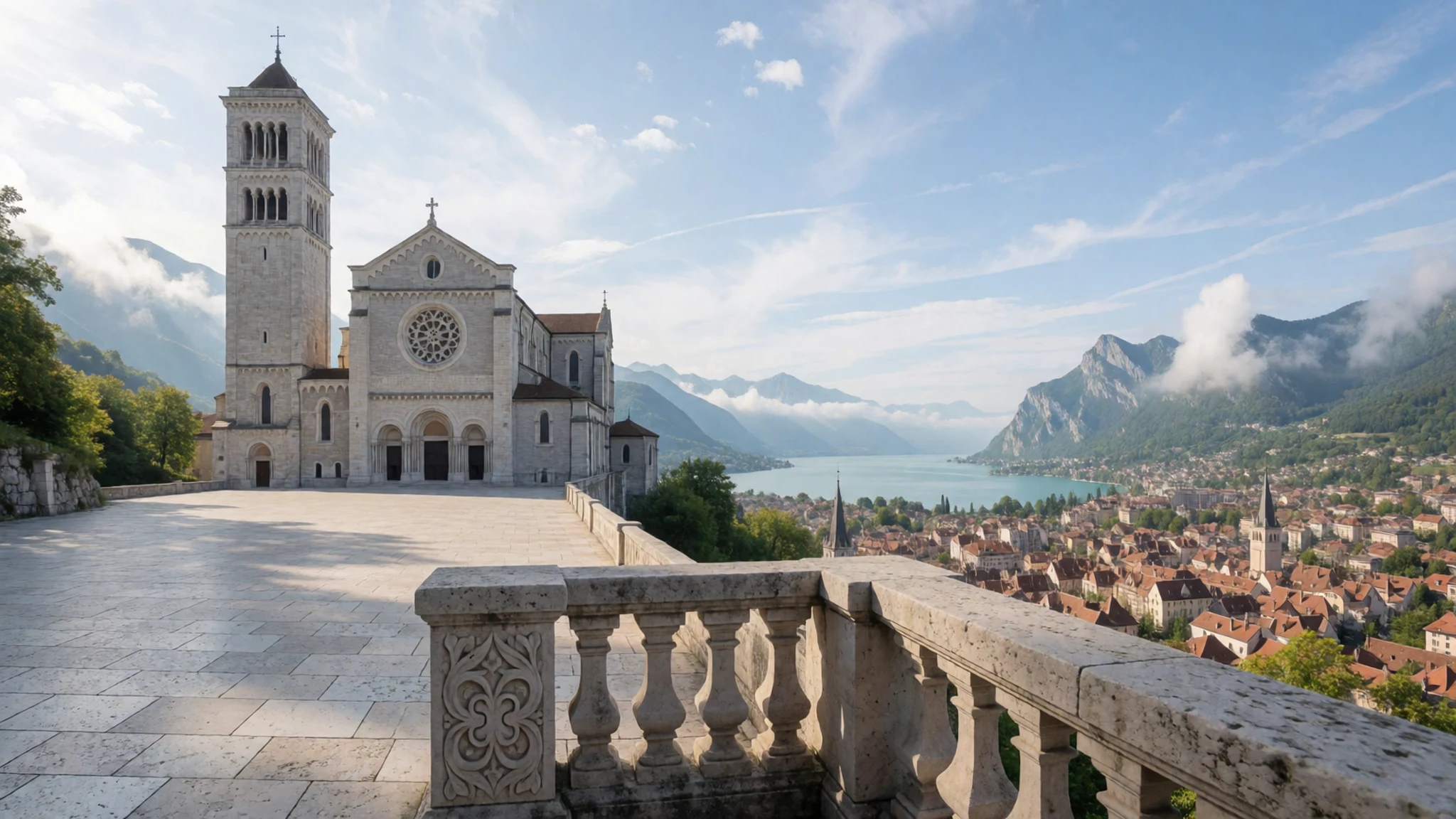
- Saint-Maurice Church — Old town
Constructed during the fifteenth century in a flamboyant Gothic architectural style, this church features ancient interior paintings and historic chapels that reflect the religious art traditions of the region through successive centuries.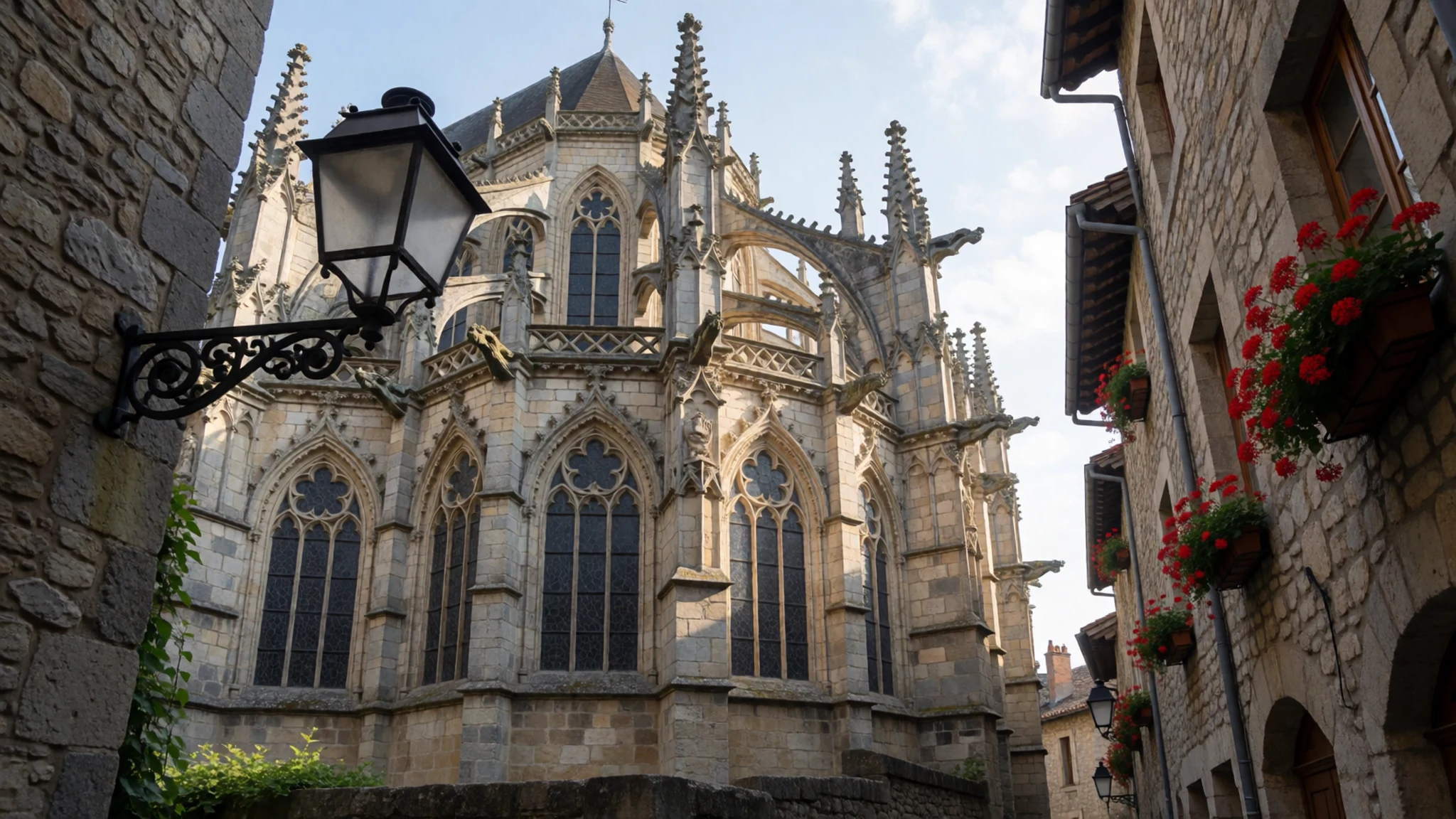
- Museum of Animated Film — Near the canals
This intimate exhibition space celebrates the city's strong connection to the animation industry. Visitors can inspect original production cels, storyboards, and stop-motion models, alongside early optical devices demonstrating the evolution of moving images.
Culture
Lake Annecy shares the refined yet relaxed cultural traditions of the Haute-Savoie region, where Alpine customs blend effortlessly with French culinary and social etiquette. Life here moves to the rhythm of the seasons, shifting from winter sports in the nearby mountains to summer swimming, sailing, and cycling along the water. Traditional festivals, village markets, and local gatherings celebrate regional crafts, music, and mountain heritage. Artisans and makers take pride in local products, from cheeses crafted in high-altitude pastures to handmade chocolates and pastries. Locals value politeness, greeting shopkeepers with a polite 'bonjour' upon entering and 'au revoir' upon leaving. While the atmosphere around the waterfront is international and welcoming, visitors should remain mindful of local residents in residential quarters away from the main tourist strips. Always keep noise levels moderate when walking through quiet residential streets late in the evening.
What to wear
Lake Annecy fashion reflects a practical blend of alpine utility and relaxed French chic. Traditionally, working communities in Haute-Savoie wore sturdy woollen garments, heavy jackets, and sensible leather footwear suited to rugged mountain terrain and cold winters. Today, residents in Annecy and the surrounding lakeside towns dress in contemporary European styles, favouring tailored coats, scarves, and comfortable walking shoes for navigating the cobbled pedestrian lanes. Visitors planning time on Lake Annecy should pack layers suitable for changing weather conditions, including a windproof jacket for boat trips, sturdy trainers or walking shoes for exploring hillside trails, and swimwear for the public beaches. When moving from the lakeside promenades into churches or formal dining establishments, modest attire covering shoulders and knees is expected.
What to eat
- Fondue and Raclette — Specialist cheese restaurants in the old town
Rich, melted cheese dishes featuring regional Alpine cheeses served with potatoes, bread, and cured meats, perfect after a day outdoors.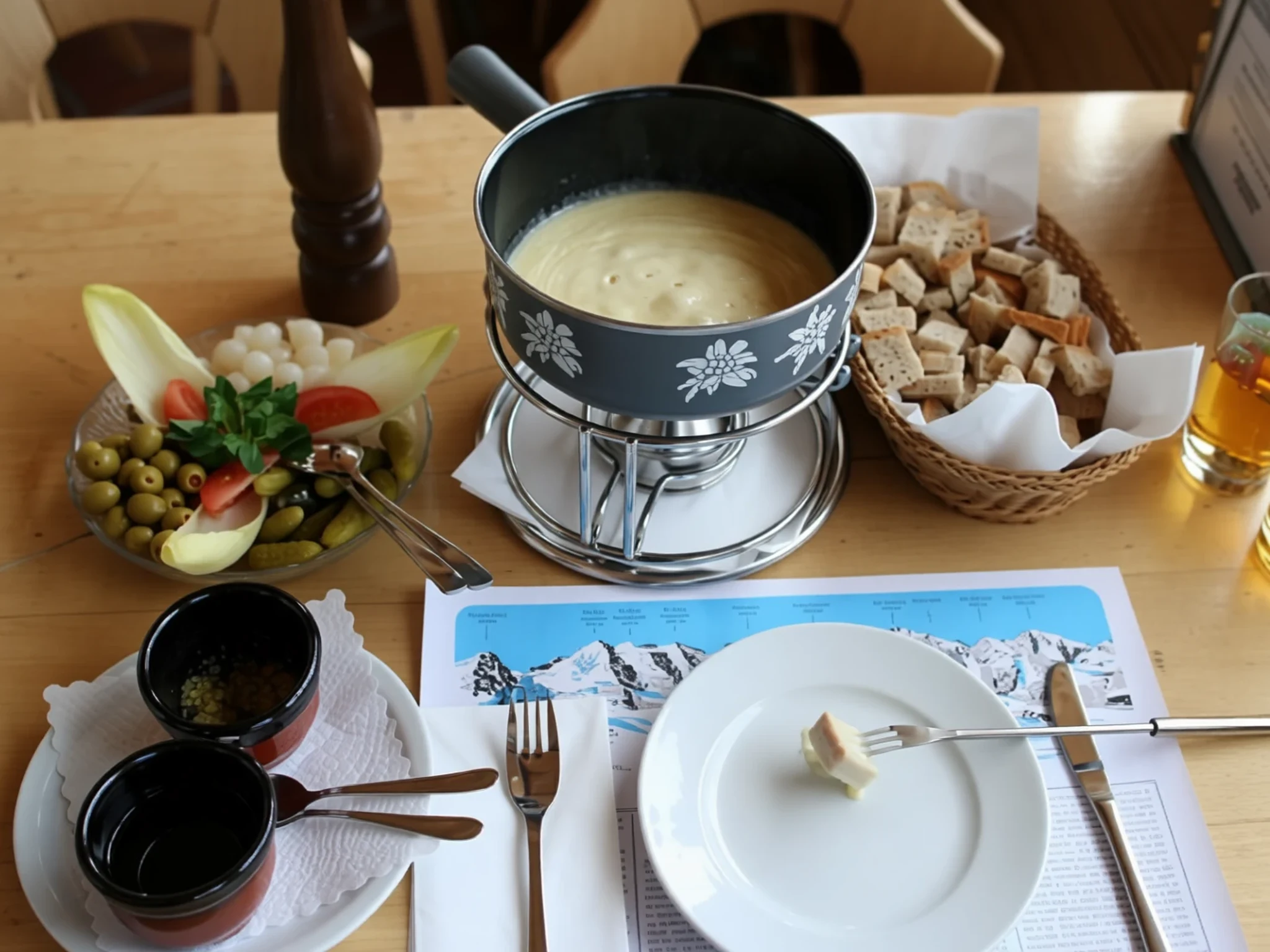
- Artisan Gelato — Ice cream parlours along the canal walkways
Handmade ice creams offered in dozens of distinct flavours, popular to enjoy while strolling along the pedestrian canals.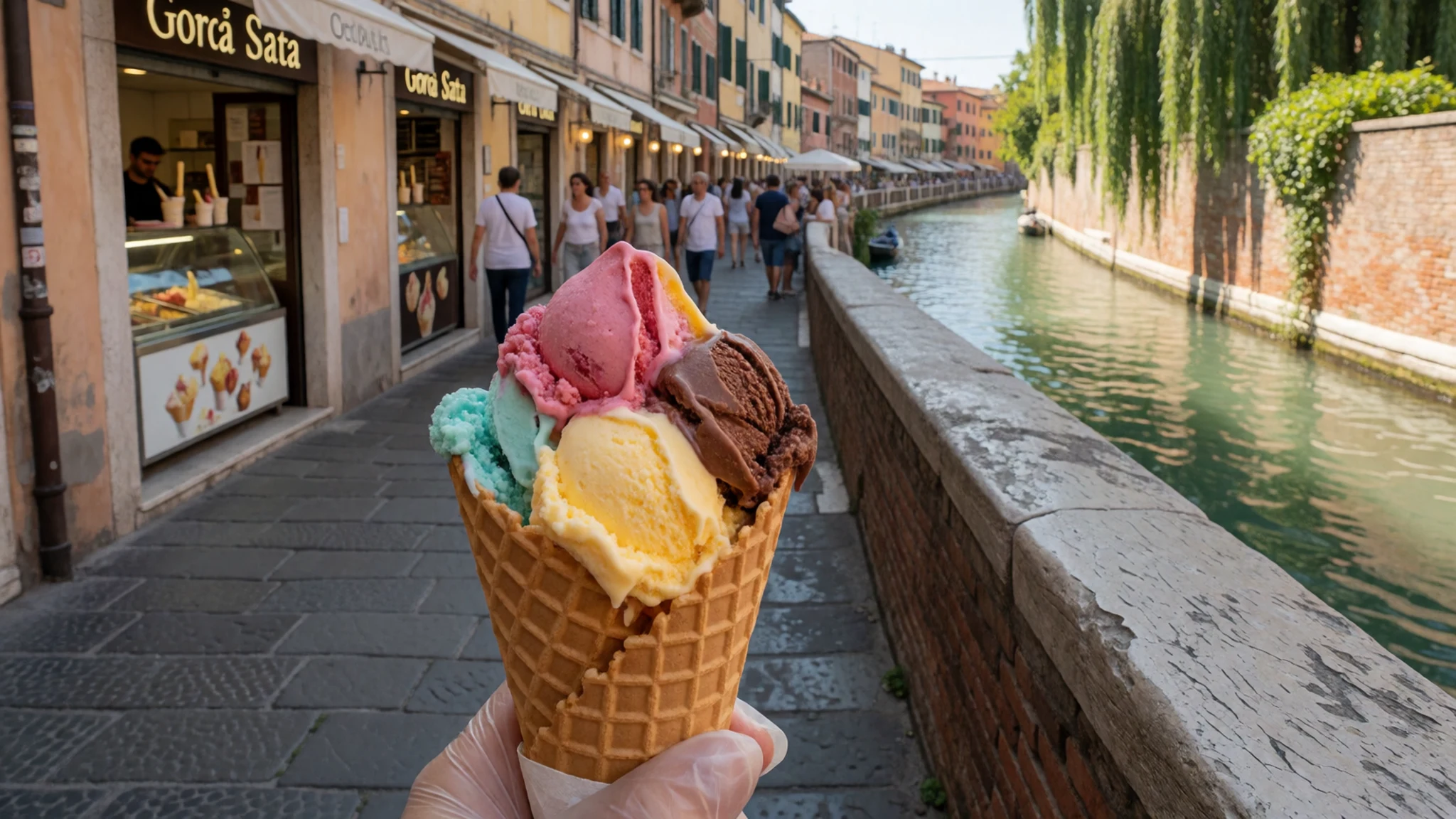
- Brioche and Pastries — Traditional neighbourhood bakeries throughout town
Sweet yeast rolls, flaky croissants, and regional baked goods prepared fresh every morning. - Lake Fish — Waterside restaurants around the lake
Fresh catches from the clear alpine waters, including trout and whitefish, often prepared simply with butter and herbs.
Plan it
Best time. May to September offers warm weather for swimming, boating, and cycling around Lake Annecy, while winter brings proximity to nearby ski resorts.
How long. 3–4
Getting there. Fly into Geneva airport and take a direct shuttle bus or drive for about 35 minutes, or take the train from Lyon or Paris to Annecy station.
Budget. mid
Tips
- Rent a bicycle to explore the dedicated lakeside path around the water.
- Start early in the morning to enjoy the old town canals before the daytime crowds arrive.
- Carry a reusable water bottle for the public fountains located throughout the streets.
- Book table reservations in advance if visiting popular cheese restaurants in the evening.
Etiquette
- Always greet shopkeepers with 'bonjour' when entering a store.
- Keep noise levels low when walking through residential areas near the lake at night.
- Dress respectfully with covered shoulders when visiting churches and religious sites.
Nearby
Sources
- Wikidata Q576704 (CC0)
- Wikipedia (CC BY-SA 4.0)
- Wikivoyage (CC BY-SA 4.0)