Laguna Parón
Laguna Parón, Peru
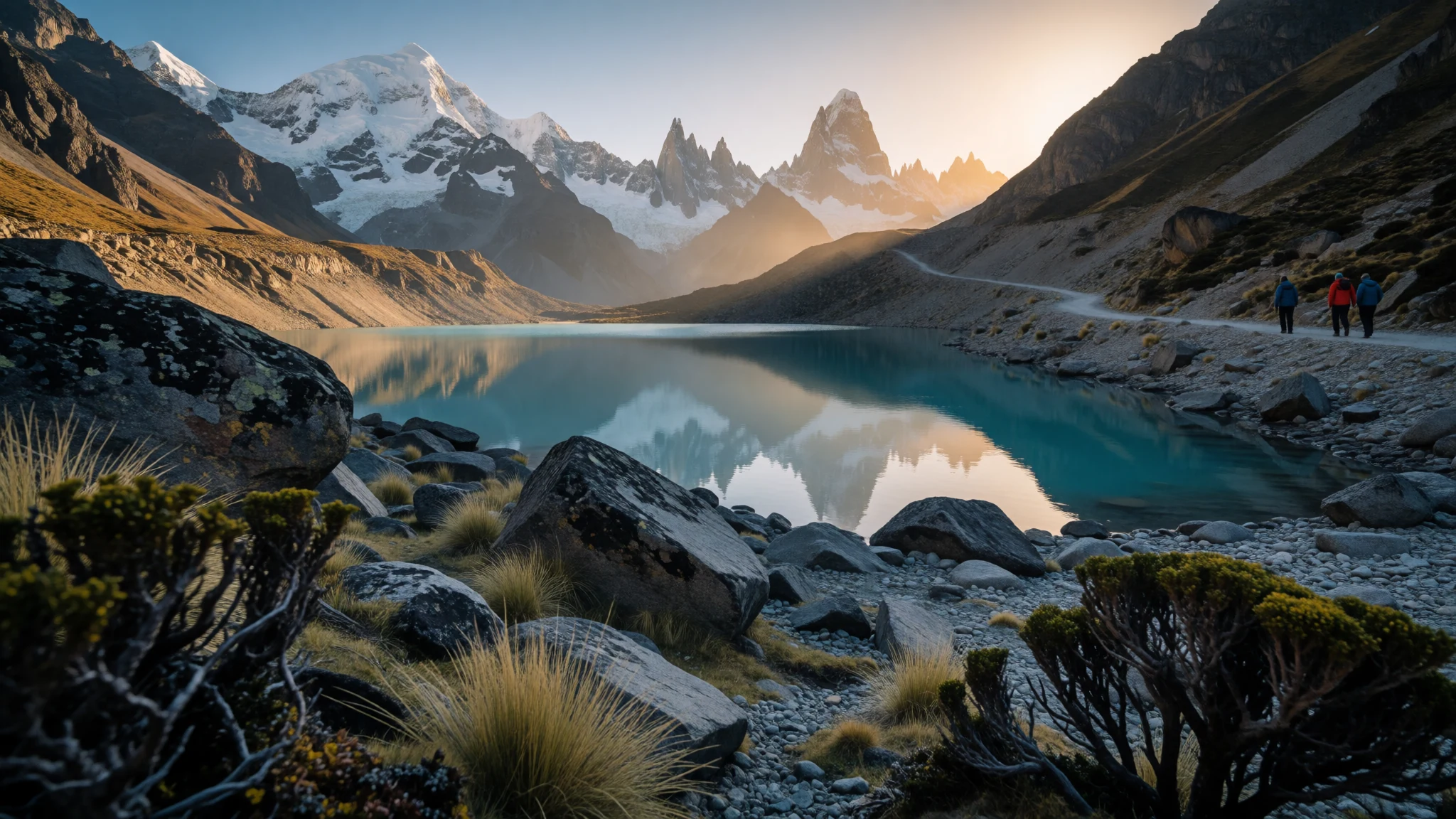
Journey to Peru's largest turquoise alpine lake, tucked deep within the dramatic peaks of the Cordillera Blanca.
The place
Laguna Parón rests high in the Peruvian Andes, occupying a vast bowl carved by ancient glaciers. As the largest body of water in the Cordillera Blanca, the lake sits within the boundaries of Huascarán National Park. Towering ice-clad summits encircle the shoreline, creating an amphitheatre of sheer granite walls and hanging glaciers that catch the changing light throughout the day. High concentrations of minerals dissolved from the surrounding rock give the water its trademark brilliant turquoise colour, shifting from milky jade to deep cerulean depending on the sun and clouds.
The lake functions as a natural moraine reservoir, held back by ancient debris deposits left behind by receding ice. To manage water safety for communities downstream, engineers installed an underwater gate and tunnel system that regulates the discharge into the valley below. While the water was once harnessed for regional hydroelectric power, the site has since returned to a quieter existence focused entirely on conservation and mountain exploration.
Reaching the shoreline reveals a landscape sculpted by extreme geology. Massive granite monoliths loom over the eastern end, drawing mountaineers from across the globe to test their skills on notoriously steep big-wall routes. The crisp mountain air carries the silence of high altitudes, broken only by the distant rumble of avalanches tumbling safely down the highest faces. Whether viewed from the rocky shore or from the ridge above, the sheer scale of the surrounding peaks dwarfs every visitor, framing an ecosystem where hardy alpine grasses and low shrubs cling desperately to the mineral-rich soil.
Its story
For generations, the valleys beneath Laguna Parón have supported resilient Andean communities whose lives are intimately tied to the rhythms of the mountains. Long before modern mountaineers arrived with ropes and technical gear, local herders guided flocks of alpacas and llamas along ancient trails carved into the rugged hillsides. These communities developed a profound respect for the high peaks, viewing the glaciers and glacial lakes not merely as geographic features, but as living entities that demand reverence and care.
The twentieth century brought dramatic changes to the watershed as engineers recognised the immense hydraulic potential locked within the glacial basins. The natural dam formed by ancient terminal moraines held millions of cubic metres of water, presenting both a valuable resource for valley agriculture and a potential hazard if the barrier ever failed. Constructing water management tunnels required hauling heavy equipment up precarious mountain tracks, turning local labourers and mule drivers into essential partners in a massive engineering undertaking.
Today, the narrative of Laguna Parón has shifted from resource extraction to wilderness preservation. As part of Huascarán National Park, the lake stands as a sanctuary for rare high-altitude wildlife and a premier destination for those seeking untamed landscapes. Visitors following the tracks carved by early explorers walk in the footsteps of mountaineering history, tracing routes pioneered by daring climbing expeditions that first unlocked the secrets of the Cordillera Blanca. The stories etched into the granite walls speak of endurance, triumph, and the enduring bond between the people of the Andes and the monumental peaks that watch over them.
What to see
- The Shoreline Trail — Lake Parón East End
Follow the rocky path along the northern edge of the lake towards the eastern moraine. The trail offers unobstructed views of the surrounding ice-peaks and provides access to the quieter corners where glacial streams feed the turquoise waters.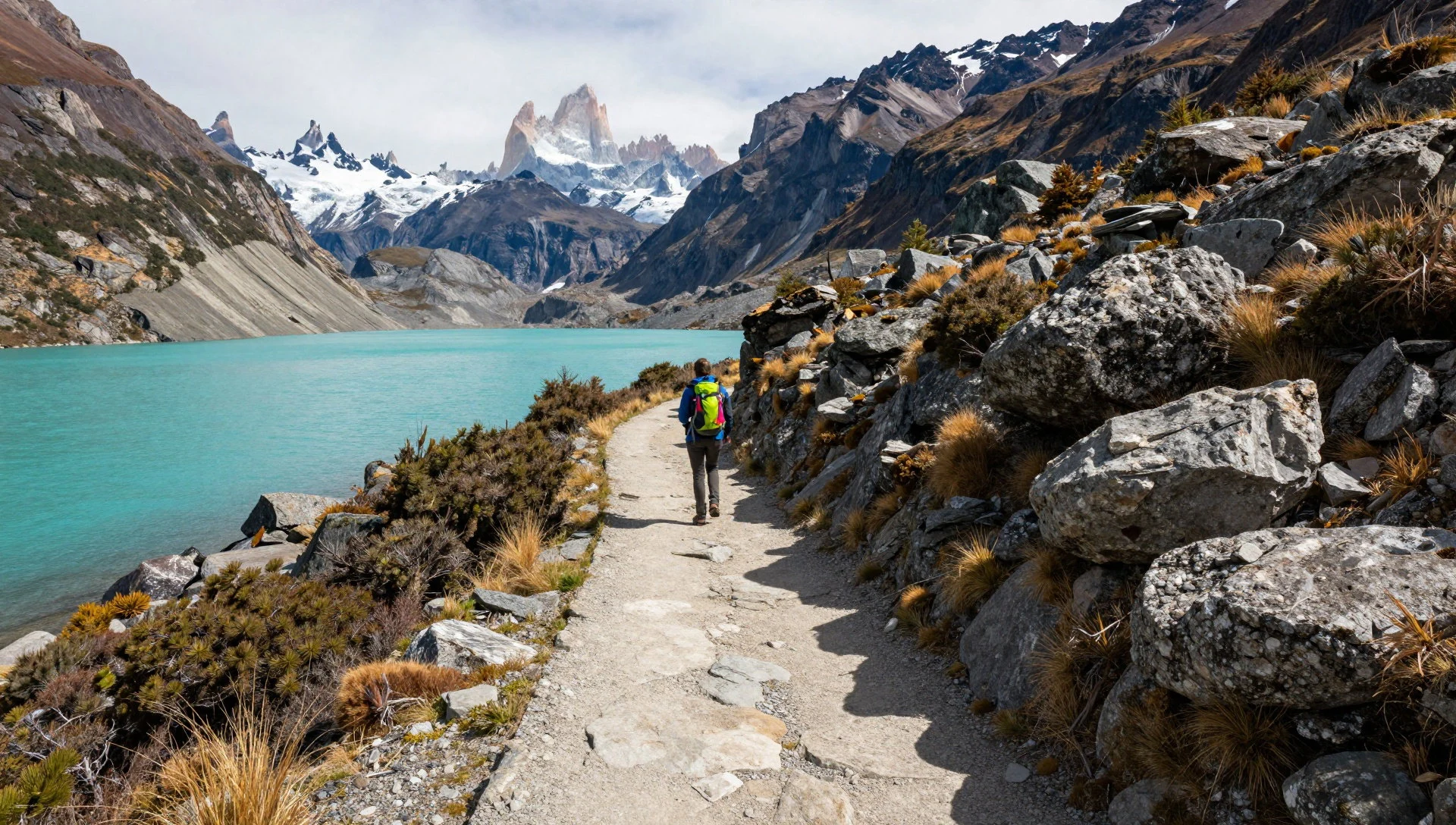
- The Sphinx Monolith — Cordillera Blanca
Gaze up at this colossal granite pillar rising sharply from the valley floor. Renowned among international climbers, the sheer rock face features numerous demanding big-wall routes that attract elite mountaineers from around the globe.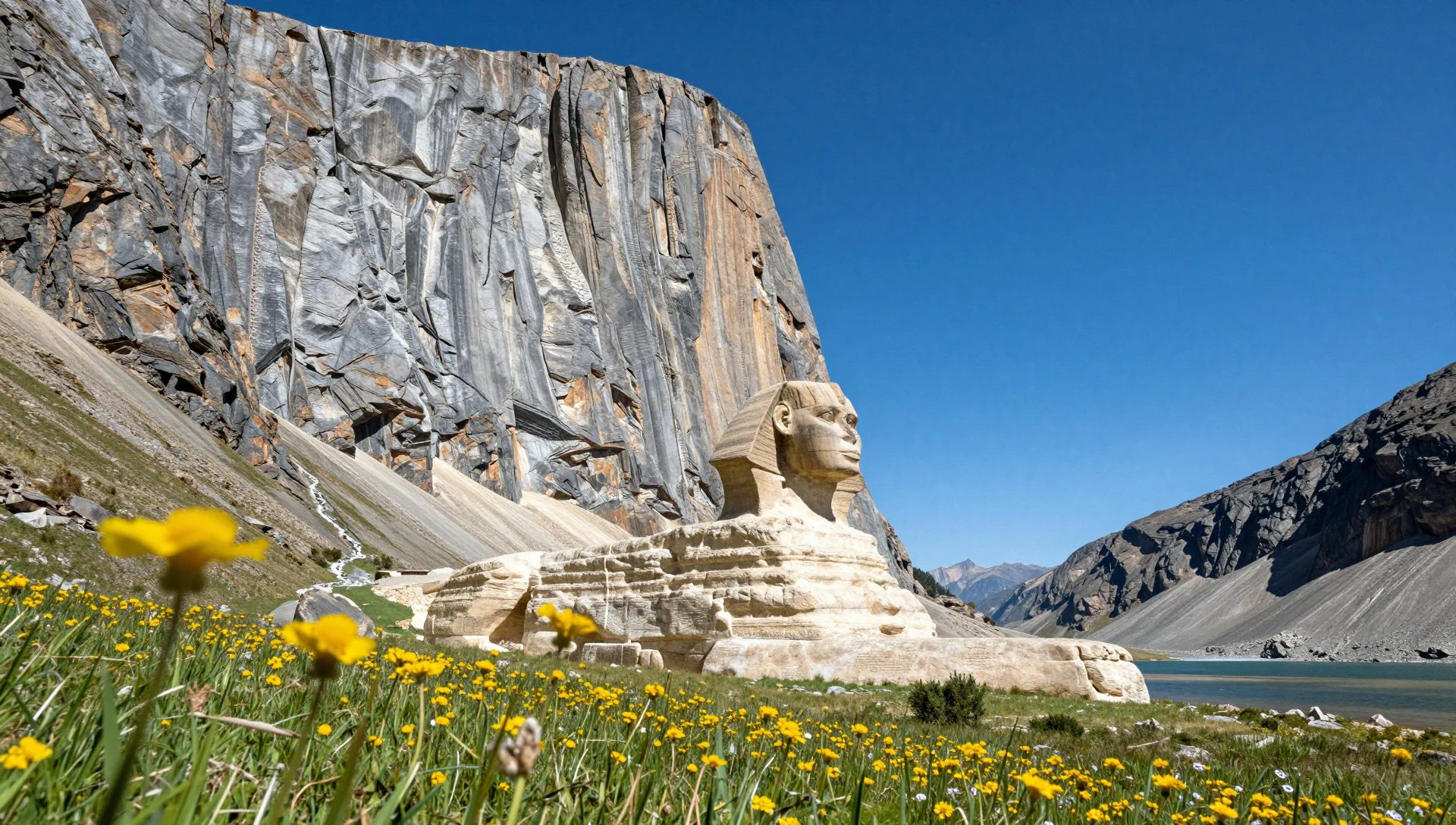
- Huascarán National Park Vistas — Huascarán National Park
Take in the panoramic expanses of protected parkland surrounding the basin. The park protects dozens of snow-capped summits, hundreds of glacial lakes, and unique high-altitude flora adapted to extreme weather conditions.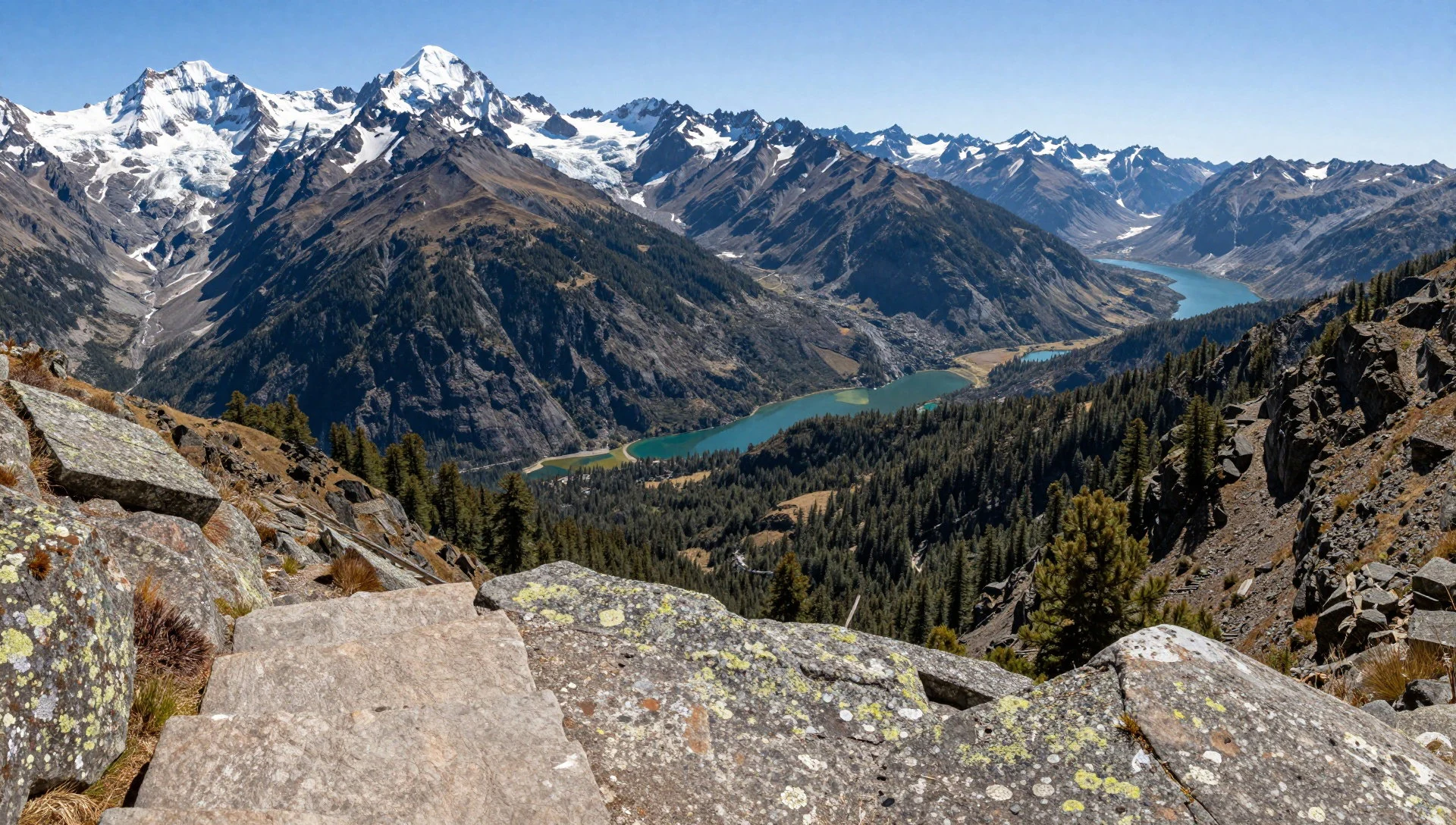
- The Moraine Wall — Lake Parón Outlet
Inspect the massive natural dam structure that holds back the alpine waters. Walking atop the historic moraine ridge highlights the geological forces that shaped the basin and the modern engineering interventions controlling the water level.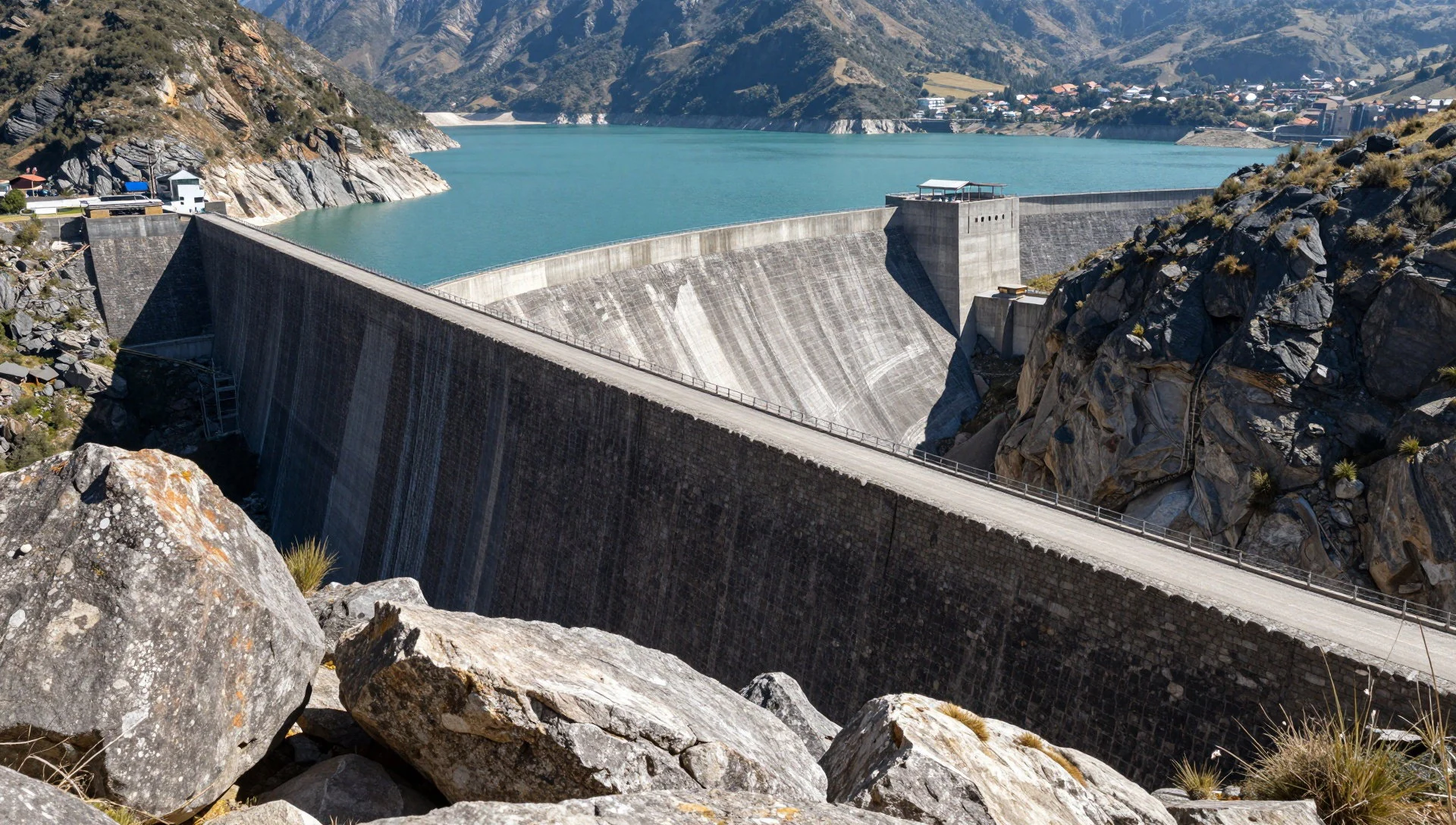
Culture
Life in the high Andean valleys is shaped by ancient traditions, community solidarity, and a deep connection to the natural world. Many rural residents maintain traditional ways of dressing and farming, speaking Quechua alongside Spanish. Visitors will frequently encounter the practice of chewing coca leaves, an essential social and ritual custom across the highlands that provides natural relief against the biting mountain cold and thin air. Rather than viewing this through modern preconceptions, locals treat the sharing of coca leaves as a gesture of hospitality and respect towards the earth and guests alike. While national politics often draw cynicism and frustration from citizens weary of corruption scandals, everyday interactions in the mountain regions are characterised by warmth, quiet resilience, and fierce pride in local heritage. When photographing local residents or traditional farming activities in rural communities, always ask for permission first to show proper respect.
What to wear
Traditional attire in the Andean highlands blends indigenous weaving heritage with practical mountain utility. Women often wear layered pleated skirts known as polleras, intricately embroidered waistcoats, and high-crowned felt hats, accompanied by brightly coloured woven blankets called llicllas used for carrying goods or children. Men traditionally wear heavy wool ponchos designed to ward off freezing alpine winds and rain. While younger generations in larger towns now wear western-style casual clothing, traditional textiles remain visible during festivals and daily rural life.
For travellers visiting Laguna Parón, fashion must take a back seat to survival and comfort in extreme alpine conditions. The weather can swing rapidly from intense, burning sunshine at high altitude to freezing winds and sudden downpours. Dressing in technical layers is essential: start with a moisture-wicking base layer, add a warm fleece or wool mid-layer, and top with a windproof and waterproof outer shell. Sturdy, broken-in hiking boots with good ankle support are non-negotiable for navigating the rocky, uneven terrain around the lake shore. Do not forget UV-blocking sunglasses and a broad-brimmed hat, as the high-altitude sun is deceptively fierce.
What to eat
- Sopa Tarwi — Local Andean markets and traditional eateries
A hearty, nutritious soup made from native Andean lupin beans, potatoes, and yellow peppers, traditionally seasoned with herbs to warm travellers against the mountain chill after a long day of hiking.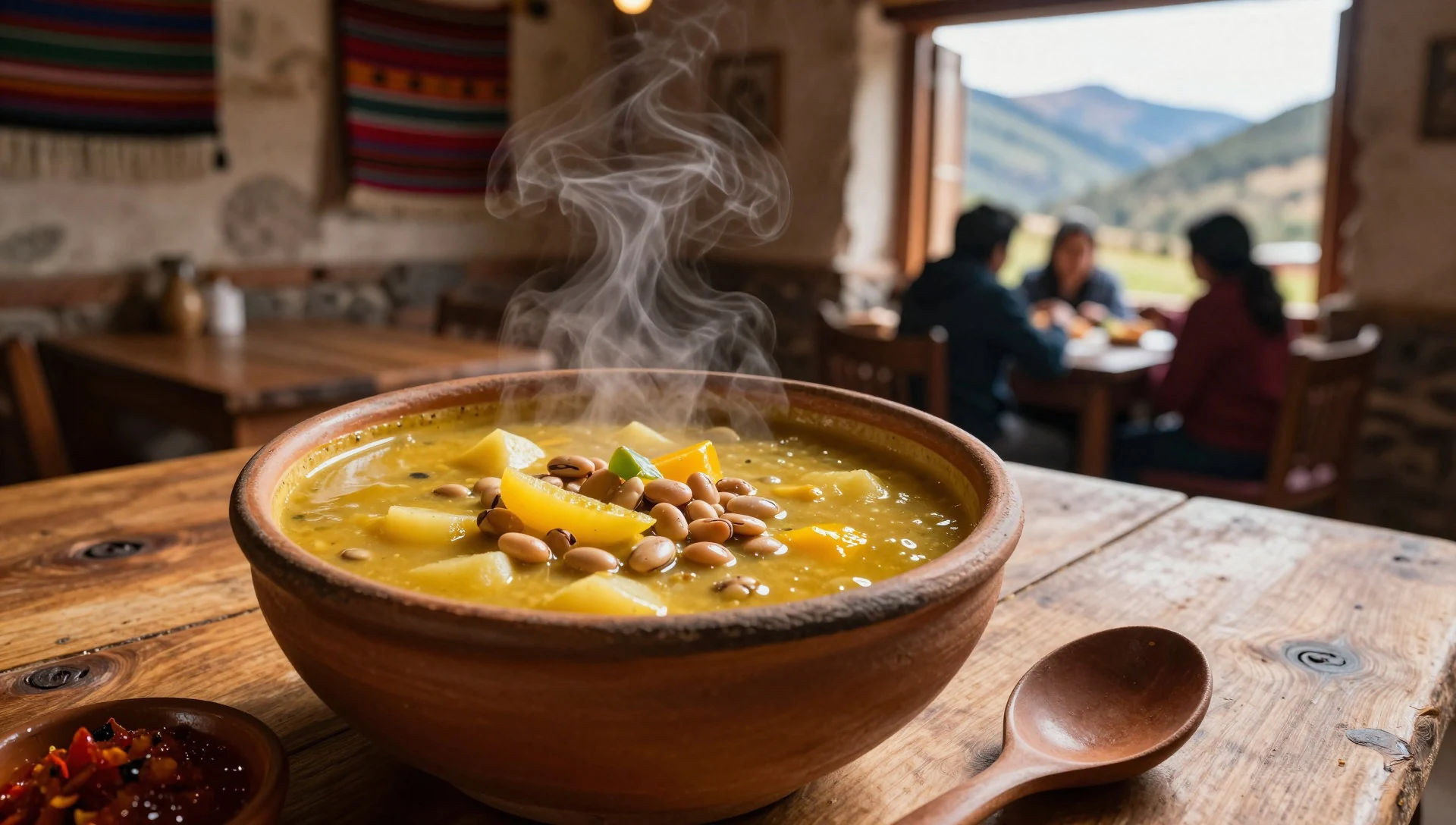
- Cuy Chactado — Regional mountain restaurants
An iconic Andean delicacy featuring guinea pig pressed flat and fried crisp, typically served alongside boiled potatoes, corn, and spicy rocoto pepper sauce.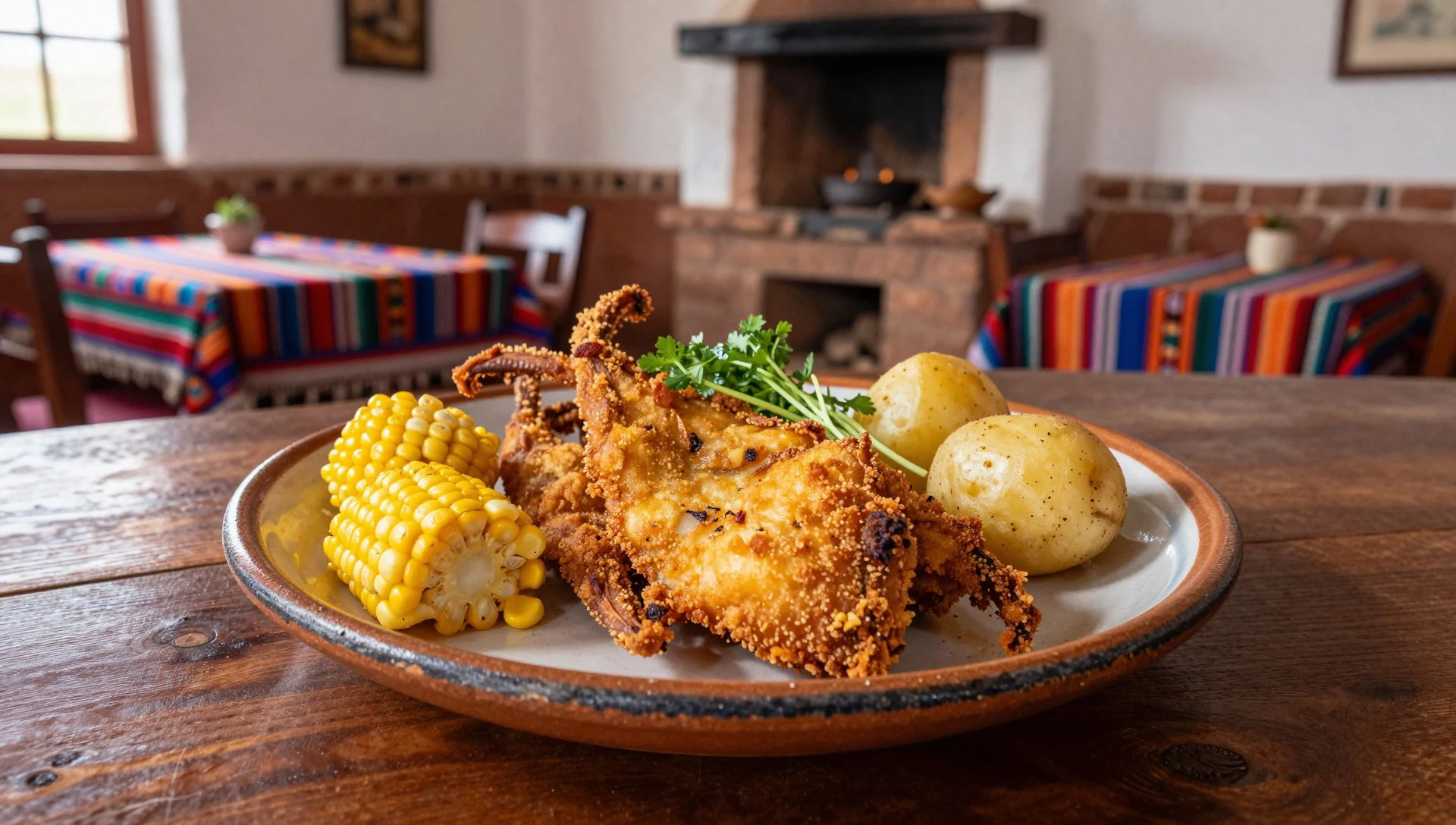
- Anticuchos — Evening street food stalls
Skewers of marinated beef heart grilled over an open flame until tender and smoky, brushed with garlic, vinegar, and aji panca chilli paste. - Mate de Coca — Teahouses and local guesthouses
A traditional hot infusion brewed from fresh coca leaves, widely consumed across the highlands to soothe altitude sickness and restore warmth in chilly mountain air.
Plan it
Best time. May to September offers the most stable dry weather, clear blue skies, and optimal conditions for mountain trekking and viewing the turquoise lake.
How long. 1–2
Getting there. Fly into Lima, take a bus or domestic connection to Huaraz, travel onward to the nearby town of Caraz, and arrange a 4x4 transport or guided excursion for the final dirt-road ascent up the canyon.
Budget. mid
Tips
- Spend at least two days acclimatising in Huaraz or Caraz before attempting the high-altitude trek
- Carry sufficient cash for park entrance fees and transport, as card facilities are absent
- Start your journey early in the morning to catch the calmest weather and best light on the water
- Pack plenty of drinking water and high-energy snacks for the trail
- Wear high-factor sunscreen and UV protection due to the intense mountain sun
Etiquette
- Always ask permission before photographing local residents or working farmers
- Respect the natural environment by carrying out all your rubbish and staying on marked trails
Nearby
Sources
- Wikidata Q3646208 (CC0)
- Wikipedia (Lake Parón) (CC-BY-SA 4.0)
- Wikivoyage (Peru) (CC-BY-SA 4.0)
- Photo 01-paron-lake.jpg (CC BY-SA 4.0)
