Krak des Chevaliers
Krak des Chevaliers, Syria
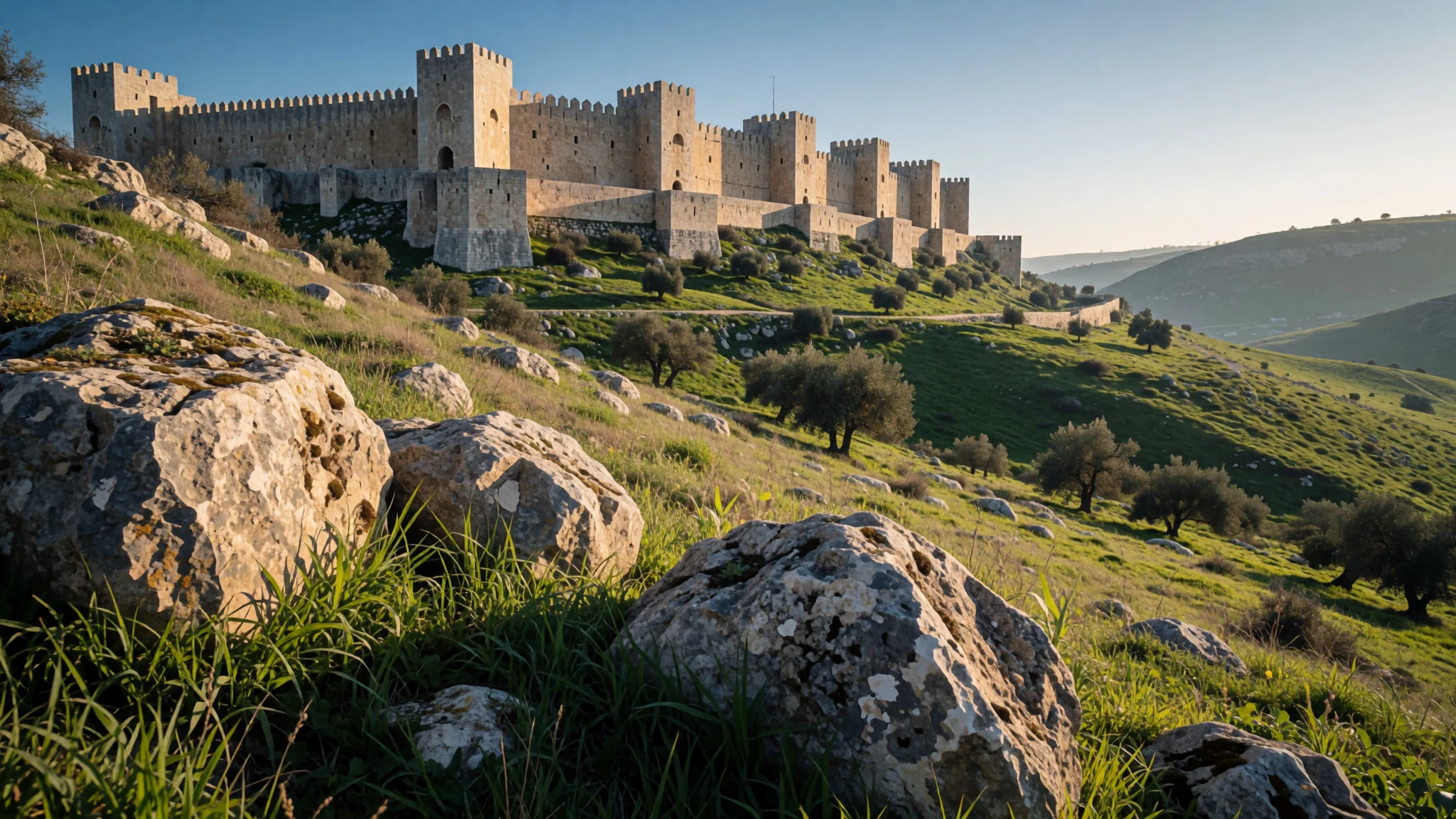
Krak des Chevaliers stands as the supreme masterpiece of medieval military engineering, dominating the Syrian landscape with monumental stone fortifications.
The place
Krak des Chevaliers rises dramatically above the surrounding valleys from a commanding hilltop position, functioning historically as both a formidable garrison and an administrative nucleus. The defensive complex is built as a concentric fortress, featuring a powerful outer curtain wall wrapped around a towering inner ward. Massive drum towers project from the stone perimeter, designed to deflect siege machinery and withstand bombardments. Inside the massive stone shell, visitors discover a labyrinth of vaulted halls, dimly lit subterranean corridors, spiral staircases, and a plain barrel-vaulted chapel with a simple apse. The location allows visitors to look out across rolling green countryside and distant ridgelines that once marked volatile medieval boundaries. Walking through the arched gateways reveals masonry that has endured centuries of conflict, weathering, and shifting empires. The surrounding slopes and agricultural fields stretch out below the fortifications, reinforcing the strategic advantage of this elevated stronghold. Exploring the grounds requires careful attention, as open stairwells, steep drops, and deep subterranean chambers demand steady footing and a reliable torch to navigate safely through the dark stone passageways.
Its story
Krak des Chevaliers began its recorded history when a garrison of Kurdish fighters was settled on the hilltop to secure regional routes. Early military expeditions across the region encountered the fortified outpost before permanent occupation took root under crusader lords. Control of the citadel eventually passed to the Knights Hospitaller military order, initiating decades of ambitious architectural expansion. The knights transformed the simpler early outpost into an advanced concentric stronghold capable of housing thousands of troops and exacting tribute from the surrounding countryside. This golden age of construction integrated multiple layers of defense, including wet moats, drawbridges, and interlocking fields of fire that made the citadel virtually impregnable to traditional siege tactics. Later historical eras brought new rulers who added Islamic architectural elements, such as inscriptions and administrative quarters, blending military utility with palatial comfort. The citadel remained a pivotal prize in regional power struggles until changing political tides and sustained campaigns brought an end to crusader rule in the Levant. Today, the fortress preserves a layered architectural record written in dressed limestone and volcanic basalt, reflecting the ambitions of every commander who held its walls.
What to see
- The Outer Curtain Wall — Outer defensive ring
The massive outer defensive perimeter features thick stone ramparts and projecting circular towers designed to absorb siege impacts. Walking along these ancient stone walkways offers sweeping views across the valley floor and reveals the sophisticated defensive geometry perfected by medieval military architects over centuries of regional conflict.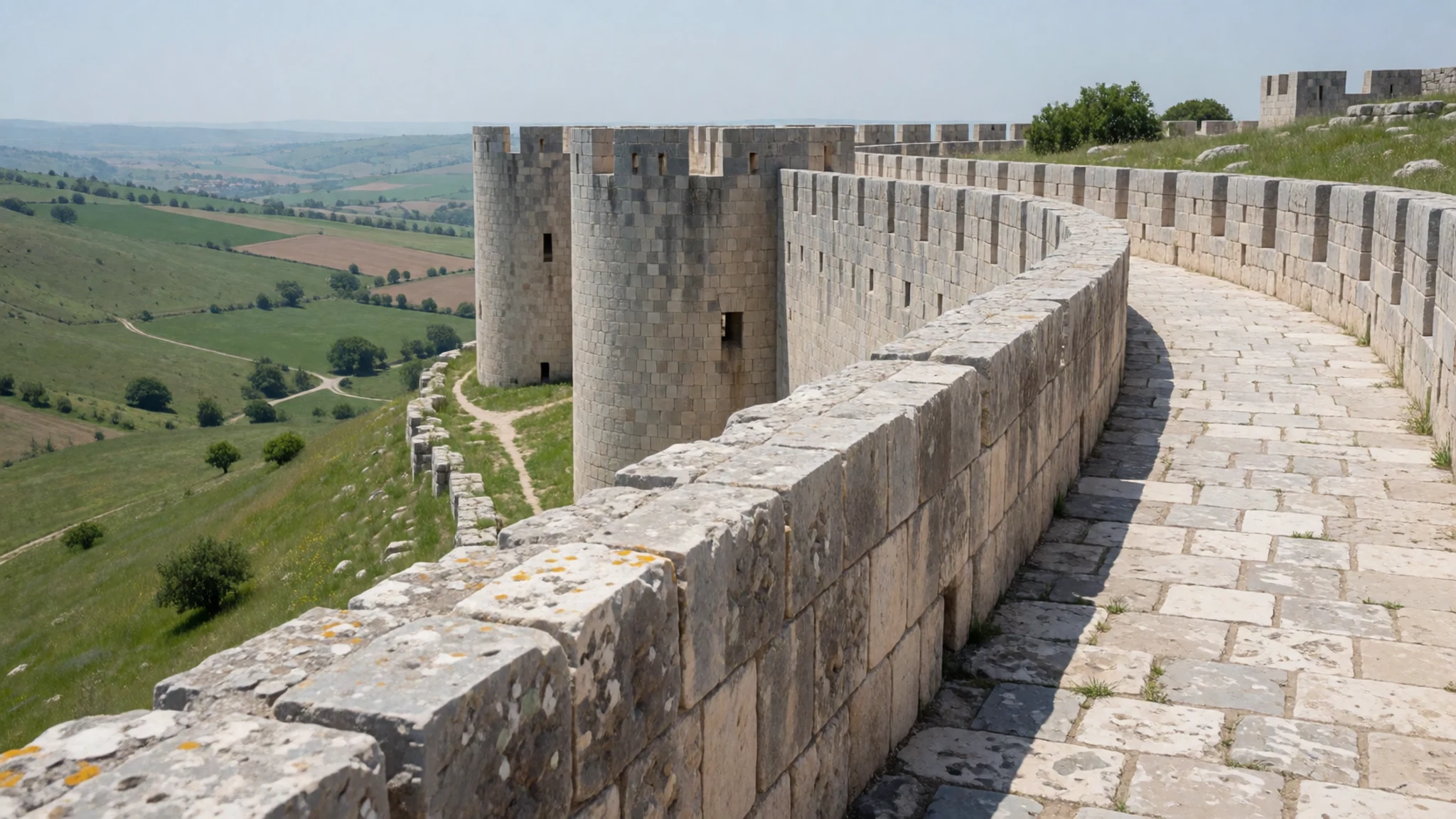
- The Inner Ward and Keep — Central fortress core
The heavily protected inner stronghold served as the ultimate refuge if the outer defenses were breached. Lofty towers and elevated courtyards provided living quarters for knights and commanders, combining strict military function with surprising architectural elegance carved directly into the hilltop stone.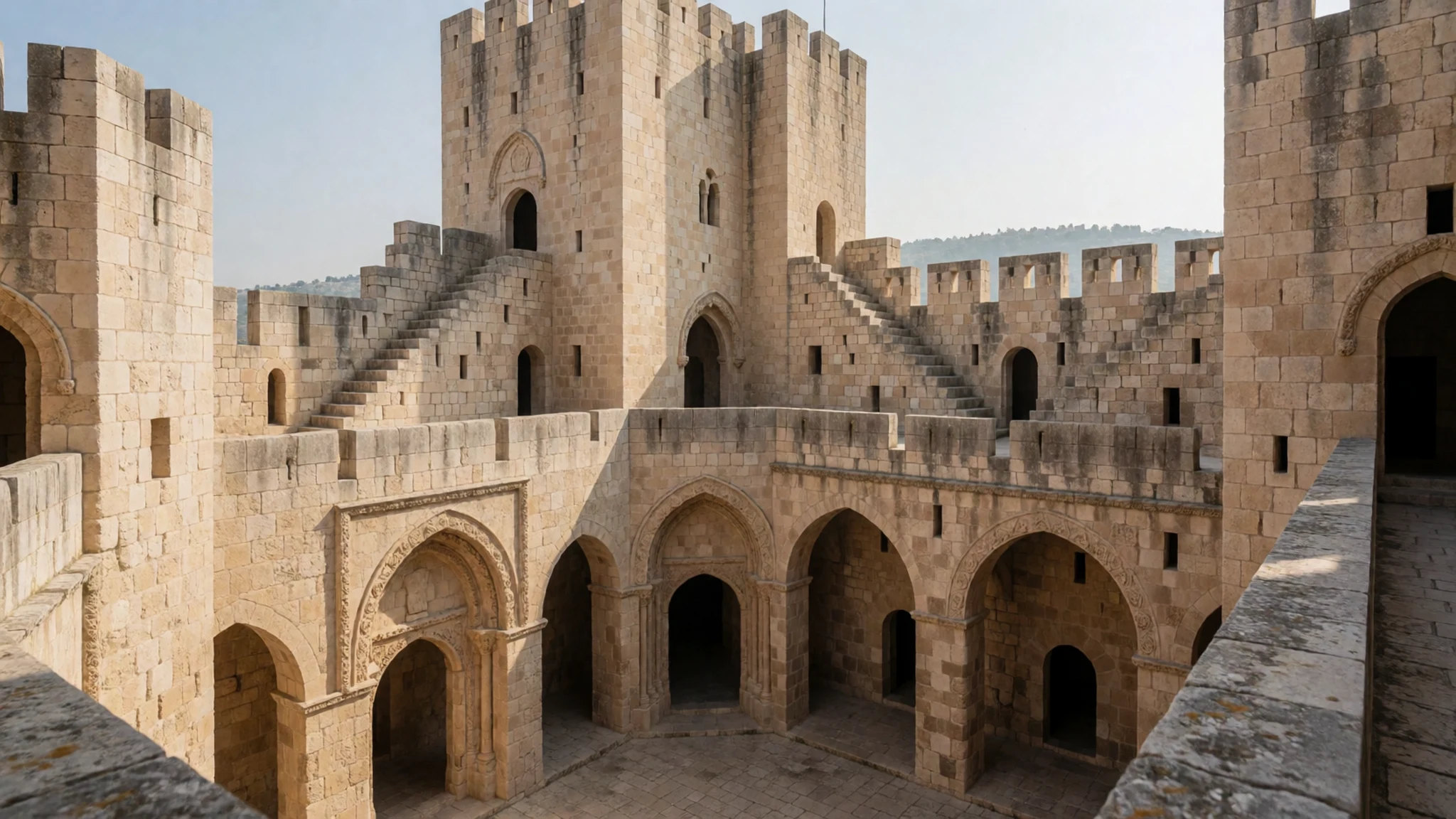
- The Gothic Chapel — Upper level of the inner ward
This vaulted sacred space has a barrel vault and a plain apse, old-fashioned in its simplicity, and was later turned into a mosque within the frontier fortress. Light filters gently through narrow apertures into the solemn interior, creating a quiet sanctuary amidst the surrounding martial architecture.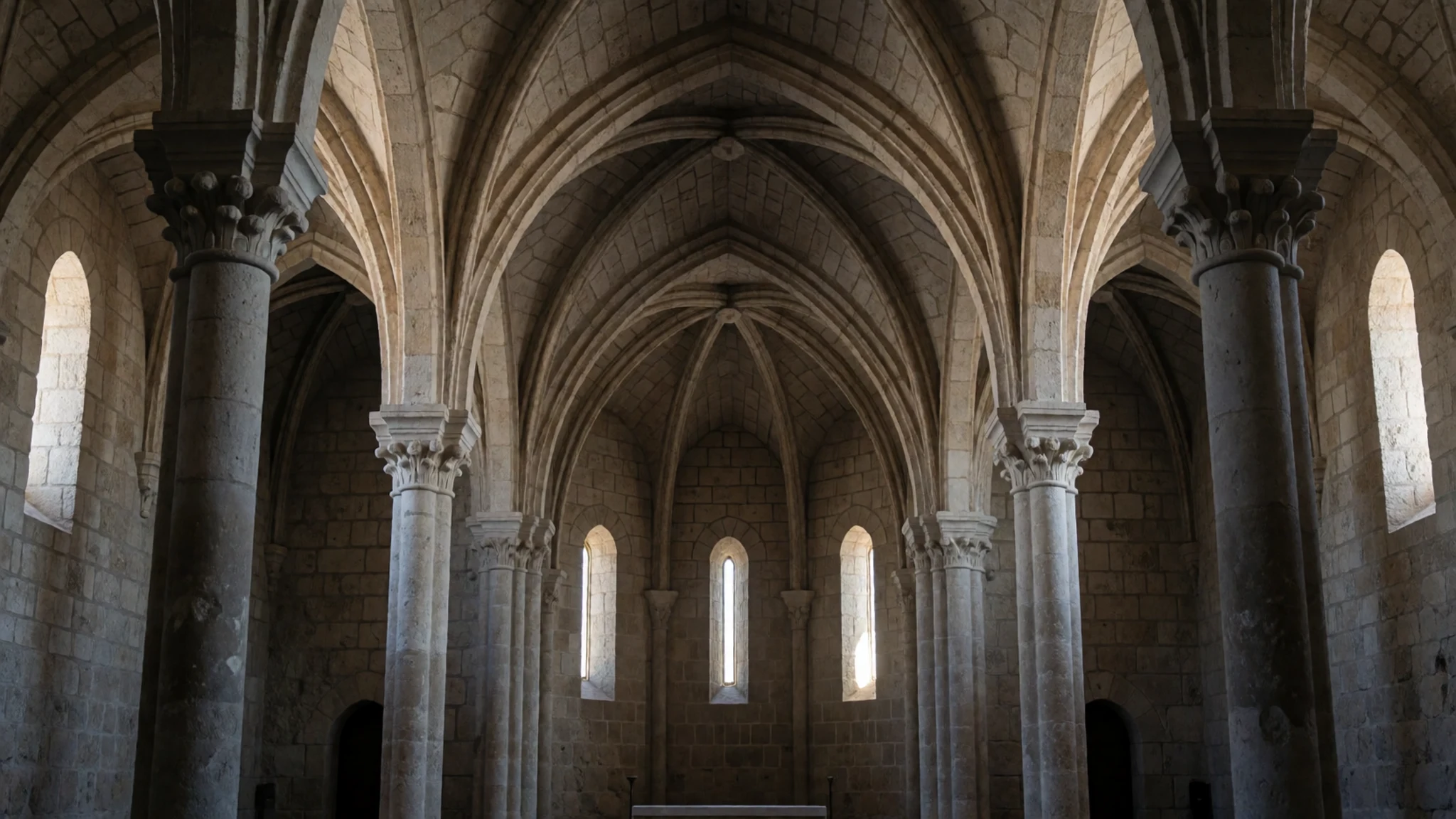
- The Great Hall — Upper level administrative block
This expansive vaulted gallery functioned as the communal dining and assembly area for the garrison. Graceful window tracery looks out over the inner courtyards, offering a glimpse into the daily domestic life of the medieval knights who gathered here during lulls in regional hostilities.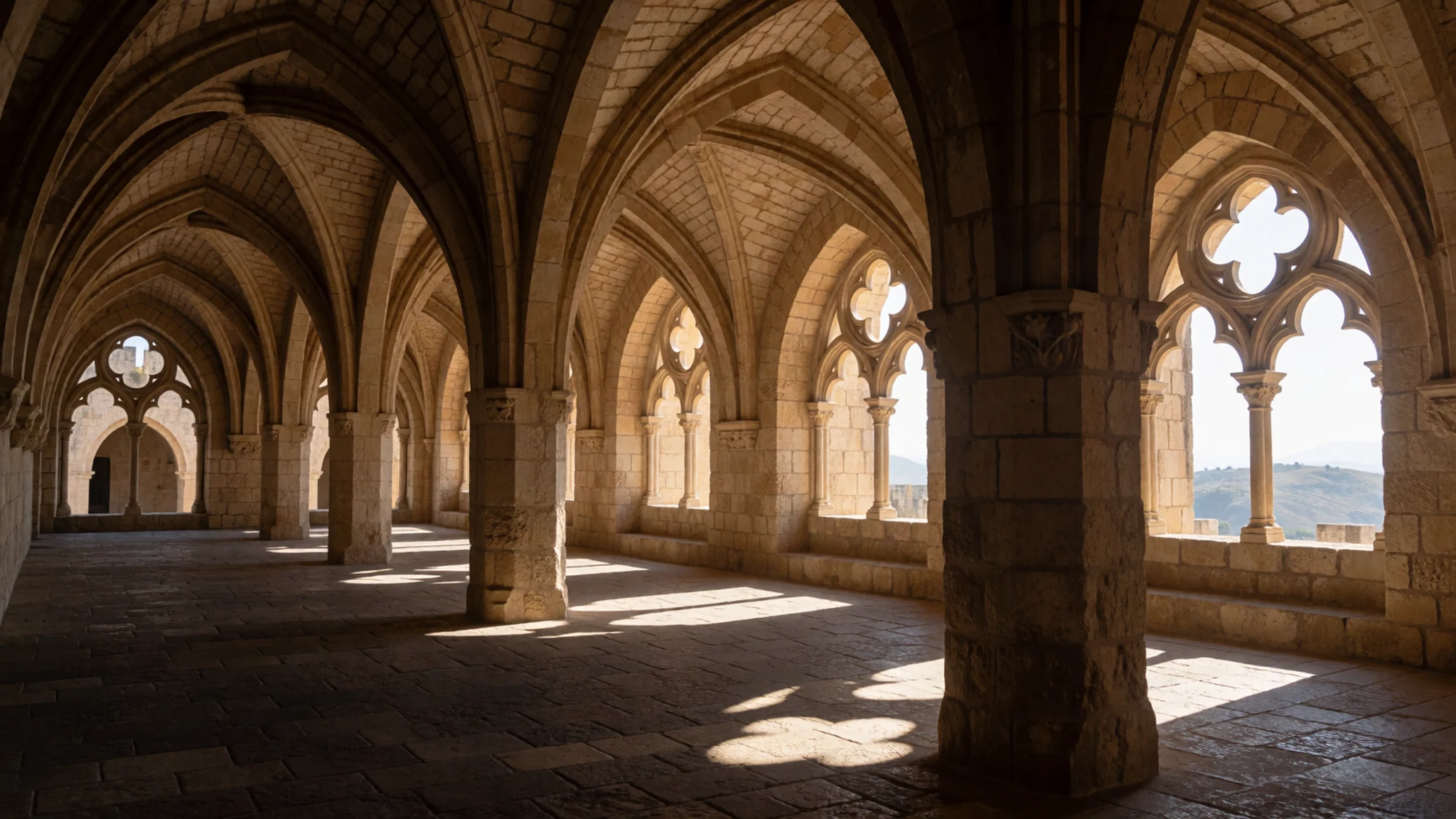
- Subterranean Tunnels and Storerooms — Lower base levels and foundations
A vast network of vaulted cellars, cisterns, and dark tunnels riddles the bedrock beneath the citadel, designed to store provisions and allow secret troop movements. Carrying a personal torch is essential when exploring these damp, shadowed passageways that stretch deep into the stone foundations.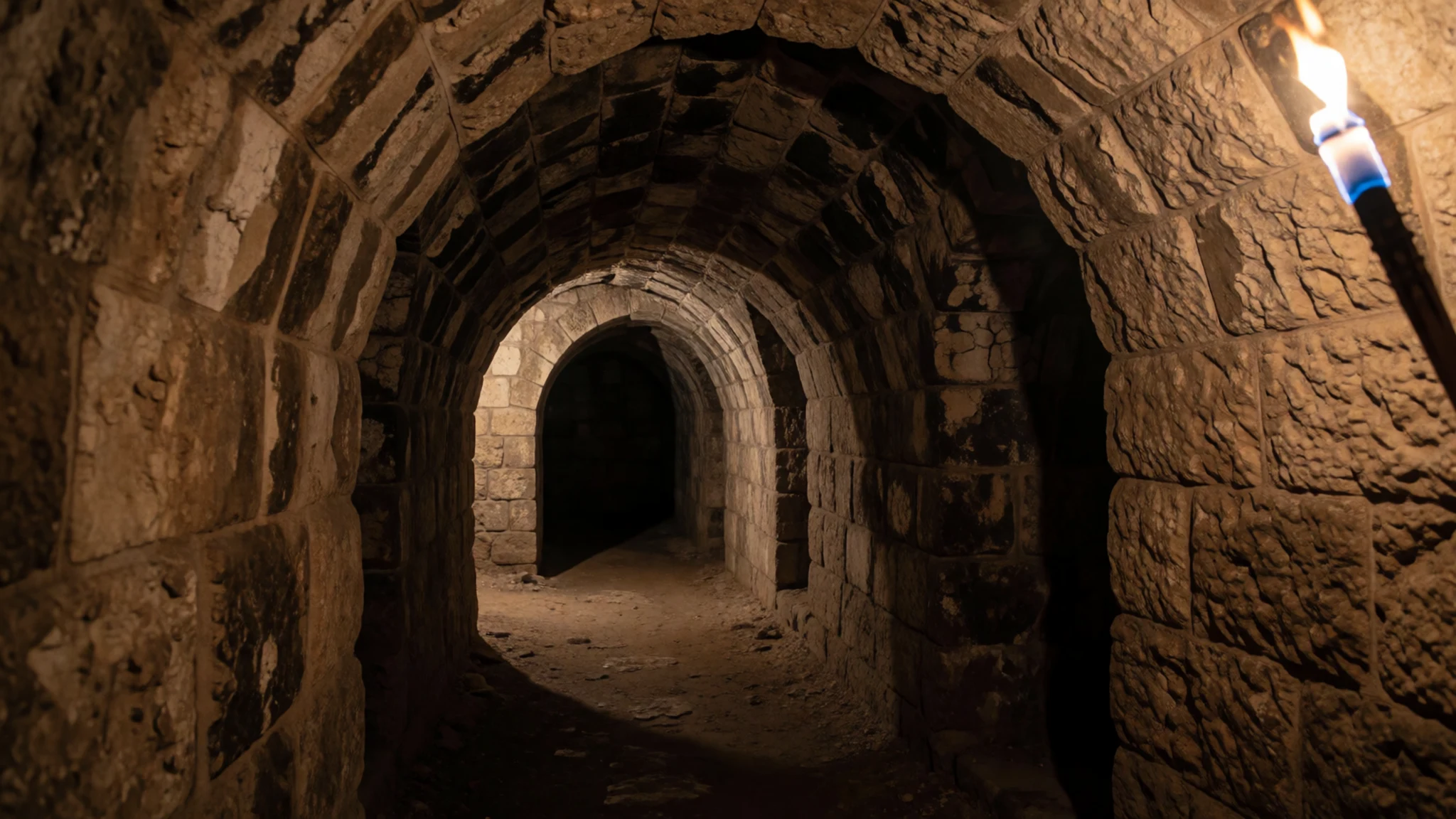
Culture
Krak des Chevaliers and the surrounding rural districts reflect a rich mosaic of traditional Syrian culture, where rural hospitality and generations of farming heritage shape daily life. Local communities near the fortress maintain close ties to the land, cultivating olive groves, orchards, and wheat fields across the rolling hills of the Homs countryside. Traditional village gatherings often center around shared meals of mezze, grilled meats, and locally produced ingredients, accompanied by traditional music and warm conversation. Visitors will encounter a culture deeply proud of its architectural heritage and resilient history, where elders readily share local lore with interested travellers. When exploring nearby villages or rural eateries, simple courtesies such as greeting locals with a polite nod or greeting go a long way in fostering genuine connections. Always ask permission before photographing local residents or private rural properties in the surrounding settlements.
What to wear
Krak des Chevaliers and the surrounding Syrian countryside see local residents wearing a practical blend of traditional garments and modern casual attire. Older villagers frequently wear traditional regional dress, including embroidered tunics, loose trousers, and headscarves well-suited to outdoor agricultural work and seasonal weather shifts. Younger generations and urban visitors typically wear modern Western-style clothing such as jeans, shirts, and comfortable layers. For travellers exploring the monumental stone fortress, sensible clothing is essential. Sturdy walking shoes with reliable grip are necessary for navigating uneven medieval stone steps, dusty pathways, and steep, unrailed drops. Visitors should dress modestly out of respect for local cultural norms, keeping shoulders and knees covered when visiting inhabited rural areas or nearby religious sites. Bringing a light windbreaker or fleece is recommended, as elevated winds can sweep briskly across the open battlements even during warmer months.
What to eat
- Grilled Chicken and Mezze — Local roadside restaurants south of the castle
Platters of seasoned char-grilled chicken served alongside a generous spread of traditional mezze dishes, including hummus, fresh salads, garlic paste, and warm flatbreads, enjoyed at hilltop eateries near the fortress.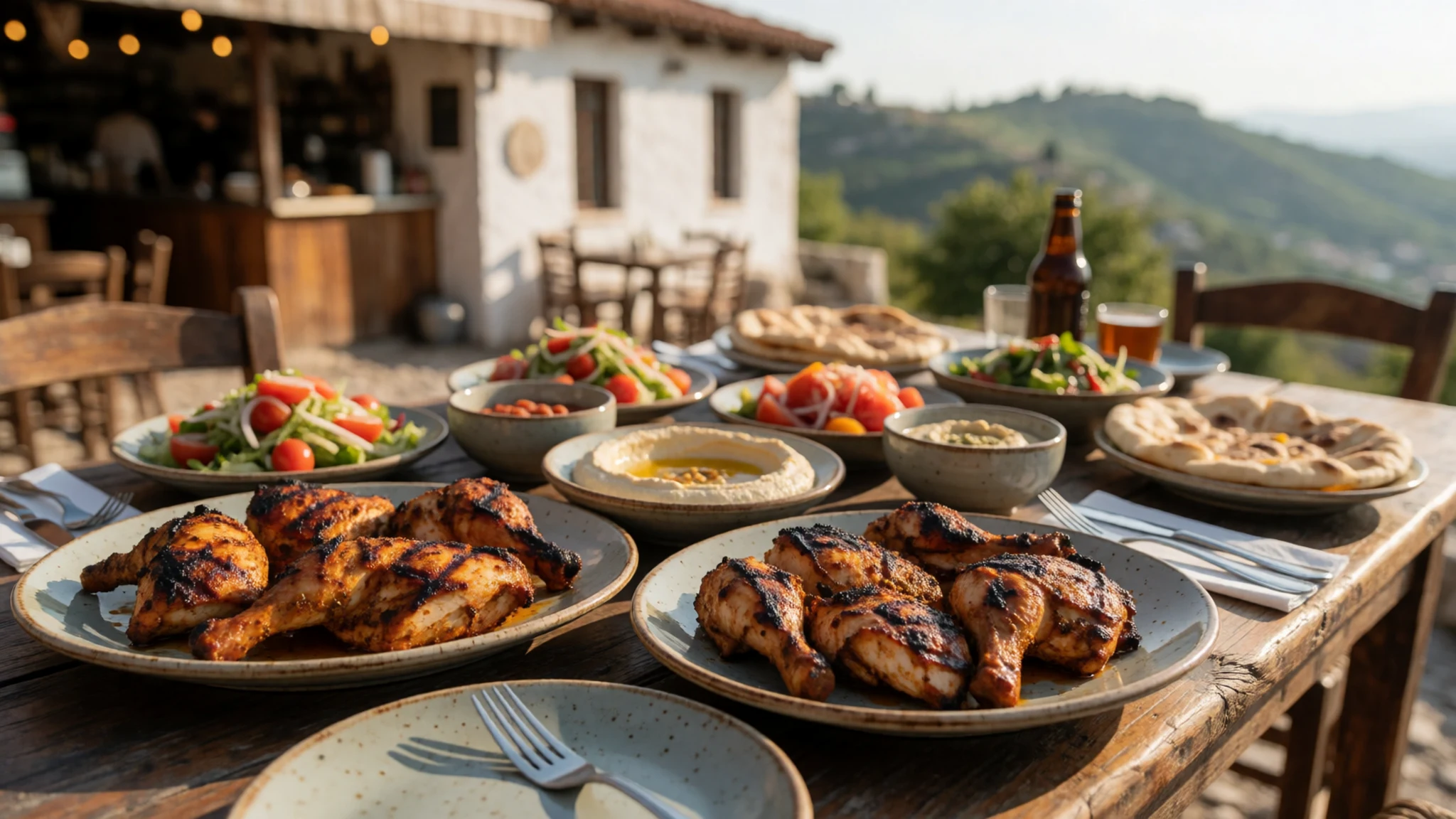
- Mixed Meat Platters — Traditional dining rooms overlooking the valley
A selection of skewered lamb and beef kebabs grilled over hot coals, seasoned with regional spices and herbs, served with grilled tomatoes, onions, and fresh seasonal vegetables.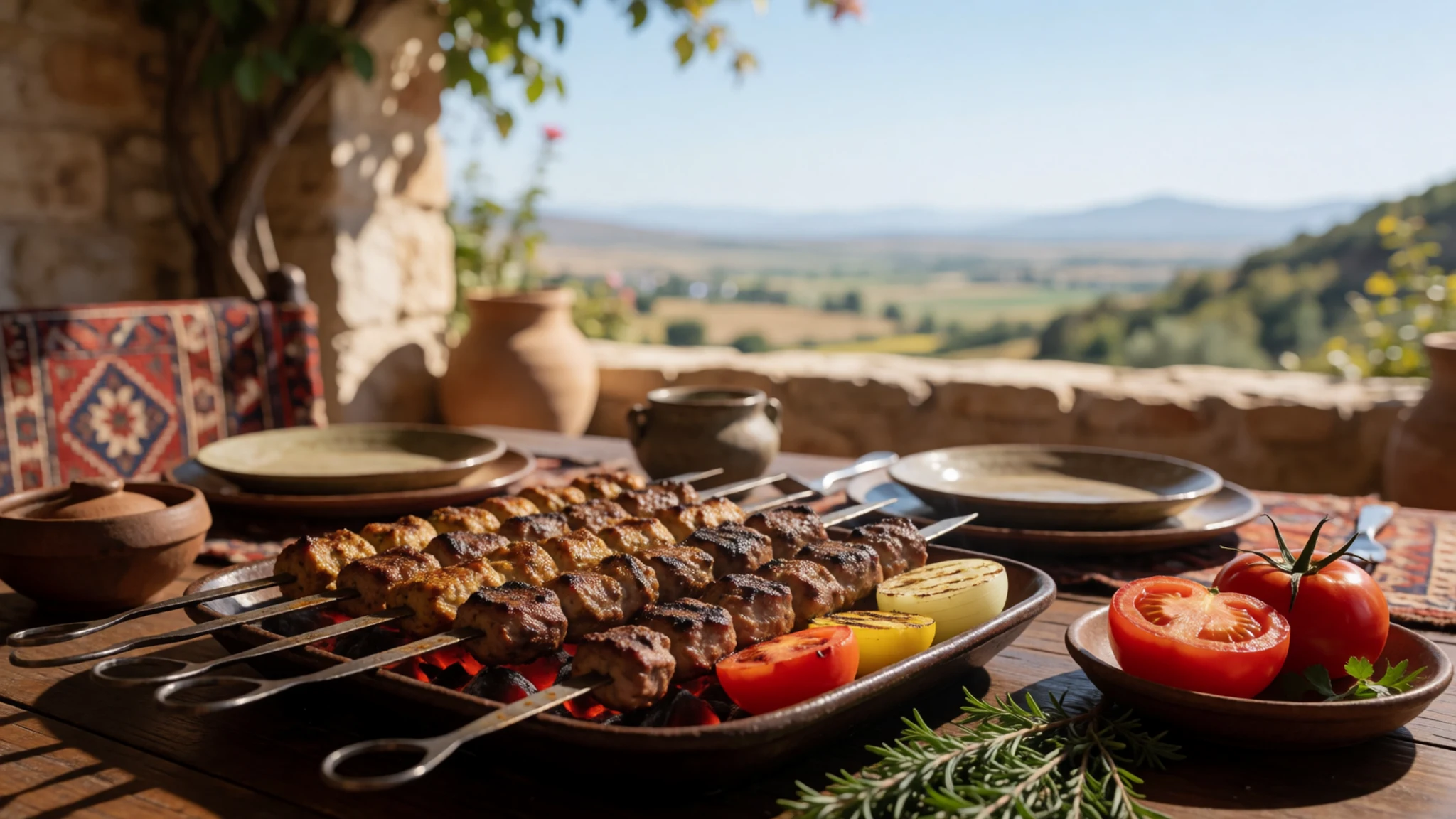
- Fresh Seasonal Fruit — Outdoor patios and village dining terraces
Locally harvested fruits such as figs, grapes, and citrus, offering a refreshing and sweet conclusion to a heavy meal after exploring the dusty fortress grounds. - Traditional Lentil Soup — Cozy family-run eateries around the village square
A hearty, warming soup prepared with red lentils, cumin, and lemon, traditionally served piping hot with crispy pita croutons to ward off the chill on windy hilltops.
Plan it
Best time. June, July, August and September are the hottest months, while January is the wettest and December and February are very wet; March and November are the most comfortable for exploring the outdoor fortifications, milder than high summer though still rainy.
How long. 1–2
Getting there. Accessible via microbus or shared taxi from Hama or Homs, with local transport dropping visitors near the foot of the castle hill.
Budget. mid
Tips
- Arrive early in the morning to experience the sunrise lighting and beat the tour bus crowds from Damascus.
- Bring a reliable torch or headlamp to safely explore the dark subterranean tunnels and unlit medieval rooms.
- Wear sturdy walking shoes with good tread to handle steep, uneven stone steps and sheer unrailed drops.
- Carry sufficient local cash for bus fares, entrance tickets, and meals at nearby village restaurants.
- Check local transport timetables carefully to avoid getting stranded at the castle overnight.
Etiquette
- Always ask for permission before photographing local residents in the surrounding villages.
- Dress modestly with shoulders and knees covered out of respect for regional cultural traditions.
- Keep local transport schedules in mind to ensure return travel before evening.
Nearby
Sources
- Wikidata Q177549 (CC0)
- Wikipedia (CC-BY-SA 4.0)
- Wikivoyage (CC-BY-SA 4.0)