Kraków
Kraków, Poland
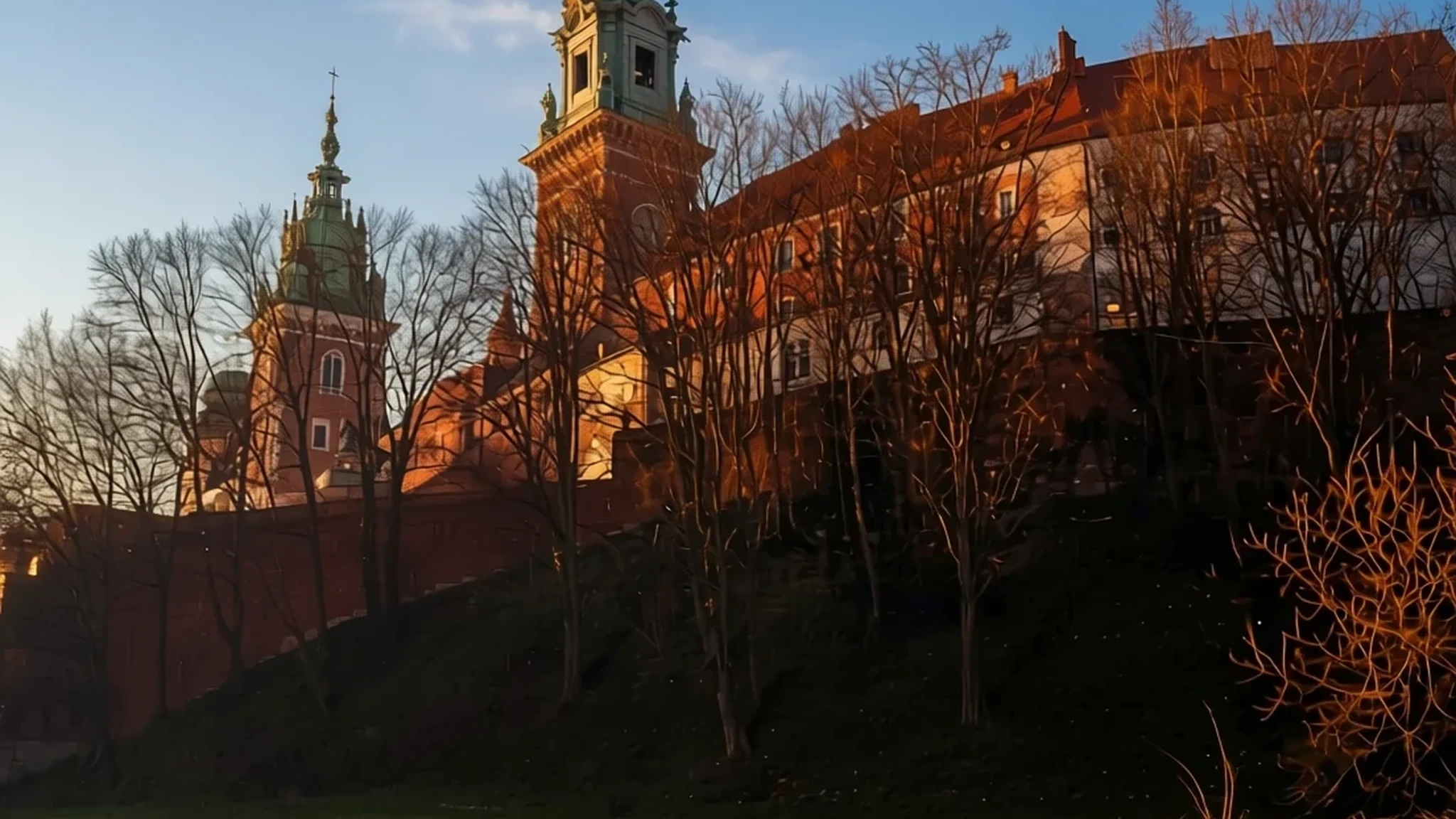
Kraków combines a majestic royal castle, historic cobblestone squares, vibrant Jewish heritage, and a rich culinary culture along the Vistula River.
The place
Kraków sits along the Vistula River in southern Poland, resting at an elevation of 219 metres above sea level. As the country's historic monarchical capital and its second-largest municipality with a population of 804,237, the city serves as a primary cultural anchor for the region of Lesser Poland. The urban layout expands outward from a medieval core, centred upon a vast market square that has remained the focal point of civic trade and public life for generations.
To the south of the central plaza, Wawel Hill rises above the riverbanks, supporting an extensive royal complex and cathedral that guarded Polish kings for centuries. East of the old citadel lies Kazimierz, a historic district long associated with Jewish trade, craftsmanship, and community institutions. Tree-lined green belts, created where medieval defensive walls once stood, encircle the inner city, offering quiet walkways under leafy canopies.
Visitors encounter a city that balances its preserved historic architecture with the energetic pace of a contemporary university town. Summer brings thick crowds to the central avenues, where pavement dining, street performers, and horse-drawn carriages fill the paved stone passages. High temperatures in July can make afternoon sightseeing warm, while winter introduces crisp temperatures and snow. Across all seasons, the urban landscape retains a grounded, walkable character rooted in centuries of Central European history.
Its story
Kraków emerged as a fortified settlement of the Vistulans during the eighth century, taking advantage of the natural defensive height of Wawel Hill overlooking the river. Early local folklore linked the founding of the stronghold to Prince Krakus, who according to legend vanquished a dragon inhabiting the limestone caverns beneath the cliff. Written documentation of the settlement appeared by the tenth century, identifying the site as a bustling regional commercial station situated along established trade routes.
The Piast dynasty brought the territory into the early Polish realm near the end of the tenth century. By 1038, the city achieved status as the seat of Polish government, prompting a period of stone construction that raised Romanesque churches, defensive works, and a royal residence. Despite facing severe destruction during the Mongol raid of 1241, the urban center rebuilt quickly, formalising a grid layout around its central market square.
For several centuries, the city flourished as the royal seat of Polish monarchs and the administrative heart of the Polish–Lithuanian Commonwealth. That era of direct royal governance concluded in 1596 when King Sigismund III relocated the court to Warsaw. In the twentieth century, after regaining national independence in 1918, the city endured wartime occupation as the headquarters for Nazi Germany's General Government administration. Following the end of the war, the city preserved its historic architectural fabric, maintaining its standing as an enduring symbol of Polish culture.
What to see
- Main Market Square and Cloth Hall — Old Town
The central plaza of the Old Town features the medieval Sukiennice arcade at its centre, surrounded by historic townhouses and outdoor dining areas. Beneath the stone arches, vendors sell amber jewellery and traditional handicrafts. The surrounding square remains lively from morning until late at night.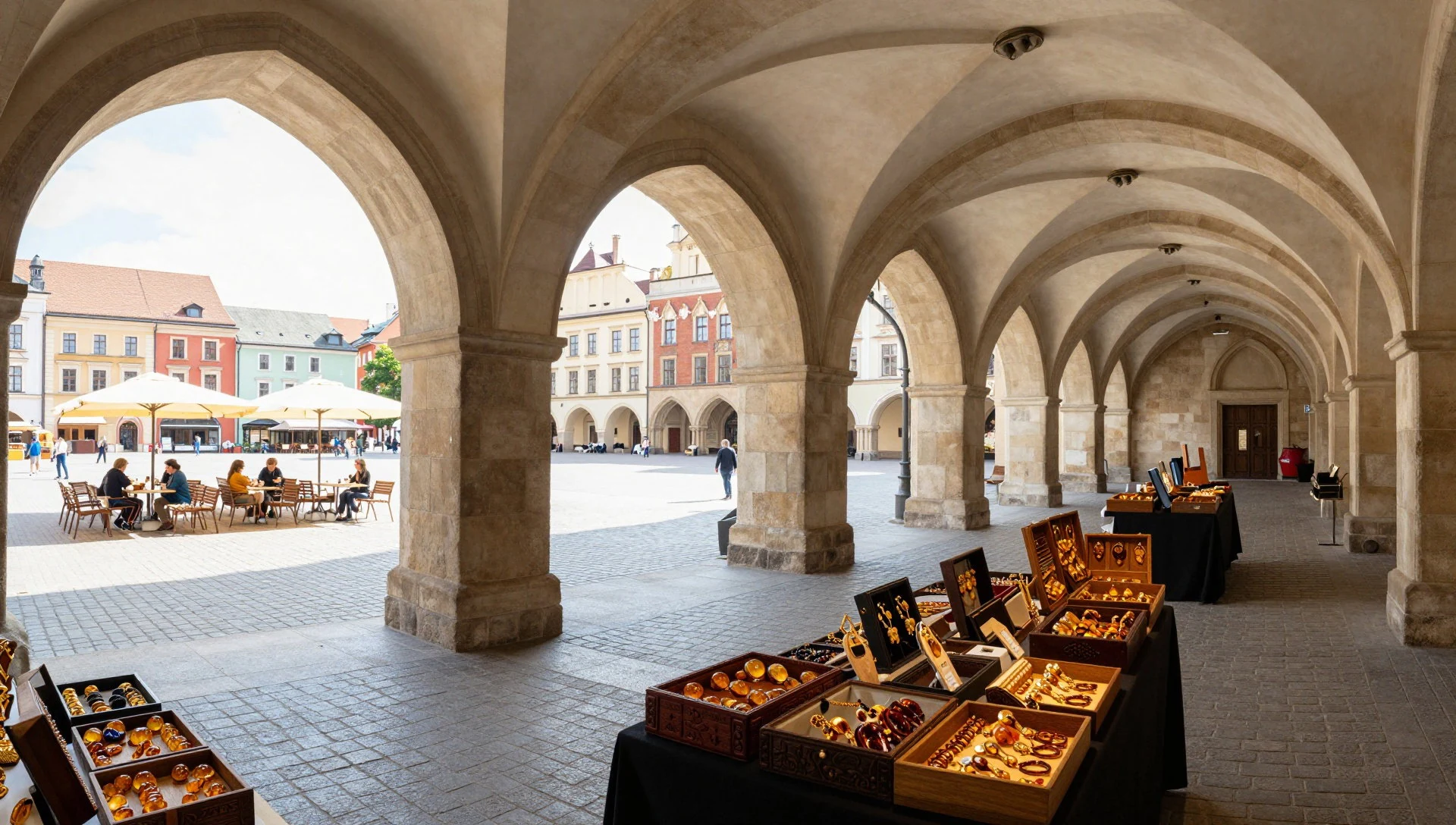
- Wawel Royal Castle and Cathedral — Wawel Hill
Perched above the Vistula River, this expansive complex served as the seat of Polish monarchs for centuries. Visitors can explore Renaissance courtyards, royal state rooms, and the cathedral containing tombs of historical rulers. A dragon statue at the base of the hill commemorates local folklore.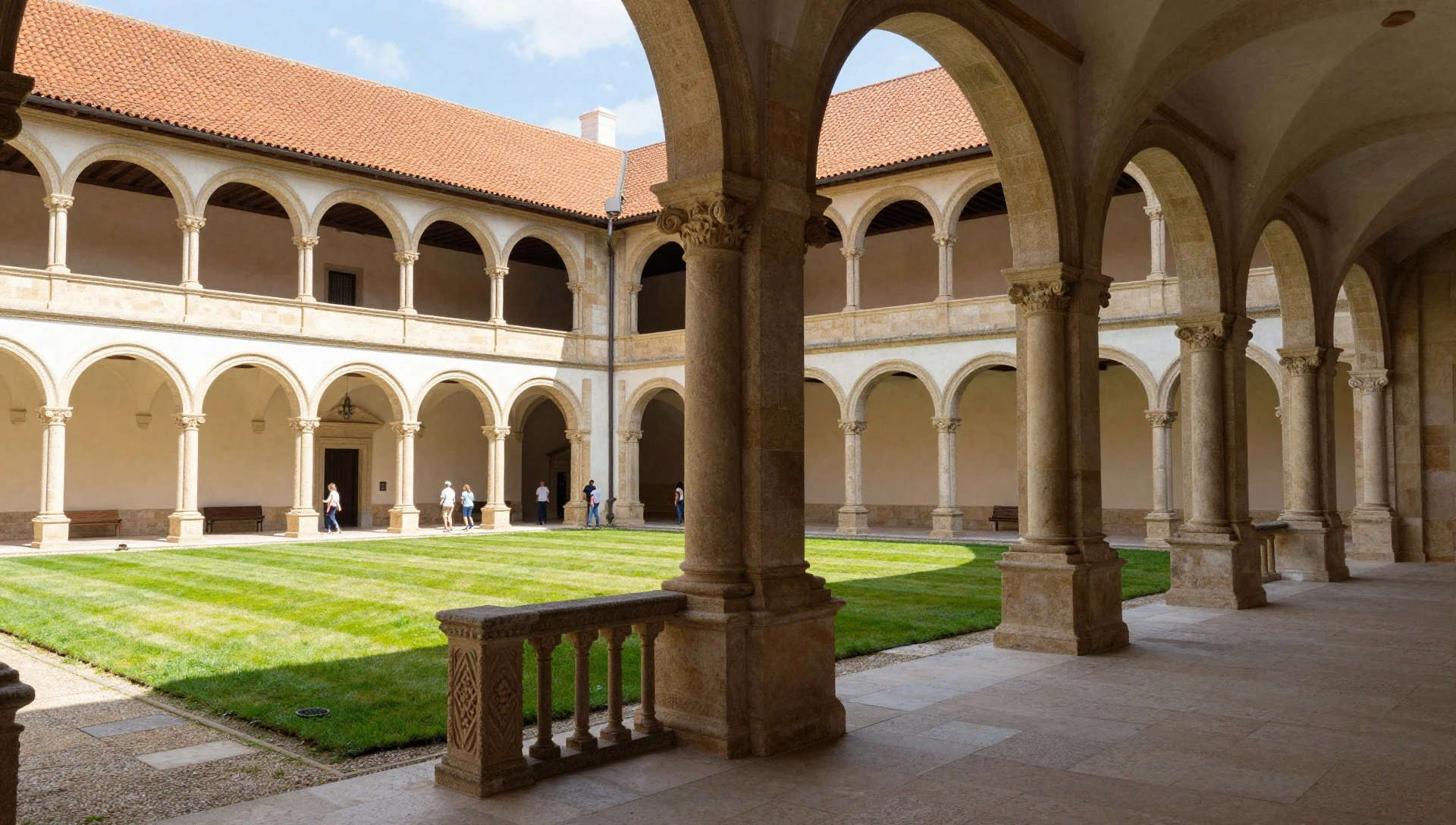
- Kazimierz Jewish Quarter — Kazimierz
Located south of the Old Town, Kazimierz holds synagogues, historic cemeteries, and quiet courtyard spaces. The district hosts major cultural gatherings, including the summer Jewish Culture Festival with music, guided walks, and culinary workshops. In the evening, cafe tables fill the narrow street corners.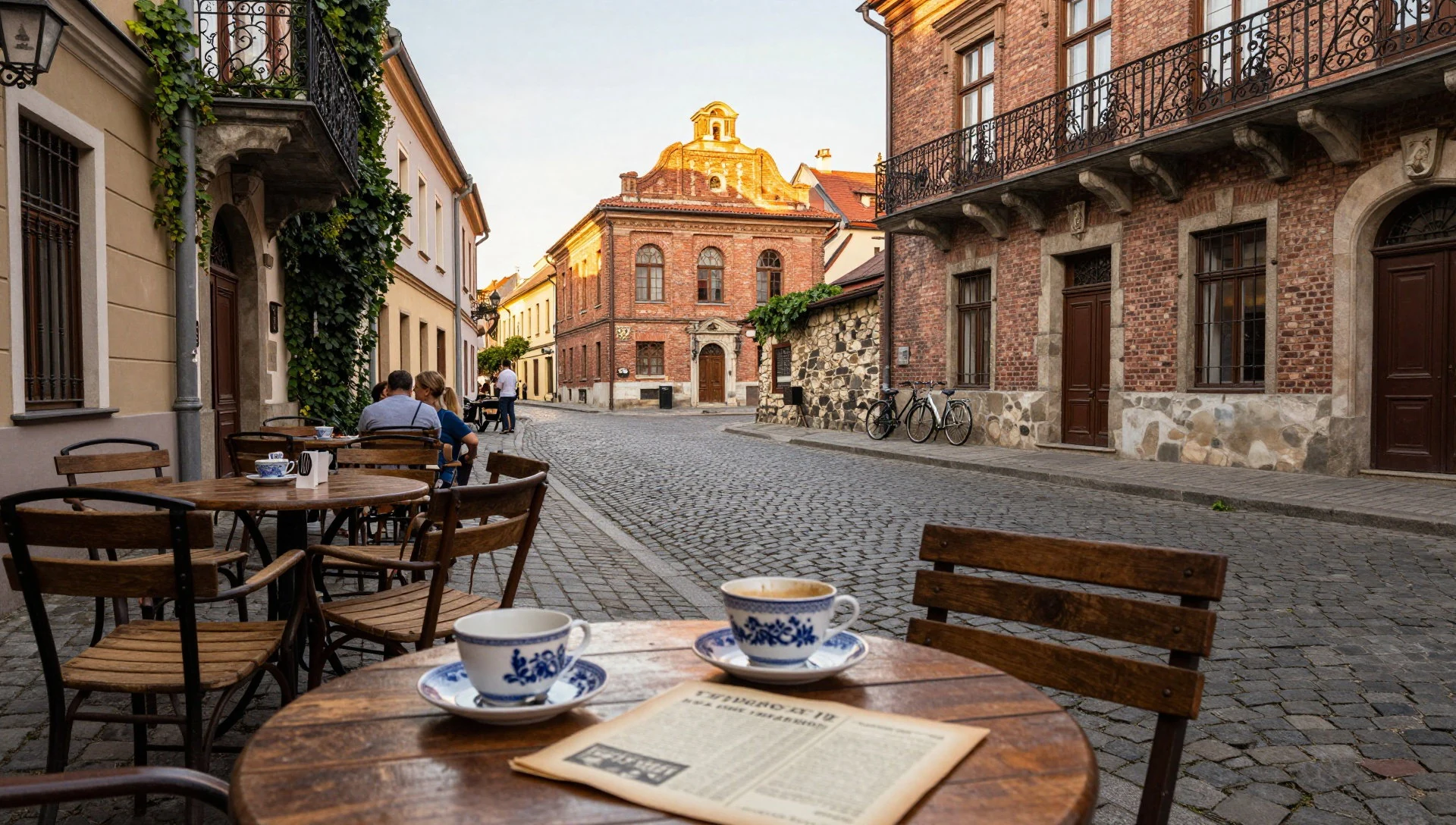
- Church of Saints Peter and Paul — Grodzka Street
Standing along the historic Royal Route on Grodzka Street, this Baroque church is distinguished by a stone fencing lined with carved statues of the twelve apostles. Inside, visitors find ornate stucco decorations, high vaulted ceilings, and regular evening chamber music concerts.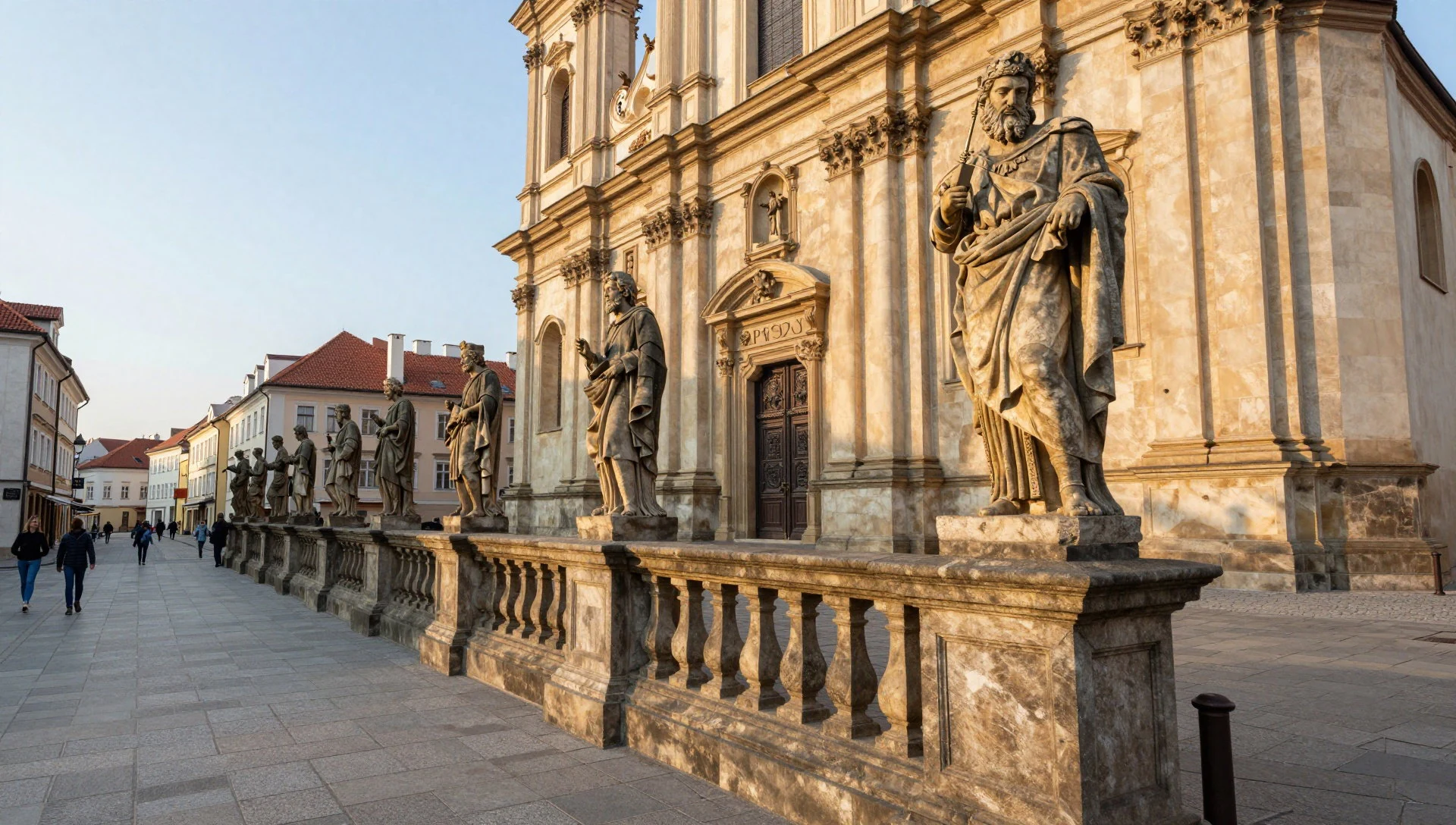
- Floriańska Street and St. Florian's Gate — Old Town
Running north from the main square, Floriańska Street leads directly to the fortified St. Florian's Gate and the medieval Barbican. This paved pedestrian thoroughfare is lined with shops, bakeries, and historic gateways that formed part of the city's original defensive wall system.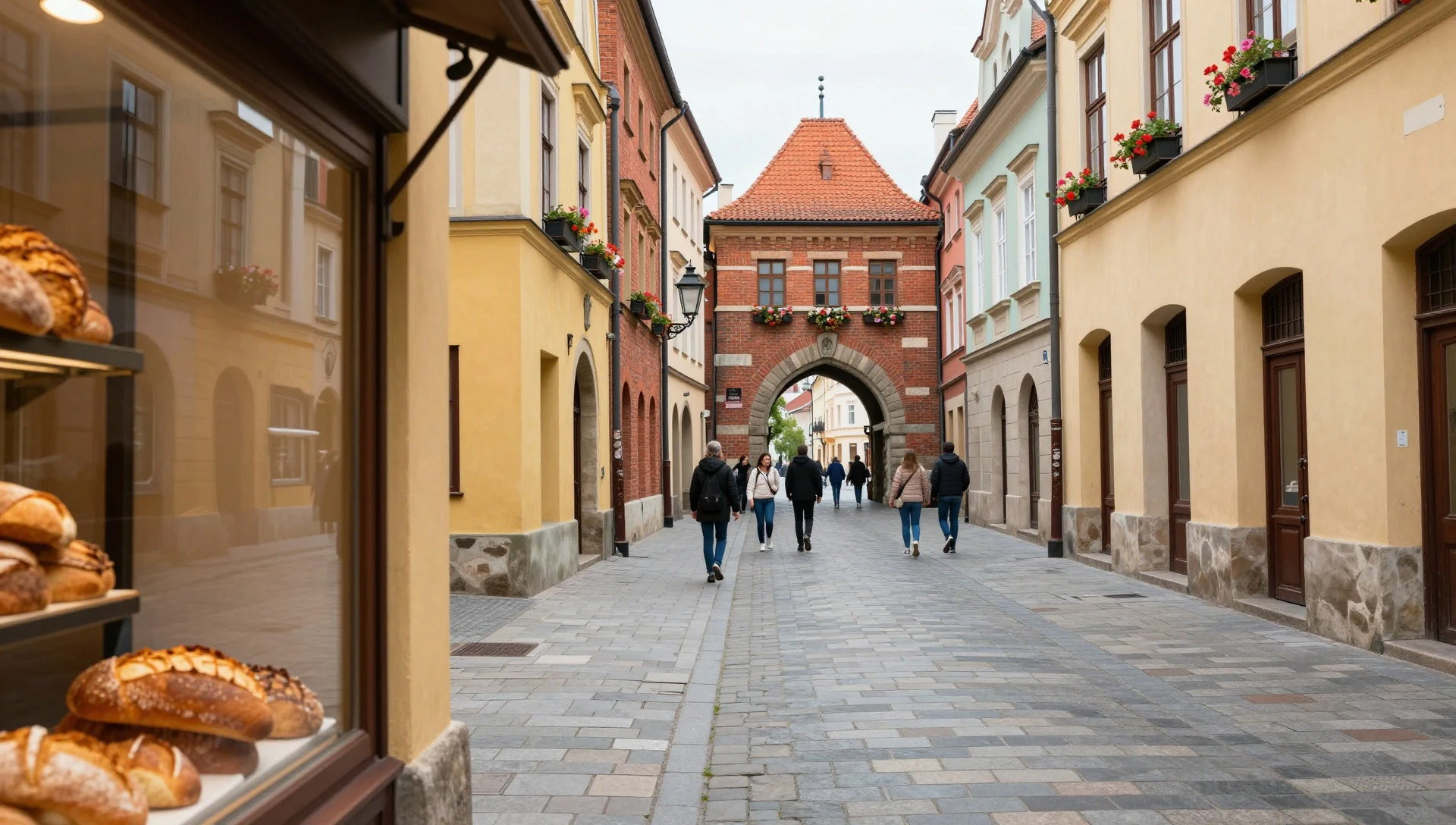
Culture
Kraków maintains a deeply ingrained civic identity rooted in academic scholarship, arts, and historic pageantry. Recognized as a European Capital of Culture in 2000, the city supports numerous galleries, music festivals, and traditional celebrations throughout the calendar year. One of the most recognizable folk traditions is the Lajkonik procession, featuring a rider in oriental costume on a wooden hobby horse who wanders through the streets collected as a festive herald of luck. Museums across the district house significant national collections, including Renaissance masterworks, medieval archaeological finds, and religious artefacts.
Civic life is equally shaped by the city's academic community and cafe culture, where literary discussions and musical performances take place in cellar venues beneath historic townhouses. Faith traditions remain visible in daily routines, with active congregations gathering at neighbourhood churches and historic synagogues. When visiting active churches or former religious sites in Kazimierz, dress respectfully with covered shoulders and refrain from talking loudly or taking photos during services.
What to wear
In Kraków, historical dress is best represented by the traditional Kraków folk costume (strój krakowski), worn during festivals, religious holidays, and folk performances. Women wear embroidered velvet bodices decorated with sequins and beads, paired with floral skirts, white linen shirts, and layered red coral necklaces. Men wear tailored navy jackets with brass buttons, striped trousers tucked into boots, and a distinctive square-topped red cap adorned with peacock feathers.
Contemporary dress in the city leans toward relaxed, practical European style. University students and residents favour comfortable denim, casual knitwear, and sturdy weather-resistant coats during colder months. Summer street attire is light and laid-back, though clean-cut aesthetics prevail in restaurants and evening venues.
Visitors should plan clothing around variable weather and extensive walking on cobblestone streets. Flat, cushioned shoes or sturdy boots are essential for navigating the old pavements comfortably. In summer, breathable fabrics like cotton or linen are ideal, but carrying a lightweight rain jacket or umbrella is advisable for sudden showers. Modest attire, covering shoulders and knees, is required when entering historic churches and synagogues.
What to eat
- Obwarzanek krakowski — Street carts throughout the Old Town
This braided ring of boiled and baked bread dough is sprinkled with salt, poppy seeds, or sesame. Sold from distinctive blue metal carts on almost every street corner in the centre, it serves as a traditional quick daily snack.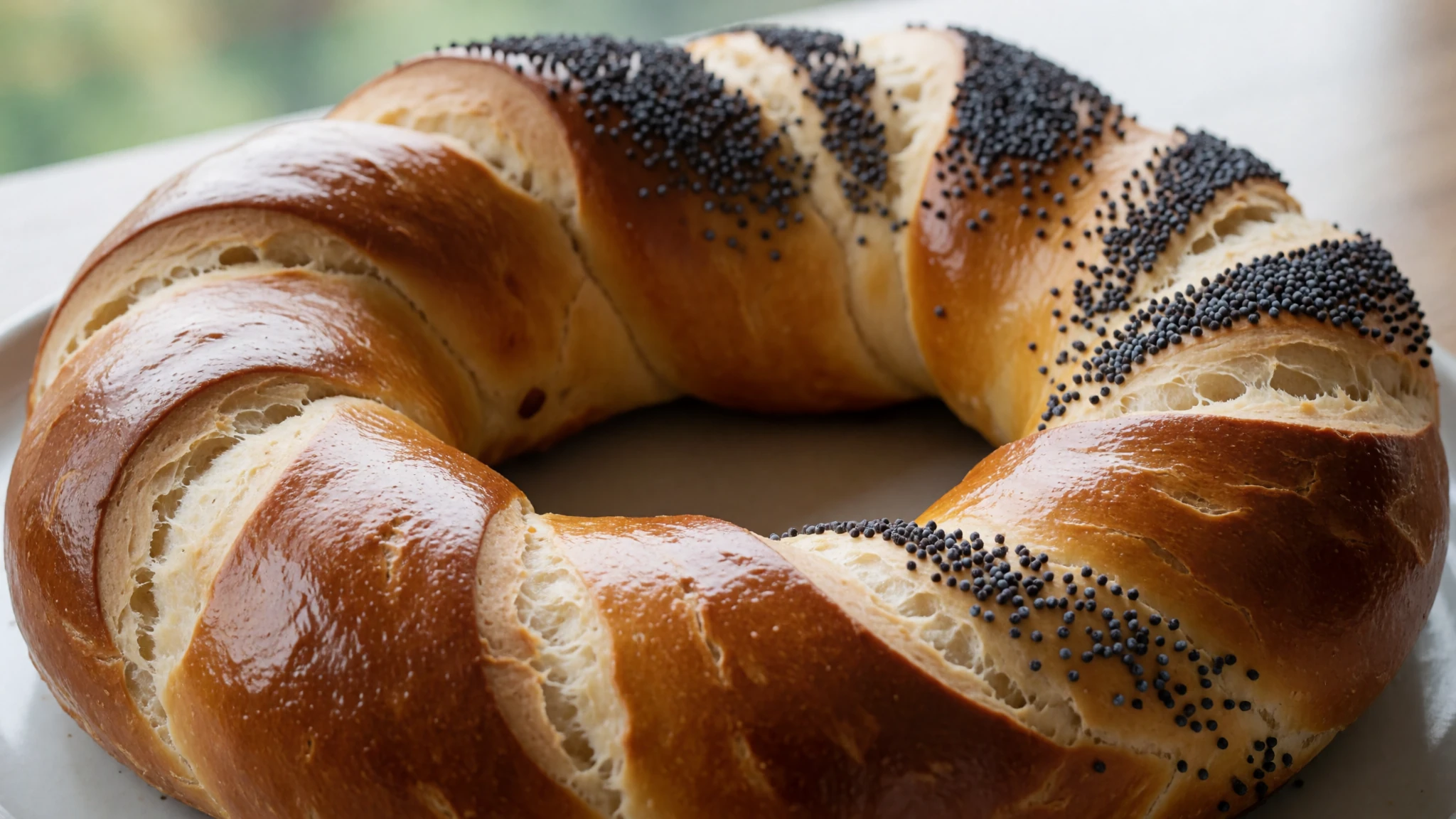
- Zapiekanka — Plac Nowy in the Kazimierz district
An open-faced toasted baguette topped with sauteed mushrooms, melted cheese, and tomato ketchup or garlic sauce. Vendors operating out of the central circular market building on Plac Nowy serve numerous variations until late at night.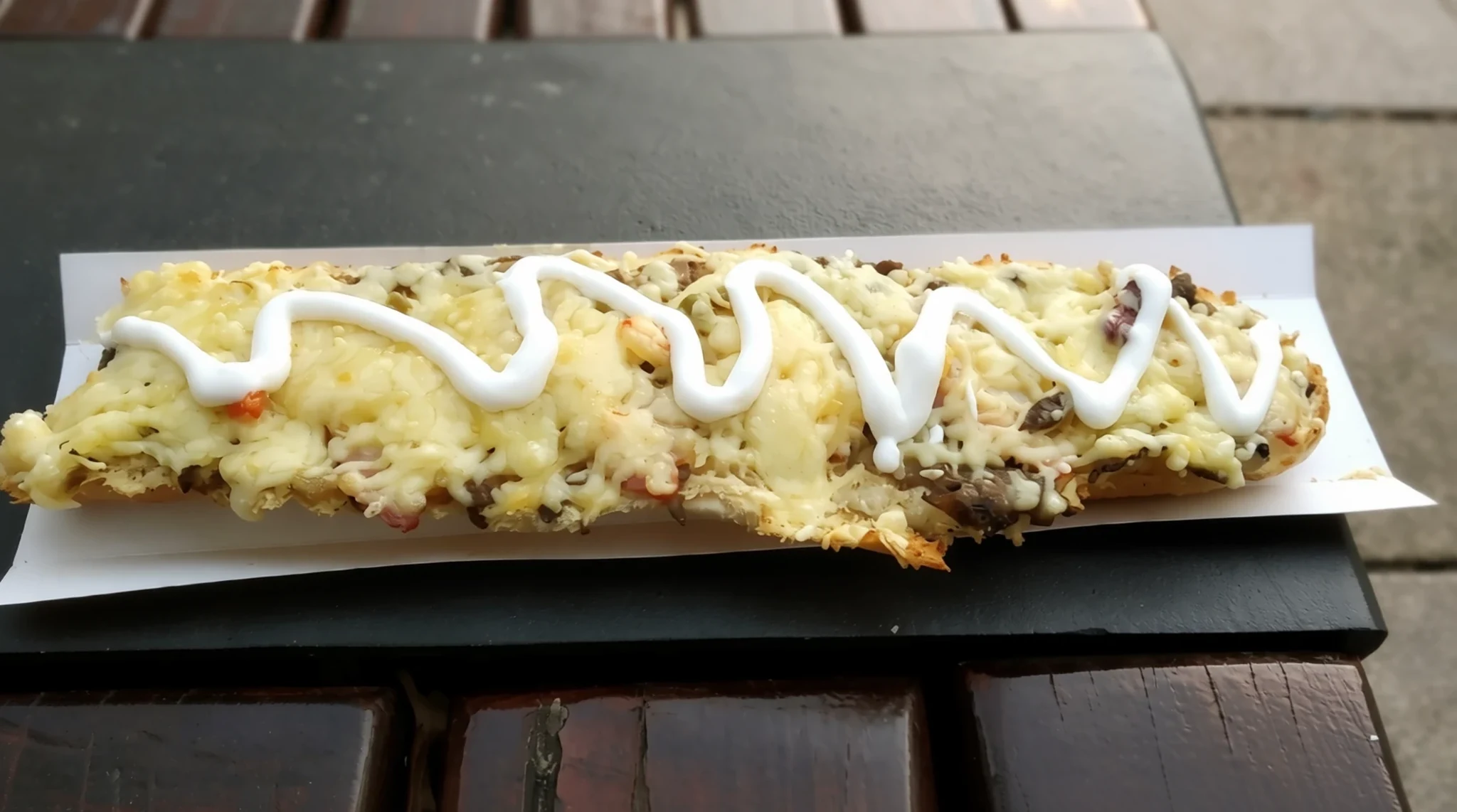
- Maczanka krakowska — Traditional eateries around Kazimierz and the Old Town
Considered a forerunner to modern pulled pork, this regional dish consists of slow-roasted pork neck steeped in a rich caraway-spiced gravy. It is served inside a soft bread roll with pickled cucumbers and mustard. - Pierogi — Pierogarnie (dumpling shops) across the city
Handmade dumplings stuffed with savoury fillings like potato and cottage cheese, minced meat, or sauerkraut and mushrooms. Boiled or lightly pan-fried, they are typically served topped with caramelized onions or melted butter. - Barszcz czerwony — Traditional Polish restaurants in the city centre
A clear, vibrant beetroot soup brewed with garlic, marjoram, and a touch of vinegar. Often served with tiny mushroom-stuffed dumplings called uszka, it is a staple warm starter during winter months.
Plan it
Best time. May to June and September to October offer mild temperatures and fewer crowds than midsummer; winters can be cold with snow, while July and August bring warm weather and heavy tourist numbers.
How long. 2–3
Getting there. Fly into Kraków John Paul II International Airport, then take the direct 20-minute train ride to Kraków Główny main station; regular rail connections also run from Warsaw.
Budget. mid
Tips
- Purchase rail tickets from machines at the airport platform for a fast transfer to the city centre
- Carry small cash notes for street snacks like obwarzanek and public restrooms
- Book entrance tickets to Wawel Castle and popular museums online in advance
- Wear broken-in walking shoes for navigating uneven cobblestone thoroughfares
Etiquette
- Lower your voice and cover shoulders when visiting active places of worship
- Stand on the right side of escalators in railway stations and shopping venues
- Always validate public transport tickets immediately after boarding
Nearby
Sources
- Wikidata Q31487 (CC0)
- Wikipedia (rev 1381305443) (CC BY-SA 4.0)
- Wikivoyage (rev 5407584) (CC BY-SA 4.0)
- Photo photos/01-zamek-kr-lewski-na-wawelu-1.jpg (CC BY-SA 4.0)
- Photo photos/02-krakow-rynek-glowny-panorama-2.jpg (CC BY-SA 4.0)
- Photo photos/03-wawel-cathedral-front.jpg (CC BY-SA 4.0)
- Photo photos/04-church-of-saints-apostles-peter-and-paul-52a-grodzka-street-.jpg (CC BY-SA 2.5)
- Photo photos/05-wawel-royal-castle-courtyard-se-4-wawel-old-town-krakow-pola.jpg (CC BY-SA 1.0)
- Photo photos/06-2017-05-29-ulica-floria-ska-krak-w-3.jpg (CC BY-SA 4.0)
- Photo photos/07-krakow-transfigurationchurch-g64.jpg (CC BY 3.0)
- Photo photos/08-20200516-sukiennice-w-krakowie-0909-9963.jpg (CC BY-SA 4.0)


