Konya
Konya, Turkey
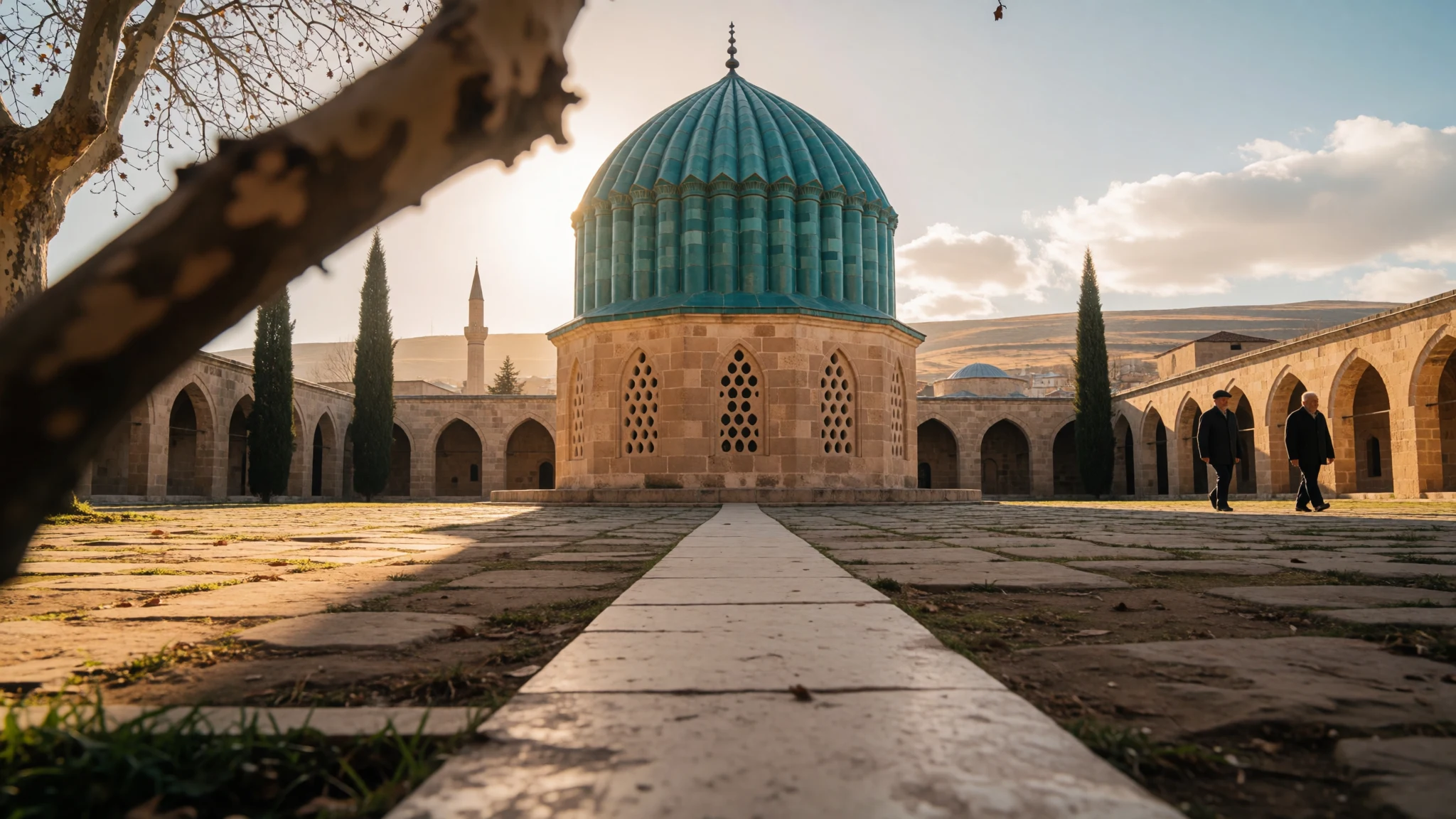
Konya is where Rumi's tomb, Seljuk tilework and the whirling dervishes meet on the wide Anatolian steppe, far from Turkey's beach crowds.
The place
Konya sits on the southwestern edge of the Central Anatolian Plateau, about 1,019 m above sea level, in a landscape of dry steppe and wheat fields rather than coast or mountains. The city holds about 2.2 million people, so it is a large, busy provincial capital with trams, a high-speed rail link and sprawling modern suburbs. The old centre still has a distinct character: Seljuk brick and tilework stand beside Ottoman mosques and ordinary shopping streets, and the call to prayer shapes the day more audibly than it does on the Aegean or Mediterranean coast. Most visitors come for Rumi, the poet and teacher whose tomb draws pilgrims from across the Muslim world, and for the Mevlevi tradition of whirling. The city repays a slower look, though. There is a small museum of Seljuk tiles, an archaeology museum with carved Roman sarcophagi and finds from Çatalhöyük, and tea gardens that fill up in the evening. The main sights lie within a short walk or tram ride of one another, which makes Konya easy to see in a couple of days. Summers are dry, bright and warm, with cool nights, while winters are properly cold. The mood is more devout and less geared to tourists than Istanbul: English signs are fewer, some eateries close early, and alcohol is not on every menu. Konya also works well as a stop between Cappadocia and the Mediterranean coast.
Its story
Konya has been lived in since the third millennium BC, and excavations show settlement by the Late Copper Age. Over the centuries the site passed between Hittites, Phrygians, Greeks, Persians and Romans, and in those eras it was called Iconium. Xenophon described it as the last city of Phrygia. The facts record a founding date of 700 BCE, and the place was a stop on routes crossing the plateau long before it became a capital. Its great moment came after the Seljuk Turks took the region in the eleventh century. They made Konya the seat of the Sultanate of Rum, and the city grew wealthy as a centre of building, learning and trade. The medresas, mosques and tiled halls that visitors see today largely come from that period. Rumi settled here, and after his death his followers organised the Mevlevi order around his memory. When Seljuk power faded, the Karamanids held Konya for a time, and then the Ottoman Empire absorbed it in the fifteenth century. The city lost its role as a royal capital but kept its religious weight, and the Mevlevi lodges remained active for centuries. After the Turkish War of Independence, Konya became part of the Republic of Turkey. Today it is both a provincial industrial and farming centre and a pilgrimage destination, with layers of history that are easy to read in its museums.
What to see
- Mevlana Museum — Central Konya
The Mevlana Museum in Konya is built around Rumi's tomb and is topped by the turquoise-fluted dome that has become the city's emblem. Inside are the tombs of Rumi and members of his circle, old manuscripts and Mevlevi objects. Pilgrims and tour groups both come, so early morning is calmer.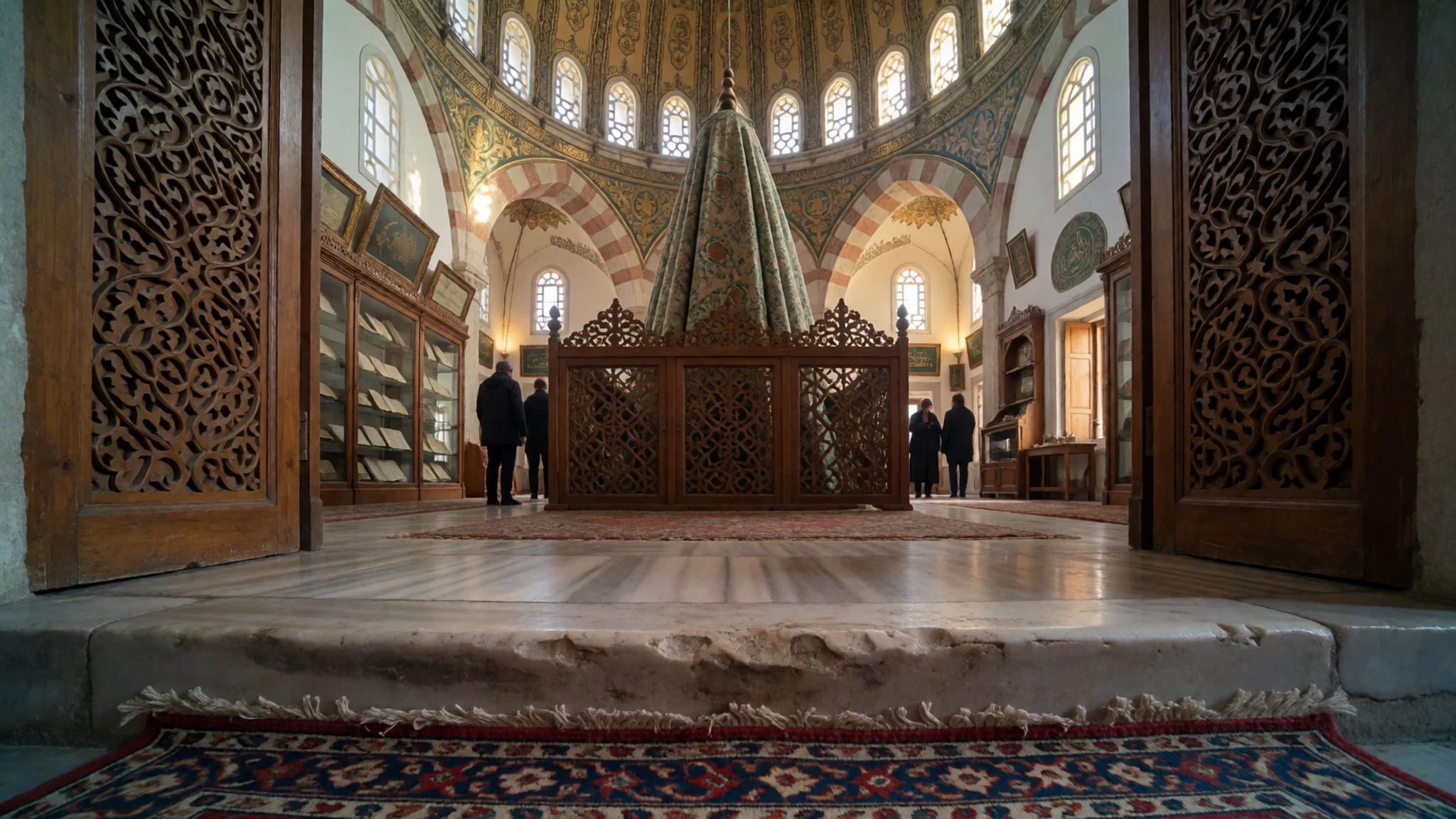
- İnce Minare Museum — Central Konya
This seminary in Konya dates from 1265 and takes its name from a once-taller minaret. Lightning brought the original tower down in 1901, and the rebuilt version looks squat beside the grand carved stone doorway. The portal repays a close look, as does the quiet courtyard behind it.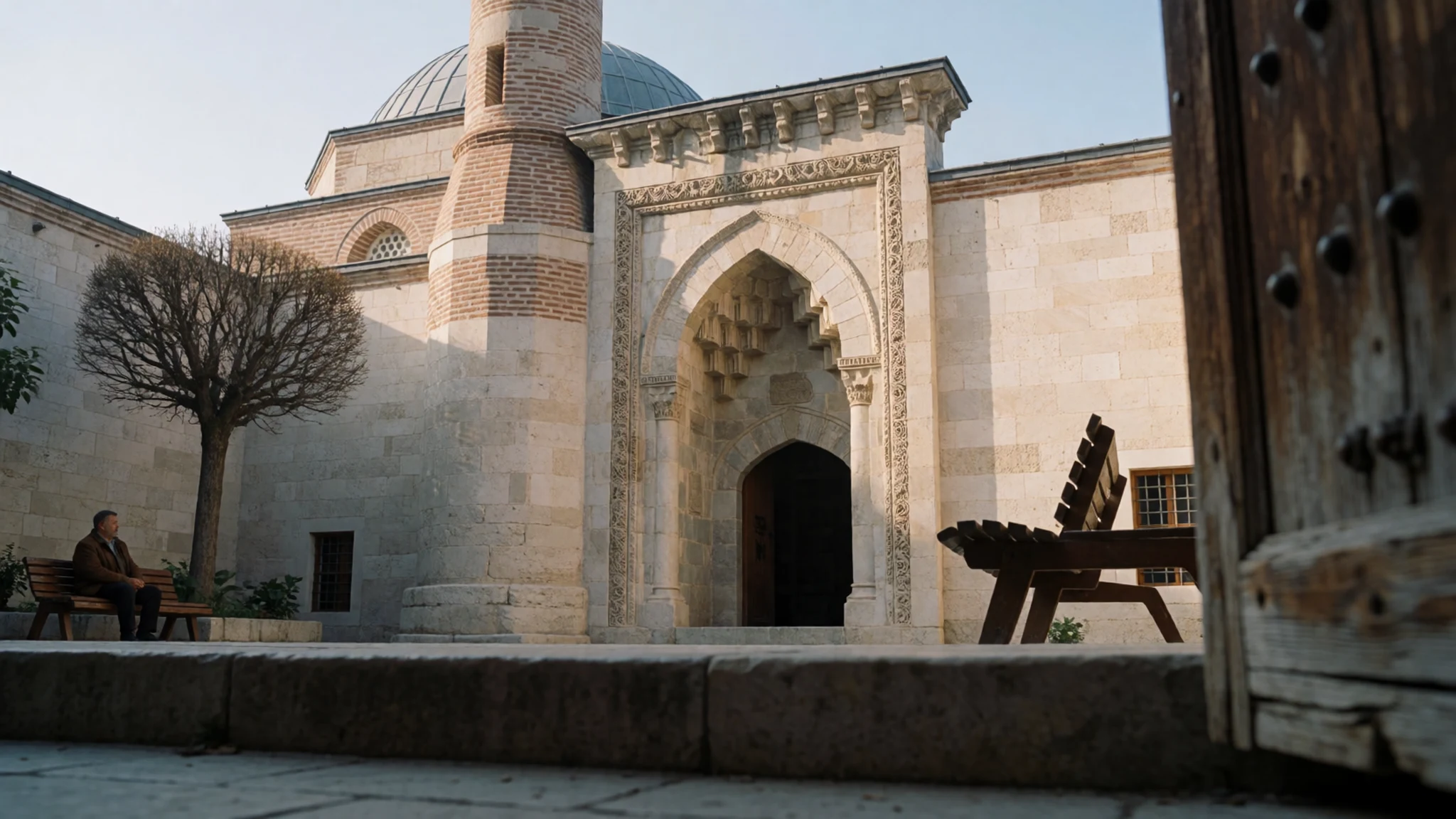
- Karatay Medresesi Museum — Central Konya
Konya's Karatay Medresesi dates from 1251 and now houses a museum of Seljuk tiles. The domed hall is covered in blue, turquoise and black patterns, and cases hold tile panels and fragments. It is small, quiet and shows what Seljuk craftsmen achieved better than a guidebook photograph can.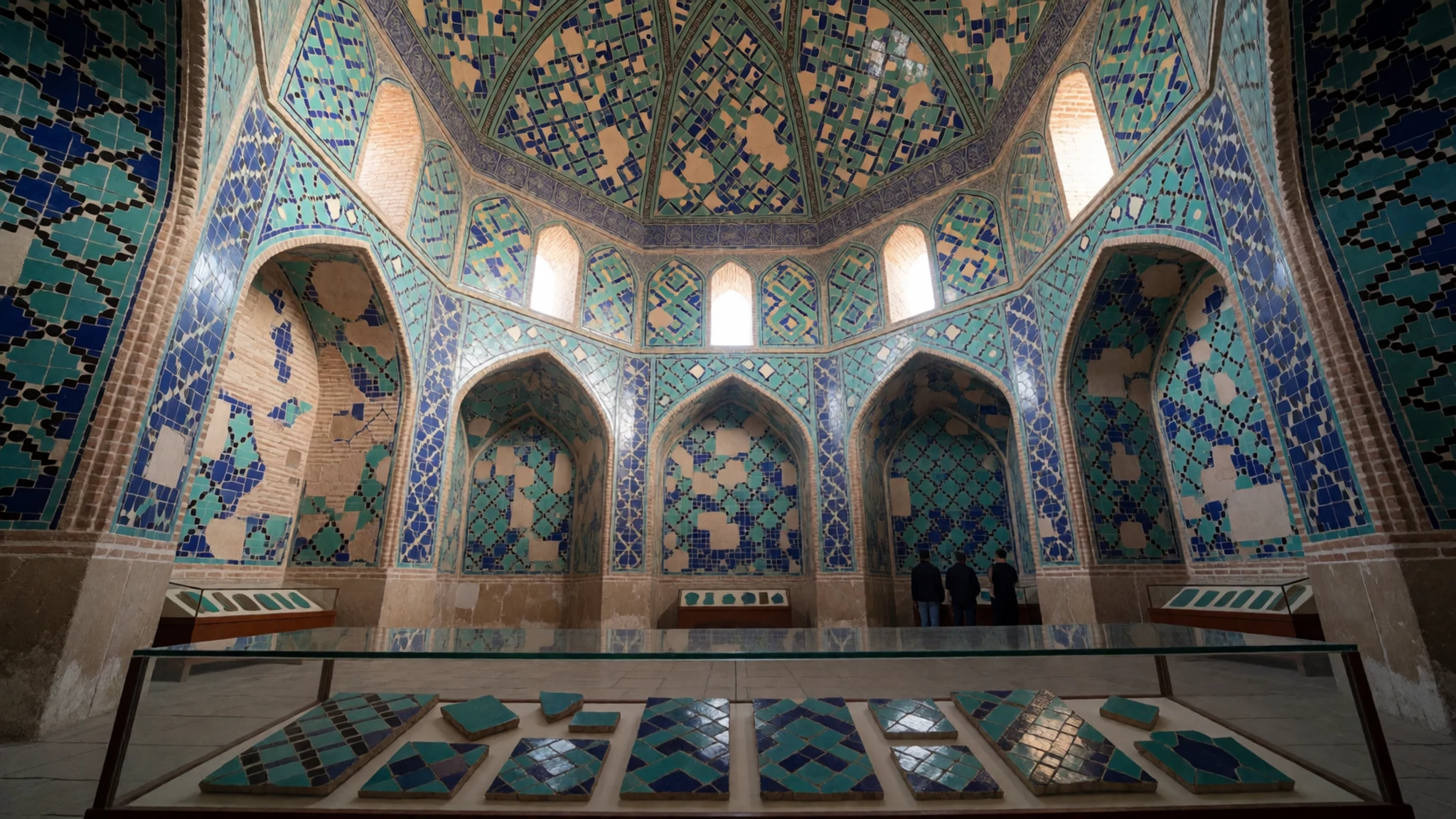
- Konya Archaeology Museum — Central Konya
Konya's archaeology museum gathers finds from across the region. The carved Roman sarcophagi are the highlight, some with scenes of the labours of Hercules, and there are objects from Çatalhöyük, the prehistoric settlement on the plain. It gives useful context before the Seljuk sights.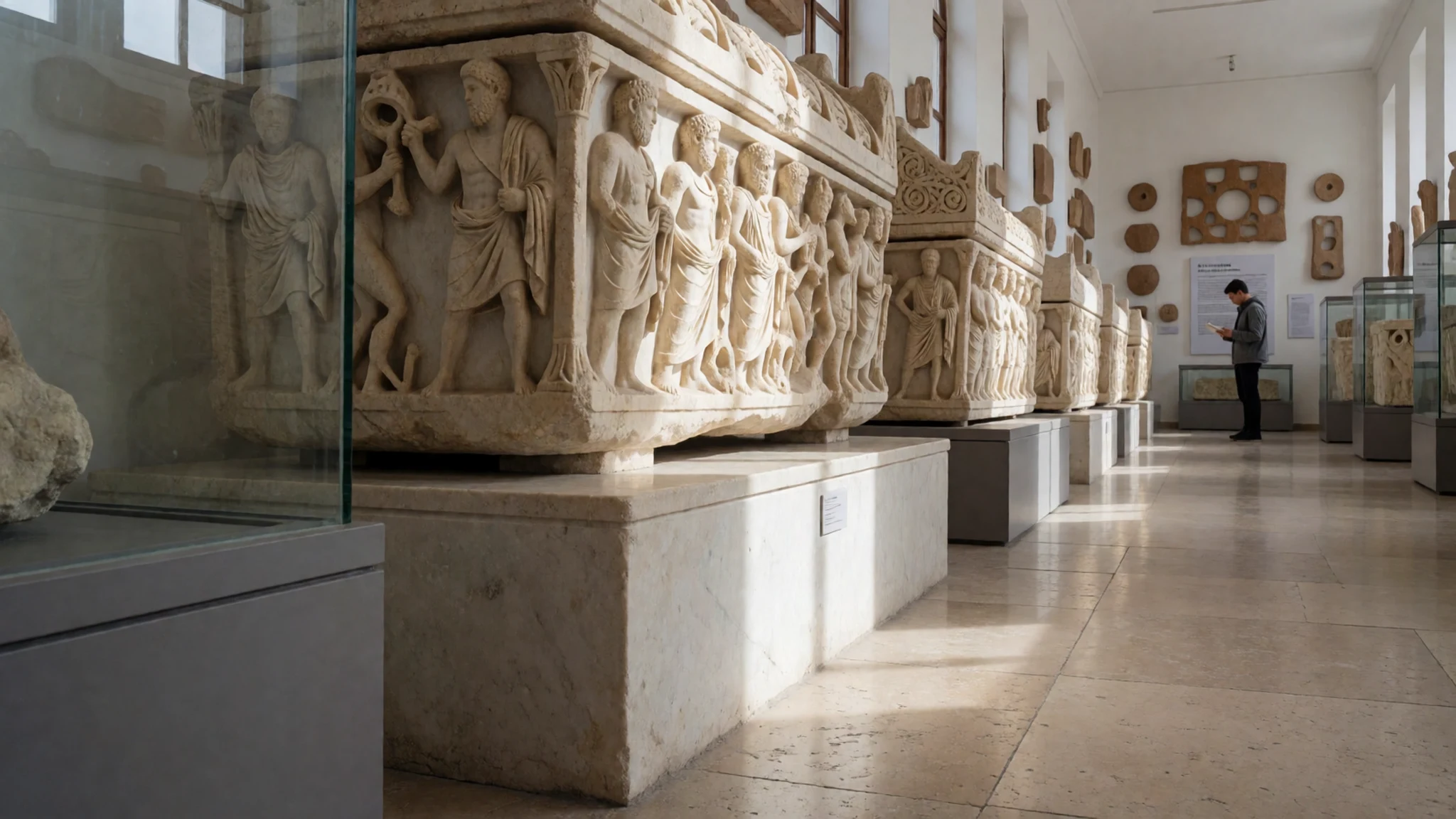
- İplikçi Mosque — Central Konya
İplikçi Mosque in Konya is a brick Seljuk building from 1202. Its name refers to a thread spinner, and the founder İplikçi Necîbüddin Ayaz looked after the neighbouring madressa. It is plain compared with the tile-covered monuments nearby, but it shows the simpler brick tradition of early Seljuk Konya.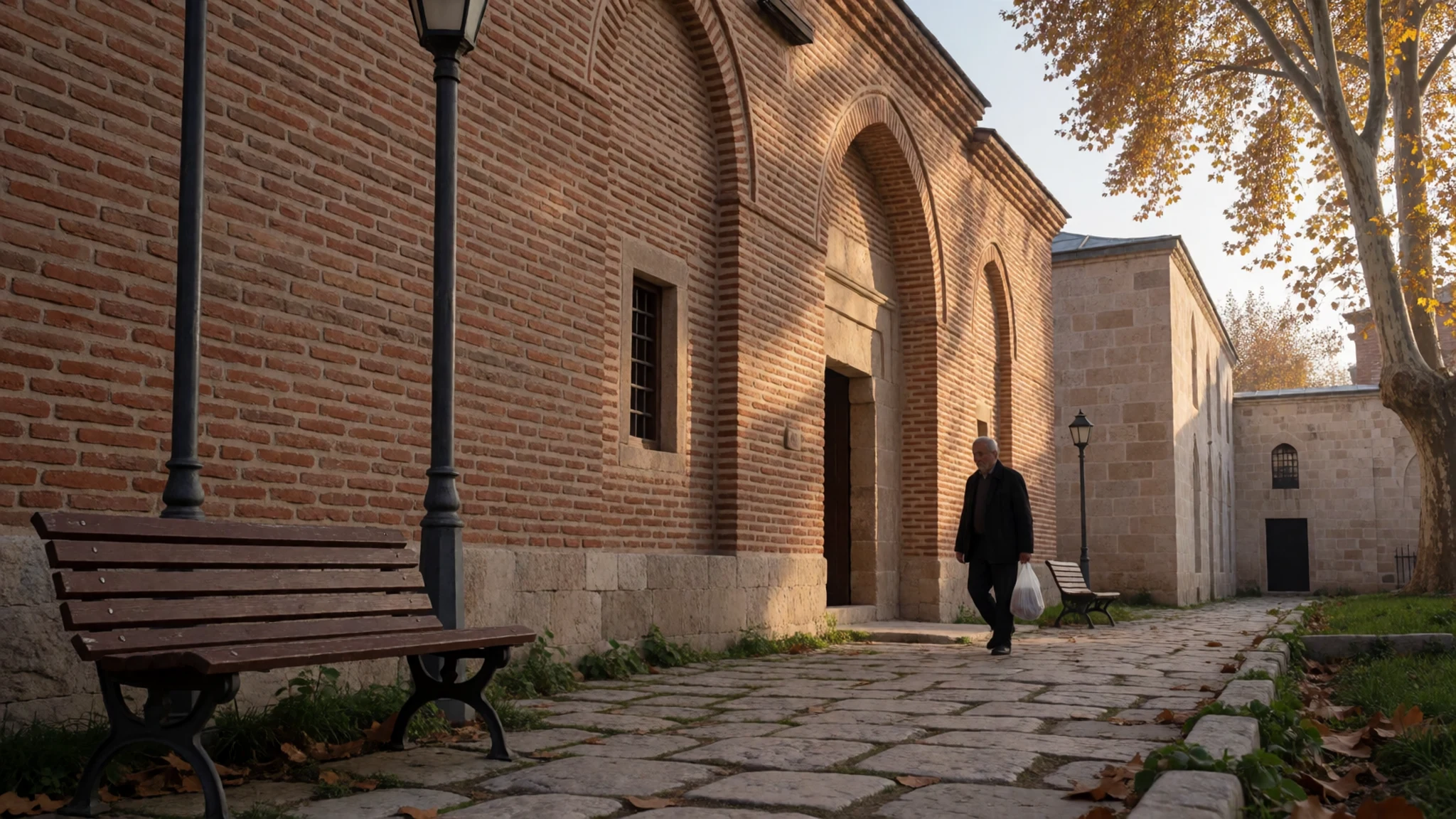
Culture
Konya is generally regarded as a devout, traditional city, and the public mood shows it: families dress modestly, mosques are busy at prayer times, and the weekly rhythm follows religious life more than nightlife. It was Rumi's last home, and his turquoise-domed tomb is the city's main draw. In 1273 his followers founded the Mevlevi Sufi order, known abroad as the whirling dervishes. The sema ceremony, with its turning dancers, long music and prayer, is understood by the order as a spiritual practice, not a show. On Saturdays there are performances at the Mevlana Cultural Centre, and these are held as genuine ceremonies rather than the staged versions found in some tourist districts. Konya also has a rich tradition of craft: intricately patterned local rugs were sent to Europe in the Renaissance era, where owners used them to display their wealth. Hospitality matters here, so tea is offered easily and conversations start readily, especially if a visitor shows interest in Rumi's poetry. The poet's themes of love, tolerance and openness are quoted everywhere, from museum walls to shop signs. Pilgrims from Turkey and abroad visit the tomb, so the atmosphere around it can be reverent rather than casual. Sit quietly through a sema without applauding or taking photographs unless the hosts say it is permitted, and keep your voice low and your shoulders and knees covered at the Mevlana complex.
What to wear
Konya's traditional dress is best known through the Mevlevi order. Dervishes wear a tall conical felt hat called a sikke and a wide white skirt, the tennure, which flares as the dancer turns, with a dark cloak worn over it until the ceremony begins. These are ceremonial clothes, seen mainly at semas and in museum displays. Everyday village dress in the region once included baggy şalvar trousers, embroidered waistcoats and headscarves of cotton and wool, and the area's textile fame rests on its hand-knotted wool carpets and kilims. Today most people in Konya wear plain modern clothes, with a conservative tilt compared with coastal Turkey. Many women wear headscarves and long coats or loose tops, men favour trousers and shirts, and shorts are uncommon on adults. Smart casual is normal for evenings out. Visitors should dress modestly, especially at the Mevlana complex and in mosques. Women should carry a light scarf to cover the head, with shoulders and knees covered for everyone. Summers are hot and dry in the day, so choose loose cotton or linen in long cuts, and bring a layer for cool nights. Winters are cold, with snow possible, so pack a warm coat. Comfortable shoes that slip off easily are practical, since stone courtyards and carpeted prayer halls mean removing footwear often.
What to eat
- Etliekmek — Pide and bakery shops in the city centre
Etliekmek is a long, thin flatbread topped with minced meat, baked in a stone oven and cut into strips. It is the dish most closely tied to Konya. Look for it at bakeries and pide shops in the centre, often with a glass of ayran.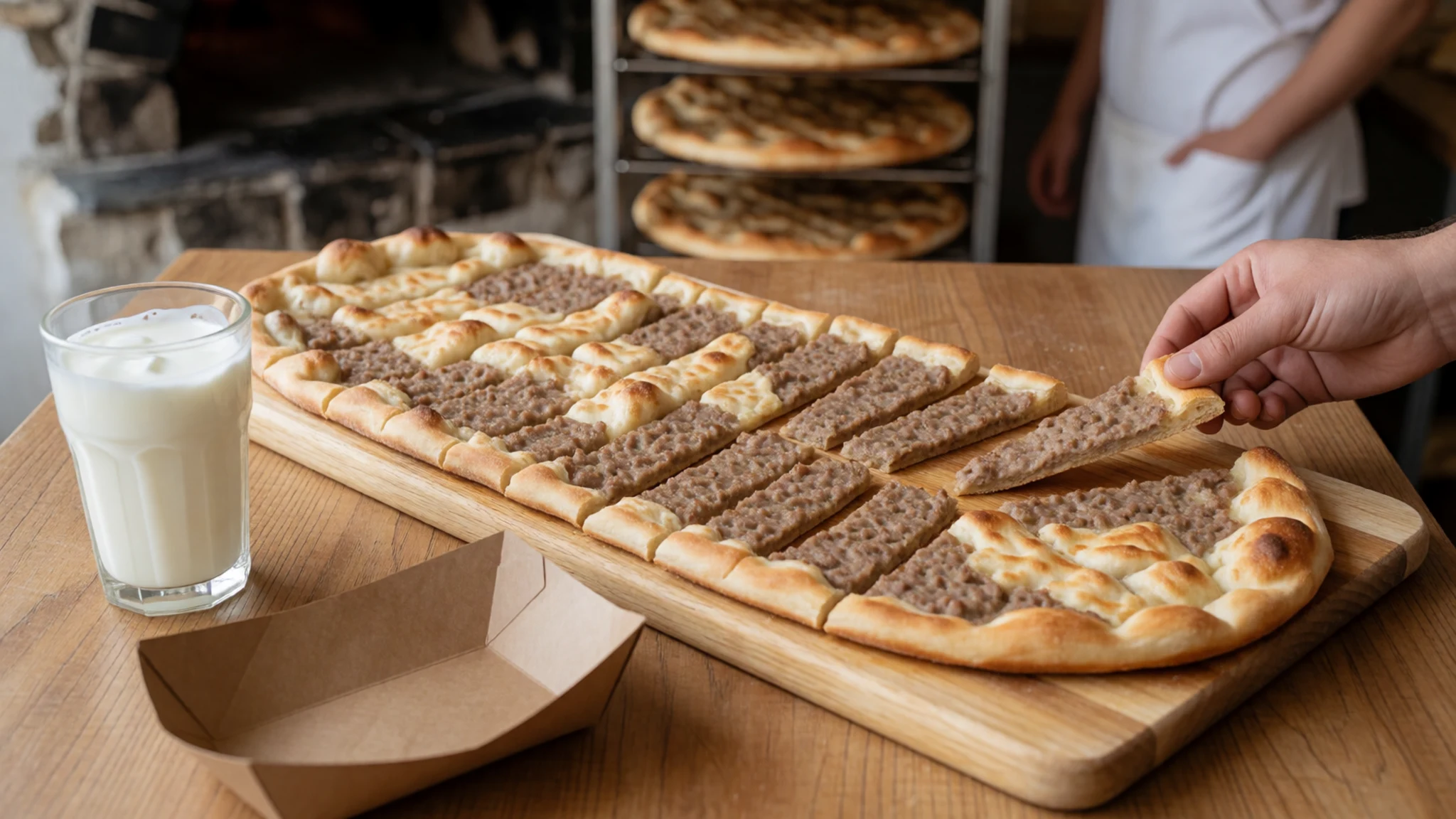
- Tandır kebap — Traditional kebab restaurants
Tandır kebap is lamb cooked slowly in a wood-fired oven until the meat is soft enough to pull apart. It is served with bread and simple salads. Many traditional restaurants serve it at lunchtime, and it tends to run out later in the day.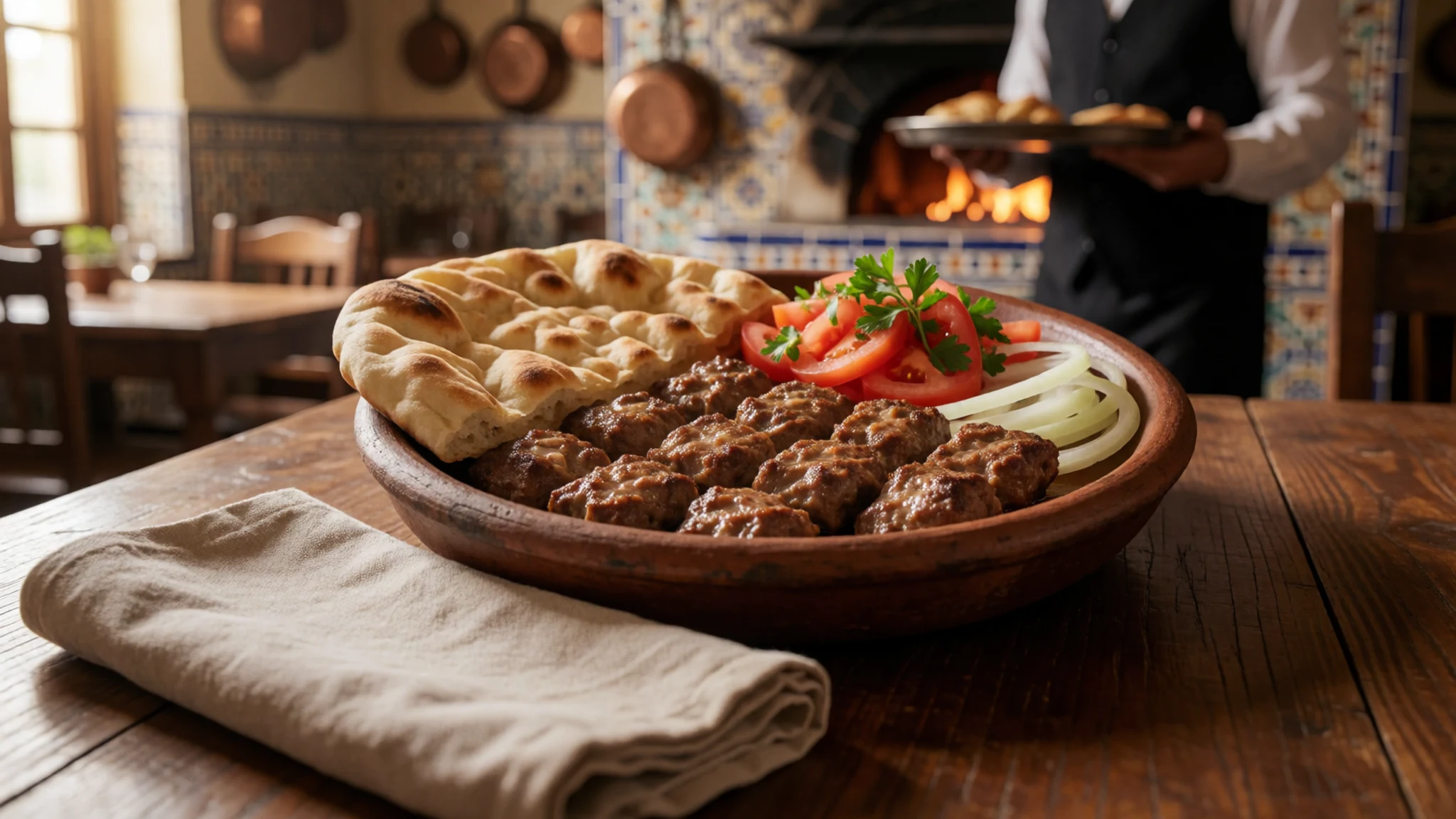
- Tirit kebap — Specialist eateries near the old centre
Tirit is a Konya speciality of bread soaked in meat juices and topped with sliced lamb, often with yoghurt or tomato sauce. It is hearty and filling, and some small eateries serve little else, so there is no long menu to read. - Mutton soup and stews — Small family-run eateries
Wheat, bread and mutton form the base of local cooking, so small family eateries serve warming soups and meat stews, especially in cold months. Expect lentils, bulgur and flatbread alongside. It is simple, filling food, eaten without hurry. - Courtyard Mediterranean dishes — Restored mansion courtyards in the old town
Konya also has lighter restaurants in restored mansions, serving vegetable dishes, grilled fish and mezes in courtyards. They suit a slower evening, and they are a useful change after meat-heavy meals, especially for vegetarians.
Plan it
Best time. May–June and September–October are the most comfortable months, with warm days and cool nights. July and August are hot and dry, with daytime averages near 30 °C. Winters are cold and can bring snow.
How long. 2
Getting there. Konya has its own airport, with a Havaş bus into the centre timed around the Istanbul flights. Fast YHT trains run from Istanbul and Ankara, and a tram line serves the bus terminal and the centre.
Budget. low
Tips
- Visit the Mevlana Museum early in the day, before tour groups arrive
- Check the official city website, konya.bel.tr, for dates of Saturday semas and book ahead
- Carry a light scarf and a layer, since evenings cool quickly even in summer
- Carry some cash for small eateries and tea gardens
- Drink water often in summer, as the plateau air is dry
Etiquette
- Dress modestly at the Mevlana complex and in mosques, and remove shoes where shoe racks are provided
- Do not applaud or photograph during a sema unless the hosts allow it
- Ask before photographing people, especially women
Nearby
Sources
- Wikidata Q79857 (CC0)
- Wikipedia: Konya (rev 1383888758) (CC BY-SA 4.0)
- Wikivoyage: Konya (rev 5426086) (CC BY-SA 4.0)
- Photo: Konyaaltinçarşi, Konya Karatay Belediyesi (CC BY 4.0)
- Photo: Mevlana Museum in Konya, Emad Nemati (CC BY-SA 4.0)
- Photo: Selimiye Mosque, Konya, Joe Wallace (CC BY-SA 2.0)
- Photo: Konya Tropical Butterfly Garden, Selçuklu Belediyesi Photo-Gallery (CC BY 4.0)
- Photo: Aziziye Mosque in Konya, Nedim Ardoğa (CC BY 3.0)
- Photo: Roman sarcophagus, David Stanley (CC BY 2.5)
- Photo: Konya Archaeological Museum exhibits, Murat Özsoy 1958 (CC BY-SA 4.0)
- Photo: Marble sarcophagus, Konya archaeological museum, Fabienkhan (CC BY-SA 2.5)


