Kolkata
Kolkata, India
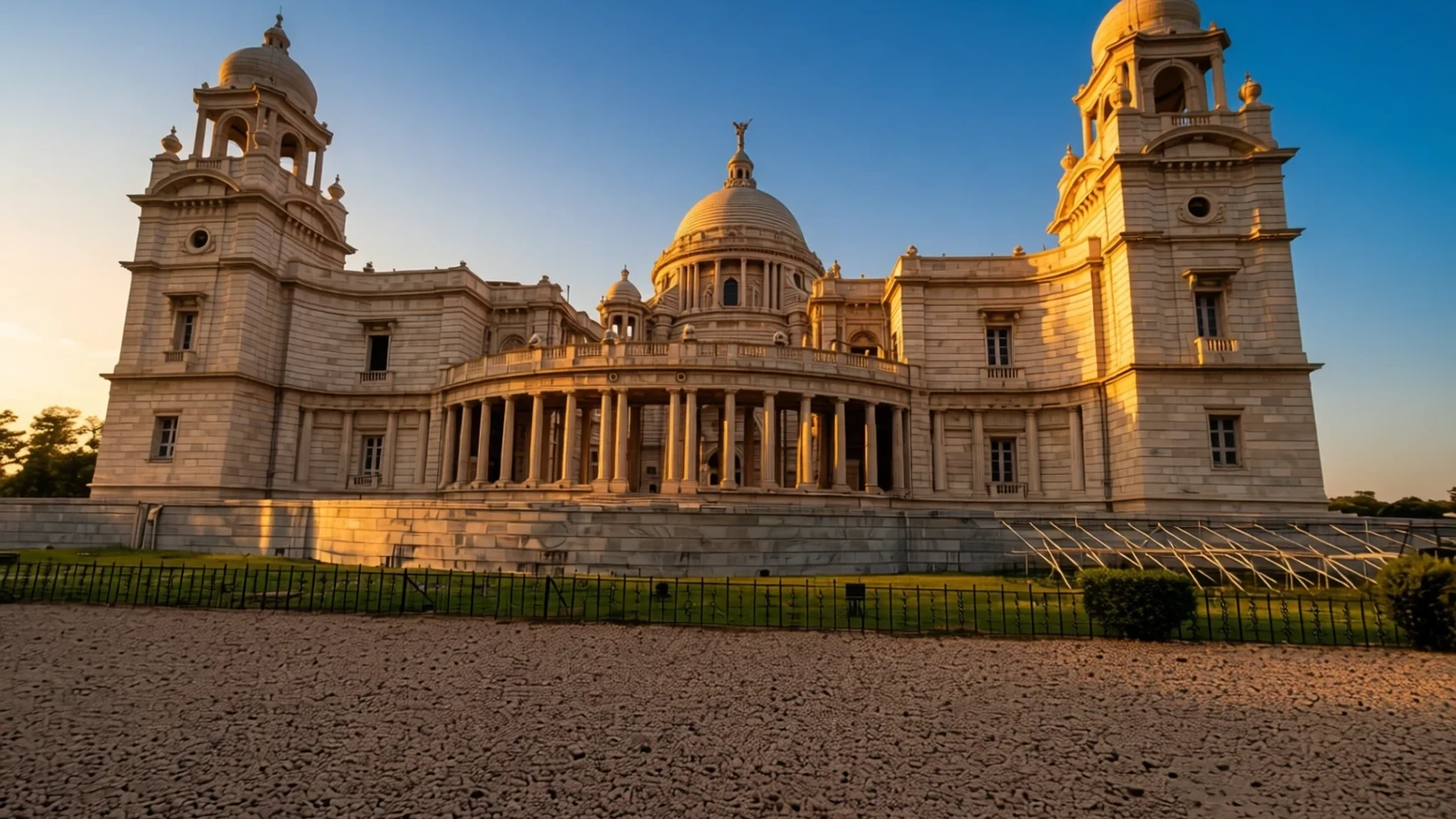
Kolkata remains a cultural powerhouse of eastern India, balancing colonial architecture, literary heritage, and dynamic street life along the river.
The place
Kolkata, formerly known as Calcutta until the year 2001, serves as the capital city of the Indian state of West Bengal. It stretches along the eastern bank of the Hooghly River, positioned inland from the Bay of Bengal and acting as the primary financial and commercial hub of eastern India. As a historic megacity, it accommodates a large municipal population while anchoring an extensive metropolitan region that draws millions of commuters and traders daily from surrounding rural districts and neighbouring states. The urban landscape is defined by a distinct mix of grand British-era administrative architecture, sprawling open green lungs, and dense residential neighbourhoods known locally as paras. Narrow lanes weave through older quarters where traditional courtyard houses stand beside modern developments, reflecting the city's continuous evolution over centuries of trade, governance, and cultural synthesis. The climate is tropical, bringing intense humidity and heavy monsoon rains during the mid-year months, followed by cooler and drier weather towards the end of the year. Life here unfolds largely in public view, from morning walkers across vast grassy fields to evening gatherings on street corners where residents engage in hours of spirited debate. Visitors stepping into Kolkata encounter an environment that demands patience and rewards curiosity, offering an unfiltered view of urban existence in South Asia where intellectual tradition and everyday resilience meet at every turn.
Its story
Archaeological findings from nearby sites indicate that human settlement in the wider regional delta spans more than two millennia. Before the arrival of European traders, the immediate area comprised a collection of small agrarian and trading villages situated amid riverine jungles, anchored by ancient riverside shrines and bustling commercial anchor points. The recorded chapter of the city's modern identity began when the English East India Company arrived to consolidate its commercial ventures along the river banks, securing trading rights and establishing fortified positions. This early colonial outpost grew rapidly into the administrative capital of British possessions across the subcontinent, overseeing vast territories and steering imperial policy for nearly two centuries. The presence of the colonial administration spurred the rise of a new urban elite, giving birth to sweeping social reforms, educational institutions, and literary movements that collectively shaped modern Indian political and artistic thought. Following the relocation of the imperial capital elsewhere, the city retained its intellectual gravity and played a central role in the national independence movement, with its university graduates and political leaders frequently spearheading resistance against colonial rule. In the decades following independence, Kolkata absorbed significant demographic shifts and economic restructuring while fiercely preserving its distinct regional heritage, revolutionary spirit, and rich intellectual traditions that continue to define its character today.
What to see
- Victoria Memorial — Southern edge of the Maidan
This immense white marble monument stands at the southern edge of the Maidan, built to commemorate Queen Victoria. Its sprawling galleries house an extensive collection of historical paintings, manuscripts, and imperial memorabilia. Visitors should prepare for significant crowds and lengthy queues when attempting to enter the main galleries during peak hours.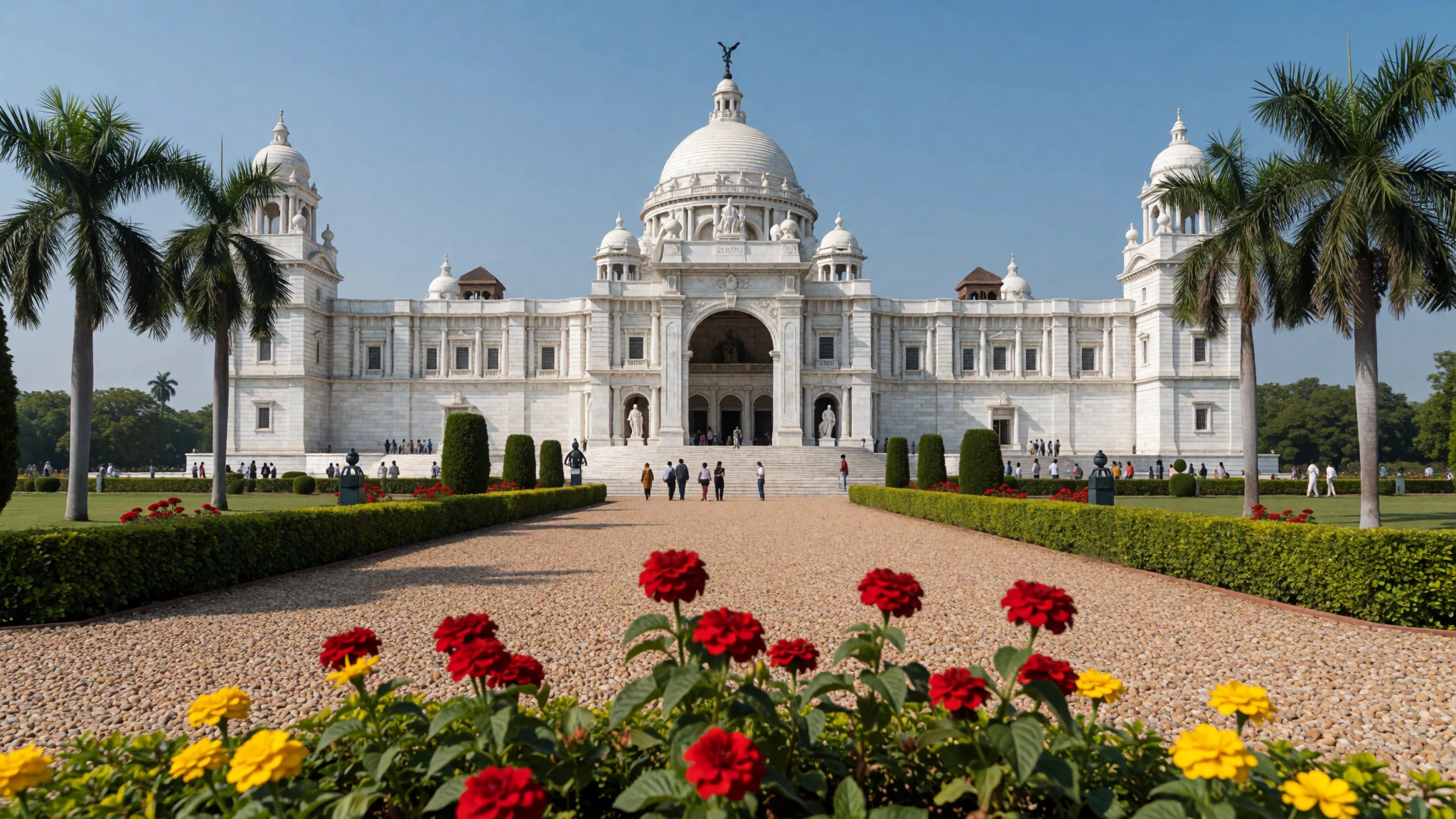
- St. Paul's Cathedral — Near the Maidan
Positioned near the city's central green spaces, this prominent church is celebrated for its striking Indo-Gothic architectural design. Tall spires, stained glass windows, and quiet prayer halls provide a peaceful retreat from the surrounding traffic. It remains an active place of worship and a notable landmark of the city's colonial architectural heritage.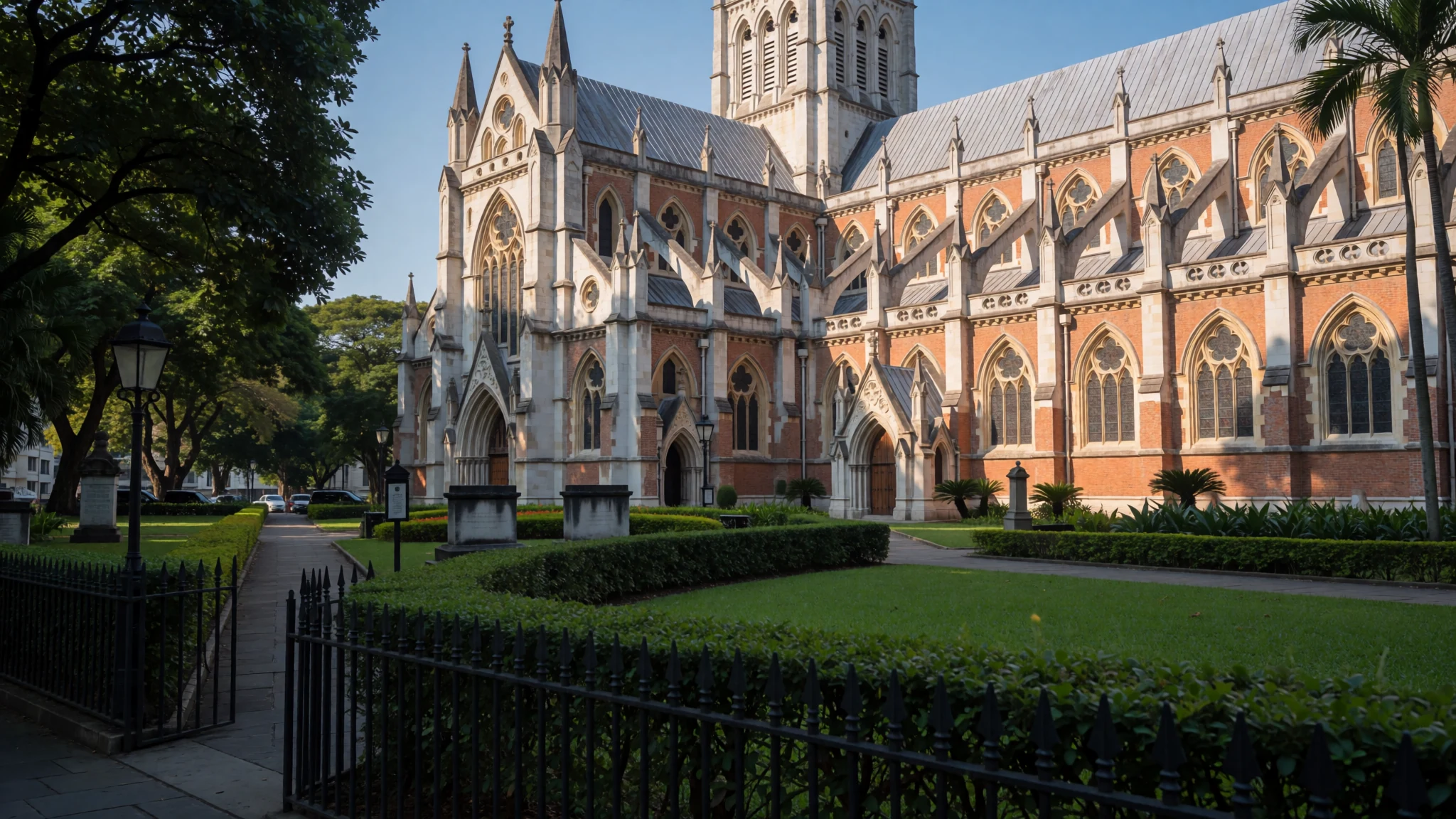
- BBD Bagh — Central business district
Formerly known as Dalhousie Square, this historic plaza served as the administrative nerve centre of British India. The surrounding district contains impressive civic structures, including the grand General Post Office with its imposing dome and the long brick facade of the Writers' Building, which governed regional politics for generations.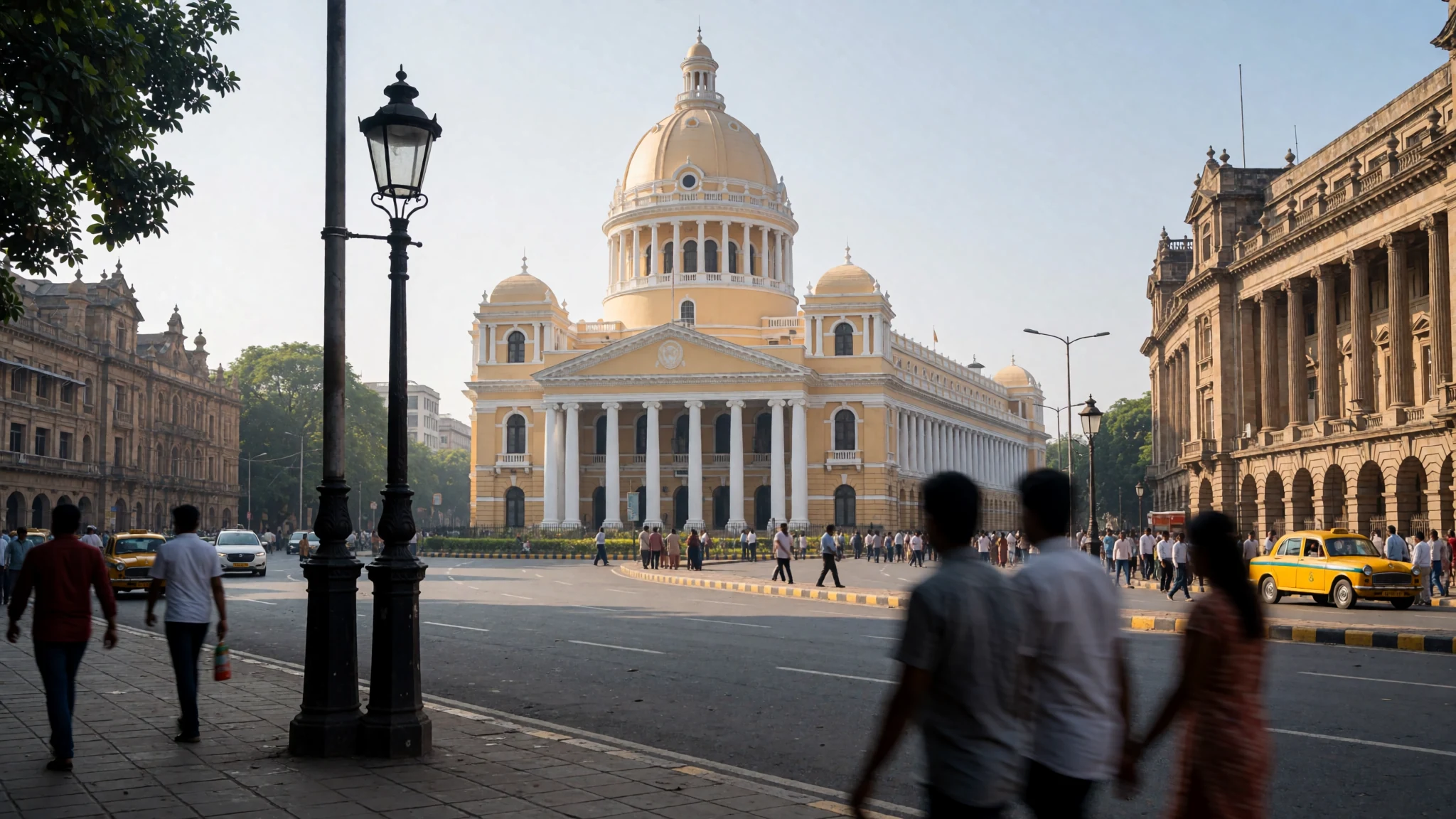
- The Maidan — Central Kolkata
Often described as the lungs of the city, this vast urban park stretches across the central district. It provides an expansive open space where residents gather for cricket matches, military parades, and afternoon relaxation beneath large shade trees. Monuments and statues dedicated to various historical figures punctuate the grassy expanses throughout the park.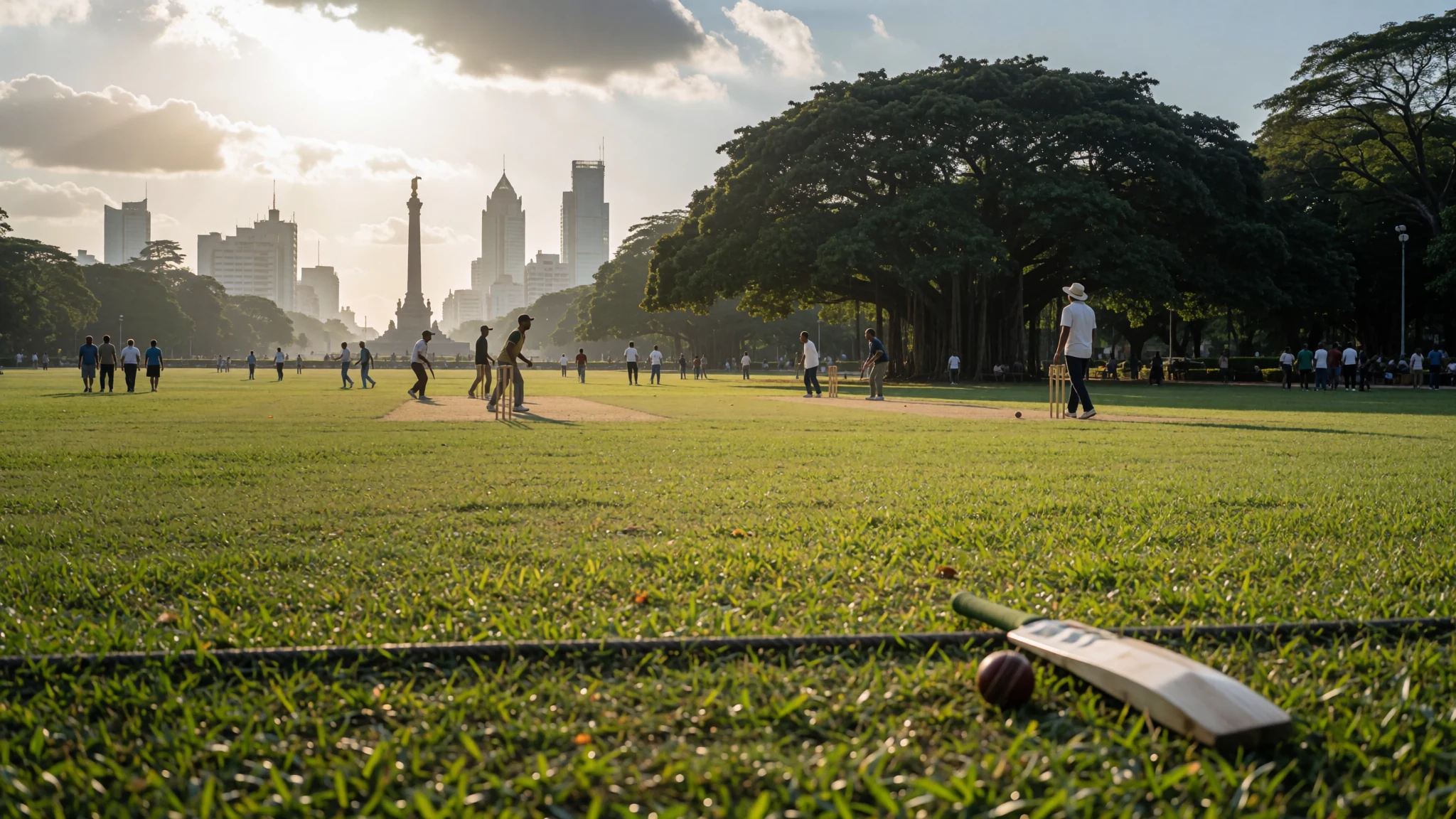
- Jorasanko Thakurbari — North Kolkata
This ancestral family home of the Tagore family is a sprawling traditional courtyard residence that has been converted into a museum. It celebrates the life and literary legacy of Nobel laureate Rabindranath Tagore and other prominent cultural figures who shaped modern Bengali thought, art, and music within these historic brick walls.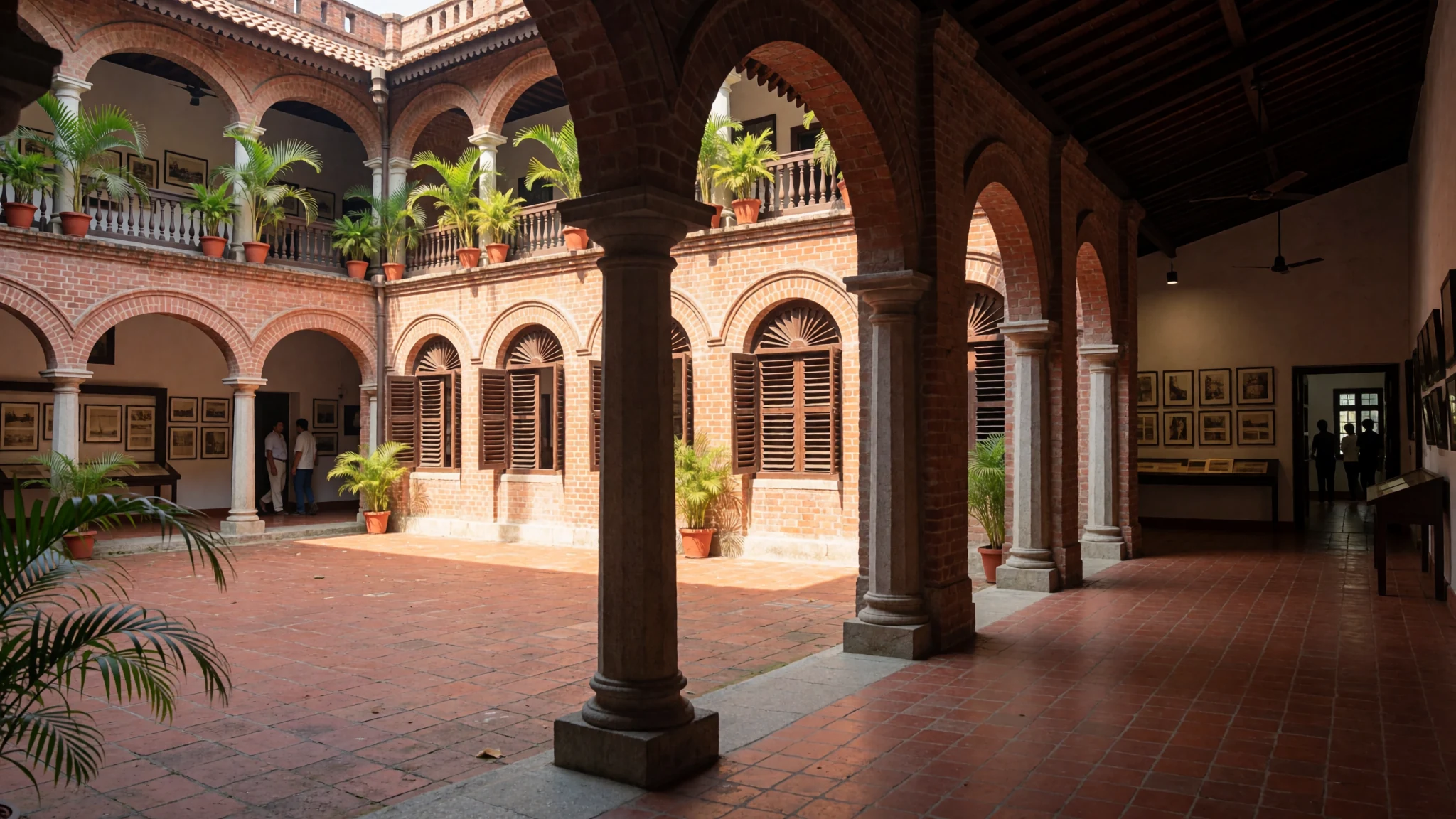
Culture
Kolkata holds an esteemed reputation across the subcontinent for its deep literary, artistic, and revolutionary heritage. As a former capital, it nurtured many of the leading thinkers, poets, and social reformers who defined modern Indian culture. A defining feature of urban social life is the para, a tight-knit neighbourhood unit where residents share a powerful sense of community identity, often centred around a local club and a shared playing field. Daily interactions frequently involve adda, a cherished tradition of leisurely, freestyle intellectual conversation among friends and neighbours touching on politics, literature, and philosophy. The city walls and street corners regularly feature striking political murals, witty limericks, and satirical cartoons reflecting the population's enduring engagement with civic discourse. Traditional festivals, particularly community-led autumnal celebrations, transform entire neighbourhoods into immersive art installations filled with music, lights, and massive crowds. Visitors should always remove their footwear before stepping inside a temple sanctuary or prayer room.
What to wear
Traditional attire in the region reflects both practical comfort in a tropical climate and deep cultural heritage. Women traditionally wear the sari, crafted from fine cotton or handloom silk such as traditional Bengal weaves, while men often wear a kurta paired with pyjamas or dhoti for formal occasions and festivals. In contemporary daily life, urban residents lean towards practical modern clothing, with younger generations and professionals wearing Western-style shirts, trousers, and jeans, though traditional garments remain popular during cultural events and religious holidays. For visitors, lightweight, breathable cotton or linen clothing is essential to cope with the high humidity and warm temperatures throughout much of the year. Modest dress that covers shoulders and knees is strongly recommended when visiting religious shrines, traditional neighbourhoods, or historical sites. Comfortable, slip-on footwear that can be easily removed when entering temples or traditional homes is particularly useful for navigating the city's busy streets and courtyards.
What to eat
- Kathi Roll — Nizam's, Hogg Street
Invented near New Market, this iconic street food features spiced kebabs, egg, and sliced onions wrapped inside a flaky paratha. It is a quick and satisfying meal found at specialist counters throughout the city.
- Macher Jhol — Traditional Bengali restaurants across the city
A traditional Bengali fish curry prepared with a light mustard or tomato broth, seasoned with local spices and served alongside steamed white rice. It is a staple of everyday home cooking and local eateries.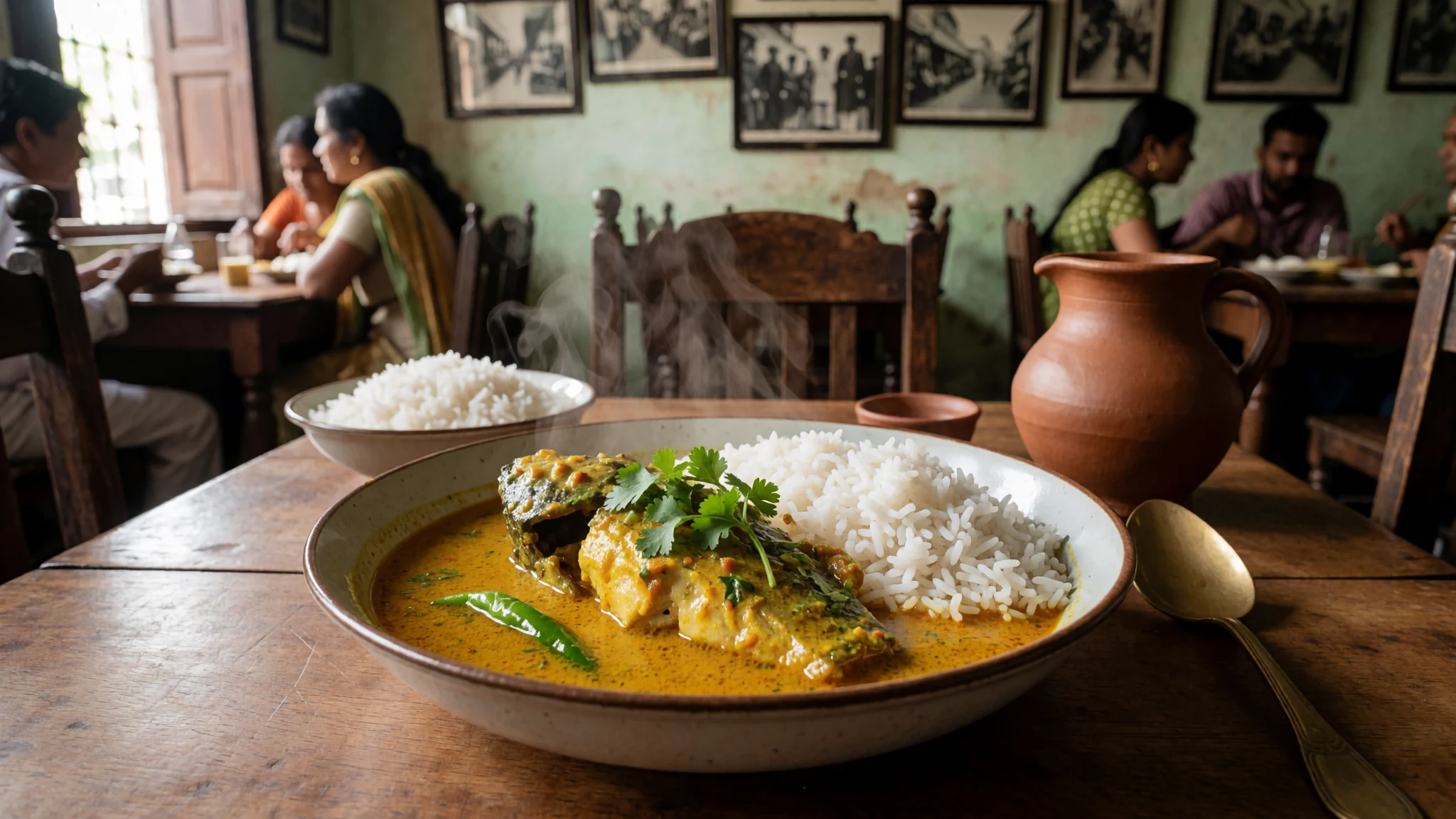
- Rosogolla — Traditional sweet shops throughout Kolkata
Spheres of spongy chhana cheese boiled in a light sugar syrup until sweet and juicy. These delicate white sweets are a source of immense civic pride and are available at sweet shops across every neighbourhood.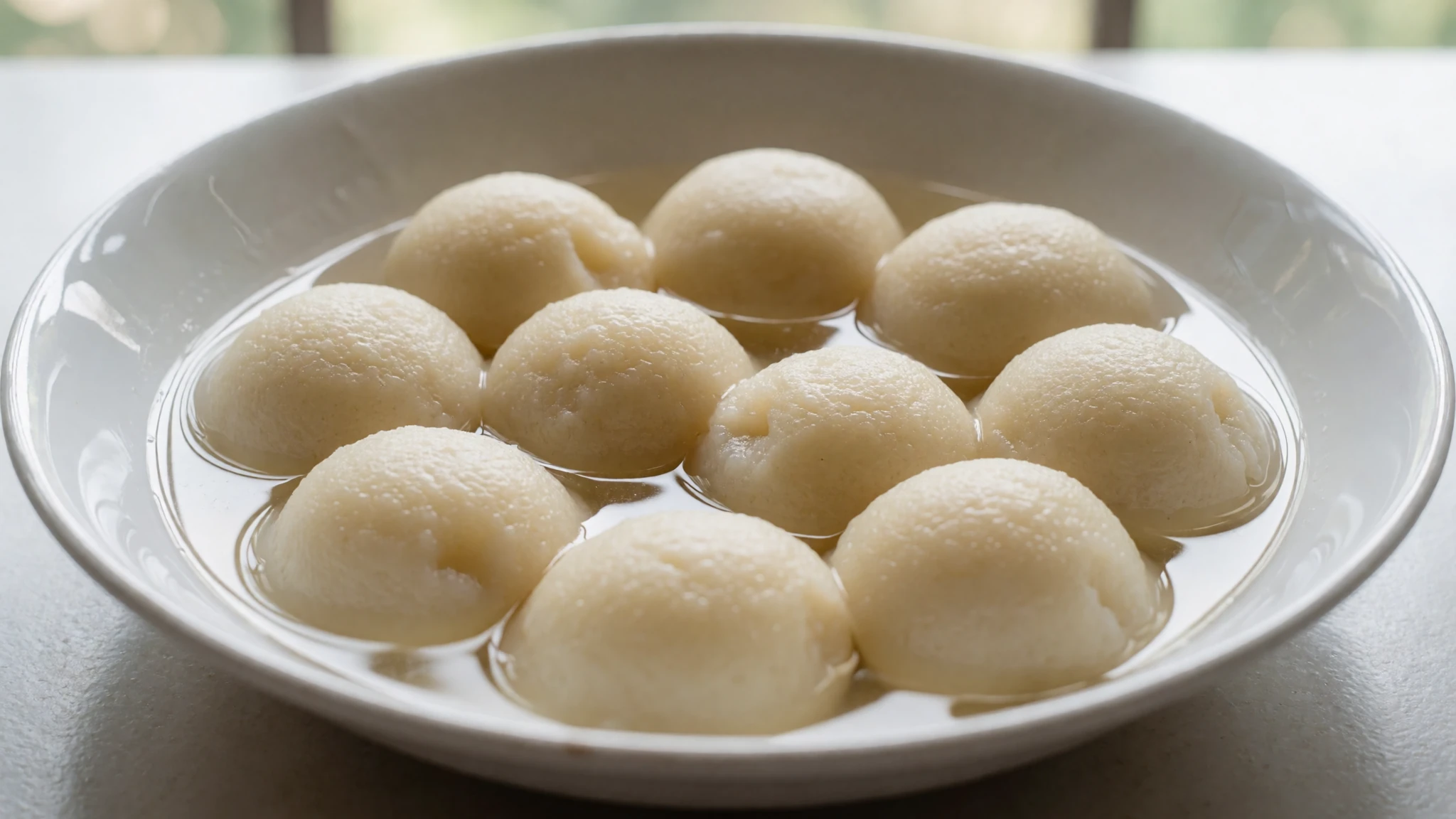
- Kolkata Biryani — Historic eateries in central and north Kolkata
A fragrant rice dish cooked with marinated meat, aromatic spices, and the region's signature addition of a boiled potato and a mild egg. It offers a subtle, less fiery flavour profile compared to other regional styles. - Puchka — Street corners and market lanes citywide
Crisp hollow semolina spheres filled with a spicy potato mash and tangy tamarind water, eaten in a single bite. Street vendors assemble these refreshing snacks fresh for customers gathered around their carts.
Plan it
Best time. December to January brings the most comfortable weather, with cool, dry days ideal for exploring, while March to May grows steadily hotter and more humid, peaking in May; June through September brings heavy rain and intense humidity.
How long. 3–4
Getting there. Arrive at Netaji Subhash Chandra Bose International Airport, then take a prepaid taxi or state-run air-conditioned bus from outside the terminal to reach the city centre.
Budget. mid
Tips
- Start visits to popular landmarks early in the morning to avoid the heaviest crowds
- Keep small denominations of cash handy for street food vendors, markets, and smaller temples
- Drink only bottled or filtered water and avoid ice in drinks at casual street stalls
- Use prepaid taxi counters at the airport to secure fair transport rates into the city centre
Etiquette
- Always remove your shoes before entering temples, shrines, or private homes
- Ask permission before photographing local residents in narrow neighbourhood lanes
Nearby
Sources
- Wikidata Q1348 (CC0)
- Wikipedia (rev 1380489202) (CC BY-SA 4.0)
- Wikivoyage (rev 5409880) (CC BY-SA 4.0)