Kish Island
Kish Island, Iran
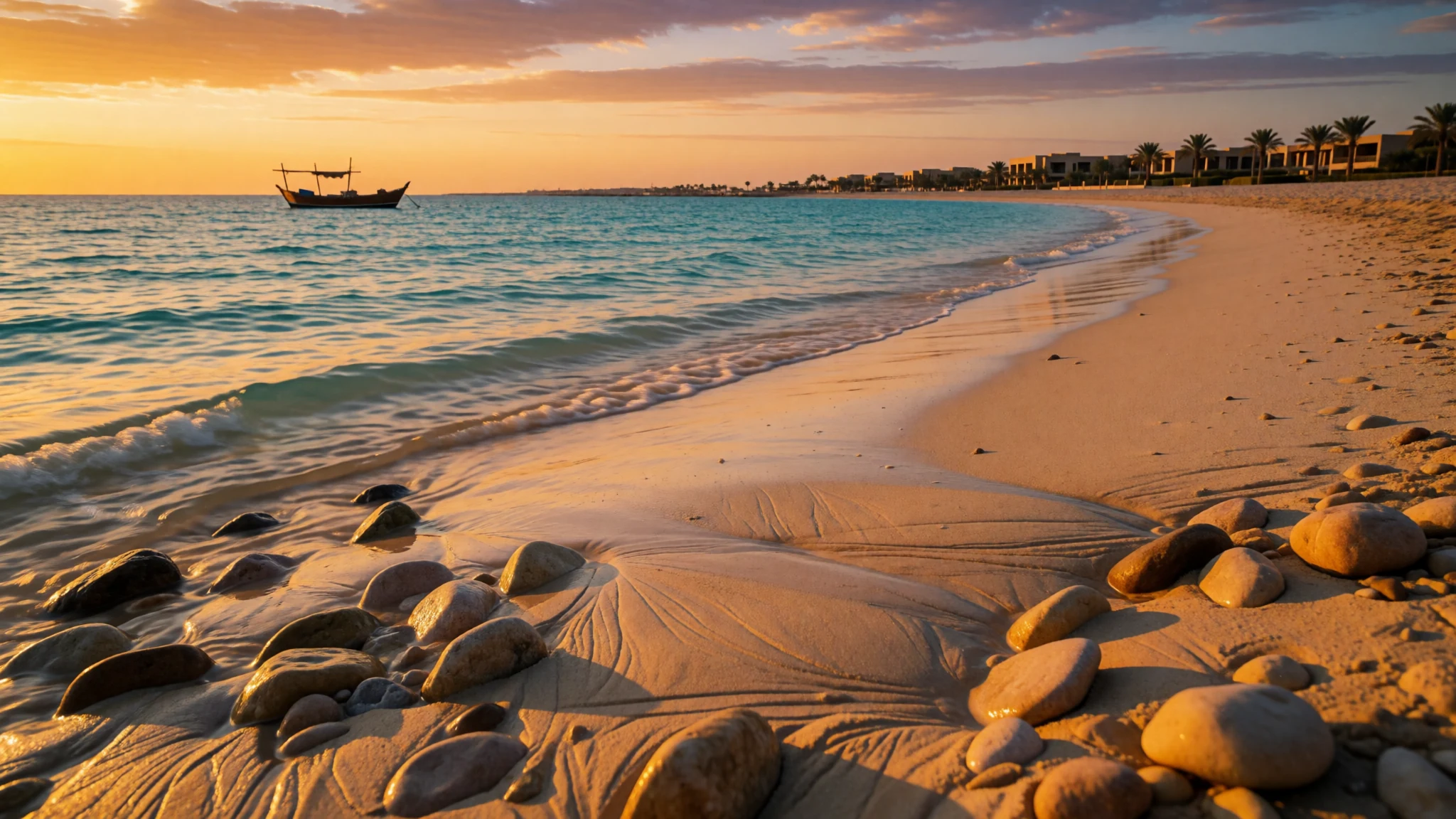
Kish Island offers resort beaches, ancient underground aqueducts, and duty-free shopping within the warm waters of the Persian Gulf.
The place
Kish Island sits as an almost elliptical resort enclave in the southern waters of Iran, resting off the mainland coast in the Persian Gulf. As a designated free trade zone, the destination operates as a commercial hub that draws millions of holidaymakers seeking coastal leisure and retail centres. The surrounding marine environment is characterised by tropical vegetation strips sandwiched between the northern Iranian plateau and the southern Arabian peninsula. Visitors navigating the territory encounter a landscape shaped by arid heat and coastal breezes.
Weather patterns on Kish dictate the rhythm of travel throughout the year. The territory experiences high humidity levels persisting across most months alongside a dry semi-equatorial climate. Precipitation remains scarce, falling primarily during cooler seasonal windows. While mid-year periods bring intense heat that tests outdoor endurance, the cooler months provide mild temperatures that encourage exploration of the coastline, landscaped parks, and coastal promenades. The compact geography allows travellers to traverse between modern commercial districts and heritage sites with ease.
Its story
Historical records reveal that Kish Island has answered to several names across the centuries, including Kamtina, Arakia, and Ghiss, alongside Dowlatkhaneh during the era of the Atabegs of Fars. Antiquity first recorded the island when Alexander the Great commissioned his admiral Nearchus to survey the Persian Gulf and the Sea of Oman, yielding the earliest known written accounts of the territory. Centuries later, Marco Polo documented that the pearls worn at the Chinese Imperial Court originated from the waters surrounding Kish.
The modern chapter of the island began as planners recognised its potential as a leisure retreat. Administrative bodies were subsequently formed to guide infrastructure projects, transforming the territory into a major commercial and tourist destination supported by special economic regulations. These administrative changes spurred construction booms, luxury resort developments, and transport networks designed to accommodate incoming travellers from the Iranian mainland and neighbouring regions, establishing Kish as a prominent coastal getaway.
What to see
- The Greek Ship — Southwestern coastline
A famous stranded vessel resting permanently on the southwestern shore of Kish Island, creating an iconic silhouette against the sunset. Travellers often bring picnic supplies to sit in the shaded coastal areas nearby and watch the evening light shift across the rusted hull.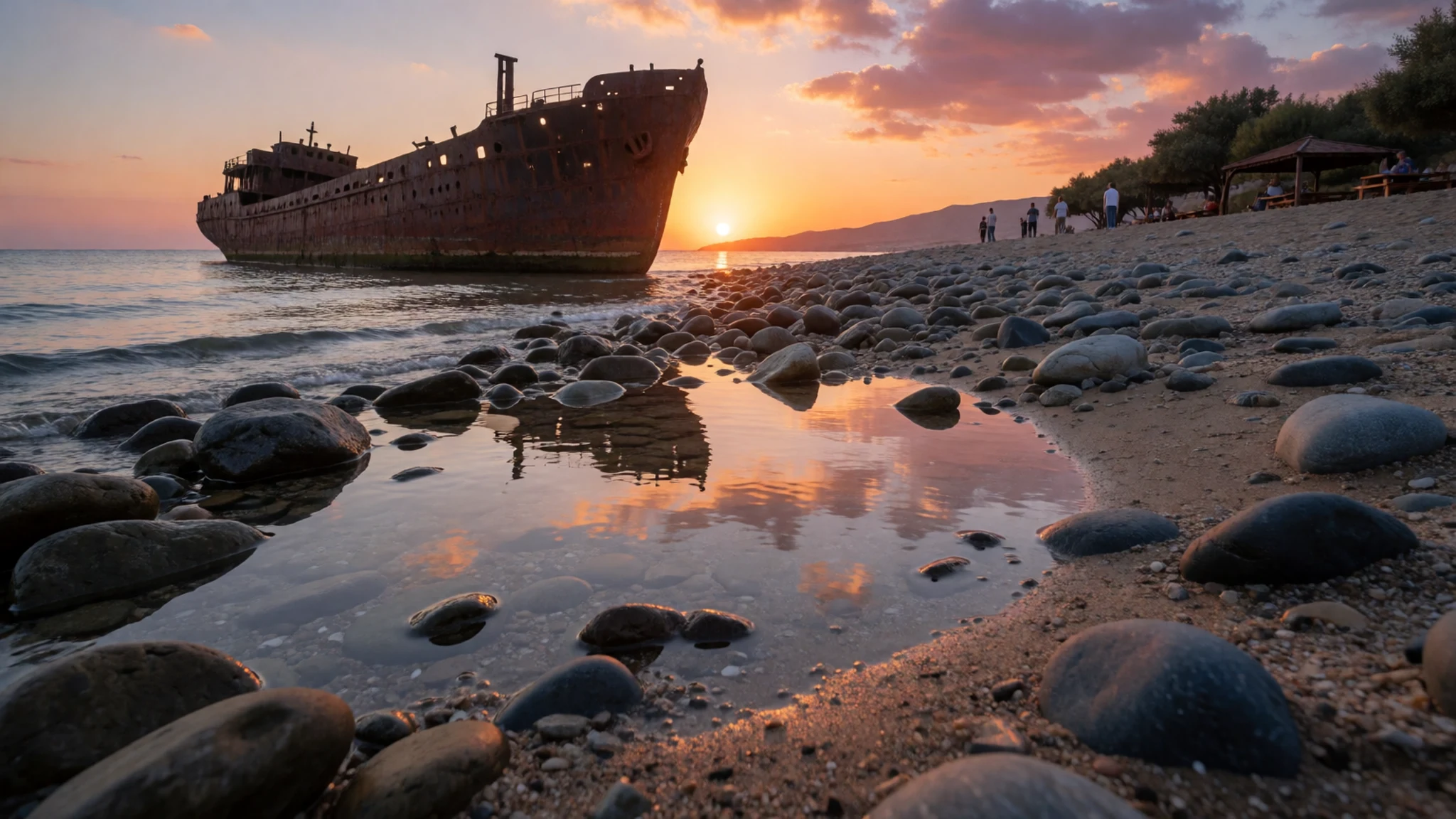
- Underground Town of Cariz — Central northern sector
An ancient water management network converted into an underground subterranean city situated metres beneath the surface. Walking through the cool subterranean corridors reveals centuries-old coral structures and ancient engineering methods designed to harness scarce water resources in an arid climate.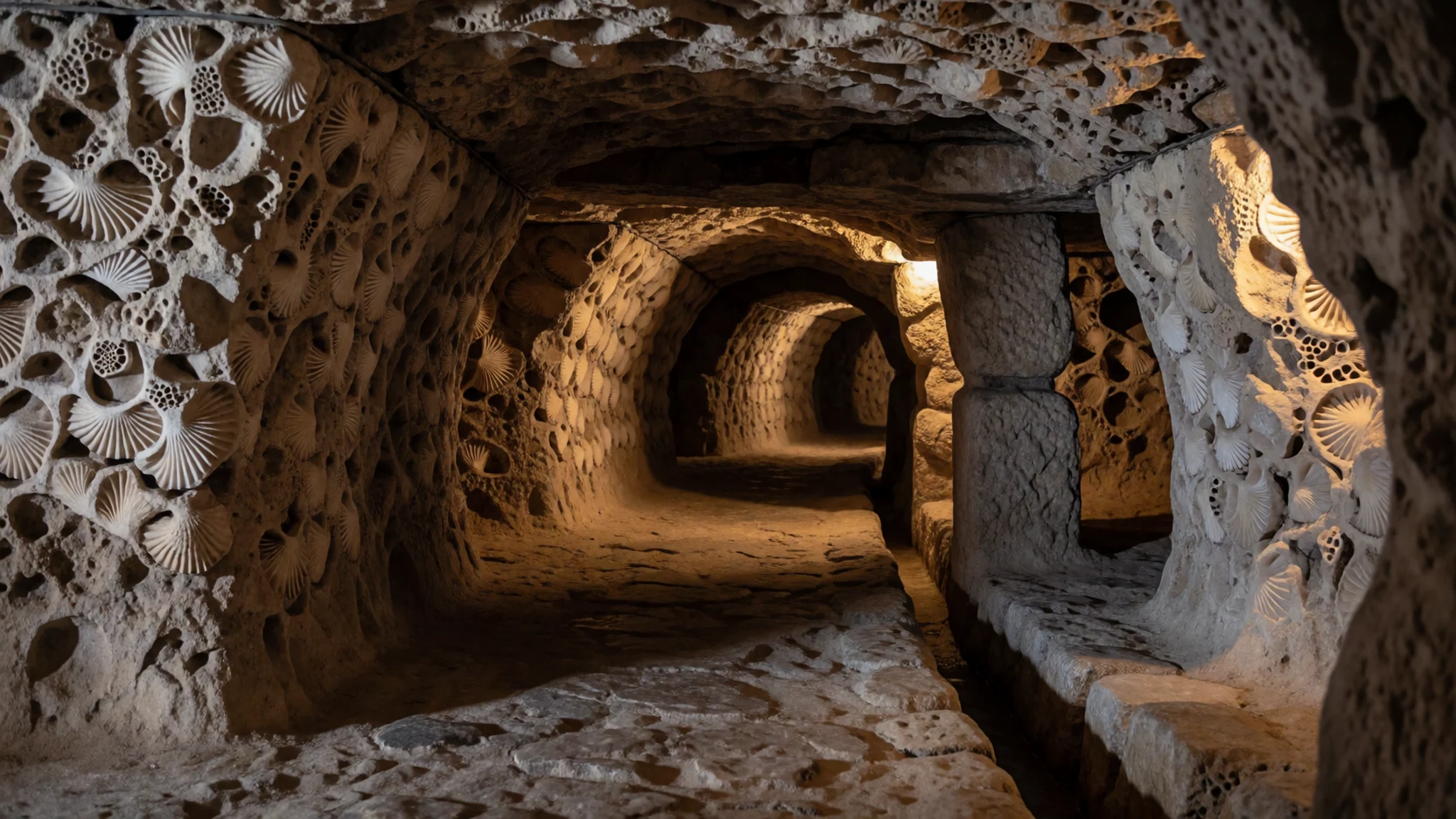
- The Ancient Town of Harireh — Northern coast
The archaeological remains of historic stone buildings spread across a broad coastal strip. Visitors wander through crumbling sandstone walls and multi-level ruins that hint at the island's medieval trading past before modern tourism transformed the local economy.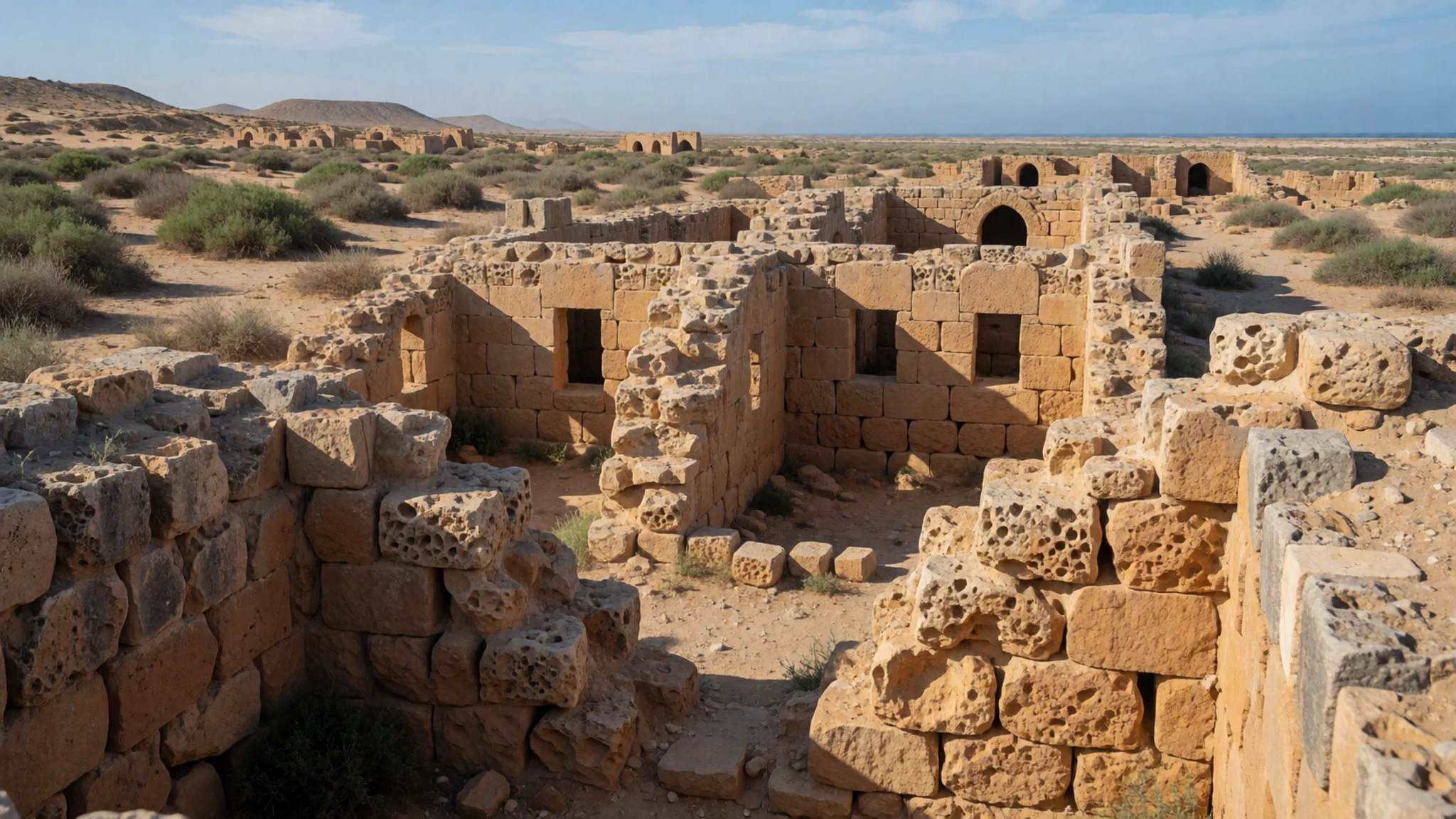
- Kish Dolphin & Crocodile Park — Southeastern leisure zone
A marine leisure complex featuring an ocean atrium that hosts live dolphin and sea mammal performances. Families and curious visitors gather here to watch trained aquatic animals and explore the adjacent park grounds showcasing various exotic reptiles.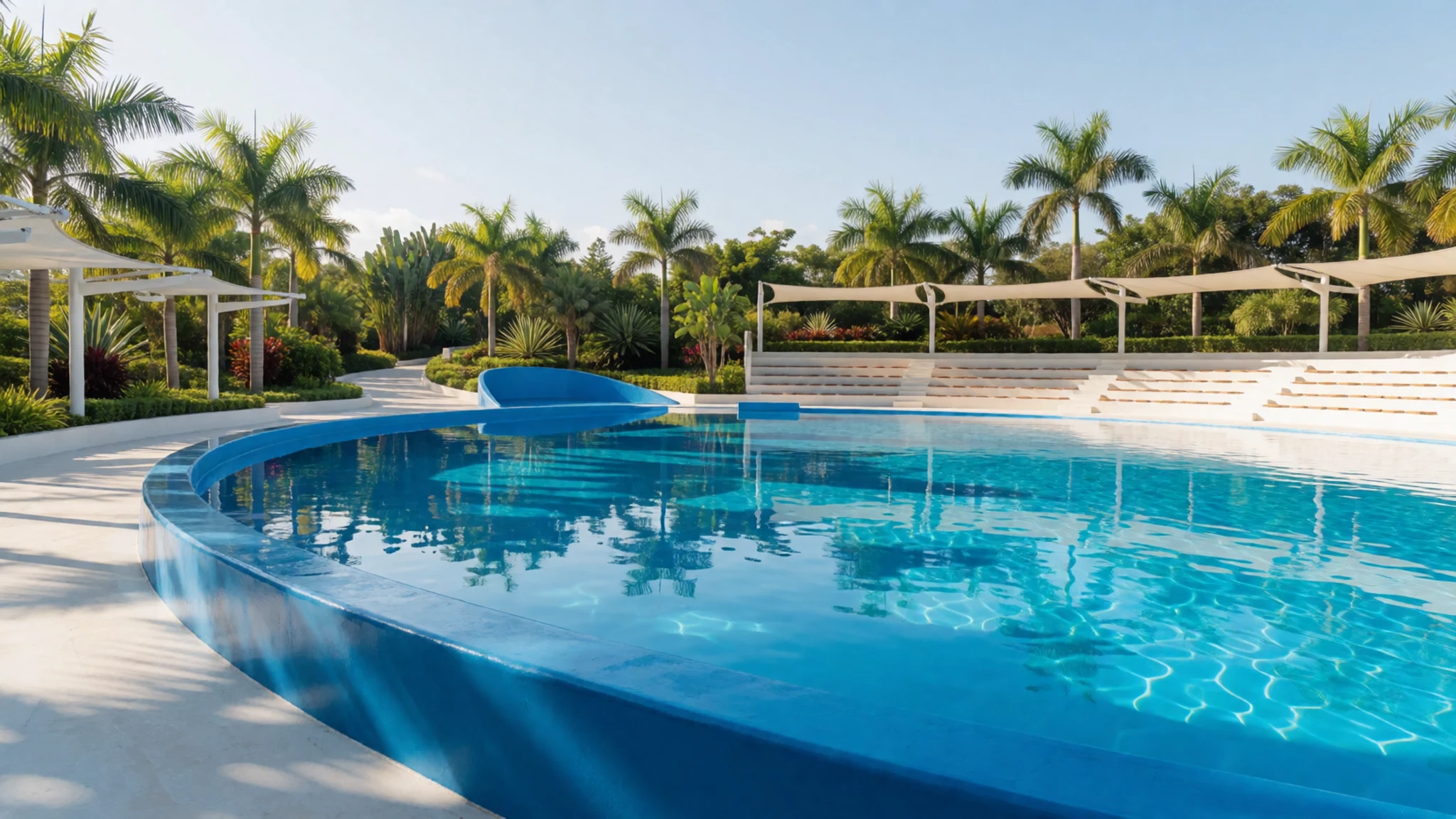
- Marjon Beach Park — Eastern coastline
A popular coastal recreation area offering free public entry to sandy shores and clear waters. It serves as a central hub for seaside walks, relaxing on the sand, and launching boat excursions or water sports along the Persian Gulf.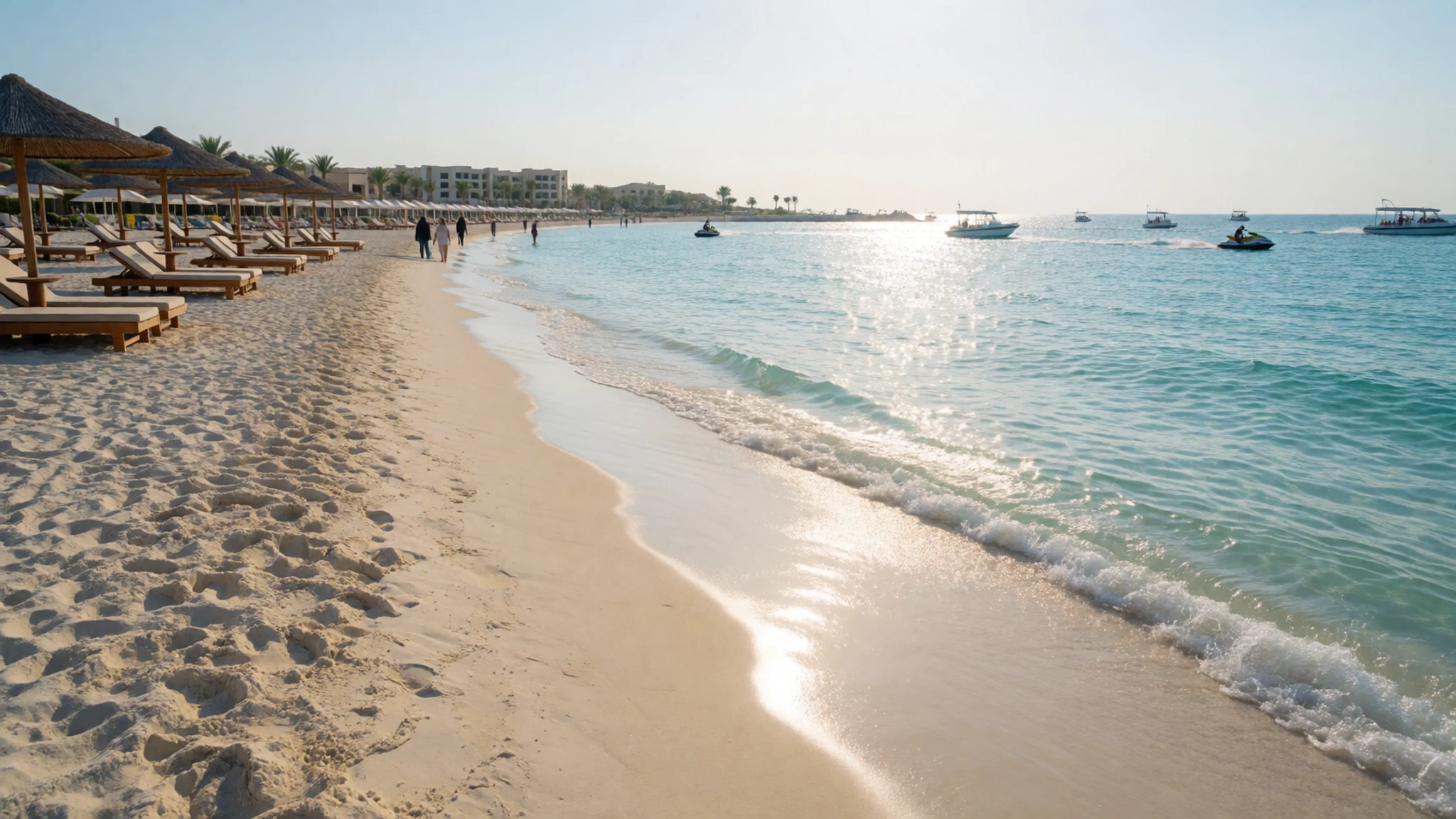
Culture
Social life on Kish Island blends mainland Iranian customs with the relaxed pace of a resort destination. Hospitality is deeply ingrained in daily interactions, and sharing tea is a universal gesture of welcome found in homes, shops, and public gathering spaces across the territory. While the island functions as a special economic zone with modern amenities and leisure complexes, traditional Islamic codes and local legal frameworks remain strictly observed throughout all public spheres. Visitors will notice that commercial venues pause during call-to-prayer times, and local residents maintain polite yet conservative social etiquette in public. Remove headwear and dress modestly when entering religious or traditional community spaces.
What to wear
Traditional attire on Kish Island reflects regional southern Iranian styles adapted to coastal heat and maritime livelihoods, historically featuring lightweight cotton garments and loose layers suitable for working outdoors in arid environments. Contemporary residents and workers on the island dress in modern urban wear, blending standard Iranian street fashion with practical resort clothing suited for the commercial malls and seaside promenades. For visitors exploring Kish Island, women are required by law upon arrival to wear a headscarf and a long loose robe that covers the entire body. Men should wear long trousers and shirts with sleeves in public areas. Lightweight, breathable fabrics such as cotton and linen help manage the high humidity, while comfortable walking shoes are essential for navigating sandy shores and archaeological sites.
What to eat
- Traditional Iranian Mixed Platters — Local sit-down restaurants across the island
Savoured across local eateries such as Nahange Sefid, featuring seasoned rice dishes paired with grilled meats, fresh herbs, and local seafood specialities accompanied by live music performances.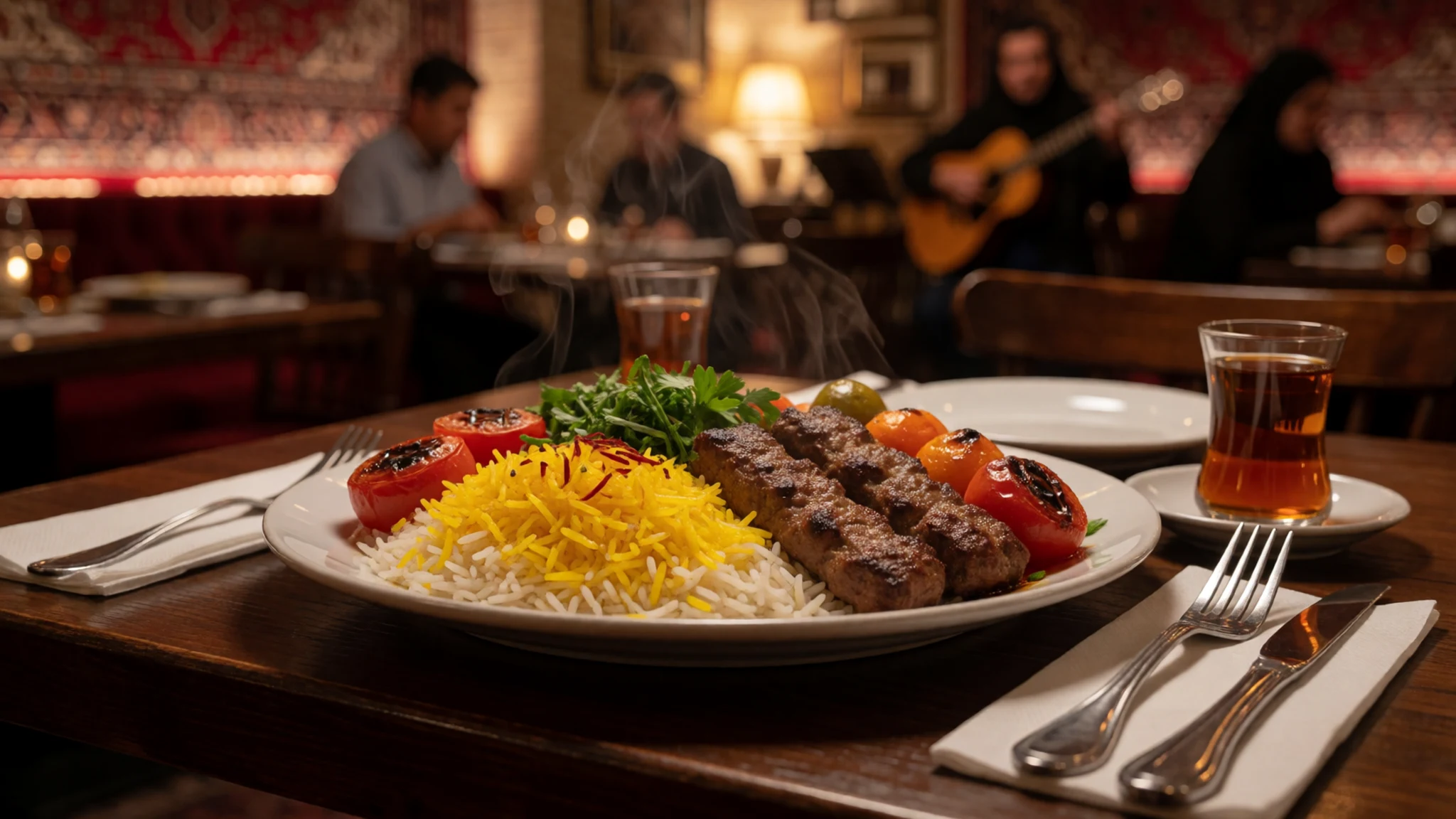
- Italian-style Sandwiches and Coffee — Pardis II Shopping Mall ground floor
Served at popular hangouts like Cafe Aquarium inside the Pardis II Shopping Mall, offering quick bites, fresh fruit juices, and caffeinated drinks to a younger demographic.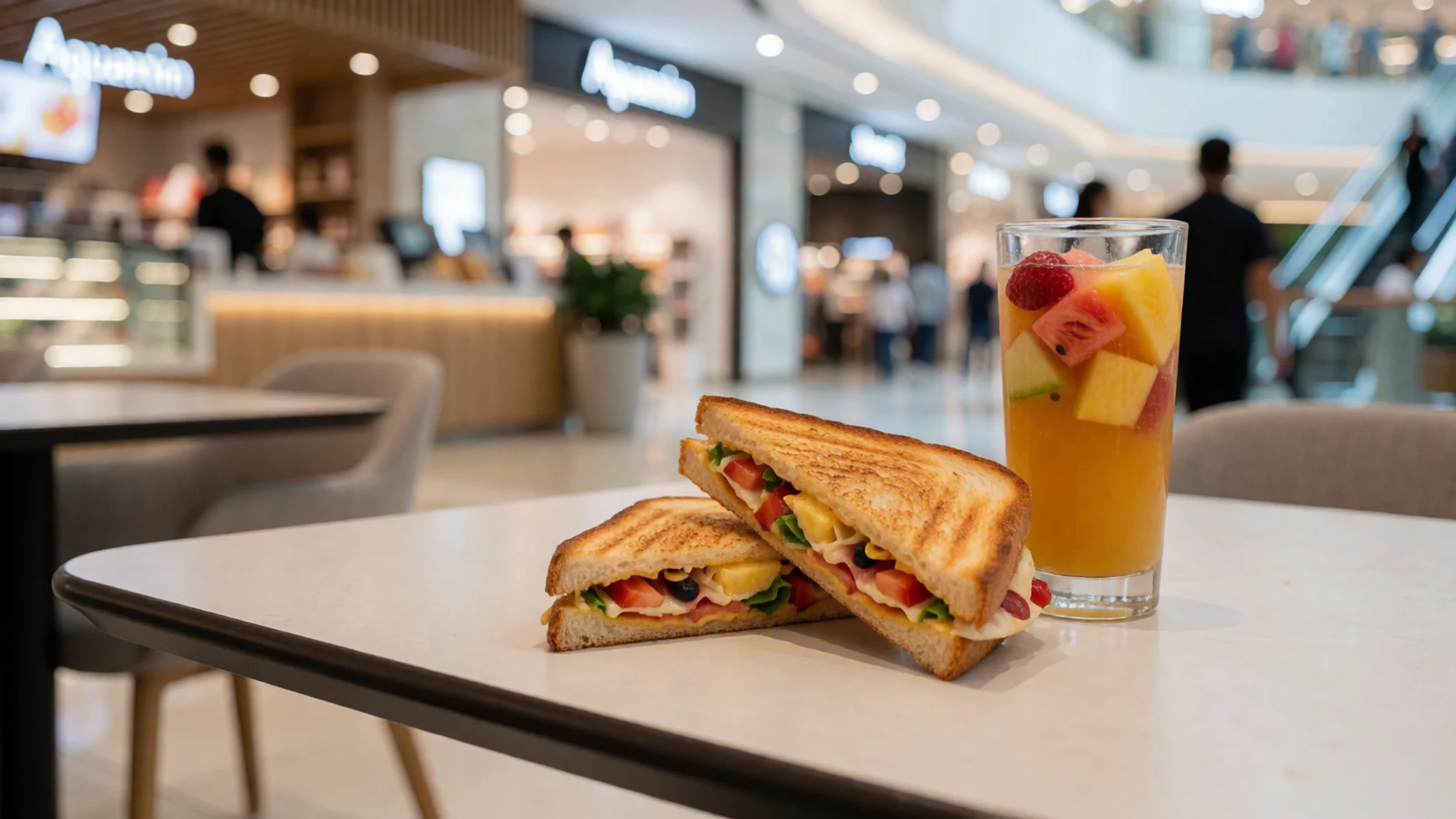
- International Fast Food — Commercial shopping centres and main streets
Found at outlets such as Boof Fast Food, Hadee's, and Kish KFC, providing familiar global burgers, fried chicken, and pizzas for travellers seeking quick dining options. - Persian Tea — Shops, cafes, and community spaces island-wide
Light, fragrant black tea served continuously in almost every home, shop, social venue, and market stall as a gesture of hospitality to guests and customers.
Plan it
Best time. October to April offers mild, pleasant weather ideal for exploring, whereas summer months bring extreme heat and high humidity.
How long. 2–3
Getting there. Fly via Kish Airlines from Tehran or select Iranian cities, or take a ferry from mainland ports such as Bandar Charak or Bandar Aftab.
Budget. mid
Tips
- Carry all hotel confirmation documents and return tickets for inspection upon arrival at the airport.
- Prepare for strict security questioning upon entry, particularly for western visitors.
- Keep local currency handy for small shops and taxis as international credit cards have limited acceptance due to sanctions.
- Drink plenty of bottled water to cope with the coastal humidity and heat.
Etiquette
- Female travellers must wear a headscarf and long modest robes covering the entire body in public spaces.
- Note that visiting Kish Island may impact eligibility for certain foreign visa waiver programmes such as the US ESTA.
Nearby
Sources
- Wikidata Q221883 (CC0)
- Wikipedia (rev 1378285324) (CC BY-SA 4.0)
- Wikivoyage (rev 5251835) (CC BY-SA 4.0)
- Photo photos/01-kish-panoramio-farid-atar-2.jpg (CC BY 3.0)
- Photo photos/02-.jpg (CC0 1.0)
- Photo photos/03-.jpg (CC0 1.0)
- Photo photos/04-kish-skyline.jpg (CC BY 4.0)
- Photo photos/05-hoteltoranj.jpg (CC BY-SA 4.0)
- Photo photos/06-kish-island-iran-persian-golf-01.jpg (CC0 1.0)
- Photo photos/07-07.jpg (CC BY-SA 4.0)
- Photo photos/08-kish-in-norouz-holidays-05.jpg (CC BY 4.0)


