Shiraz
Shiraz, Iran
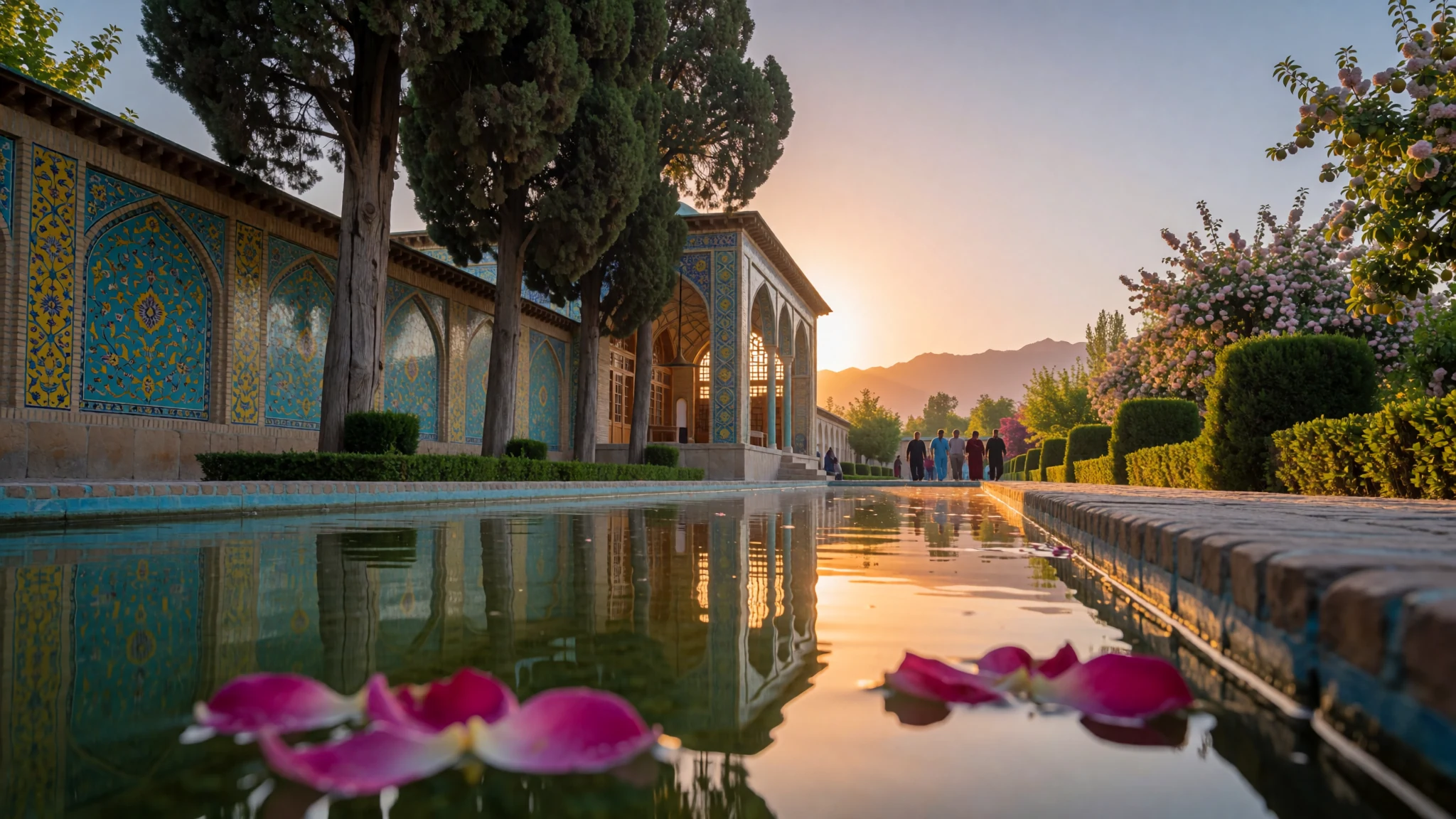
Shiraz rewards slow days in gardens, old bazaars and quiet tombs, where poets and flowers still shape the city's character.
The place
Shiraz sits in the south-west of Iran at about 1,545 metres, on a plain beside a seasonal river bed, and it is home to roughly 1.6 million people. It is the capital of Fars province and has been a trading centre for centuries, which still shows in its covered bazaars and old merchant houses. Iranians often call it the city of poets, gardens and flowers, a reputation that is easy to believe in spring, when fruit trees blossom and courtyard pools catch the light. Most visitors come for the tombs of two of Iran's best-loved poets, Hafez and Saadi, both on the northern edge of the modern city. The climate is moderate for most of the year, with hot summers and cool winters, so the easiest times to walk the centre are early spring and late autumn. The city has a metro line, wide avenues and heavy traffic around the main roundabouts, but the historic core is compact enough to explore on foot. Hotels cluster near the Arg-e Karim Khan, and most sights sit within a short taxi ride of each other. Be honest with yourself about crowds: domestic tourists fill the gardens at weekends and during the Nowruz holiday, so arrive early and save the afternoons for a long lunch.
Its story
Shiraz has a long past, though its early history is hard to pin down. Archaeologists have found reliefs and fortress ruins around the city from the Achaemenid and Sasanian periods, and clay seals from the Sasanian era link the place name with a nearby administrative district. Scholars think the name may descend from an older Elamite form, which suggests a settlement stood near the site of the later town long before the Islamic period. Opinions differ on what that settlement was. Some historians argue that early written sources say so little about Shiraz that it may have been no more than a waystation on the plain. Others believe it was among the most important places in the area, a view that rests largely on the scale of the surviving remains. The city's fortunes rose under the Saffarid and Buyid dynasties, and by the 13th century it had become a leading centre of the arts and letters, encouraged by its rulers and by the scholars and artists living there. That is the Shiraz that produced Saadi and Hafez. Later, in the Zand period, Karim Khan made the city his base, and the citadel and Vakil Mosque from that era still define the old centre. Walking those streets today, you are following a story that has been told, rebuilt and retold for centuries.
What to see
- Arg of Karim Khan — City centre, by the Arg-e Karim Khan roundabout
A former citadel in the city centre, built as the home of Karim Khan and the military heart of his dynasty. Its design mixes military and residential architecture, so fortified walls sit alongside domestic rooms and courtyards. It once served as a prison and is now open to visitors as an architectural showpiece. Give it a relaxed visit, and look out from the upper rooms.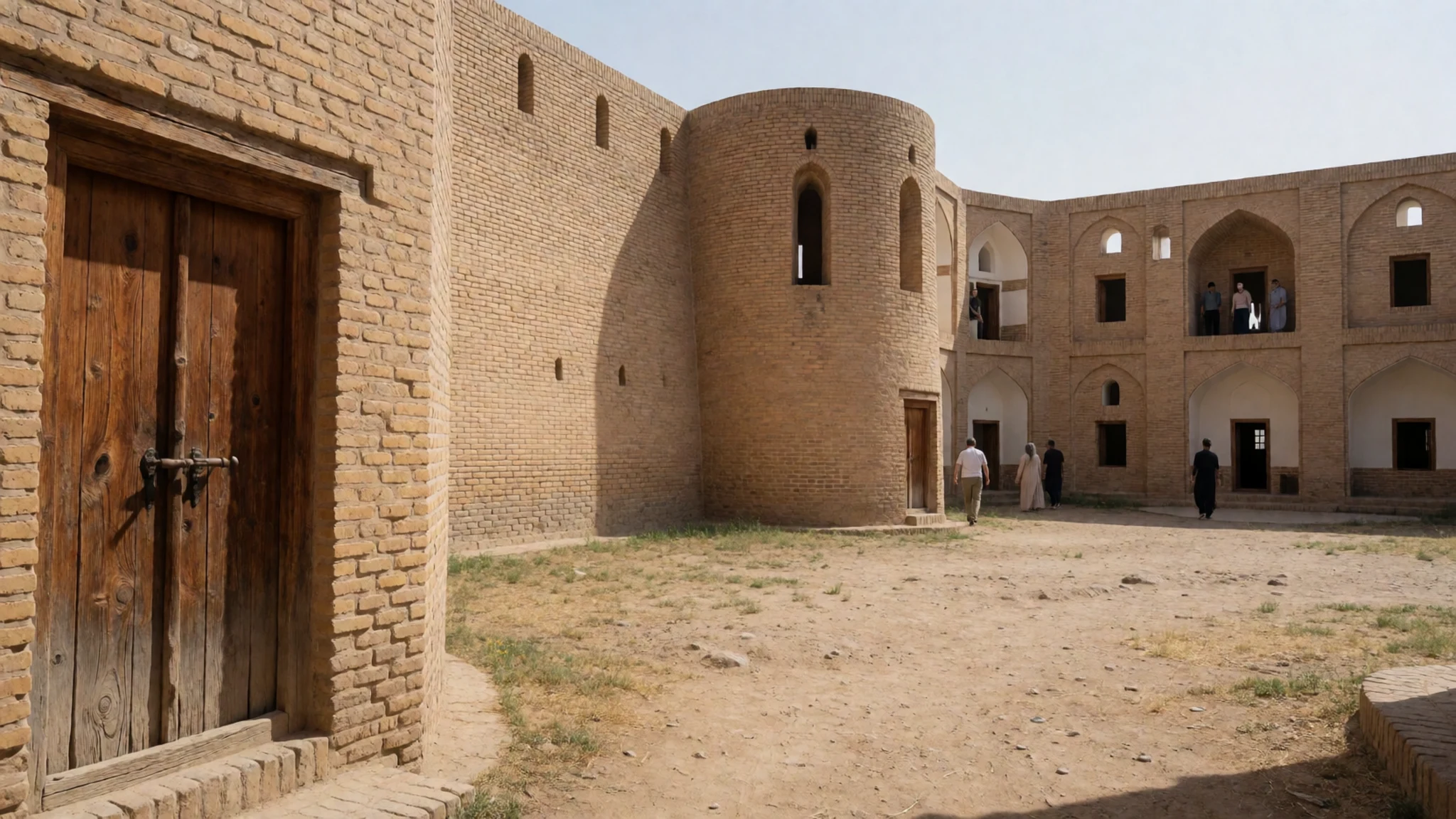
- Shah Cheragh — Central Shiraz, near the old bazaar
A funerary mosque housing the tomb of Seyed Amir Ahmad, known as Shah-e Cheragh, a brother of Imam Reza who came to Shiraz long ago. It is an active shrine, with pilgrims visiting through the day and the atmosphere is devout rather than touristy. Cover your head and dress modestly, and expect to remove your shoes before entering the sanctuary.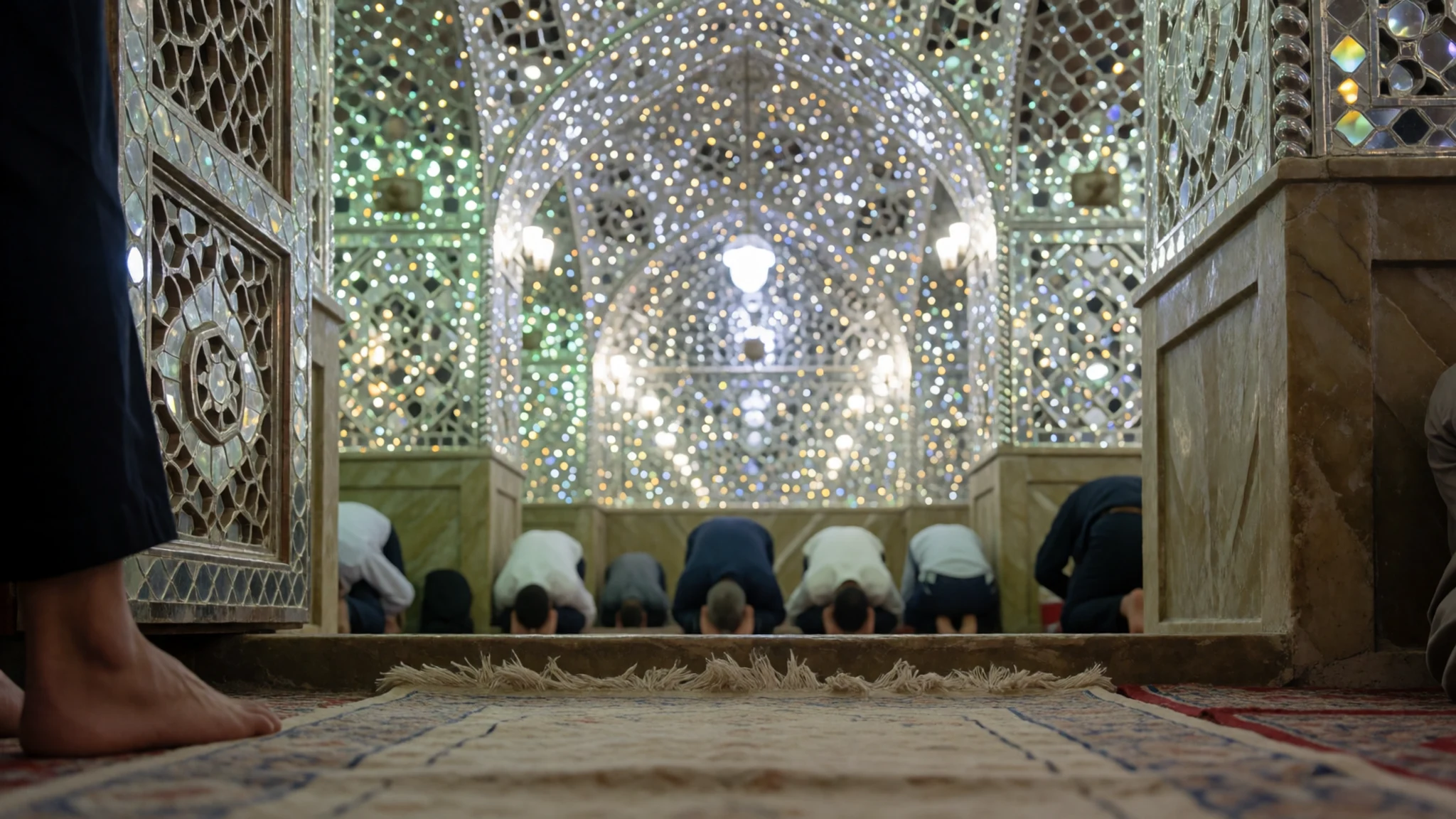
- Nasir al-Mulk Mosque — Old town, north of the Vakil Bazaar
Built in the Qajar era, this mosque is famous for the coloured glass in its façade, which throws bands of light across the prayer hall in the morning. Its design also includes panj kaseh, the five-concave pattern in its plan. It is a working mosque, so visit outside prayer times, dress modestly and keep your voice low.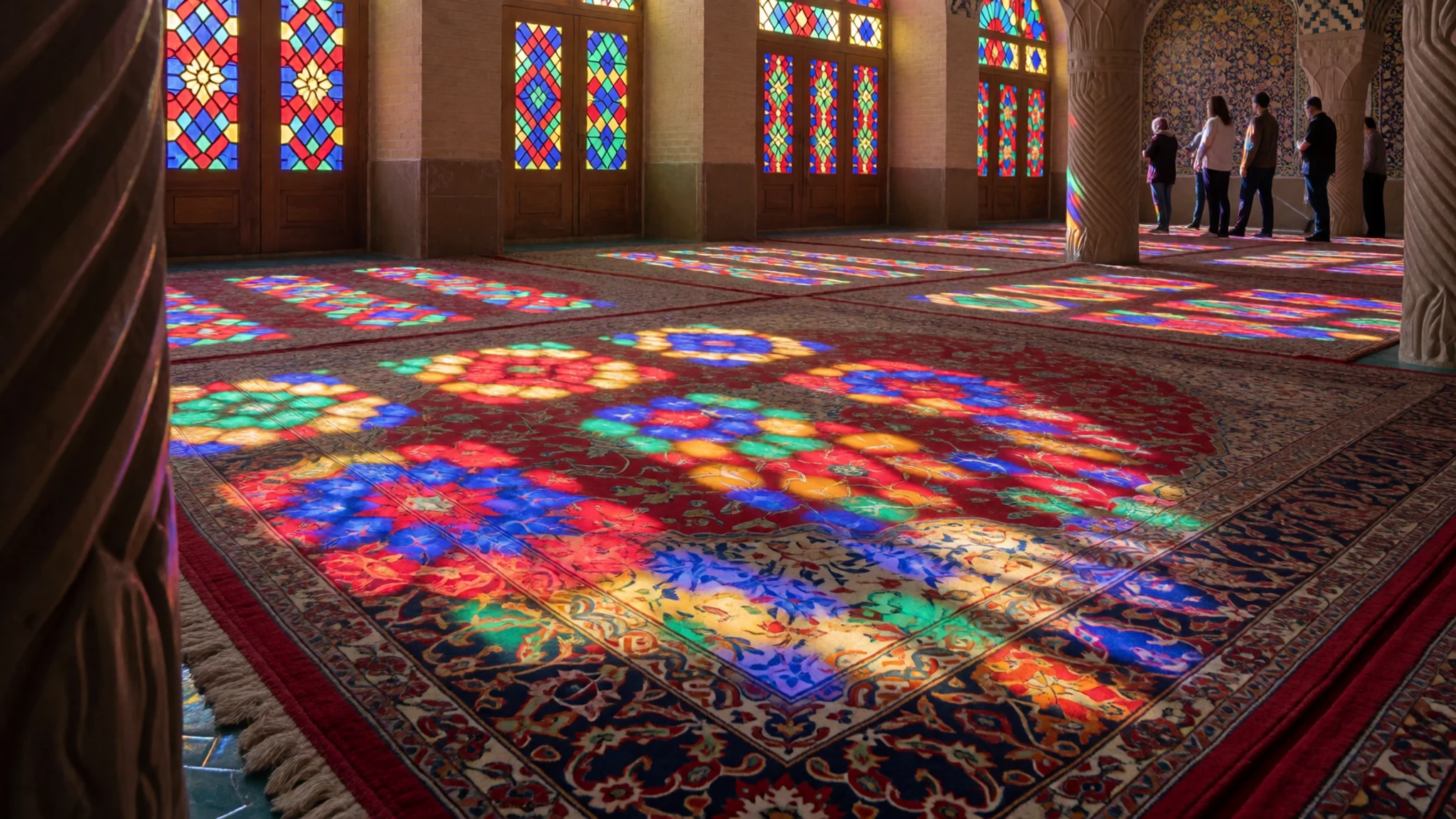
- Vakil Mosque — Next to the Vakil Bazaar
Built during the Zand period and restored later in the Qajar period, when its floral tiles were added. The tilework is the highlight, with exuberant floral patterns in the prayer hall and the arcades around the courtyard. Visit in daylight and take time to look up at the vaulted ceilings. Remove your shoes where requested and keep your voice low.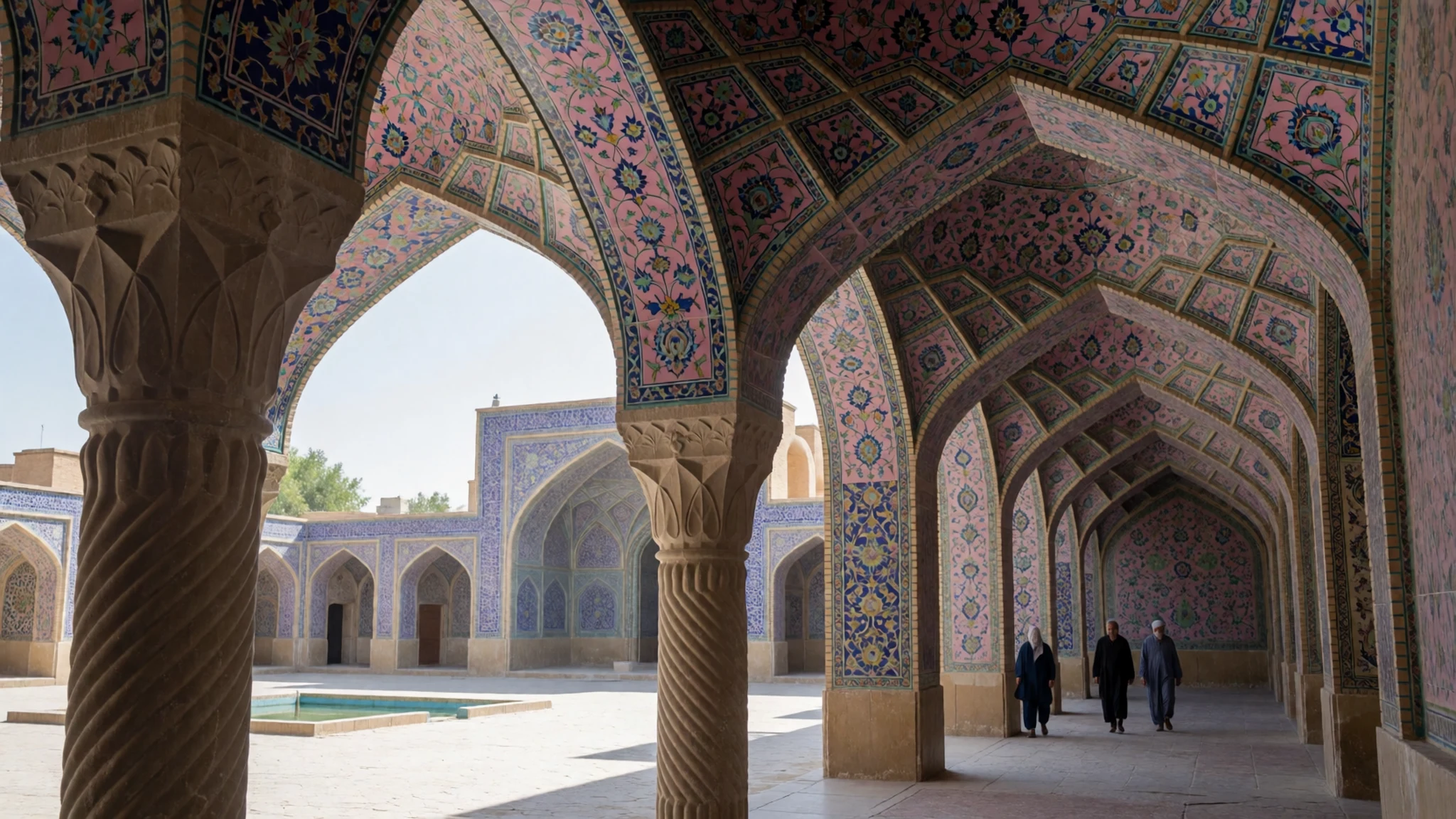
- Narenjestan Ghavam — Historic north-east quarter
A traditional house built in the mid-to-late 19th century by Mirza Ibrahim Khan, now a museum of domestic life. It shows the layered design of a wealthy Shirazi home, with a central courtyard, traditional rooms and decorative plasterwork. The courtyard is a quiet place to sit in the afternoon. Rooms are often small, so move slowly around the furniture.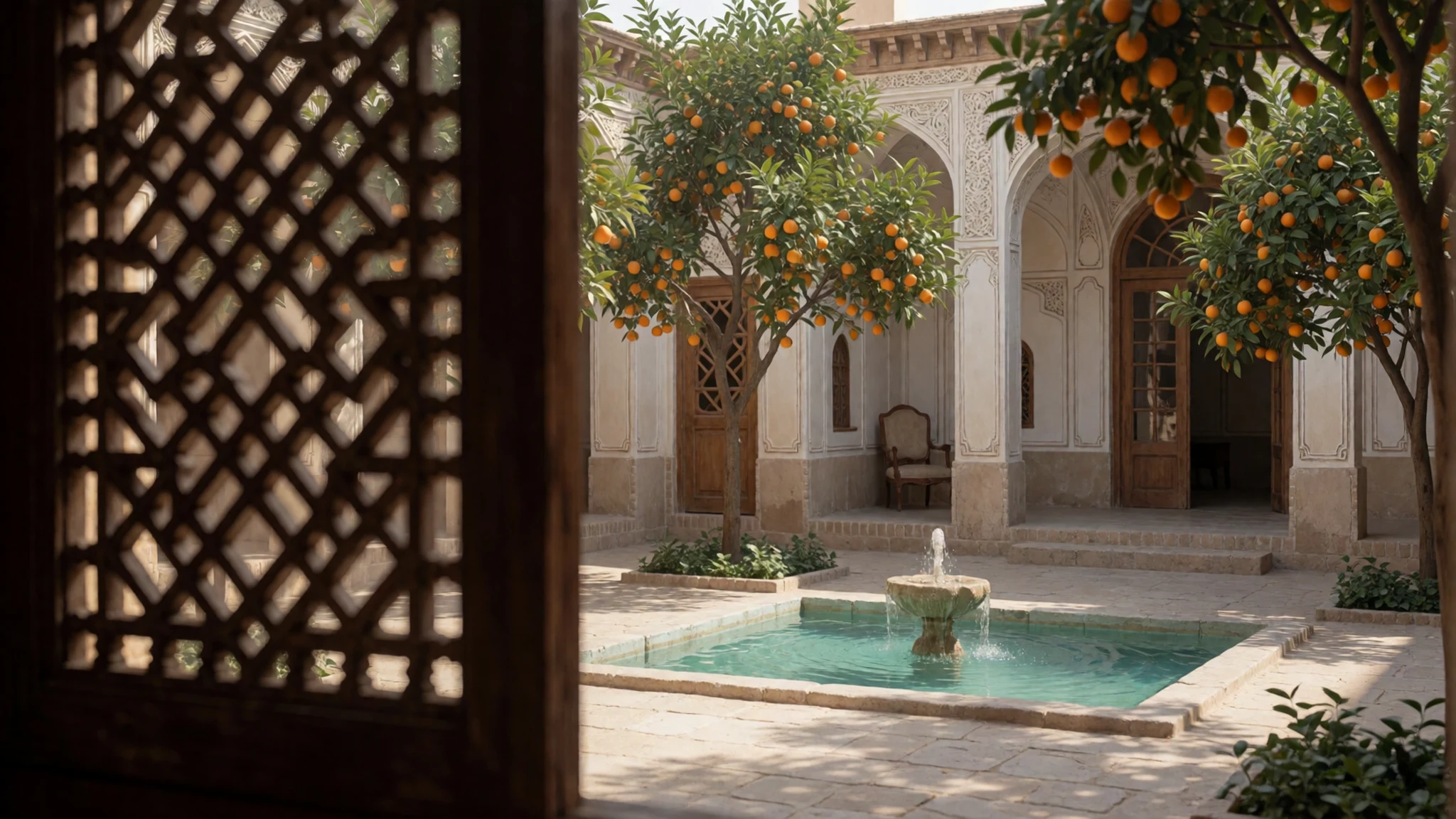
Culture
Referred to as the home of poets, gardens, wine, nightingales, and flowers, the city genuinely holds onto that identity in everyday routines. Gardens are central to Iranian culture, and the city has several old ones, including Eram Garden and the Afif Abad garden, where people gather in the afternoons. Shiraz was the birthplace of the poet Hafez and the home of Saadi, whose verse is still quoted in conversation and carved on monuments. Wine has a history here too. Locals often mention that Shiraz and Jerez in Spain both have roots in the origins of sherry. Those claims sit uneasily with the present rules: under the current Islamic regime, alcohol cannot be drunk in public and is only permitted to religious minorities, so do not expect to order wine in restaurants. Conversation is often warm and curious, and people may invite you to tea, so accept if you are comfortable doing so. Visit the tombs of Hafez and Saadi quietly, and ask before you photograph anyone, particularly women and families.
What to wear
Traditional dress in Shiraz is less a costume for visitors than an everyday memory. Older women in the bazaars and villages around Fars have long worn long, loose dresses in printed cotton, often with embroidered borders, and the chador, a full-length cloak, was once common in the city. Fars is also known for its flatweave kilims and knotted gabbeh rugs, woven by Qashqai and other nomadic communities in the surrounding hills from wool and goat hair dyed with plant colours. Today most people in Shiraz wear modern clothes: jeans, fitted shirts and trainers for young people, and the manteau, a knee-length tunic worn over trousers, with a loose headscarf, the roosari, for women of all ages. Many women choose bright colours and fashionable cuts within the rules, so the streets look lively. As a visitor, dress modestly in all public places. Women should carry a scarf to cover their hair and wear a long top that reaches below the hips, with trousers or a long skirt. Men should keep shoulders and knees covered. Choose closed, comfortable shoes with good grip for uneven pavements, old tiles and garden paths, and bring a light layer for air-conditioned interiors.
What to eat
- Ash-e shirazi — Small breakfast cafés in the old town
A thick, herb-heavy soup with beans, noodles and yoghurt, a dish that small breakfast cafés serve alongside fried eggs and tea. It is filling enough to carry you through a morning among the gardens and bazaars.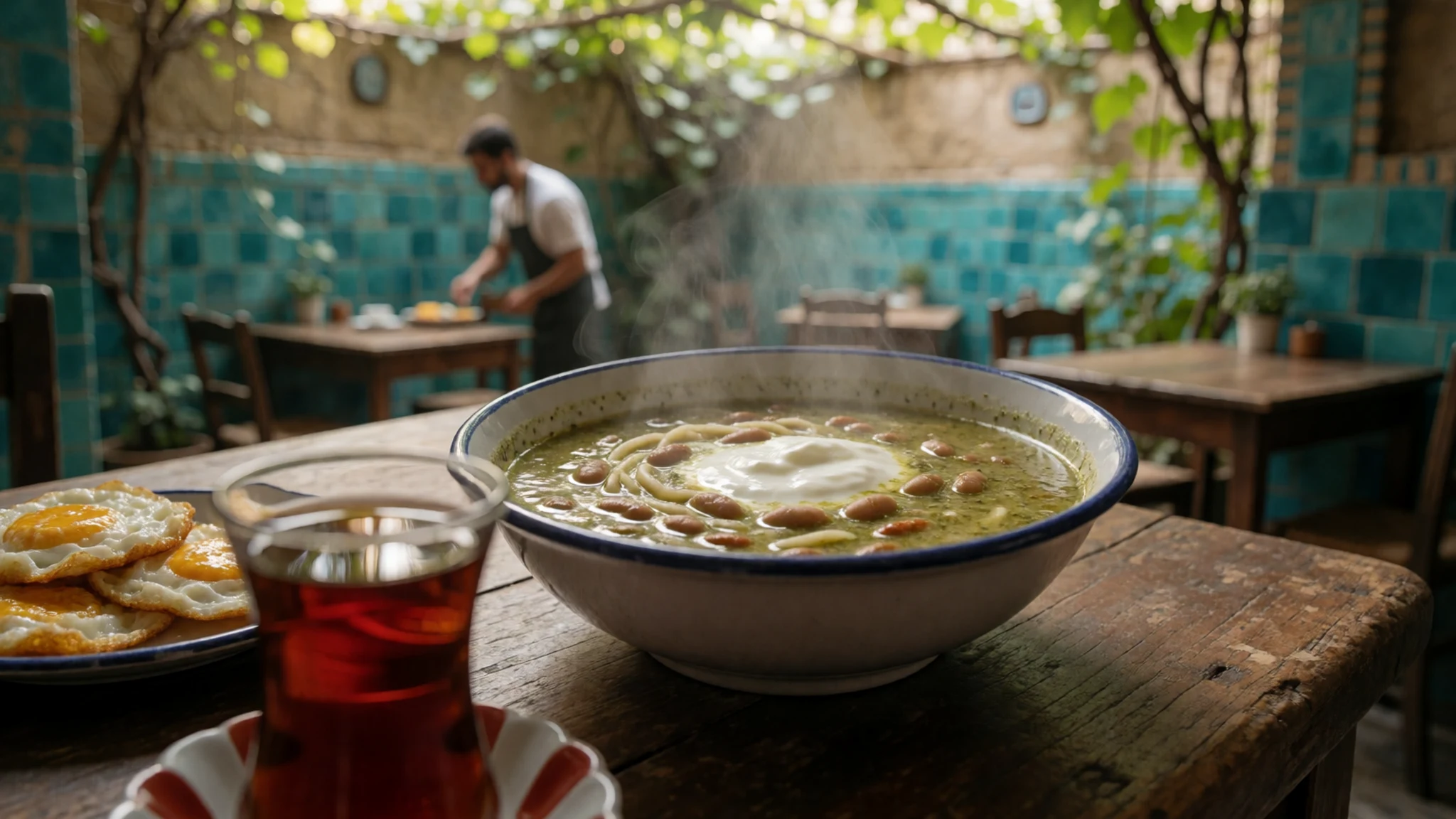
- Faloodeh — Dessert counters and ice cream shops around the central bazaar
A cold dessert of thin rice noodles in a rose-scented syrup, served with lime juice and sometimes crushed ice. It is a summer favourite, best eaten straight away while the ice is still cold.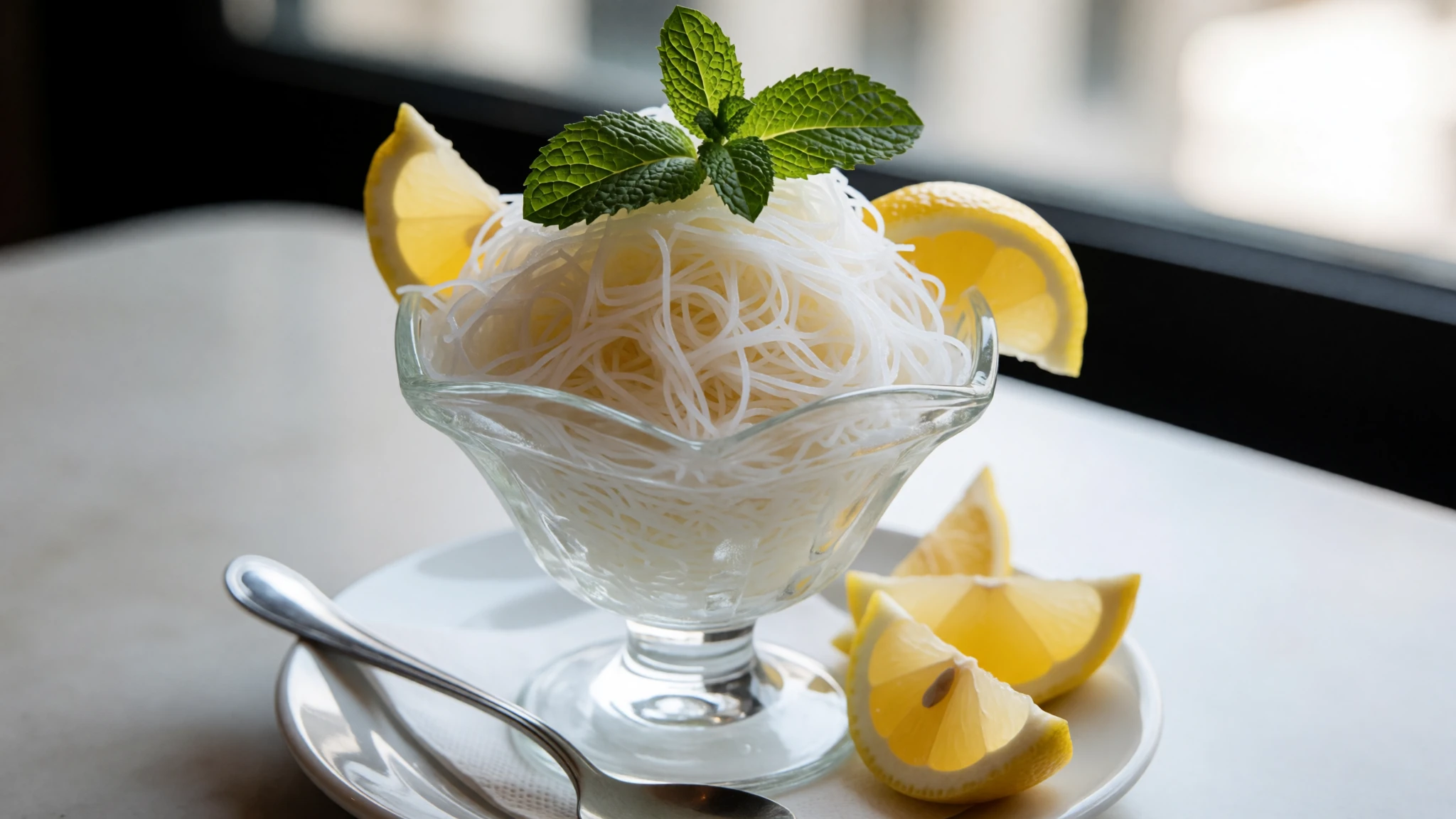
- Kebabs and stews — Classic restaurants beside the Vakil Bazaar
Grilled kebabs with saffron rice, plus slow-cooked khoresh stews, served at classic old restaurants near the Vakil Bazaar. These places are often busy with tour groups at lunchtime, so eating a little later or earlier is more relaxed.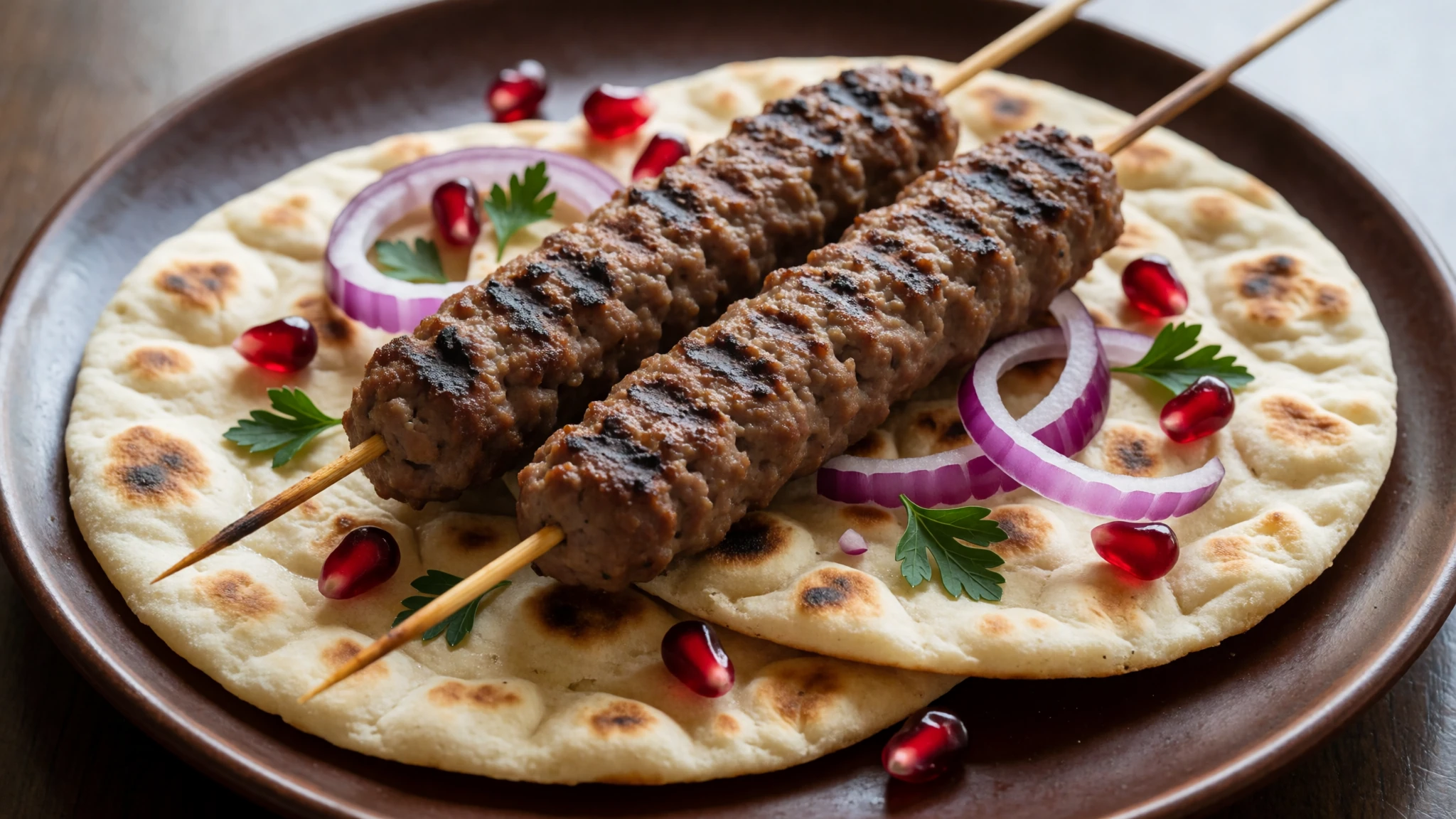
- Cone ice cream — An ice cream shop in the western part of the city
A creamy, dense ice cream served in a cone, which many locals consider richer than most ice cream in the city. Go in the evening, when the streets cool and the queue is shorter. - A booked Shirazi dinner — A private home in the city, booked in advance
A set dinner of rice, stews and local dishes served in a private house, so it must be arranged in advance and is not a walk-in meal. The evening is as much about hospitality as the food itself. Ask your accommodation or a guide to make the booking.
Plan it
Best time. April and November are the most comfortable months: the gardens are green, the air is mild and the centre is easy to walk. Summers are hot and dry, and winters can be cold at night.
How long. 2–3
Getting there. Shiraz International Airport (SYZ) has domestic flights across Iran and some international links, including Istanbul and Dubai; taxis or app-booked cars take you into the city. Overland, the bus from Isfahan takes about six hours, and the train from Tehran takes 10–15 hours.
Budget. low
Tips
- Book domestic flights and trains early, especially around Nowruz and in summer.
- Visit the gardens and tombs early in the morning, before tour groups arrive.
- Carry cash for small shops and taxis, and check whether cards work before you rely on them.
- Drink water often, and plan outdoor sightseeing for early morning and evening in summer.
- Check your government's travel advice before you go, as conditions change.
Etiquette
- Dress modestly in public and carry a scarf for mosques and shrines.
- Ask before photographing people, especially women and families.
- Do not expect to buy or drink alcohol, as it is not legally available to most visitors.
Nearby
Sources
- Wikidata Q6397066 (CC0)
- Wikipedia (Shiraz, rev 1382061309) (CC BY-SA 4.0)
- Wikivoyage (Shiraz, rev 5356391) (CC BY-SA 4.0)
- The development of the city of Shiraz from the Balai Koh Musharraf to the Qur'an, by Arash (CC BY 3.0)
- Saadi's mausoleum in Shiraz, by Omid Hatami (Public domain)
- Vakil Roaya Metro Station, by Amir Sadeghian (CC BY 4.0)
- Shiraz Botanical Garden, by Ali Naderi (CC BY-SA 4.0)
- Vakil Mosque, 13 July 2017, by Yare zaman2000 (CC BY-SA 4.0)
- A skyline of Shiraz, by Rizorius (CC BY 3.0)
- HG7 5639, by Herbert karim masihi (CC BY-SA 4.0)
- Masjed (20975400379), by s1ingshot (CC BY 2.5)


