Kidney Island
Kidney Island, Falkland Islands
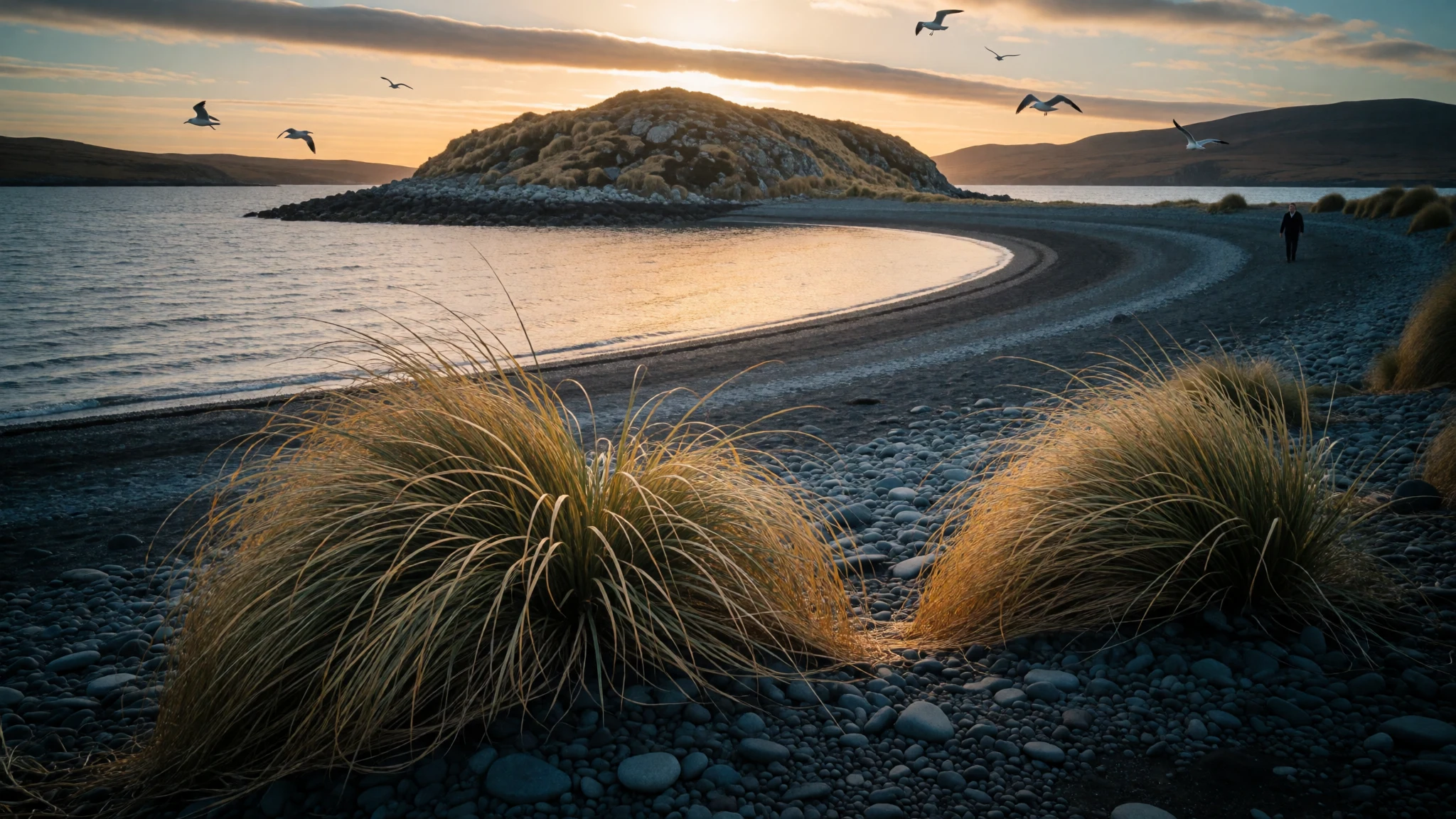
Kidney Island is a tussac-covered nature reserve beside Stanley, where penguins and sea lions live on a shore much as it was before sheep arrived.
The place
Kidney Island (Spanish: Isla Celebroña) is a small nature reserve off the eastern side of East Falkland, within reach of Stanley. Its name comes from its outline on the map. The land area is about 33 hectares, so the whole shore could be walked in an afternoon. Getting ashore is the harder part, because the island lies at the eastern end of Berkeley Sound, close to Kidney Cove, and is separated from Port William by Menguera Point. What sets it apart is the vegetation. Most of the larger Falkland islands lost their tussac grass to grazing and burning over the years, but Kidney Island still wears a thick coat of it. The tall clumps form a springy, tangled cover that shelters birds and seals. Penguins nest here and sea lions haul out along the shoreline. The sources also list king penguins among the breeders; along with Saunders Island and Volunteer Point, Kidney Island is named as a breeding site for them. Politically, the island belongs to the Falkland Islands, a British Overseas Territory that Argentina also claims, calling it the Islas Malvinas. The archipelago is thinly settled, and the weather is a constant presence: wind, fast-changing light and a cold sea. Kidney Island suits people who like wildlife on its own terms. It is a reserve, not a resort, and the experience is muddy boots, noisy colonies and grass that closes in over the path.
Its story
Kidney Island has spent most of its history as a landmark on the approach to Stanley, but the waters around it have been touched by the wider argument over the Falklands. An English navigator is credited with first sighting the archipelago in 1592, and the first recorded landing, also by an Englishman, came in 1690. French settlers arrived in 1764, sailing from the Breton port of Saint-Malo. That is why the French called the islands the Malouines, and why Spanish later produced the name Malvinas. The French settlement passed to Spain. A British settlement followed in 1766, and the quarrel over sovereignty, first between Britain and Spain, later became one between Britain and Argentina. The islands have changed hands and been settled and abandoned more than once, but since 1833 they have generally been accepted as under British control. Then came 1982. On 1 May that year, during the Falklands War, an Argentine patrol boat, the Islas Malvinas, was damaged near Kidney Island by a Lynx helicopter flying from HMS Alacrity. The helicopter was itself badly hit by return fire from an armed Argentine coaster, the ARA Forrest. The clash was brief and took place offshore, but it ties a quiet wildlife reserve to a conflict that many islanders still remember at first hand. The island's seabirds and seals have long outlasted the dispute, and they remain the reason most people visit.
What to see
- The tussac shoreline — Around the island's shore
Tussac grass is the island's signature feature after its animals. Dense clumps cover the coastal slopes, with narrow paths between them that are often muddy and hard to read. Walkers should stick to any marked route and expect wet leaves in the face. It shows what much of the Falklands looked like before grazing.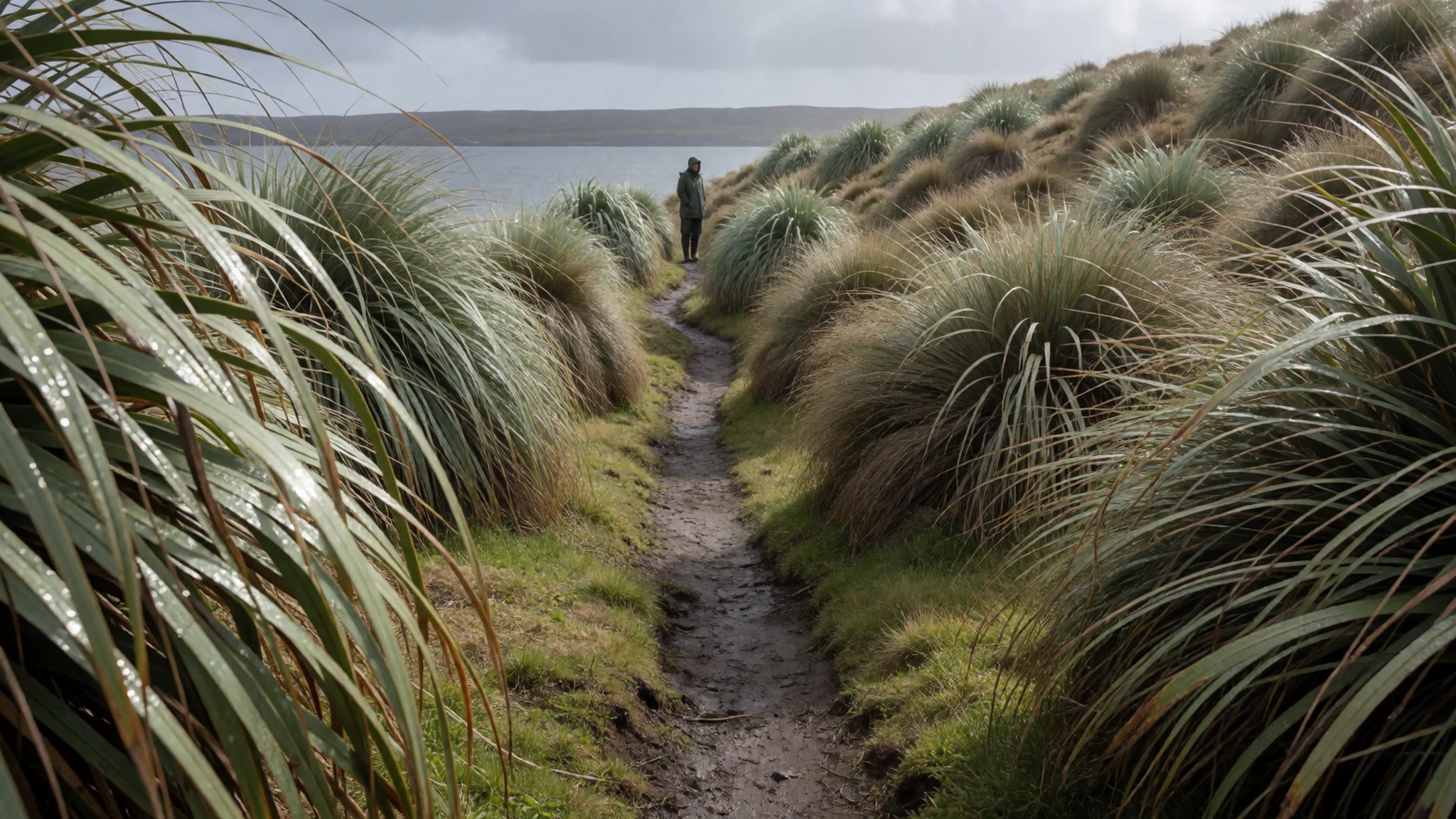
- Penguin colonies — Coastal ground and tussac edges
Penguins are the reason most boats come. Sources name them as a resident group and record king penguins breeding here, which is unusual in the archipelago. Numbers and positions shift with the season, so a guide from Stanley will know where the birds are. Watch from a distance, move slowly and let the birds cross the path first.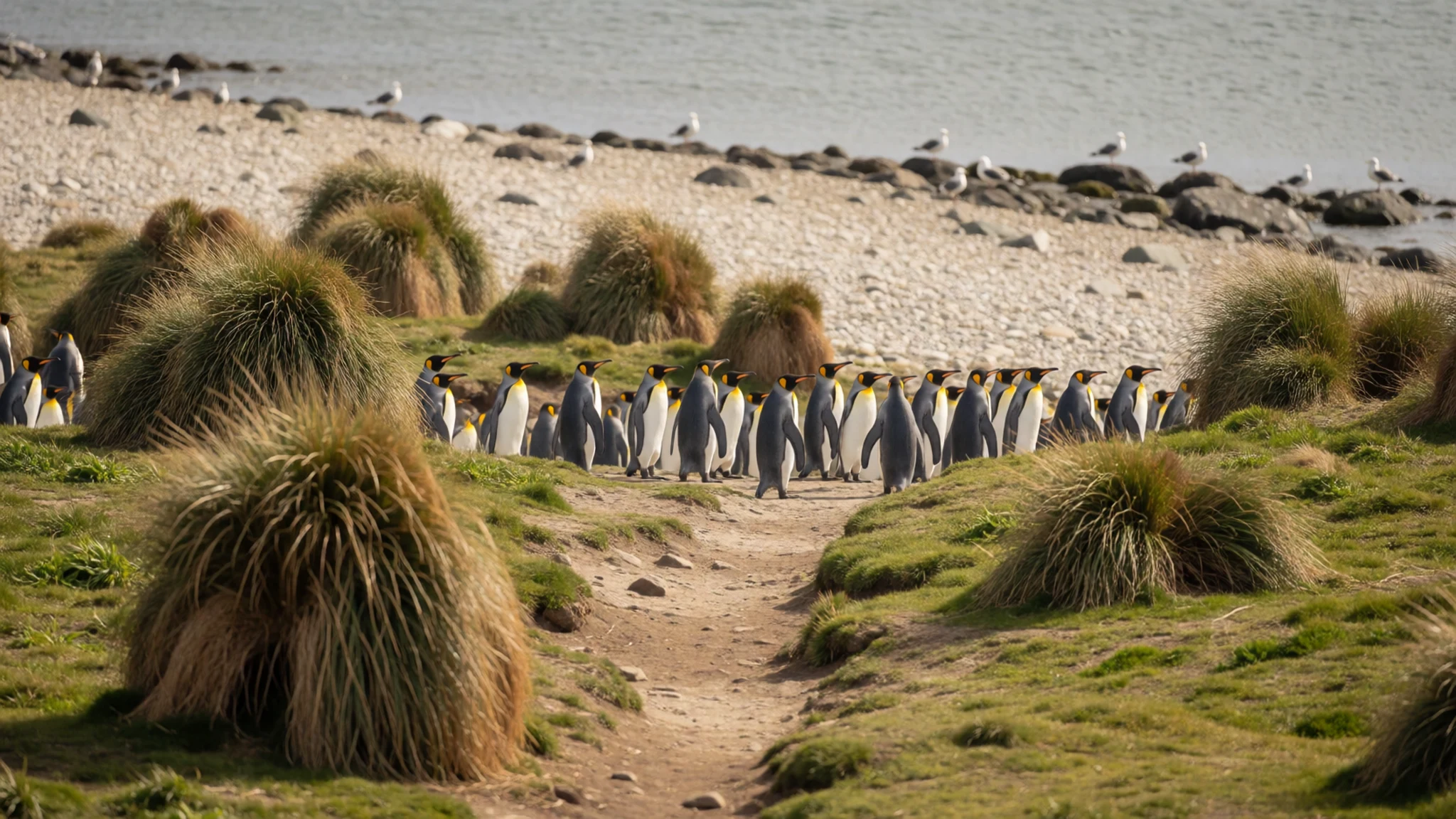
- Sea lions on the shore — Rocky edges and beaches
Sea lions haul out along the island's rocky edges and beaches. Adults can be large and short-tempered, especially near pups. A useful rule is that if an animal has noticed you, you are too close, so back away. Binoculars or a long lens give better pictures than a close approach.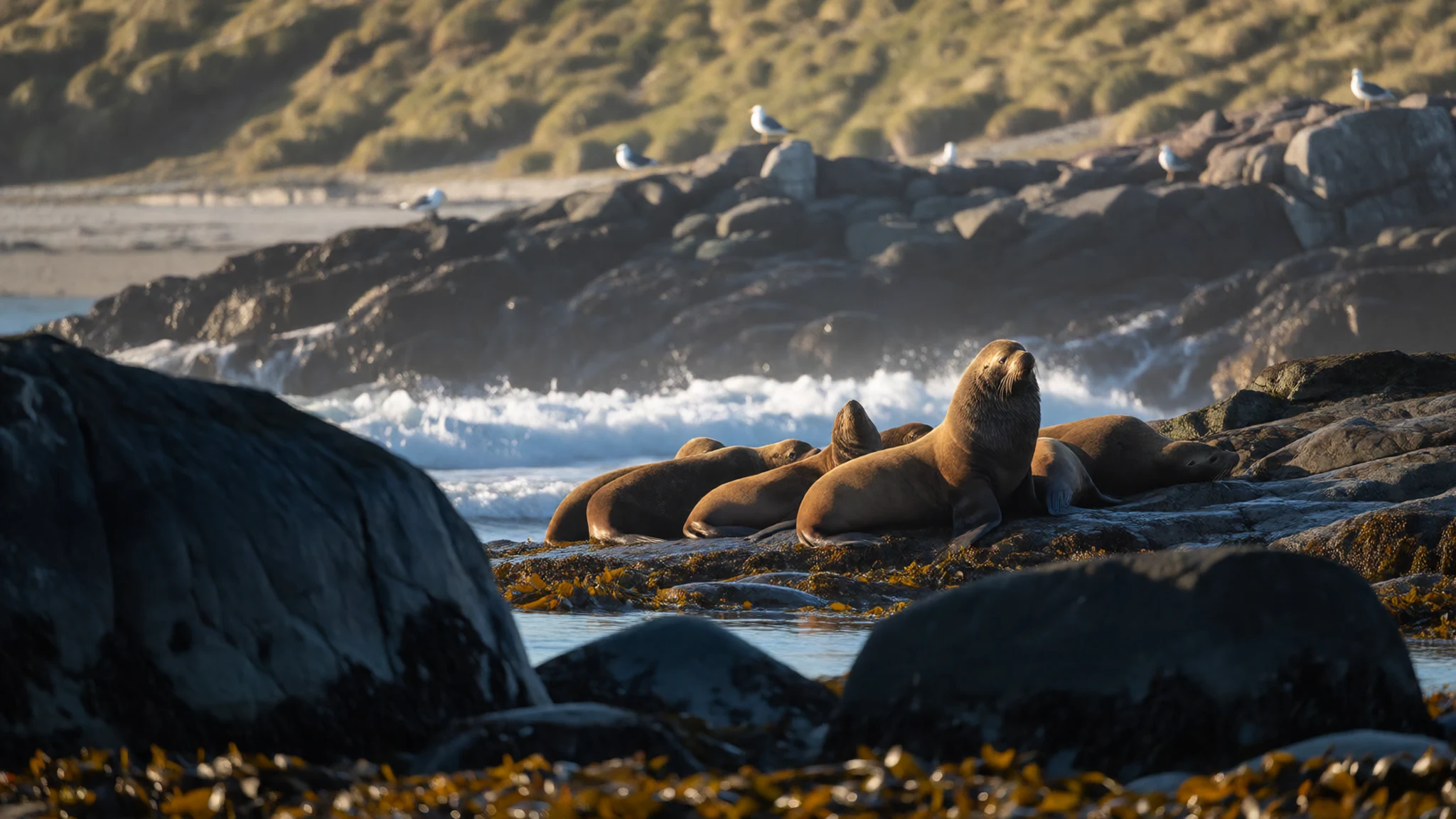
- Berkeley Sound and Kidney Cove from the water — Berkeley Sound, east of East Falkland
The island sits at the eastern end of Berkeley Sound, beside Kidney Cove, and the crossing is part of the trip. The boat passes open water and headlands such as Menguera Point, which separates the sound from Port William. Seabirds often follow the boat, and the view back to East Falkland shows how bare the surrounding land is.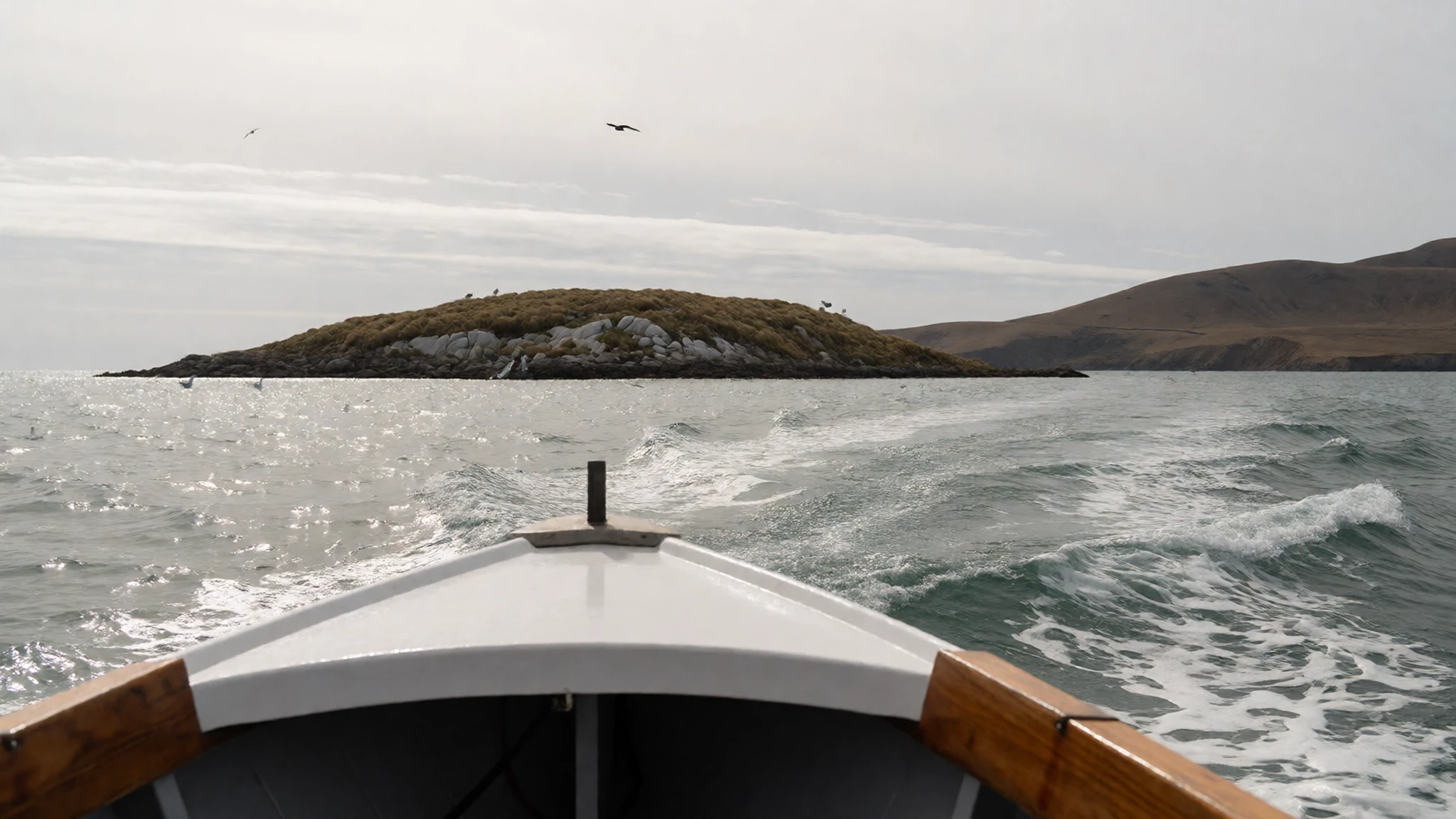
- The museum on Holdfast Road — Stanley
Stanley's museum on Holdfast Road is a good way to add background to a day on Kidney Island. It helps make sense of the settlement history, the sovereignty argument and the 1982 war that the island's waters witnessed. Opening times change, so check locally before building a day around it.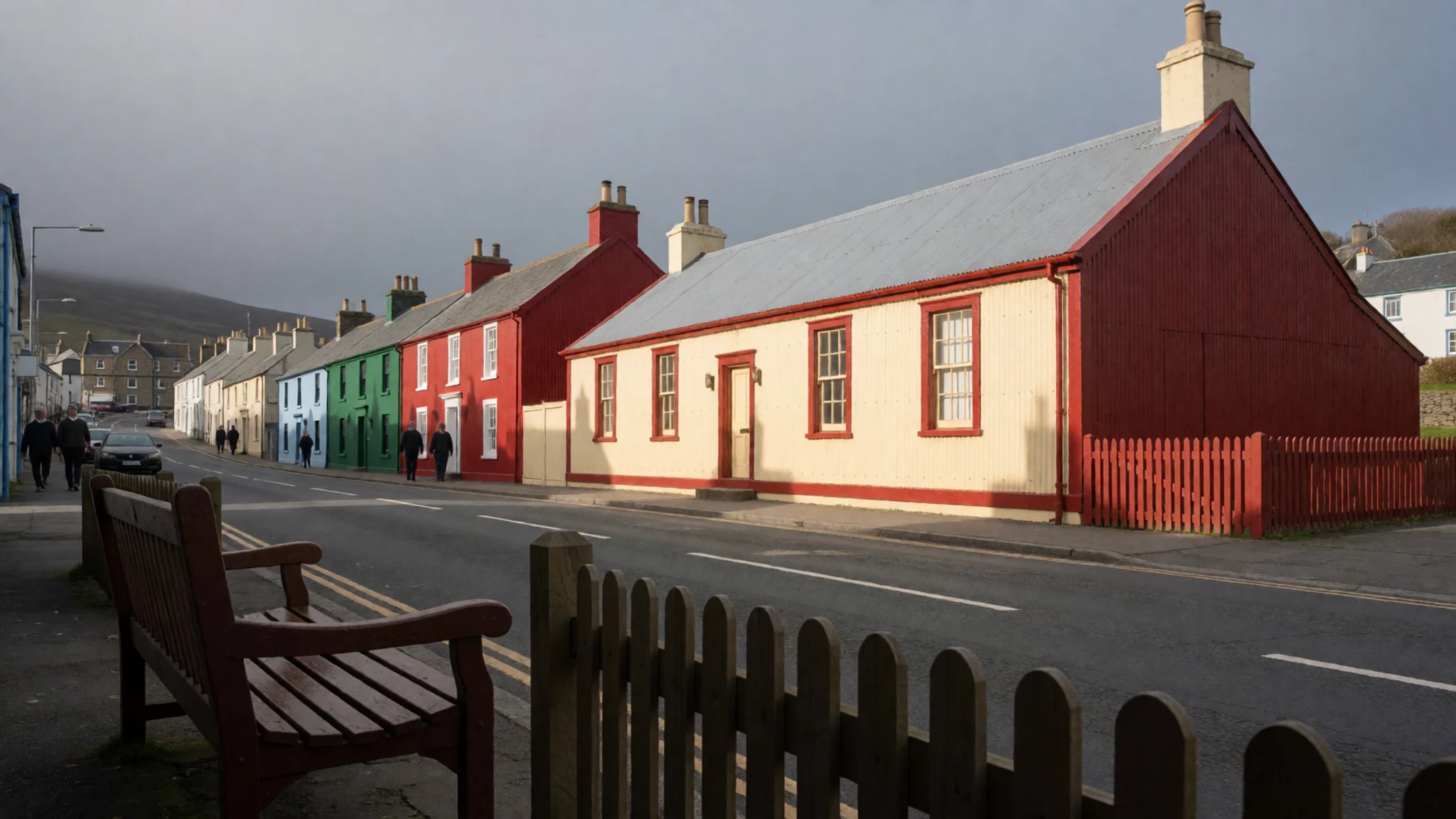
Culture
Kidney Island has no community of its own, so the culture a visitor meets is that of Stanley and the wider Falklands. The islanders have British roots and keep many British habits: tea, pubs, church and a quiet politeness. In several ways they are more conservative than people in Britain, and drugs are not tolerated. Margaret Thatcher, prime minister in 1982, is regarded warmly, without the divided feeling she can stir elsewhere. Attitudes towards LGBT people are broadly positive. Same-sex marriage became legal in 2017, the year Stanley held its first pride event, and discrimination on grounds of sexual orientation is unlawful. The 1982 war still shapes conversation. Many residents lived through it, and in a 2013 referendum 99.8% of those voting chose to remain British. Some people remain wary of Argentines because of that history, and sovereignty is a sensitive subject. A visitor who wants an easy welcome listens more than they argue. Life in camp, meaning the farms and settlements outside Stanley, runs on neighbourliness, with tracks, gates and favours shared across long distances. Landowners decide who may walk or camp on their ground, so asking first is normal. Never describe the islands as Argentine, and keep well back from seals and sea lions when you are ashore.
What to wear
Kidney Island has no traditional costume of its own, and the Falklands have no national dress of the kind many countries do. The clothing tradition is practical, shaped by British settlement and sheep farming: wool jumpers, caps, waterproof oilskins and sturdy boots for work out in camp. Wool is the natural textile of a place where sheep and mutton are central to rural life. Today people in Stanley dress much as they would in a small British town, in fleeces, waterproof jackets, jeans and boots, with smarter clothes kept for church, weddings and evenings out. Nobody dresses up for show. A visitor heading to Kidney Island should dress for wind, spray and mud rather than for photographs. Wear a waterproof, windproof outer layer, a warm mid-layer, a hat and gloves, and something that can come off if the sun appears, because the weather can swing within an hour. Waterproof boots with good grip matter most, since landings can be wet and tussac paths are slippery. Waterproof trousers help in the long grass. Bring sun protection and sunglasses too, as light and wind are strong. In Stanley's pubs and restaurants dress is relaxed, and in church tidy clothes with covered shoulders are appreciated. There are no special modesty rules beyond ordinary British norms.
What to eat
- Fish and chips — Pubs and cafés in Stanley
Fish and chips is standard fare in the Falklands, as it is in Britain. It suits a cold day on the water, and the portions are usually filling. Expect it on the menus of Stanley's pubs and cafés, often alongside other plain British dishes.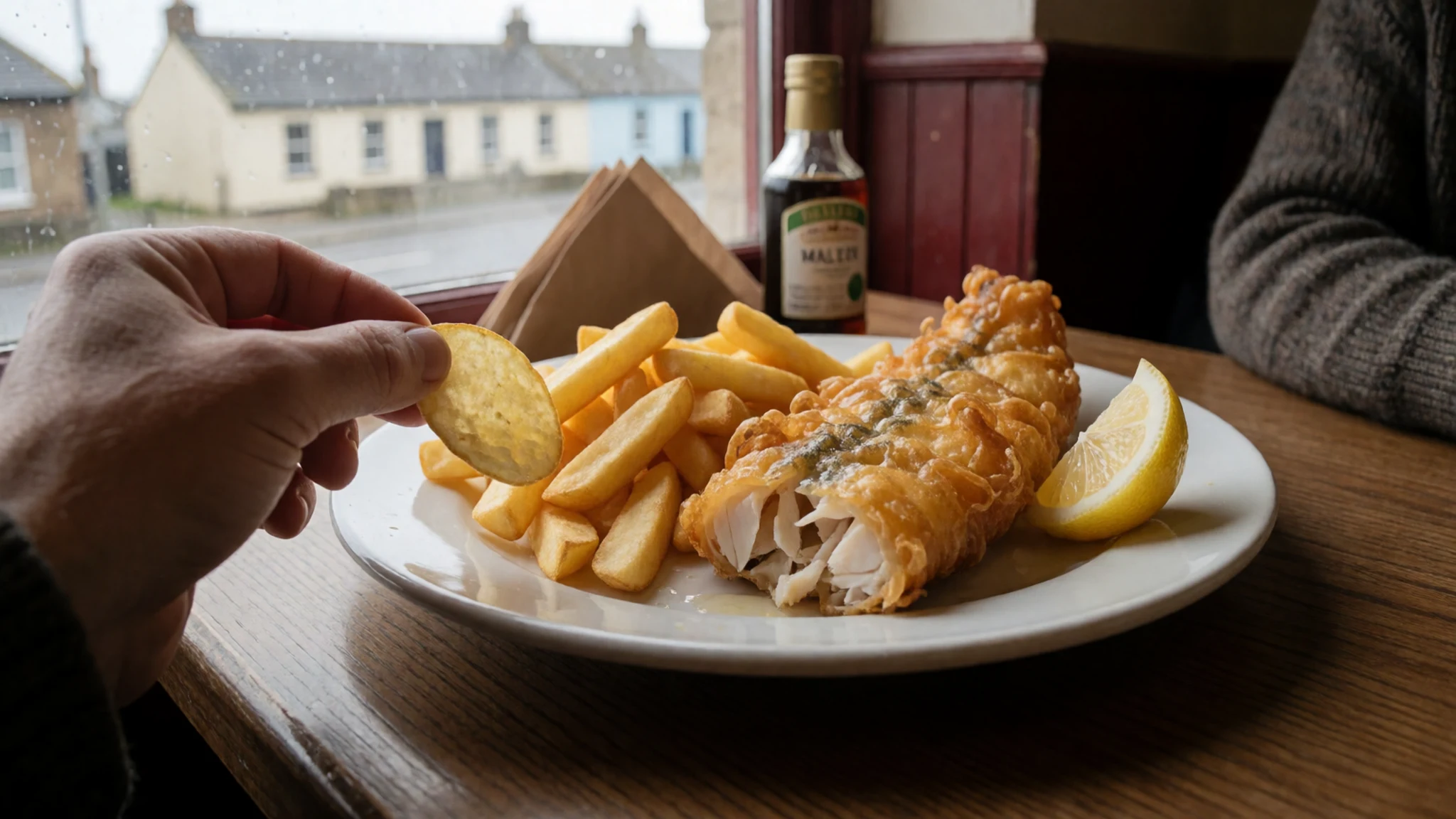
- Roast mutton — Lodge dining rooms out in camp
Mutton is the meat of the islands, and the roast is a regular on lodge tables. It is served with potatoes and whatever vegetables are available, since fresh produce is scarce and costly. A Sunday-style roast after a day outdoors is the reward.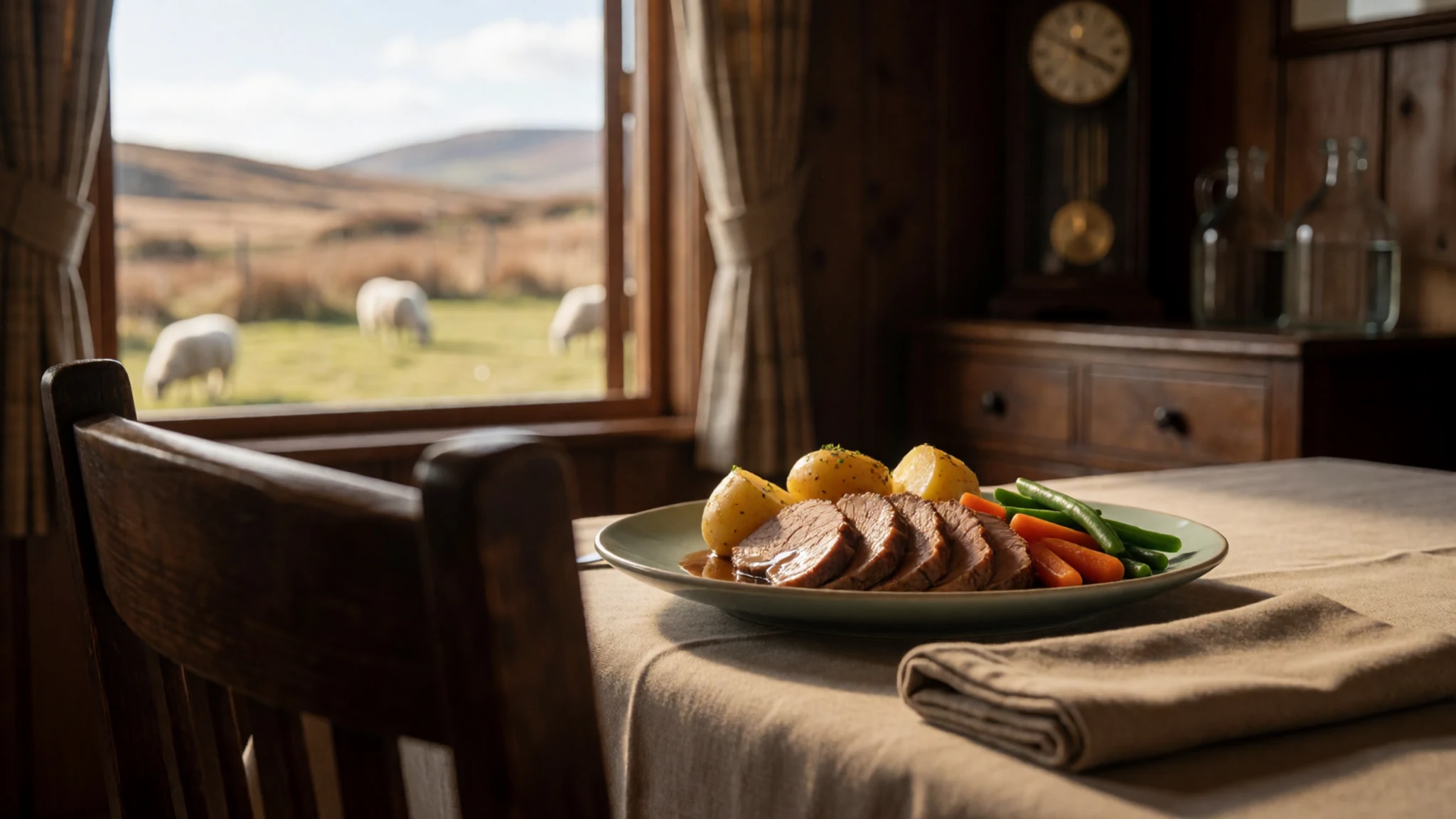
- Diddle-dee jam — Gift shops and farm kitchens
Diddle-dee is the local name for the red crowberry, which grows wild across the heaths. Cooked into jam, it has a tart, slightly earthy flavour that goes well with scones or toast. It is one of the more distinctive local specialities. - Home-cooked lodge meals — Camp lodges and farm guesthouses
Lodges out in camp often serve generous home cooking, and their food is generally better than much that is found in town. Expect hearty stews, roasts, puddings and plenty of tea. Visitors who stay overnight near the coast often eat this way. - Local microbrewery beer — Gift shops and bars in Stanley
Importing food is expensive, but alcohol carries no tax, so beer is fairly reasonable. A few local microbreweries make drinks inspired by the surrounding landscape. Most pubs serve bottles and cans, though some bars pour local beer from the tap.
Plan it
Best time. November to March, the warmer part of the year, when wildlife is most active and daylight is long; the fishing season runs from September to April. The weather is windy and changeable in any month, so check forecasts and be ready to lose a day to rough water.
How long. 2–3
Getting there. Fly to the Falkland Islands (international flights arrive at Mount Pleasant airfield), then take a road transfer to Stanley. Kidney Island is reached by boat from the Stanley area on an arranged trip, and sea conditions and landing permission decide the day.
Budget. high
Tips
- The Falklands run their own immigration: bring a passport, a return ticket, proof of accommodation and funds, and travel insurance with medical evacuation cover.
- Book the boat trip and Stanley accommodation well ahead, because choices are limited.
- Pack waterproofs and layers, and expect wind whatever the forecast says.
- If self-catering, buy supplies in Stanley, as fresh fruit and vegetables are limited and expensive.
- Dial 999 in an emergency.
Etiquette
- Keep a safe distance from sea lions, seals and any animal with young.
- Stay on marked paths in the tussac and take nothing from the reserve.
- Ask the landowner before camping or crossing private land.
Nearby
Sources
- Wikidata Q3129009 (CC0)
- Wikipedia: Kidney Island (rev 1376415928) (CC BY-SA 4.0)
- Wikivoyage: Falkland Islands (rev 5400949) (CC BY-SA 4.0)
- Isla Celebrona.png, Unknown author, via Wikimedia Commons (CC BY 3.0)

Wildlife
- King penguin (animal)
The king penguin is a stately, smart-looking bird, a slightly smaller cousin of the emperor penguin and the second largest of all penguins. Kidney Island is one of the named places where it breeds, so look for it near the island's nesting birds. Our sources do not say which months or hours suit best, so your guide's advice is welcome. Watch from well back, speak softly, move slowly, and never feed it.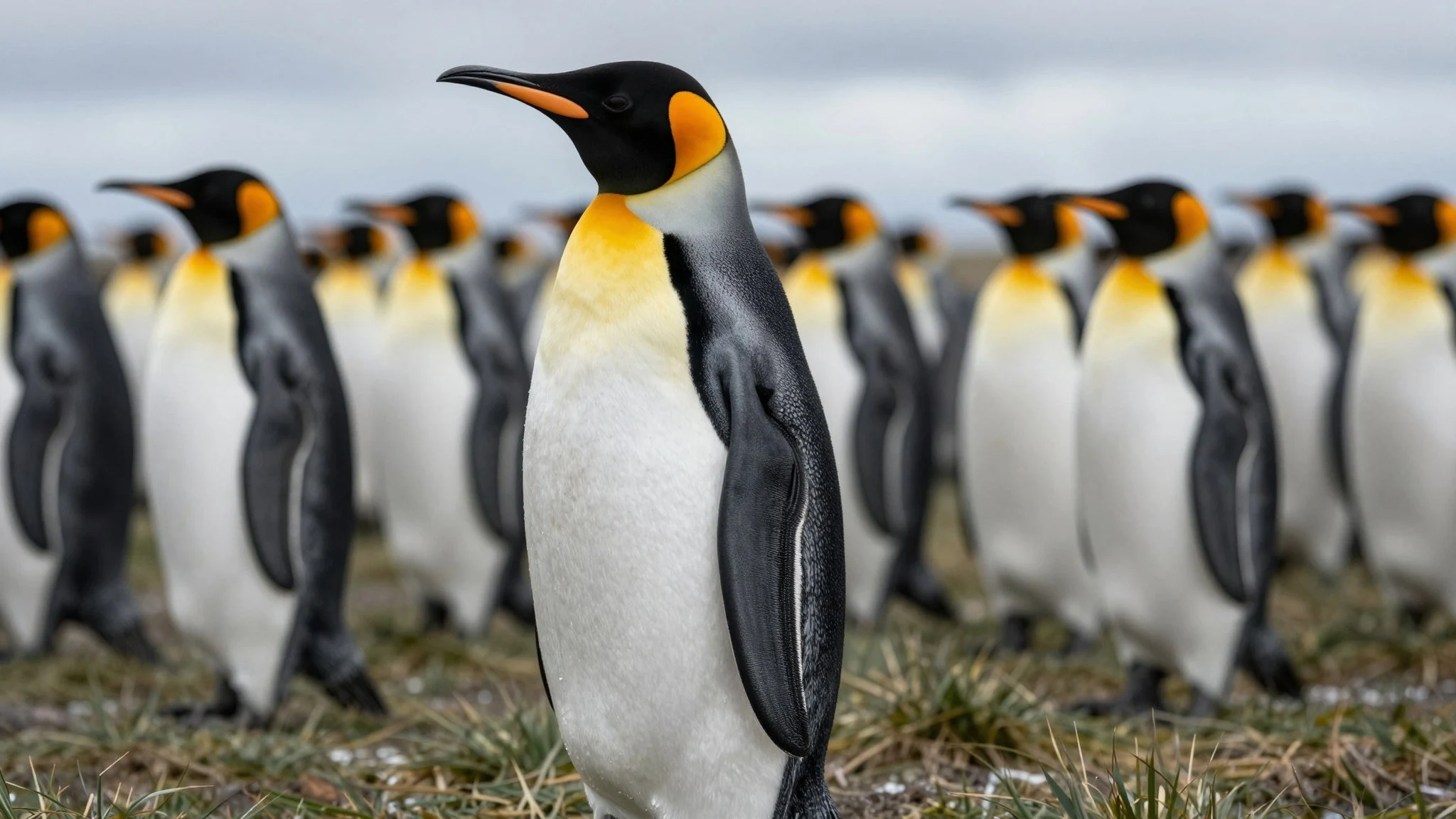
- South american sea lion (animal)
The South American sea lion is a sturdy swimmer, and the males wear a shaggy mane like a lion. On Kidney Island these animals come ashore to rest along the water's edge, close to where penguins nest. At sea they hunt fish and squid-like cephalopods. The notes give no season or time of day, so ask your guide. Keep well back, stay quiet, never feed them, and give males guarding their patch plenty of room.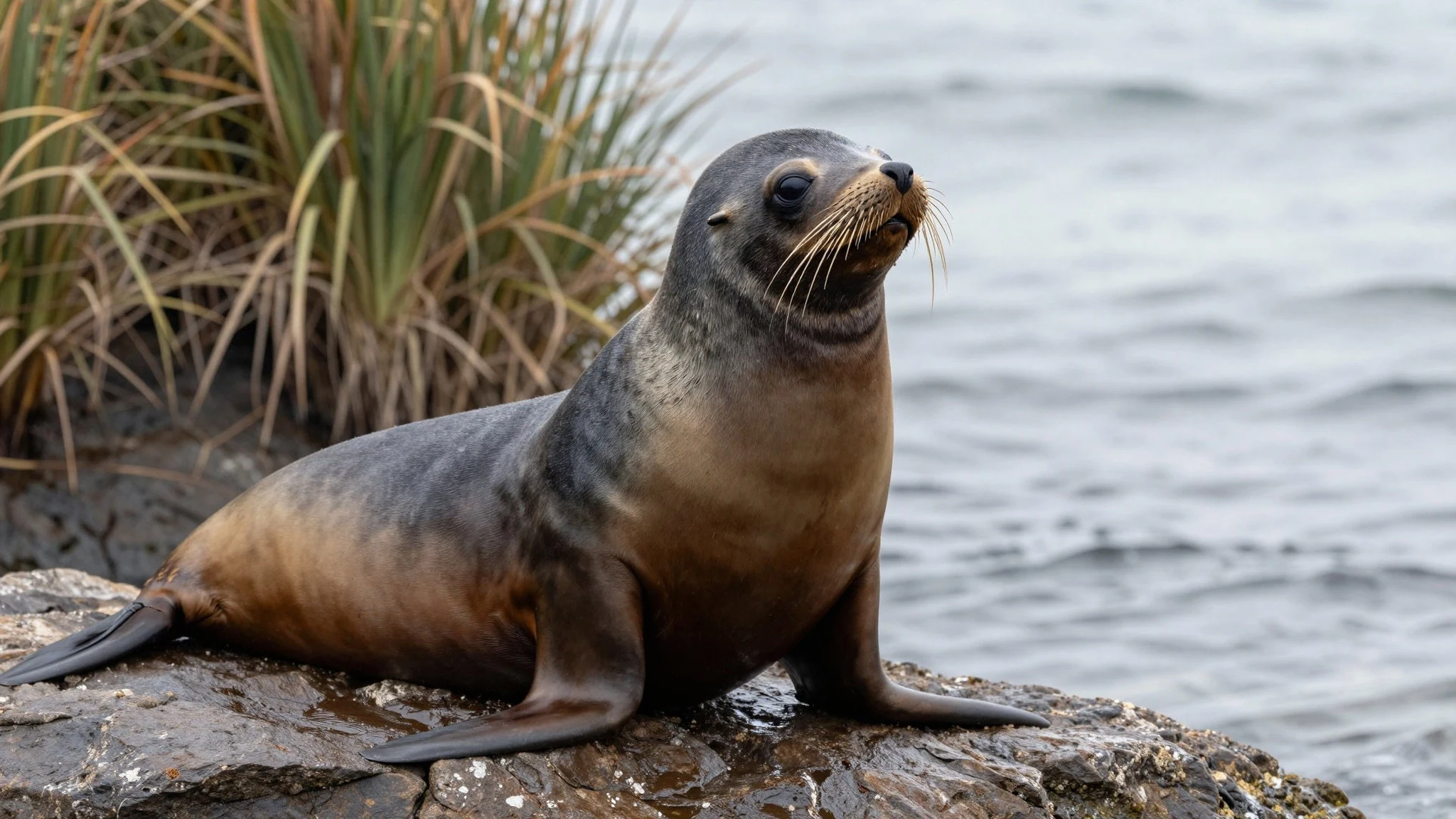
- King penguin (bird)
The king penguin is a stately, smart-looking bird, a slightly smaller cousin of the emperor penguin and the second largest of all penguins. Kidney Island is one of the named places where it breeds, so look for it near the island's nesting birds. Our sources do not say which months or hours suit best, so your guide's advice is welcome. Watch from well back, speak softly, move slowly, and never feed it.