Kevladev National Park
Kevladev National Park, India
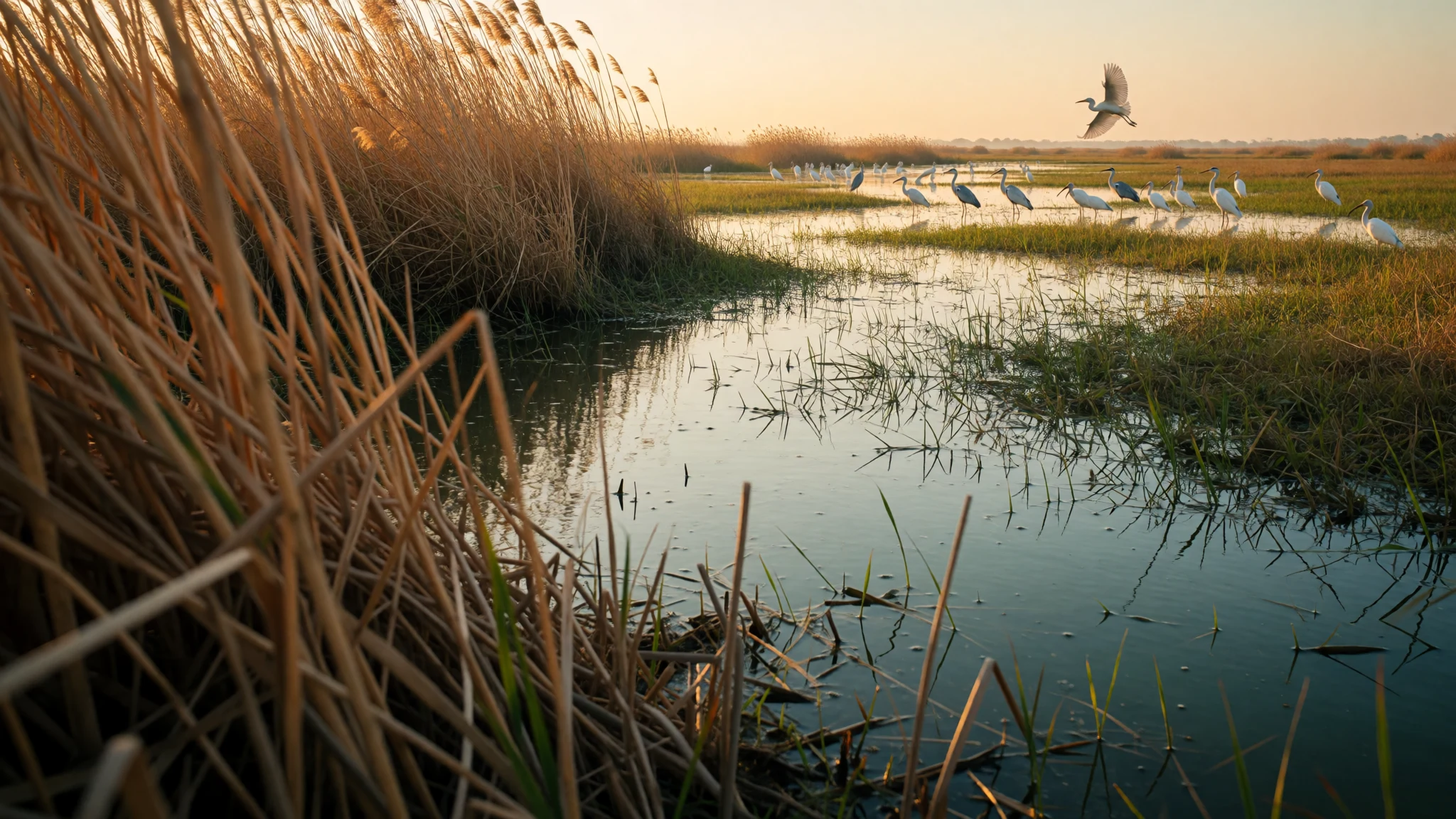
Kevladev National Park is a wetland refuge in Rajasthan where resident and migratory birds gather in large numbers, especially in winter.
The place
Kevladev National Park is better known as Keoladeo (or Keoladeo Ghana) National Park, a bird sanctuary and wetland oasis on the edge of Rajasthan’s drier landscapes. The setting looks surprisingly patchwork: dry grasslands and woodland areas interlock with swamps and seasonal wetlands, stitched together by regulated water. It’s that watery “green” inside a generally arid region that makes the place work for wildlife, and for visitors.
The park is also famous for timing. When winter settles over Eurasia, many birds move south, and Keoladeo becomes a wintering and stopover ground for a long list of species, including waterbirds and birds that feed along reed beds and shallow channels. During the better months, the air can still feel crisp in the morning, and the light is kind for photography.
Expect a different kind of “park” day to what people picture from big-game safaris. Here, the rhythm is slow and observational: walking paths, waiting by water, and watching how birds change position when wind and human footsteps pass. The experience is often most rewarding in the first hours of daylight, when birds are more active and the park isn’t yet full of everyone chasing the same sightings.
Crowds do spike around peak seasons and weekends, so the best strategy is simply to arrive early and stay flexible. In the hotter months, midday heat becomes a real limiter; shade, water, and rest plans matter. Mosquitoes can also be seasonal, so it’s sensible to carry repellent and sunscreen.
Its story
Kevladev National Park’s story is tied to water management and changing ideas about what the land should be for. The core area began as a duck-shooting reserve, set up by the Bharatpur rulers in the era of royal hunting. Over time, attitudes shifted from using the wetlands mainly for sport to protecting them as habitat.
Ornithologist Salim Ali played a key role in that conservation turn, and the site was formalised as a bird sanctuary. Later, it was designated as protected sanctuary, and then established as a national park in the early 1980s. The details of dates matter less than the turning point: the landscape that once catered to hunters became a place where birds are the headline.
Keoladeo’s reputation grew because of what it holds in the wet season-wrapped winter season. The park became internationally recognised as a UNESCO World Heritage Site, linked to the importance of wetlands for migratory waterfowl and for resident birds that nest there. UNESCO status doesn’t change what’s happening on the ground—reed beds still sway, water levels still shape where birds forage—but it does reflect how exceptional the biodiversity has been considered.
Today, you’ll move through a managed mosaic of dry grassland and woodland edges, seasonal wetlands, and a human-made regulated wetland that provides water for wildlife in a drier region. It also helps protect nearby settlements from flash floods, which is a reminder that conservation here is not only about birds—it’s about keeping the system stable for people as well.
What to see
- Keoladeo Shiv Temple — Within Kevladev/Keoladeo National Park (Bharatpur)
Keoladeo Shiv Temple sits inside the sanctuary area, named after a Shiva temple that local tradition associates with the park. It’s a quieter stop compared with the open water zones, and it helps set the mood of Keoladeo—life in the wetlands beside places of worship.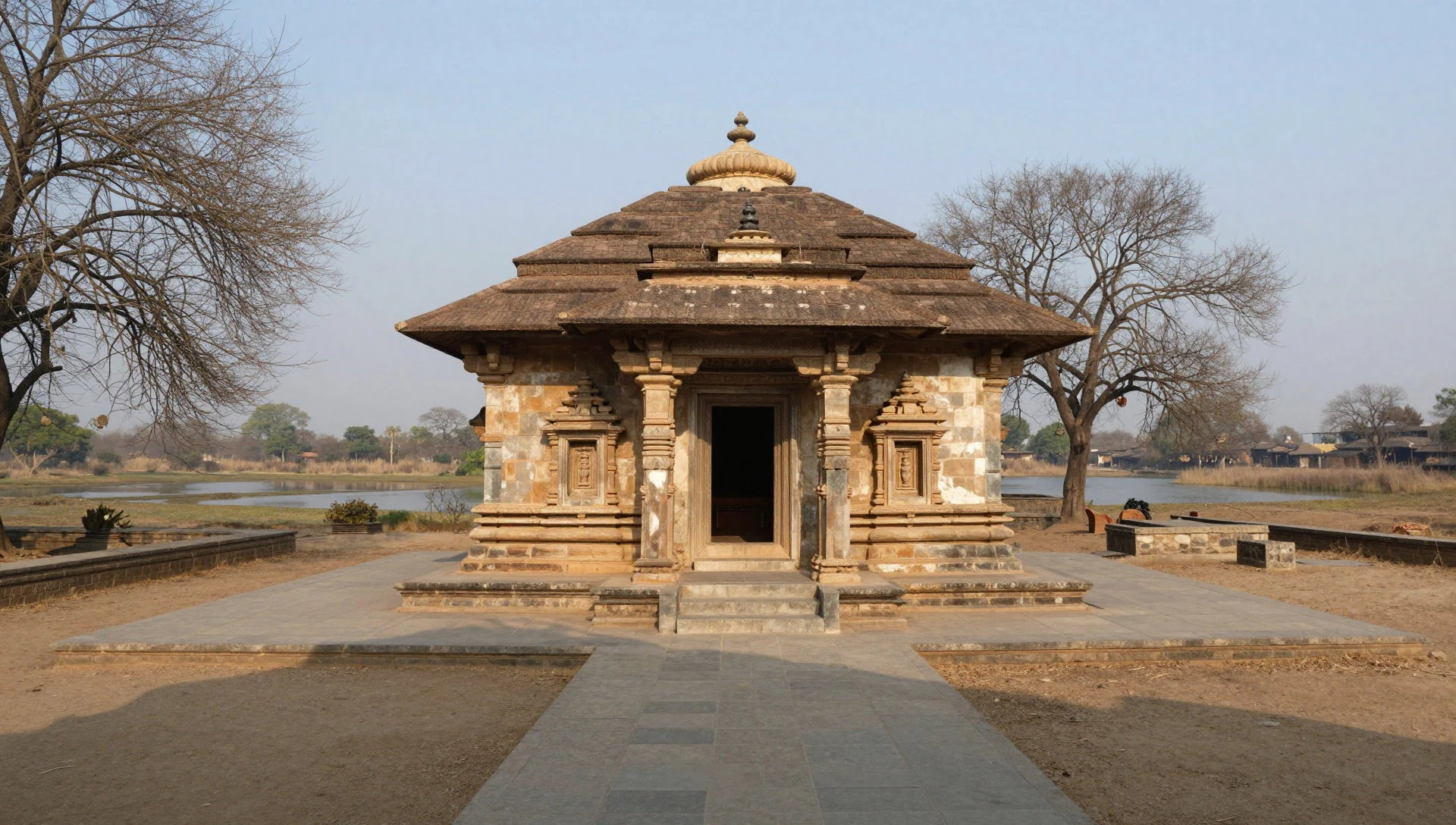
- Mosaic wetlands: reed beds and channels — Wetland zones across the park (Ghana/Keoladeo)
The park’s wetlands are a managed mix of shallow water, reed beds, and seasonal swampy patches. Birds often cluster along these edges, where there’s both cover and feeding space. Moving slowly along the paths makes it easier to spot changing flocks.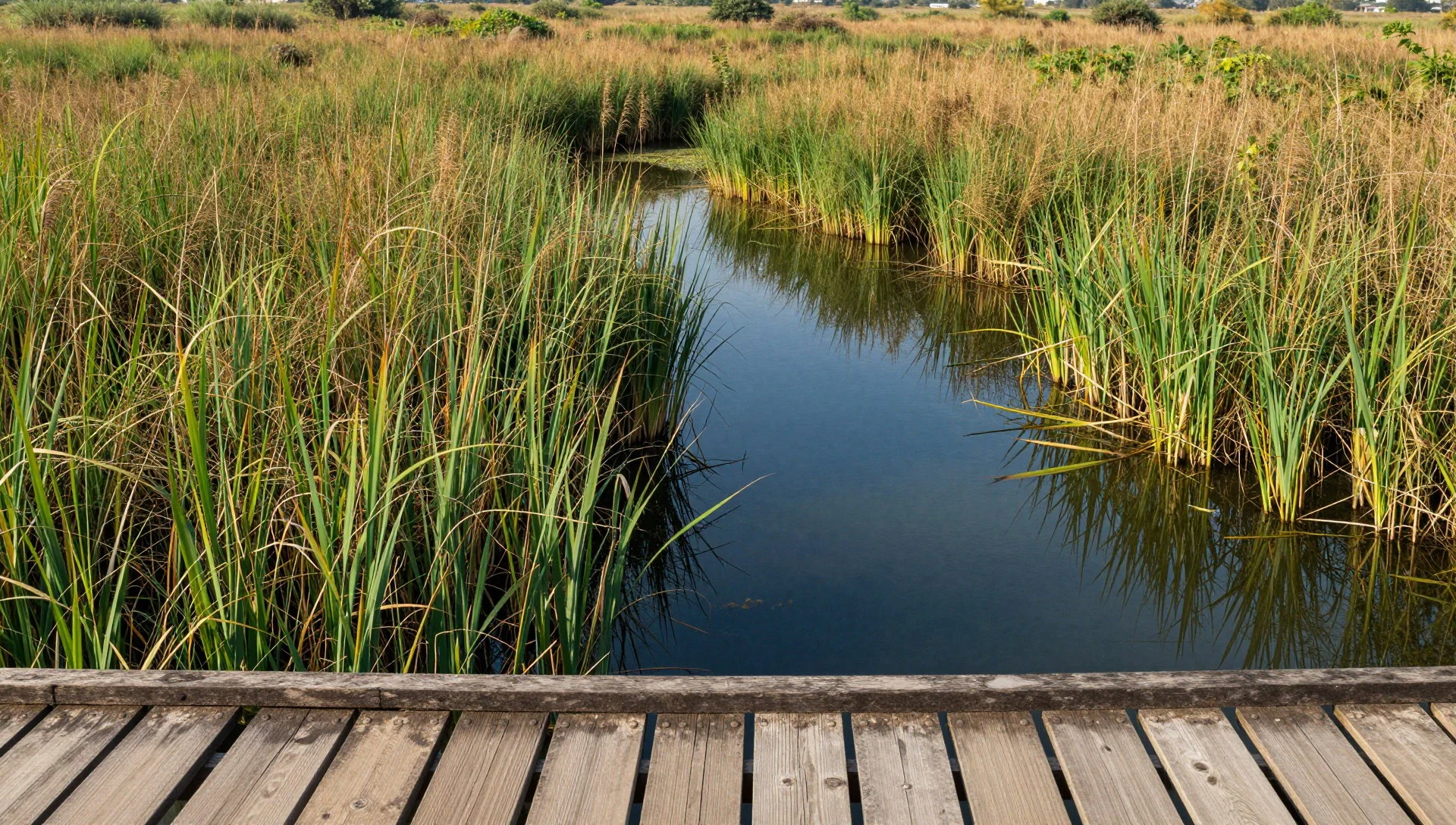
- Morning reed-and-water edges — Riverside-style channels and reed fringes inside Keoladeo
Morning reed-and-water edges are where the park wakes up. With softer light and calmer movement, waterbirds and small landbirds often appear along the border where reeds meet shallow water, making scan-and-wait spotting feel more productive than rushed walking.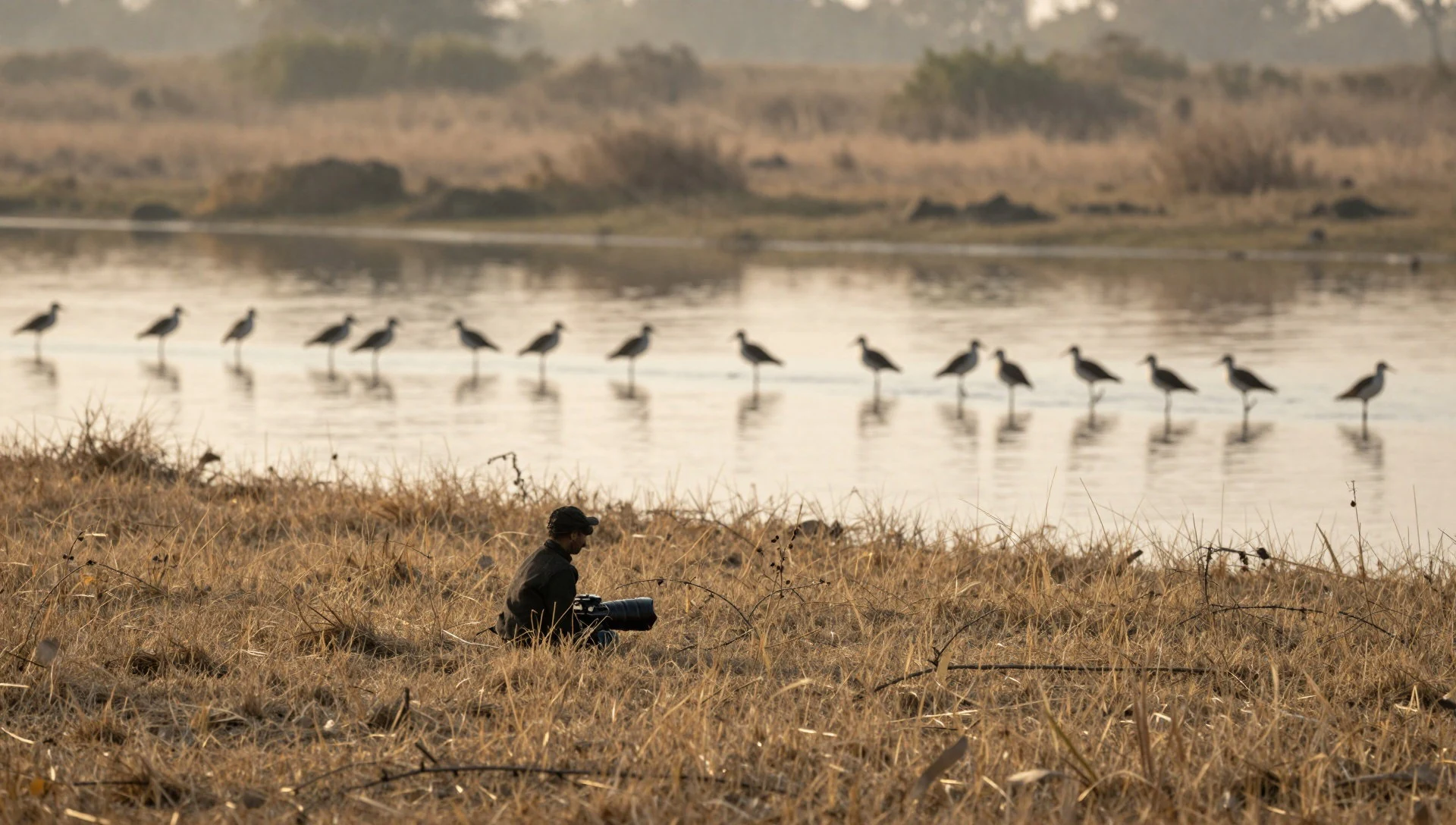
- Waterbird silhouettes at golden hour — Open water and shallows across the park
At golden hour, waterbird silhouettes stand out against the changing sky. Watch for movement from the water surface and from reed cover, then follow how birds reposition as light fades. It’s a good time to slow down and let patterns emerge rather than chase fast flights.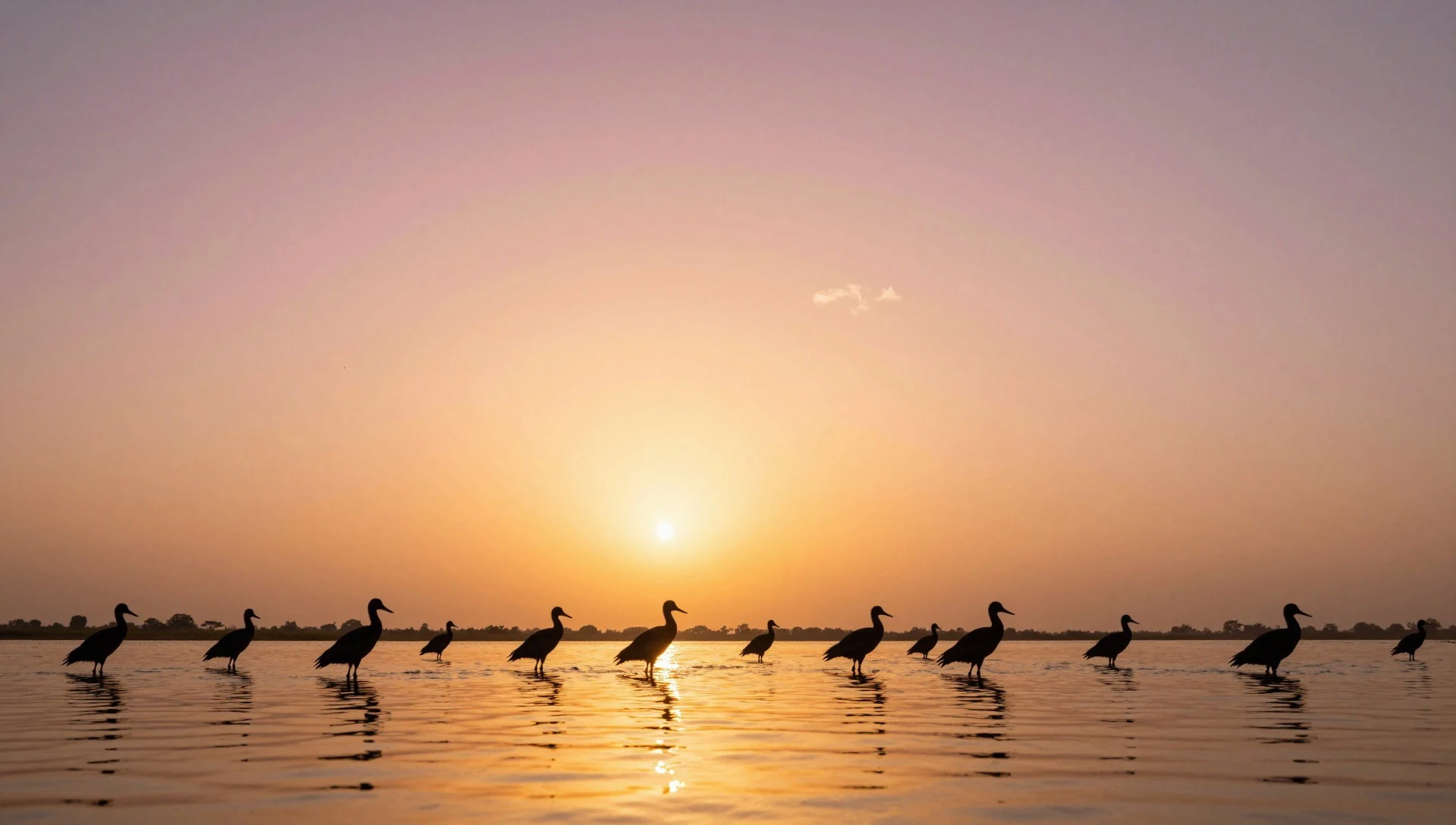
- Birdlife hotspots for wintering species — Central bird-rich areas throughout Keoladeo National Park
Winter is when Kevladev/Keoladeo becomes especially busy with resident and migratory birds. Certain zones draw more attention because food and shelter overlap—think shallow feeding areas and edges where birds can pivot between water and vegetation with minimal effort.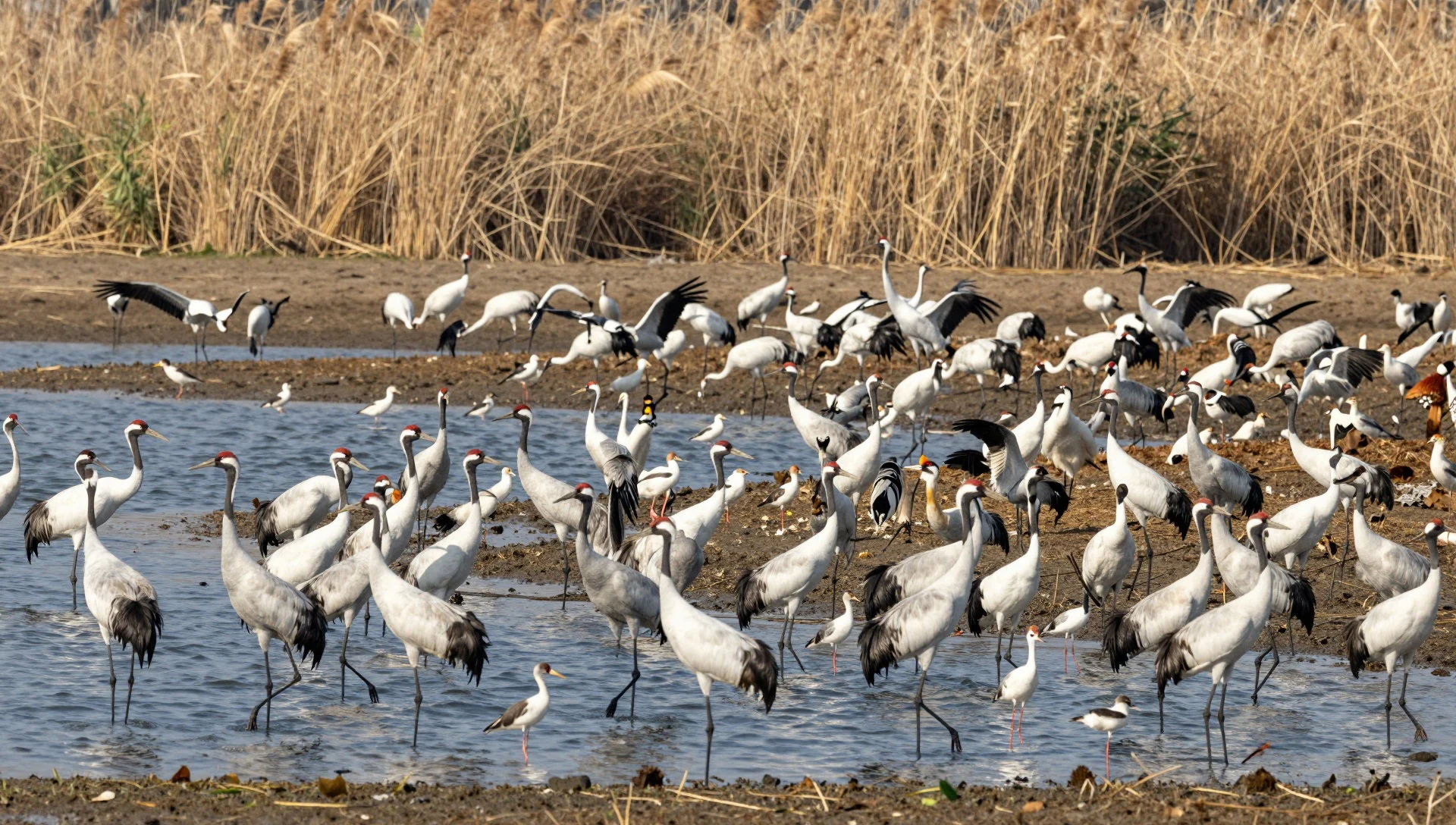
Culture
Kevladev National Park sits in a working landscape in Rajasthan, where wetlands are both wildlife habitat and part of local life. Within and around Keoladeo, conservation is not separate from daily routines: the regulated wetland supports animals in a drier region, and it’s also described as helping protect nearby settlements from flash floods. That mix of ecological protection and human practicality is visible in how the park functions.
There’s also a spiritual thread. The Keoladeo Shiv Temple inside the sanctuary underlines that the park isn’t treated purely as a nature attraction; it’s connected to local faith and place-making. Even on wildlife-focused days, visitors tend to slow down around temple areas and keep voices low.
A practical reality: in peak bird seasons, the park can feel busy because everyone is searching for the same brief windows of activity. The “culture” there becomes simple social behaviour—quiet scanning, moving considerately, and giving space when birds suddenly flare into motion.
When mosquitoes are present and midday sun gets strong, the best respect is for your own comfort too: sun protection and insect repellent help keep attention on the birds rather than swatting or overheating.
Visitor etiquette: keep noise down near the Keoladeo Shiv Temple and keep to designated paths so birdwatchers can see without crowding.
What to wear
Kevladev National Park is a warm-weather wetland, so clothing tends to be practical first, pretty second. Traditional dress in the wider Rajasthan region often features layered silhouettes such as colourful sarees for women and kurta-style outfits with a turban or headscarf for men, with textiles like cotton and other breathable fabrics that handle heat. Locals may wear this style for evening gatherings or religious occasions, including around temple areas.
In and around the park today, most visitors wear lightweight clothing: breathable trousers or salwar-kameez sets, T-shirts or light shirts, and comfortable closed-toe footwear for uneven ground and reed-edge paths. During winter mornings and late-season days (when the park is especially rewarding), a light layer helps because temperatures can feel cooler early on.
A visitor’s packing checklist is simple: long sleeves or a light overshirt for sun and insects, a hat or cap, sunglasses, and sturdy walking shoes with a grip—sand and damp patches can make footing slippery near water. If the season includes strong sun and mosquitoes, consider insect-repellent-treated clothing or at least add repellent before entering the wetland paths.
What to eat
- Rajasthani thali at a local eatery — Bharatpur town, near the park approach areas and local restaurants
For an easy meal around Bharatpur, look for a Rajasthani thali-style eatery where you can pick from dal, seasonal sabzi, and breads. It’s convenient after a long park walk because you get a proper mix in one sitting.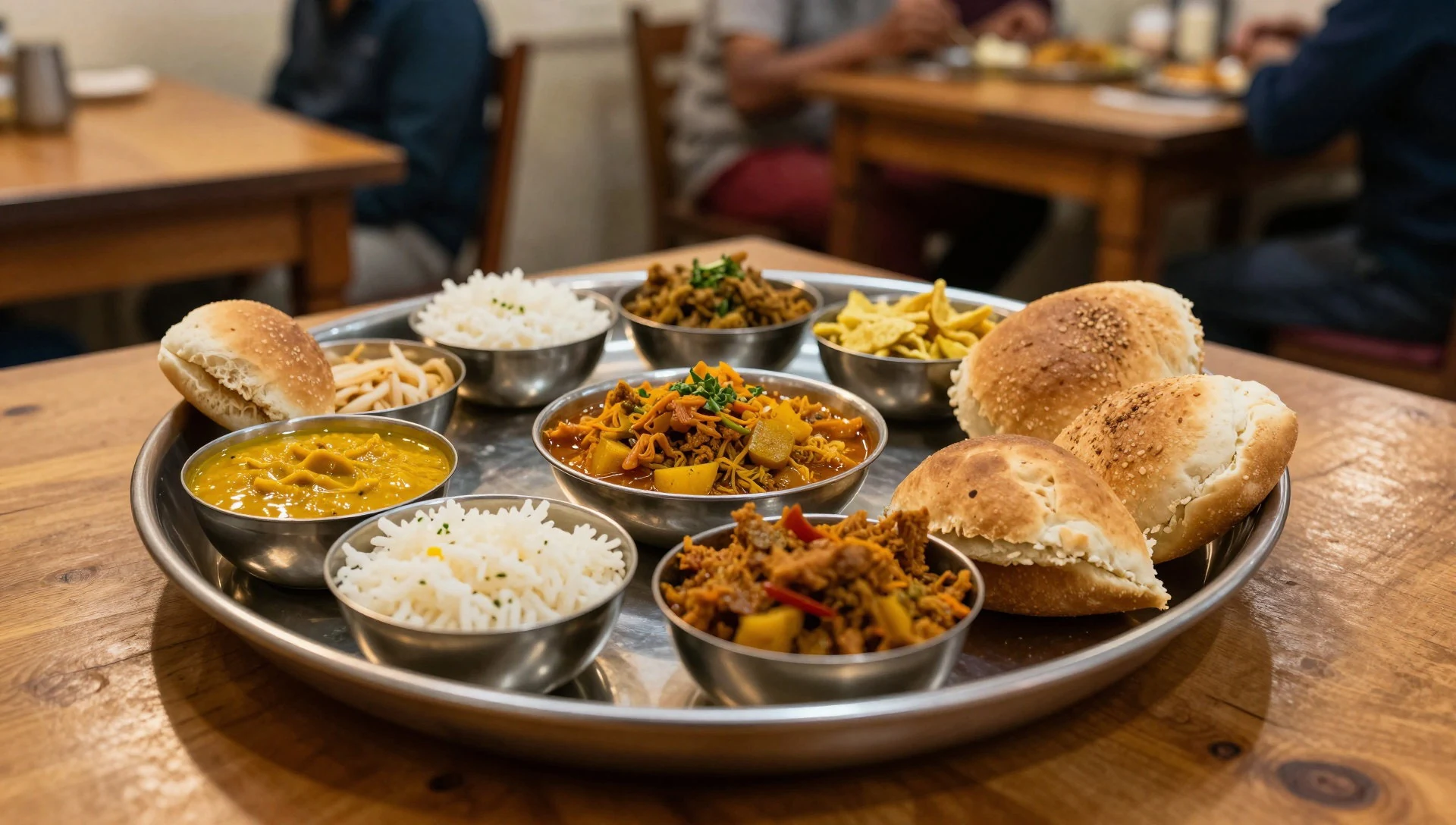
- Chaat and sweet snacks in the market lanes — Local market streets around Bharatpur
Chaat-style snacks are a common way to refuel without a long sit-down. Try combinations like crunchy savoury bites with tangy chutneys and cooling yoghurt sides—best when the day starts to feel hot and you need something light.
- Buttermilk and lassi for cooling — Tea stalls and cafés around Bharatpur’s main lanes
On warmer days, seek out sweet or salted lassi/buttermilk from roadside counters or small cafés. It’s the kind of drink that makes a big difference mid-walk, especially if the sun is strong and you’ve been outside for hours. - Poha or upma for breakfast — Breakfast spots and street food counters in Bharatpur
A quick breakfast before entering the park can be something like poha (flattened rice) or upma (semolina-based). These are filling without being heavy, so the morning feels comfortable even if the park day starts early. - Simple vegetarian sabzi and roti plates — Everyday vegetarian restaurants and local eateries around Bharatpur
If birdwatching makes time tight, go for straightforward vegetarian plates: roti with one or two sabzis and a dal. It’s reliable, easy to share, and usually straightforward to find near where visitors stay.
Plan it
Best time. October–November and December–January are the most comfortable months, with cooler temperatures and clear days for walking. The wettest period is July to September, when heavy rain can make the park feel lush and busy, so expect more insects and changeable weather. March–April and October–November still tend to align with strong bird activity around the wintering period, as birds start arriving and feeding more actively.
How long. 3–4
Getting there. Fly into Delhi and then take a train or road connection onward to Bharatpur in Rajasthan; from there, use a short local transfer to the park entry area.
Budget. mid
Tips
- Start early: the morning light and bird movement are usually easier to work with before the park gets busier.
- In warmer and wetter periods, plan an indoor break around the hottest part of the day.
- Carry insect repellent and sunscreen; mosquitoes and midday sun can make long sessions uncomfortable.
- Bring water and snacks so you’re not forced to rush decisions when the birds are active.
- Be flexible with routes inside the park—small changes in where you stand can change what appears.
Etiquette
- Keep to designated paths and avoid pushing through to get a closer view of birds.
- Near the Keoladeo Shiv Temple area, keep voices low and dress modestly out of respect for the setting.
- Don’t block other people’s sightlines when you stop with binoculars or a camera.
Nearby
Sources
- Wikidata Q235878 (CC0)
- Wikipedia (Keoladeo National Park) (CC BY-SA 4.0)
- Wikivoyage (Keoladeo Bird Sanctuary) (CC BY-SA 4.0)
- photos/01-keoladeo-ghana-national-park-bharatpur-rajasthan-india.jpg (CC BY 3.0)
- photos/02-common-parakeet-at-keoladeo-national-park-bharatpur-rajastha.jpg (CC BY 3.0)
- photos/03-great-egret-at-keoladeo-ghana-national-park-bharatpur-india.jpg (CC BY 3.0)
- photos/04-knob-billed-duck-bharatpur.jpg (CC BY-SA 4.0)
- photos/05-family-breakfast.jpg (CC BY 3.0)
- photos/06-darter-at-sunset.jpg (CC BY-SA 4.0)
- photos/07-indian-saras-crane01.jpg (CC BY-SA 4.0)
- photos/08-oriental-magpie-robin-in-bharatpur-national-park.jpg (CC BY-SA 4.0)


