Kerama Islands
Kerama Islands, Japan
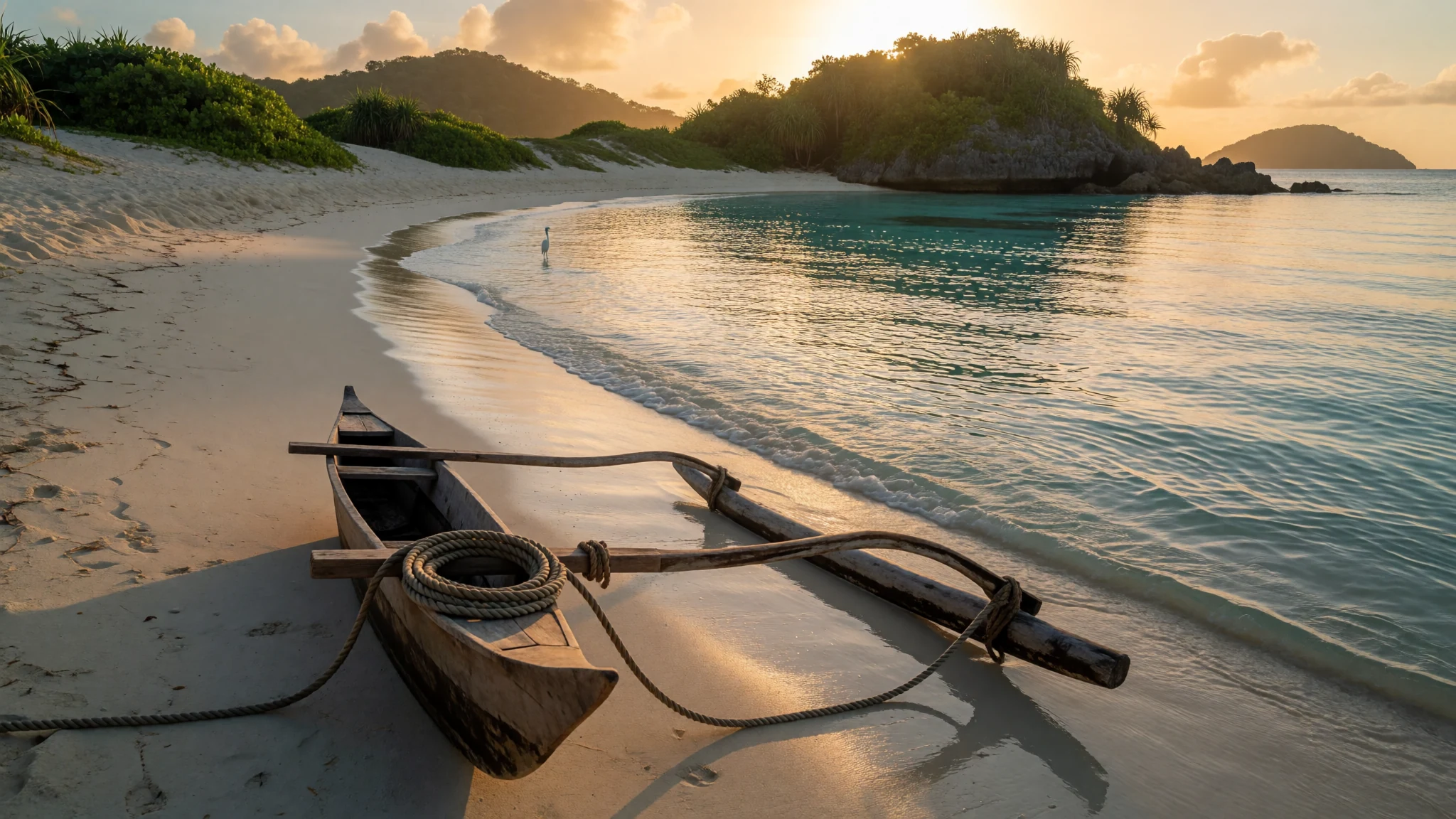
The Kerama Islands offer startlingly clear turquoise waters and pristine coral reefs just a short ferry ride from the main island of Okinawa.
The place
The Kerama Islands form a subtropical archipelago situated in the East China Sea, positioned a short distance away from the larger urban footprint of Okinawa Island. Across the entire island group, the human footprint is remarkably light, with a permanent population numbering under two thousand residents spread across the four main inhabited islands. These communities are administered locally through Tokashiki Village and Zamami Village within Shimajiri District. The archipelago is defined geographically by dramatic limestone cliffs, rolling green hills covered in dense subtropical vegetation, and shallow marine shelves that drop into extraordinary blue abysses. Coral reefs fringe nearly every shoreline, creating marine ecosystems recognised internationally for their biodiversity and protected as significant environmental sites. Unlike the heavily commercialised resort strips found elsewhere in Japan's southern prefectures, these islets retain a sleepier, unhurried character where daily life moves to the rhythm of the local ferries and the tides. Visitors arrive primarily drawn by the extraordinary clarity of the surrounding ocean, which divers and marine biologists celebrate as some of the finest aquatic visibility in the world. Whether exploring hidden sandy coves accessible only by footpaths or watching migrating whales break the surface during the cooler months, travellers find an isolated coastal sanctuary that feels worlds away from the mainland cities.
Its story
The historical narrative of the Kerama Islands is deeply intertwined with the maritime heritage of the Ryukyu Kingdom. For centuries, when the kingdom governed the region as an independent trading power, skilled navigators from these small islets served an essential role in guiding commercial vessels across open waters toward China. Following the dissolution of the kingdom and the subsequent geopolitical shifts of the twentieth century, the islands experienced profound turbulence during the final stages of the Second World War. As a prelude to the wider amphibious landings on the main island, military forces arrived here in the spring of the final conflict year, securing the archipelago to establish a vital staging harbour for subsequent operations. This period left deep emotional and physical scars on the local communities, marking a tragic chapter in the region's modern history. In the postwar decades, the archipelago remained under foreign military administration before sovereignty was returned to Japan. Decades later, the islands found a different kind of fame through a famous true story about canine devotion between two neighbouring landmasses that inspired a celebrated Japanese feature film. Today, this maritime legacy and the subsequent recovery have faded into a tranquil beach and diving culture that welcomes international travellers seeking natural beauty.
What to see
- Tokashiki Island — Tokashiki Village
Tokashiki Island serves as the primary gateway for arrivals from the main island, featuring rugged hills, quiet fishing ports, and a small community museum dedicated to local maritime history. It offers sweeping elevated lookout points that double as prime vantage locations for spotting migrating whales during the spring season.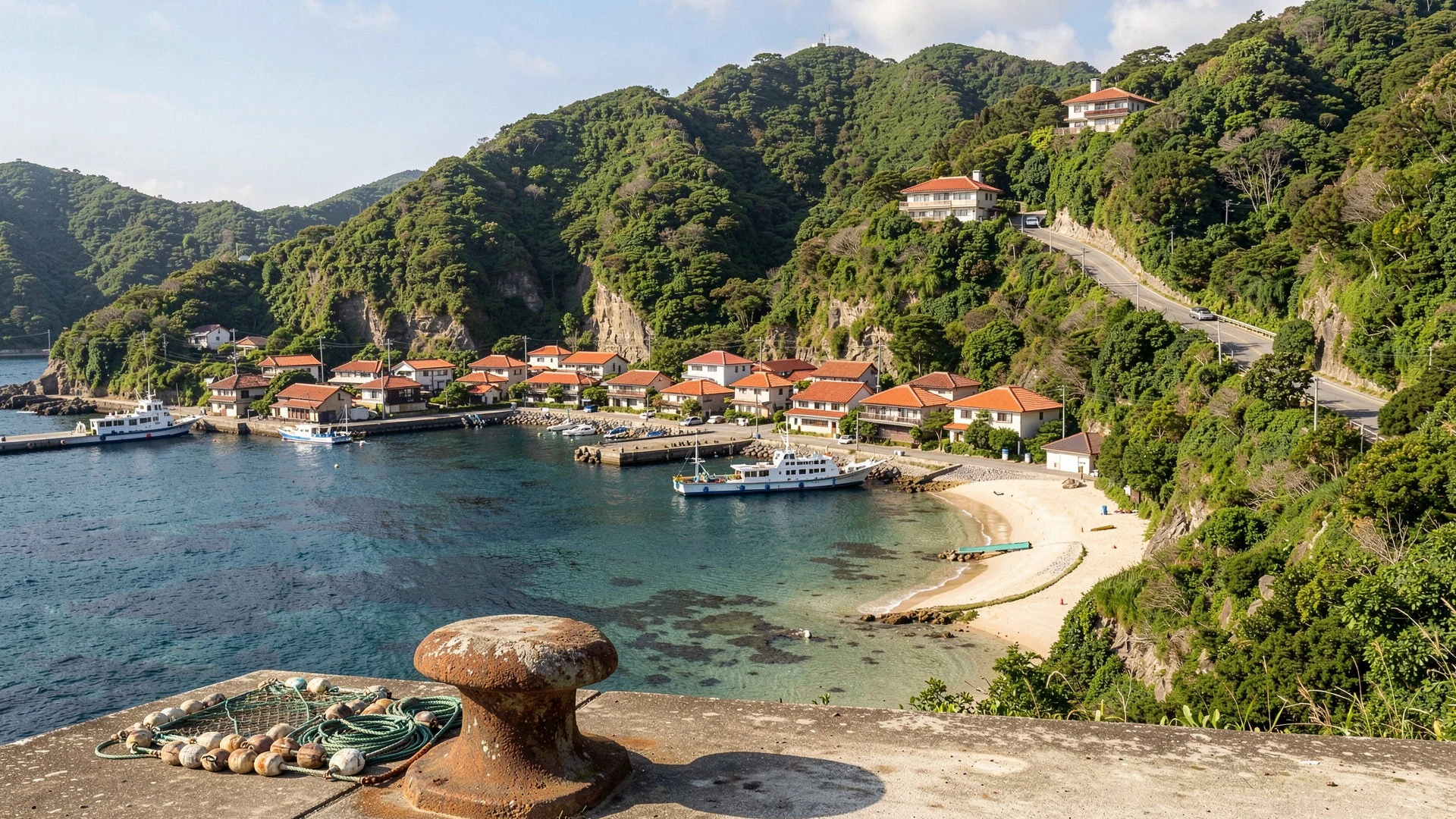
- Zamami Island — Zamami Village
Zamami Island is renowned for its relaxed coastal village atmosphere, narrow winding lanes, and sweeping views of surrounding islets dotting the emerald sea. It functions as a central hub for independent travellers seeking direct access to world-class snorkelling reefs and scenic coastal walking trails that wind through dense subtropical forest patches.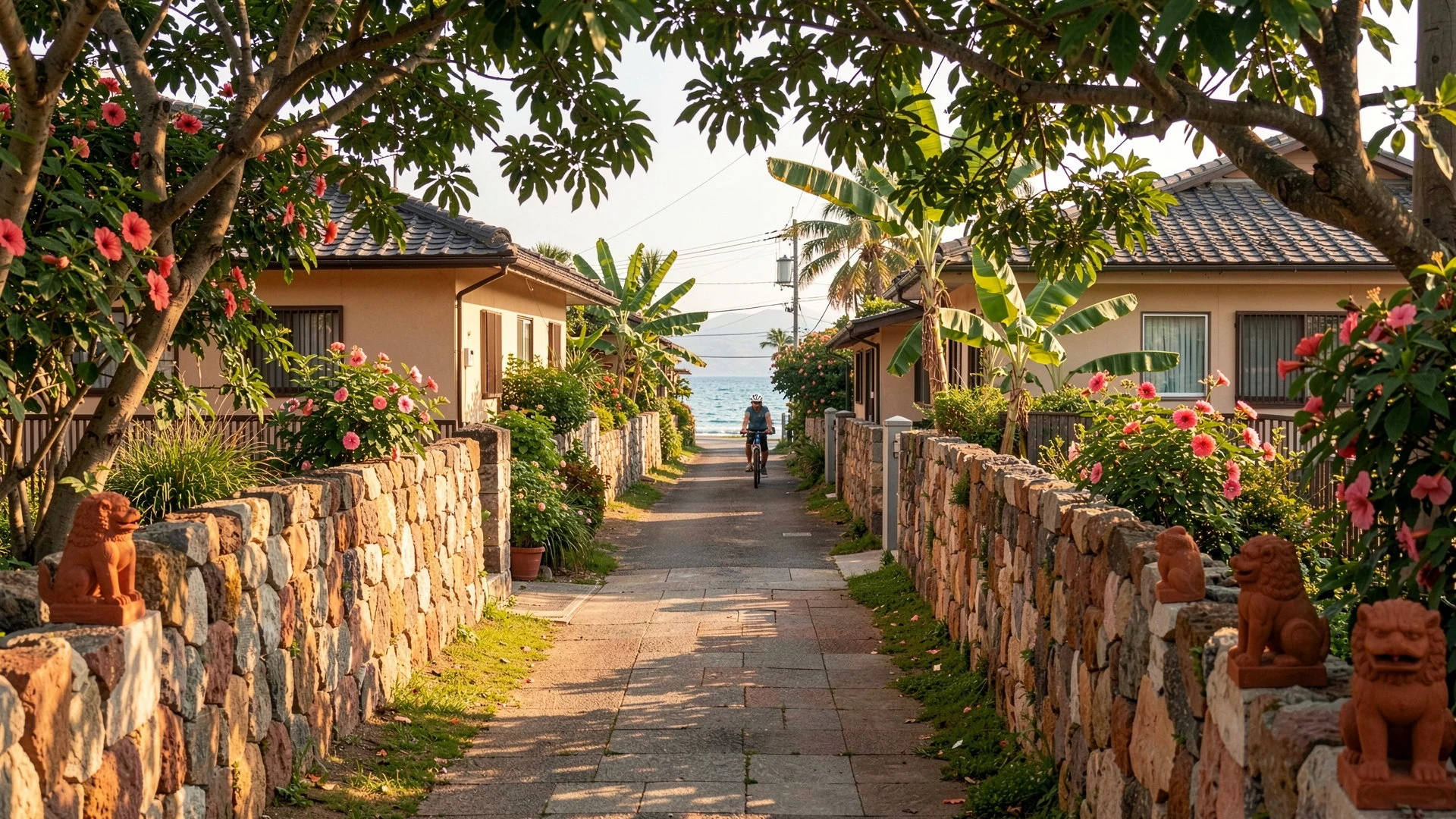
- Aharen Beach — Tokashiki Island
Aharen Beach on Tokashiki Island stretches as a sweeping crescent of powdery white sand backed by low green dunes and calm, shallow turquoise waters. The protected bay provides exceptional conditions for casual snorkellers wishing to swim alongside schools of tropical reef fish just metres from the shore.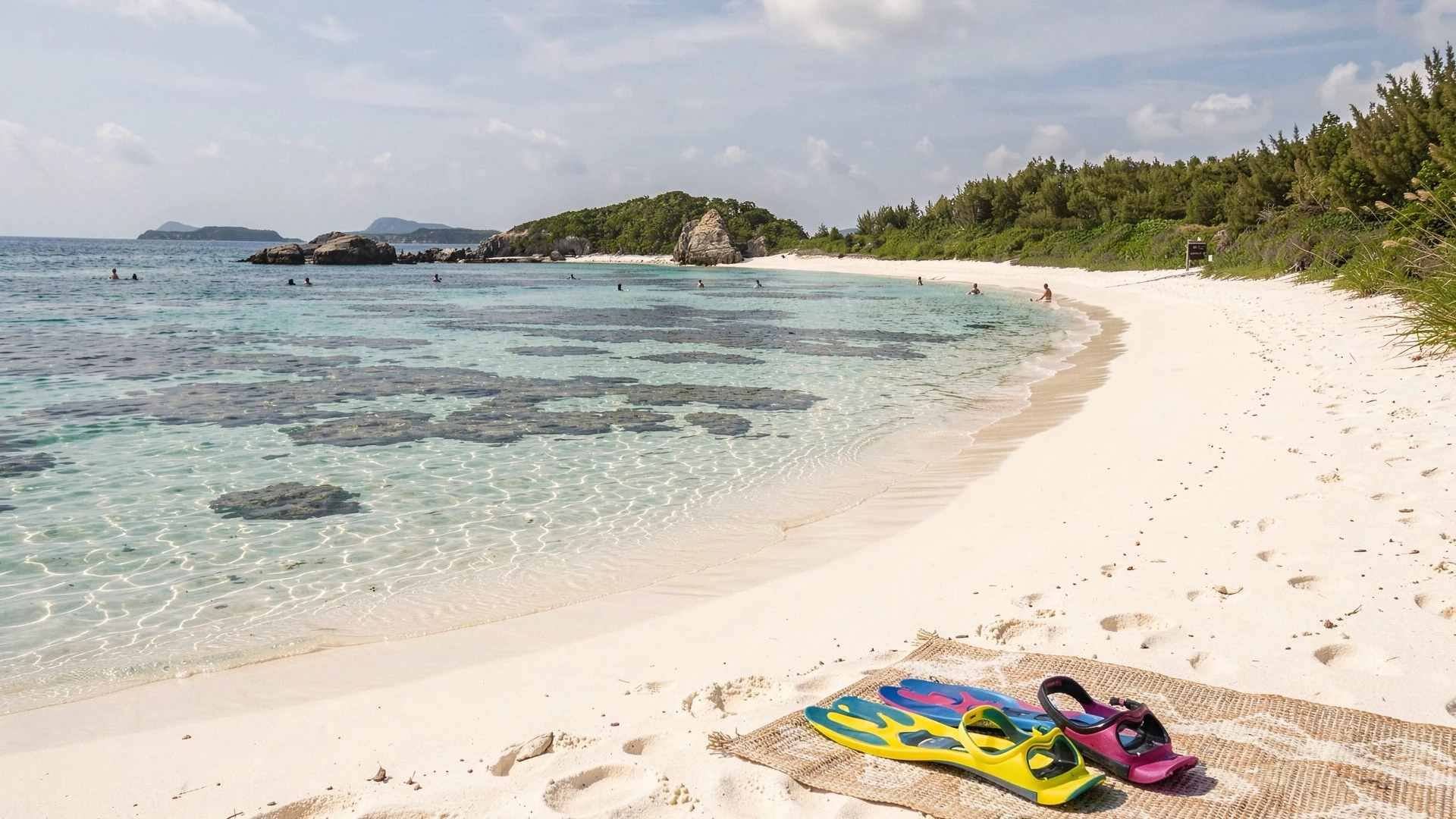
- Ama Beach — Zamami Island
Ama Beach on Zamami Island offers sheltered waters where wild sea turtles frequently graze peacefully on seagrass meadows close to the shore. The gentle shoreline features picnic areas and unobstructed views towards the neighbouring uninhabited islets across the calm channel.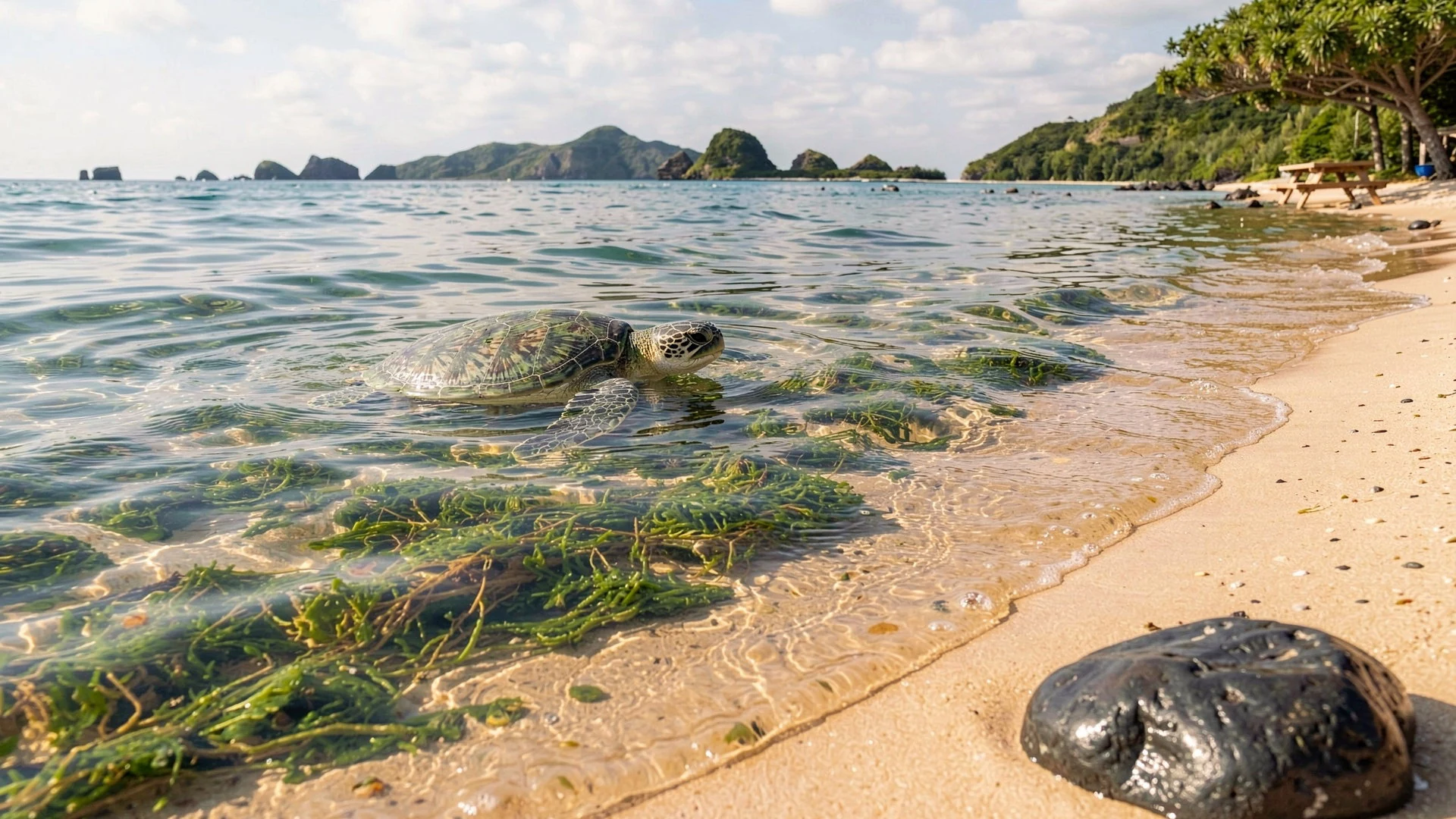
- Tokashiku Beach — Tokashiki Island
Tokashiku Beach presents a tranquil, tree-lined bay on Tokashiki Island characterised by exceptionally calm waters and pristine white coral sand. The secluded cove is widely regarded as one of the safest swimming locations in the archipelago, offering visitors a peaceful environment away from busier tourist spots.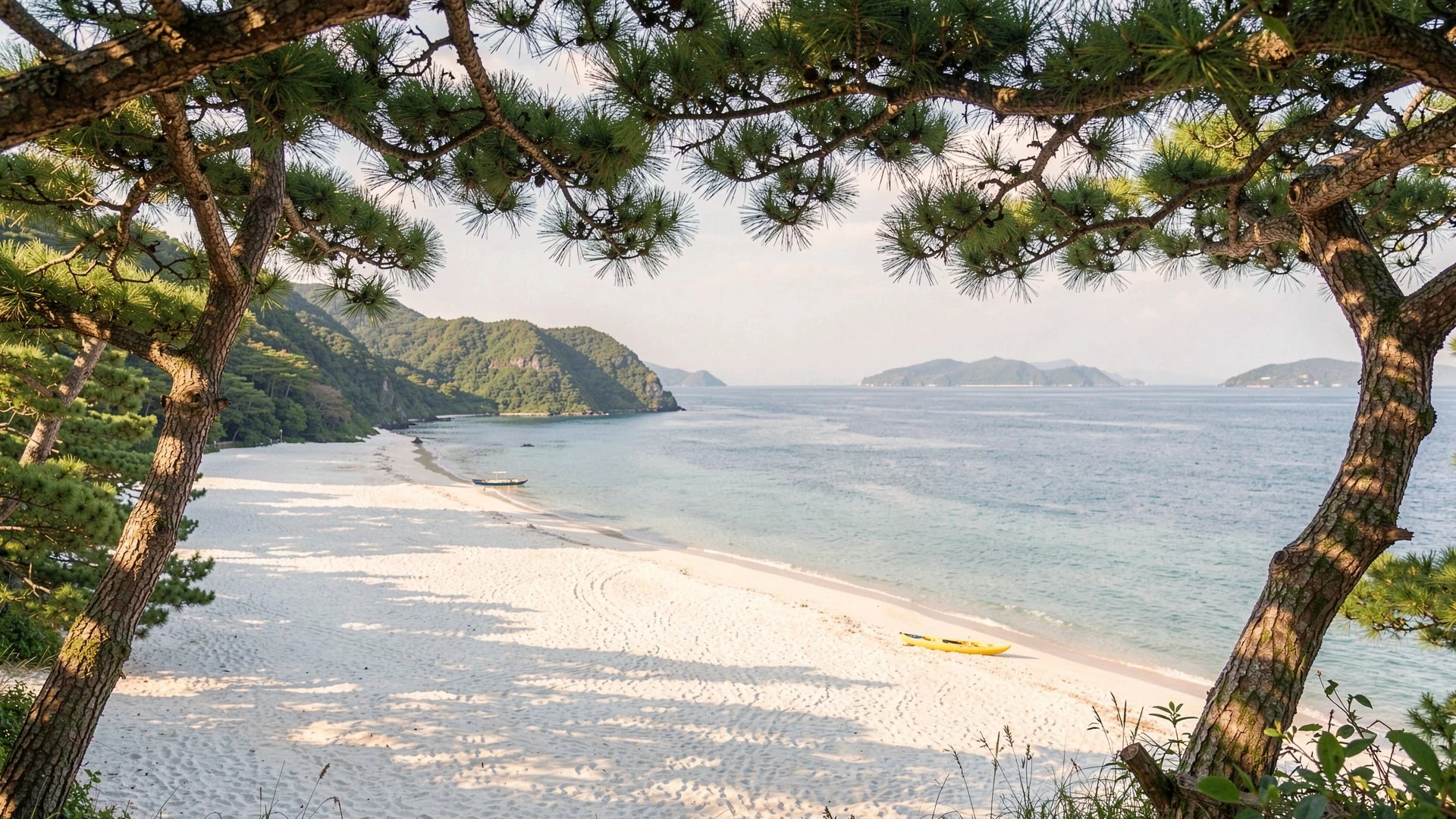
Culture
The cultural fabric of the Kerama Islands is rooted in the distinct maritime traditions of the Ryukyu archipelago, distinct from mainland Japanese customs in language, music, and community spirit. Traditional village life revolves around tight-knit neighbourhood bonds, ancestral reverence, and seasonal fishing festivals that honour bountiful harvests from the sea. Elders maintain ancient local dialects and musical forms accompanied by the sanshin, a traditional three-stringed instrument played throughout the islands. Despite absorbing influences from modern mainland culture, residents preserve an unhurried, communal way of life where doors remain unlocked and neighbours gather outdoors in the cool evening air. Visitors will notice a strong emphasis on hospitality, environmental stewardship, and respect for the delicate marine ecosystems that sustain the local economy. When exploring village residential areas or sacred ancestral sites, always dress modestly and remove your footwear before entering any traditional indoor space.
What to wear
Traditional attire across the Kerama Islands reflects the subtropical climate and historical Ryukyu textile heritage, notably featuring lightweight garments woven from local plant fibres such as banana leaf cloth and cotton dyed with rich indigo and natural earth pigments. While traditional dress is now reserved for ceremonial festivals, weddings, and ancestral rituals, everyday wear among residents is casual, practical, and heavily influenced by island life. Local people and workers typically dress in breathable cotton shirts, shorts, sun hats, and durable sandals suited for high humidity and sandy paths. Visitors should pack lightweight, quick-drying clothing, robust sun protection, and comfortable walking shoes or reef-safe footwear for rocky coastal exploration. When leaving the immediate vicinity of the beach to visit local village shops or residential neighbourhoods, ensure you wear a cover-up over swimwear out of respect for local community sensibilities.
What to eat
- Awamori — Local village bars and island eateries
Awamori is the traditional distilled alcoholic beverage of the islands, crafted from long-grain indica rice and aged in traditional clay pots to produce a potent, distinctively earthy spirit.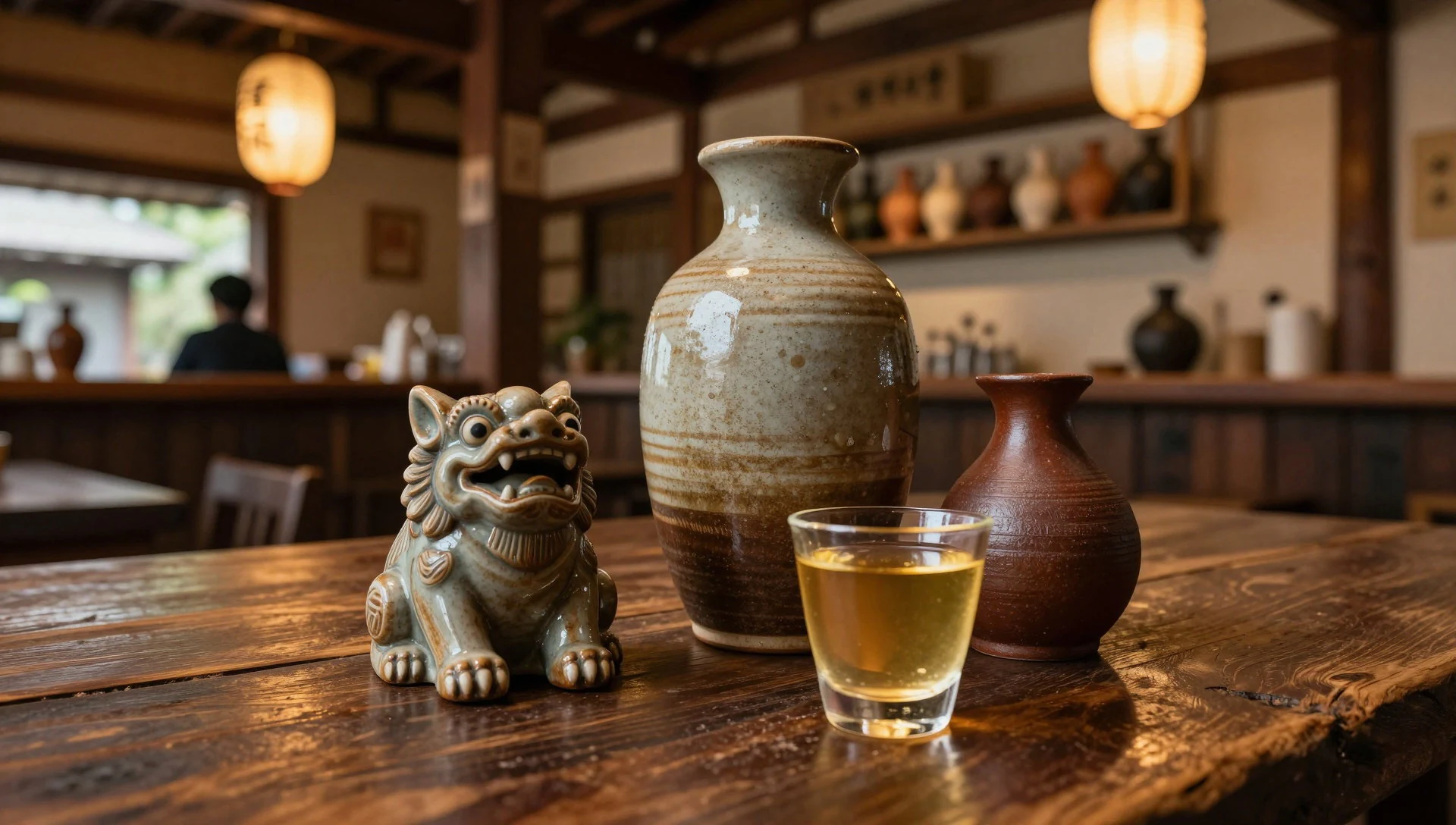
- Kume's Kumesen Awamori — Island grocery shops and local taverns
Among the most renowned commercial awamori brands from the wider area is Kume's Kumesen, celebrated for its deep heritage and smooth distillation.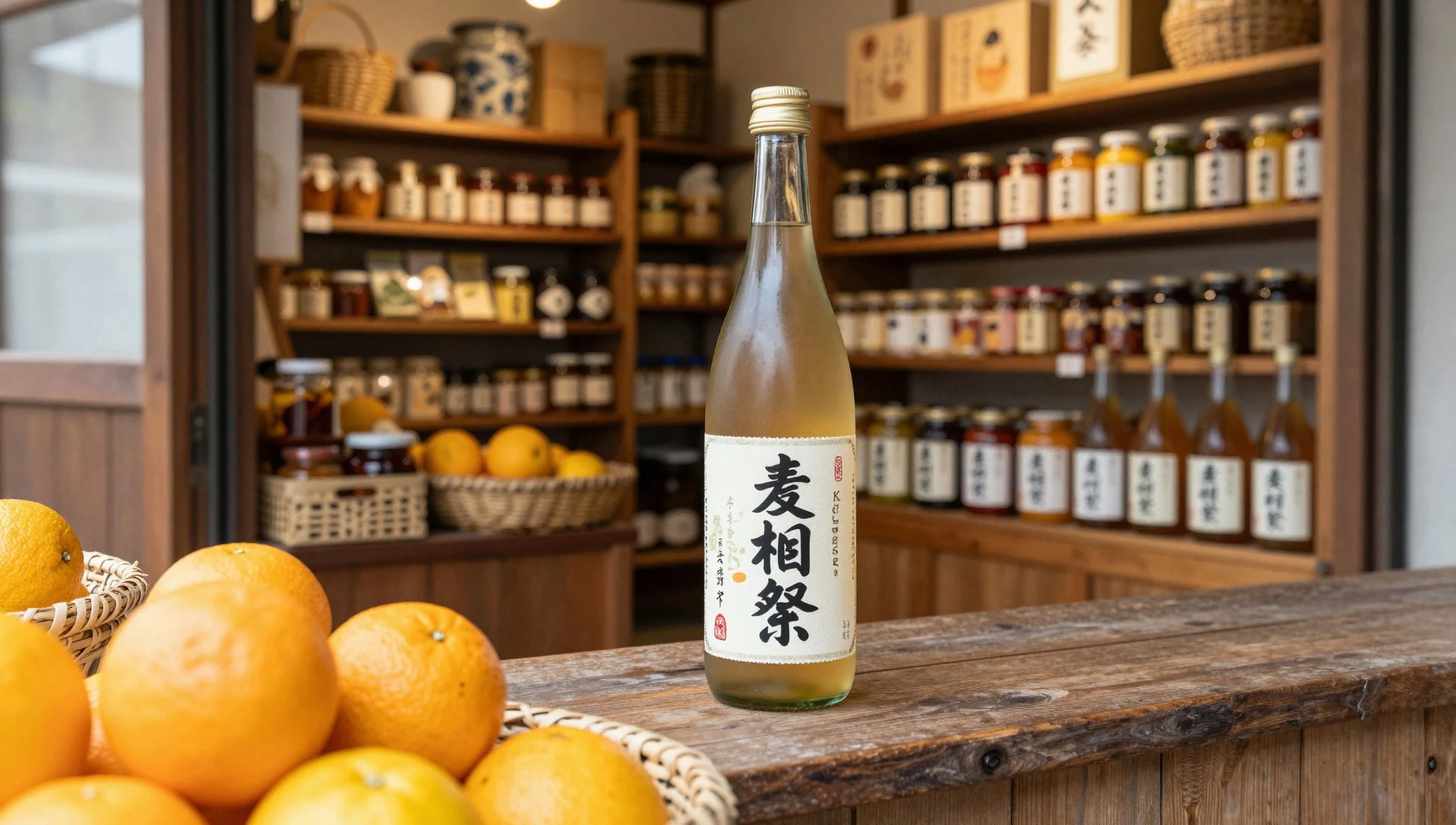
- Okinawan Soba — Family-run noodle shops near the ferry ports
Okinawan soba features thick wheat noodles served in a steaming, savoury pork-bone broth, typically garnished with tender braised pork belly, pickled ginger, and chopped scallions. - Champuru — Casual island dining rooms and minshuku guesthouses
Champuru is a classic stir-fry comfort dish combining bitter melon, tofu, bean sprouts, and sliced pork or egg, prized for its nourishing and heat-beating properties.
Plan it
Best time. March to May and October to November offer pleasant temperatures and lower humidity, while the winter months are ideal for whale watching; July and August bring intense heat and potential typhoon activity.
How long. 3–4
Getting there. Take a high-speed ferry or slow car ferry from Tomari Port in Naha on Okinawa Island directly to Tokashiki, Zamami, or Aka islands.
Budget. mid
Tips
- Book ferry tickets and island guesthouse accommodation well in advance during peak summer and holiday periods
- Carry sufficient Japanese yen cash, as card payment acceptance is limited outside main village shops
- Protect yourself against intense UV rays with high-factor sunscreen and a wide-brimmed hat
- Respect marine life by avoiding touching corals or disturbing nesting sea turtles while snorkelling
Etiquette
- Always remove your shoes before entering traditional guesthouses or private homes
- Cover up with a shirt or sarong when walking through village streets away from the beach
- Keep noise levels down in quiet residential lanes during the evening hours
Nearby
Sources
- Wikidata Q198422 (CC0)
- Wikipedia (rev 1364040666) (CC-BY-SA 4.0)
- Wikivoyage (rev 5229619) (CC-BY-SA 4.0)
- Photo 01-okinawa-kerama-islands.jpg (CC BY-SA 4.0)
- Photo 02-kerama-islands-map-okinawa.png (CC BY-SA 2.0)
- Photo 03-zamami-aerial.jpg (CC BY-SA 4.0)
- Photo 04-maeshima-okinawa-iss045.jpg (Public domain)
- Photo 05-ama-beach-in-zamami-island.jpg (CC BY 3.0)
- Photo 06-aharen-beach-on-tokashiki-island-2009-7373.jpg (CC BY 3.0)
- Photo 07-tokashiku-beach-on-tokashiki-island-2009-7372.jpg (CC BY 3.0)
- Photo 08-tokashiku-beach-on-tokashiki-island-okinawa-2018.png (CC BY 2.5)


