Kangaroo Island
Kangaroo Island, Australia
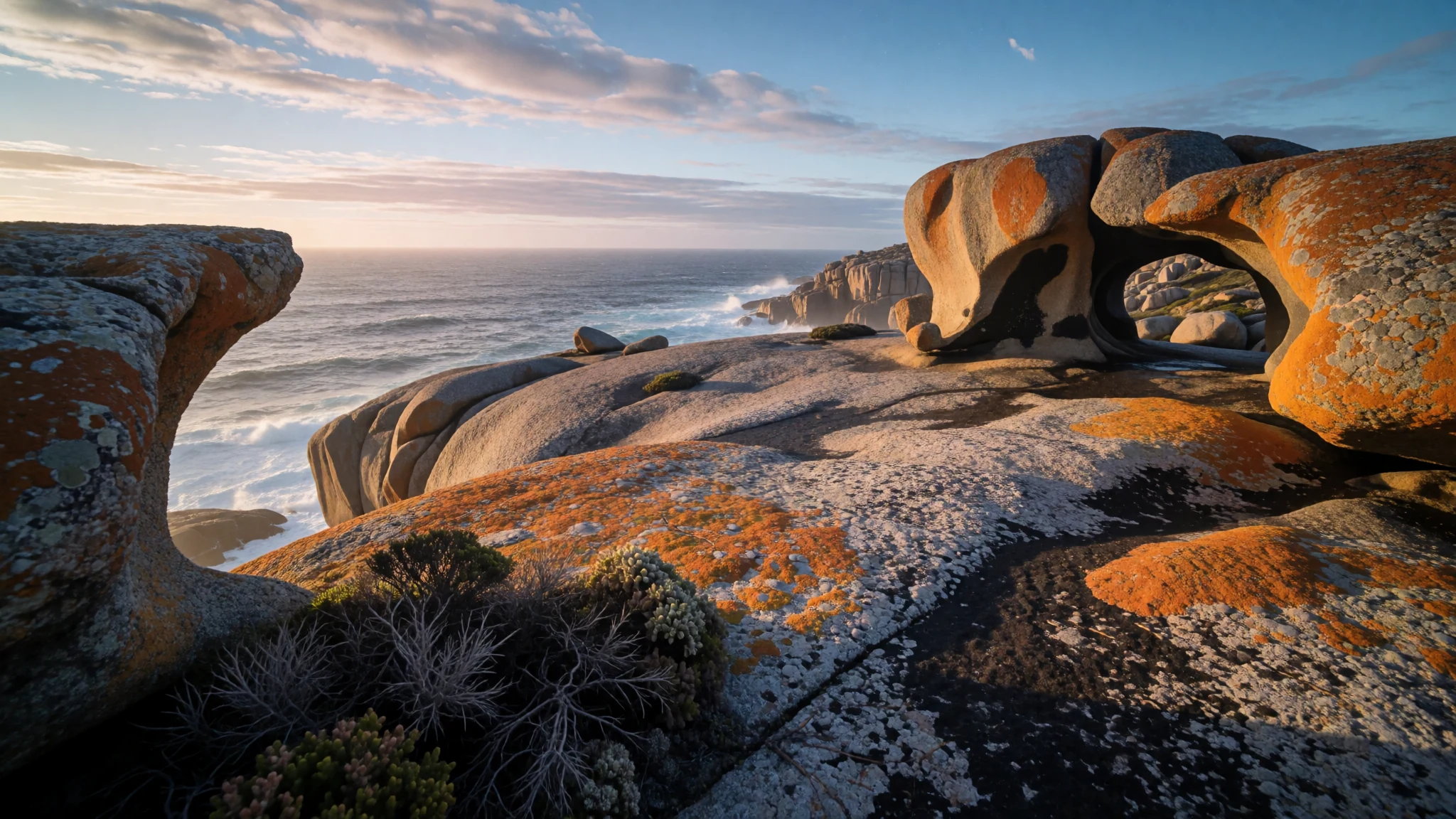
Kangaroo Island offers pristine coastal wilderness, remarkable granite sculptures, and abundant native wildlife just off the South Australian mainland.
The place
Kangaroo Island, known locally as KI, sits quietly off the coast of South Australia, separated from the mainland by a stretch of water. It is a substantial landmass, ranking as the third-largest island in the country after Tasmania and Melville Island. Visitors arrive via ferry across the water, stepping onto shores defined by sweeping bushland, dramatic coastal cliffs, and protected bays. The local community is relatively small, maintaining a permanent population that supports a quiet rhythm centred around agriculture, fisheries, and conservation. Protected areas cover significant portions of the landscape, most notably at the western end where wilderness reserves preserve native flora and fauna habitats. Travellers are drawn to the island to witness wild populations thriving in environments largely untouched by heavy urban sprawl. Coastal stretches reveal colonies of marine mammals resting on sandy beaches, while inland tracks wind through dense eucalyptus forests and scrublands. The climate brings warm, dry periods contrasted by mild, wetter months that keep the vegetation remarkably green. While summer brings warmer days that appeal to holidaymakers, the shoulder months offer quieter pathways and cooler air for exploring the coastal terrain. The island operates under strict biosecurity protocols to preserve its ecological integrity, meaning certain agricultural items cannot cross the water from the mainland. Visitors traversing the rural roads find small townships providing essential supplies, local wines, and hearty country meals before heading back out into the expansive coastal scenery.
Its story
Long before European vessels reached these shores, the island was known to mainland indigenous groups as Karta Pintingga, translating to the Island of the Dead. Archaeological discoveries, including stone artefacts and ancient shell middens, confirm that human habitation stretched back deep into antiquity. Traditional knowledge recounts that people once lived across the land before rising sea levels severed the connection to the mainland at the conclusion of the last glacial period. A prominent dreamtime narrative tells of the flooding of Backstairs Passage, describing how ancestral figures shaped the channel separating the indigenous lands from the southern coast. Following these ancient eras, the island remained largely uninhabited by permanent indigenous communities for centuries, though it experienced intermittent visits from passing sealers and mariners during the early nineteenth century. Permanent European colonisation took root during the broader settlement of South Australia, shifting the local economy toward farming, grain cultivation, and maritime trade. Throughout its modern history, the community has repeatedly faced the raw power of nature, enduring severe seasonal weather and devastating bushfires that swept across the landscape. Despite these ecological trials, the native ecosystems and resilient local population have continually regenerated, preserving the unique historical narrative written into the island's soil, stone, and coastal dunes.
What to see
- Seal Bay Conservation Park — Southern coast of Kangaroo Island
This protected sanctuary on the southern shore gives visitors a rare opportunity to observe wild Australian sea lions resting casually on the sand or nursing their pups between feeding trips into the rolling surf.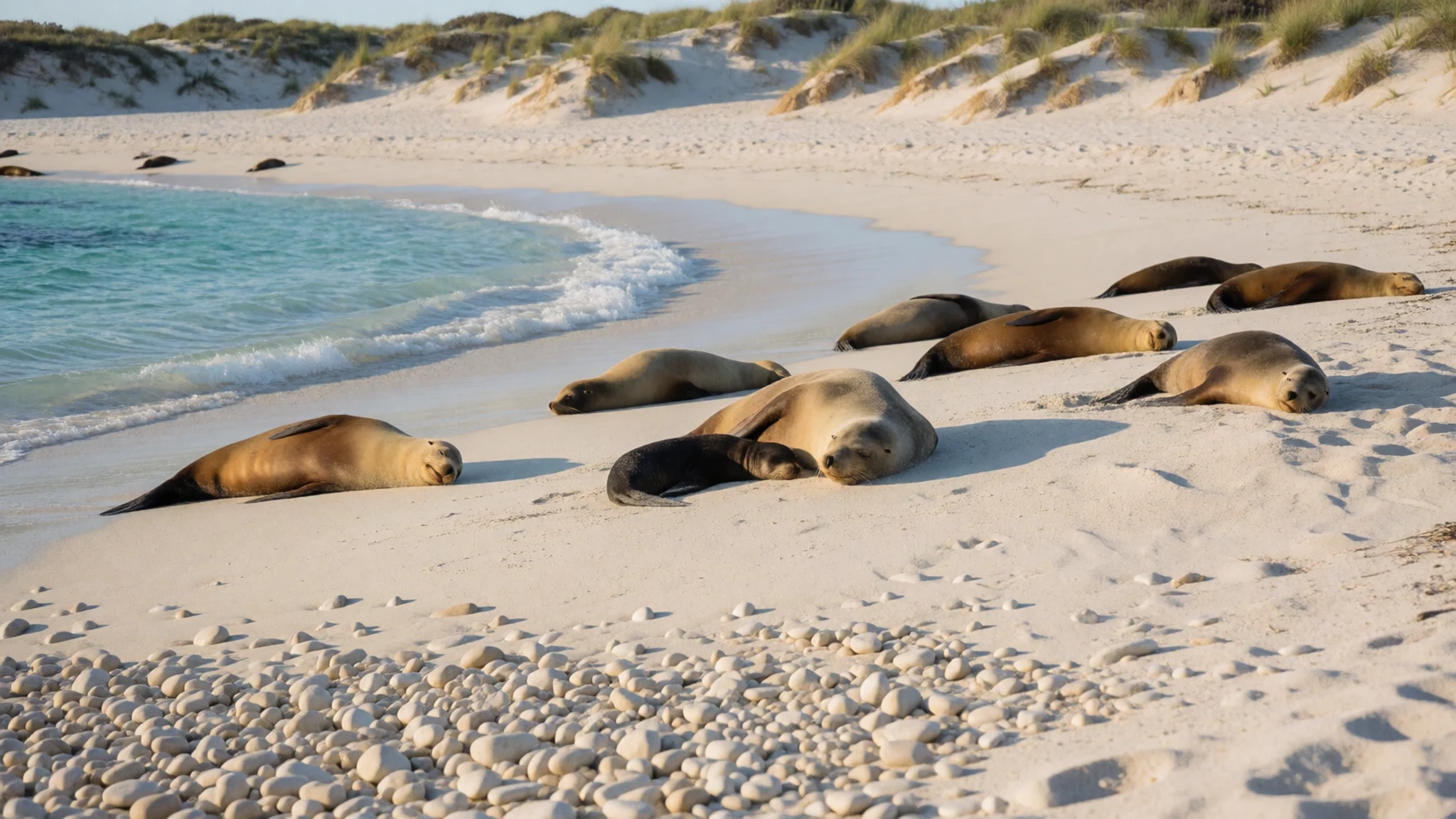
- Remarkable Rocks — Flinders Chase National Park, western end
Carved by millennia of wind, sea spray, and rain, these giant granite boulders sit perched upon a smooth dome of rock plunging straight down into the crashing ocean below.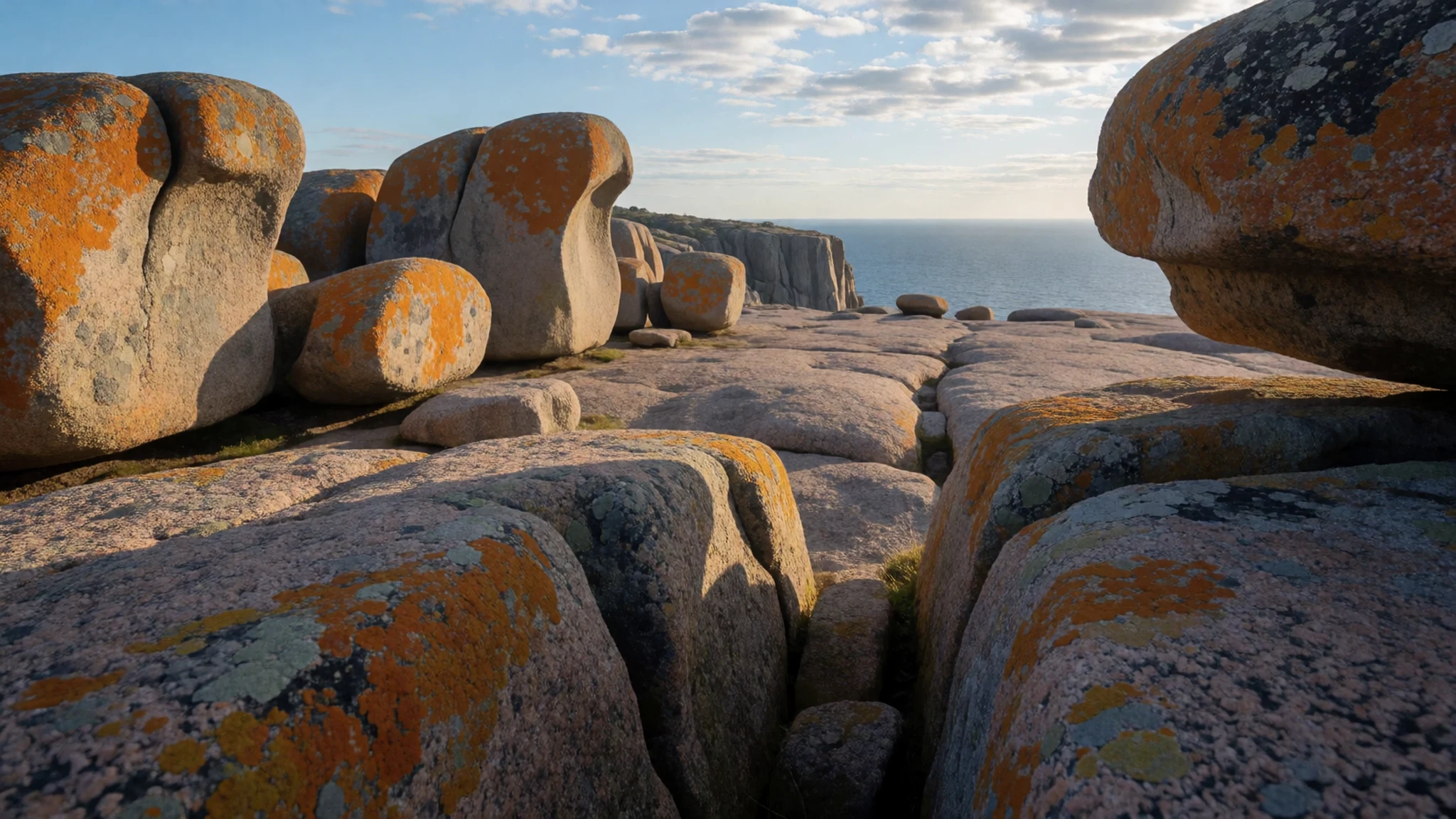
- Admirals Arch — Flinders Chase National Park, cape edge
A dramatic natural rock bridge sculpted by relentless coastal erosion, featuring stalactites hanging from the ceiling and a bustling colony of fur seals playing in the turbulent rock pools.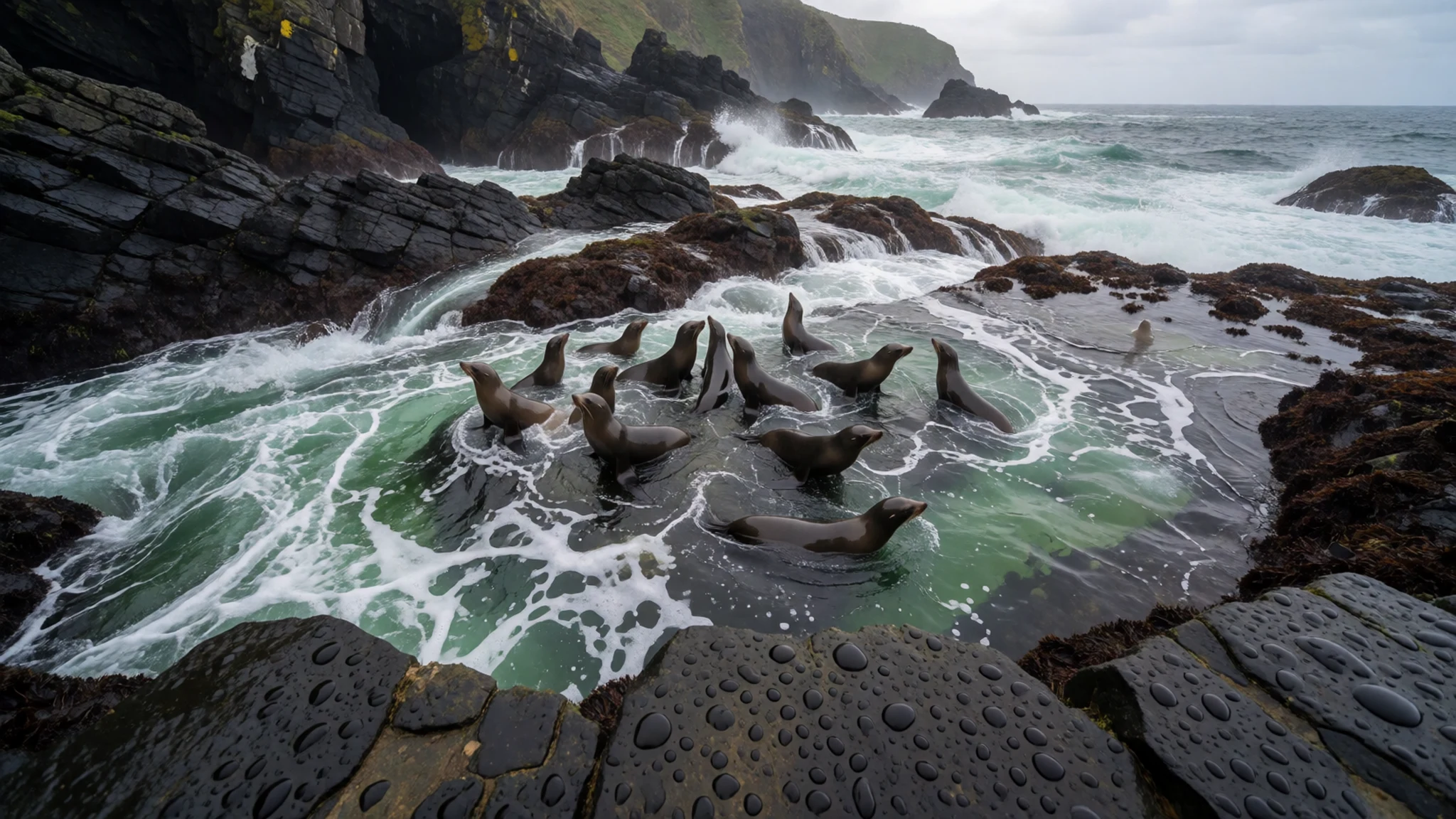
- Kelly Hill Caves — Western plateau interior
An underground network of limestone chambers filled with delicate stalactites, stalagmites, and helictites, offering guided underground walks through subterranean passages carved by ancient water systems.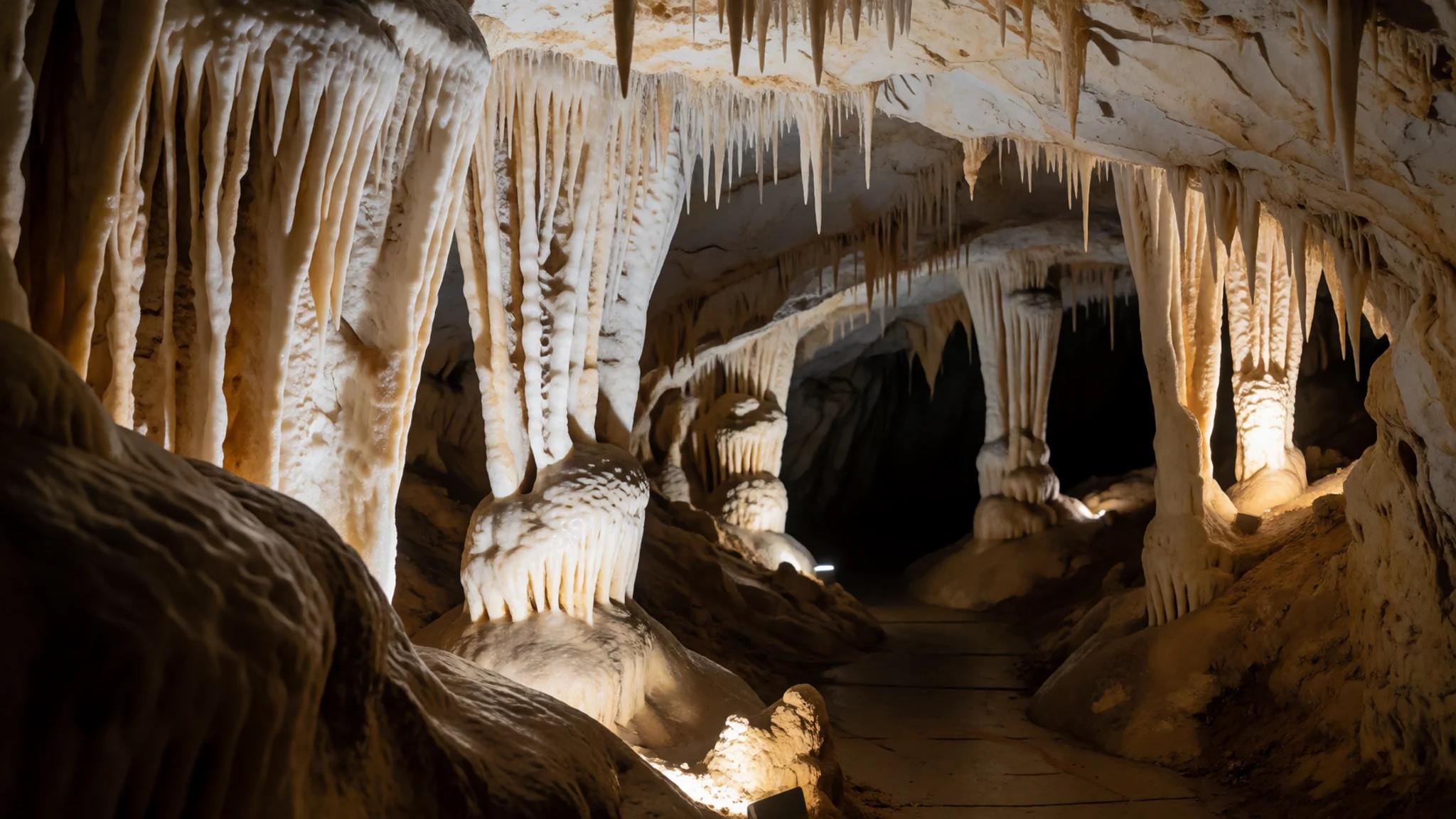
- Penneshaw Penguin Centre — Penneshaw waterfront
Evening walking tours led by local guides allow visitors to watch little penguins returning from the sea to their coastal burrows along the rocky shoreline after dusk.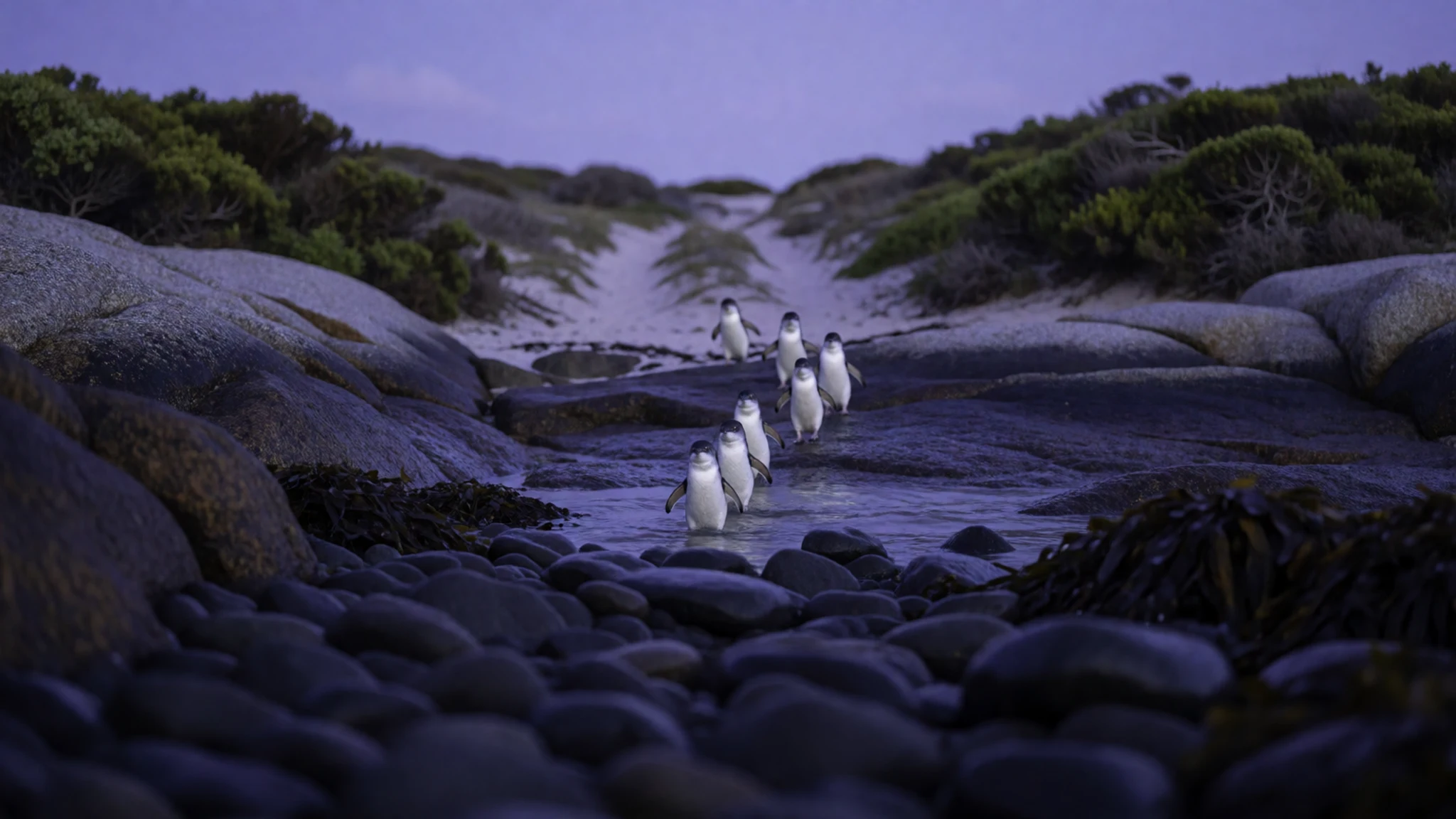
Culture
Island culture is deeply tied to the rhythms of the surrounding ocean, agricultural lands, and conservation stewardship. Residents maintain a tight-knit, resilient community spirit forged through decades of shared rural life, seasonal tourism, and weathering occasional environmental challenges such as bushfires. Traditional arts, pottery, and small-batch food production reflect a lifestyle driven by self-reliance and environmental respect. Local artisans work with island-grown materials, honey, and wool, preserving regional crafts that celebrate the unique ecosystem. Visitors will find a warm, unpretentious country hospitality in every township, where locals are quick to share stories about the land and tips for navigating coastal tracks. When visiting conservation areas, always respect local biosecurity rules and keep a safe distance from all wild animals.
What to wear
Clothing on the island prioritises practicality and comfort over formal trends, reflecting the changing coastal weather and outdoor lifestyle. Traditional garments lean toward sturdy workwear, durable woollens, and functional layers suited to rural farming and maritime tasks. Residents and contemporary visitors alike favour casual, weather-resistant attire, including denim, fleece jackets, and windproof outer shells. Because the island experiences both warm, dry periods and mild, wet winters with brisk sea breezes, layering is essential throughout the year. Visitors should pack sturdy walking boots or trail shoes with good grip for exploring uneven terrain like granite rocks and coastal paths, alongside a reliable waterproof jacket for sudden showers. Sun protection, including broad-brimmed hats and sunglasses, is necessary during the brighter months when UV levels run high.
What to eat
- Fresh Seafood and Fish and Chips — Local cafes and eateries in Kingscote and Penneshaw
Savour locally caught southern rock lobster, King George whiting, and classic pub-style fish and chips prepared fresh daily from the surrounding southern ocean waters.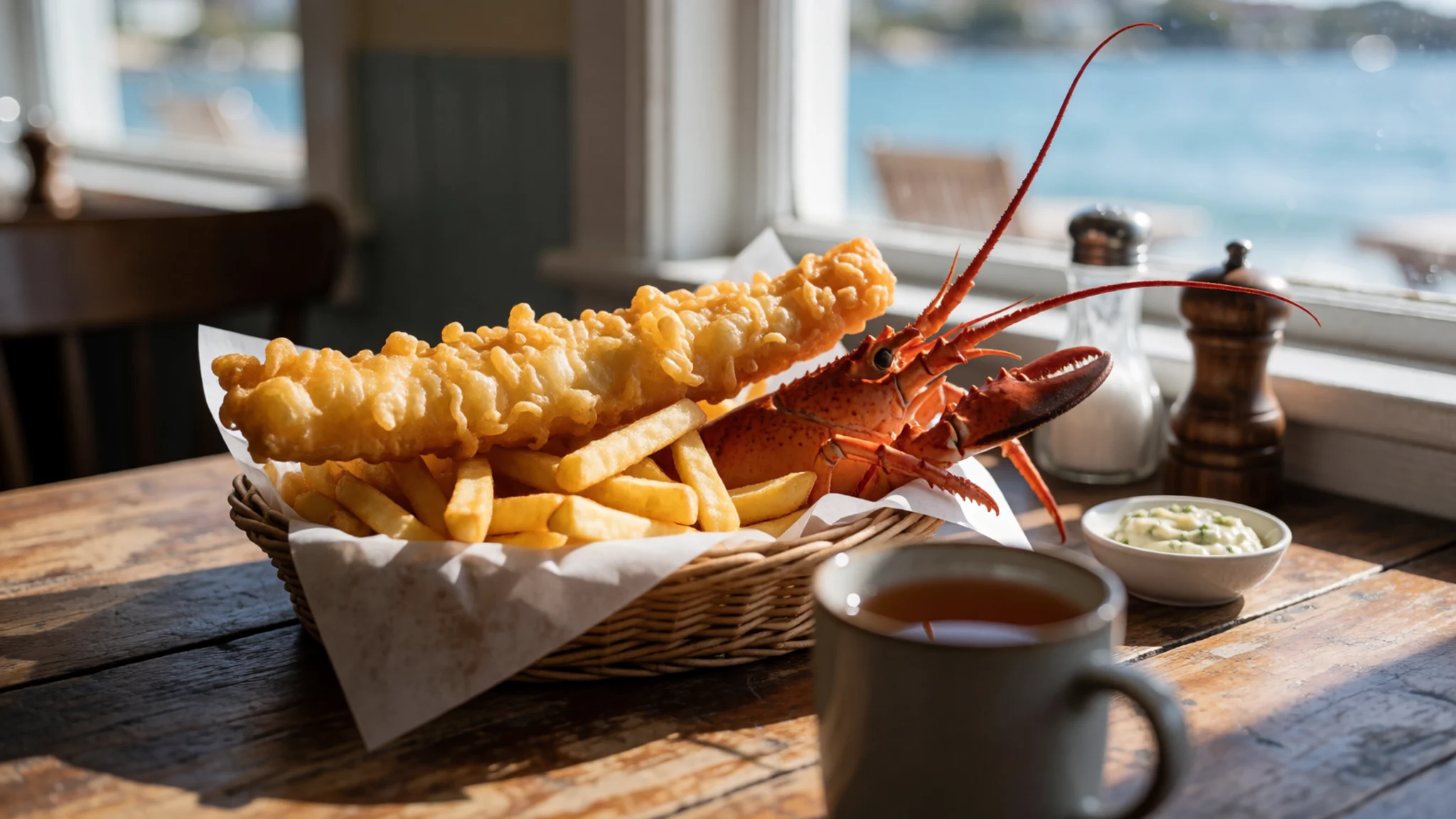
- Island Pizza — Local pizza bars in Kingscote
Enjoy wood-fired pizzas topped with regional ingredients, local cheeses, and fresh herbs in a casual, welcoming setting favoured by travellers after a long day of driving.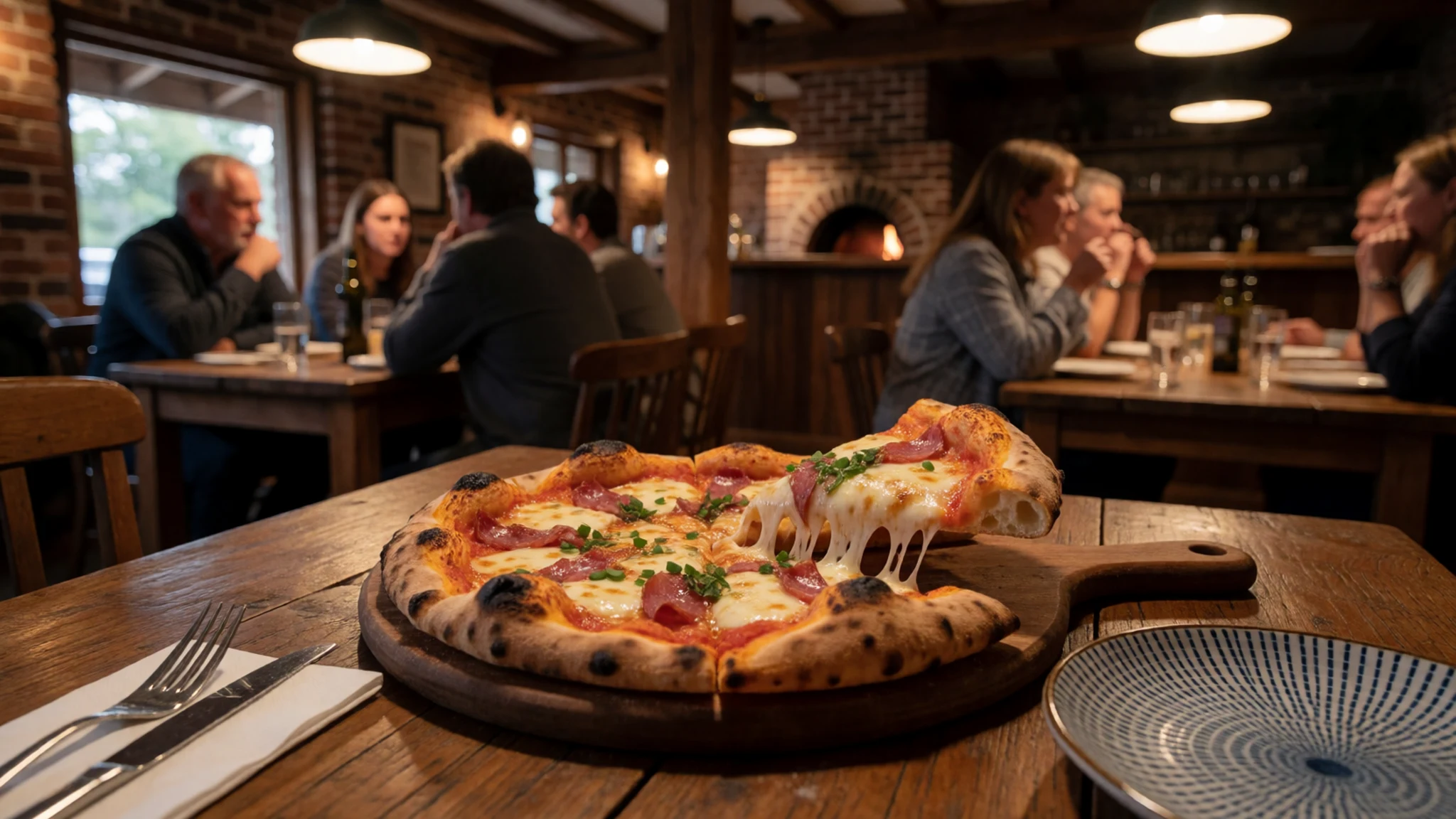
- Regional Wine Tastings — Cellar doors scattered across the eastern and central districts
Sample cool-climate wines, including bold shiraz and crisp sauvignon blanc, produced at boutique family-owned vineyards operating across the island's rolling hills. - Country Pub Meals — Historic township hotels such as the Penneshaw Hotel
Dine on hearty steaks, chicken parmigiana, and comforting seasonal plates while looking out over the busy ferry passage from a classic Australian country pub. - Morning Coffee and Bakery Bakes — Boutique township cafes in Kingscote and American River
Start the morning with locally roasted espresso, fresh pastries, and honey-infused treats made using the island's famous pure Ligurian bee honey.
Plan it
Best time. March to April and October to November offer pleasant mild weather with comfortable temperatures and fewer crowds.
How long. 3–4
Getting there. Take the passenger and vehicle ferry from Cape Jervis on the mainland across to Penneshaw on Kangaroo Island.
Budget. mid
Tips
- Book vehicle ferry spaces well in advance during peak holiday periods
- Check biosecurity rules regarding prohibited plants and food items before crossing
- Carry a physical map or download offline navigation as mobile reception can be limited
- Drive with caution around dusk and dawn when kangaroos and wallabies frequent roads
Etiquette
- Always adhere strictly to biosecurity regulations and inspection checkpoints
- Maintain a respectful distance from sea lions, koalas, and nesting birds
- Leave park gates as you found them and take all rubbish away with you
Nearby
Sources
- Wikidata Q210371 (CC0)
- Wikipedia (rev 1383349041) (CC BY-SA 4.0)
- Wikivoyage (rev 5406242) (CC BY-SA 4.0)
- Photo 01-kangaroo-island-kangaroos.jpg (CC BY 2.5)
- Photo 02-flinders-chase-national-park-01.jpg (CC BY-SA 4.0)
- Photo 06-remarkable-rocks-01.jpg (CC BY-SA 4.0)
- Photo 08-sea-lion-and-pup-in-seal-bay-kangaroo-island.jpg (CC BY 3.0)


