Kakadu National Park
Kakadu National Park, Australia
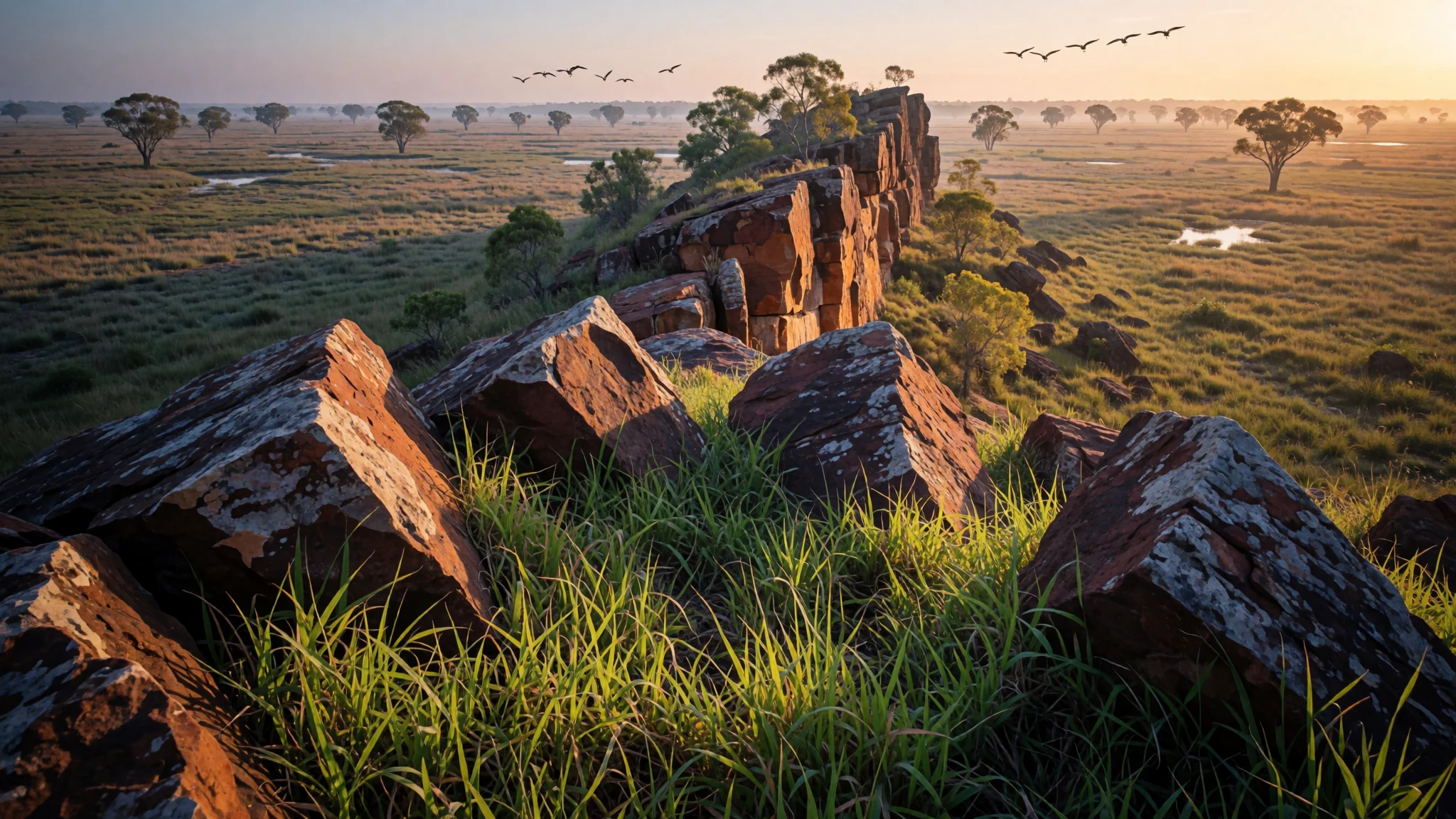
Explore ancient rock art galleries, vast tropical wetlands, and dramatic sandstone escarpments managed jointly with Aboriginal traditional owners.
The place
Kakadu National Park is situated within the tropical north of Australia, stretching across expansive floodplains, billabongs, and weathered rock country. The protected area forms a vast natural expanse characterised by contrasting monsoonal seasons that completely transform the landscape over the course of the year. During the drier months, waterways recede into rivers, creeks, isolated waterholes and billabongs, concentrating abundant wildlife and bird populations around shrinking water sources. As the monsoonal period approaches, sudden thunderous downpours revive the floodplains, turning dormant river systems into rushing torrents and filling seasonal plunge pools beneath sheer sandstone cliffs. The park hosts an extraordinary variety of ecosystems, ranging from coastal mangroves and tidal mudflats to monsoon rainforest patches and open eucalyptus woodlands. These diverse habitats support an immense array of native fauna, including wallabies, freshwater and saltwater crocodiles, and countless species of waterbirds that gather in the shallow wetlands. The environment has been shaped by ancient ecological forces and traditional land management practices carried out across generations. Visitors navigating the vast terrain encounter a landscape where geology and living heritage intersect deeply, offering a profound sense of isolation and raw wilderness. Remote tracks wind past stone country and billabongs, revealing an untamed environment that remains largely unaltered by modern urban expansion. The sparse population of the park resides primarily around the central hub, leaving vast tracts of wilderness undisturbed by heavy development and preserving the natural rhythms of the tropical north.
Its story
Aboriginal people have maintained an unbroken connection to the Kakadu region for tens of thousands of years, anchoring one of the oldest living cultural traditions on Earth. The traditional owners belong to several First Nations groups, including the Bininj and Munggayi peoples, whose ancestors cared for these landscapes through fire management, seasonal harvesting, and spiritual stewardship. The name Kakadu itself emerged from a European mispronunciation of Gaagudju, an Indigenous language formerly spoken in the northern river country. Across the park, thousands of recorded rock art sites preserve a continuous visual archive of this deep history, depicting ancestral spirits, ceremonial figures, contact with early mariners, and local fauna rendered in distinct ochre styles. These art galleries served as shelters, classrooms, and sacred spaces where stories were passed down through generations. Long before sustained European presence, Makassan fishers from Sulawesi and the Indonesian archipelago visited the northern coast every wet season, probably from the late seventeenth century. In subsequent centuries, pastoralists, mineral prospectors, and buffalo hunters arrived, bringing profound shifts to the traditional lands. The establishment of the protected area in the year founded marked a turning point, returning formal management responsibilities to the Indigenous custodians who work alongside conservation authorities to protect both the natural environment and the delicate cultural heritage preserved within the stone shelters and ancient pathways of the park.
What to see
- Ubirr — Northern region
One of the park's most celebrated Aboriginal rock art galleries, situated on a rocky outcrop offering sweeping panoramic views over the vast surrounding floodplains. Visitors follow an easy circular track past ancient painted shelters that document creation ancestors and local wildlife species through distinct historical artistic phases.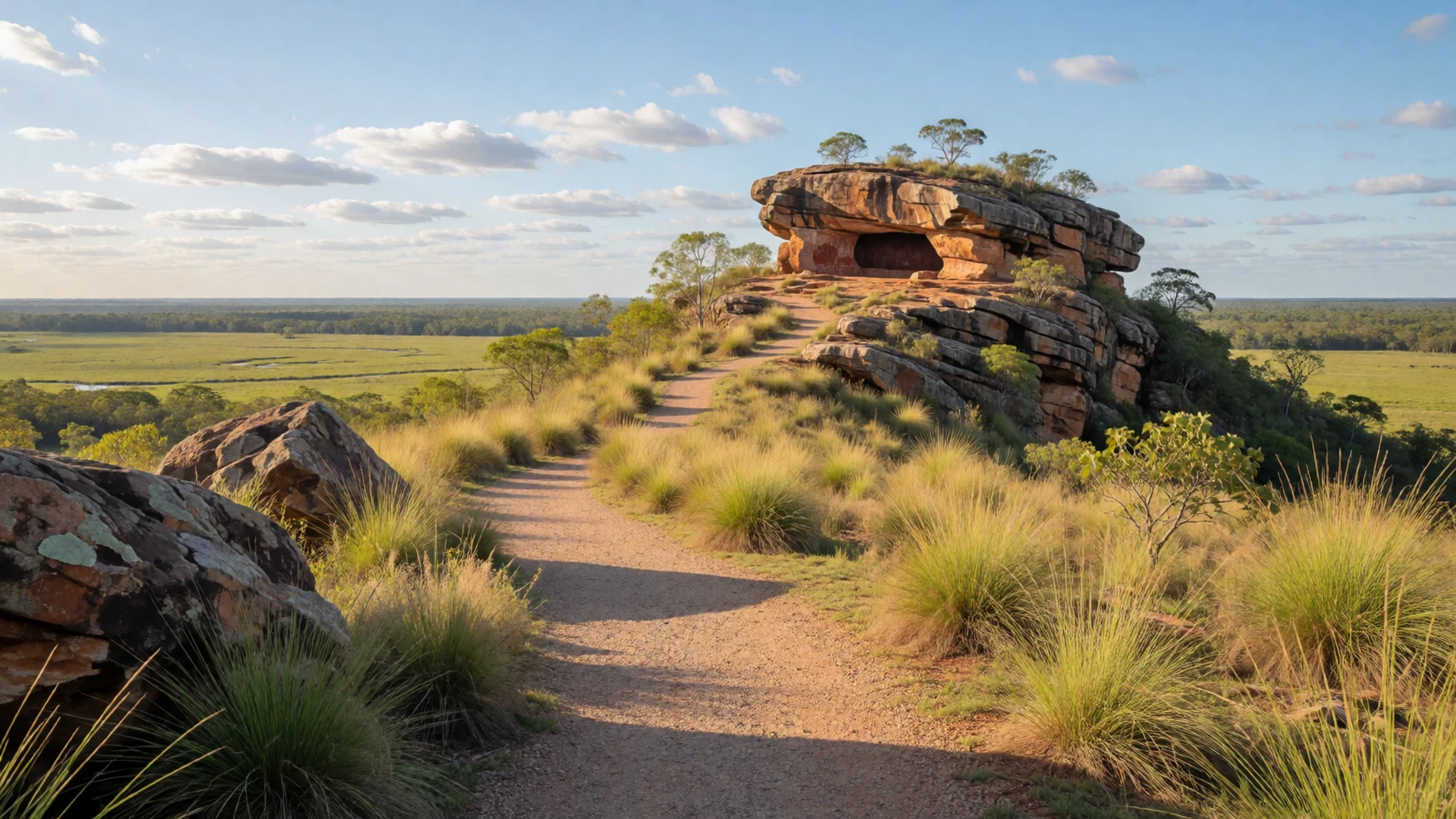
- Nourlangie Rock — Central region
An iconic sandstone outlier featuring deeply significant archaeological sites and rock shelters that have provided refuge and a canvas for human expression over millennia. Walking trails lead past weathered overhangs displaying layered paintings of ancestral beings, historical figures in elaborate headdresses, and early European contact.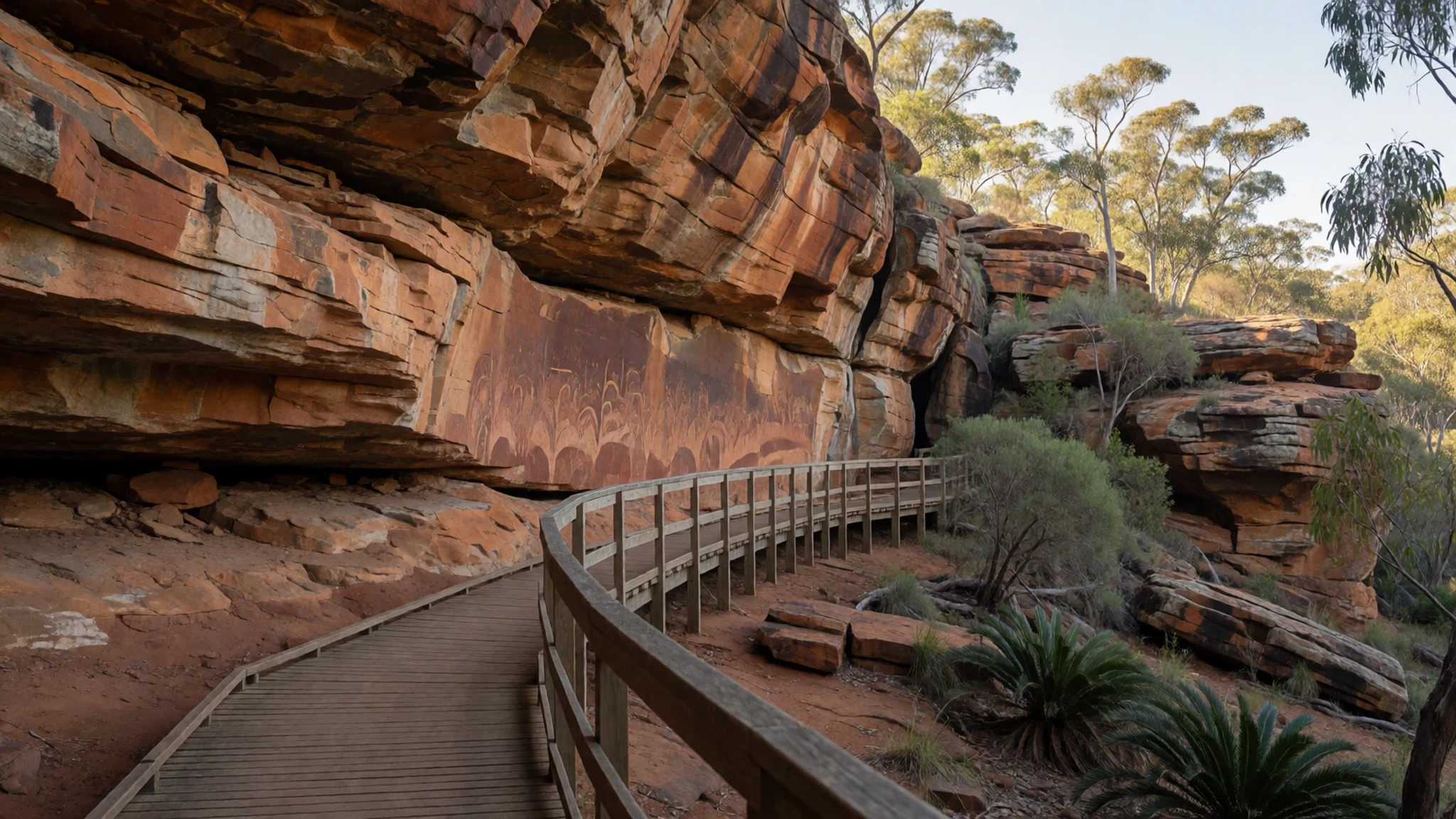
- Gunlom Plunge Pool — Southern region
A breathtaking combination of a cascading waterfall and a serene, crystal-clear swimming pool cradled beneath the edge of the rugged southern escarpment. A steep walking track leads to the top of the falls, rewarding visitors with tranquil rock pools and sweeping vistas across the wooded valleys below.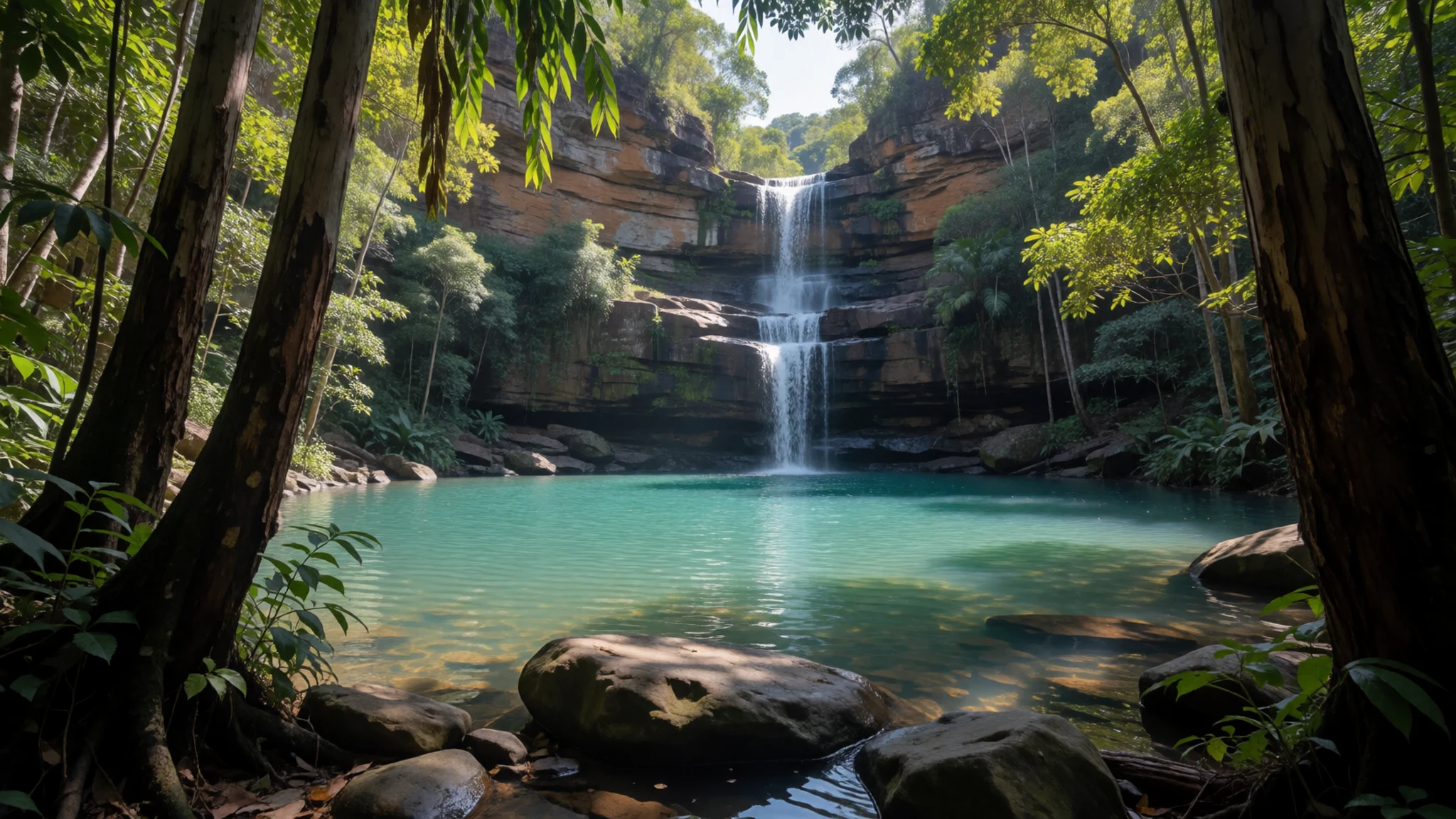
- Bardedjilidji Walk — East Alligator district
An engaging walking trail winding through labyrinthine sandstone outliers, shady pockets of monsoon forest, and seasonal wetlands alongside the shaded banks of a major river. The route reveals intricate rock weathering patterns, native flora, and quiet riverside ecosystems that showcase the geological diversity of the area.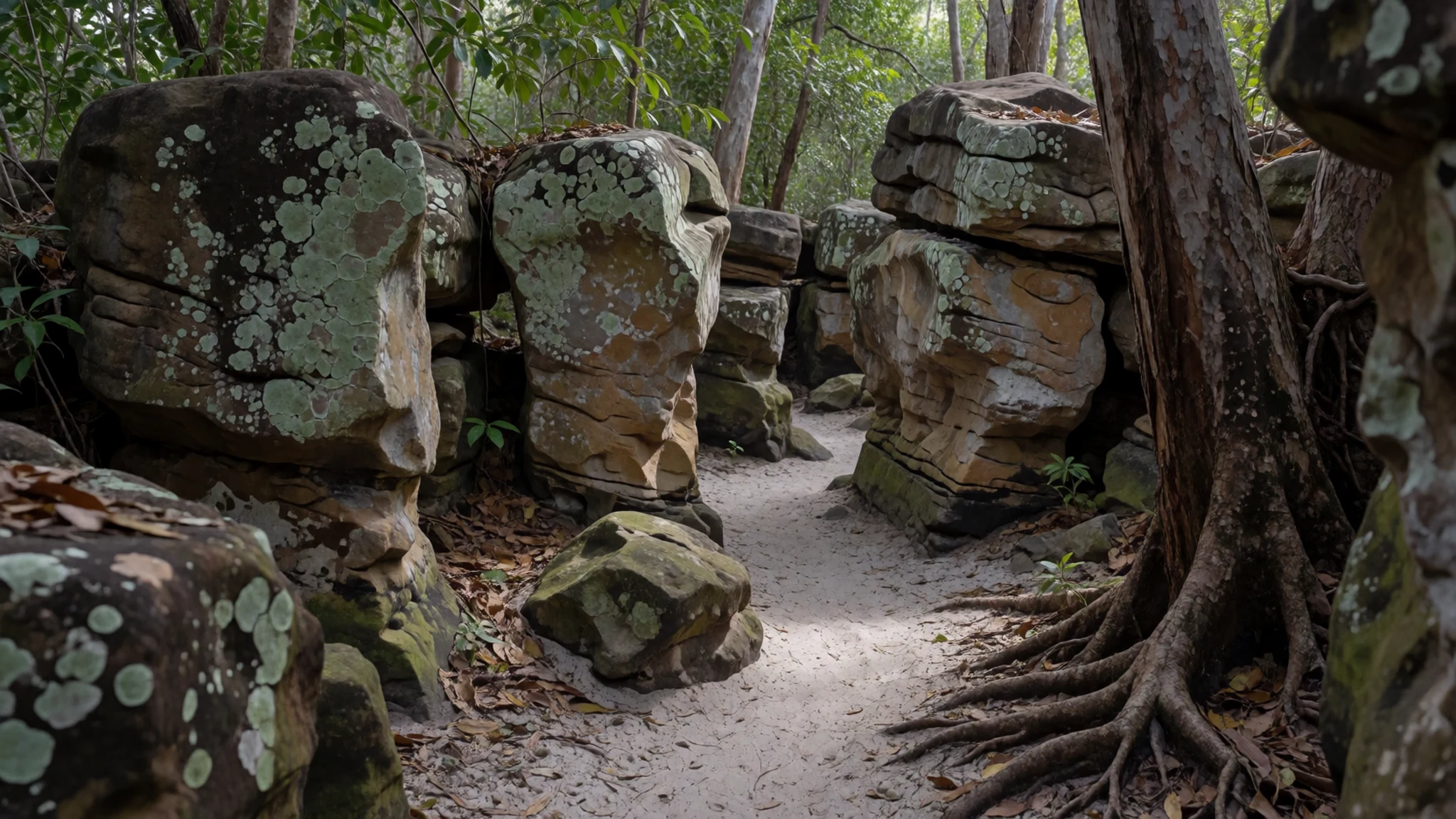
- Bowali Visitor Centre — Jabiru surrounds
An informative interpretive hub located near the central township, featuring comprehensive displays on the park's complex ecology, geology, and traditional Aboriginal culture. The facility includes an exhibition space, a quality art gallery showcasing local Indigenous works, and helpful staff providing up-to-date track and weather information.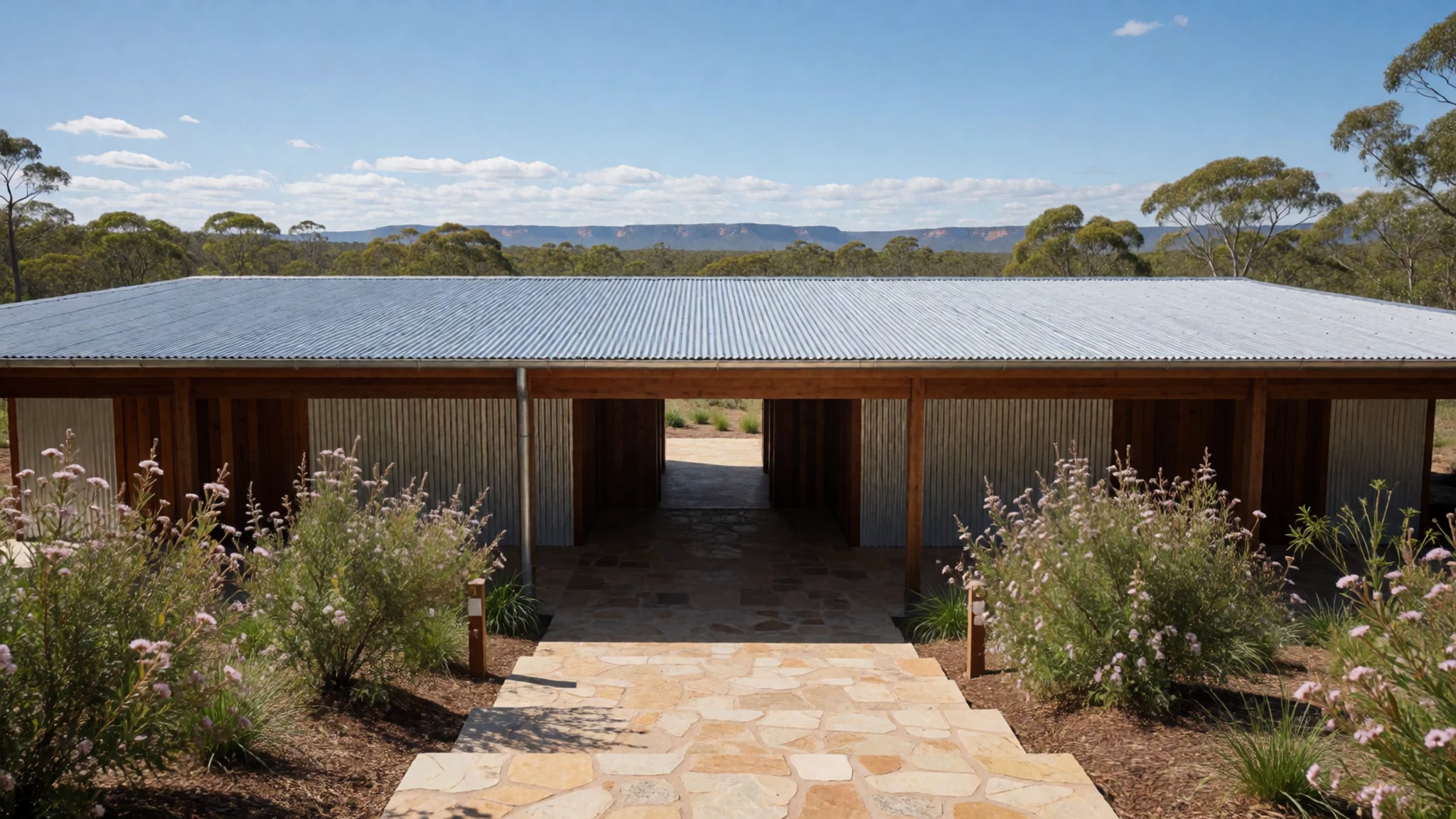
Culture
The cultural fabric of Kakadu is inseparable from the traditional ownership of the Bininj and Munggayi peoples, whose deep spiritual connection to country governs the management and protection of the land. For these First Nations communities, the landscape is alive with the presence of creation ancestors who shaped the rivers, rocks, and wildlife during the Dreamtime. Visitors are invited to understand that many rock art sites and sandstone formations are sacred places holding profound spiritual weight rather than mere historical curiosities. Traditional owners maintain ongoing responsibilities for cultural maintenance, passing down ancient ecological knowledge and ritual practices across generations. Respect for traditional law involves recognising restricted areas, heeding cultural closures during mourning periods or sacred ceremonies, and refraining from touching delicate ochre paintings where natural oils from human hands can cause irreversible damage. When exploring ancient art shelters, observe local signage carefully and stay strictly on designated walking tracks to protect fragile archaeological deposits and preserve the sacred integrity of these living cultural landscapes for the future. Always respect cultural closures and traditional ownership by seeking permission before photographing local residents or participating in community-led activities.
What to wear
Traditional attire in the region historically involved minimal garments fashioned from local natural materials, owing to the warm tropical climate, complemented by intricate body paint, ochre decorations, and ceremonial ornaments crafted from plant fibres and feathers for significant gatherings. Contemporary locals and park residents dress for comfort and practicality, favouring lightweight, breathable clothing designed to cope with high temperatures and intense tropical humidity. Visitors exploring Kakadu should pack loose-fitting, light-coloured cotton or linen garments that cover arms and legs to protect against strong sun exposure and persistent insects. Sturdy, closed-toe walking shoes or lightweight hiking boots are essential for navigating uneven sandstone terrain, rocky climbs, and dusty tracks. A wide-brimmed hat and polarized sunglasses are vital accessories during outdoor excursions. During the wetter months, waterproof jackets or lightweight rain ponchos become indispensable for sudden tropical downpours. Modest dress is appreciated when visiting regional community spaces, while outdoor recreation calls primarily for functional, sun-smart apparel that dries quickly and keeps the body cool throughout active days in the wilderness.
What to eat
- Wild Goose and Kangaroo Pie — The lodge restaurant at Cooinda
A hearty, savoury pie filled with tender local game meat simmered in rich gravy, representing the distinctive flavours of the northern Australian bush.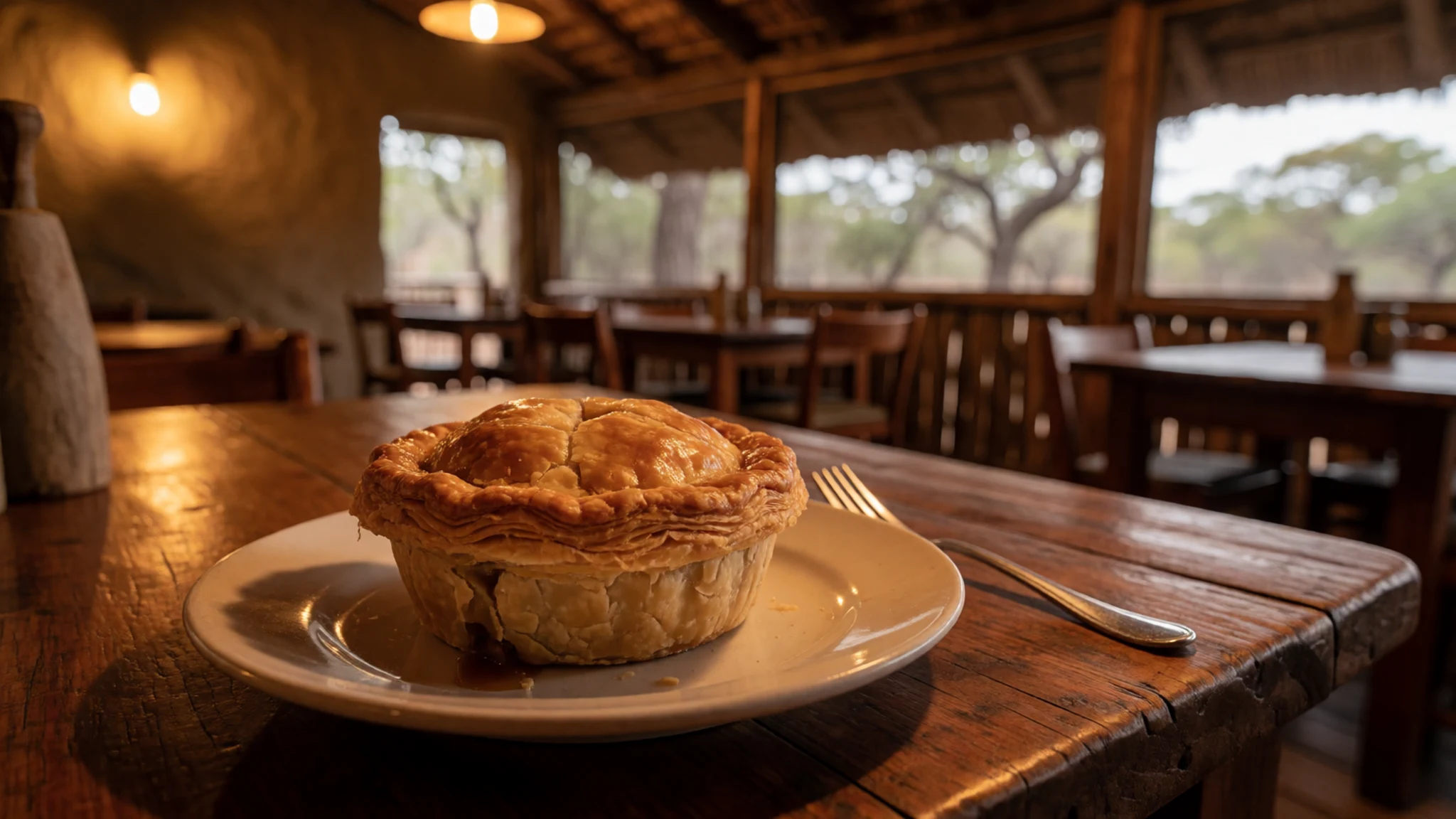
- Barramundi Burger — Cafes and eateries around Jabiru
Freshly caught local barramundi fillet served on a toasted bun with crisp salad greens and tangy tartare sauce, popular after a day exploring the wetlands.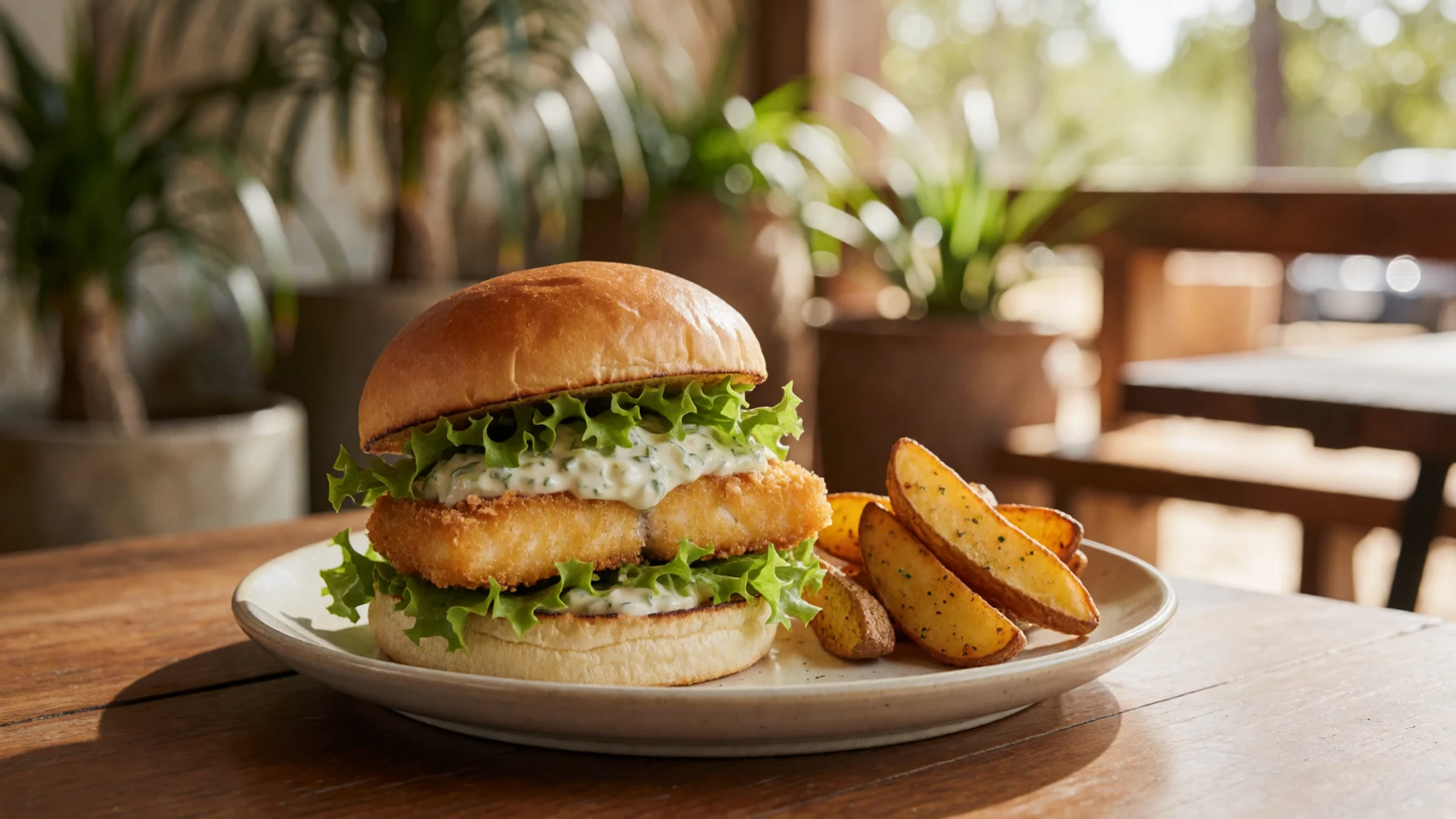
- Wood-fired Pizza — Local bakeries and lodges in the park
Classic crust pizzas topped with a variety of regional ingredients and melted cheese, offering a reliable and comforting meal option after long drives. - Bush Tucker Damper — Park rest stops and cultural tours
Traditional Australian damper, a simple flour and water bread baked over hot coals, frequently served warm with native seed blends or local jams at park rest stops.
Plan it
Best time. May to August during the dry season, when skies are clear, humidity is lower, most unsealed roads are open, and wildlife congregates around remaining waterholes and billabongs.
How long. 3–4
Getting there. Fly into Darwin International Airport, rent a vehicle, and drive southeast along the paved Arnhem Highway for approximately three to four hours to reach the park.
Budget. mid
Tips
- Check seasonal road conditions and track openings with park rangers before setting out
- Carry ample drinking water at all times, especially when embarking on daytime walks
- Observe all crocodile safety signs near billabongs, rivers, and boat ramps
- Book accommodation and camping permits well in advance during peak dry season months
Etiquette
- Never touch ancient rock art paintings, as human oils damage the fragile ochre pigments
- Respect cultural closures at sacred sites and heed all traditional owner instructions
- Keep a respectful distance from wildlife and avoid feeding native animals
Nearby
Sources
- Wikidata Q189657 (CC0)
- Wikipedia (rev 1377237232) (CC-BY-SA 4.0)
- Wikivoyage (rev 5406120) (CC-BY-SA 4.0)
- Photo 01-motorcarfallskakadu.jpg (CC BY-SA 4.0)
- Photo 02-aboriginal-art-australia-6.jpg (CC BY-SA 2.5)
- Photo 04-saltwater-croc-kakadu.jpg (CC BY-SA 2.5)
- Photo 05-kakadu-mamukala-dsc03562.jpg (CC BY 3.0)


