Kaieteur Falls
Kaieteur Falls, Guyana
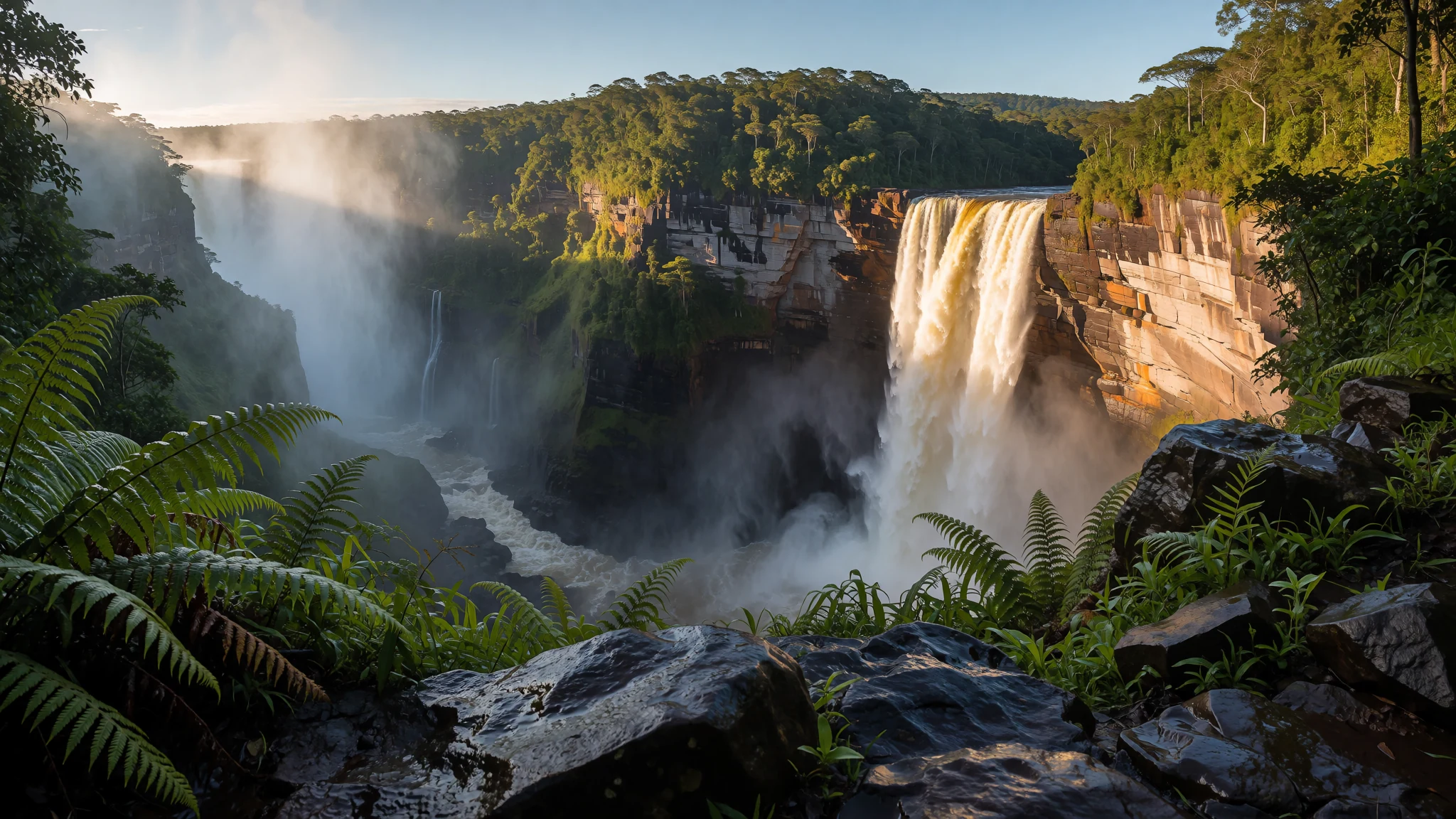
Witness one of the most powerful single-drop waterfalls on Earth, hidden deep within a pristine rainforest on the Potaro River in central Guyana.
The place
Kaieteur Falls stands as a monument to raw, untamed water. Situated on the Potaro River within central Guyana, the waterfall plunges over a sheer wall of sandstone and conglomerate rock before tumbling through a series of steep downstream cascades. The landscape surrounding the drop is part of a vast expanse of rolling highlands and untouched jungle, stretching back toward the distant escarpment of the Pakaraima Mountains. Unlike many celebrated cascades that draw massive crowds or sit near paved highways, Kaieteur remains wonderfully isolated. Reaching it requires a journey over wide forest canopies and meandering mahogany rivers. Upriver, the plateau spreads out in quiet stillness, while below the cataract, the river carves its path toward the Essequibo basin. The sheer volume of water rushing over the edge generates a permanent mist that feeds a unique microclimate in the surrounding gorge. Here, specialized flora and fauna thrive undisturbed by urban encroachment. Visitors standing near the rocky ledge look out over an endless green horizon where human intervention feels remarkably distant. The air carries a heavy, earthy moisture, and the constant roar of the drop drowns out all other forest sounds, creating an atmosphere of profound isolation and natural majesty.
Its story
Long before European cartographers mapped the region, Indigenous nations knew the roaring waters intimately. The falls entered official colonial records through the work of a British geologist and government surveyor who explored the colony of British Guiana. While working through the interior network of rivers, the survey team navigated remote channels, eventually documenting the massive drop. A return expedition a year later allowed for more formal measurements of the site, which were subsequently published in Victorian-era travel and geological accounts that introduced the marvel to readers abroad.
Local tradition preserves a different understanding of the landmark. According to Patamona legend, the name originates from a revered tribal chief who chose to paddle his canoe over the edge in a supreme act of self-sacrifice to appease the creator deity Makonaima and save his people from hostile invaders. Another account links the toponym directly to descriptive Indigenous terms combining words for old men, large spaces, and falling water. These oral histories anchor the site deeply in the cultural memory of the region, reminding travellers that the landscape is not merely a geological curiosity but a place imbued with ancestral reverence and living mythologies.
What to see
- Kaieteur Falls — Kaieteur National Park
Marvel at the sheer power and volume of the main drop as it plunges into the gorge. Stand near the upper viewing areas to appreciate the scale of the sandstone cliffs and the surrounding plateau.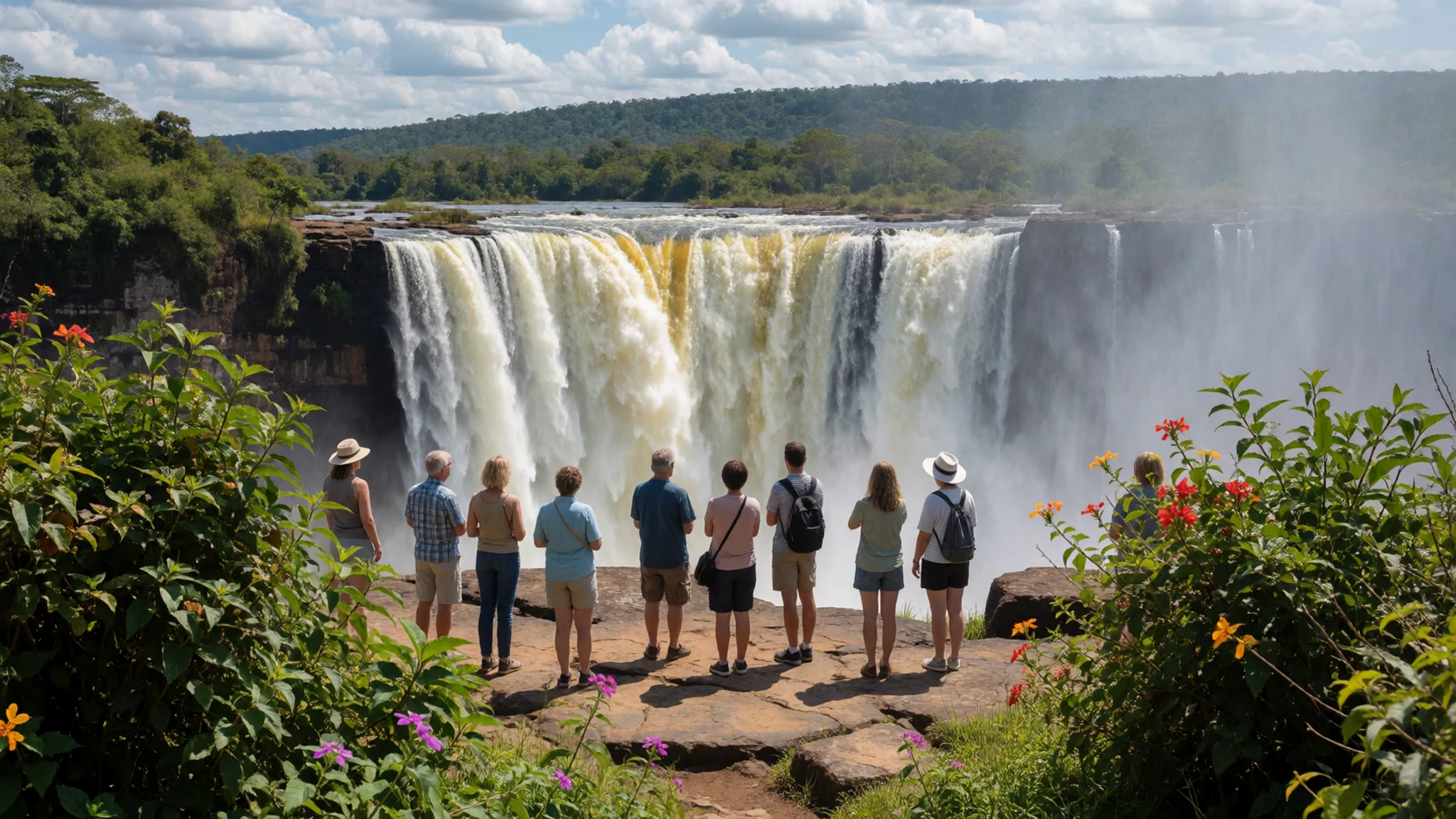
- Orinduik Falls — Pakaraima foothills
Visit these picturesque cascading waterfalls on the savannah, where water flows over reddish jasper steps. Many regional flight excursions combine a trip here with the main cascade.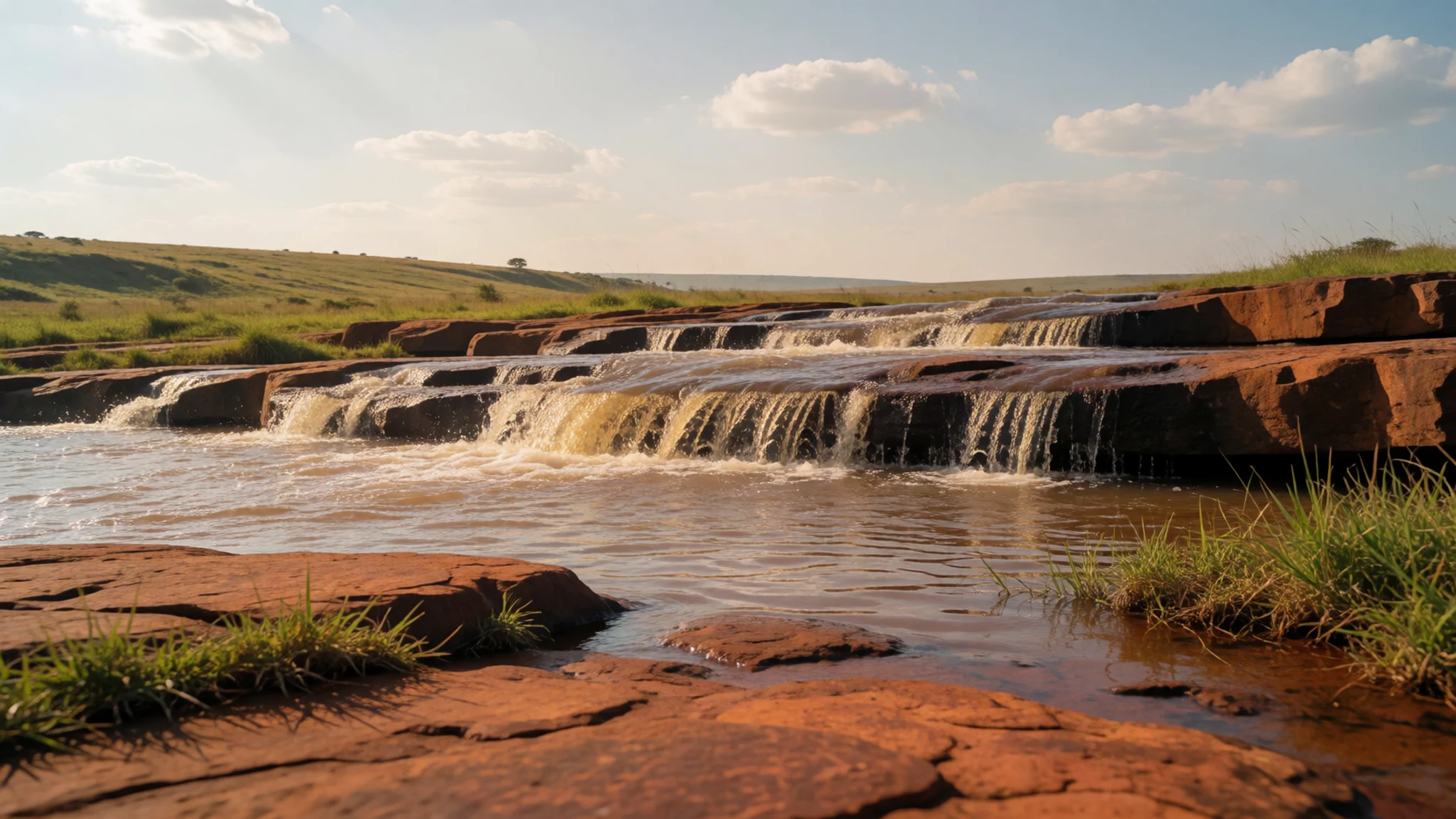
- Arrowpoint Nature Resort — Lower Demerara River
Experience a joint tourism venture managed in partnership with Indigenous communities. Explore surrounding forest trails and learn about traditional jungle living along the riverbanks.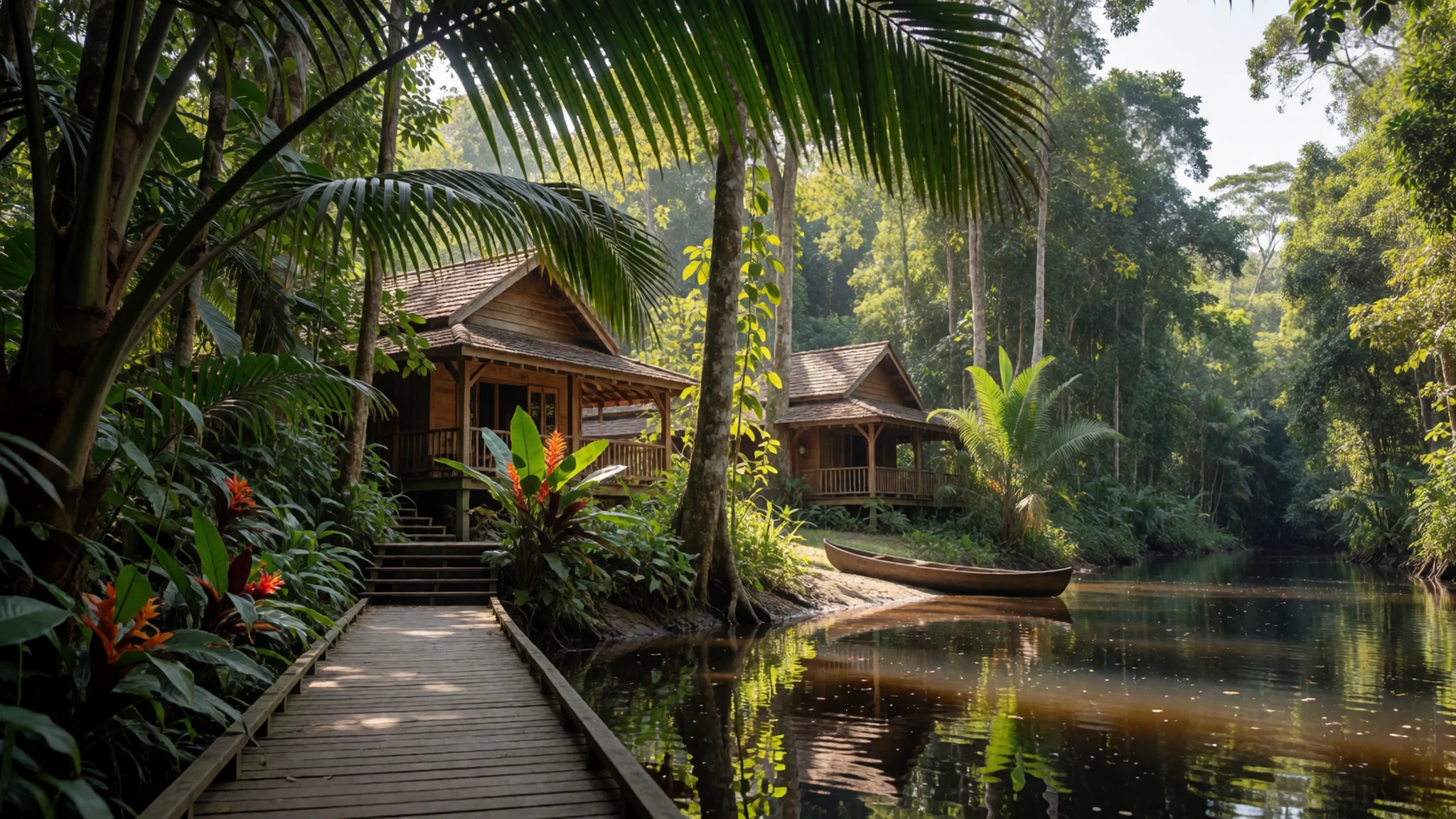
- Iwokrama Rainforest Reserve — Central Guyana
Journey deep into a protected wilderness area spanning dense tropical jungle, winding waterways, and diverse wildlife habitats managed for conservation and research.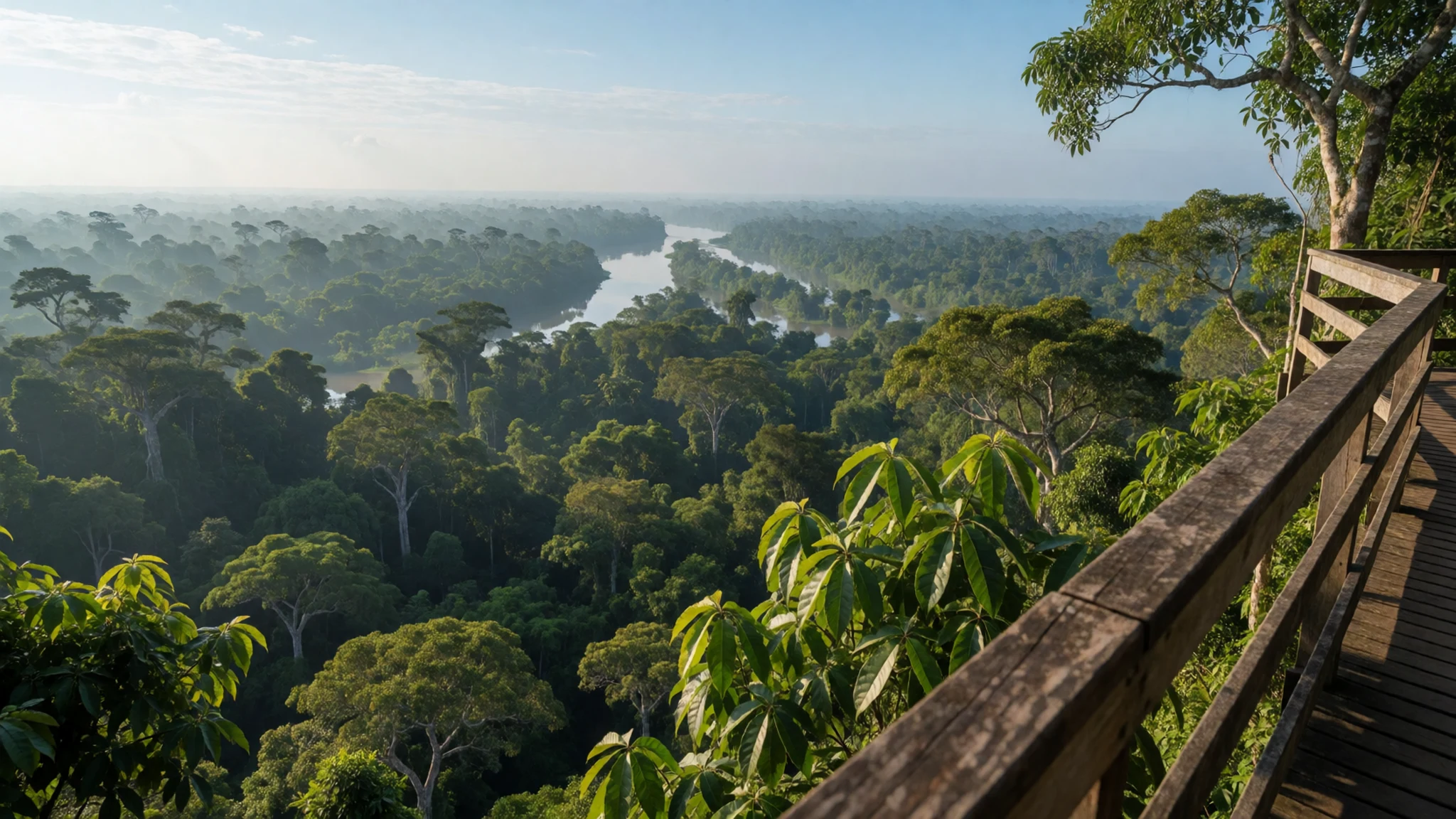
Culture
Guyanese society reflects a rich creole fusion shaped by indigenous heritage, African roots, and deep historical connections to the Indian subcontinent. Social interactions are generally warm, though discussions regarding local politics, ethnic relations, or socio-economic dynamics can spark intense debate. As an outsider, it is wise to listen respectfully rather than offer unsolicited opinions on domestic matters. Traditional domestic habits emphasize cleanliness and comfort; footwear is consistently removed at the front door before stepping into a home. When entering local dwellings or private spaces, always slip off your shoes promptly. Always remove your shoes at the door when entering a local home.
What to wear
Everyday wear across Guyana is practical, light, and suited to a warm, humid tropical climate. Modern urban residents in Georgetown favour casual cotton shirts, lightweight trousers, and durable footwear, blending Caribbean styles with South American practicality. Traditional attire often features vibrant textiles and designs worn during national celebrations such as Mashramani, the Republic anniversary festival held each February. For visitors heading into the interior and rainforest zones, fashion takes a back seat to functionality. Pack quick-drying trousers, long-sleeved shirts to ward off insects, a wide-brimmed hat, and sturdy, broken-in hiking boots or water-resistant trainers designed for muddy jungle trails and wet rock surfaces.
What to eat
- Pepperpot — Local eateries across Georgetown
Considered the national dish, this slow-cooked stew combines meat with fiery peppers, cinnamon, and dark casareep. Traditionally prepared for special occasions, it is served year-round in Georgetown with white bread or roti.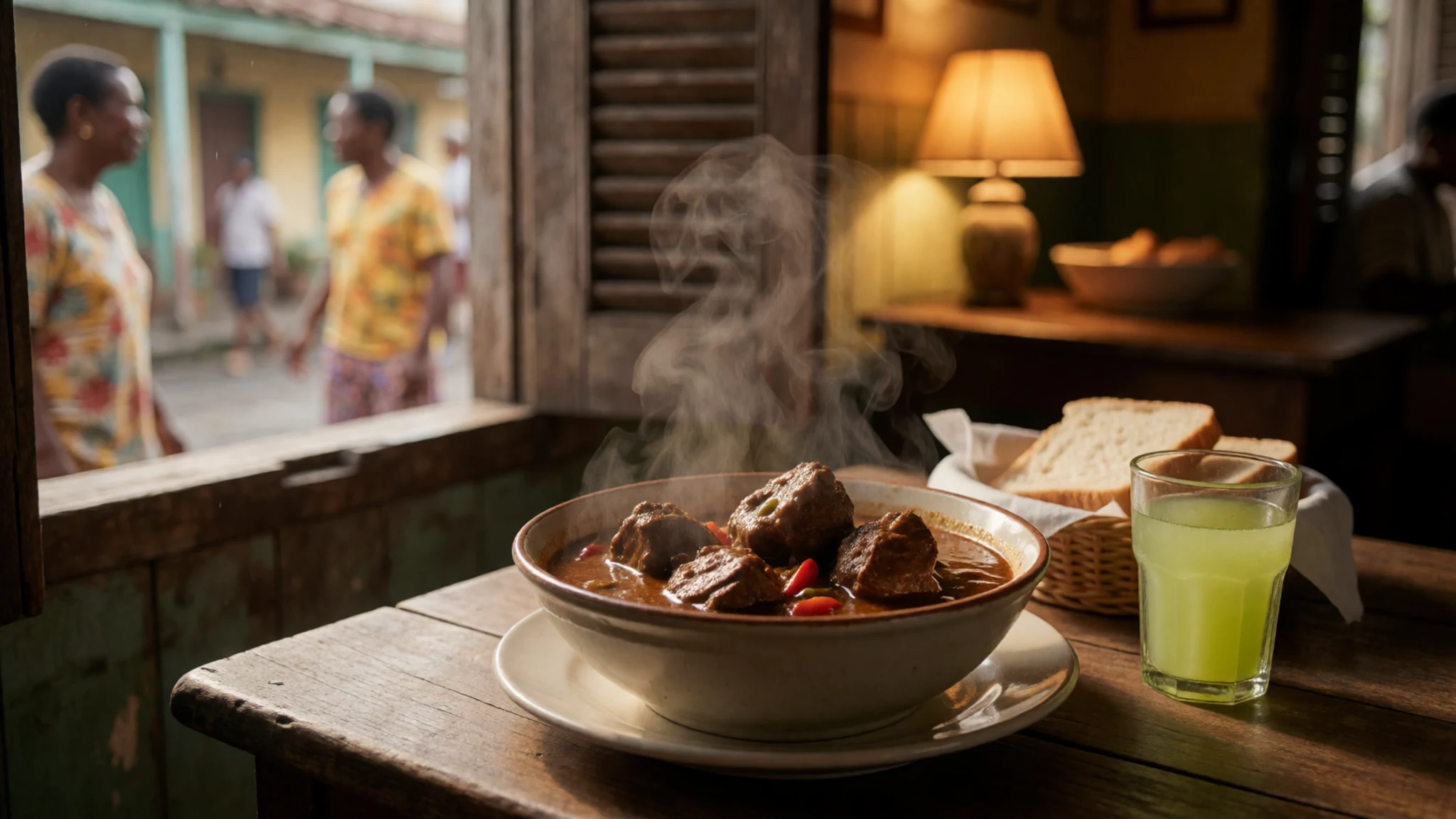
- Curry and Roti — Roti shops and coastal diners
A staple reflecting deep South Asian heritage, featuring spiced chicken, pork, beef, pumpkin, or seafood served alongside flatbread or rice.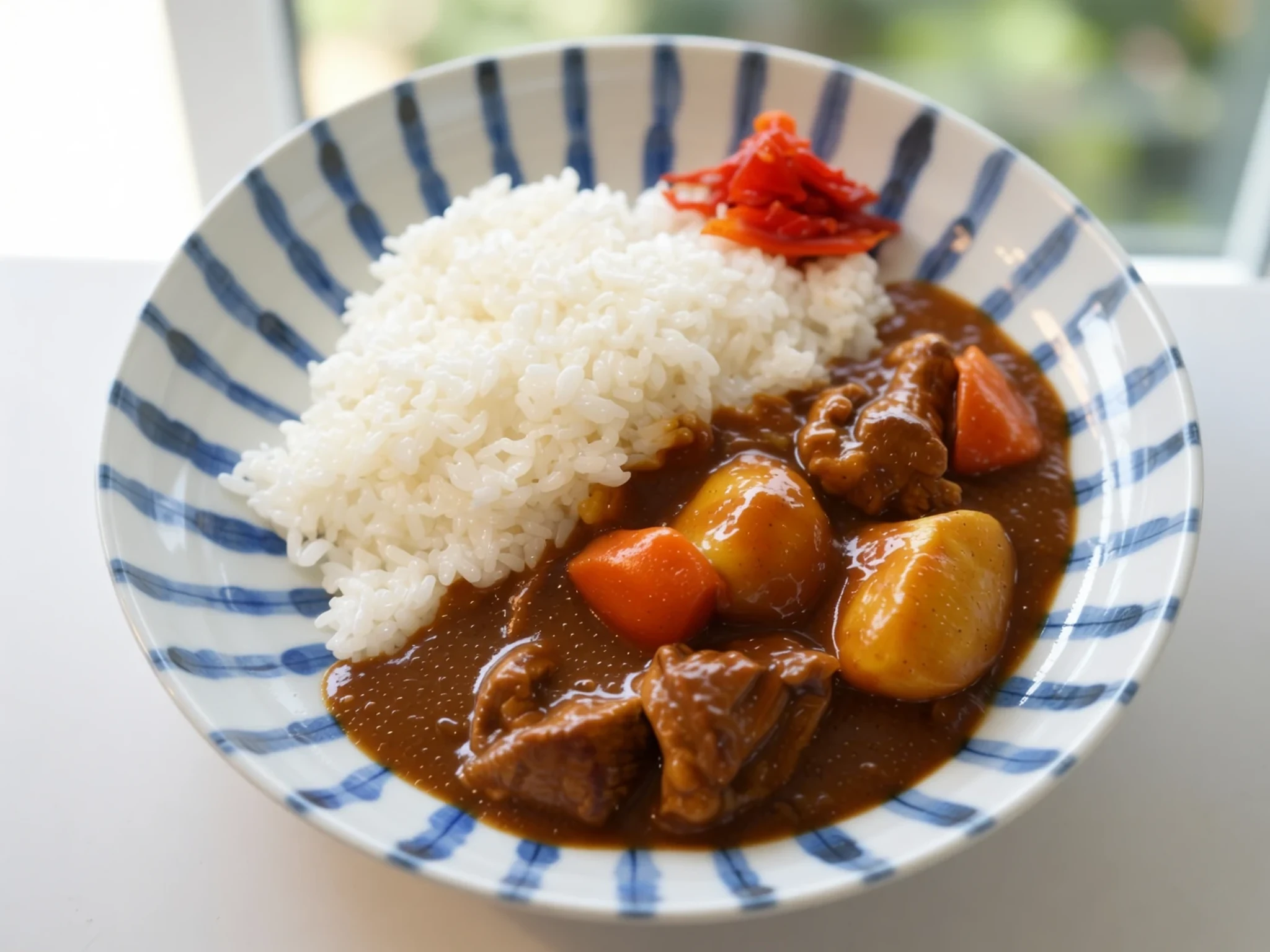
- Chow Mein — Chinese restaurants throughout the capital
A popular noodle dish showcasing Chinese culinary influences fused with local seasonings, vegetables, and meats.
- Churrasco BBQ — Capital barbecue restaurants and border towns
Hearty grilled meats served in open-air barbecue spots reflecting the culinary traditions introduced by the growing Brazilian community.
Plan it
Best time. The drier months from February to April and September to October bring the least rain, though March and November are the hottest, while June is the wettest month.
How long. 2–3
Getting there. Arrive via international flight to Georgetown, then take a small local charter or tour flight directly to the airstrip near the national park.
Budget. high
Tips
- Book internal flights and jungle excursions well in advance through licensed operators
- Carry light rain gear as tropical downpours can occur unexpectedly
- Wear sturdy hiking boots with good grip for slick rock viewing points
- Bring insect repellent and lightweight long sleeves for the jungle
Etiquette
- Always remove your shoes when entering someone's home
- Approach conversations about local politics and ethnicity with tact and care
Nearby
Sources
- Wikidata Q38120 (CC0)
- Wikipedia (Kaieteur Falls) (CC-BY-SA 4.0)
- Wikivoyage (Guyana) (CC-BY-SA 4.0)