Kaeng Krachan National Park
Kaeng Krachan National Park, Thailand
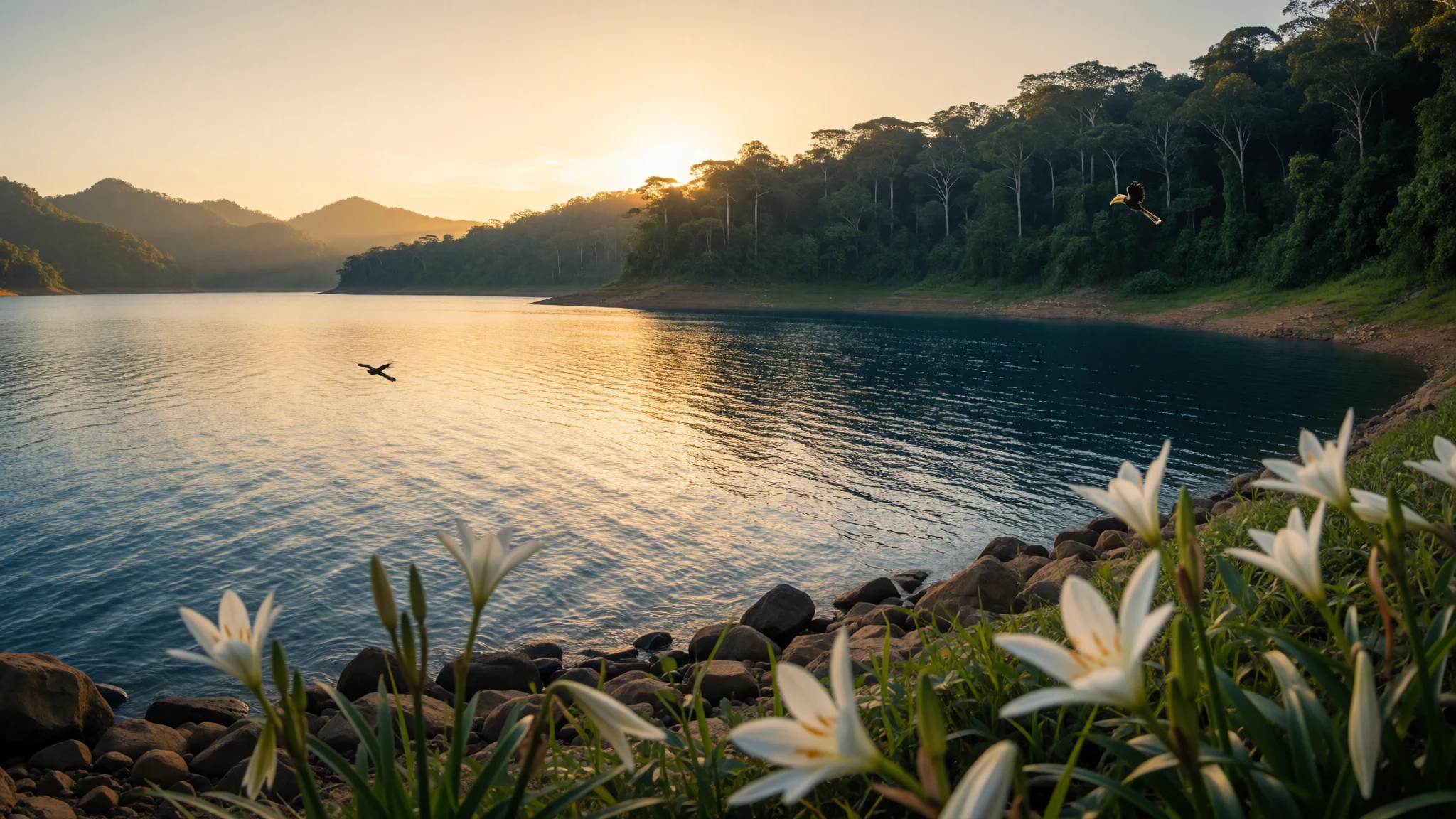
Kaeng Krachan feels properly wild—rainforest, rivers, and wildlife—while staying within easy reach of Hua Hin.
The place
Kaeng Krachan National Park (อุทยานแห่งชาติแก่งกระจาน) sits in western Thailand, straddling parts of Phetchaburi Province and nearby areas of Hua Hin in Prachuap Khiri Khan Province. It’s a big, forested park on the eastern slope of the Tenasserim Mountain Range, with rainforest as the dominant landscape and a border-side connection to a nature reserve across the frontier. The park’s official story is also entwined with real-world complexity: it’s a place where conservation happens alongside nearby livelihoods and land use.
In practical terms, Kaeng Krachan is a destination for people who want fewer “things to tick” and more “hours to wander”. Water shapes the park: two main rivers begin inside the park boundary, and the Phetchaburi River is held by the Kaeng Krachan Dam, creating a lake at the park’s eastern edge. The road network and visitor infrastructure are geared more towards day trips and guided access than big-city-style sightseeing, so wildlife-spotting and scenery walks tend to define the pace.
Weather is a major part of the experience. The most comfortable time to visit is March–April and November, when rain is much lower and temperatures are relatively mild compared with the wet, humid months. Even then, it’s Thailand—heat and humidity can build quickly, and the rainforest gets louder after rainfall.
Kaeng Krachan’s draw is the contrast: lush jungle and dammed lake views, with a practical link to Hua Hin so it doesn’t feel unreachable.
Its story
Kaeng Krachan National Park’s route to recognition is layered, and the story makes that clear. The sources for this reading describe how the area was set aside first as a reserve in 1964, then upgraded to national-park status on 12 June 1981. The park’s boundary story continues later, too: it notes the original covered area and that it was enlarged in December 1984 to incorporate additional boundary areas between provinces.
Part of why Kaeng Krachan is talked about internationally is its relationship with ASEAN and the World Heritage process. The reading explains that Thailand pursued World Heritage listing repeatedly, with earlier attempts declined in 2019 and later progress coming in 2021 when the committee voted to approve Kaeng Krachan’s listing. That World Heritage moment sits alongside ongoing concerns raised in the reading, including the difficulty of controlling poaching and allegations around elephant-related harm.
The story doesn’t stay in the abstract. It also brings in on-the-ground disputes: it mentions private plantations inside the park boundaries, electric fences, and a project to pave a road segment that environmentalists opposed because easier access could mean more pressure on a fragile ecosystem. The project became a public issue, with the reading stating it was halted temporarily in early November 2018 while opponents were heard.
So the park’s “story” is really two stories at once: rainforest protection on one hand, and the day-to-day friction of land, access, and enforcement on the other. That’s why visiting with an informed, respectful mindset matters here.
What to see
- Namtok Pa La-u waterfall — Kaeng Krachan National Park (near the waterfall area)
Namtok Pa La-u is described as an 11-tier waterfall inside Kaeng Krachan National Park, set in perennial forest. It’s a scenic stop where the sound of water takes over the jungle. For timing, Nov–Apr can be a comfortable stretch, and it’s reachable from Hua Hin by songthaew.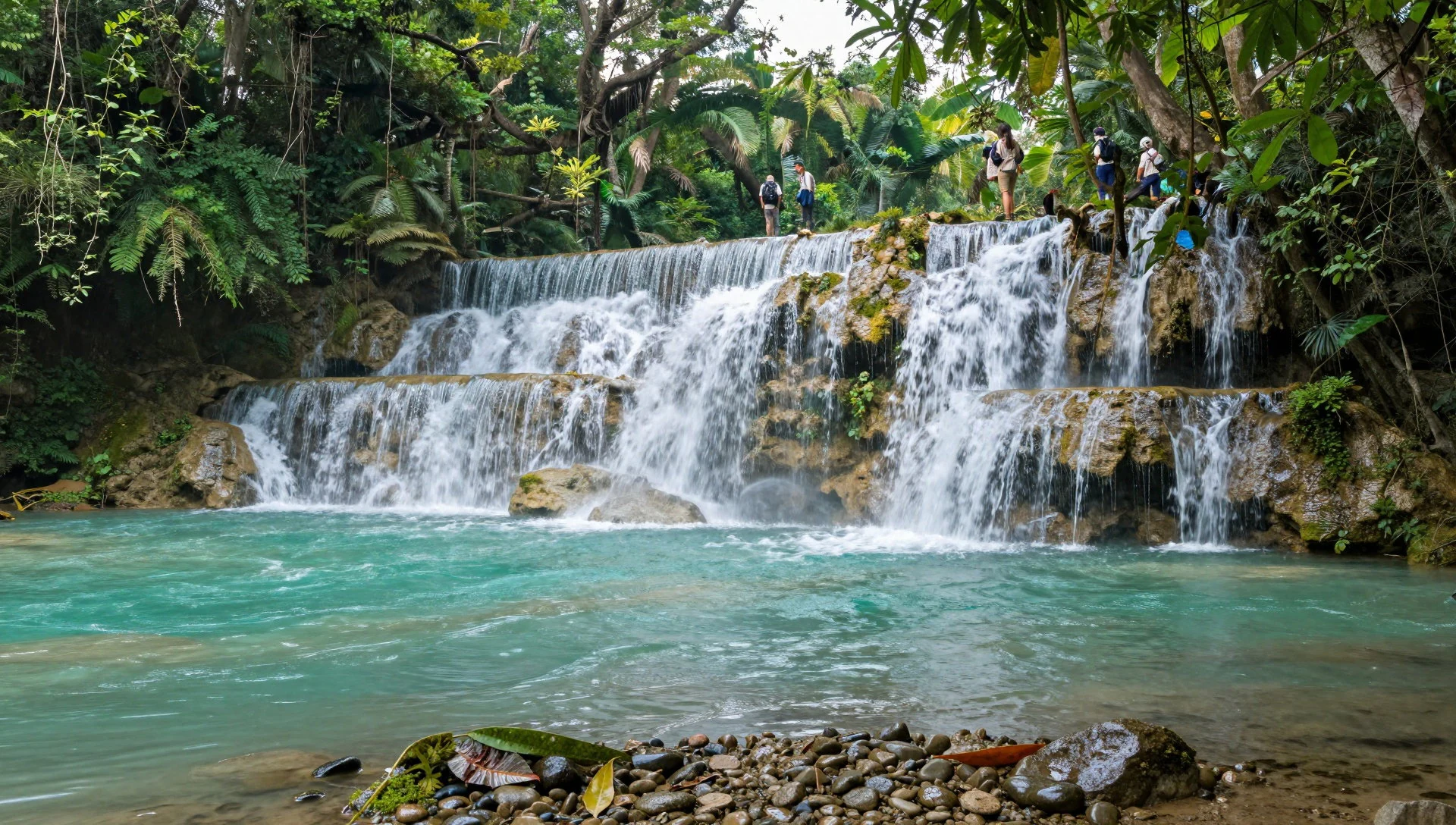
- Rainforest slopes of the Tenasserim Range — Eastern slopes within the park
Kaeng Krachan is mainly rainforest on the eastern slope of the Tenasserim Mountain Range. This is the landscape that shapes everything else: dense green cover, humid air, and trails where you move slowly to keep track of birds and insects. Even when wildlife sightings aren’t obvious, the forest atmosphere is the draw.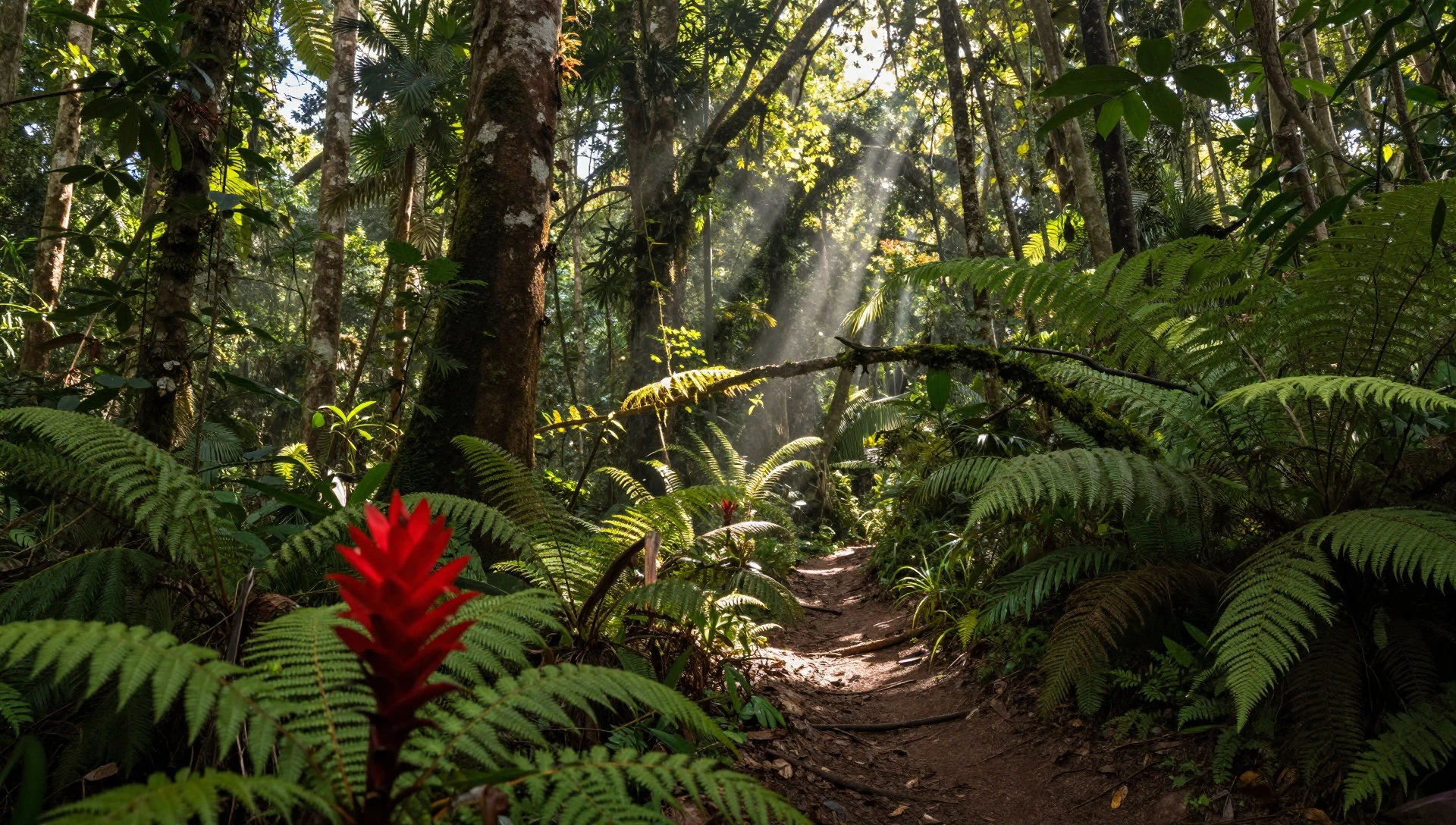
- Kaeng Krachan Dam & lake views — Eastern border area near the dam
The Phetchaburi River is impounded by the Kaeng Krachan Dam at the park’s eastern border, forming a lake. The water body covers a sizeable area, so it’s not just a small reservoir—there’s room for big sky views and shoreline walks depending on access. It’s a good contrast to the deeper jungle.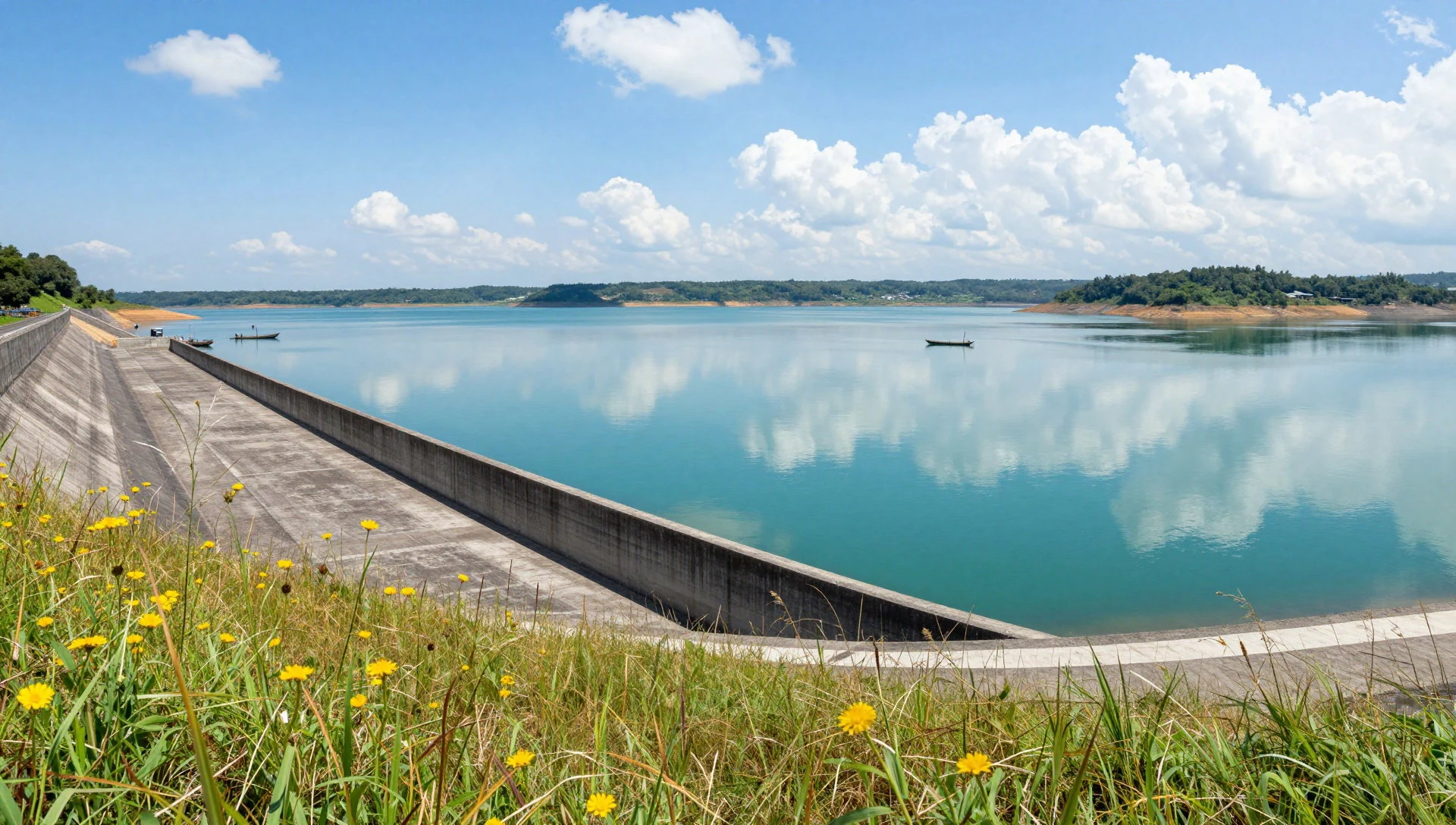
- Birdwatching and rainforest fauna (low-key wildlife stops) — Throughout the park’s rainforest zones
Mainland Clouded Leopard and other rainforest animals are highlighted in Kaeng Krachan, though what you see depends on timing and luck. The park’s forest is built for quiet observation: mornings and after rain often feel more alive. Bring patience and expect long moments where the jungle is the main character.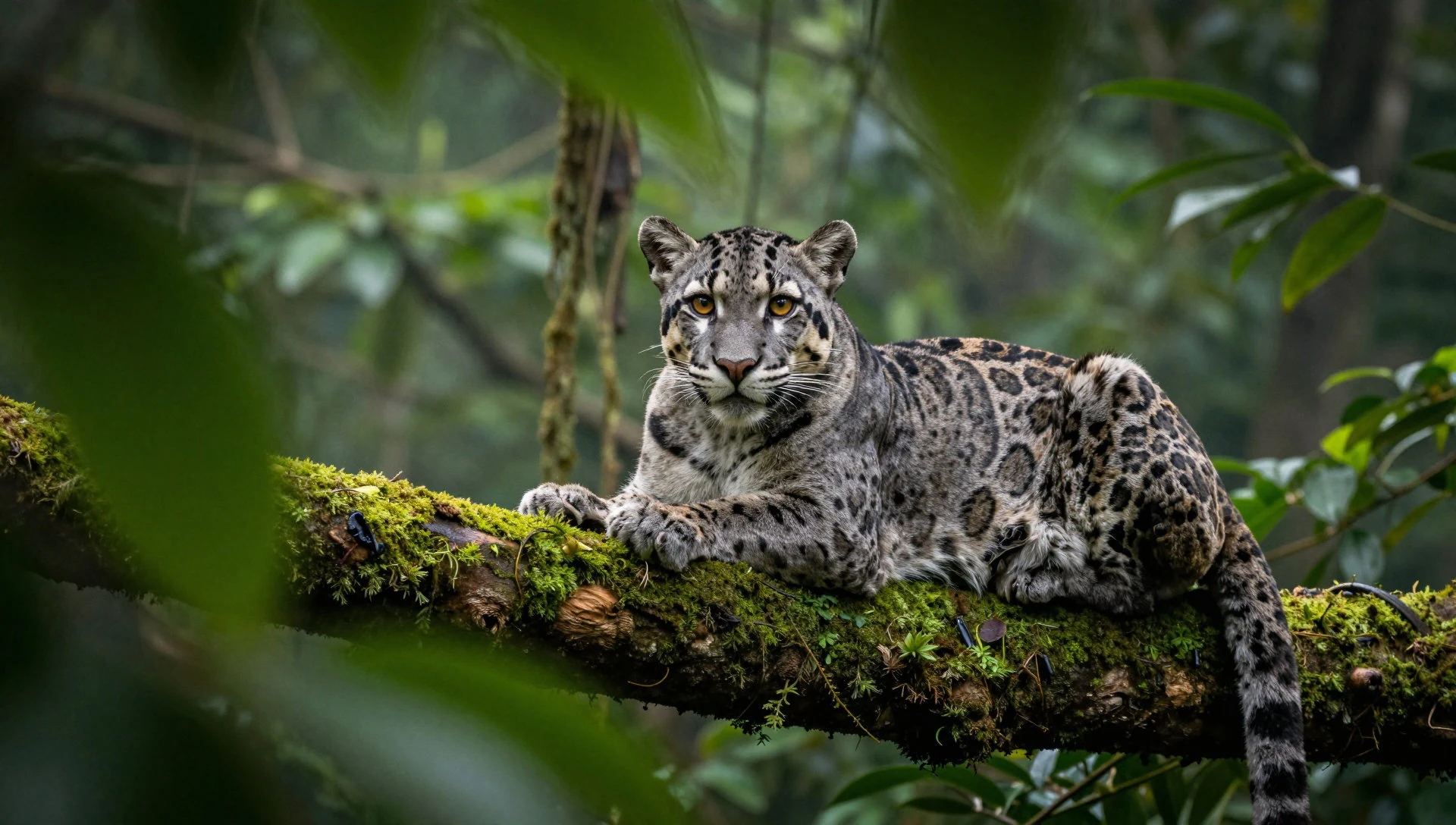
Culture
Kaeng Krachan National Park sits in a region where local Thai visitors, park staff, and community livelihoods overlap with conservation. The telling of the park’s status and its UNESCO recognition doesn’t remove real debates about land use and protection—so the tone for visitors should be grounded and careful. Wildlife watching is the obvious cultural layer: animals may be present without being visible, and the most “successful” moments tend to come from staying quiet, keeping to permitted access, and respecting any guidance from staff.
Transport can also shape the experience. Visitors can take a songthaew from Hua Hin to reach the Namtok Pa La-u area, which means shared vehicles and local schedules matter more than a “tourist bubble”. That’s a good thing, but it also means crowds can form around popular times.
Seasonality affects behaviour too. The park’s best months are March–April and late October–November, and in hotter or wetter periods conditions change quickly, so carrying basic comfort items and being ready for sudden rain is part of showing respect to the place.
Visitor etiquette: keep noise low, follow staff directions on routes, and avoid approaching or photographing wildlife too closely.
What to wear
Kaeng Krachan National Park is a humid rainforest outing more than a fashion showcase. Traditional dress in Thailand is most commonly seen in ceremonies rather than on jungle walks, but it helps to understand what you might see locals wearing around villages and towns: for women, dresses such as the Thai silk sarong-style outfits and the formal “chut thai” are often used for cultural events, while men may wear patterned shirts with trousers or a formal longyi/sarong style during festivities.
What people actually wear now around the park is practical. Expect breathable T-shirts, lightweight long-sleeves for sun and insects, shorts or trekking trousers, and sandals or trainers depending on trail conditions. Because waterfalls and rainforest trails can be slippery, footwear matters more than style. A cap and sunglasses help in the brighter windows, but in the wet season a light waterproof layer is more useful than a heavy jacket.
What a visitor should wear here: light-coloured clothing that covers arms and legs, comfortable closed-toe shoes with grip, and a rain layer you can access quickly. If visiting nearby facilities, carry a simple extra layer for air-conditioned indoor spaces and consider modest, non-revealing clothing for any offices or community-run areas.
What to eat
- Thai grilled chicken (ไก่ย่าง) / street-style skewers — Eateries and street stalls in Hua Hin
Grab a plate of grilled chicken or assorted skewers from local eateries around Hua Hin before heading into the park. It’s an easy, reliable energy boost that doesn’t spoil quickly in warm weather.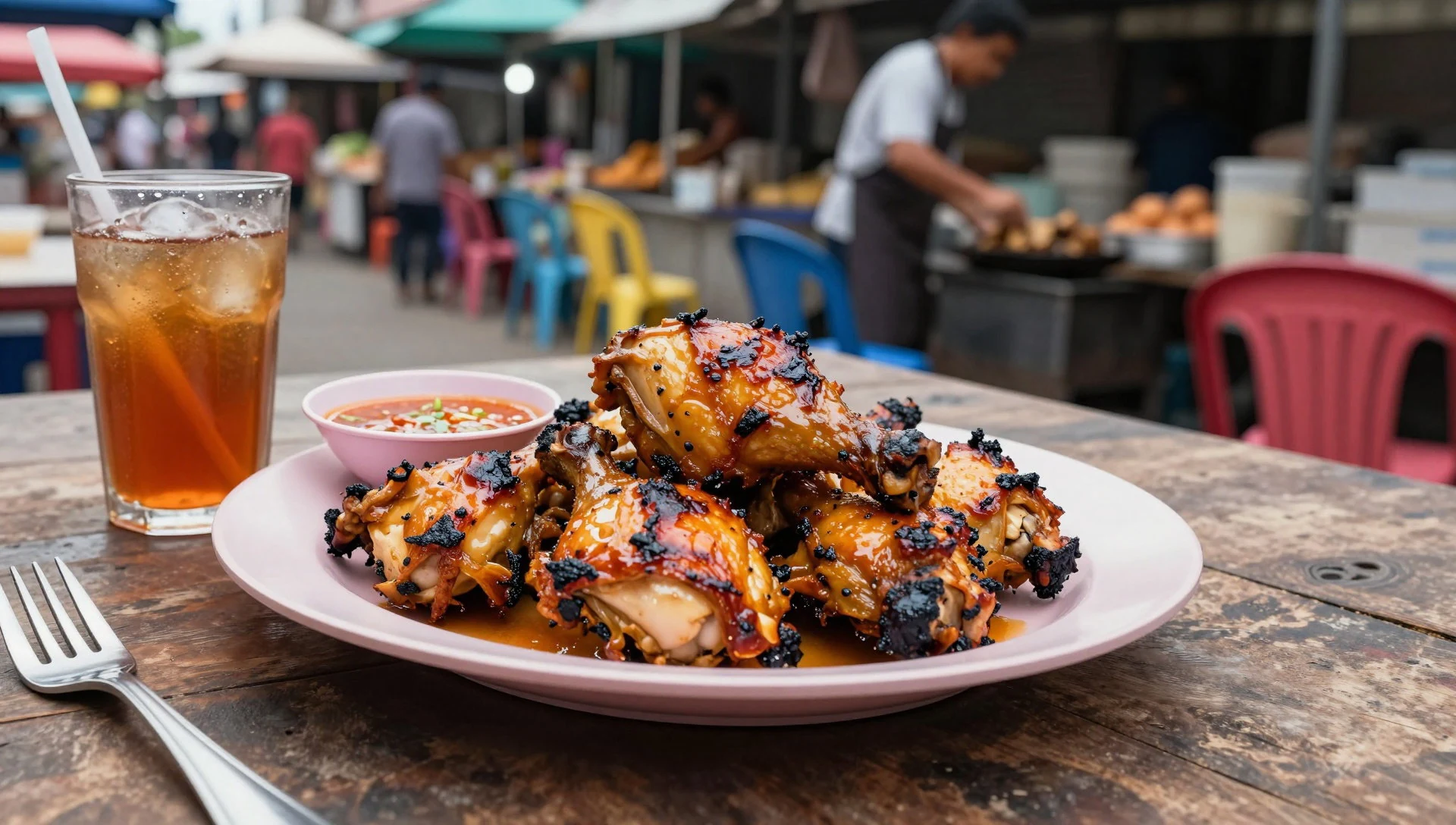
- Som tam (green papaya salad) — Local Thai restaurants and markets near Hua Hin
Som tam is a great humid-day side: crunchy, spicy-sour, and quick to portion. Look for it at small Thai restaurants near the main town areas around the park’s gateway towns.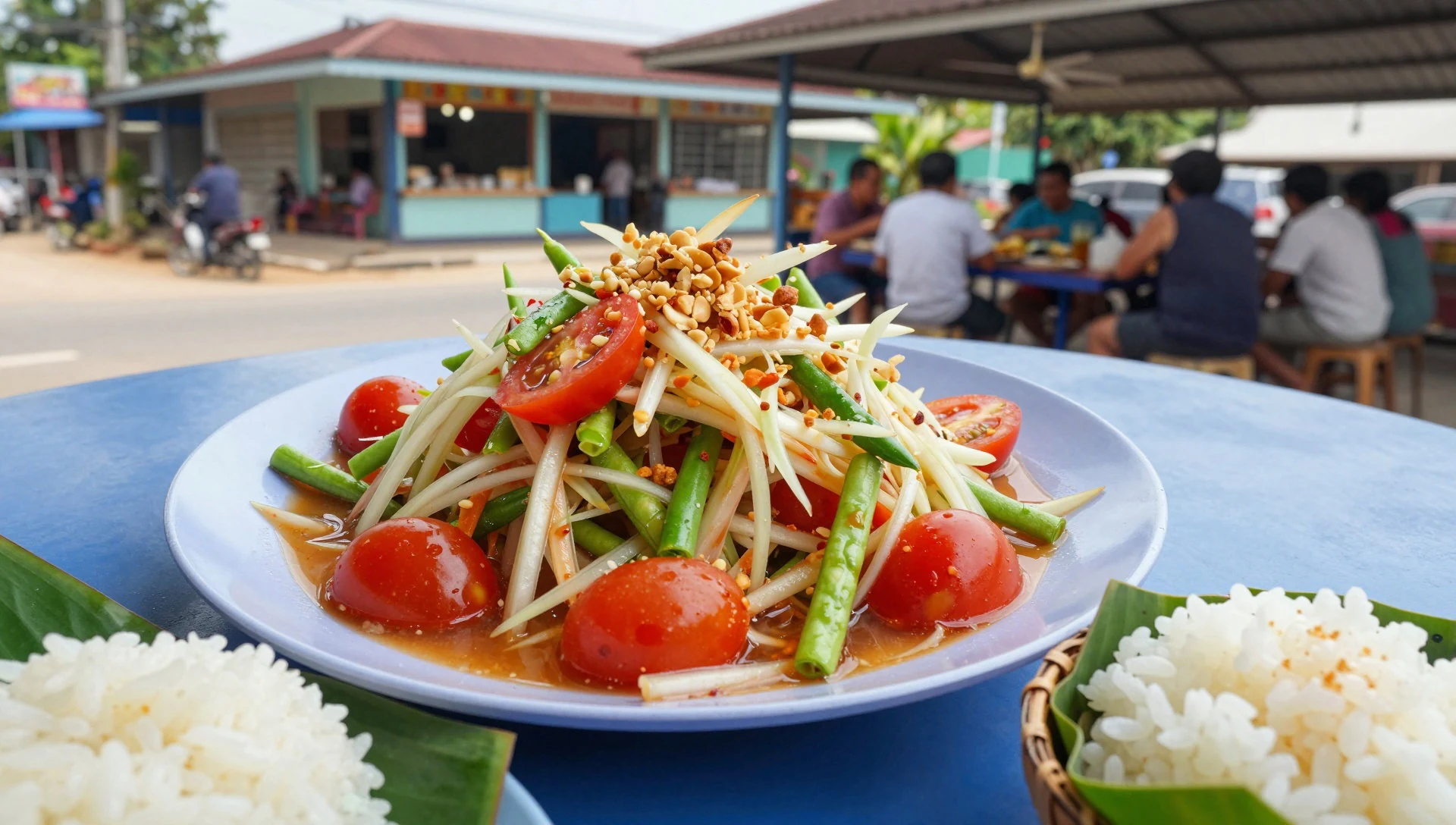
- Tom yum (ต้มยำ) soup — Casual Thai restaurants in gateway towns
Tom yum—sour, herbal, and lightly spicy—works well after a day outdoors. The broth helps warm you up if you arrive in a rainy spell, but it’s also refreshing when it’s hot. - Khao pad (fried rice) — Family-run restaurants near transit routes
Khao pad is practical for travel: it’s filling, usually made to order, and easy to share. Find it at simple restaurants when you want something straightforward before transport or after returning. - Fresh fruit and sweet drinks — Convenience stalls and market edges in nearby towns
In Thailand’s heat, fruit and iced drinks are a daily rhythm. Look for freshly cut fruit cups and iced tea/juice stands around the towns serving park visitors.
Plan it
Best time. March–April for more comfortable conditions; late October–November for similar breaks from the wetter stretch. June is typically the rainy season and August can be hot and humid.
How long. 3–4
Getting there. Fly into Bangkok, then take domestic transport to the Hua Hin area; from there, the last leg is by local road transport to the park access points, with options such as songthaew for specific areas like Namtok Pa La-u.
Budget. mid
Tips
- Base the day around early starts to make the most of cooler morning light and quieter trails.
- Use the Hua Hin connection for easier transport planning, especially for waterfall-focused days.
- Carry rain protection and insect repellent—conditions in the rainforest can shift quickly.
- Expect long stretches where food options are limited inside the park, so plan snacks and water around your route.
Etiquette
- Stay on permitted routes and keep noise down to reduce stress for wildlife.
- Follow guidance from park staff on where vehicles and groups can go.
- Be careful near water edges at waterfalls; surfaces can be slick even if it hasn’t rained.
Nearby
Sources
- Wikidata Q1819232 (CC0)
- Wikipedia (Kaeng Krachan National Park, rev 1371595382) (CC BY-SA 4.0)
- Wikivoyage (Kaeng Krachan National Park, rev 5405754) (CC BY-SA 4.0)
- Photo photos/01-kaeng-krachan.jpg (CC BY 3.0)
- Photo photos/02-1028.jpg (CC BY 3.0)
- Photo photos/03-neofelis-nebulosa-male-in-kaeng-krachan-national-park-thaila.jpg (CC BY 4.0)
- Photo photos/04-martes-flavigula-yellow-throated-marten.jpg (CC BY 2.5)
- Photo photos/05-dusky-leaf-monkey-trachypithecus-obscurus.jpg (CC BY 2.5)
- Photo photos/06-arachnothera-magna-streaked-spiderhunter.jpg (CC BY 2.5)
- Photo photos/07-flavescent-bulbul-pycnonotus-flavescens.jpg (CC BY 2.5)
- Photo photos/08-ruddy-kingfisher.jpg (CC BY 2.5)


