Kaçkar Mountains
Kaçkar Mountains, Turkey
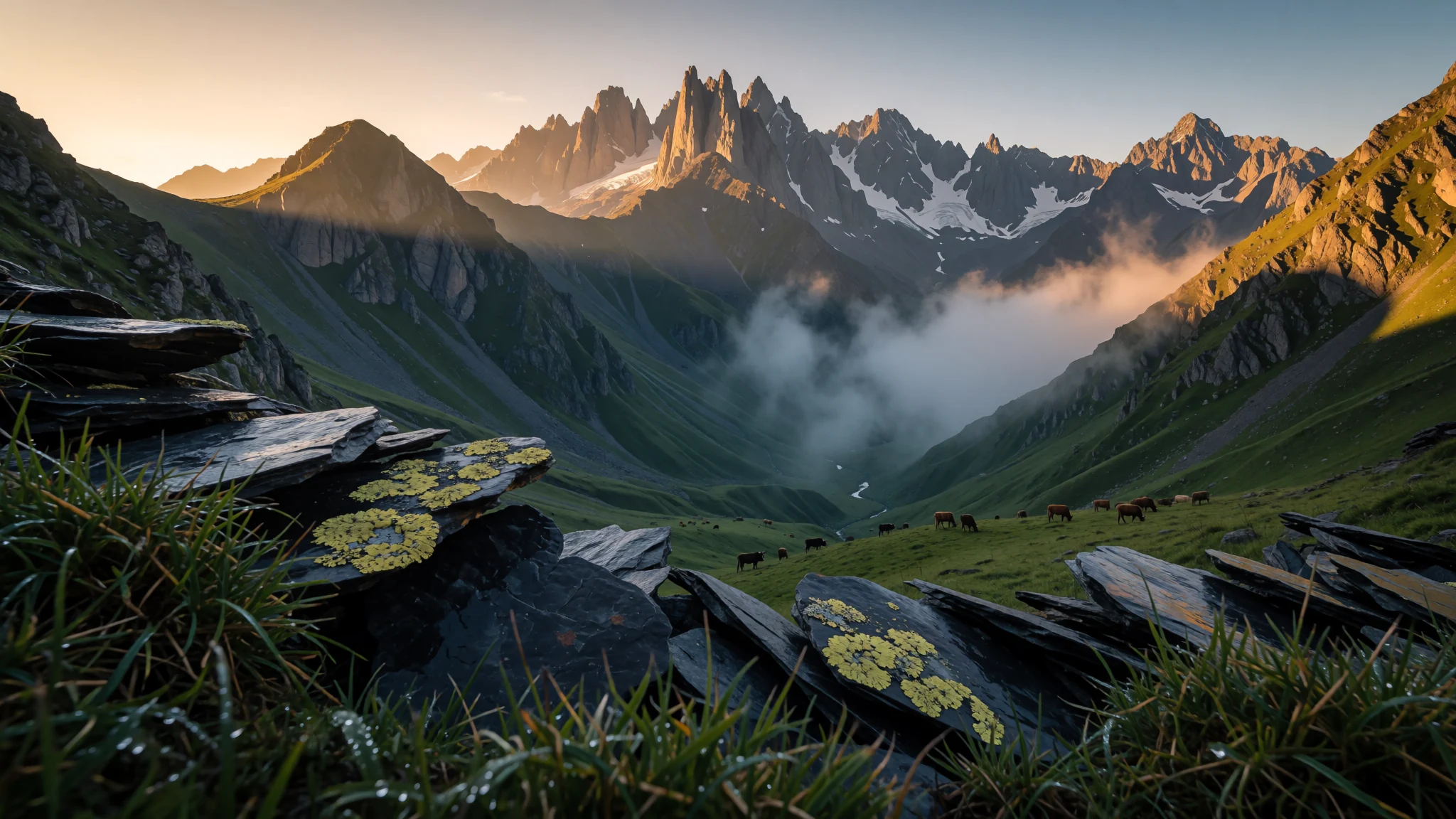
Rise above the Black Sea coast into glaciated alpine wilderness, rugged highland plateaus, and dramatic ridges in northeastern Turkey.
The place
The Kaçkar Mountains form a dramatic mountain range rising directly above the Black Sea coast in northeastern Turkey, presenting an alpine character defined by steep rocky peaks, permanent glaciers, and numerous glacial lakes. Bounded on the south and east by the Çoruh river valley and on the north by the coast, this high region represents the highest part of the broader Pontic chain. The landscape shifts rapidly from dense coastal vegetation to high green summer pastures known locally as yaylas, where traditional pastoral life meets outdoor adventure. Visitors find a rugged terrain characterized by deep valleys, rushing rivers, and soaring crests that attract hikers, mountaineers, and winter ski tourers. Established to protect this diverse environment, the protected national park environment harbours a rich variety of wild flora and fauna, including wolves, bears, boars, and wildfowl moving across isolated forests and alpine meadows. Weather in the uplands changes with little warning, bringing heavy mists and sudden alpine storms that demand respect from all who walk these remote tracks.
Its story
The story of the Kaçkar Mountains is deeply tied to the broader Anatolian land bridge where empires and cultures have converged for millennia. The wider region preserves traces of prehistoric landscapes, including ancient Black Sea shorelines altered by rising waters in ancient eras. Long before modern borders took shape, these highlands served as a remote sanctuary and summer grazing ground for the diverse peoples of the Pontic borderlands, including Laz communities and historical Armenian populations who left architectural whispers in forgotten valleys. Nearby Anatolian river basins witnessed the rise of some of history's earliest organised states, from early Bronze Age societies to the mighty Hittite empire and subsequent classical civilisations of Rome and Byzantium. While major archaeological treasures are concentrated elsewhere in the country, the Kaçkar range retains an older, quieter history of transhumance, where farming families moved their herds between coastal villages and high pastures along ancient footpaths. Today, this heritage survives in stone dwellings, stone bridges spanning roaring torrents, and oral traditions passed down through generations of mountain dwellers who treat travellers with traditional rural hospitality.
What to see
- Kaçkar Dağı Summit — Çamlıhemşin district
Reaching the highest point of the range offers seasoned climbers an exhilarating alpine challenge across steep scree slopes and permanent snowfields. The summit views stretch across a chaotic sea of jagged ridges stretching toward the horizon, rewarding physical endurance with absolute silence and vast mountain panoramas.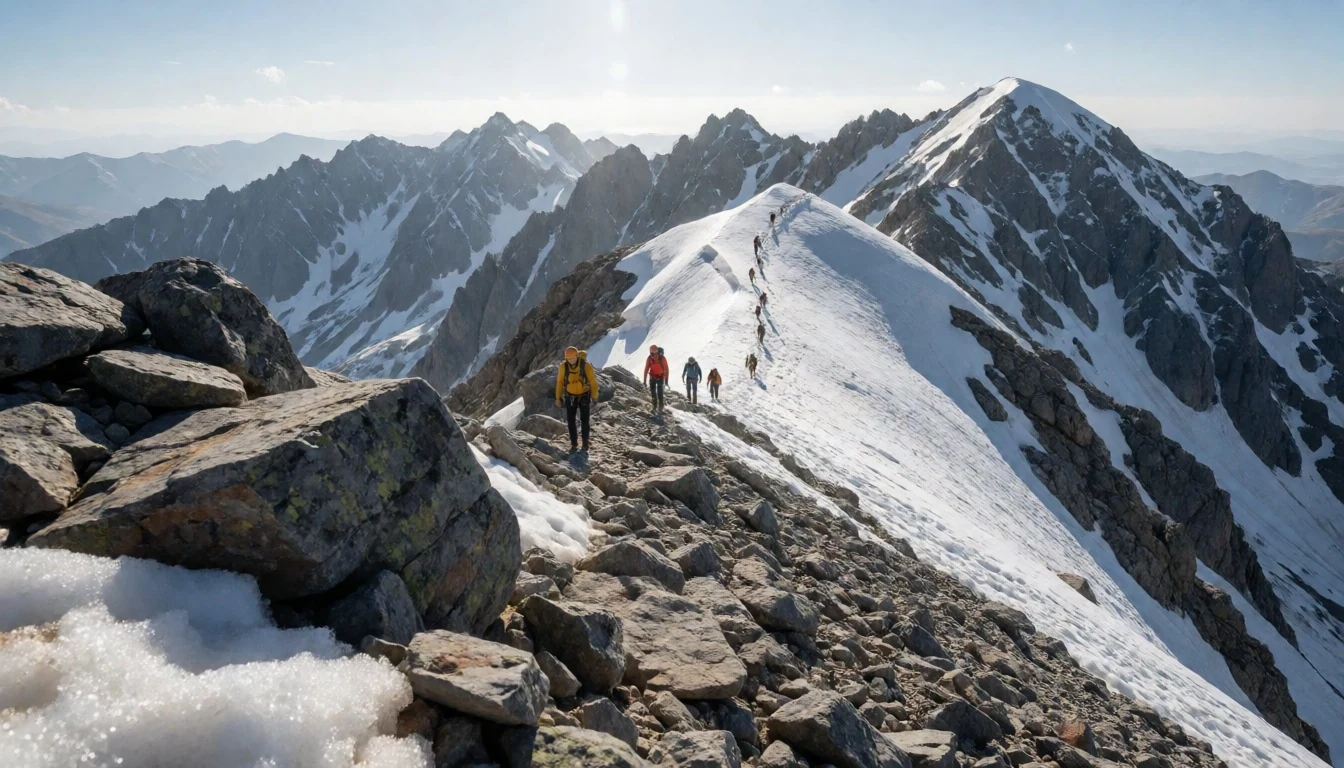
- Büyük Deniz Gölü — Çamlıhemşin district
This striking high-altitude glacial lake sits beneath towering rock walls, holding crystal-clear turquoise water that reflects changing mountain skies. Trekking to this remote body of water requires steady stamina along rocky paths, passing smaller tarns and alpine flora before opening onto a stunning, desolate glacial cirque.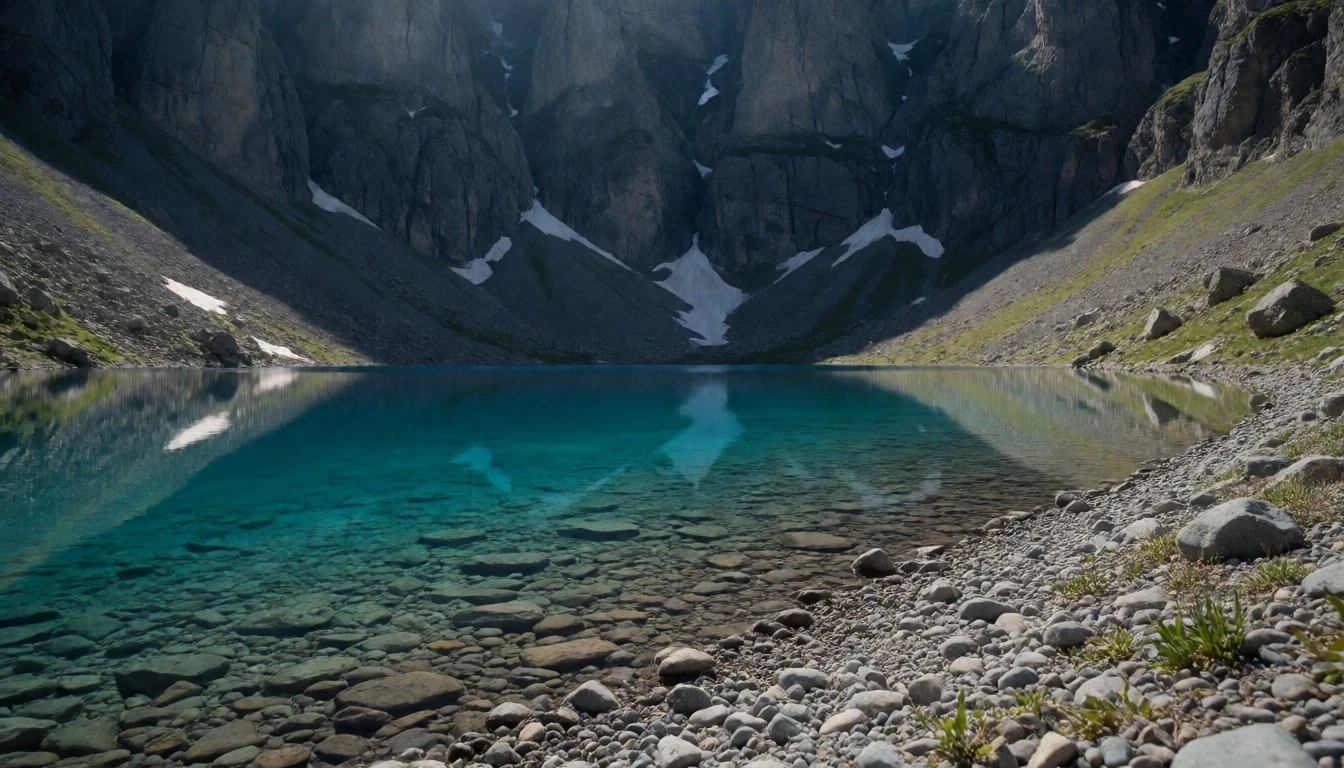
- Yukarı Kavron Plateau — Çamlıhemşin district
Acting as a primary basecamp for trekkers, this traditional stone-house settlement sits high in the green valleys beneath the highest peaks. Herders still bring livestock here for summer grazing, and visitors can experience authentic plateau life, share local tea with residents, and find guesthouse lodgings before heading into the wilder heights.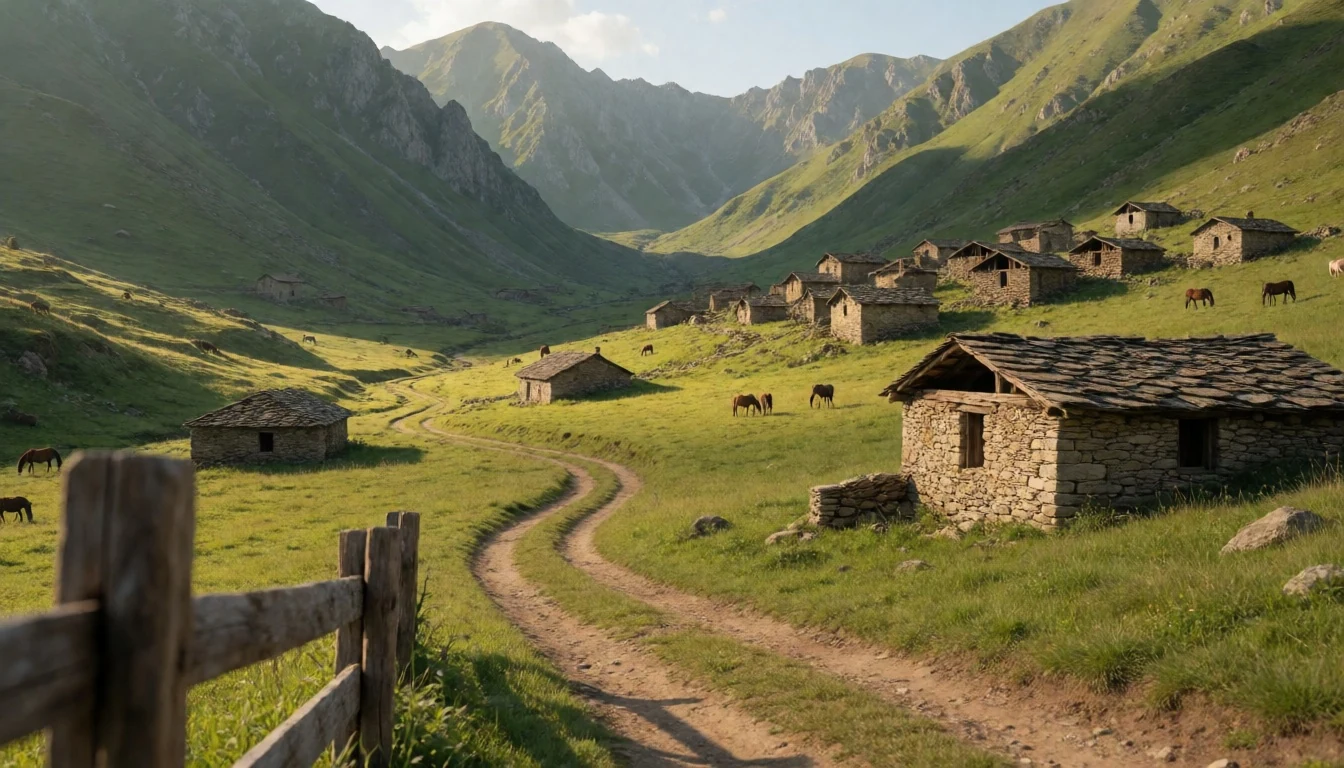
- Elevit Plateau — Çamlıhemşin district
Perched dramatically above a steep wooded valley, this picturesque highland settlement is famous for its historic wooden houses and frequent rolling mists. The plateau provides a scenic stop along highland driving routes, offering atmospheric views over forested gorges and traditional rural architecture untouched by hurried modern development.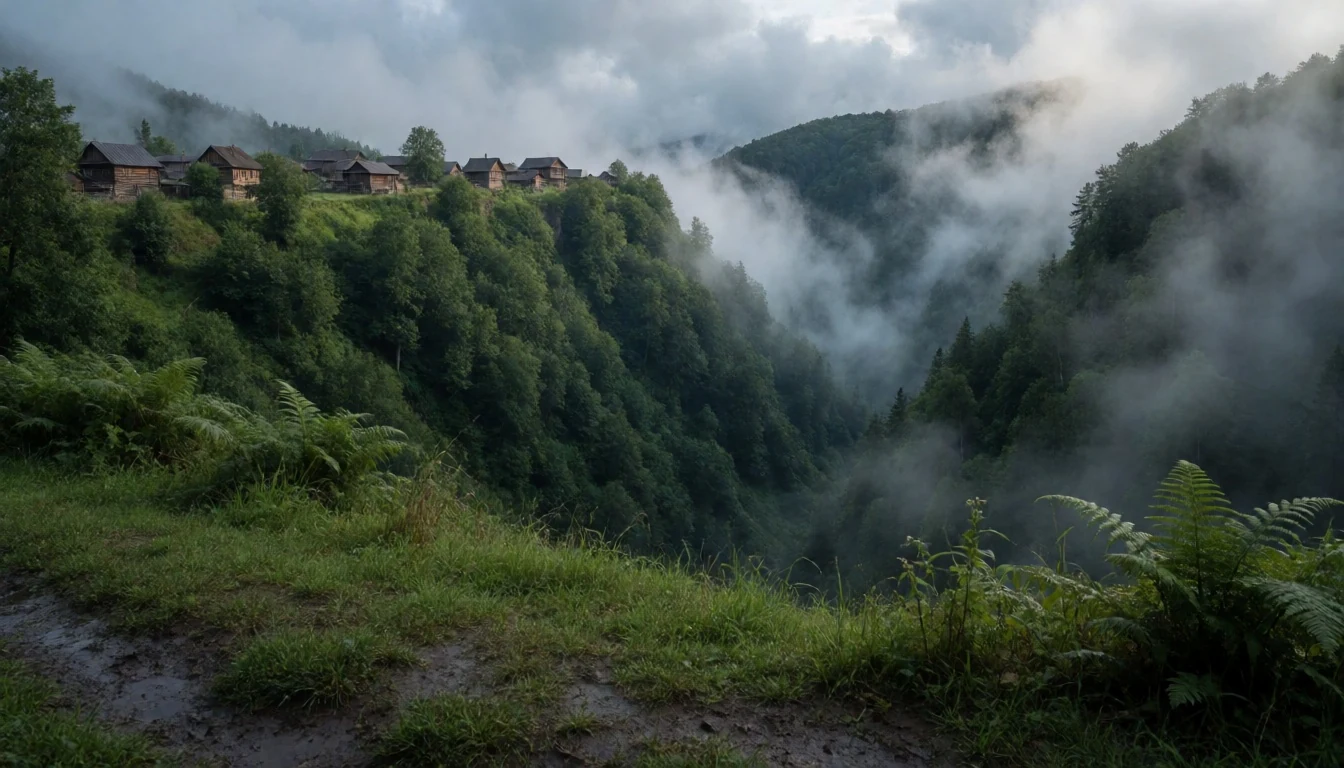
- Altıparmak Group — Eastern Kaçkar sector
This rugged sub-range features extraordinarily sharp granite needles and technical climbing routes that test experienced mountaineers. Deeply carved glacial valleys flank the peaks, hiding cascading streams, dense forests, and remote hamlets where traditional highland dialects and customs remain preserved far from major cities.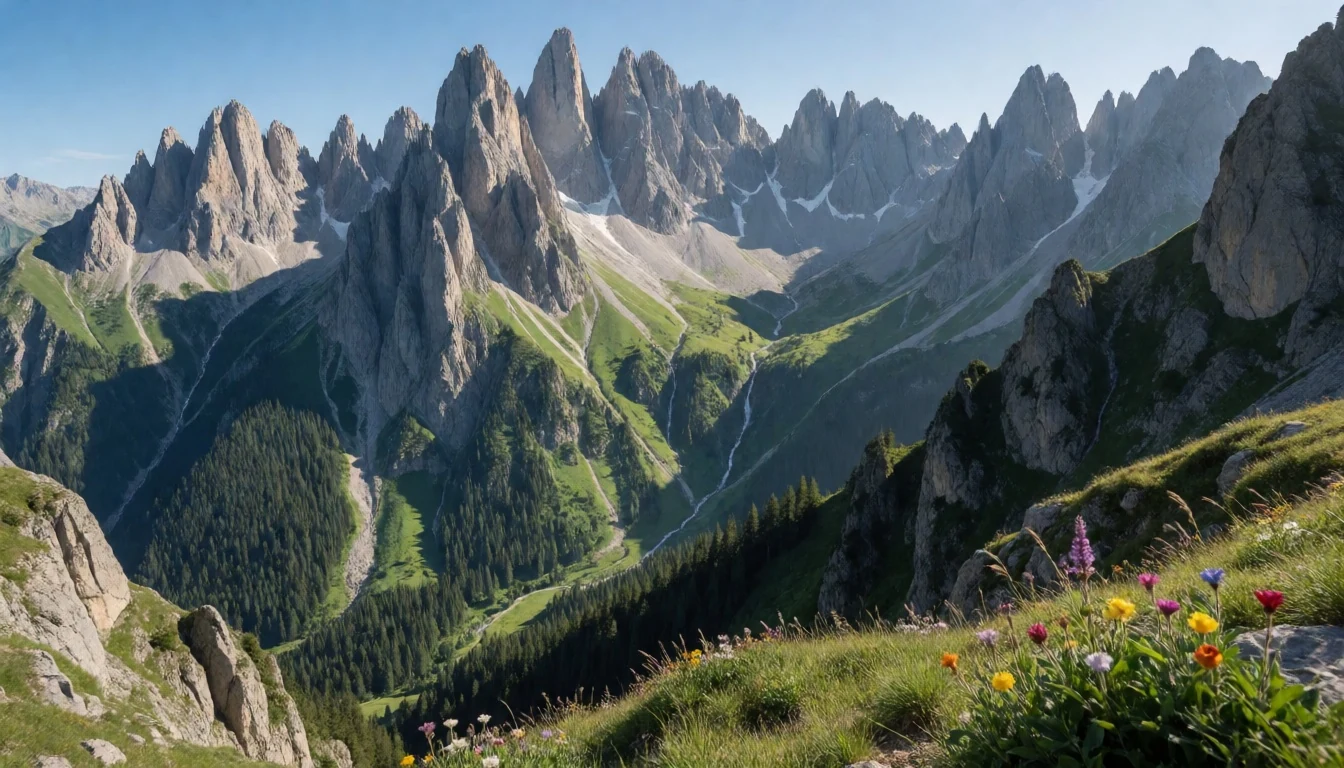
Culture
The Kaçkar Mountains are shaped by the warm, distinct hospitality of the Black Sea region, where locals are known for lively conversation, deep-rooted traditions, and immense pride in their highland heritage. Communities here are closely tied to the rhythms of agriculture and seasonal migration between coast and mountain pastures. Music and dance play an essential role in social life, often accompanied by the fast-paced tunes of the traditional Black Sea kemençe fiddle. When visiting mountain villages, hospitality is offered freely through endless glasses of black tea poured in roadside cafes or local guesthouses. Social interactions are governed by respect for elders and family structures, and guests are treated with genuine warmth and curiosity. When entering a local home or guesthouse in the Kaçkar Mountains, always remove your footwear at the doorway unless explicitly told otherwise.
What to wear
Traditional dress in the Kaçkar Mountains reflects the practical needs of a rugged, wet climate and active pastoral life. Historical highland attire featured heavy woollen trousers, knitted patterned socks, felt jackets, and traditional headscarves or wool caps designed to withstand cold mountain winds and frequent rain. While older residents in remote plateau villages occasionally wear traditional garments for daily tasks or local festivals, everyday modern dress in the region now consists of durable, practical clothing suited for farming and rural work. For visitors exploring the Kaçkar range, proper outdoor gear is essential regardless of the season. Bring sturdy, waterproof hiking boots with good ankle support, layered moisture-wicking clothing, a reliable waterproof shell jacket, and warm fleece layers because mountain weather can shift from warm sunshine to cold mist in minutes. Modesty is appreciated in rural villages, so wear comfortable trousers or long shorts and keep shoulders covered when walking through local settlements.
What to eat
- Muhlama (Kuymak) — Plateau teahouses and local guesthouses
A rich, stretchy comfort dish made by cooking cornmeal and butter with stringy local cheese until bubbling and golden. Eaten hot straight from the pan with fresh crusty bread, it is the ultimate highland energy meal found in plateau teahouses and village eateries across the region.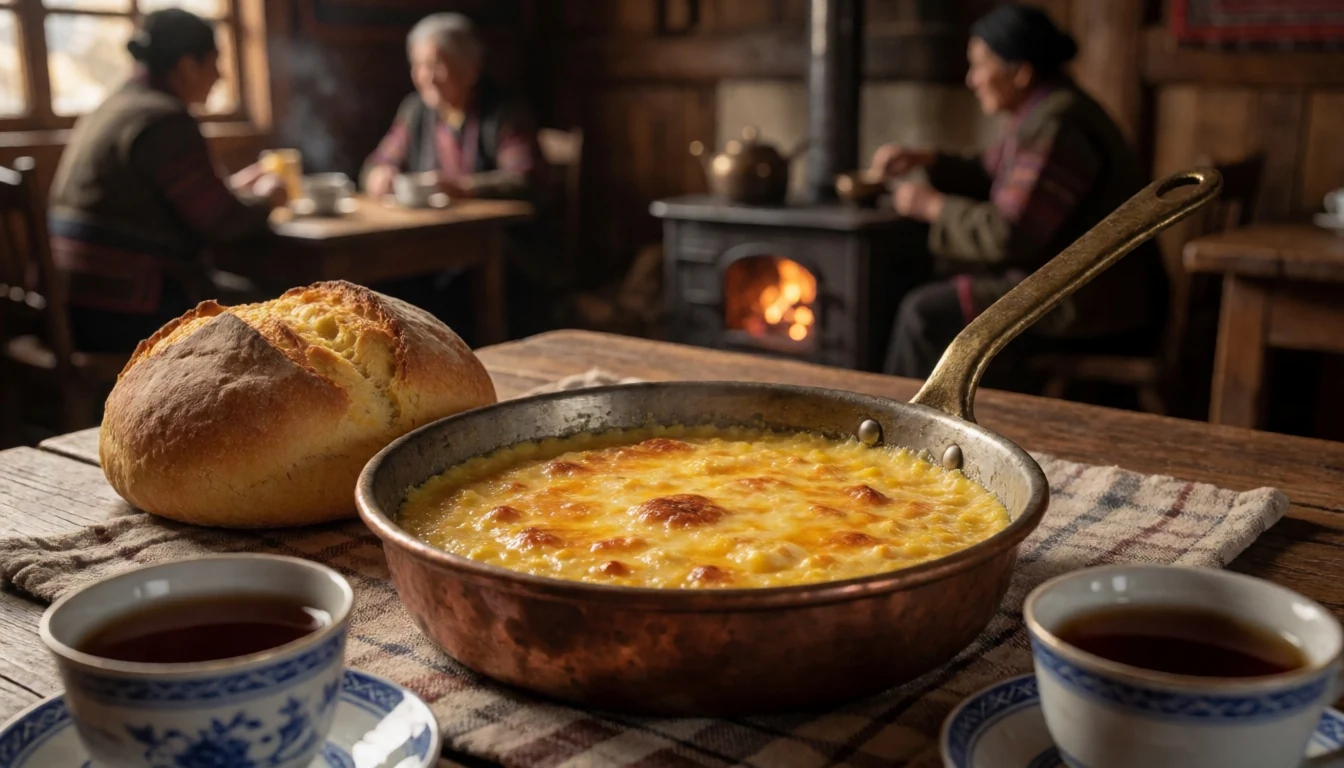
- Black Sea Anchovy Rice (Hamsili Pilav) — Coastal towns and valley restaurants
Fresh Black Sea anchovies layered carefully over spiced rice seasoned with onions, currants, pine nuts, and fresh herbs, then baked until fragrant. This classic coastal specialty bridges the gap between maritime fishing traditions and inland grain staples.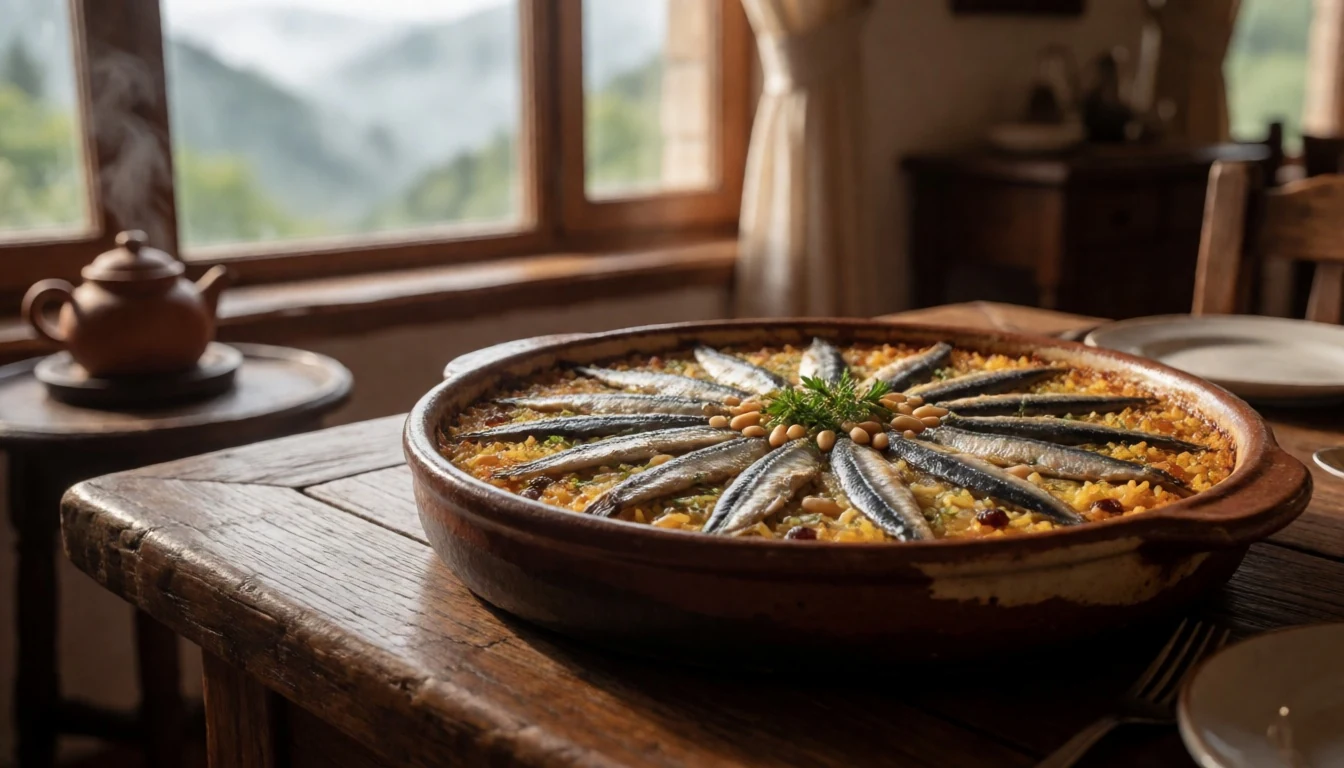
- Turkish Coffee (Türk kahvesi) — Village cafes and roadside teahouses
Finely ground coffee brewed slowly with water and sugar in a small copper pot, served piping hot in tiny cups. Savour the rich flavor and aromatic foam, but remember to leave the thick sludgy grounds settled at the bottom of the cup. - Kavurma — Local village kitchens and family-run restaurants
Tender chunks of meat slow-cooked in its own natural fat within a sealed pan, traditionally preserved for winter months. Served warm with rice or flatbread, it is deeply savory, reflecting the pastoral heritage of mountain livestock herding. - Cornbread (Laz Böreği / Mısır Ekmeği) — Mountain bakeries and village breakfast spots
Dense, golden cornbread baked fresh daily in wood-fired ovens, often served alongside warming bean stews or rich cheese dishes. Some local variations also feature sweet pastry layers filled with custard, offering a unique regional dessert experience.
Plan it
Best time. July to September offers the most reliable weather for high-altitude trekking and open mountain roads, while winter brings heavy snow suitable for ski touring.
How long. 4–6
Getting there. Fly into Trabzon or Rize-Artvin airport, then rent a car or take local shared transport up into the Çamlıhemşin valleys and base plateaus.
Budget. mid
Tips
- Pack waterproof gear and warm layers for sudden alpine storms and mountain mists
- Carry sufficient cash, as ATMs are rare once you leave coastal towns and lower valleys
- Start early in the morning to finish high-altitude treks before afternoon cloud cover rolls in
- Check local road conditions, as heavy winter snow and spring melts can block high mountain tracks
Etiquette
- Always remove your shoes when entering a traditional local home or guesthouse
- Ask permission before photographing local villagers or herders working on the plateaus
Nearby
Sources
- Wikidata Q975280 (CC0)
- Wikipedia Kaçkar Mountains (CC-BY-SA 4.0)
- Wikivoyage Turkey (CC-BY-SA 4.0)