Julian Alps
Julian Alps, Slovenia
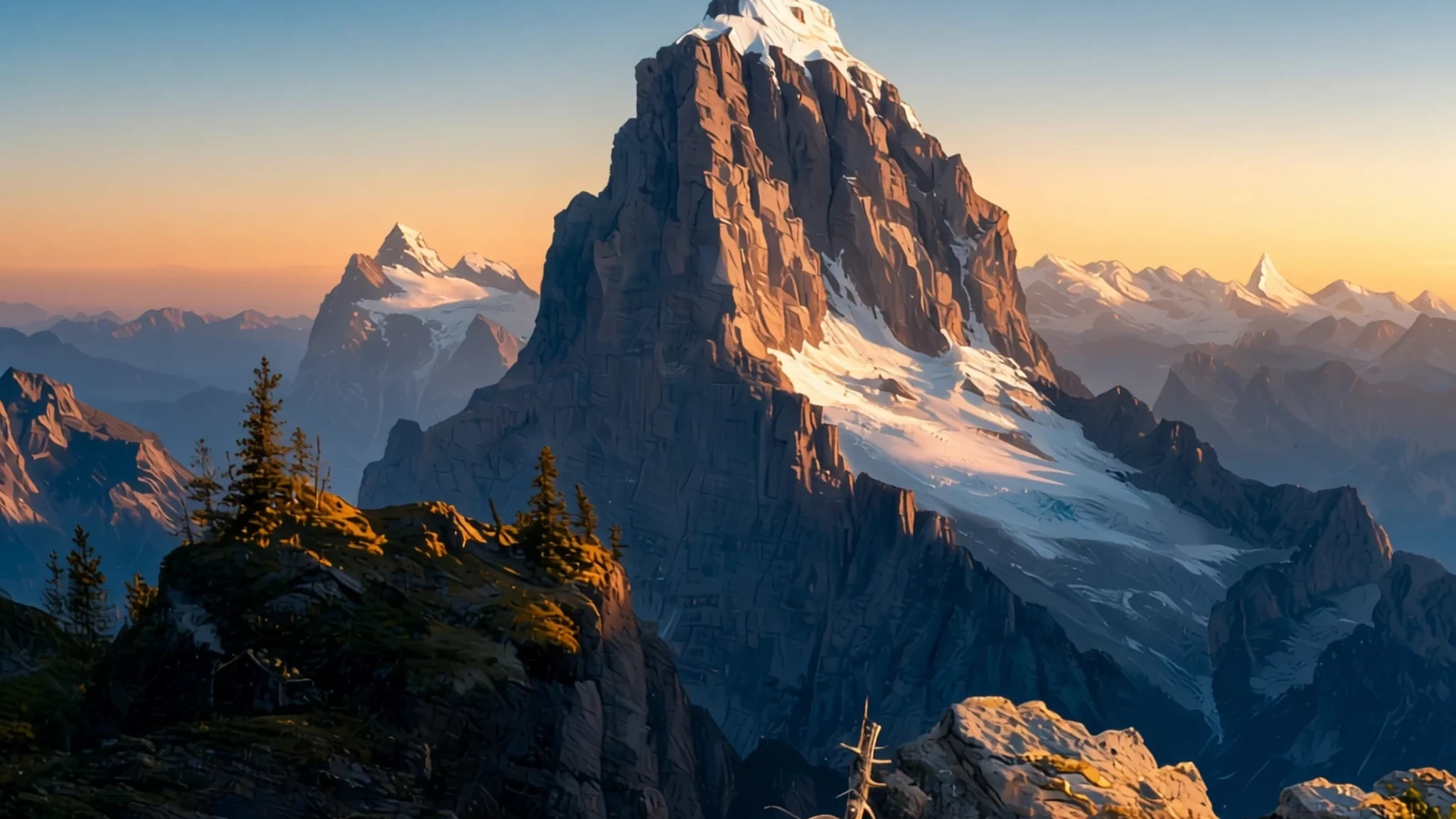
The Julian Alps offer dramatic limestone peaks, deep glacial valleys, and pristine alpine wilderness stretching across Slovenia and Italy.
The place
The Julian Alps form a magnificent mountain range belonging to the Southern Limestone Alps, stretching across the border from northeastern Italy into Slovenia. The terrain is defined by dramatic limestone ridges, steep vertical cliffs, and deep glacial valleys carved out over millennia. At the highest point stands Mount Triglav, dominating the skyline and reaching an elevation of 2,864 m as the highest peak in Slovenia. Across the international border in Italy, the second highest summit of the range is the 2,755 m high Jôf di Montasio. Geographically, the entire mountain range covers an estimated 4,400 sq km, with a significant portion of that total situated within Italian territory. The range is bounded by the Sava Valley and the Canale Valley, dividing the mountains cleanly into Eastern and Western sections. Much of the Slovenian portion is protected inside the boundaries of Triglav National Park, safeguarding rare alpine flora, crystal-clear glacial waters, and rugged wildlife habitats from heavy commercial development. Weather patterns across the peaks shift rapidly, bringing sudden summer thunderstorms and heavy winter snowfalls that transform the high passes into formidable arctic landscapes.
Its story
The Julian Alps carry a deep history shaped by centuries of European conflict, pastoral tradition, and mountaineering ambition. Named after Julius Caesar, who established a Roman prefecture in the surrounding region, these mountains have long served as a natural barrier between the Mediterranean world and Central Europe. For generations, local herdsmen drove sheep and cattle up to high-altitude pastures during the summer months, establishing stone shelters and dairy traditions that persist in remote mountain settlements today. During the First World War, the Western sectors of the range became part of the infamous Isonzo Front, where hundreds of thousands of soldiers fought brutal battles amidst freezing alpine blizzards. Remnants of military roads, supply tunnels, and fortified positions remain carved into the sheer limestone rock today, serving as solemn open-air historical markers. Mountaineering history was forever altered here in the eighteenth and nineteenth centuries, when intrepid local guides and visiting scientists first mapped the vertical rock faces and pioneered routes to the highest summits. Today, the cultural identity of the region remains a fascinating blend of Slavic, Italian, and Germanic influences, reflected in local dialects, alpine architecture, and traditional festivals celebrating the changing seasons.
What to see
- Mount Triglav — Central Triglav National Park
Rising to an elevation of 2,864 m, this three-headed limestone titan is the national symbol of Slovenia and the ultimate destination for seasoned hikers. Reaching the summit requires stamina and basic climbing gear for the final exposed ridge, but the panoramic views across the entire alpine range reward every arduous step along the rocky ascent route.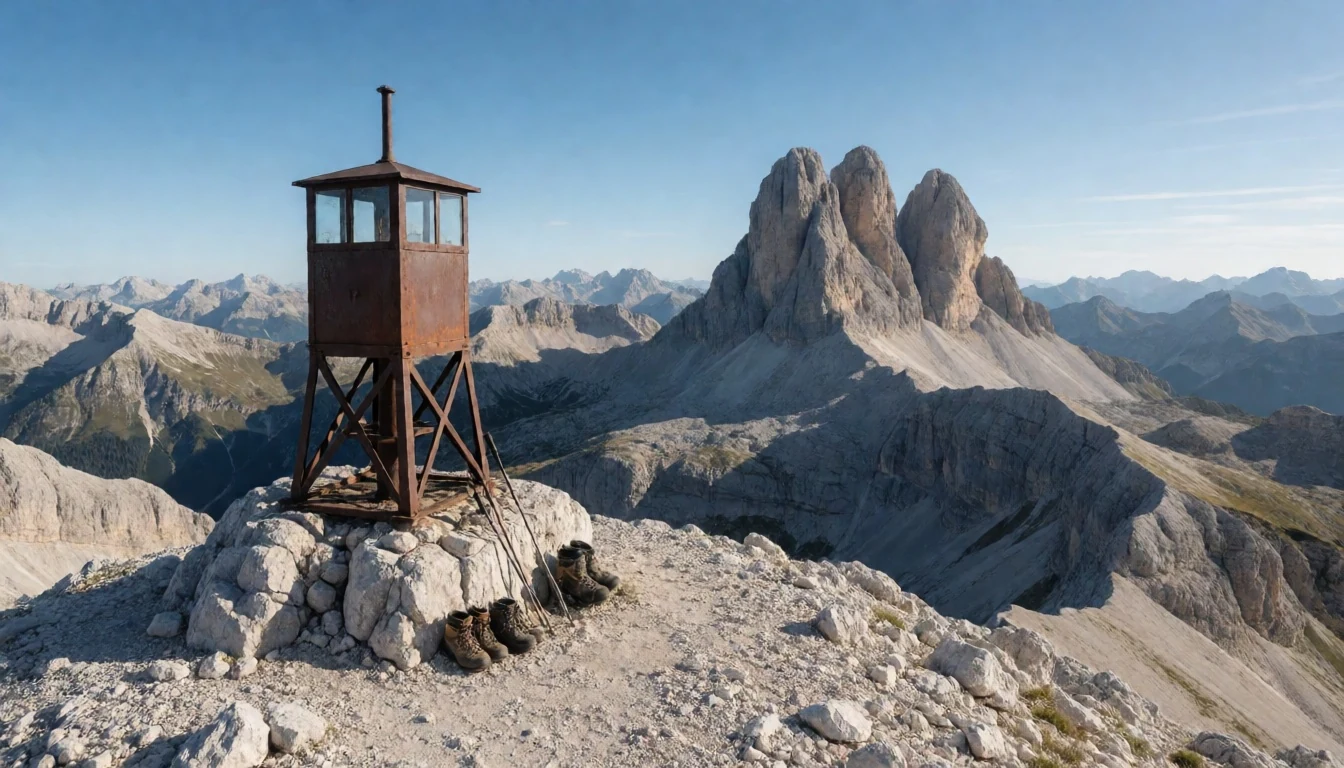
- Mangart Pass — Western Julian Alps border region
This dizzying mountain road climbs higher than any other in Slovenia, hugging sheer cliffs and crossing tunnels carved directly into the grey rock. Cyclists and drivers alike tackle the winding tarmac to reach high viewpoints where dramatic vistas unfold over plunging valleys and jagged neighbouring peaks in both Italy and Slovenia.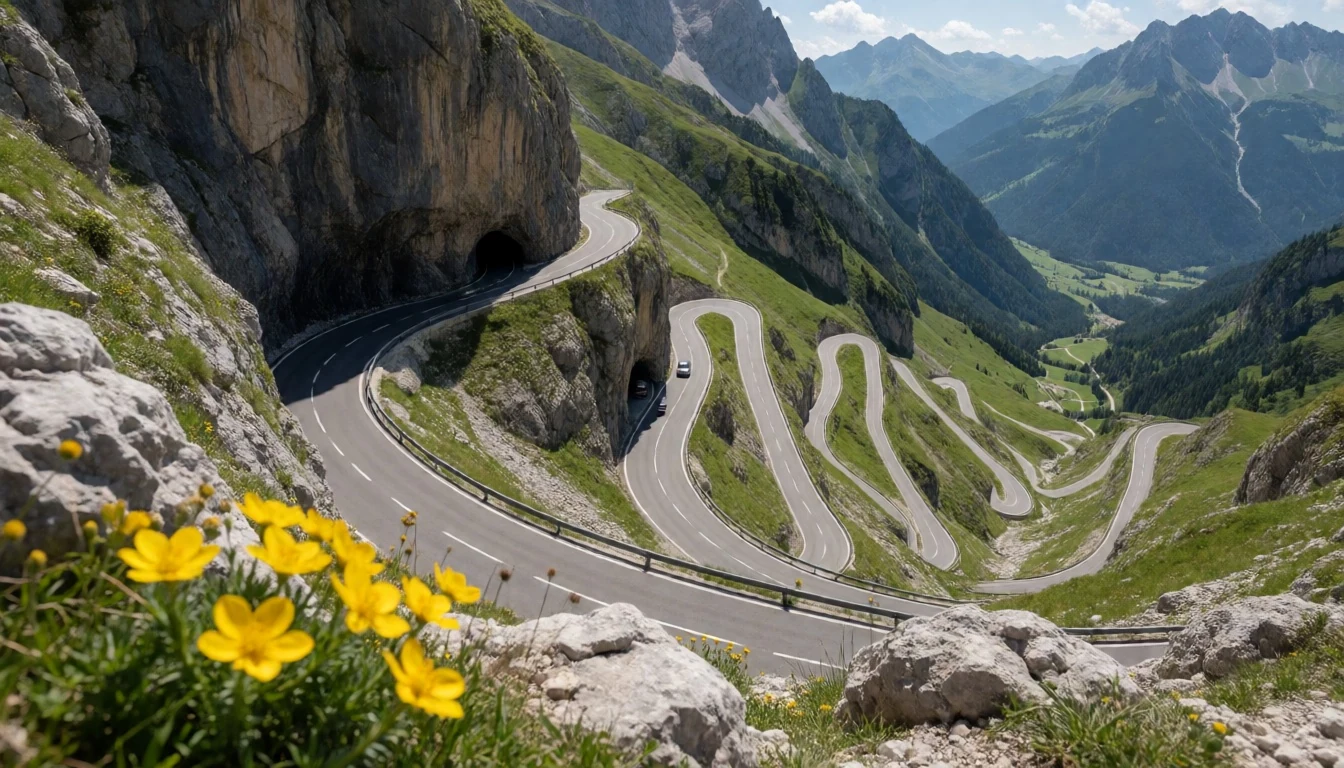
- Modeon del Montasio — Friuli-Venezia Giulia, Italy
Situated on the Italian side of the range near Cima di Terrarossa, this striking peak showcases the rugged character of the Western Julian Alps. The surrounding limestone meadows and steep scree slopes provide challenging hiking terrain, offering dramatic vistas across deep Italian valleys and distant peaks without the heavy crowds found further east.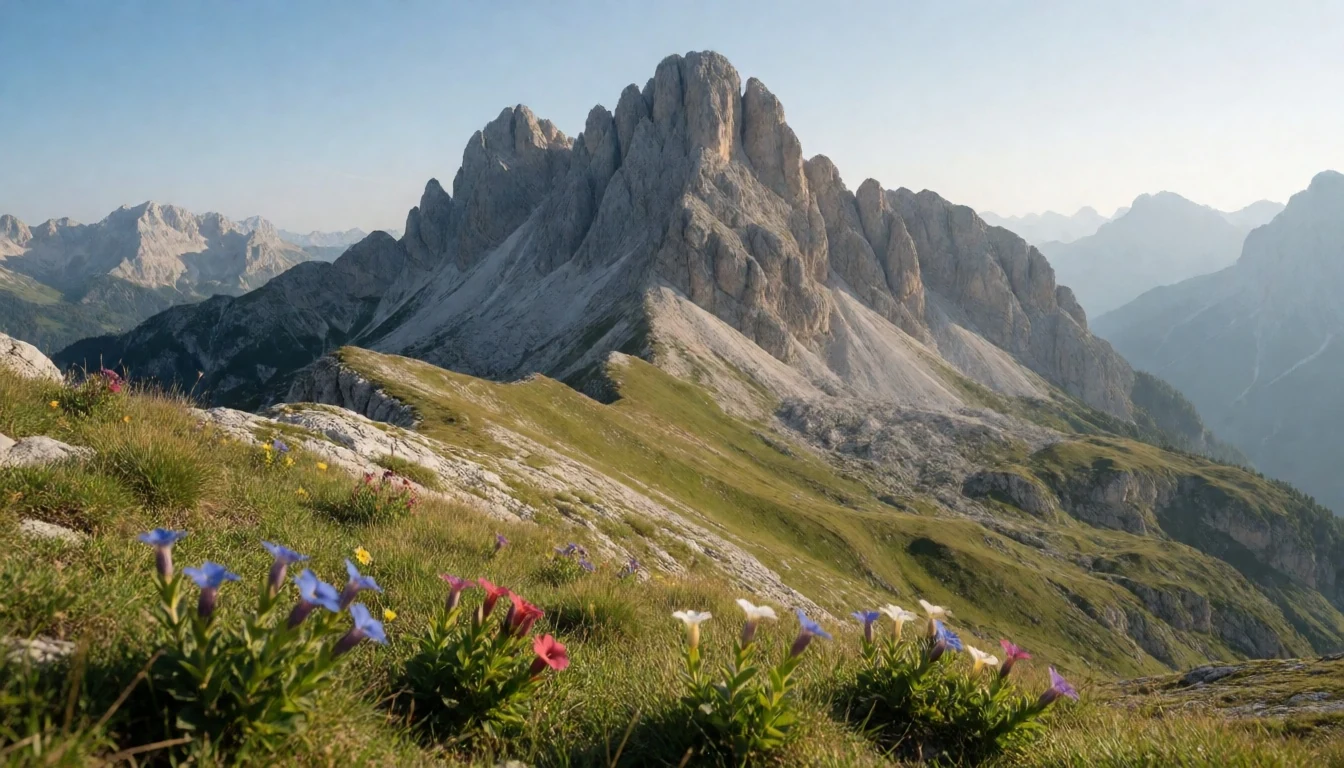
- Triglav National Park Valleys — Slovenian alpine interior
Deep glacial valleys like the Trenta and Bohinj valleys cut dramatic green ribbons through the limestone heights. Fed by turquoise rivers and underground springs, these tranquil lowlands offer gentler walking paths alongside roaring waterfalls, ancient beech forests, and crystal-clear lakes that reflect the towering mountain walls overhead.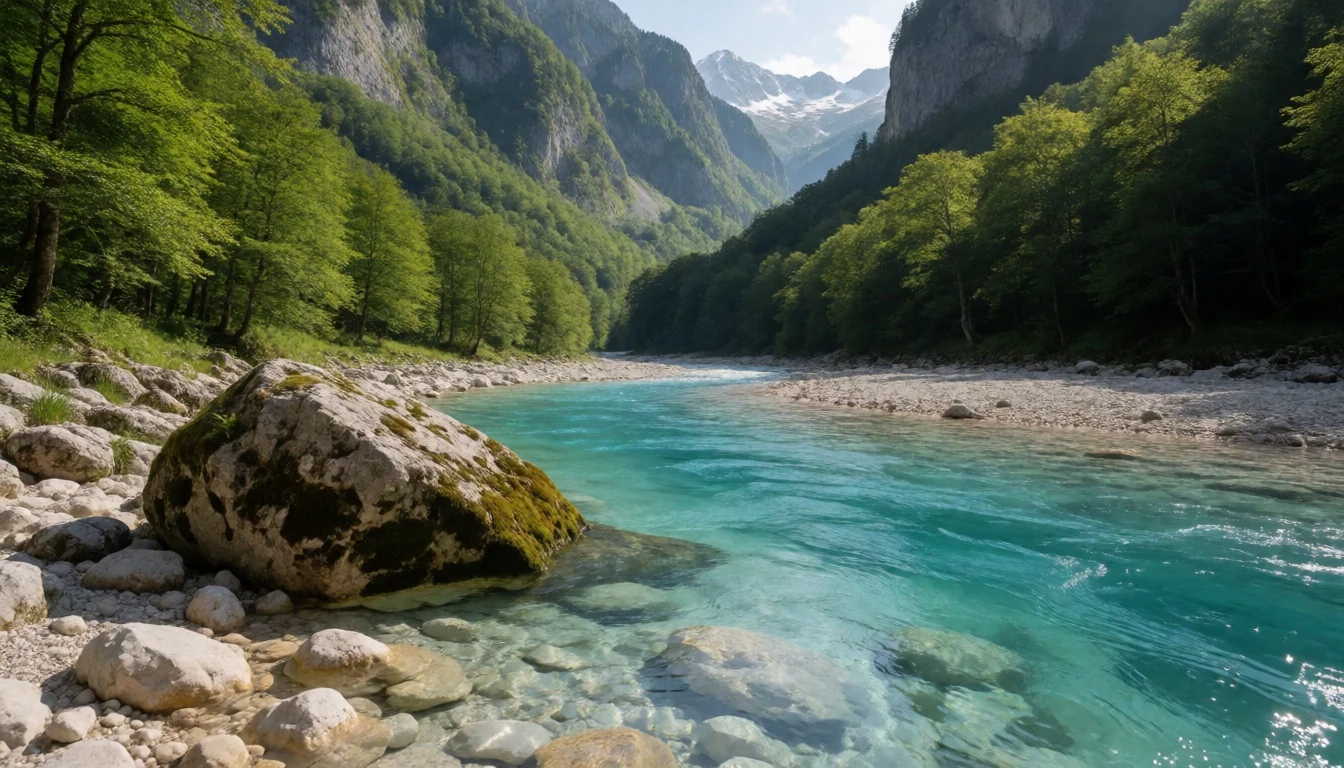
- Bled and Bohinj Glacial Lakes — Eastern foothills
Resting at the outer edge of the mountains, these iconic glacial lakes mirror the surrounding alpine ridges in their clear waters. Lake Bled features a historic island church and a clifftop castle, while the quieter Lake Bohinj lies deeper within the national park, offering pristine natural shorelines and quiet forest trails.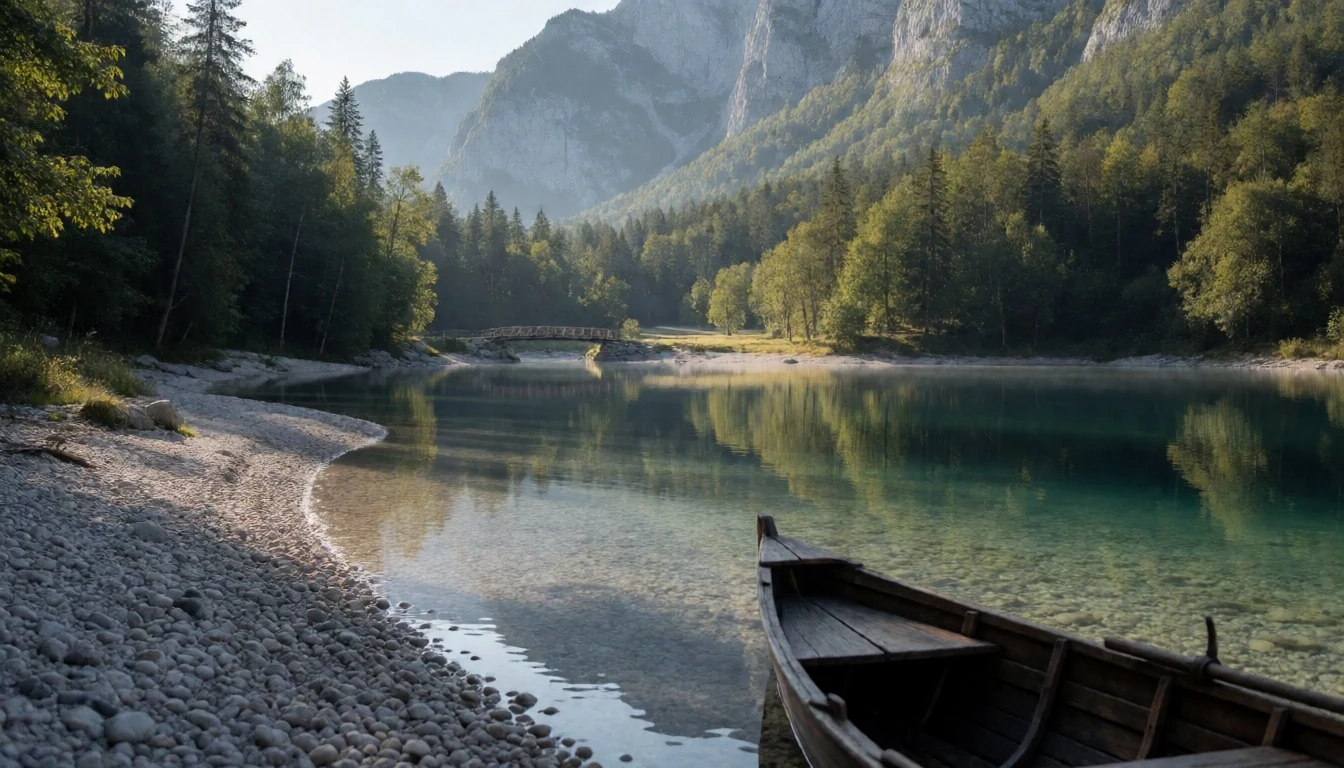
Culture
Mountain culture in the Julian Alps is deeply rooted in pastoral heritage, forestry, and a profound respect for unpredictable alpine weather. Communities across the valleys maintain distinct traditions, blending Slovenian, Italian, and Friulian customs through local folk music, woodcarving, and seasonal culinary festivals celebrating the return of livestock from high pastures. Hospitality is warm and unpretentious, with mountain hut wardens welcoming weary travellers with hearty home-cooked meals and hot tea. Traditional folklore is rich with tales of Zlatorog, a mythical golden-horned chamois said to guard hidden treasures high on the rocky crags of Mount Triglav. Craftsmanship remains alive in the villages, where artisans carve wooden household utensils and weave durable woollen textiles suited for cold winters. When visiting alpine huts or mountain villages, always greet locals with a polite 'dobro jutro' or 'buon giorno', and remove muddy boots before stepping inside sleeping quarters.
What to wear
Traditional dress in the Julian Alps reflects centuries of practical adaptation to harsh mountain winters and agrarian life. Historical garments featured thick woollen trousers, embroidered linen shirts, heavy felt jackets, and sturdy leather boots designed for rough rocky terrain. Women traditionally wore pleated skirts, intricately embroidered aprons, and traditional headscarves, with specific patterns and colours varying from one valley to the next. Today, everyday wear is entirely modern and functional, dominated by high-performance outdoor apparel, breathable fleeces, and durable hiking footwear suited for variable weather. Visitors exploring the Julian Alps should prioritise practical layers, waterproof outerwear, and broken-in hiking boots with reliable ankle support. Even in summer, mountain temperatures can plummet unexpectedly, making a warm fleece, windproof jacket, and sturdy trousers essential additions to any packing list.
What to eat
- Bovški sir — Local dairies and village markets in Bovec
A pungent, traditional raw ewe's milk cheese produced exclusively in the upper Soča Valley. The cheese develops a rich, sharp flavour from the aromatic alpine herbs grazed by local sheep across high mountain pastures. - Jota — Traditional mountain huts and valley inns
A hearty, warming stew made from sour turnips, beans, potatoes, and smoked pork, simmered slowly with garlic and paprika. This traditional dish was designed to sustain hardworking farmers and foresters through freezing alpine winters. - Kranjska klobasa — Mountain lodges and regional butcher shops
Slovenia's famous smoked pork sausage, crafted with coarsely minced pork and seasoned with garlic and pepper. It is typically served hot alongside yellow mustard, freshly grated horseradish, and crusty artisanal bread. - Bovški Krafi — Local family restaurants and village bakeries
Traditional pastry pockets filled with a sweet mixture of dried pears, walnuts, raisins, and local herbs, often topped with browned butter and breadcrumbs. These delicious dumplings represent a cherished festive treat unique to the alpine valleys.
Plan it
Best time. July to September offers clear hiking trails and open mountain huts, while June brings rushing snowmelt waterfalls and October paints the beech forests in striking golden autumn tones.
How long. 3–5
Getting there. Fly into Ljubljana Jože Pučnik Airport or Venice Marco Polo Airport, then rent a car or take regional buses and trains into the alpine valleys.
Budget. mid
Tips
- Check weather forecasts constantly as alpine storms develop with alarming speed.
- Book mountain huts well in advance if you plan to stay overnight on the ridges.
- Carry cash for smaller mountain huts that lack card payment machines.
- Start early in the morning to avoid afternoon thunderstorms on exposed peaks.
- Pack refillable water bottles, though high springs should be treated before drinking.
Etiquette
- Always yield the trail to hikers ascending steep sections.
- Take all of your rubbish with you down from the mountain ridges.
- Keep noise levels low near wildlife habitats and alpine sanctuaries.
Nearby
Sources
- Wikidata Q119206 (CC0)
- Wikipedia (CC-BY-SA 4.0)
- Wikivoyage (CC-BY-SA 4.0)
- Mangart 14 (CC BY-SA 4.0)
- Modeon del Montasio 2 (CC BY-SA 4.0)
- Triglav (CC BY 3.0)
- Alpy Julijskie z góry (CC BY 4.0)


