Jenny Lake
Jenny Lake, United States
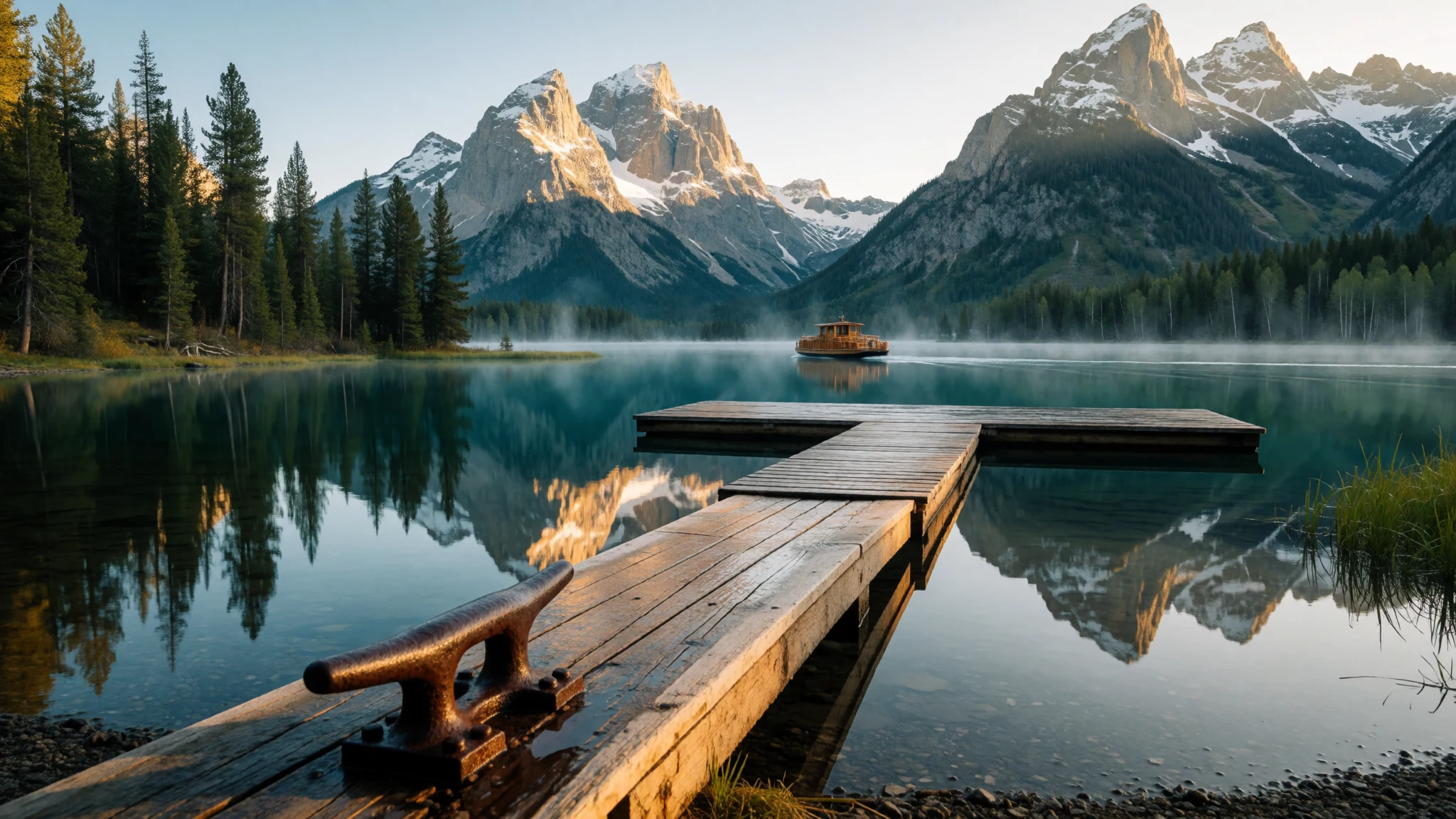
Visit Jenny Lake for pristine glacial waters, dramatic mountain vistas, and direct access to some of the finest hiking trails in the American West.
The place
Jenny Lake sits within Grand Teton National Park in the American state of Wyoming, resting high in the landscape at an elevation of two thousand sixty-nine metres above sea level. Formed by ancient ice sheets carving through solid rock and depositing terminal moraines, the water here remains remarkably clear and unblemished by industrial pollution. Surrounded by towering granite peaks and thick stands of pine and fir, the lake functions as a central hub for visitors exploring the rugged Teton range. While motorboats are permitted on these waters—a rarity in this protected national park—much of the shoreline is preserved for quiet footsteps along dirt tracks that wind through the timber and open up to expansive mountain views. The air is sharp and thin, carrying the scent of pine needles and cold stone. Weather shifts rapidly across the peaks, turning bright blue afternoons into sudden squalls, which demands respect from anyone venturing far from the visitor facilities. Despite the popularity of the main boat docks and parking areas, walking just a short distance along the perimeter trail quickly reveals quieter corners where the surface of the lake mirrors the jagged stone ridges overhead without a ripple to disturb the reflection.
Its story
The human history of Jenny Lake is intertwined with the early exploration and tragic settlement of the American West. The water takes its name from a Shoshone woman who married an English trapper and guide known locally as Beaver Dick Leigh. Living among the valleys and rivers of the Teton region during the nineteenth century, the family navigated the harsh realities of frontier life before a devastating smallpox outbreak swept through the encampments in eighteen seventy-six, claiming the lives of Jenny and her six children. Their story reflects the wider social shifts of the era, as indigenous communities and early European arrivals crossed paths in an unforgiving landscape long before federal protections turned these valleys into a national park. Decades later, the establishment of the park preserved these shores from heavy commercial development, safeguarding the glacial basin while welcoming travellers eager to experience the remote wilderness. Today, walking the pine-needle paths around the water offers a quiet connection to those early frontier days, reminding visitors of the resilience required to survive in such a dramatic mountain environment.
What to see
- Cascade Canyon Trail
Rising steeply from the western shore of Jenny Lake, this iconic route leads hikers into a massive glacial carved gorge framed by towering granite summits. The path climbs steadily alongside rushing mountain streams, offering exceptional opportunities to spot wildlife such as mule deer, moose, and alpine birds amidst thick evergreen forests.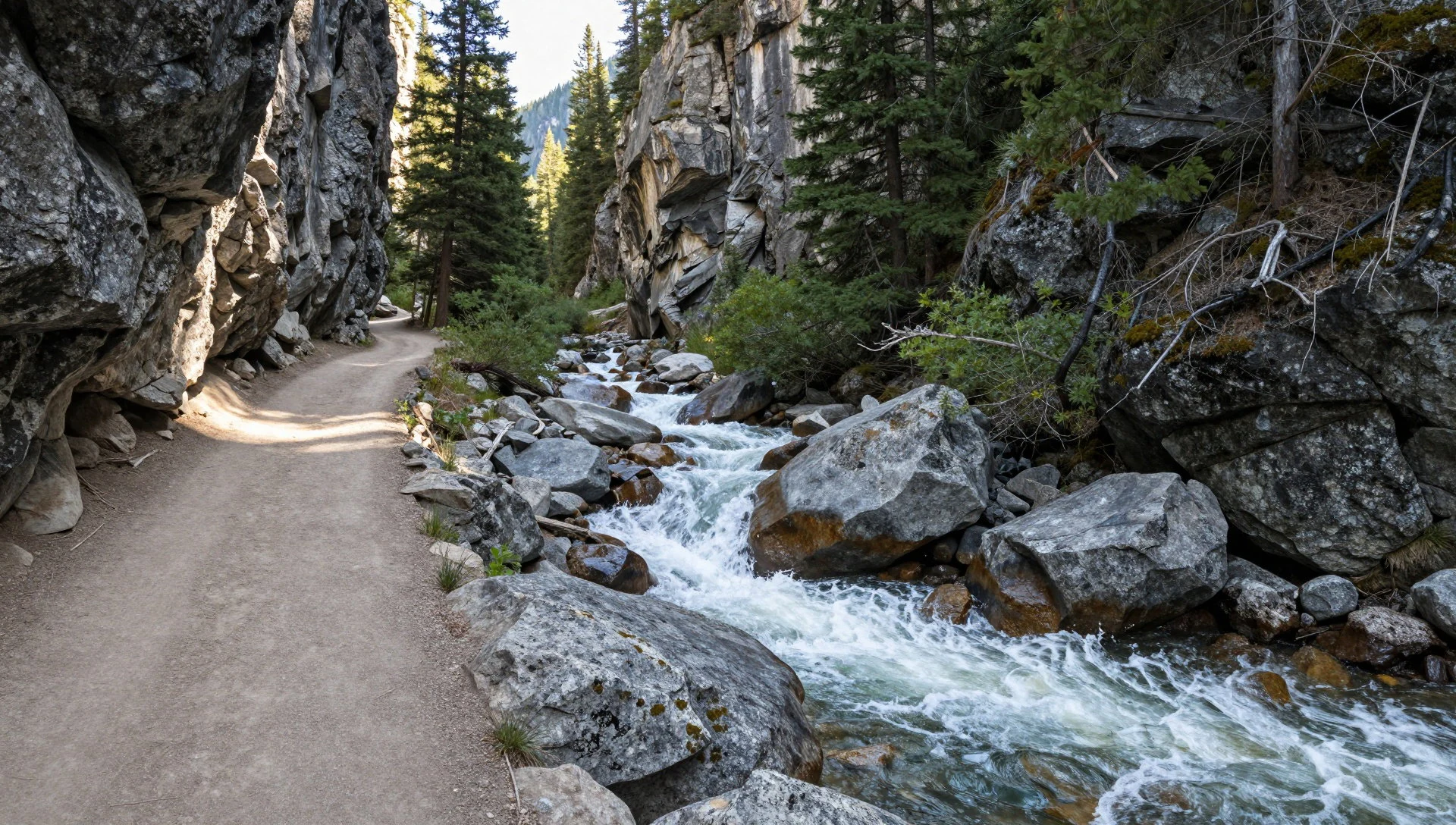
- Jenny Lake Scenic Boat Ride
Operating across the surface of the lake, the historic shuttle service transports passengers from the east visitor hub directly to the western shore trailheads. Gliding across the cold water provides uninterrupted views of Mount Owen and Mount St John reflected across the glassy surface while bypassing a section of the perimeter walk.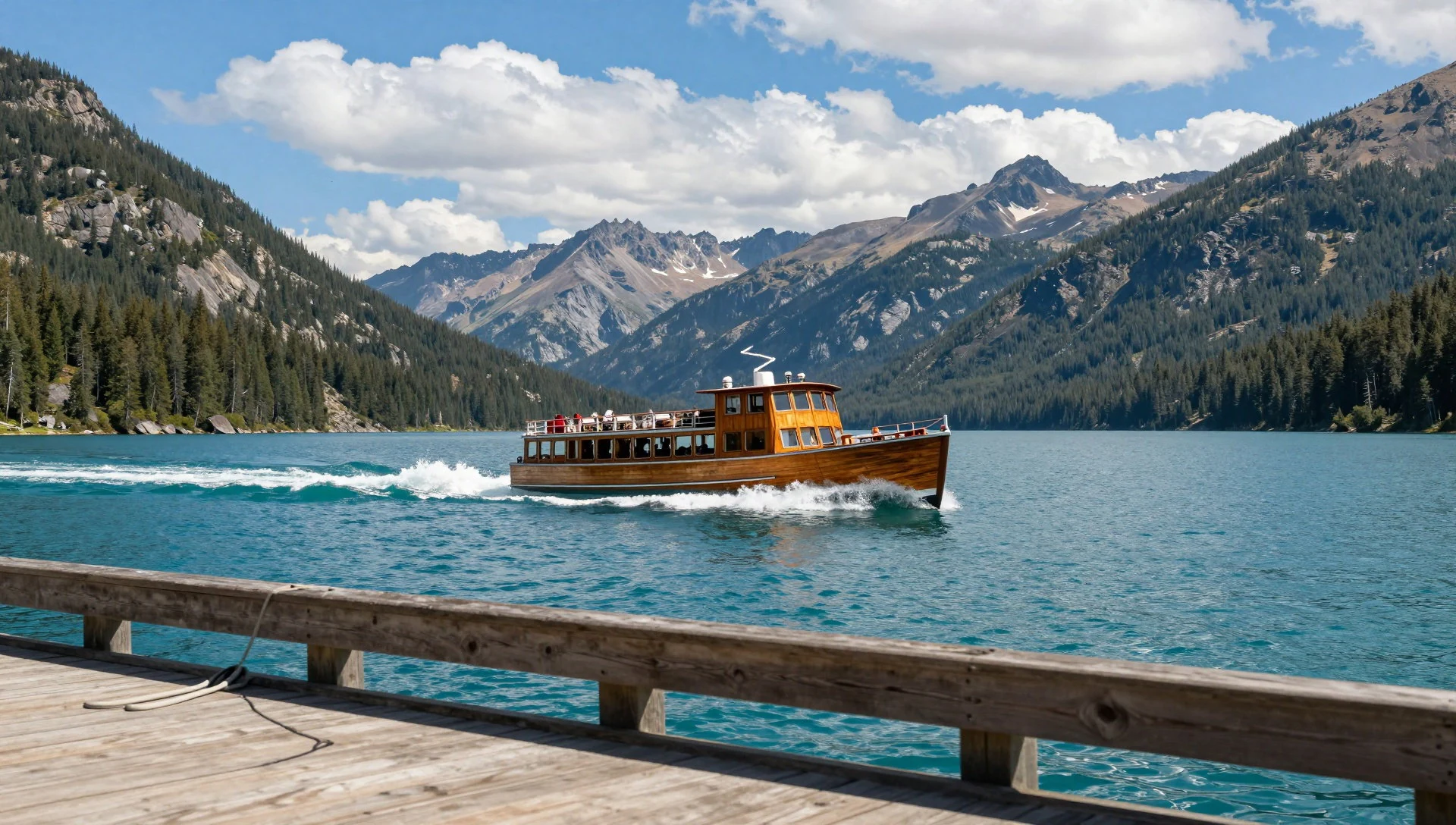
- Inspiration Point
Perched high above the water on the western slopes, this rocky overlook rewards steady climbers with a sweeping panorama looking back across the entire expanse of the lake and the Jackson Hole valley beyond. The viewpoint serves as a natural turning point for day walkers before trails push deeper into the high alpine wilderness.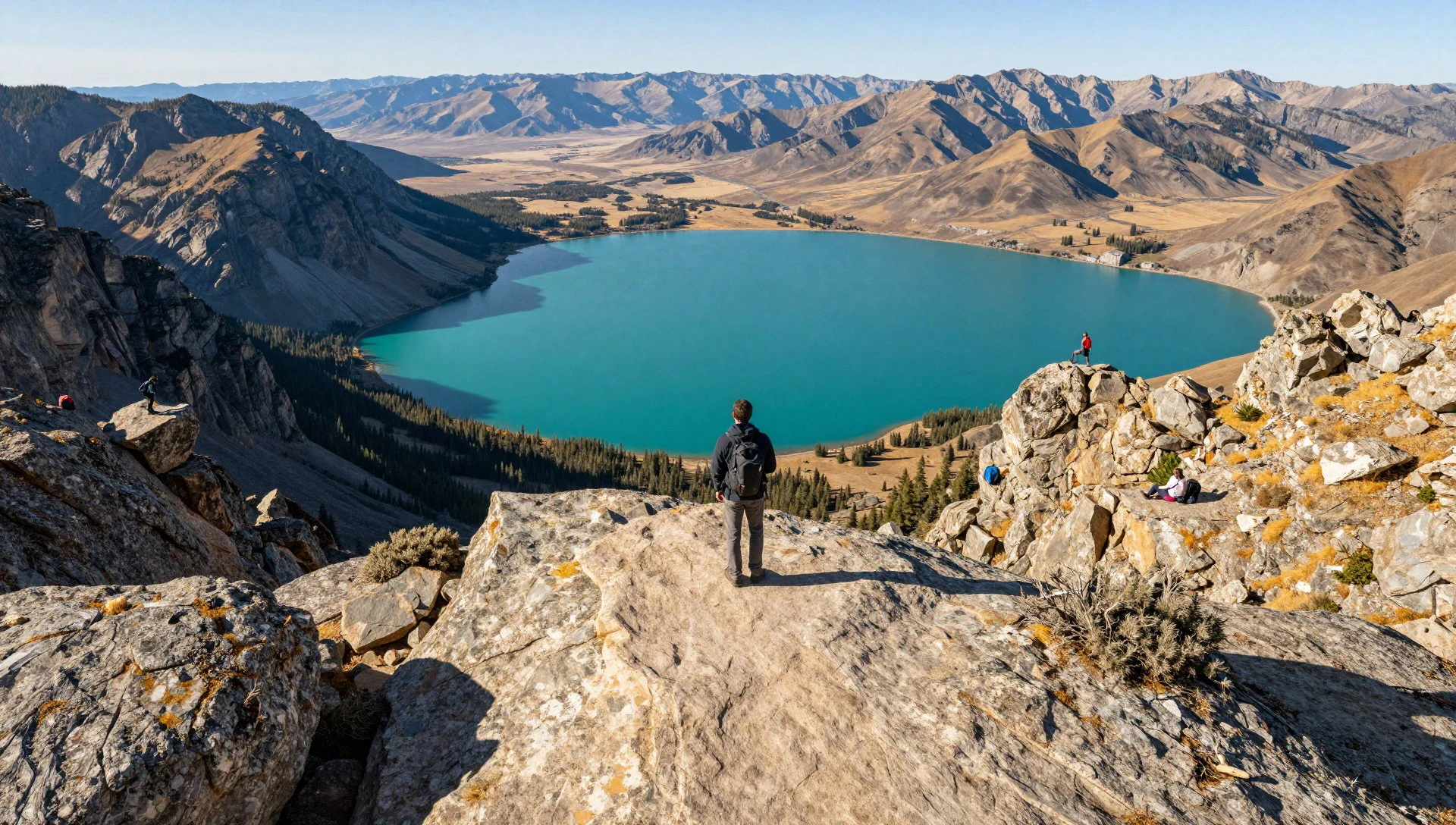
- Bear River State Park
Located within the wider state network, this protected green space features picnic areas, a visitor information hub, and a resident herd of bison and elk. Visitors can stretch their legs along miles of dirt and paved pathways that wind through riverside cottonwoods and open grassy benchlands.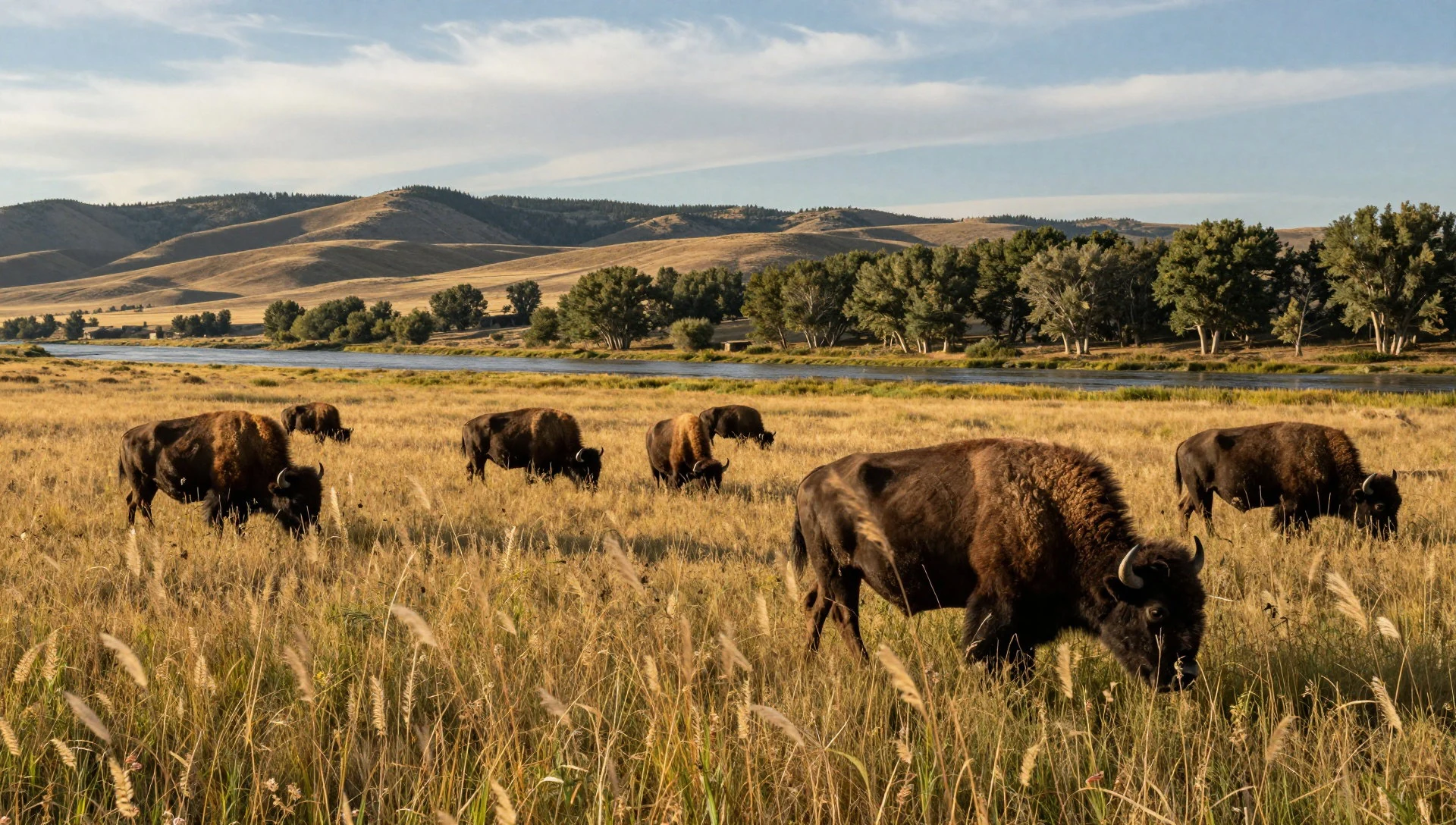
- Hot Springs State Park
Built around a massive, continuously flowing mineral hot spring, this historic park offers structured bathing facilities and scenic river walks. Terraced mineral formations create colourful mineral deposits where warm water cascades toward the river below, providing a relaxing contrast to the high mountain chill of the northern ranges.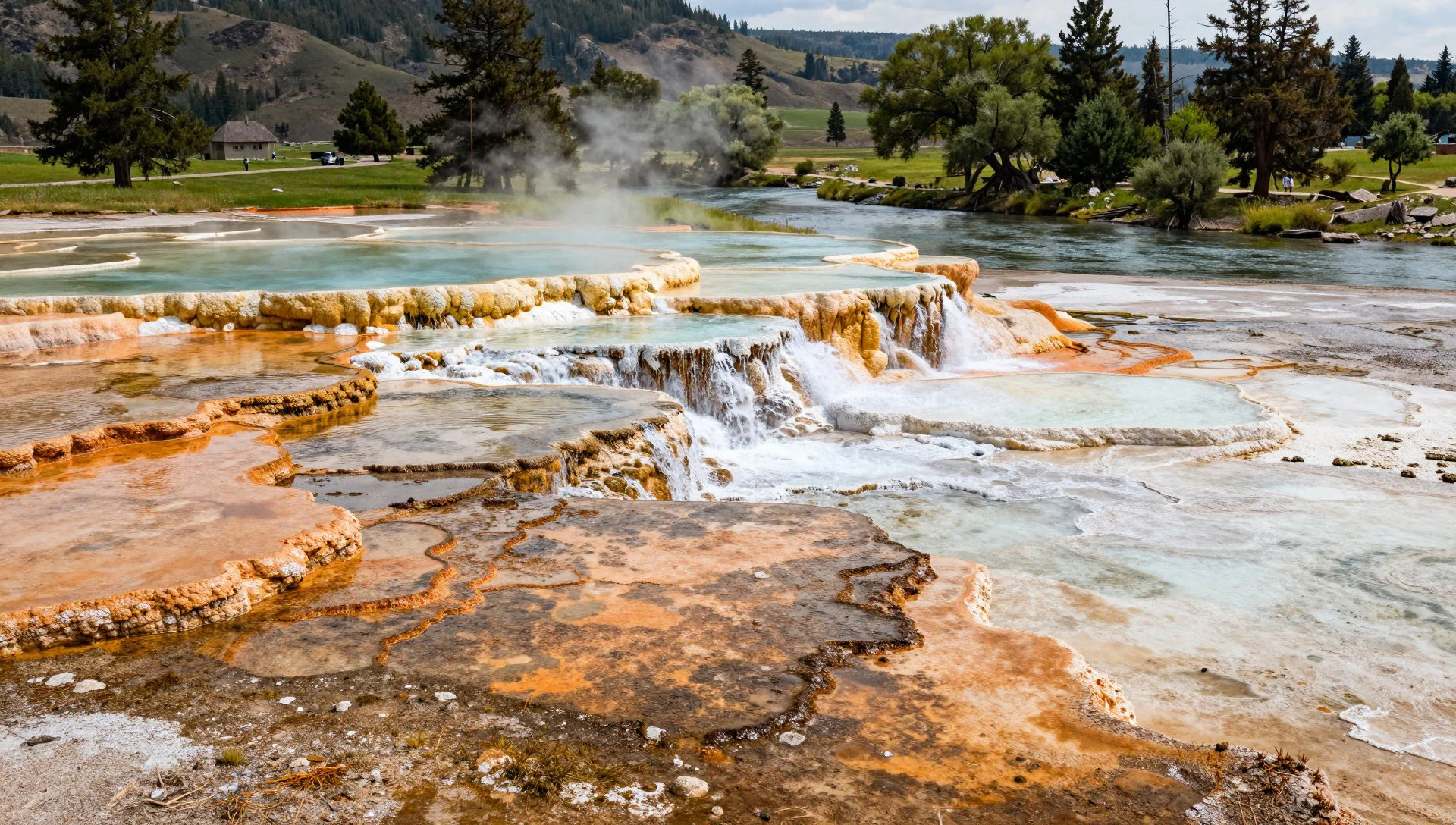
Culture
Local culture in the Wyoming high country is rooted in self-reliance, outdoor stewardship, and a deep respect for the natural environment. Communities across the region value quiet hospitality, straightforward manners, and an unpretentious approach to daily life. Traditional ways of the American West—such as ranching, guiding, and wildlife conservation—continue to shape the social fabric, even as tourism brings visitors from across the globe. Locals are fiercely proud of their pristine landscapes and expect travellers to treat the public lands with care, packing out all rubbish and respecting wildlife distances. Social gatherings often revolve around communal meals, local craft breweries, and seasonal celebrations in nearby mountain towns like Jackson. While the atmosphere is warm and welcoming, weather and wilderness hazards demand vigilance, fostering a culture of mutual aid where strangers on a trail will readily stop to share weather warnings or route advice. Always give wildlife plenty of space and never approach or feed any wild animals you encounter on the trails.
What to wear
Traditional clothing in Wyoming reflects its ranching heritage, favouring durable denim jeans, heavy cotton plaid shirts, leather belts with stamped metal buckles, and sturdy leather cowboy boots designed for stirrups and rugged ground. Wide-brimmed felt or straw hats are common sights, offering protection from the intense high-altitude sun and sudden rain showers. Modern residents and locals working in the mountain corridors continue to wear practical western wear mixed with contemporary outdoor gear, such as fleece jackets, insulated vests, and durable canvas trousers. For visitors exploring Jenny Lake and the surrounding Teton trails, fashion is entirely functional. The key is layering: lightweight moisture-wicking base layers combined with a fleece pullover and a windproof, waterproof shell jacket to cope with rapid weather changes. Sturdy, broken-in hiking boots with good ankle support are essential for navigating rocky paths and uneven terrain, while a hat, sunglasses, and high-factor sunscreen are non-negotiable accessories given the strong ultraviolet exposure at high elevations.
What to eat
- Mountain Game Steak — Any traditional steakhouse in Jackson or nearby mountain towns
Hearty cuts of locally sourced elk or bison, typically grilled over an open flame and served with roasted root vegetables and berry reductions. These lean meats are a staple of upscale steakhouses and traditional rustic lodges throughout the mountain region.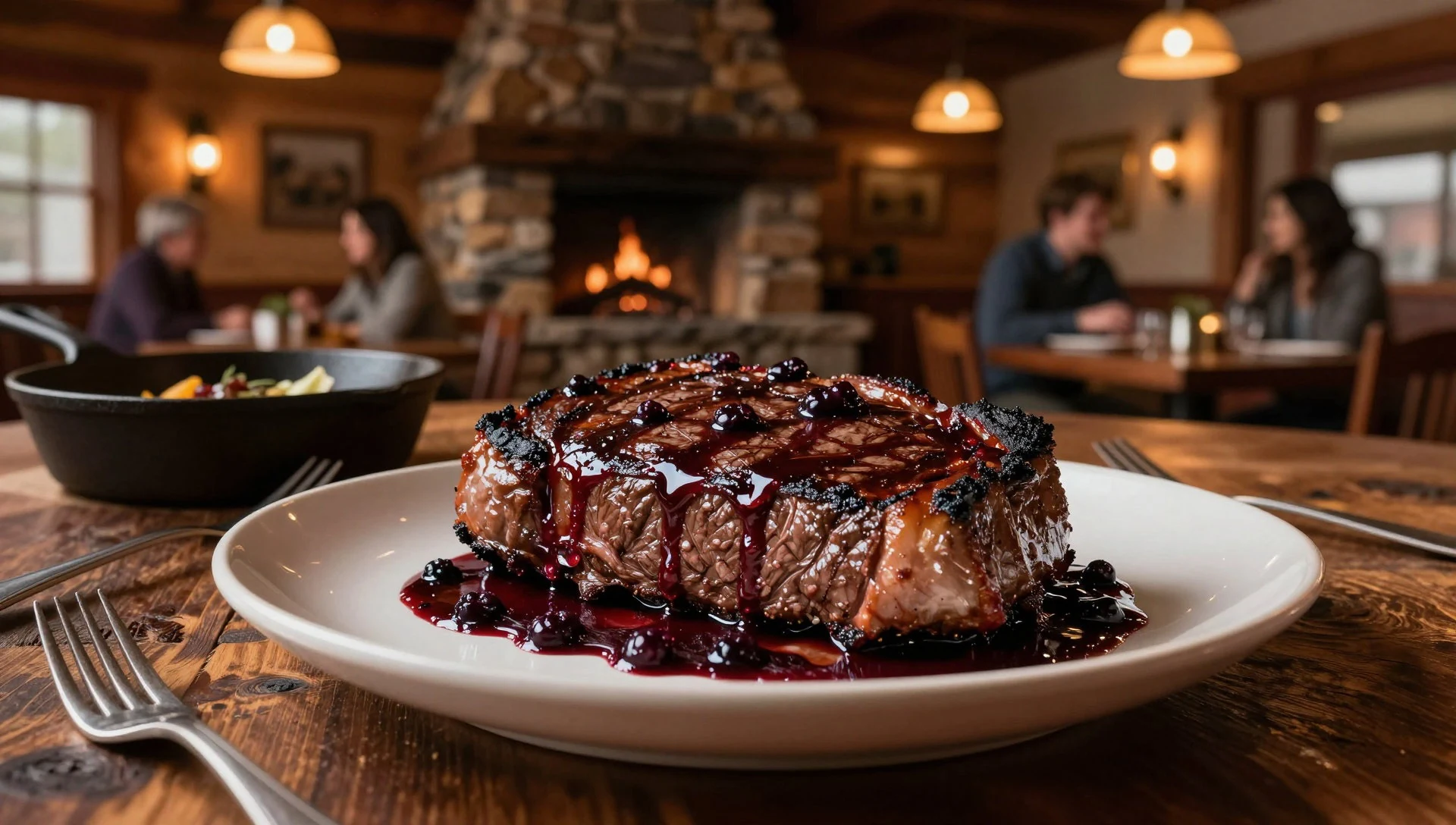
- Cowboy Chili — Local saloons and casual diners across Wyoming
A thick, warming stew made with minced beef or game, kidney beans, tomatoes, and a robust blend of chilli spices, often topped with grated cheddar cheese and served with thick cornbread. It is designed to restore energy after a long day of hiking in cold mountain air.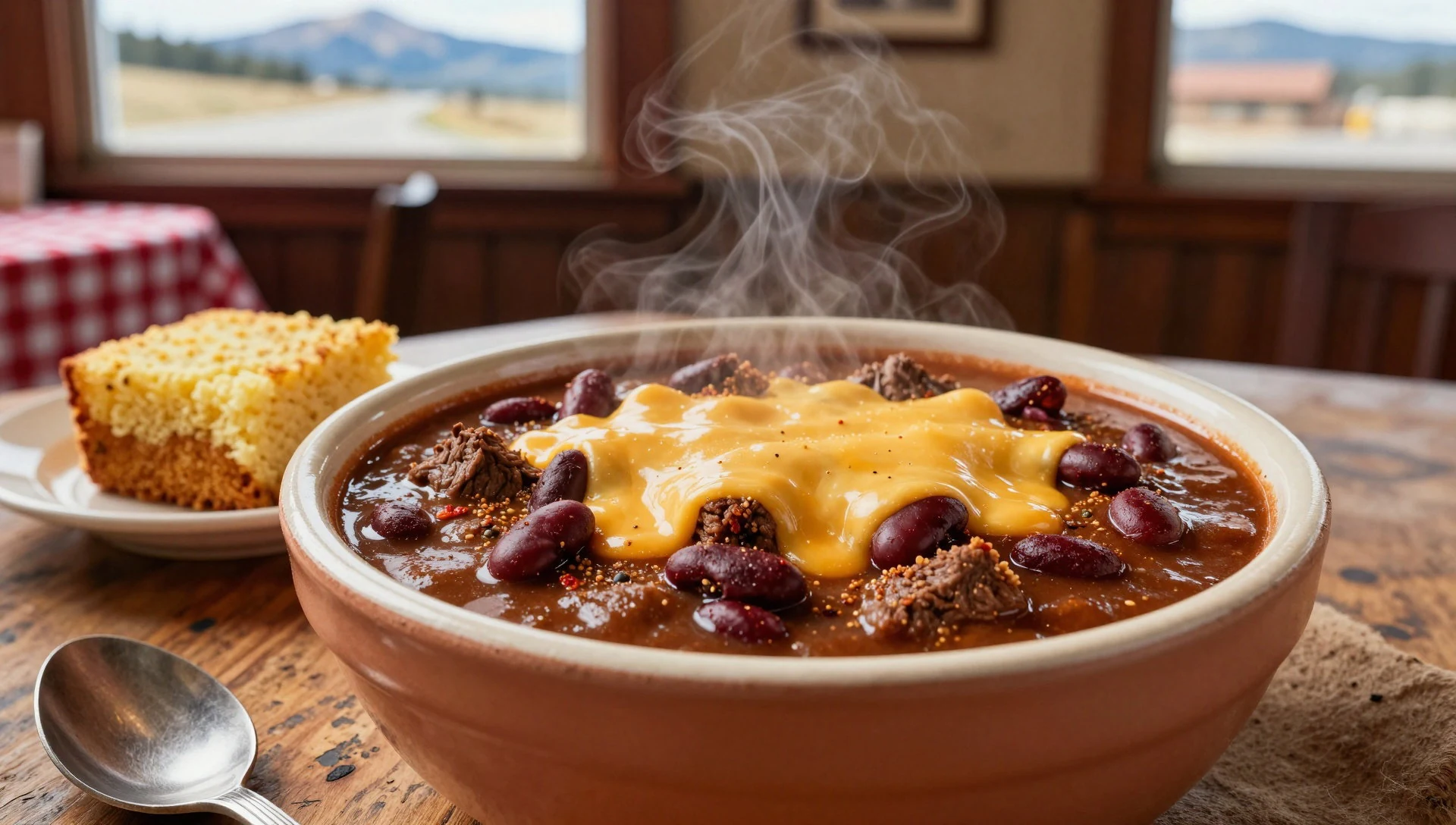
- Fresh Rocky Mountain Trout — Lakeside dining rooms and regional seafood eateries
Pristine freshwater trout caught in local rivers and lakes, usually pan-fried with garlic butter, lemon, and herbs. The fish has a delicate flavour that pairs well with simple side dishes of potatoes and seasonal greens. - Bison Burger — Casual cafes and roadside grills near park entrances
A lean alternative to standard beef burgers, featuring a rich, slightly sweet patty grilled and served on a toasted brioche bun with lettuce, tomato, and regional cheese. It is a popular, satisfying midday meal found in casual roadside diners and park cafes. - Huckleberry Pie — Local bakeries and family-owned cafes throughout Teton County
A sweet, tart pastry filled with wild mountain huckleberries picked from the surrounding forests during the short summer season. The vibrant purple berries offer a unique, intense flavour that makes this dessert a beloved regional tradition.
Plan it
Best time. July to August offers warm daytime weather and fully open mountain trails, though September brings cooler autumn temperatures and golden foliage with fewer crowds.
How long. 2–3
Getting there. Fly into Jackson Hole Airport, then rent a car or take a shuttle service north toward Grand Teton National Park and the Jenny Lake entrance.
Budget. mid
Tips
- Arrive before 8 am to secure a parking space at the main visitor hub
- Keep your vehicle's fuel tank full as distances between remote towns are vast
- Carry bear spray and know how to use it properly on all hiking trails
- Bring layers and waterproof gear as mountain weather changes without warning
- Pack out all litter to help keep the park's glacial waters pristine
Etiquette
- Maintain a safe distance of at least 100 metres from bears and wolves
- Never leave your vehicle if stranded in severe winter weather on regional highways
Nearby
Sources
- Wikidata Q743054 (CC0)
- Wikipedia (rev 1366033848) (CC BY-SA 4.0)
- Wikivoyage (rev 5259374) (CC BY-SA 4.0)