Jeju Island
Jeju Island, South Korea
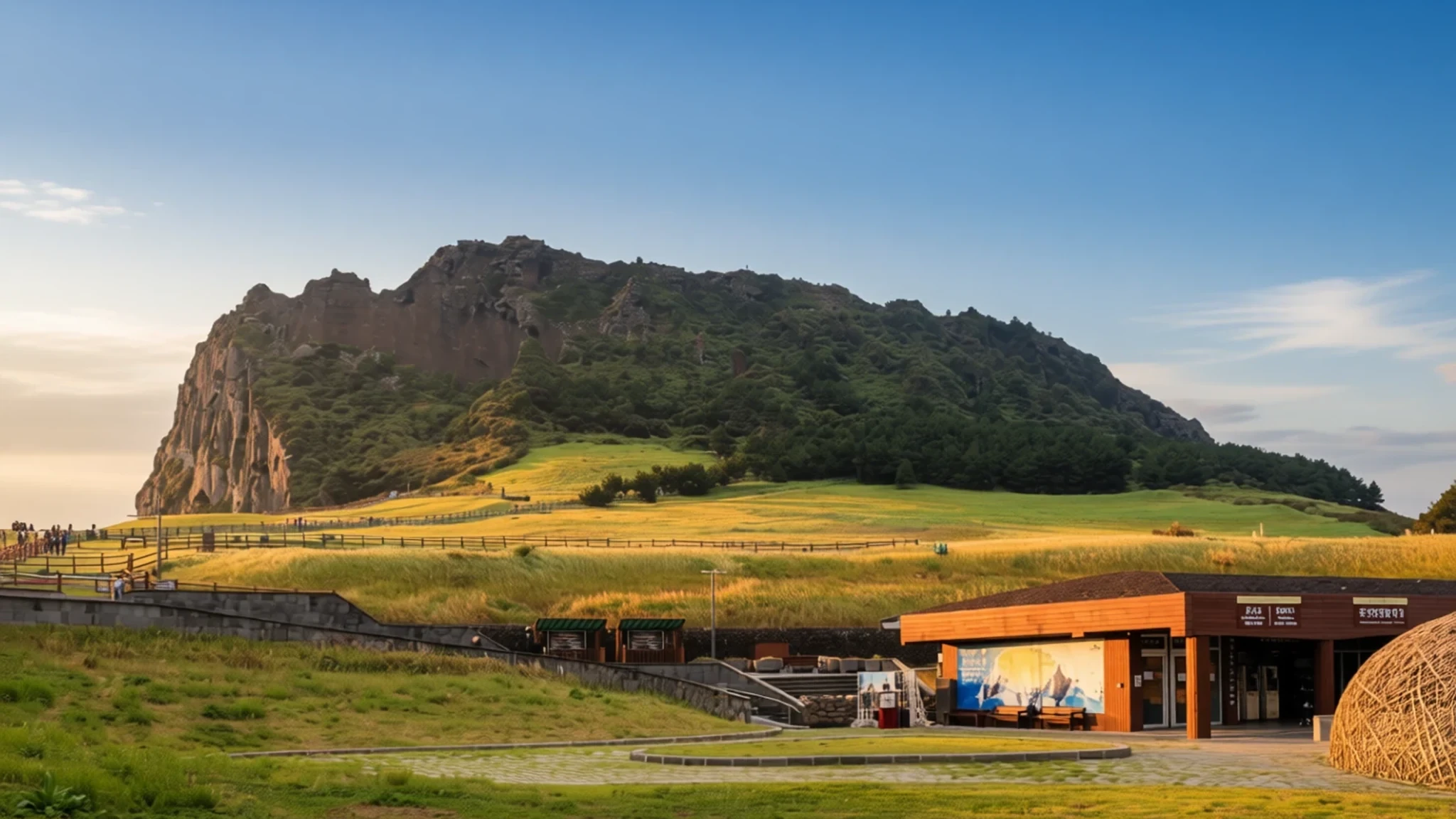
Jeju Island offers dramatic volcanic landscapes, subtropical coastal paths, and an indigenous island culture distinct from the Korean mainland.
The place
Jeju Island sits in the Korea Strait south of the Korean Peninsula, forming the core of South Korea's southernmost province. Shaped roughly like an oval, the island rises gently toward a central volcanic peak and features a varied coastline marked by cliffs, beaches, and hidden coves. The local population of roughly half a million residents shares the space with millions of visitors who arrive annually via one of the world's busiest air corridors. Formed millions of years ago by submarine volcanic activity, the terrain is defined by porous basalt rock, subterranean lava tubes, and dense pockets of evergreen forest that thrive across the undulating hills. Because the central mountain shields the southern shore from cold continental winds, weather patterns vary noticeably between the colder northern coast and the more sheltered southern shore, where milder winter conditions prevail. The surrounding seas influence the local way of life, shaping an economy historically rooted in fishing, agriculture, and coastal gathering traditions alongside modern tourism. Away from the main urban settlements, rural roads wind past stone walls, tangerine orchards, and small farming villages that maintain a slower, quieter pace of life. The island's geological features are protected within designated natural heritage zones, preserving the raw, untamed character of the landscape against the pressures of rapid coastal development and heavy visitor numbers.
Its story
Over the centuries, Jeju Island has been known by many different names, reflecting the shifting perspectives of mainland rulers, Chinese chroniclers, and European navigators. Ancient historical records and maritime maps referred to the territory variously as Tamna, Juho, and Tammora, often noting its remote position and fiercely independent character. Early European sailors who encountered the island in the seventeenth century recorded it under names derived from Dutch and Portuguese charts, most notably Quelpart or Quelpaert, a term that likely linked the island's silhouette to a small class of dispatch vessels common at the time. Portuguese explorers initially marked the shores on their charts with titles suggesting distant isolation and maritime peril. Before modern administrative boundaries were established, the territory functioned semi-independently as a maritime kingdom with its own distinct customs, governance, and trade networks connecting the Korean peninsula with Japan and China. The island eventually came under stricter central control during periods of peninsular unification and subsequent Japanese colonial occupation, when it was designated by a different regional name. Throughout these political transitions, the local population preserved distinct linguistic patterns, domestic architecture, and spiritual traditions, including a deeply rooted indigenous shamanism that survived alongside later religious influences. Today, these historical layers persist in local folklore, stone guardian statues carved from porous volcanic rock, and community rituals tied closely to the rhythms of the surrounding sea.
What to see
- Jeju Volcanic Island and Lava Tubes — Island-wide
This protected natural region showcases the island's fiery origins through extensive underground cave systems, hardened lava flows, and rare geological formations created millions of years ago. Walking through these subterranean chambers reveals striking mineral textures, ancient stalactites, and massive stone pillars carved by cooling magma streams.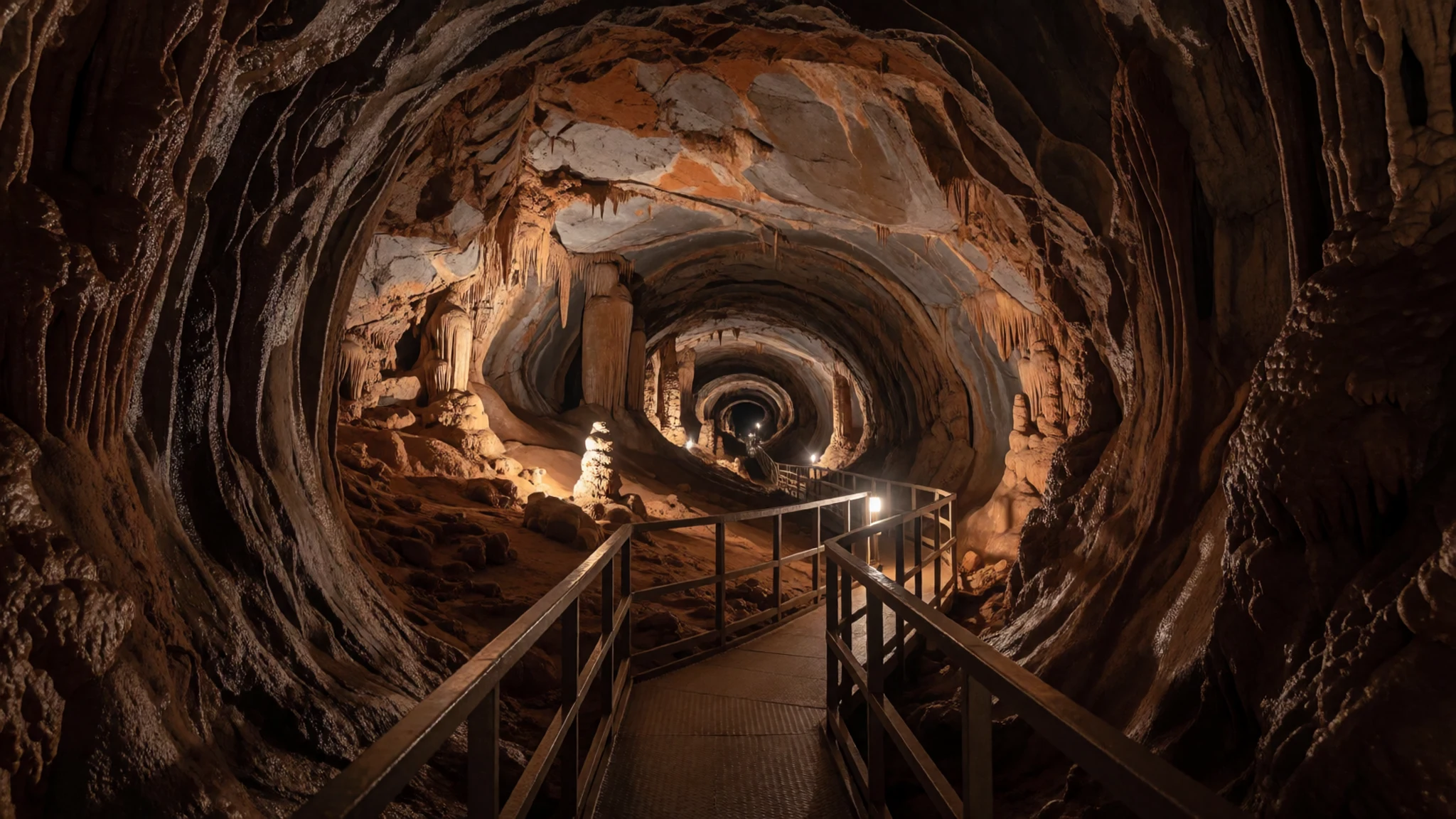
- Mount Halla (Hallasan) — Central Jeju
Dominating the center of the island, this dormant volcano rises to the highest elevation in the country. Hiking trails wind upward through changing ecological zones, leading past alpine flora and rugged crater ridges to sweeping panoramic views across the entire coastline on clear days.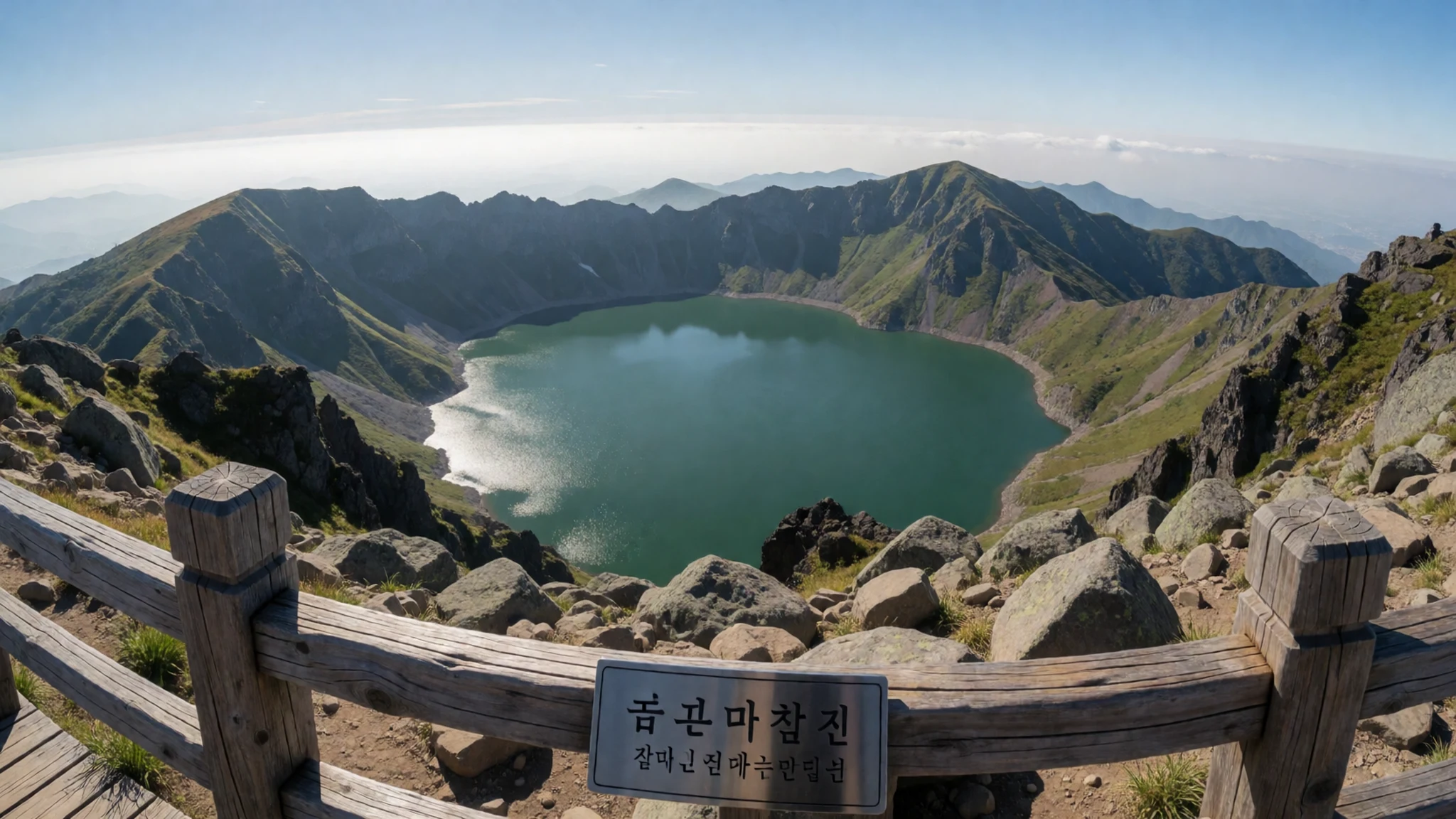
- Manjanggul Cave — Jeju City
Located in the northern sector, this expansive lava tunnel is celebrated for its cavernous interior and remarkably well-preserved volcanic features. Walking along the illuminated pathway reveals dramatic lava wings on the stone walls, intricate ceiling crusts, and an immense mineral pillar formed at the end of the open section.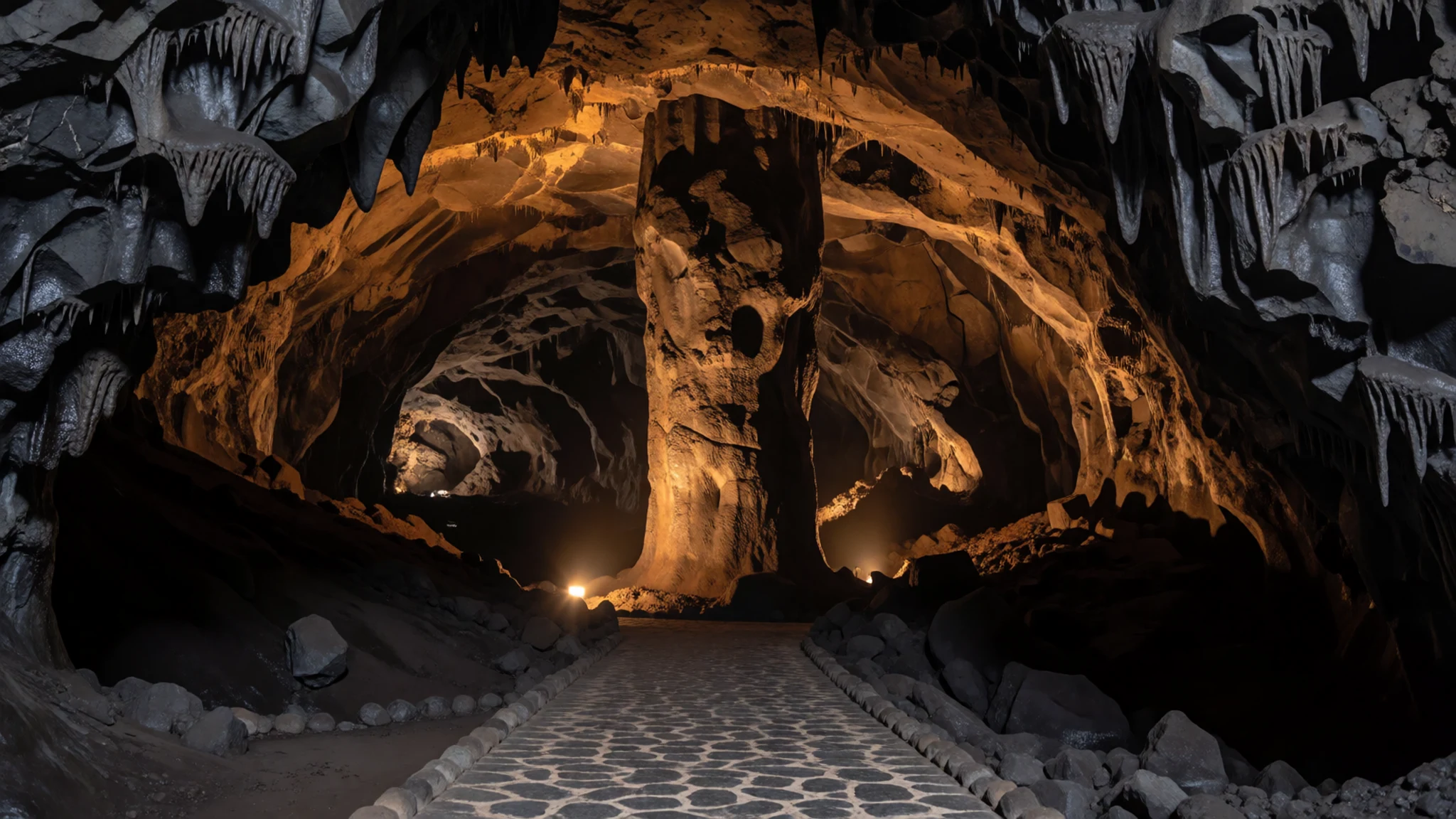
- Suwolbong Peak — Western Jeju
Situated on the western edge of the island, this coastal elevation offers sweeping views across the open sea and nearby islets. A designated geological trail follows the cliff base below, where layered sedimentary rock strata tell the story of ancient volcanic explosions beneath shallow coastal waters.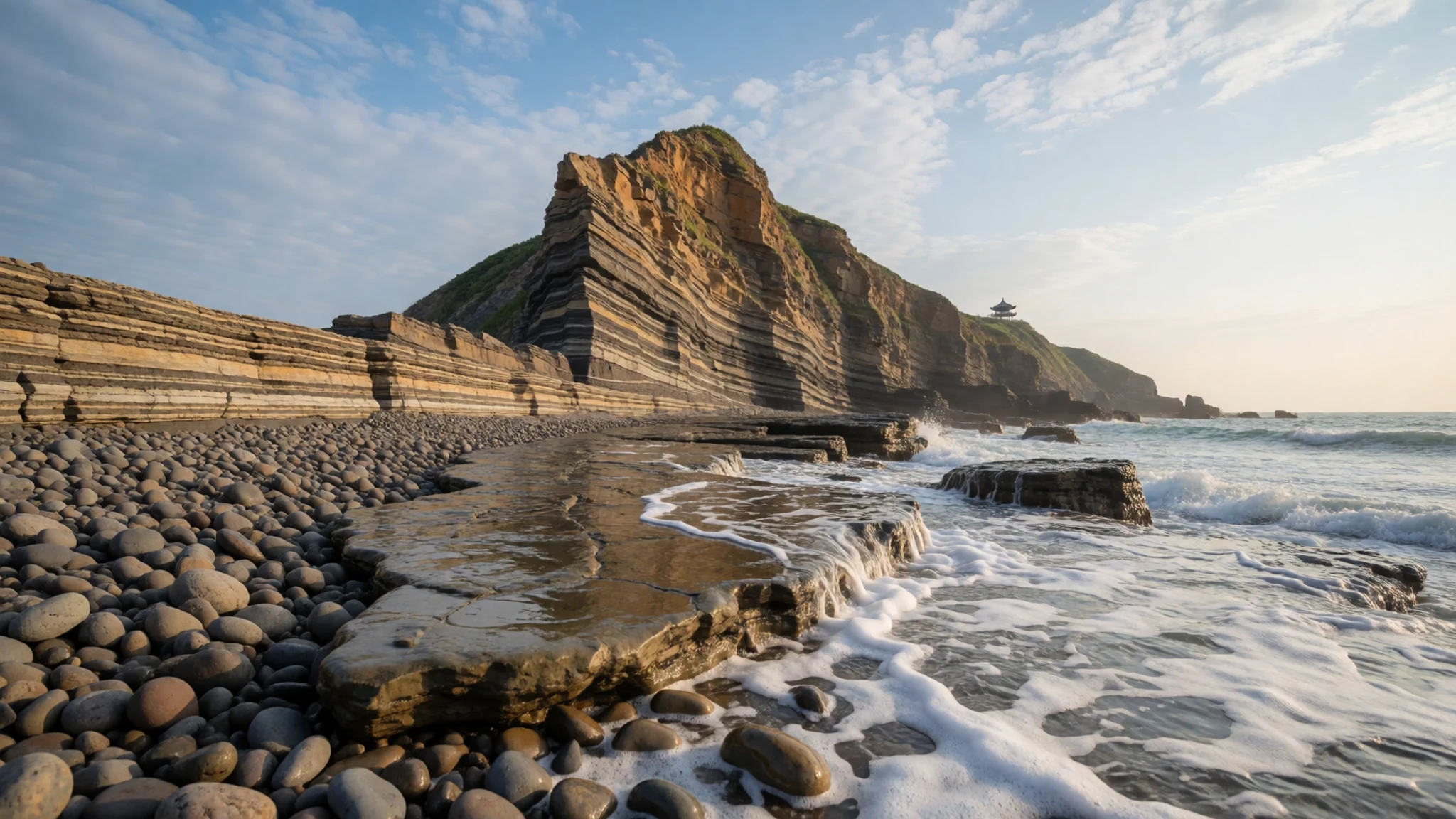
- Jeju Jungmun Daepo Jusangjeolli Cliff — Seogwipo
Along the southern shore, this remarkable geological formation features vertical stacks of dark hexagonal stone pillars. These geometric columns were created when hot lava poured into the cool ocean water and contracted rapidly as it solidified, forming towering natural colonnades battered by breaking waves.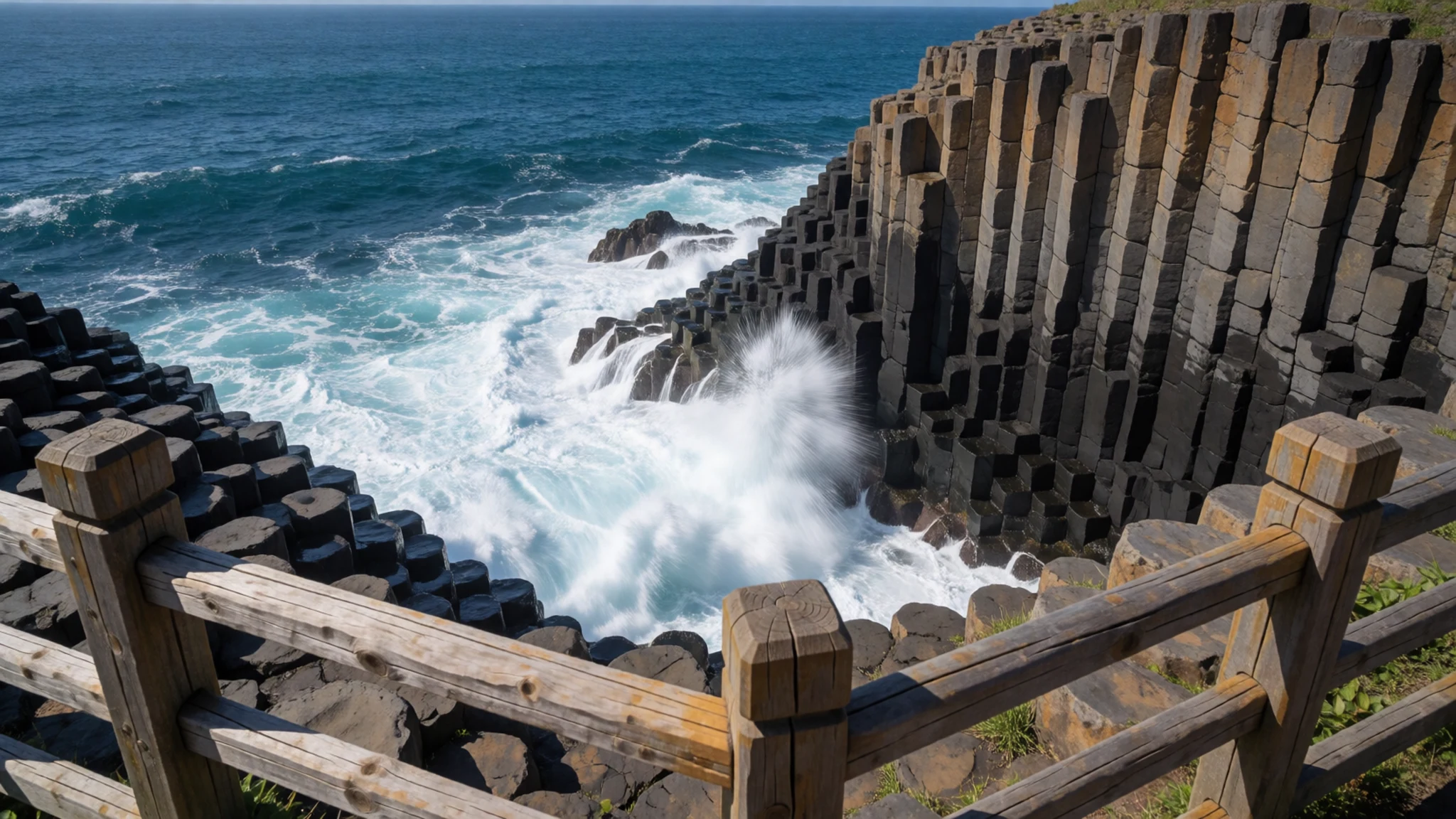
- Jeju Old Government Offices — Jeju City
Tucked away in the historic downtown district, this collection of traditional wooden structures dates back to earlier dynastic eras. The complex features classic tiled roofs, quiet courtyards, and a landscaped square pond with a winding history tied to local community life and municipal administration.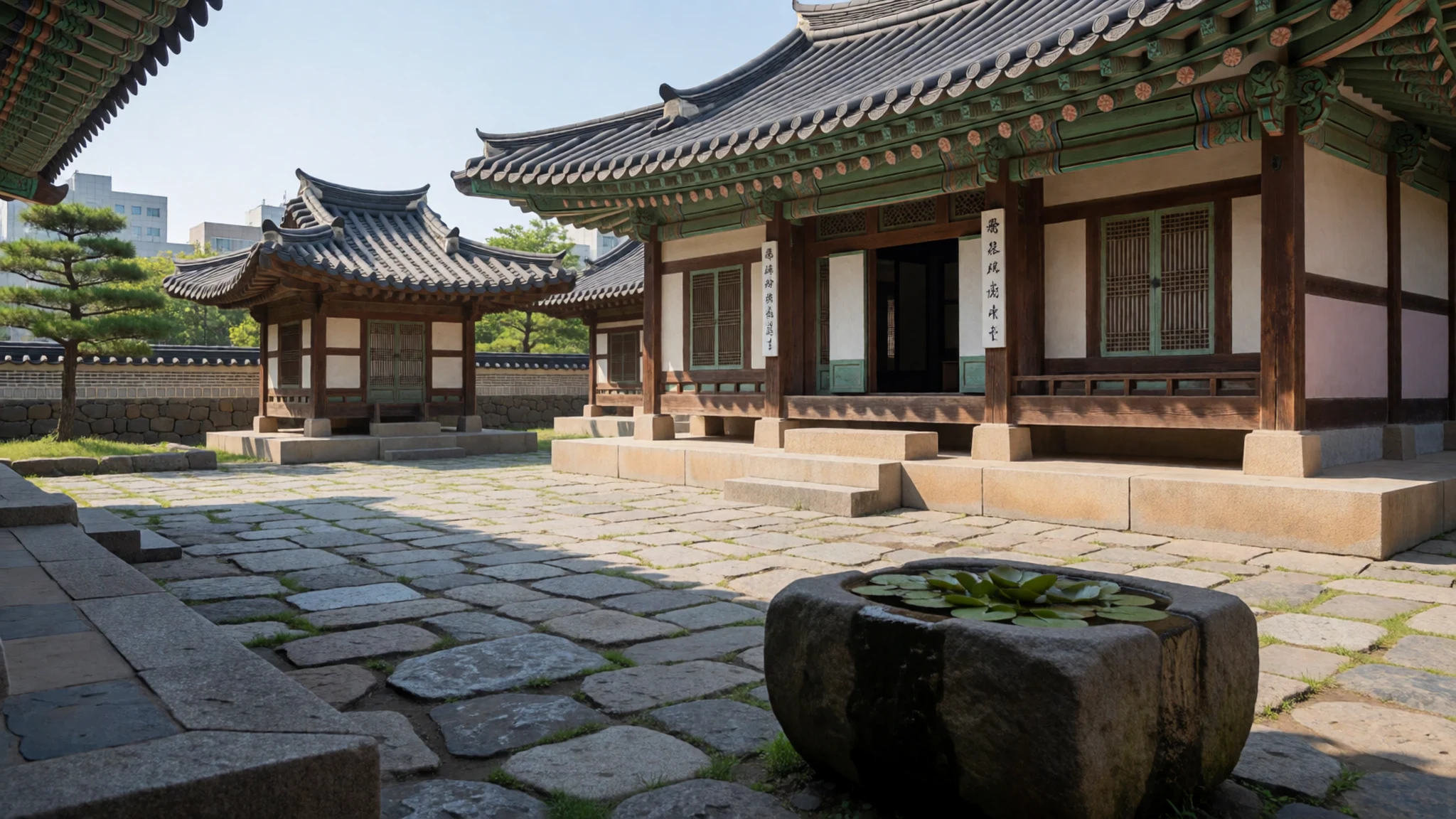
Culture
Jeju culture is deeply shaped by its insular geography, maritime traditions, and a distinct indigenous heritage that sets it apart from the mainland. Historically, society relied heavily on cooperative labour networks, coastal gathering, and farming the rocky volcanic soil, which fostered a resilient and self-reliant community spirit. Traditional village life was anchored by community rituals, ancestor veneration, and a rich oral folklore preserved through generations of local speakers. Shamanic beliefs remain notably strong here, with spiritual practices addressing local deities, natural forces, and safe sea voyages. The island's indigenous language features unique vocabulary and grammatical structures that reflect this isolated development, though standard Korean is now universally spoken. Architecture was traditionally adapted to harsh seasonal winds, using low stone walls and heavy thatched roofs tied down with ropes to protect homes. Craft traditions make extensive use of local materials, particularly dark basalt stone and sturdy woods found in the interior forests. Visitors should always remove their footwear when entering traditional indoor spaces, guesthouses, or historic heritage buildings.
What to wear
Traditional Jeju attire was historically practical and unpretentious, designed to withstand strong coastal winds, damp conditions, and demanding physical labour in the fields and sea. Working garments included durable cotton jackets, loose trousers, and indigo-dyed fabrics that resisted wear and tear, often paired with distinctive head coverings worn by women who harvested seafood along the shoreline. Today, everyday dress on the island mirrors contemporary urban styles found across South Korea, with locals favoring clean, modern clothing, comfortable footwear, and seasonal layers suited to shifting weather conditions. For visitors exploring the island, practical attire is essential. Sturdy walking shoes or hiking boots are recommended for tackling uneven volcanic terrain, coastal paths, and mountain trails. Because weather conditions can change quickly between the coast and higher inland elevations, packing a waterproof outer layer and light layers is advisable regardless of the season. When visiting rural villages or traditional heritage sites, dressing neatly and modestly is appreciated by local residents.
What to eat
- Seaside minimalist cafes — East and coastal districts
Modern cafe culture thrives along the rugged coastline, where contemporary architects have built striking concrete and glass spaces framing panoramic ocean views. These spots serve specialty coffee and locally inspired pastries against a backdrop of breaking waves.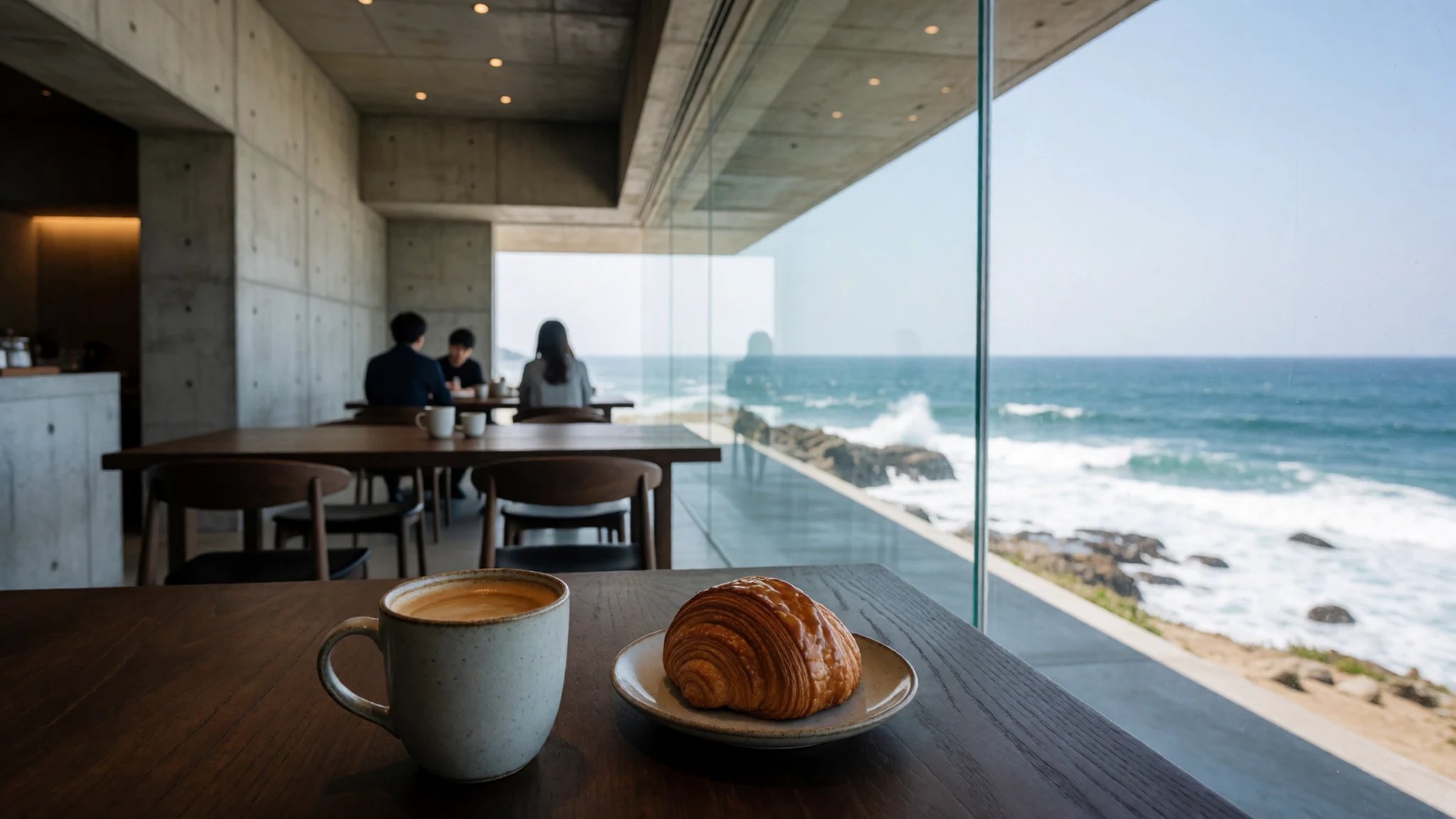
- Traditional wood-interior tearooms — Rural inland areas
Converted old houses in quiet rural neighbourhoods offer a tranquil escape, featuring warm wood tones, rustic furniture, and books. Visitors can sip traditional teas while looking out over enclosed courtyards and stone-walled alleys.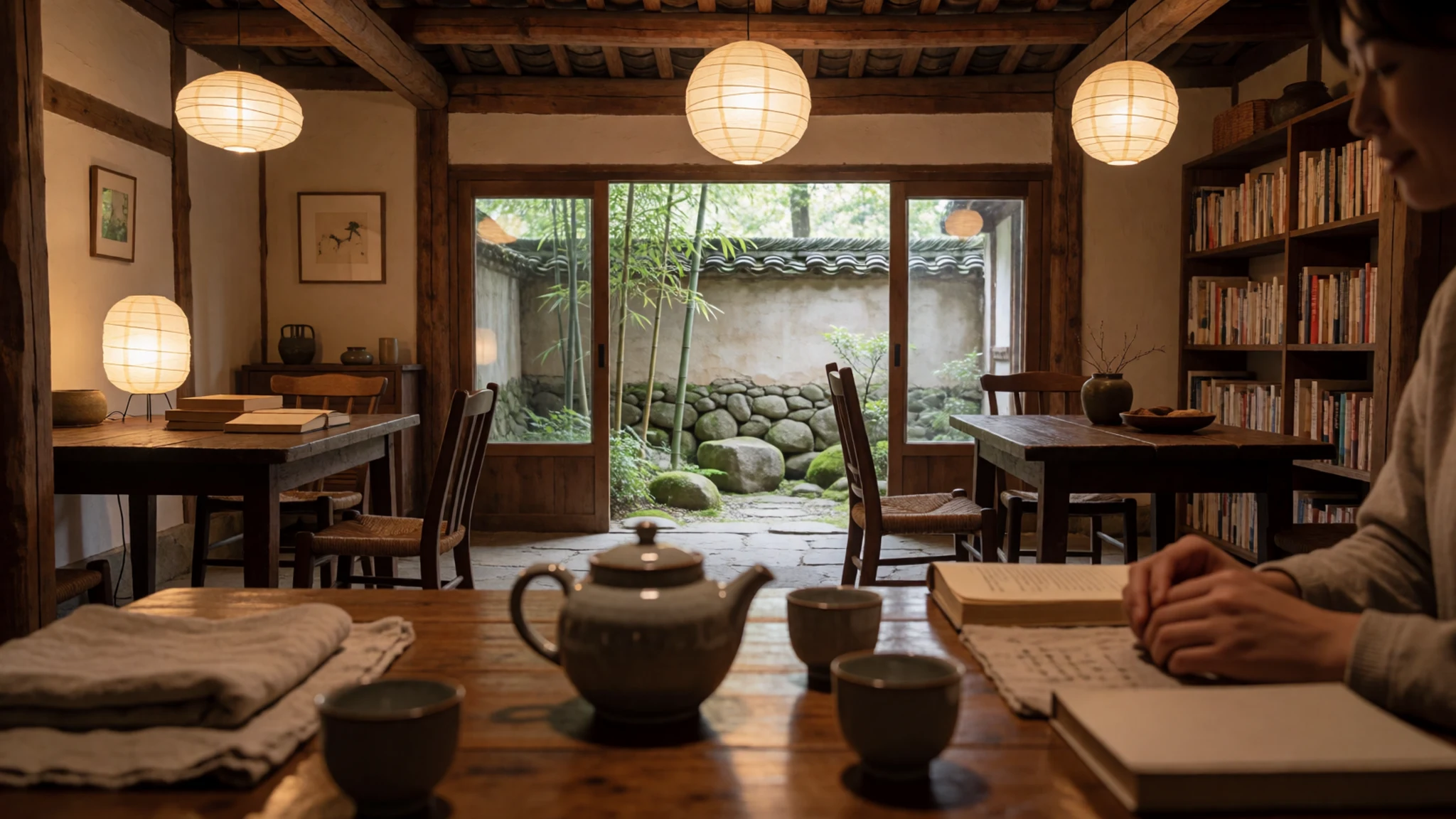
- Airport-view coastal viewpoints — Northern coastal fringe
Breezy spots near the northern aviation hub allow visitors to watch low-flying aircraft pass overhead every few minutes while enjoying cold beverages and snacks right beside the shore. - Downtown historic courtyard corners — Jeju City centre
Hidden spots near the old municipal centre provide quiet retreats amid urban streets, often featuring resident cats, sentimental decor, and simple refreshments in shaded courtyards.
Plan it
Best time. March to April brings mild spring temperatures and blossoms, while late October to November offers clear skies and autumn foliage; summer from June to August is the wettest season, with August the hottest and most humid month.
How long. 3–4
Getting there. Fly into Jeju International Airport via domestic routes from mainland South Korea, or check international connections; the Seoul-Jeju air corridor is among the busiest flight routes in the world.
Budget. mid
Tips
- Secure your electronic travel authorization online before departure if arriving from a visa-waiver nation
- Rent a car or use local bus services to navigate between coastal sights and inland trailheads
- Pack sturdy footwear for walking on uneven basalt rock and volcanic stone paths
- Check weather forecasts before attempting hikes up Mount Halla, as mountain conditions change rapidly
- Carry a mix of cards and local currency for small shops, markets, and rural cafes
Etiquette
- Remove your shoes when entering traditional indoor spaces, guesthouses, and heritage buildings
- Respect natural protection zones and geological formations by staying on marked trails
- Ask permission before photographing local residents or traditional workers
Nearby
Sources
- Wikidata Q29151 (CC0)
- Wikipedia (rev 1382277609) (CC BY-SA 4.0)
- Wikivoyage (rev 5403912) (CC BY-SA 4.0)
- Photo 01-gotjawal-forest-on-jeju-island-01.jpg (CC BY 3.0)
