Janaki Mandir
Janaki Mandir, Nepal
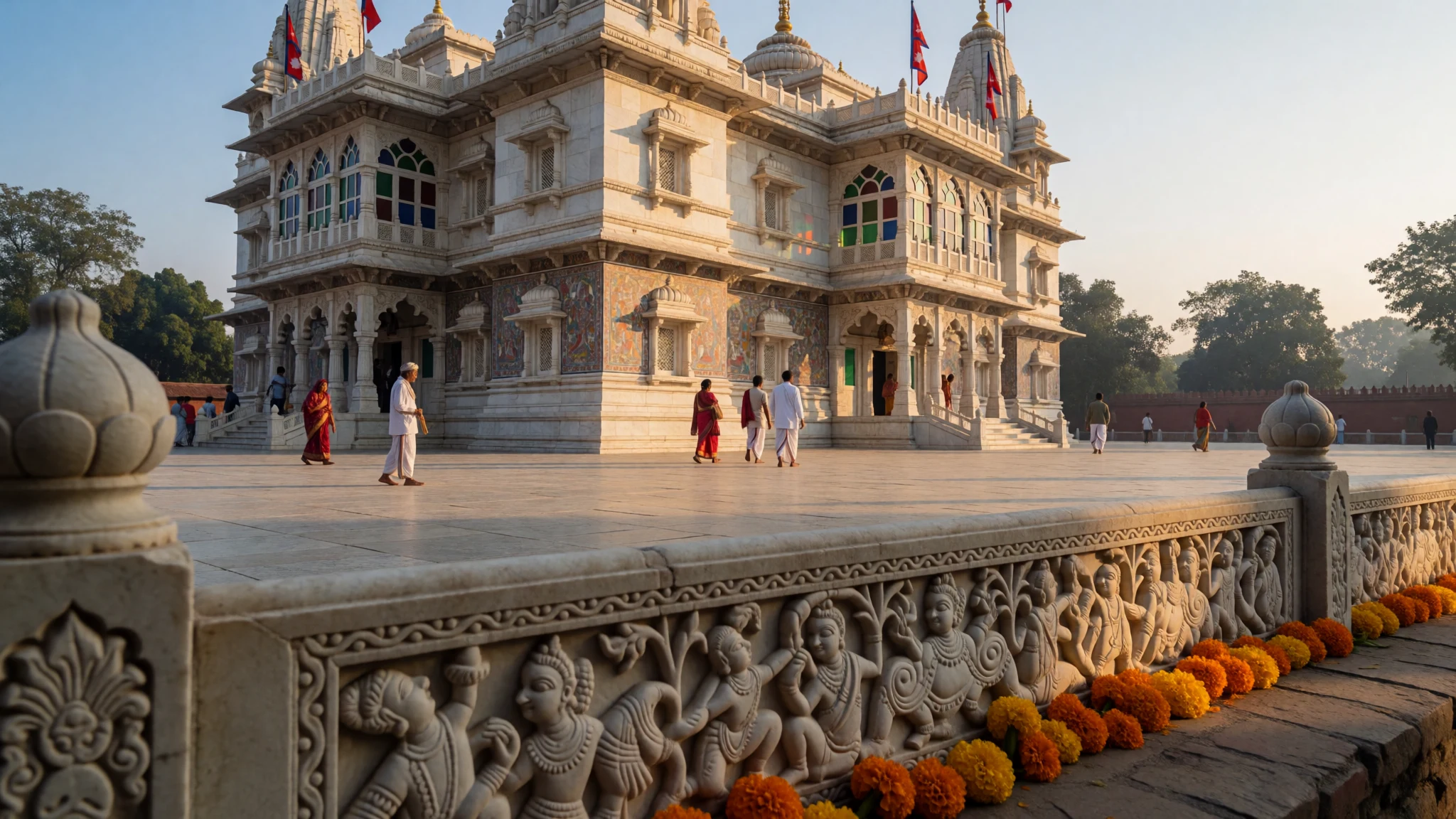
Visit Janaki Mandir to experience the magnificent Koiri architecture and spiritual heart of the ancient Mithila region in Nepal.
The place
Janaki Mandir stands brightly in Janakpurdham as a striking tribute to the Hindu goddess Sita. Built entirely from stone and marble, this three-storied structure is a prominent example of Koiri architecture, showcasing detailed craftsmanship across its structure. The exterior walls are decorated with traditional Mithila art known as Madhubani paintings, depicting motifs and scenes rich in cultural heritage. Inside, the building features multiple rooms adorned with the flag of Nepal, coloured glass panels, intricate engravings, and lattice windows that filter soft light through the turrets. Attached to the main structure is a wedding mandapa, marking the legendary site where Sita and Ram are said to have been wed during the Sita Svayamvara ceremony described in the epic Ramayana. The surrounding district headquarters serves as a historic religious hub featuring numerous sacred ponds and shrines. Pilgrims and travellers arrive here to witness daily rituals, experience local festivals, and explore a community deeply tied to its epic past. The municipal area balances its role as a busy pilgrimage destination with the quiet rhythm of traditional Mithila daily life. Visitors walking through the courtyards will notice the continuous hum of devotion, the ringing of brass bells, and the vibrant colours of offerings laid out by worshippers coming from across Nepal and neighbouring regions.
Its story
Janaki Mandir is widely known among local communities as the Nau Lakha Mandir, a name derived from the legendary construction cost equivalent to nine lakhs of gold coins. Queen Vrisha Bhanu of Orchha State commissioned the construction of the present structure, completing it during an era that shaped much of the region's surviving monumental architecture. Long before the grand marble halls were erected, the sacred significance of the location was established when a golden statue of Goddess Sita was discovered at this exact spot by the ascetic and poet Sannyasi Shurkishordas, who is credited with founding modern Janakpur through his propagation of the Sita Upasana philosophy. Tradition holds that the site is also where King Janak performed the worship of the Shiva-Dhanus bow before the divine marriage took place. Over the decades, the shrine has remained a central pillar of spiritual life in the plains of Nepal, drawing generations of poets, scholars, and devotees seeking a connection to the Ramayana. The complex faced a severe test when a major earthquake caused partial collapses and structural damage across parts of the historic buildings, prompting extensive preservation and repair efforts by local authorities and heritage specialists committed to safeguarding the sanctuary for future generations of pilgrims.
What to see
- Janaki Mandir — Central Janakpur
Janaki Mandir is the magnificent heart of the city, presenting a grand three-storied marble and stone facade adorned with traditional Madhubani art, intricate lattice windows, and colourful glasswork dedicated to the goddess Sita.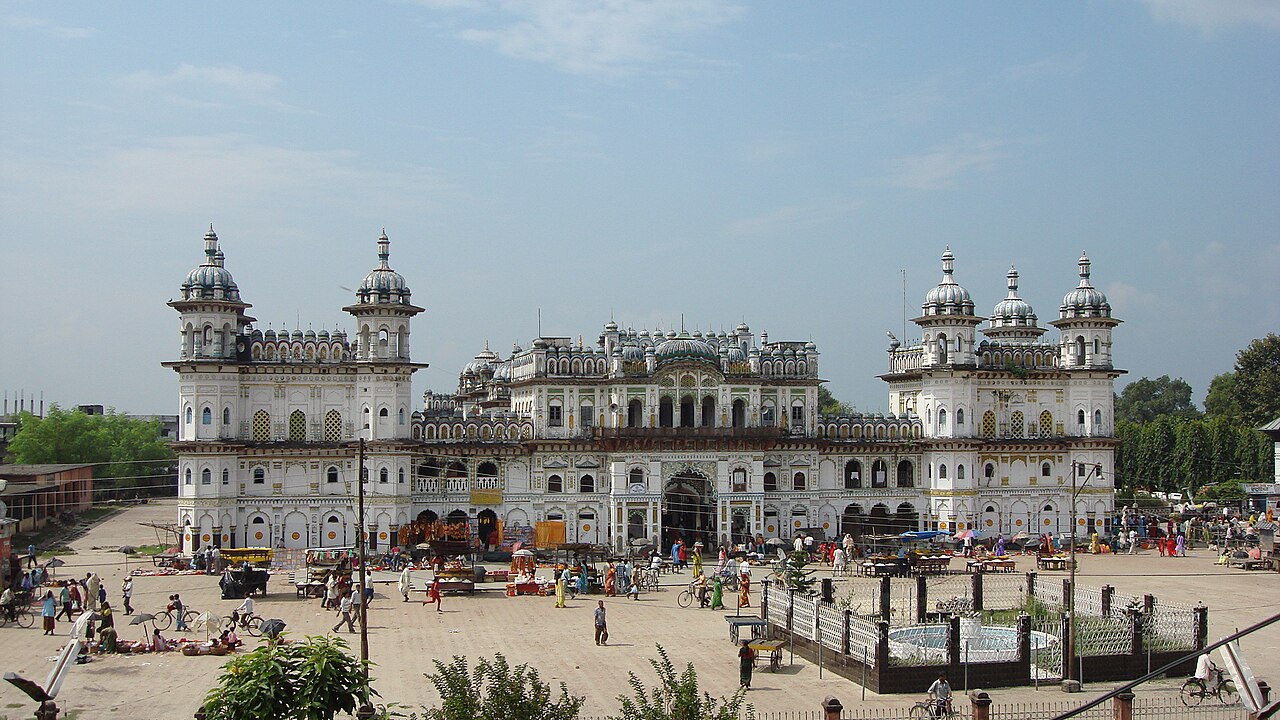
- Bivahmandap — North of Janaki Mandir
Bivahmandap sits just north of the main shrine amid a quiet green garden, featuring pagoda-style architecture that recreates the divine wedding scene of Lord Ram and Sita with sculpted figures of major Hindu deities. - Ganga Sagar and Dhanush Sagar — East of Janaki Mandir
Ganga Sagar and Dhanush Sagar are large sacred ponds located a short walk east of the temple complex, serving as peaceful gathering spots where pilgrims perform evening rituals, bathe, and reflect by the water.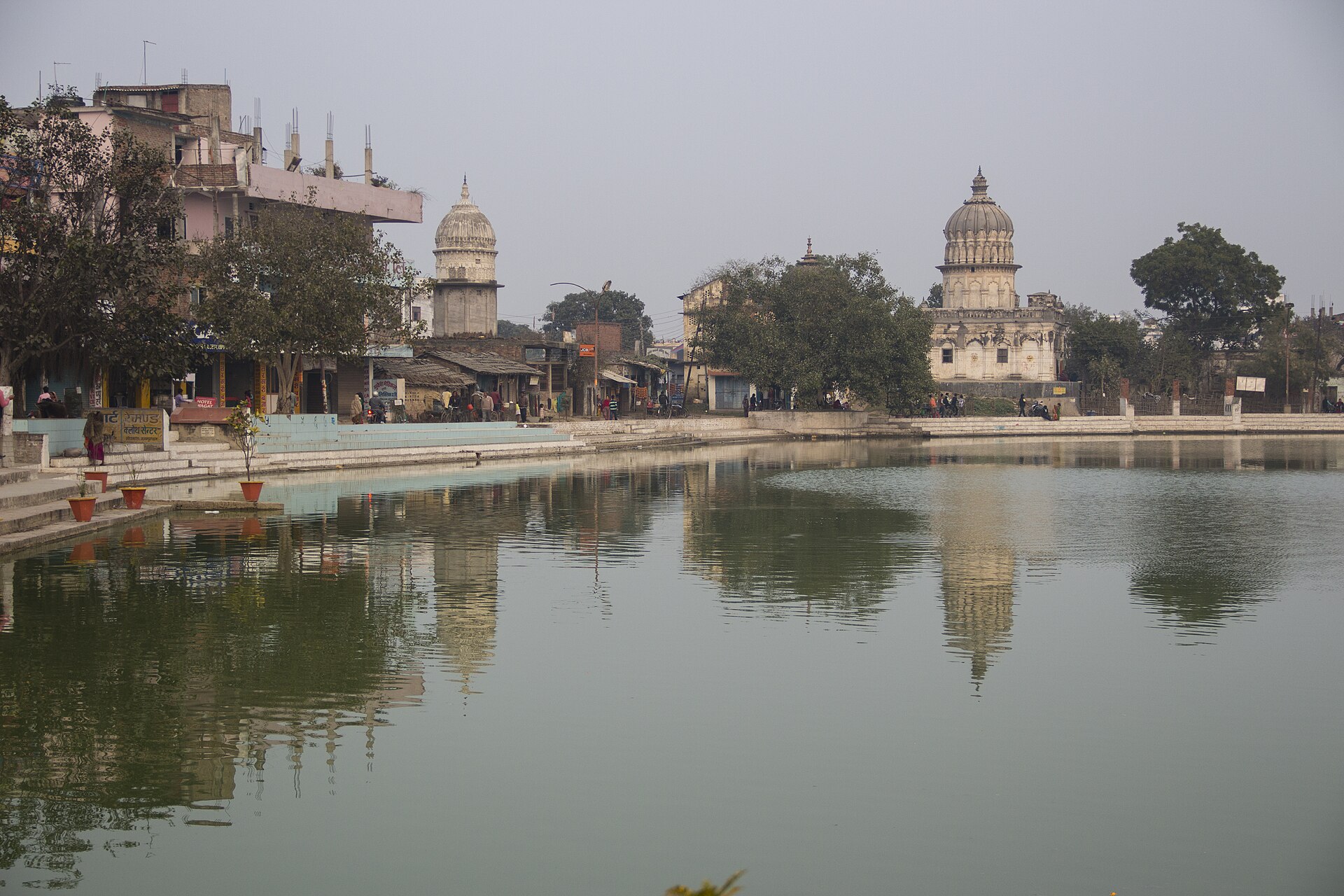
- Ram Mandir and Rajdevi Mandir — South of Janaki Mandir
Ram Mandir and Rajdevi Mandir stand a short distance south of the main complex; Ram Mandir is an older 17th-century shrine dedicated to Lord Rama, while Rajdevi Mandir draws massive crowds of devotees during the vibrant Dashain festival. - Sankatmochan Mandir — Northern Janakpur
Sankatmochan Mandir is a revered sanctuary dedicated to Lord Hanuman, holding deep spiritual importance for local residents and visiting pilgrims who gather here throughout the day for prayer and quiet reflection.
Culture
Janaki Mandir and the surrounding town of Janakpur form the cultural capital of the Mithila region, where traditional arts, music, and seasonal festivities remain an active part of daily existence. Families pass down the intricate techniques of Madhubani painting from generation to generation, decorating home walls and festival pavilions with natural pigments depicting mythological narratives and agrarian motifs. Music and devotional singing fill the air around the temple courtyards, particularly during major Hindu celebrations when pilgrims arrive from various regions to take part in communal prayers and processions. The local community maintains strong ties to classical traditions, and visitors will frequently encounter artisans creating traditional crafts, pottery, and textiles in neighbourhood workshops. Respect for sacred spaces governs daily interactions, and travellers are expected to move through temple grounds with mindfulness and modesty. Always remove your shoes before stepping into the inner shrines and holy enclosures of Janaki Mandir.
What to wear
Traditional attire across Janakpur reflects the warm plains climate and the conservative cultural norms of the Mithila region. Local women commonly wear vibrant sarees and flowing shalwar kameez crafted from lightweight cotton fabrics suited to the heat, often featuring traditional hand-printed or embroidered borders inspired by regional motifs. Men traditionally wear loose-fitting kurtas paired with dhotis or trousers, though contemporary casual shirts and trousers are widely worn by younger generations in the commercial districts. For visitors exploring Janaki Mandir and the surrounding sacred sites, dressing modestly is essential out of respect for local customs and religious sensitivities. Both men and women should choose loose clothing that covers their shoulders and knees, avoiding tight or revealing garments. Carrying a light scarf or shawl is useful for covering the head when entering certain prayer halls or during religious ceremonies. Footwear must be easy to slip off and on, as you will be required to leave shoes outside temple courtyards and sacred compounds before stepping onto marble or stone floors.
What to eat
- Dahi Lassi — Shiva Chowk and Mills Area
Dahi lassi is a rich, cooling yoghurt-based drink churned fresh with sugar and sometimes topped with cream, widely available at local stalls around Shiva Chowk and the Mills Area. - Mithila Thali — Local eateries throughout the town centre
Mithila thali is a wholesome platter featuring steamed rice, lentil dal, seasonal vegetable curries, spiced pickles, and traditional fried bread, served at local eateries across the town centre. - Puri Tarkari — Morning street stalls near the temple markets
Puri tarkari consists of fluffy deep-fried flatbreads served alongside a spiced potato or chickpea curry, commonly enjoyed as a hearty morning meal at neighbourhood tea stalls. - Sweets and Pedas — Sweet shops near Ram Mandir
Sweets and pedas are traditional dairy-based confections prepared by simmering milk down until thick and sweet, found in abundance at sweet shops lining the lanes near Ram Mandir.
Plan it
Best time. March to April and October to November offer pleasant weather for exploring the temple courtyards, while summer months can be very hot and humid.
How long. 2–3
Getting there. Fly from Kathmandu to Janakpur airport in about 20–25 minutes, or travel by road from major cities in Nepal; alternatively, take a train to nearby Indian border stations and complete the journey by road.
Budget. low
Tips
- Visit the main temple courtyard in the early morning to experience quieter prayer rituals before pilgrim crowds arrive
- Carry sufficient cash, as smaller shops, tea stalls, and local transport do not accept card payments
- Respect local photography guidelines by asking permission before taking pictures of worshippers during private prayers
- Drink bottled water and stay hydrated, especially during the warmer spring and summer months
- Dress modestly with shoulders and knees covered when visiting any religious site in the town
Etiquette
- Remove your shoes before entering any temple building or sacred enclosure
- Ask permission before photographing local residents or worshippers engaged in prayer


