Kathmandu
Kathmandu, Nepal
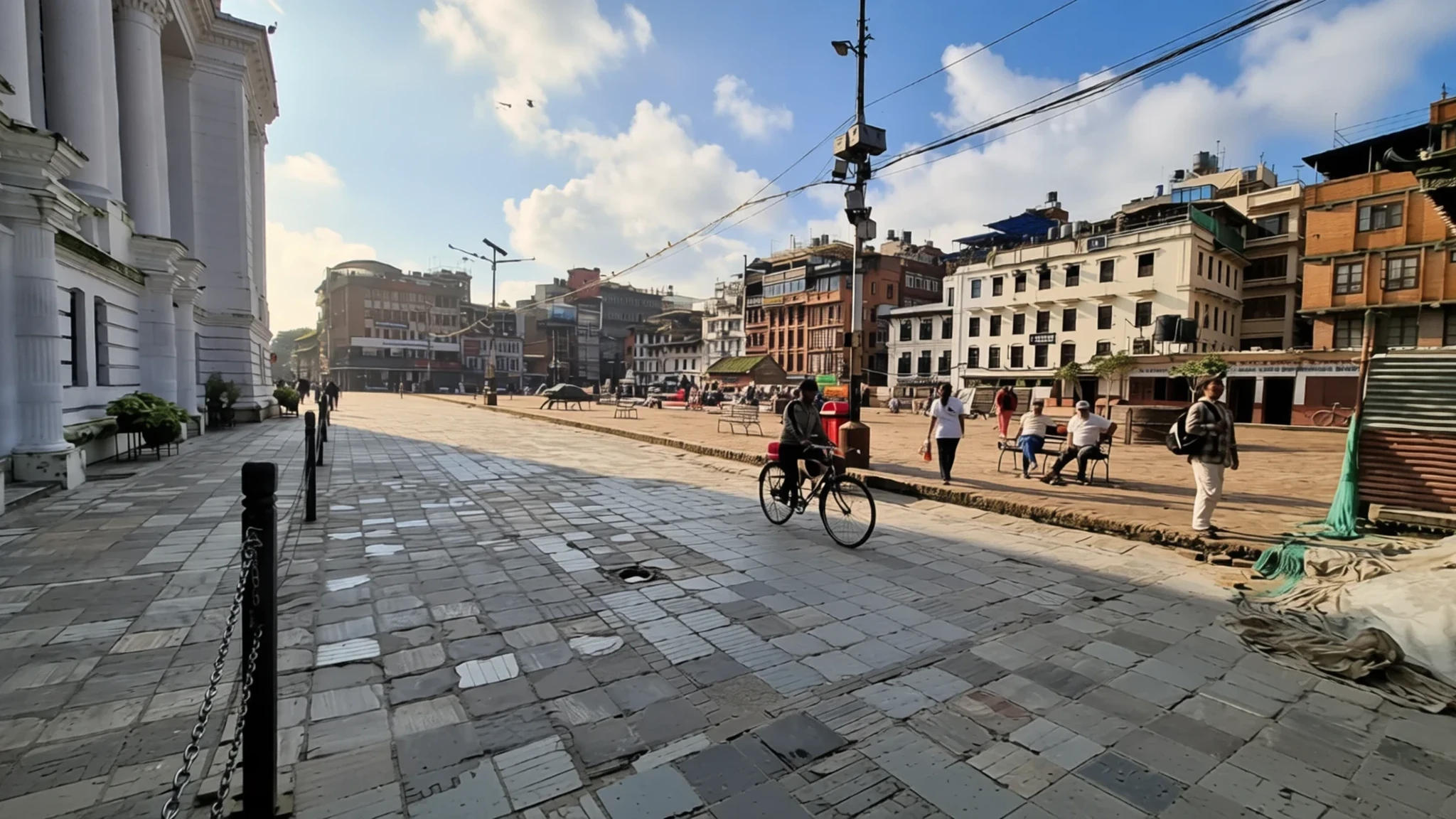
Kathmandu is an ancient Himalayan capital where medieval palace squares and sacred stupas bustle amid lively, multi-ethnic urban life.
The place
Kathmandu sits inside a wide, fertile valley right in the middle of Nepal, and it's both the country's capital and its biggest city. Standing at an elevation of about 1,300 metres above sea level, the urban area serves as the primary governmental, financial, industrial, and cultural heart of the nation. Historical records and local traditions show that the settlement has roots stretching back centuries, earning it renown as one of the oldest continuously inhabited urban centres in the region. Historically known as Kantipur and also referred to as Kasthamandap, the municipality has long been the political and societal home of the Newar people, whose distinct civilisation shaped the architecture and traditions of the entire valley.
The city holds a multi-ethnic population numbering around 845,000 residents, with millions more inhabiting the wider metropolitan expanse. While Hinduism forms the religious majority, there is also a vibrant Vajrayana Buddhist presence, creating an atmosphere where daily life is deeply intertwined with spiritual observance and traditional festivals. Palaces, brick-paved courtyards, tiered shrines, and hidden monastery courtyards dot the dense urban fabric. Despite rapid modern development and the scars of past earthquakes, Kathmandu retains an intense, sensory-rich character where narrow medieval lanes open onto grand public squares filled with worshippers, merchants, and travellers.
Its story
Archaeological discoveries across Kathmandu reveal layers of ancient human habitation dating back nearly two millennia. Excavations in localities like Maligaon have unearthed early statues and inscribed bricks bearing Brahmi script, while stone inscriptions remain ubiquitous fixtures at local heritage sites, serving as primary documents for historians piecing together the region's past. The earliest Western reference to the capital emerged in the spring of 1628, when a Portuguese Jesuit father named Joao Cabral journeyed through the valley from Tibet on his way to India, recording a gracious reception by the reigning monarch in a city he transcribed as Cadmendu.
Long before written chronicles recorded these encounters, traditional myths and legends explained the formation of the valley. According to the sacred Swayambhu Purana, the expanse where Kathmandu now stands was once a vast, deep lake inhabited by mythical serpents known as Nāgas. Ancient scriptures recount how buddhas, bodhisattvas, hermits, and celestial beings descended from the heavens to bathe in the primordial waters. Over generations, holy figures and rulers transformed the drained basin into a flourishing urban centre, cementing its legendary status as a sacred mandala dedicated to peace, devotion, and artistic expression.
What to see
- Durbar Square — Central Kathmandu
This historic public plaza in the heart of the capital serves as the traditional epicentre of royal power and Hindu culture. Intricately carved wooden roof struts, ancient stone courtyards, and tiered pagoda temples stand as masterworks of Newar craftsmanship, preserving the architectural heritage of the old Malla kings.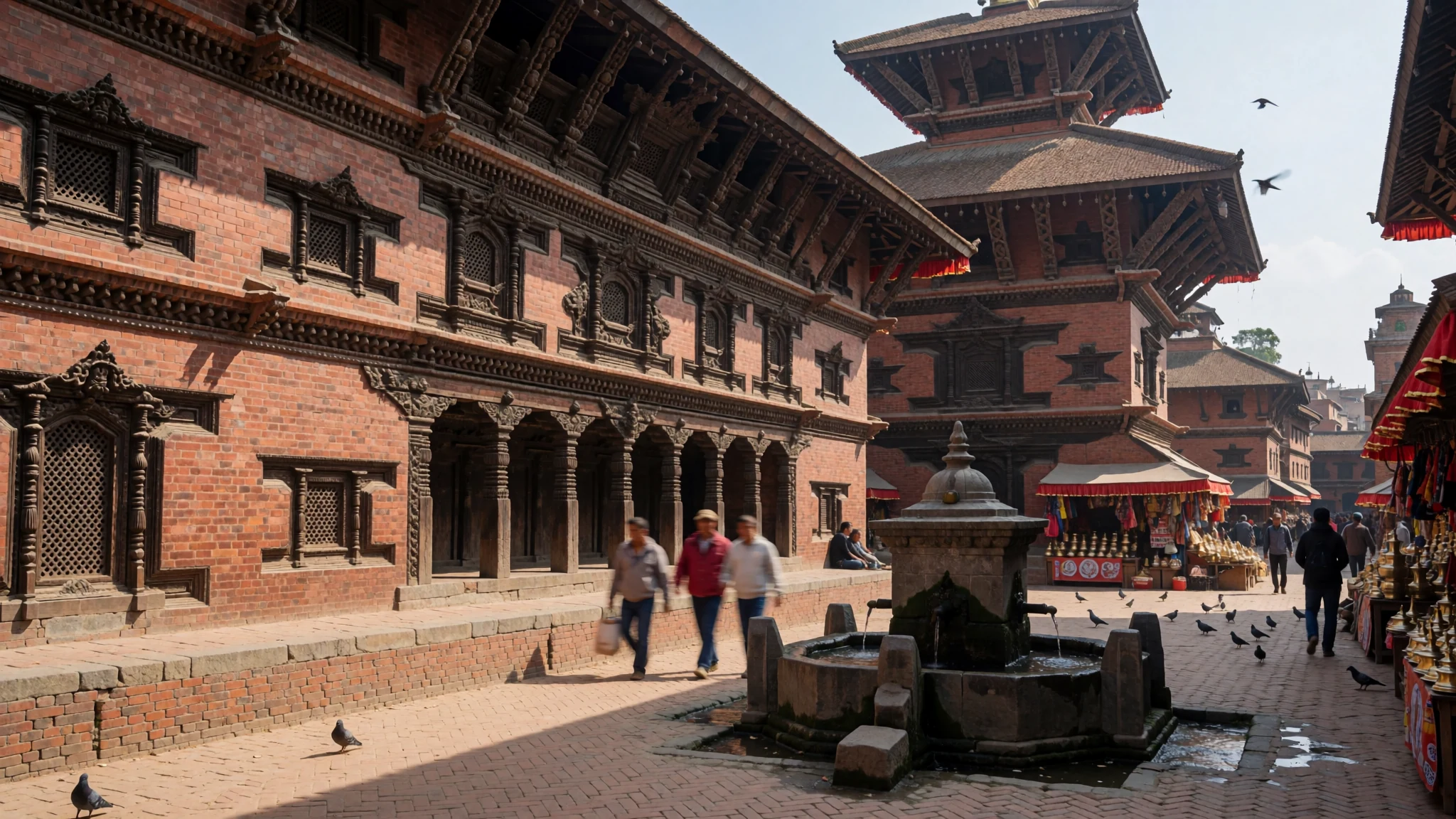
- Boudhanath Stupa — Northeastern Kathmandu
Dominating the northeastern outskirts, this colossal spherical stupa is one of the largest sacred monuments in the world and a focal point for Tibetan Buddhist devotion. Pilgrims and monks continuously walk the surrounding brick plaza, spinning prayer wheels and chanting beneath the watchful painted eyes of the Buddha.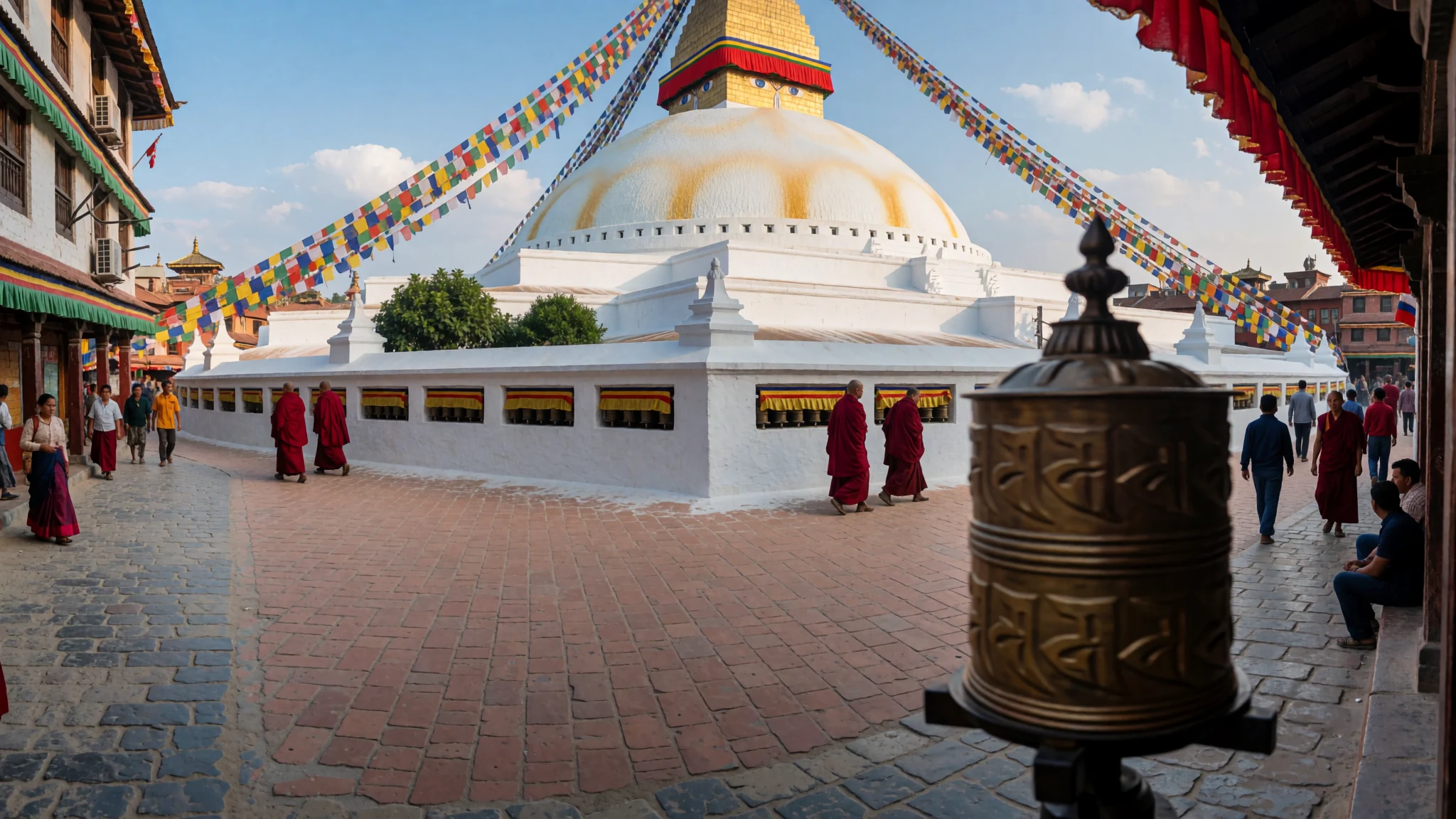
- Pashupatinath Temple — Eastern Kathmandu
Situated along the holy Bagmati River, this sprawling temple complex is dedicated to Lord Shiva and stands as one of the most significant Hindu pilgrimage sites globally. Devotees and ascetics gather along the stone riverbanks for daily rituals, cremations, and spiritual contemplation amidst towering sacred architecture.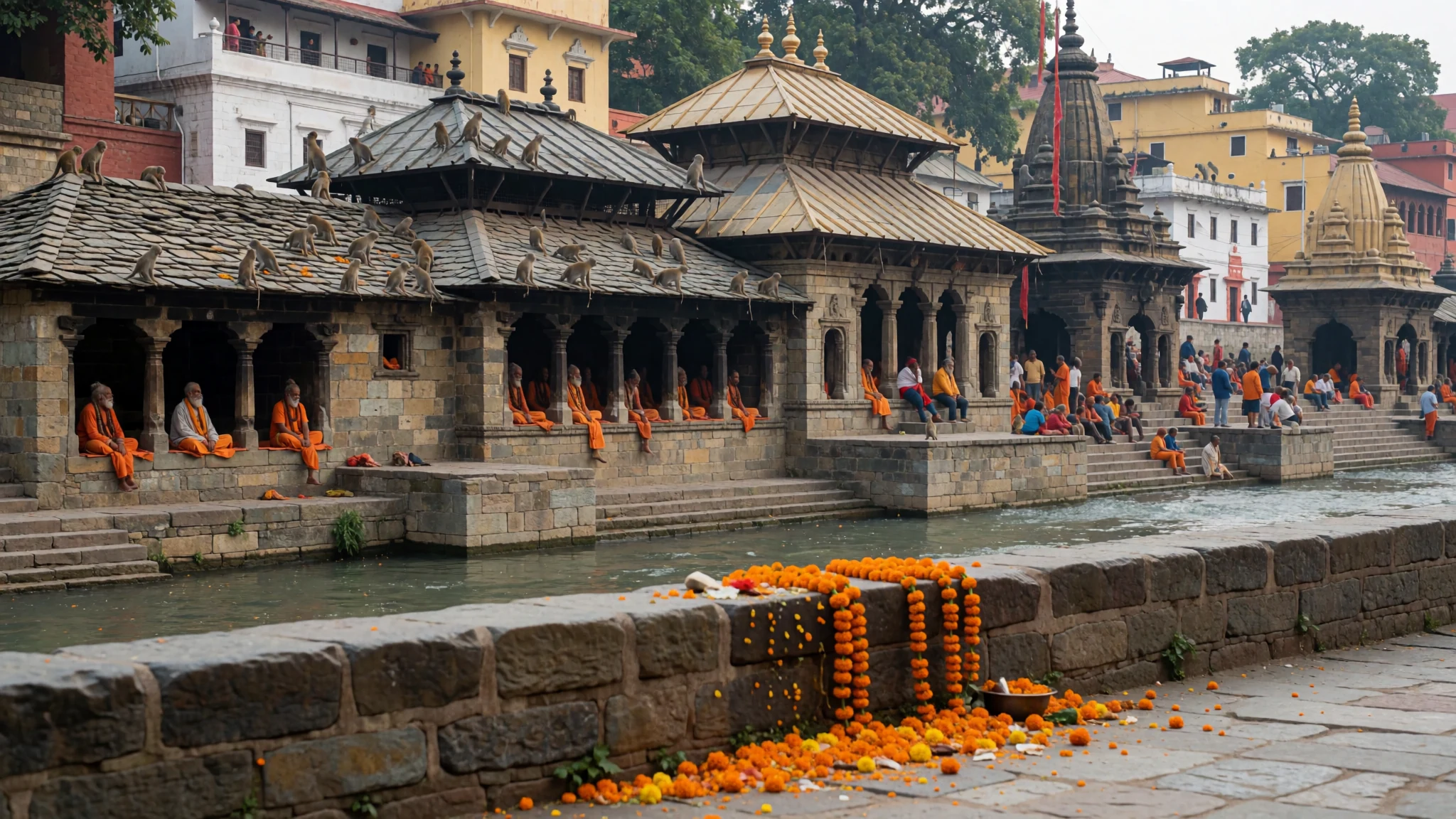
- Swayambhunath Stupa — Western Kathmandu
Perched high on a wooded hill overlooking the entire valley, this ancient religious complex is affectionately known as the Monkey Temple. Visitors climb the steep stone staircases flanked by fluttering prayer flags and stone shrines, greeted by panoramic views across the sprawling municipal landscape below.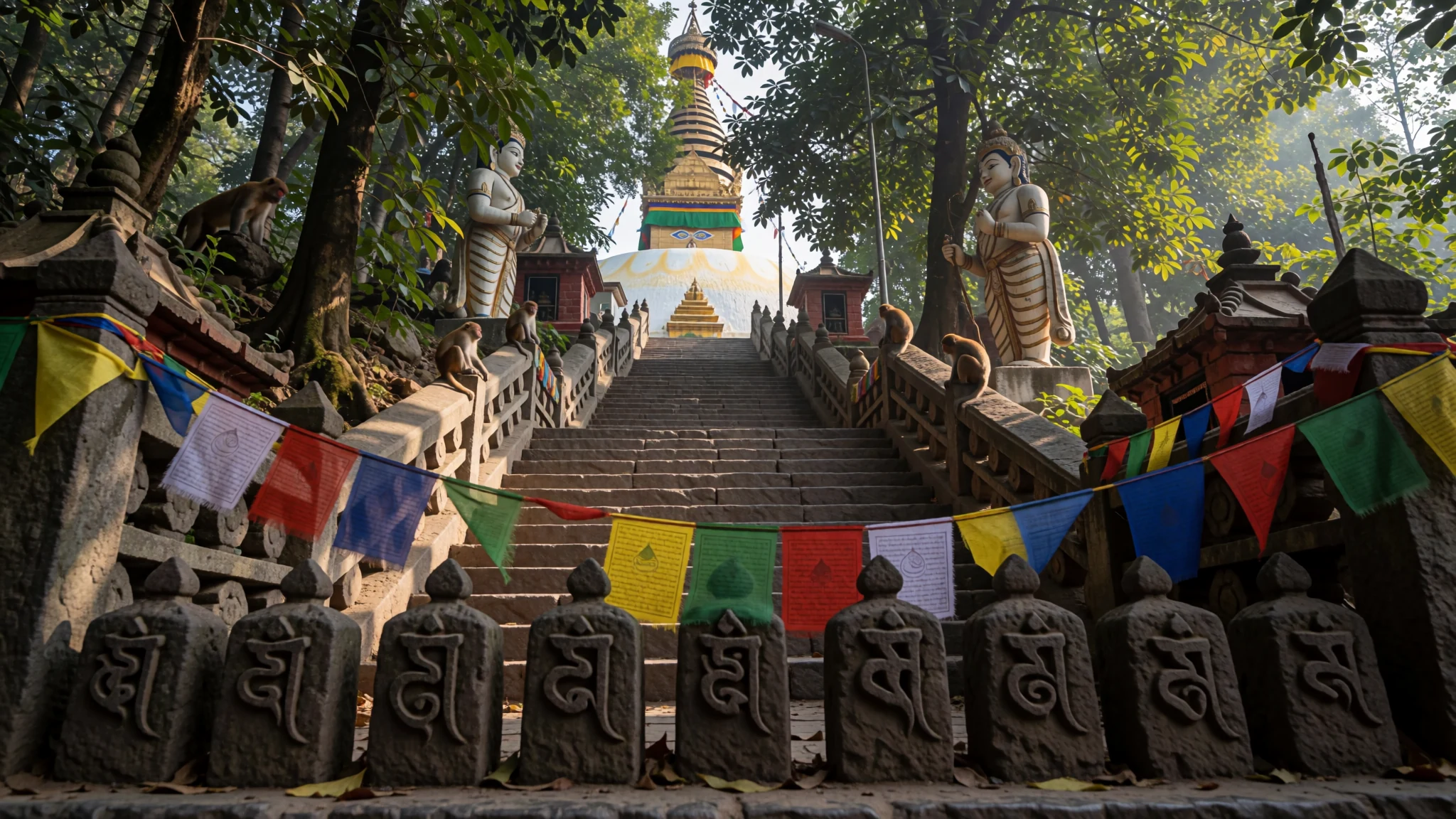
- Narayanhiti Palace Museum — Central Kathmandu
Formerly the secure residential palace and principal workplace of the reigning monarchs of Nepal, this striking architectural complex now functions as a public museum. Walking through the grand state halls offers a fascinating glimpse into the modern political history and royal heritage of the Himalayan nation.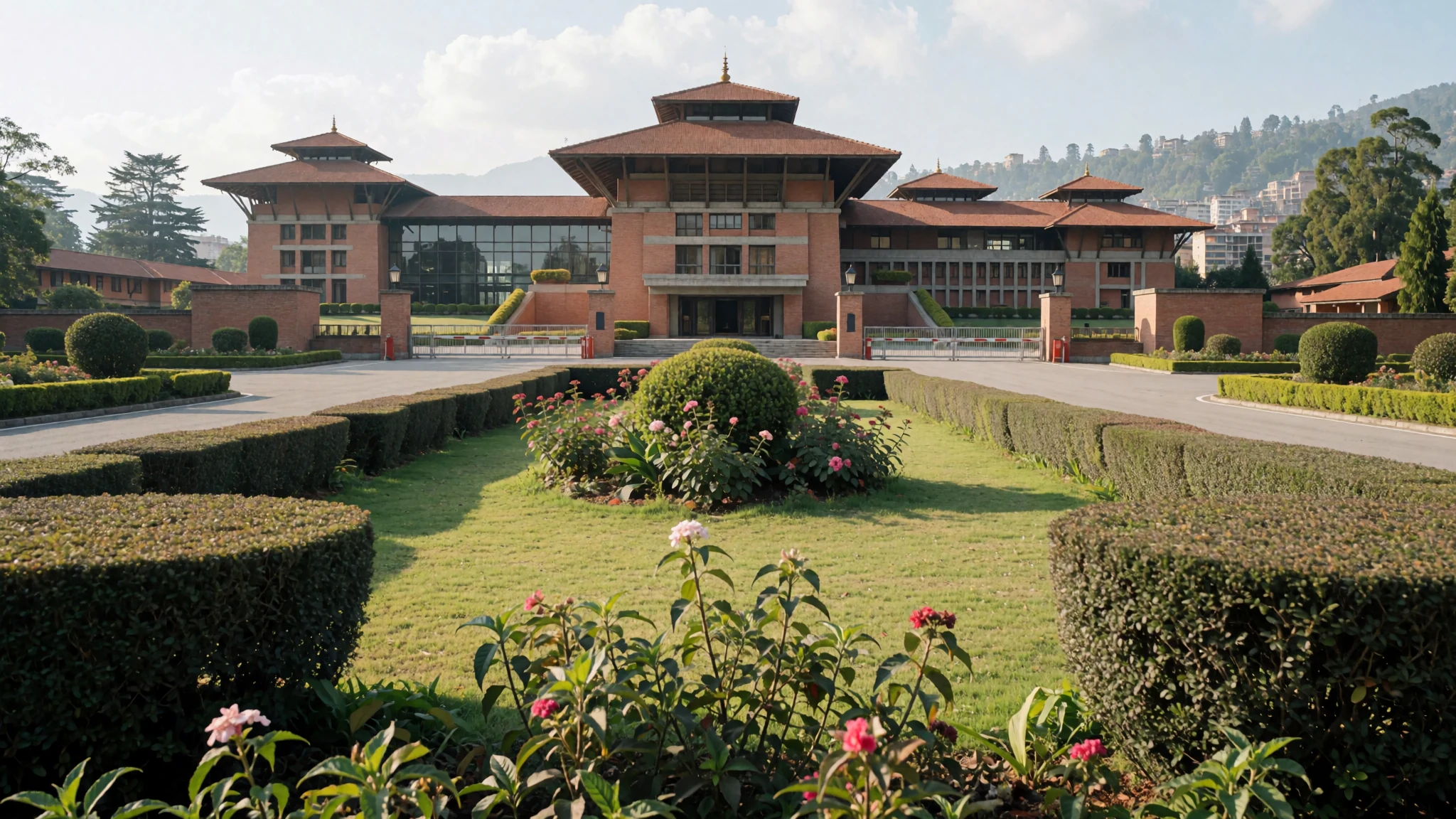
- Ghantaghar Clock Tower — Ratna Park area
Standing prominently near Ratna Park within the historic grounds of the Tri-Chandra Campus, this landmark clock tower has marked the passage of time for city residents through decades of urban transformation. It remains an easily recognisable architectural landmark in the bustling downtown district.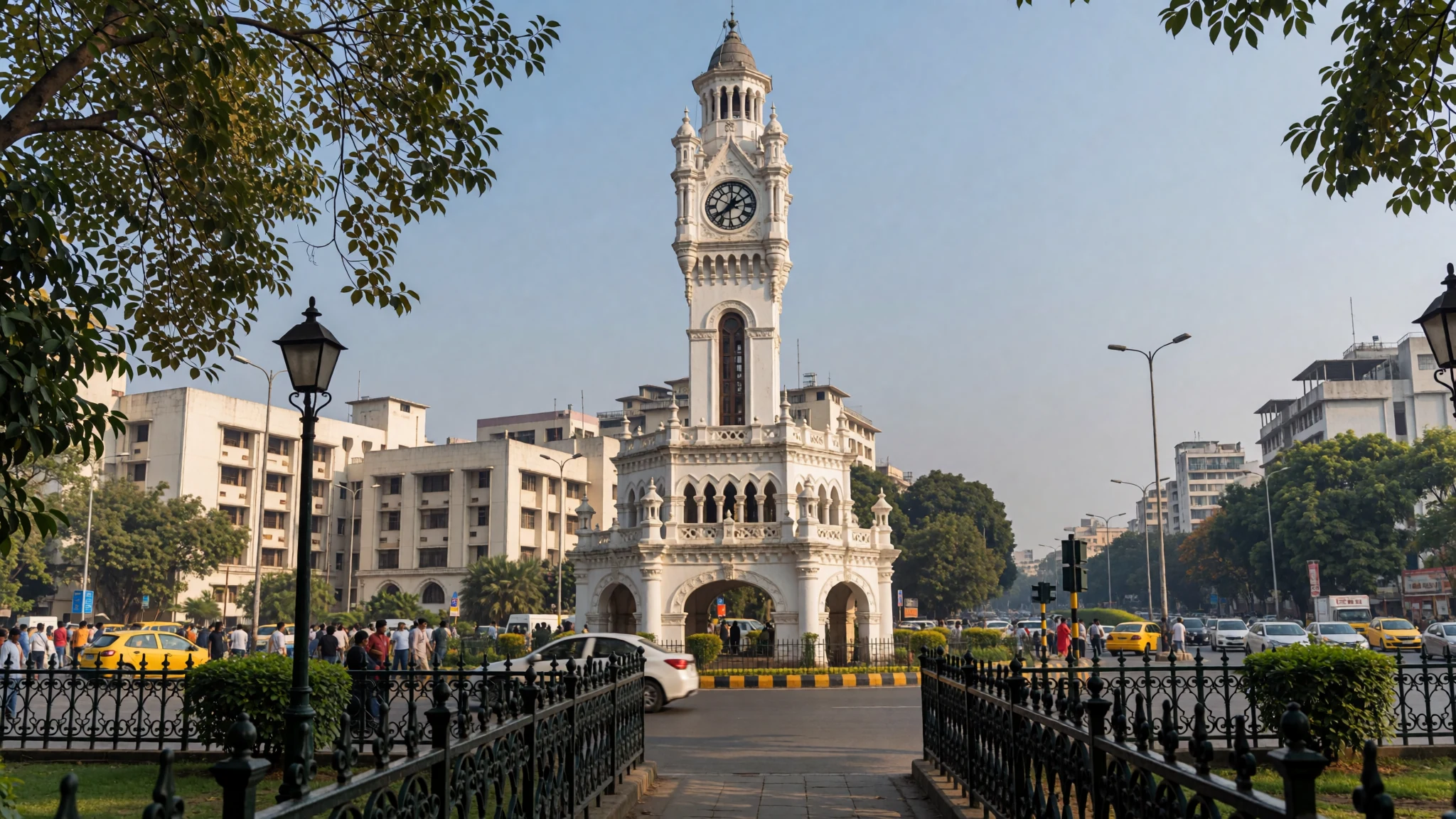
Culture
The social fabric of Kathmandu is deeply rooted in multi-ethnic traditions, where Hindu and Vajrayana Buddhist practices blend seamlessly into daily routines. Community life revolves around a vibrant calendar of religious festivals, family gatherings, and neighbourhood celebrations that fill the streets with music, processions, and offerings. Hospitality is regarded as a fundamental virtue, and visitors are generally met with warmth and curiosity by local residents. Traditional Newar customs, craftsmanship, and musical heritage continue to thrive in the ancient quarters, passed down through generations. When visiting sacred religious complexes, always remove your footwear before entering temple buildings and shops where requested, and remember to walk around stupas and shrines in a clockwise direction.
What to wear
Traditional dress in Kathmandu reflects the diverse ethnic heritage of the valley, most notably among the Newar community. Traditional womenswear often features the patasi, a woven cotton garment wrapped gracefully around the body, accompanied by embroidered blouses and distinct shawls, while men historically wore traditional tunics paired with tight trousers and cap garments known as daura suruwal. These traditional garments are crafted from durable cottons and rich wools, and are proudly worn during religious festivals, weddings, and cultural ceremonies. In everyday modern life, younger residents and urban professionals predominantly wear contemporary Western clothing such as jeans, t-shirts, and jackets, blending global fashion trends with local sensibilities. For travellers exploring the city, dressing modestly is essential out of respect for local customs; shoulders and knees should remain covered when visiting temples, sacred squares, and residential neighbourhoods, and comfortable walking shoes are necessary for navigating uneven brick courtyards and dusty streets.
What to eat
- Momo — Throughout local bhatti and street stalls
These beloved Himalayan dumplings are stuffed with minced buffalo, chicken, or spiced vegetables, then served either steamed or fried alongside a fiery tomato-sesame dipping sauce. They can be found sizzling in steam baskets across every neighbourhood, from humble street stalls to cosy local eateries.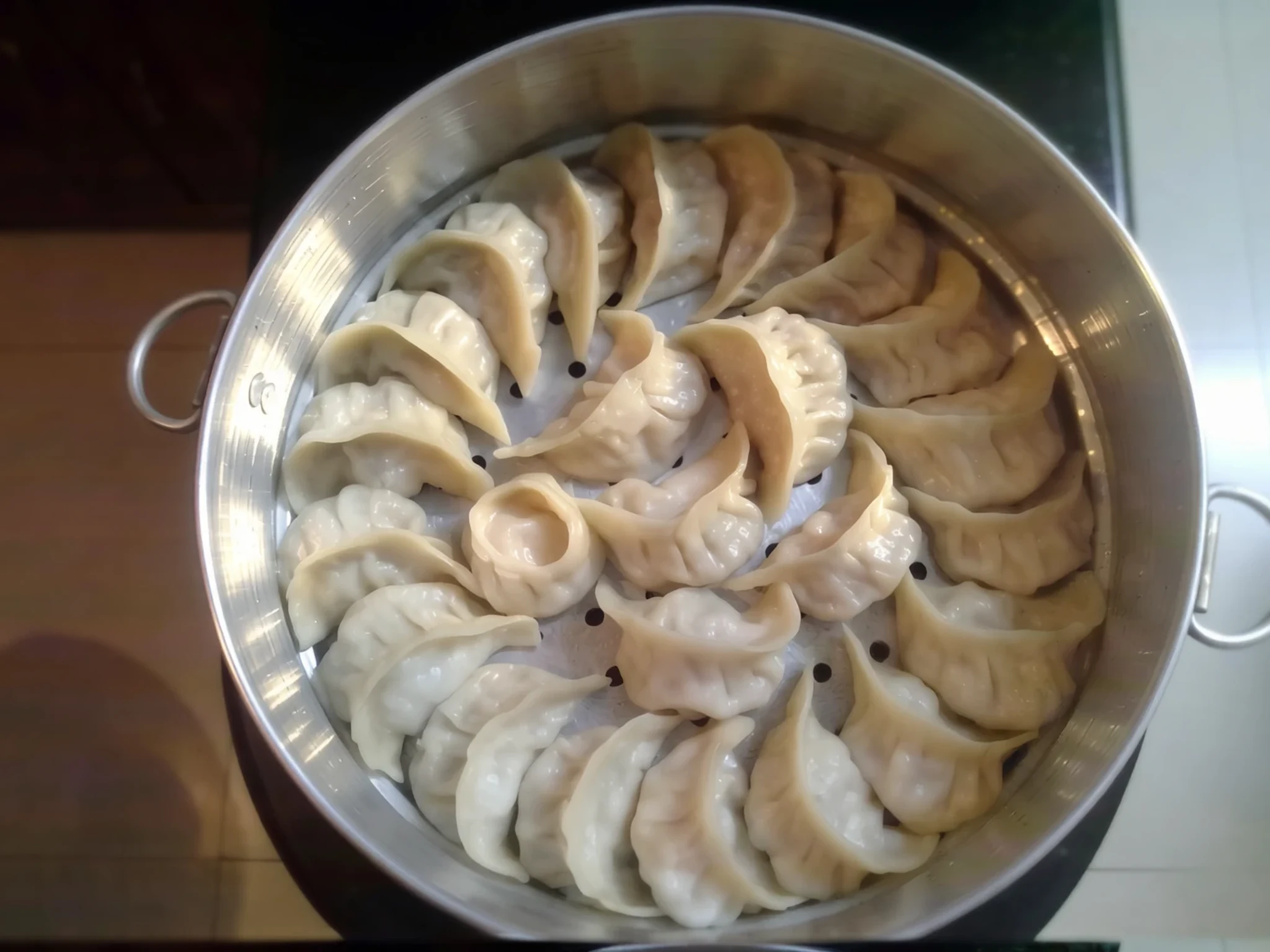
- Newari Khaja Set — Traditional bhatti and Newari kitchen houses
A traditional tasting platter showcasing indigenous Newar flavours, featuring beaten rice, spiced potato salad, skewered marinated buffalo meat, black lentils, and fermented greens. Sample this savoury feast in traditional eateries tucked inside the historic alleys of the old town.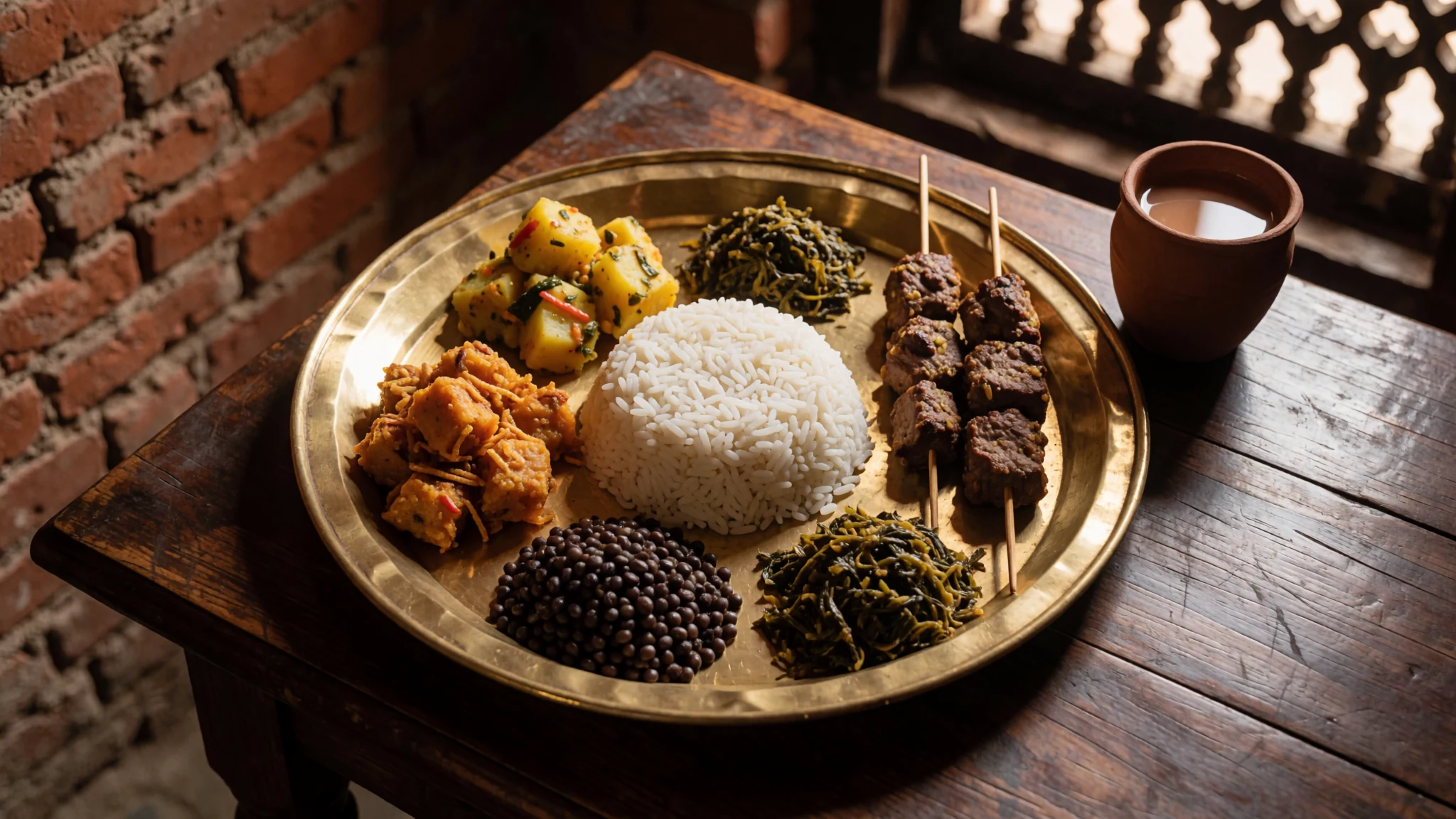
- Dal Bhat Set — Local roadside eateries and neighbourhood canteens
The foundational meal of the country, consisting of steamed rice accompanied by lentil soup, a vegetable or meat curry, spiced pickles, and fresh curd. Local eateries serve this nourishing staple in generous portions designed to sustain travellers through a busy day of exploring. - Chiya — Corner tea stalls and neighbourhood cafes
A comforting spiced milk tea brewed with aromatic cardamom, ginger, and black tea leaves, offering a sweet and warming pause during a walk through the bustling streets. Pause at any small roadside tea stall to share a ceramic cup alongside friendly local commuters. - Sel Roti — Morning street markets and sweet shops
A sweet, ring-shaped traditional rice flour bread that is deep-fried to a crisp golden exterior while retaining a soft, spongy texture inside. It is prepared in large quantities during festivals and morning markets across the valley.
Plan it
Best time. March to April for pleasant spring weather and blooming flowers, or October to November for clear skies, crisp mountain views, and major cultural festivals following the monsoon season.
How long. 3–4
Getting there. Arrive at Tribhuvan International Airport, where international flights land from major regional hubs, followed by a short taxi ride into the city centre.
Budget. mid
Tips
- Visit famous temple squares and stupas early in the morning before crowds arrive and the midday heat builds up.
- Carry sufficient physical cash in local currency, as smaller shops, shrines, and local eateries rarely accept cards.
- Drink only bottled or purified water, and check whether local establishments include service charges and taxes on menu prices.
- Secure your tourist visa online in advance to streamline arrival procedures at the airport immigration counters.
Etiquette
- Always remove your shoes before stepping inside temple buildings and sacred shrines.
- Circumambulate stupas, prayer wheels, and holy monuments strictly in a clockwise direction.
- Respect local privacy and religious solemnity by asking permission before photographing worshippers or holy sites.
Nearby
Sources
- Wikidata Q3037 (CC0)
- Wikipedia (rev 1382323859) (CC BY-SA 4.0)
- Wikivoyage (rev 5406366) (CC BY-SA 4.0)