Ise Grand Shrine
Ise Grand Shrine, Japan
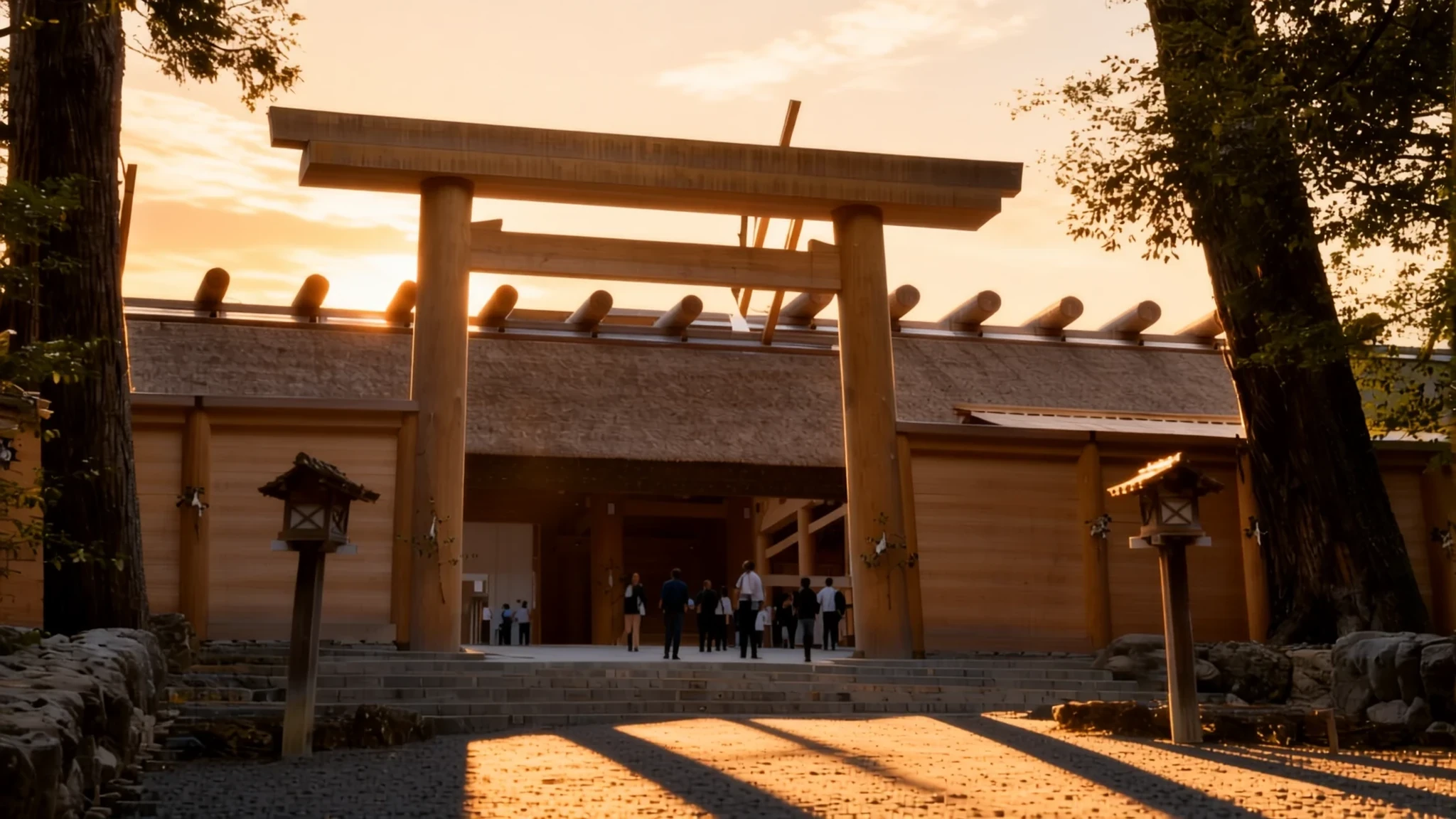
Ise Grand Shrine is Shinto at its most focused—two main sacred precincts, deep forest paths, and rituals that still shape daily life.
The place
Ise Grand Shrine, also known as Ise Jingū (伊勢神宮), sits in Ise, Mie Prefecture, Japan, as a Shinto shrine complex dedicated to Amaterasu Ōmikami and Toyouke-hime. The complex is built around two core sites: Naikū (内宮), the Inner Shrine, dedicated to Amaterasu, and Gekū (外宮), the Outer Shrine, dedicated to Toyouke-hime. These two precincts are about 6 km apart, yet they feel connected through the idea of a shared sacred landscape.
What makes Ise different is the way access works. Visitors can approach the main gates and grounds, and move through forested areas and decorative walkways, but the heart of the shrines remains out of reach—there are tall tamagaki (wooden fences) between the public and the inner sanctum. In practice, that means the atmosphere does a lot of the talking: quiet courtyards, carefully set approaches, and the sense of being in a place designed more for reverence than for sightseeing.
Inside Naikū and Gekū, the architecture is striking even without close access. The main buildings are traditionally made from solid cypress wood, joined with wood rather than nails. Around the routes between key points, you’ll notice the rhythm of pilgrimage—some people go quickly for a single circuit, others linger with offerings, prayers, and slow conversations. If the crowds are heavy, the grounds still hold a calm quality; the noise stays surprisingly low because everyone is participating in the same gentle pace.
Its story
The story of Ise Grand Shrine is less about a single building and more about a living rhythm—ritual continuity across centuries. The complex is centred on Naikū and Gekū, which honour different deities yet operate as parts of the same sacred system. When people talk about “Jingū” in Ise, they’re usually describing that whole world: not just a stop on a route, but a shrine city held together by tradition.
A practical way to feel the shrine’s story is to notice how it guides movement. The grounds open out enough for walking, framing, and pauses, but they never fully give away what sits behind the fences. The visitor experience becomes one of approach and restraint. That restriction is not an inconvenience—it’s part of the meaning. The sacred areas are meant to remain protected, and the public’s view is intentionally limited to what lies beyond sightlines.
There’s also a wider history of pilgrimage. Ise attracted repeated visits from Japanese pilgrims over long periods, including the famous Okage mairi, when the shrine’s popularity pushed both religious and commercial activity. That long tradition helps explain why you’ll see such a mixture on the day: families, older devotees, and travellers who arrive with map apps open, yet still slow down at the same steps and gates.
Even seasons change the feel. Autumn light makes the forest approaches look more defined; spring brings more visitors and higher energy. Either way, Ise doesn’t feel like a “photo spot” so much as a place where quiet attention is the real souvenir.
What to see
- Naikū (Kōtai Jingū) — Naikū / Inner Shrine precinct, Ise
Naikū, the Inner Shrine, is the larger and more central precinct for worship of Amaterasu Ōmikami. Expect a forested approach, calm courtyards, and the feeling that the important parts are deliberately kept out of view behind tall tamagaki.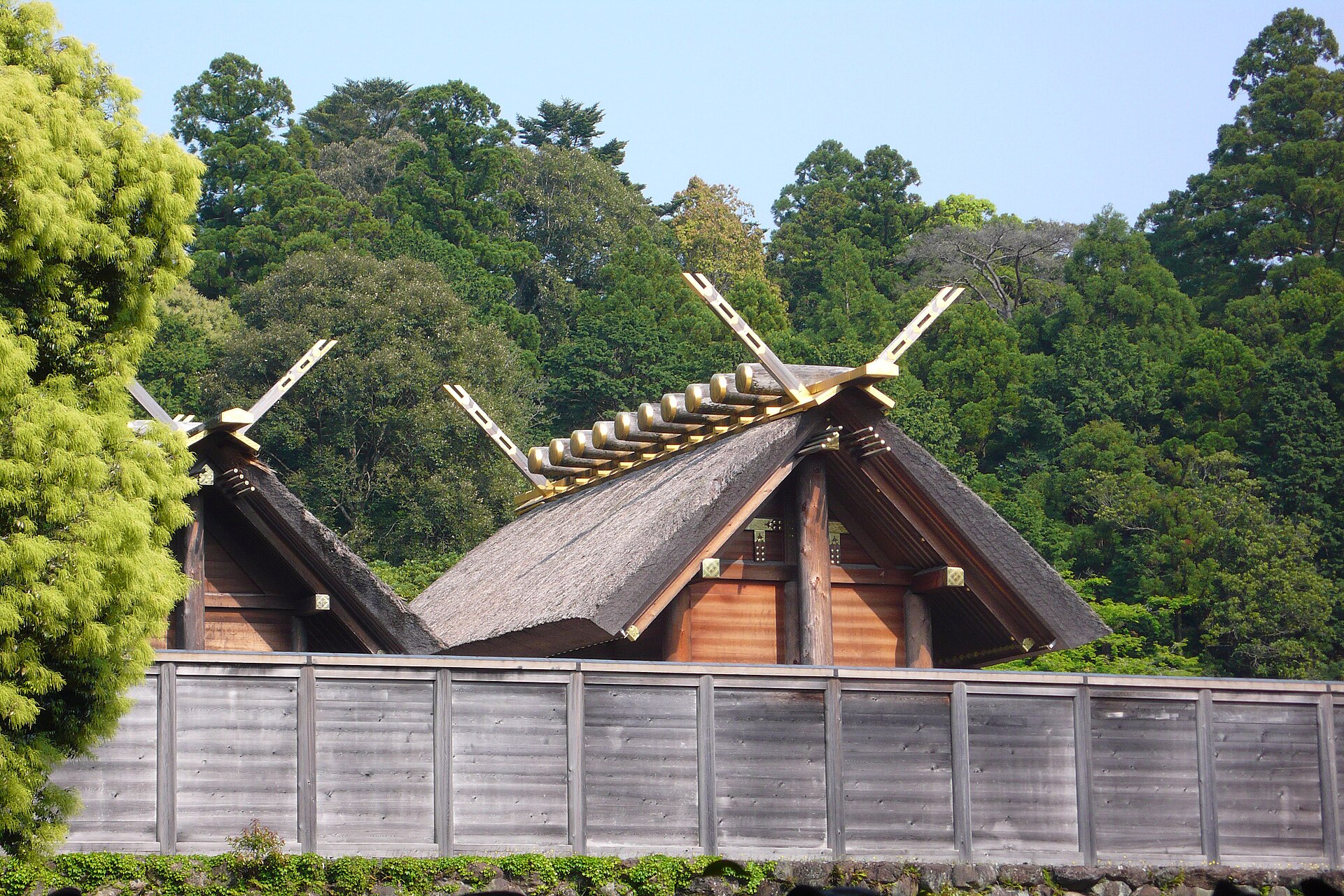
- Gekū (Toyouke Daijingū) — Gekū / Outer Shrine precinct, Ise
Gekū, the Outer Shrine, is dedicated to Toyouke-hime, closely linked to food and the everyday world. The main gate area is where you’ll notice stalls for small snacks and souvenir-style offerings, alongside a steady flow of visitors.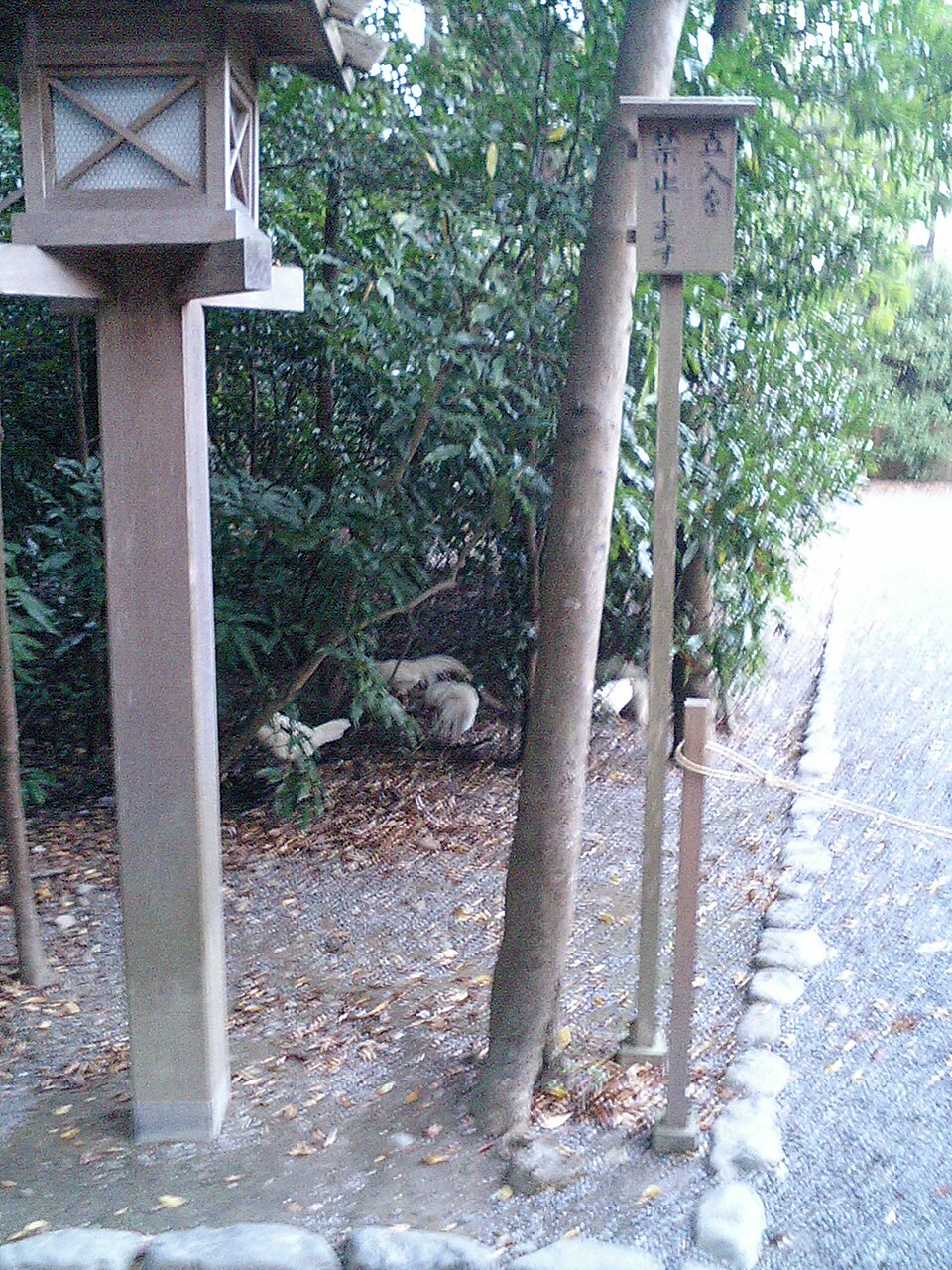
- Main shrine buildings (meizukuri style) — Naikū and Gekū viewing areas, Ise
Around Ise Grand Shrine, the classic cypress-wood look—solid timber, joined in traditional ways—stands out even when you’re far from the core structures. Look for the clean lines and roof forms of the honden as you move through permitted viewing zones.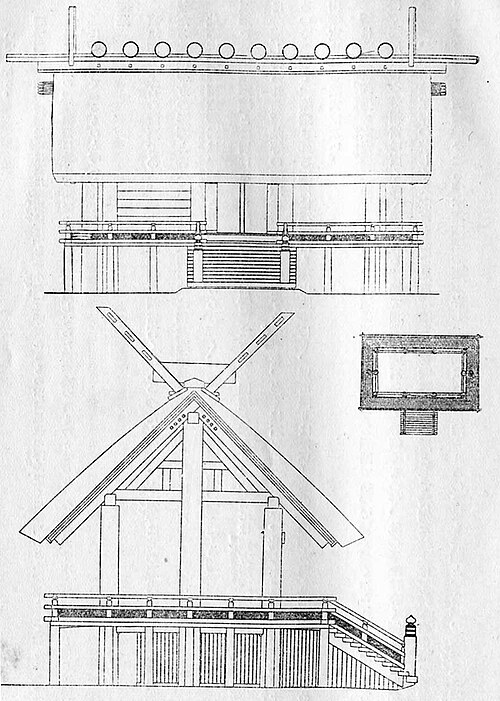
- Kawasaki Kaiwai (merchant quarters) — Kawasaki Kaiwai, Ise
Kawasaki Kaiwai is the older merchants’ quarter of town, with streets that feel less like a purpose-built tourist corridor. It’s a good breather spot between shrine circuits—worth a slow walk to see how everyday Ise sits beside the sacred complex. - Meoto Iwa (Wedded Rocks) — Coast near Ise, between shrine day trips
Meoto Iwa are the offshore “husband-and-wife” rocks, tied with a shimenawa rope, and they’re a nice contrast to the inland shrine calm. The sea setting gives you a different kind of Shinto landscape—more open, more breezy, and often photogenic. - Miya River Fireworks Festival — Miya River area, Ise
The Miya River Fireworks Festival is a local competition-style fireworks event. It’s not pitched as the biggest in Japan, but it’s a fun add-on if the timing lines up—especially after a shrine day when evening energy is exactly what you want.
Culture
At Ise Grand Shrine, the culture you notice most is restraint—how people behave when a place is still actively used for Shinto worship. The public can’t enter the inner sanctums, so the experience is designed around what you can approach and how carefully you move. That’s why you’ll see visitors queue gently, pause at the same spots, and keep voices low as they pass from gate to gate.
The other cultural rhythm is the two-precinct structure. Naikū and Gekū are treated as separate sacred grounds, each dedicated to a different deity, and many visitors plan their day around covering both. The sacred forest routes and ornamented walkways make the atmosphere feel more like a pilgrimage than a checklist.
Dress matters in small, practical ways. You’ll see pilgrims in everyday clothes, but the overall look is modest and tidy, because the shrines are places of respect, not streetwear fashion. Photography is generally workable, but people are careful around other worshippers, and the focus tends to be on the scene rather than on interrupting anyone’s prayers.
Visitor etiquette: keep voices down, follow posted signs about where to stand and what to photograph, and remove footwear when asked at shrine entrances.
What to wear
At Ise Grand Shrine, clothing is mainly about modesty, comfort, and respect—because the day involves walking on shrine approaches and spending time in forested grounds. Traditional dress linked to Shinto festivals varies by season, but you’ll often see visitors in simple, clean garments; when special attire appears, it tends to be worn for respectful viewing and ceremonial atmosphere.
What people wear now is a mix: many visitors come in light layers and practical shoes, and local and travelling guests often dress more conservatively than they would for a night out. In humid or rainy weather, people tend to bring umbrellas or light rain covers, and modest outer layers help because shrine visits can include waiting in queues.
For visitors, the best approach is to dress as if visiting a place of worship in a calm neighbourhood: long trousers or skirts (or shorts covered by a modest layer), tops that are not too revealing, and a neutral look that doesn’t draw attention. Footwear matters: you may need to remove shoes where instructed, so choose footwear that’s easy to slip off and back on. If weather turns, comfortable socks and a light waterproof layer make the day much easier on the feet.
What to eat
- Ise udon — Restaurants near Naikū, Ise
A local specialty of thick noodles in a strong-flavoured sauce, often finished with spring onion. Many visitors pick it up at eateries around Naikū after walking the main approach. - Ise-ebi (spiny lobster) sashimi — Local restaurants around Naikū and Gekū, Ise
Fresh Ise-ebi sashimi is the headline seafood in the region, served when it’s available and usually paired with simple accompaniments. Expect it in restaurants serving local specialties around the shrine areas. - Akafuku mochi with green tea — Stalls around Naikū
Akafuku is a sweet mochi rice cake wrapped in red bean jam, commonly eaten with complimentary green tea. It’s easy to grab from stalls connected to the Naikū area for a quick treat between walks. - On-the-go snacks at Gekū — Near the main gate at Gekū
Gekū has a stand near the main gate where small snacks and souvenir-style items are easy to find. It’s a convenient stop when timing between the two main shrines matters. - Unagi (charcoal-grilled eel) — Japanese-style eateries in Ise
Charcoal-grilled eel is a common choice in the Ise area, often served as a set meal with rice. If you’re looking for something filling after a long shrine walk, it’s a steady option in local Japanese-style restaurants.
Plan it
Best time. March–April for blossom, late October–November for maple colour; June is the rainy season and August is hot and humid.
How long. 3–4
Getting there. Fly into Kansai International Airport, then use rail links onward to the Ise area; trains connect via Nagoya and local stations such as Iseshi (伊勢市).
Budget. mid
Tips
- Start early to keep the walk around the main approaches calmer
- Plan Naikū and Gekū as two separate visits, since they’re handled as distinct sacred grounds
- Build in time for slower forest paths and queues rather than rushing between gates
- Carry cash for small shrine-area purchases and street snacks
Etiquette
- Follow signs about where shoes are removed and where you should use slippers
- Keep voices low and avoid stepping into people’s prayer space
- Be considerate when photographing—only shoot where it doesn’t interrupt worship
Nearby
Sources
- Wikidata Q687168 (CC0)
- Wikipedia — Ise Shrine (CC BY-SA 4.0)
- Wikivoyage — Ise (CC BY-SA 4.0)
- photos/01-ise-shrine-itagaki-minami-gomon.jpg (CC0 1.0)
- photos/02-naiku-04.jpg (CC BY-SA 4.0)
- photos/03-sinkei20051116.jpg (CC BY 3.0)
- photos/04-ise-shrine-meizukuri.jpg (Public domain)
- photos/05-ise-daijingu-sengyo-no-zu-depiction-of-the-relocation-of-the.jpg (Public domain)
- photos/06-ise-grand-shrine-emperor-meiji-sadahide-utagawa-1869.png (Public domain)
- photos/07-sengu20051116.jpg (CC BY 3.0)
- photos/08-jingu-sinden-otaue-06.jpg (CC BY 3.0)


