Ilha do Mel
Ilha do Mel, Brazil
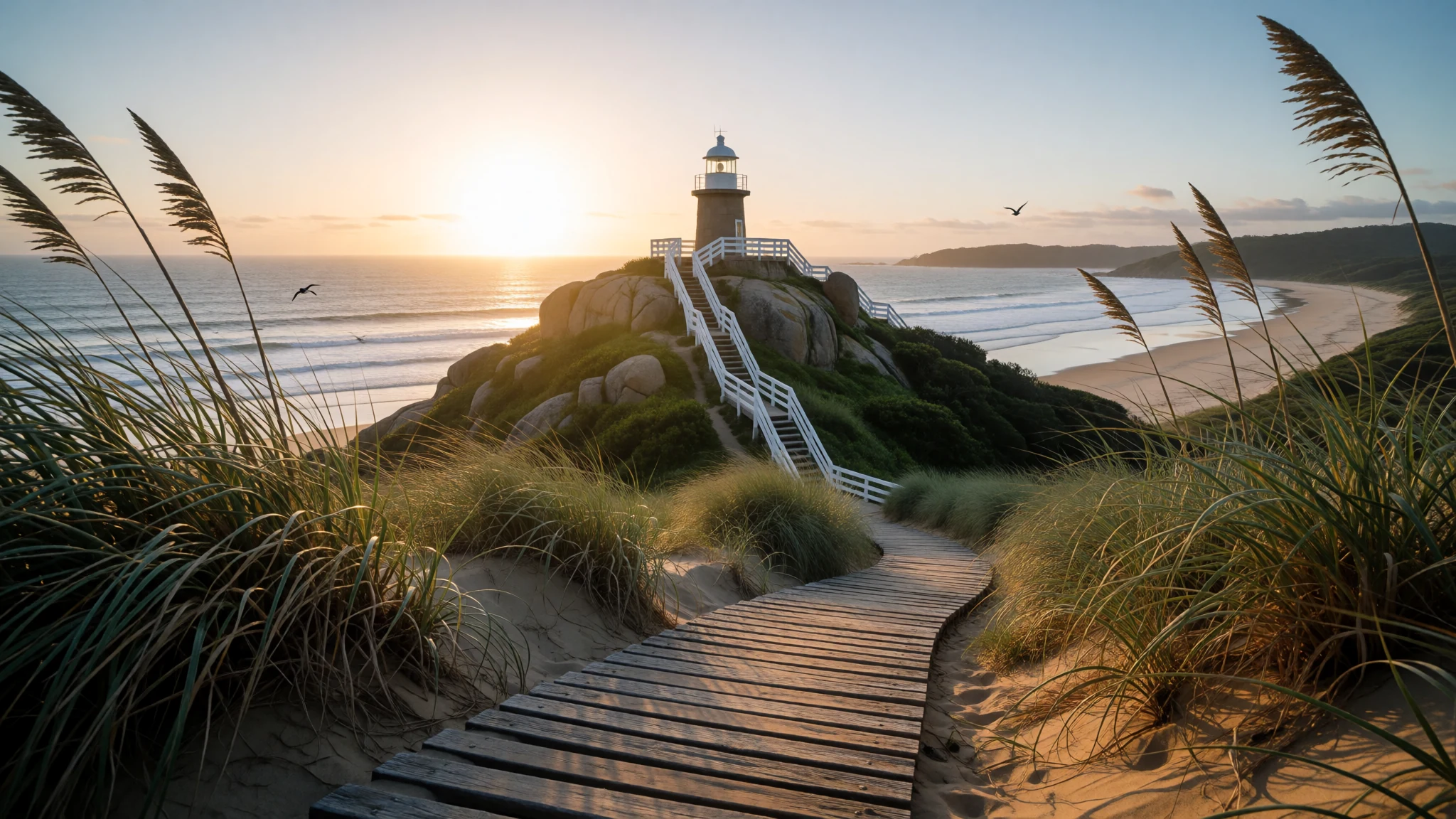
Ilha do Mel is a car-free Atlantic sanctuary where strict daily visitor caps protect pristine coastal trails, historic fortresses, and quiet sandy shores.
The place
Ilha do Mel rests off the coast of Paraná state in Brazil, positioned a short distance from the mainland. Though its closest coastal neighbour is Pontal do Paraná, the island is administered by the municipality of Paranaguá. Shaped vaguely like the number eight, the landmass is sharply divided into two distinct sections. The larger northern portion is heavily protected, encompassing a designated ecological station and historical military ruins, featuring dense natural vegetation with no cross-island roads. The smaller southern zone forms the bustling heart of local life, where small settlements, guesthouses, and eateries cluster near the primary arrival piers. Environmental regulations are exceptionally strict across the entire territory. Almost the entirety of the island's landscape is preserved as an environmental conservation area dedicated to native flora and fauna. To safeguard these fragile ecosystems, authorities enforce a daily visitor limit, ensuring the atmosphere remains peaceful and largely undisturbed by mass tourism. Motorised transport of any description is completely banned, alongside animal-drawn carts, meaning all journeys across the sandy pathways must be completed entirely on foot or by bicycle. Furthermore, the island operates without any public street lighting, preserving dark skies that reveal glittering constellations overhead once daylight fades from the shoreline. Visitors arrive by maritime ferries departing regularly from nearby coastal ports, stepping straight off the wooden docks into a slower, more deliberate rhythm of coastal island living where nature dictates the pace of each day.
Its story
Ilha do Mel holds a deep archaeological record stretching back thousands of years through ancient human habitation. Early Indigenous groups, specifically the carijós belonging to the Tupi-Guaran linguistic family, inhabited the coastal territories long before the arrival of European explorers. Evidence of these early inhabitants remains preserved in local shell mounds known as sambaquis, which accumulated from centuries of discarded marine shells and organic refuse. Following European colonisation along the Brazilian coast, settlers eventually established footholds in the surrounding region, harvesting local timber, cultivating hardy root crops like aipim, and harvesting seafood from the bountiful surrounding waters. For generations, the island remained remarkably isolated from mainland infrastructure, functioning as a quiet haven for fishermen and small farming families. Modern amenities arrived very gradually to the community; basic water distribution systems and domestic electrical grids were established slowly during the latter decades of the twentieth century, transforming daily routines that had previously relied entirely on wells and candlelight. Despite these modern connections, the community has fiercely protected its heritage of seclusion, resisting heavy urban development to maintain the quiet, rustic character that defines its shores today. The historic fortress overlooking the bay stands as a stone reminder of colonial defence strategies, bearing silent witness centuries of shifting maritime trade and regional sovereignty disputes along the Brazilian coastline.
What to see
- Conchas Lighthouse — Northern sector
Perched prominently on a rocky coastal rise, this historic lighthouse offers sweeping panoramic views across the Atlantic and serves as an ideal vantage point for grasping the distinctive figure-eight geography of Ilha do Mel.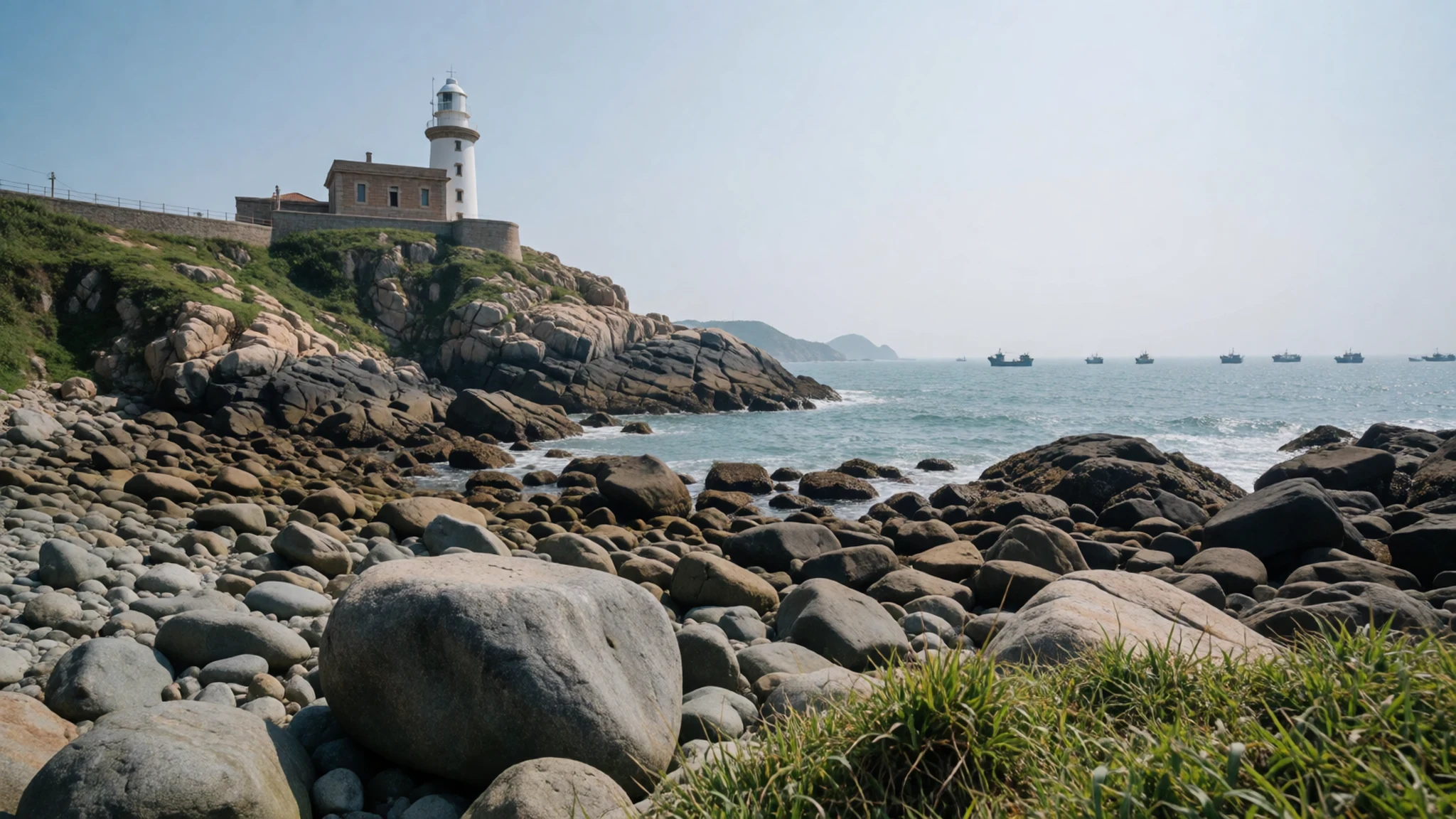
- Gruta das Encantadas — Encantadas village
Carved naturally into the rocky southern headland, this mysterious coastal grotto is steeped in regional folklore and local maritime legends, drawing curious travellers along wooden boardwalks that wind closely beside the crashing ocean waves.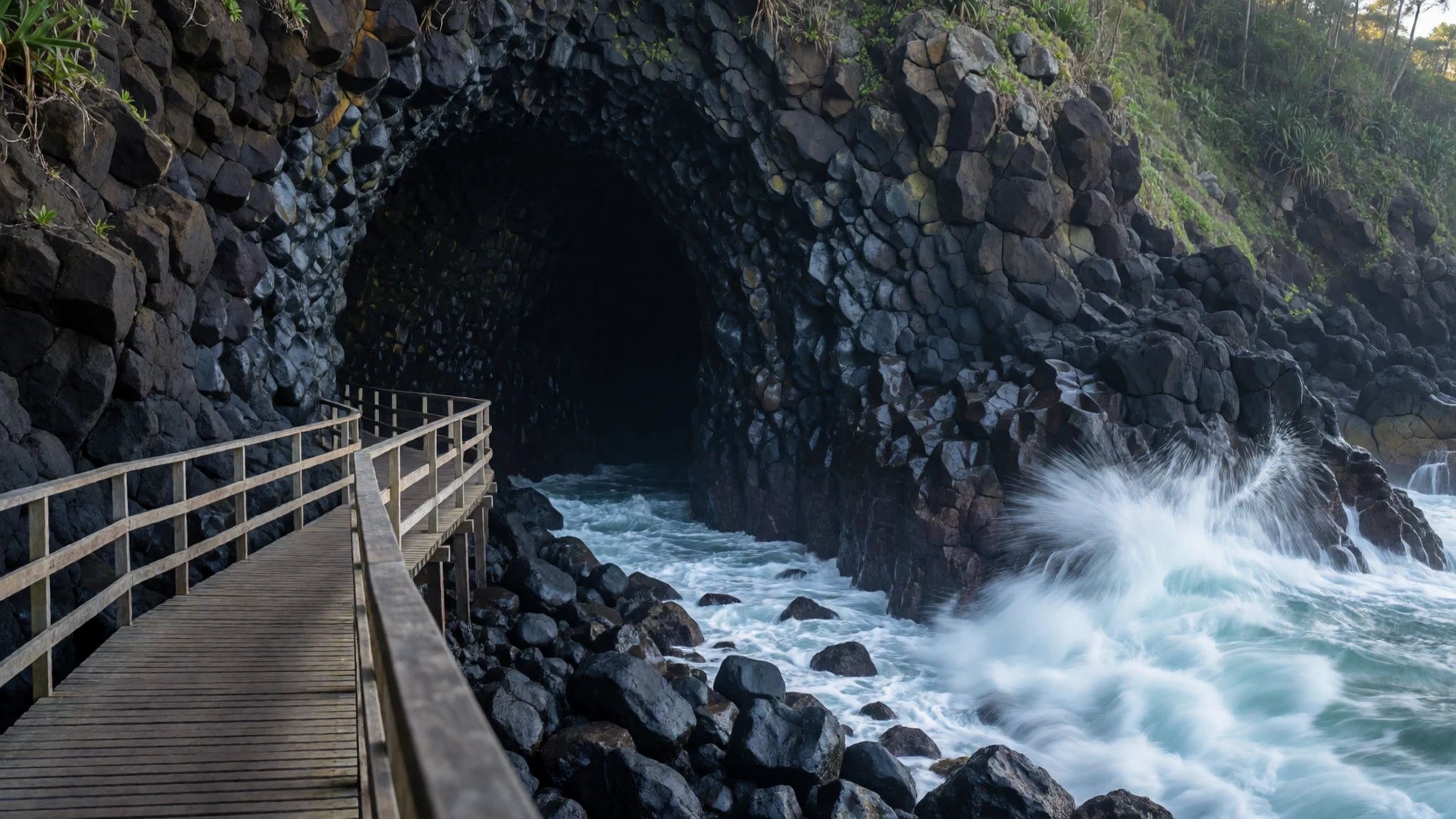
- Portuguese Fort — Nova Brasília sector
Constructed during the eighteenth century to defend the strategic bay approaches, the historical fortification displays weathered stone ramparts and heavy antique iron cannons facing the open sea, surrounded by quiet walking trails and lush greenery.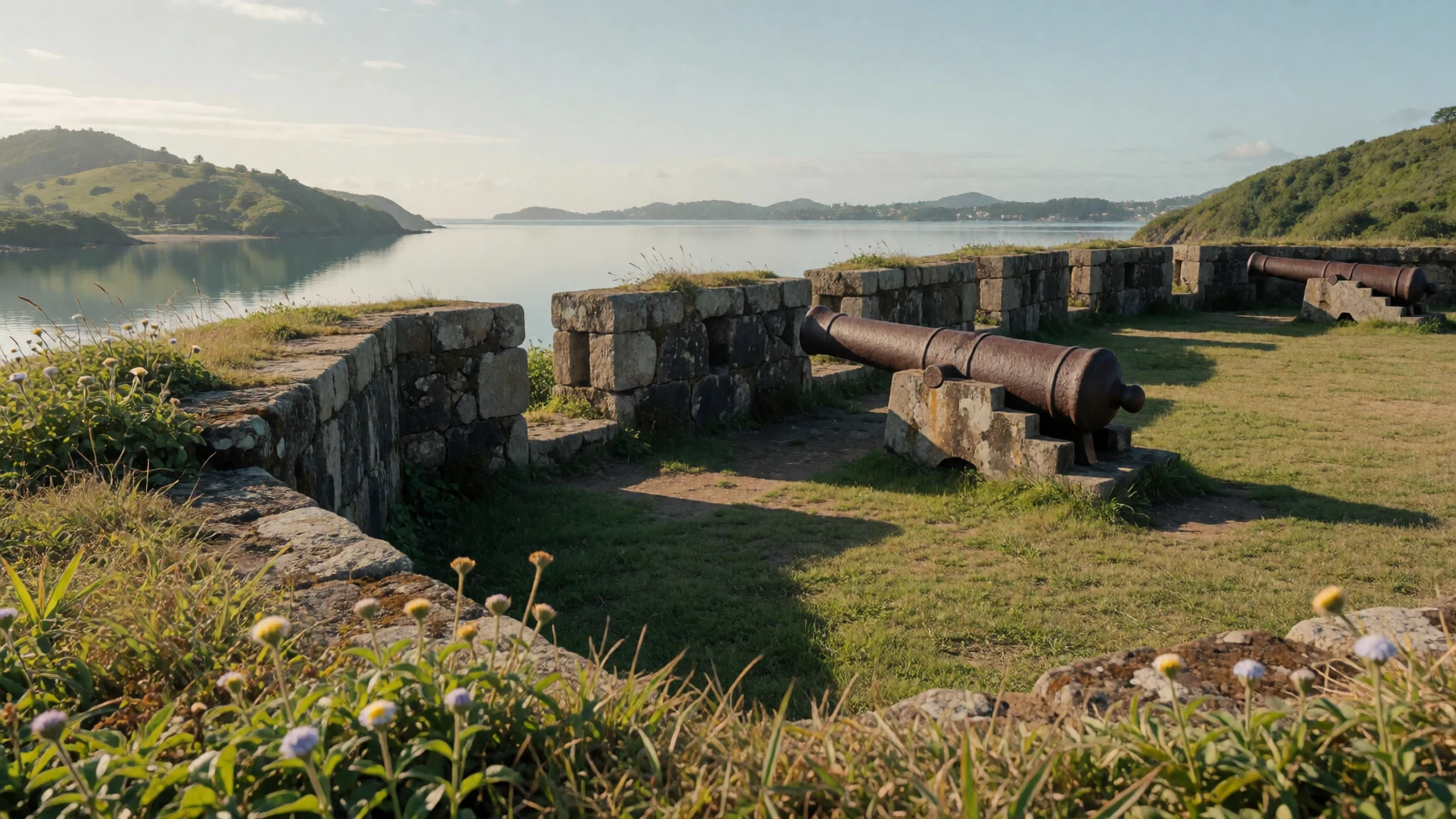
- Praia de Fora — Outer Atlantic coast
Facing the open Atlantic swells, this sweeping sandy stretch attracts surfers and beachgoers looking for powerful ocean waves, energetic coastal winds, and long stretches of undeveloped shoreline far away from busy urban environments.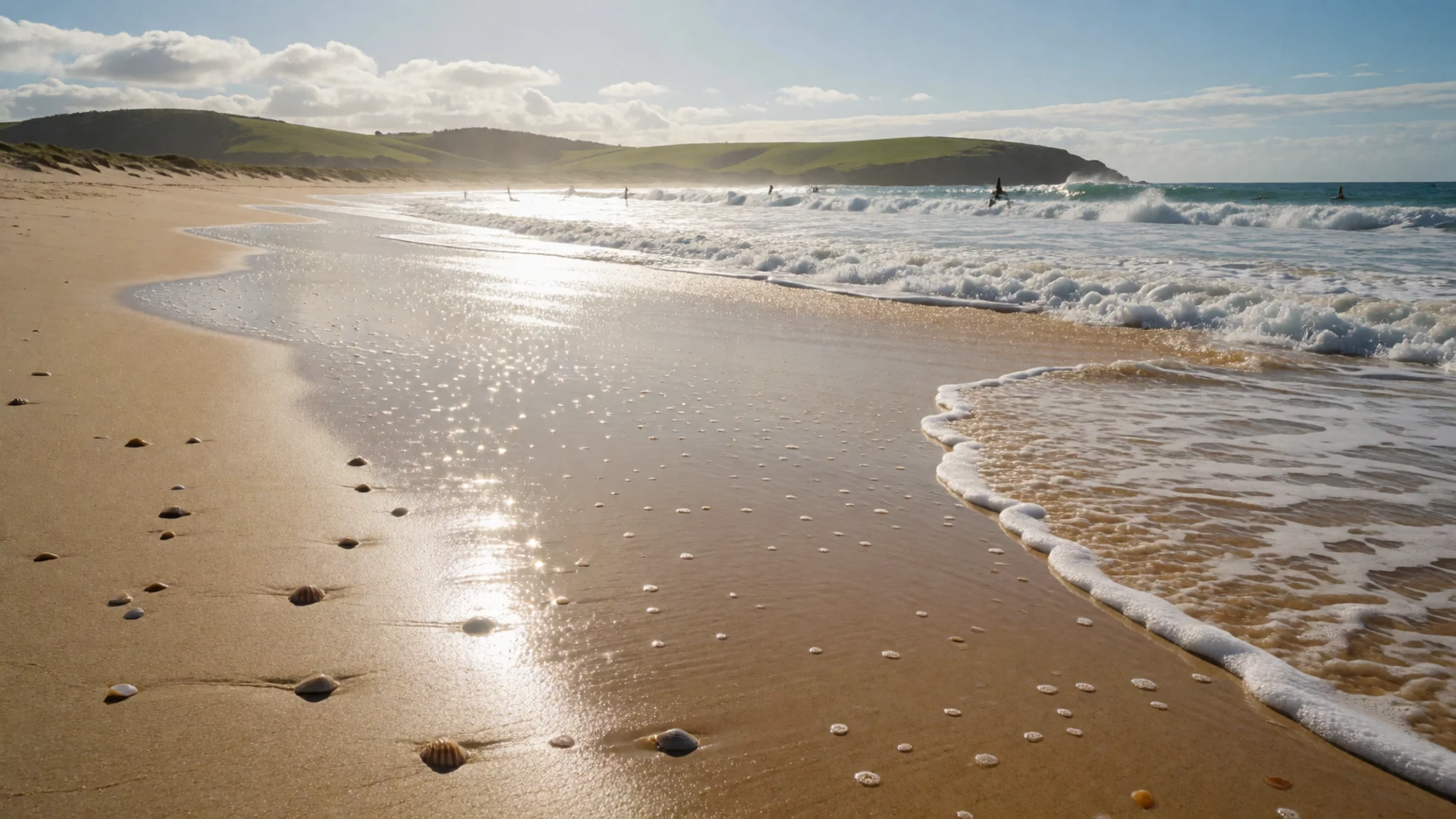
- Nova Brasília Beaches — Nova Brasília village
Spanning the calmer bayside and walking paths near the main passenger piers, these sheltered waters provide relaxed swimming spots, vibrant local gathering spaces, and convenient access to nearby guesthouses and informal village cafes.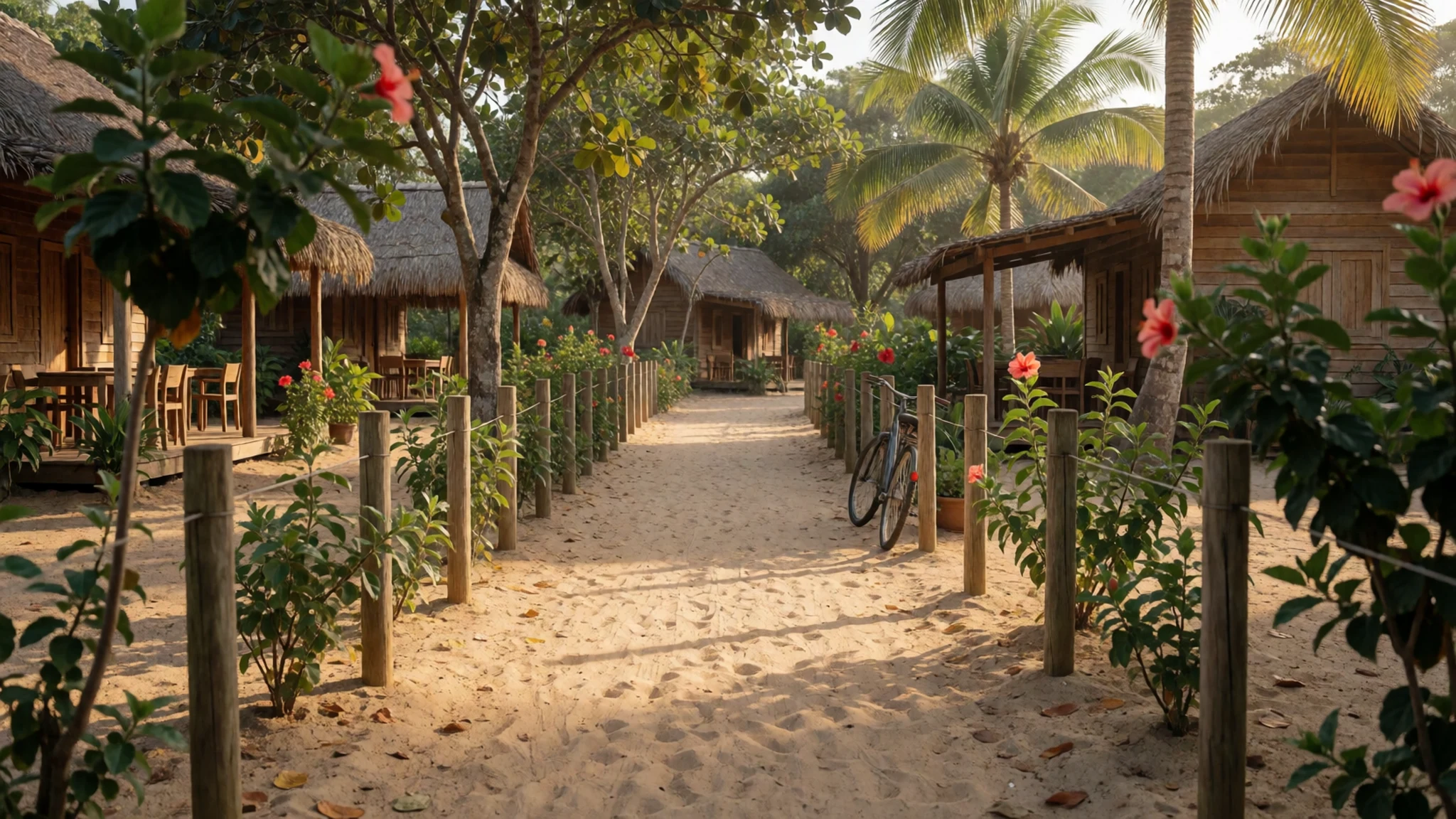
Culture
Ilha do Mel sustains a close-knit coastal culture shaped by generations of artisanal fishing, environmental stewardship, and a deliberate rejection of modern vehicular hustle. The local population comprises native islanders alongside newcomers who value ecological conservation and a slower pace of existence. Traditional festivals, regional folklore, and maritime traditions continue to influence daily life, especially during quieter off-season months when community bonds strengthen away from the tourist rush. Visitors will find that social interactions are warm, unhurried, and conducted primarily in Portuguese, though basic English is understood in major guesthouses. Sustainability is not merely a policy here but a lived daily ethic, with residents taking immense pride in protecting their fragile dunes, fresh water lenses, and native Atlantic forest flora from overdevelopment. When walking through the sandy residential pathways, always carry your rubbish with you until you find proper recycling bins, as public waste disposal infrastructure on the island is extremely limited.
What to wear
Traditional attire on Ilha do Mel has always prioritized practical adaptation to a humid coastal climate and sandy terrain, historically favouring light cotton garments, straw hats, and durable workwear suited for small-scale farming and boat handling. Contemporary residents and visiting travellers alike adopt a distinctly relaxed, barefoot-friendly beach aesthetic. Everyday clothing revolves around comfortable swimwear, lightweight boardshorts, breathable linen shirts, and casual sundresses that transition easily from sandy shoreline walks to rustic village dining spots. Because the entire island lacks paved roads and features deep sand paths instead, sensible footwear is essential; heavy boots, heels, and structured shoes are completely impractical. Visitors should pack comfortable sandals, flip-flops, or sturdy walking shoes that can handle wet sand and dirt trails. Evenings near the ocean can bring cool breezes and damp air, making a lightweight windbreaker or cotton fleece jacket a sensible addition to any luggage. Modesty standards are relaxed in keeping with standard Brazilian beach culture, though pulling a cover-up over swimwear when entering local shops or residential areas is appreciated.
What to eat
- Fresh Seafood Stews — David's Bar and Restaurant
Hearty local dishes prepared with freshly caught fish, prawns, and aromatic herbs simmered in rich coconut milk broths, served alongside traditional cassava flour.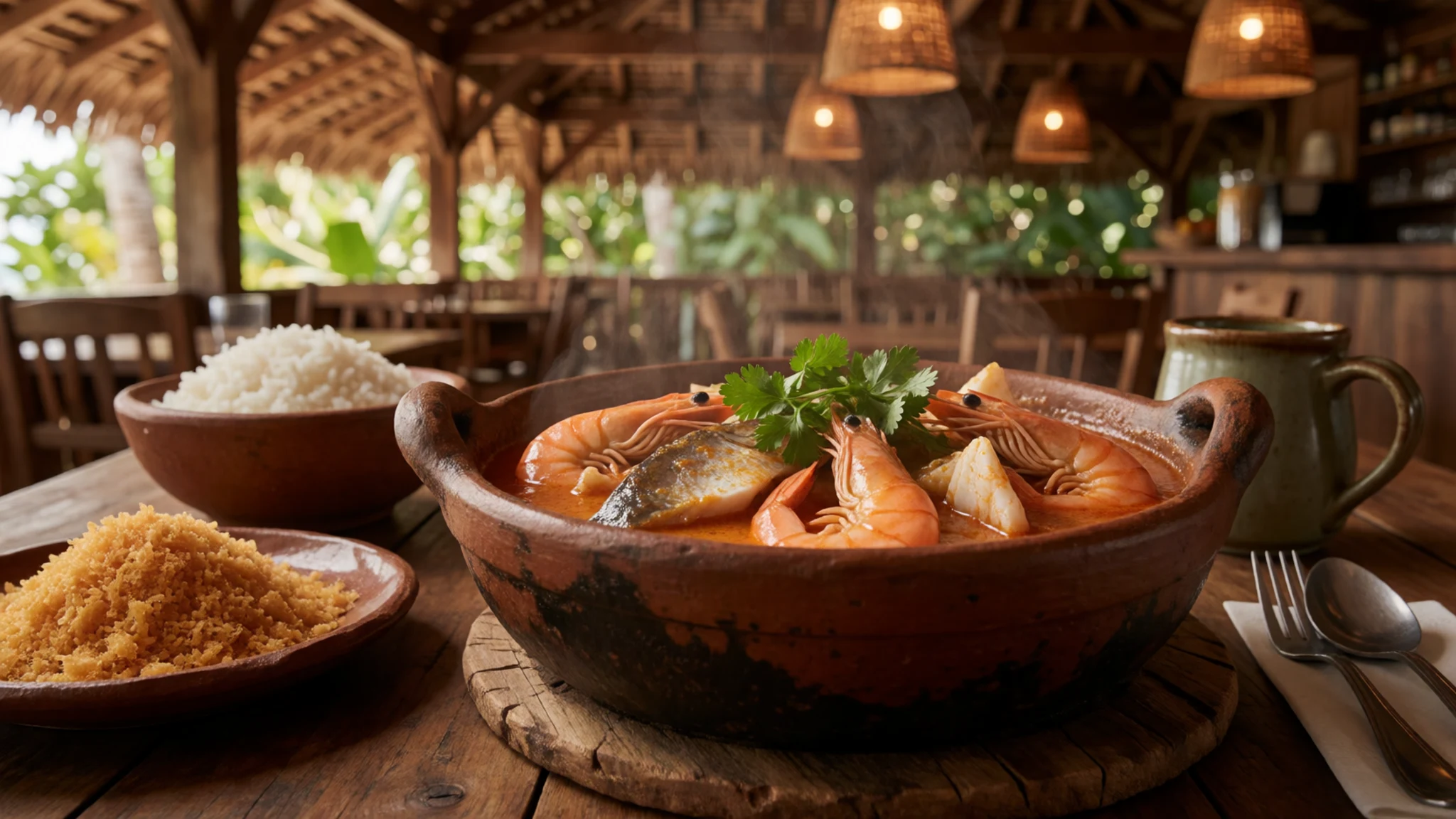
- Per-Kilo Buffet Lunch — Recanto Tropical Restaurant
A diverse spread of hot Brazilian comfort foods, grilled meats, fresh salads, and seasonal vegetables priced by weight for flexible dining.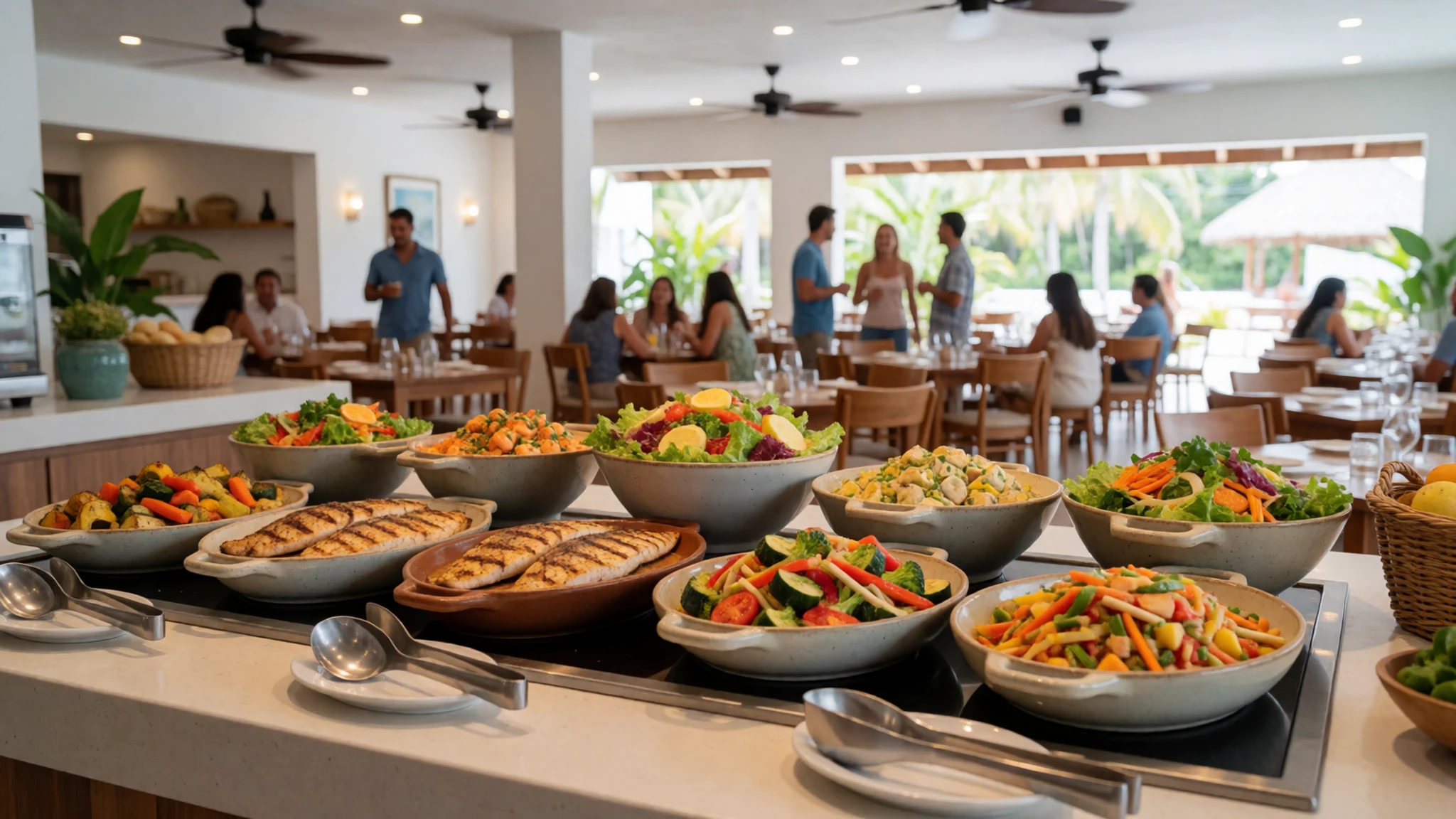
- Artisanal Caipirinhas — Ilha do Mel Café
Classic Brazilian cocktails crafted using top-grade artisanal cachaça sourced from private collections, muddled with fresh limes and crushed cane sugar. - Specialty Brazilian Coffee and Snacks — Ilha do Mel Café
Rich regional coffee brews paired with freshly baked cakes, savoury pastries, and toasted sandwiches in a relaxed cybercafe setting. - Coastal Seafood Platters — Restaurante Mar e Sol
Generous portions of fried fish, grilled squid, and local shellfish served family-style with garlic rice and cold tropical fruit juices.
Plan it
Best time. March to April and September to November offer pleasant warm temperatures, comfortable humidity, and smaller crowds compared to the busy summer season.
How long. 2–3
Getting there. Fly into Curitiba, take transport to Paranaguá or Pontal do Sul, and board the passenger ferry across to the island.
Budget. mid
Tips
- Book your guesthouse well in advance if visiting during peak summer holidays or Carnival.
- Pack light luggage in soft bags, as wheeled suitcases are extremely difficult to drag through deep sand paths.
- Carry sufficient cash, as card machines can fail frequently during power fluctuations or peak periods.
- Bring strong insect repellent and high factor sun cream for outdoor walks along the trails.
- Check ferry schedules carefully in advance, as rough sea conditions can occasionally alter departures.
Etiquette
- Always pack out your own rubbish and respect local recycling efforts to protect the fragile environment.
- Keep noise levels low at night out of respect for local residents and native wildlife resting nearby.
- Remove sandy footwear before entering local guesthouse rooms and indoor dining spaces.
Nearby
Sources
- Wikidata Q629824 (CC0)
- Wikipedia (rev 1377294172) (CC-BY-SA 4.0)
- Wikivoyage (rev 5404719) (CC-BY-SA 4.0)
- Photo 01 (CC BY 3.0)
- Photo 02 (CC BY-SA 4.0)
- Photo 03 (CC BY 3.0)
- Photo 04 (CC BY 3.0)
- Photo 05 (CC BY 3.0)
- Photo 06 (CC BY 3.0)
- Photo 07 (CC BY 3.0)
- Photo 08 (CC BY 3.0)


