Paraty
Paraty, Brazil
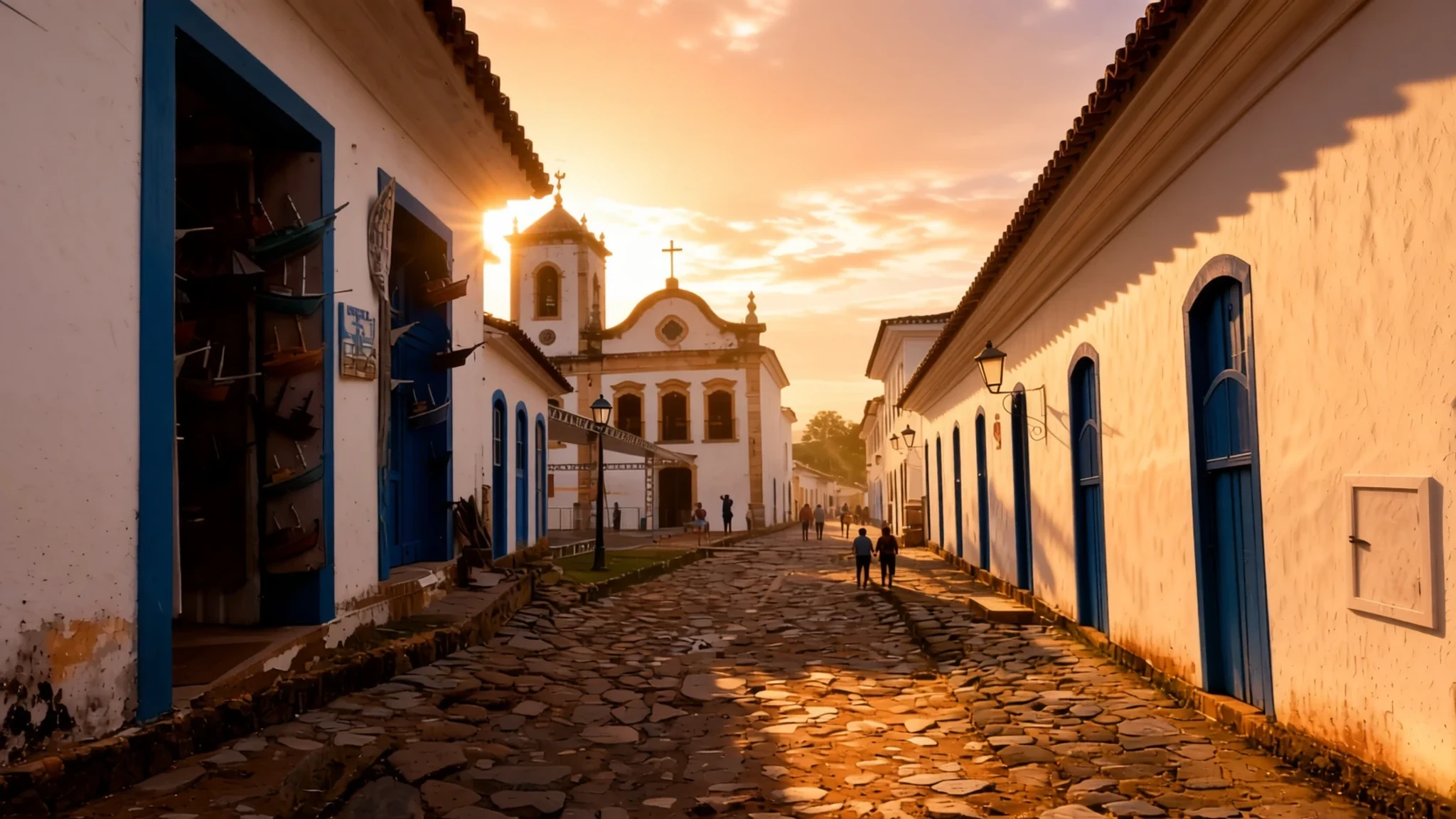
Paraty is a colonial town of stone lanes and whitewashed houses, set between Atlantic forest and a bay full of islands.
The place
Paraty is a small municipality on the southern coast of Rio de Janeiro state, reached from the city of Rio along the coastal road that winds past bays and lagoons. Its population is 47,668, and the town sits almost at sea level, only five metres above the water. That is why the streets can flood at high tide and why the old centre feels so close to the sea. Behind it the land rises steeply through Atlantic forest, so within a short drive a visitor can move from a palm-lined beach to cool mountain trails and waterfalls.
The municipality takes in a long stretch of coast and a scatter of islands. Most of its land is protected in conservation areas, including parts of the Serra da Bocaina National Park, and this shapes what can be done here. The town is the southernmost and westernmost city in its state, and that remote position helped keep its colonial character largely intact.
The historic centre is the main draw. Low houses with coloured doors and shuttered windows line narrow, stone-paved streets that run between church squares and the waterfront. Mornings suit a walk through the old town, when the light is soft and the day-trip groups have not yet arrived. Evenings are quieter once the last boats and buses have gone.
The town works best as a base. Most people stay a few nights, spend their days on boats and hikes, and come back to the centre for a meal and a drink. It is busiest on public holidays and during the literary festival, and noticeably calmer in the wetter months.
Its story
Portuguese settlers founded the village in 1597, but the land was already home to Guaianás people, who used the name Paraty for the wider area. In Tupi the word is usually read as river of fish, a fitting label. Brazilian mullet still return each year to spawn in the rivers that empty into the bay. The colonists kept the old name for their new settlement, which was later formally recognised as a town.
The town's fortunes changed at the end of the seventeenth century, when gold was discovered in the mountains of Minas Gerais. Paraty became the port through which that gold left for Rio de Janeiro and then Portugal. To move the metal and supplies inland, a long mule road was built from the coast into the mountains, its steepest sections paved with large stones. Along it travelled miners, goods and enslaved Africans, so the route brought wealth to the town while its human cost fell on those forced to make the journey.
When the gold trade shifted to other routes, Paraty's importance faded. The result was an unusual stillness: streets, churches and warehouses stayed much as they had been, and that survival is now the town's main asset. Its historic centre is recognised nationally and by UNESCO, and the old town still shows how the gold trade reshaped this stretch of the Brazilian coast.
What to see
- Igreja Matriz and its square — Historic centre
The Matriz church sits on the square that most people treat as the town centre. Building work ran over more than two centuries, so the church reflects several phases of construction. The museum of sacred art is in the nearby Capela de Santa Rita instead. The square is a good place to start a walk, because the lanes lead off it in every direction and the café tables make a comfortable place to rest.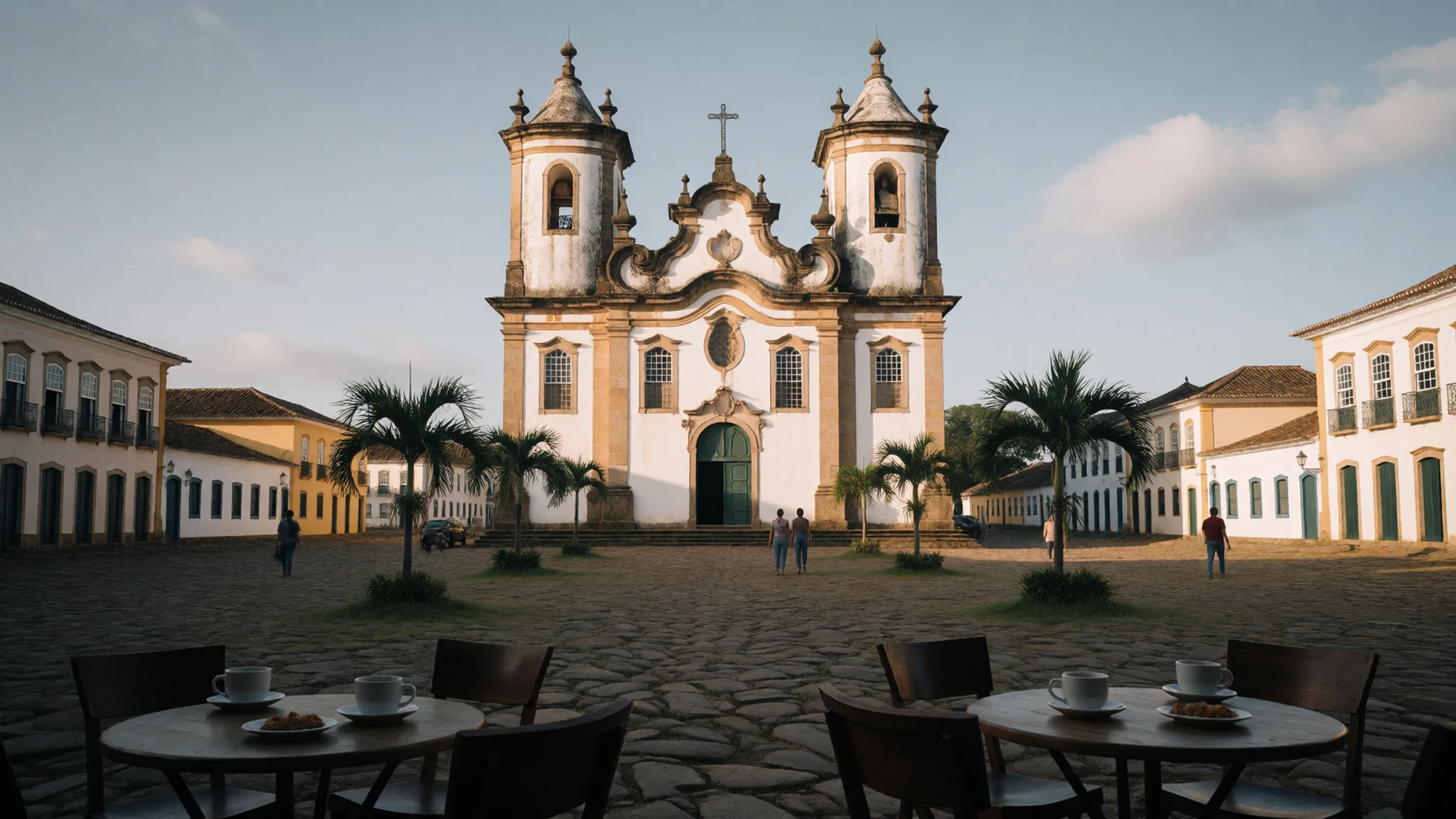
- Santa Rita church — Historic centre, Largo de Santa Rita
Santa Rita is the town's oldest church, opened in 1722 and set beside a small square. The planner Lúcio Costa, who laid out Brasília, is said to have called it the most beautiful church in Brazil. Its modest outside gives little hint of the interior. The former sacred art collection is housed in the square, so the two make an easy pairing.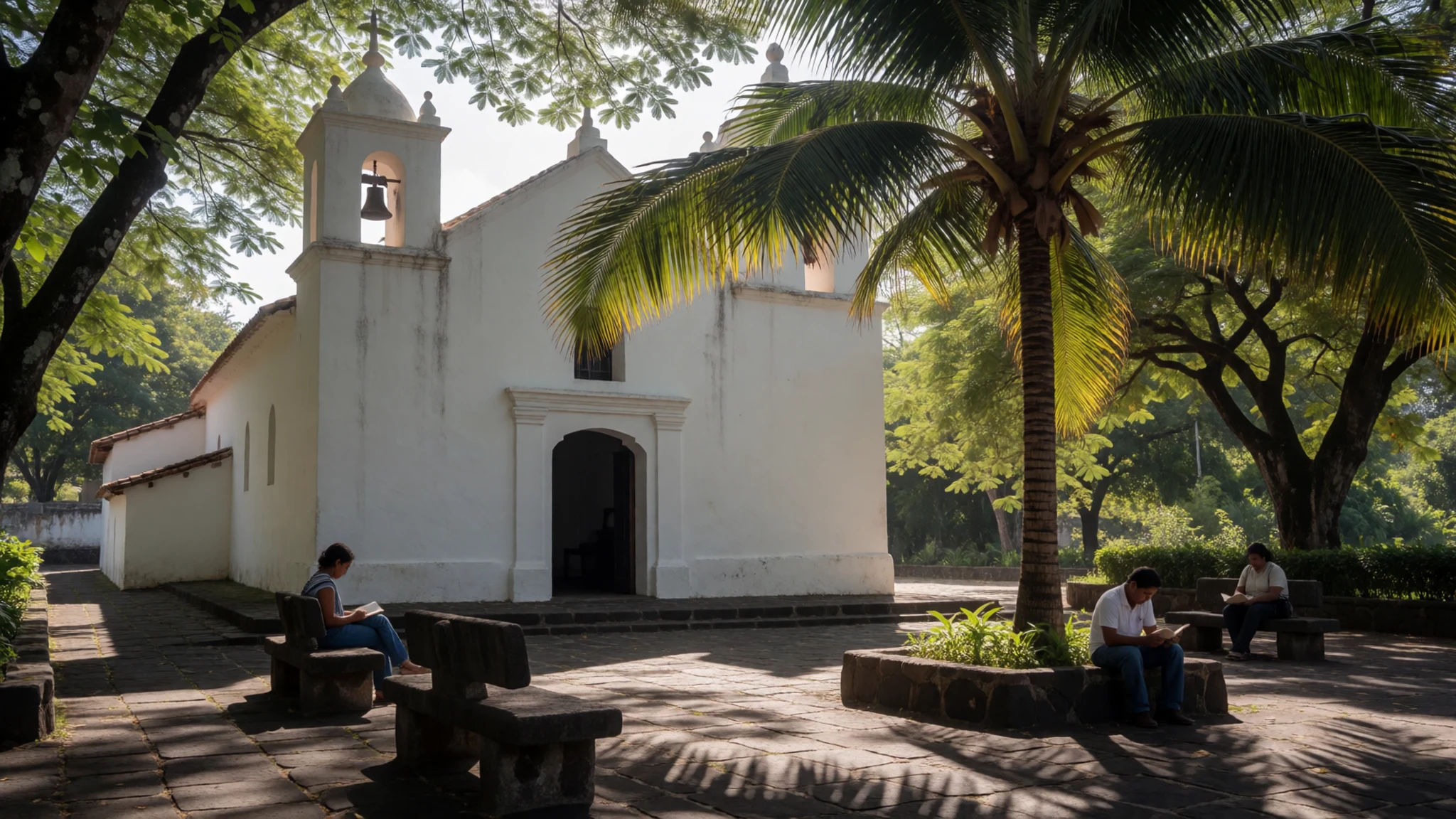
- Forte Defensor Perpétuo — Eastern edge of town, above the bay
This fort was built to guard the gold shipments against privateers, and its cannons came from Britain. It was later renamed in honour of Dom Pedro I and restored in the 1980s. The site sits above the water on the edge of town, so the walk out gives a good view of the bay and the rooftops. It is an easy half hour rather than a full morning.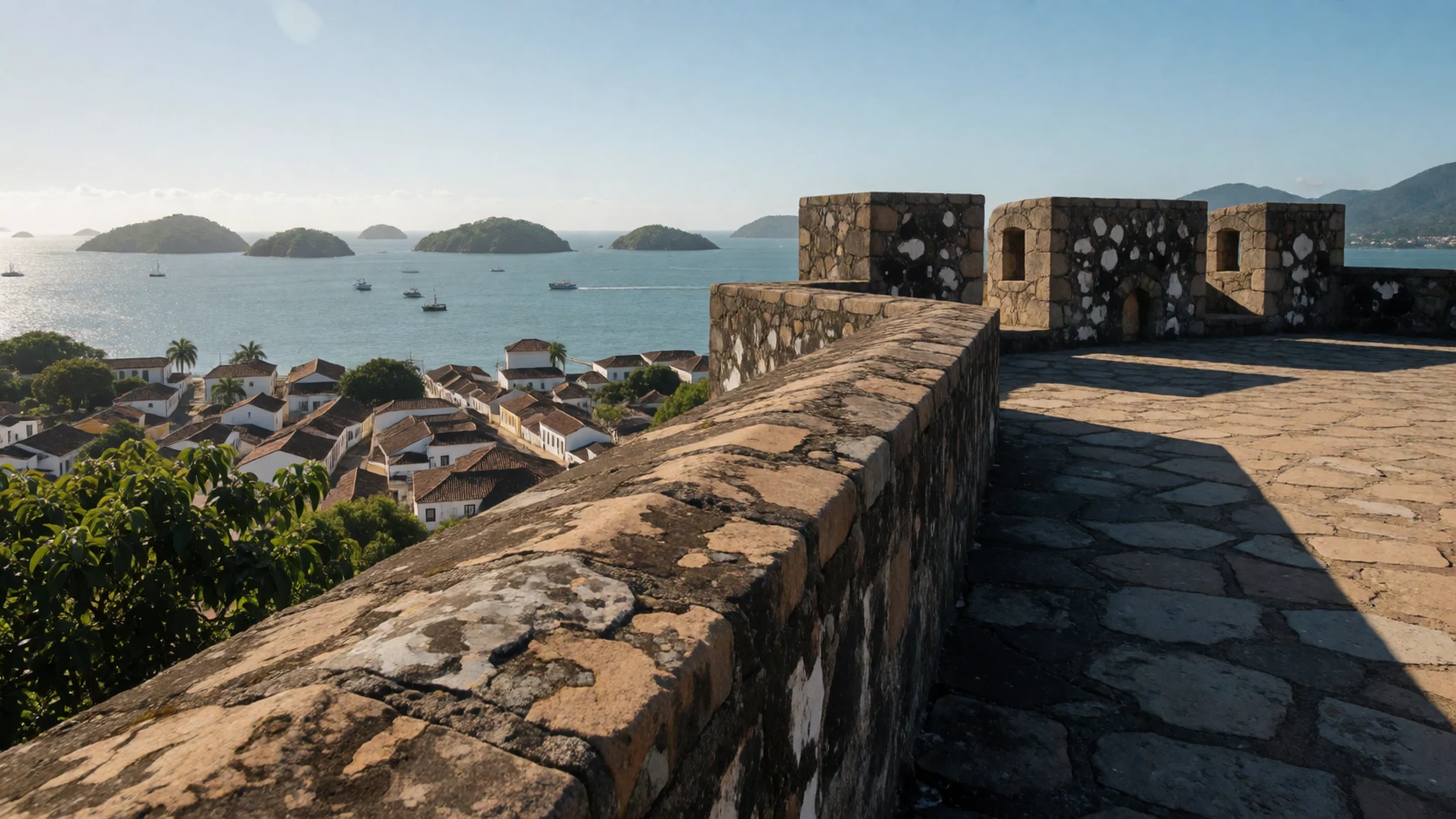
- Casa da Cultura — Historic centre, near the Matriz
This building is a historic house built in 1754 and opened to the public as a cultural centre in 2004. It is often cited as the finest surviving example of local eighteenth-century architecture. Exhibitions and events are held inside, and the thick walls and high windows give a clear idea of how the colonial town was built.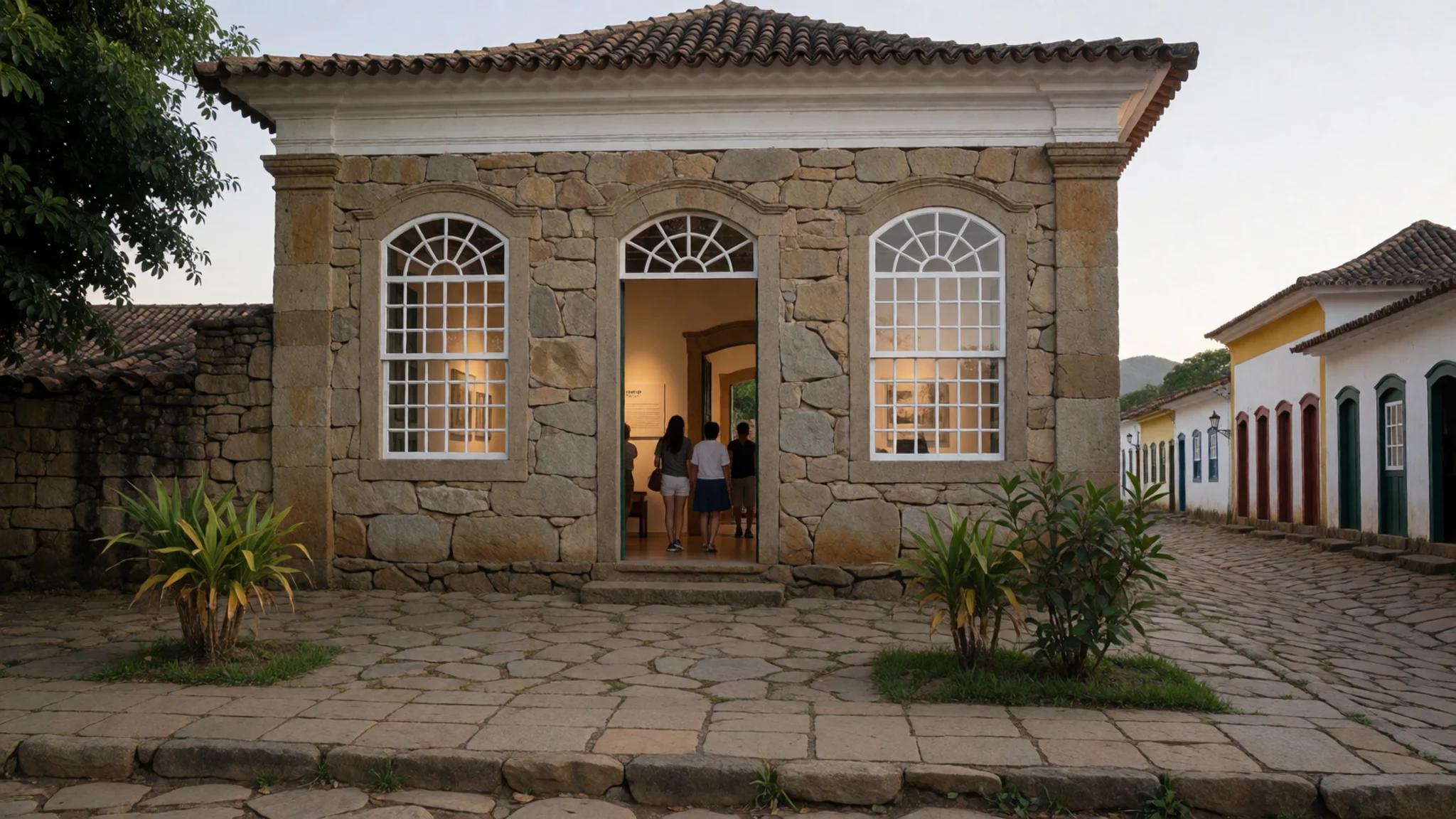
- Cachoeira do Tobogã — Inland, the Serra forest
This waterfall has a natural rock slide into a pool, so bring a towel and swimsuit. A trail leads on from here to the Pedra Branca falls, and the walk makes a good half-day outing. Water levels change with the weather, so check conditions after heavy rain. It sits inland, so plan transport with a driver or a tour operator.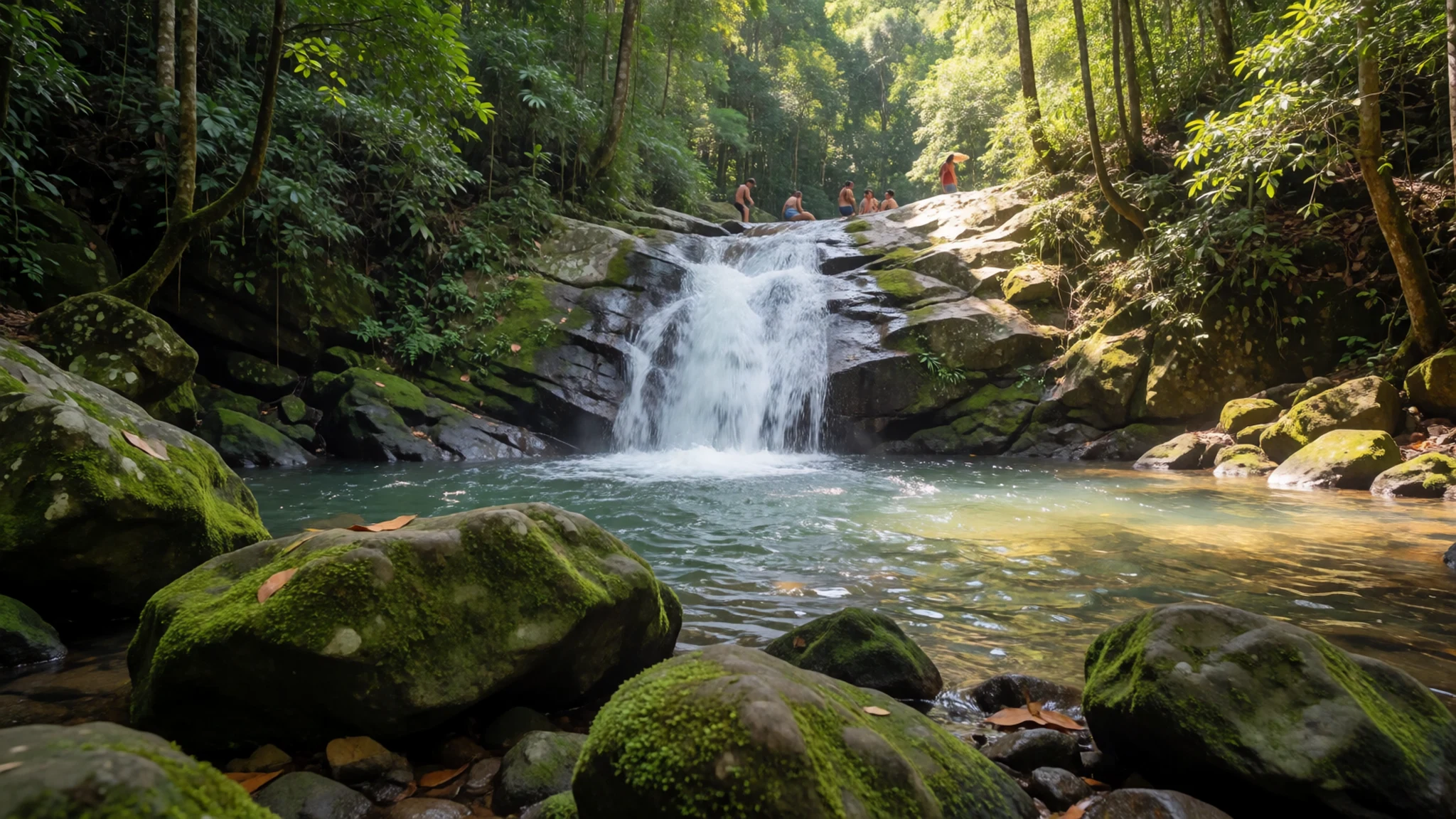
Culture
Public life in Paraty runs on festivals as much as on the tourist calendar. The International Literary Festival, known as FLIP, draws writers and readers into the historic centre, and the Bourbon Jazz Festival fills the town every May. Catholic feast days bring processions, and the Feast of the Holy Ghost is one of the most visible local celebrations, with music and food in the streets. The town keeps a relaxed, neighbourly pace, and that carries into daily life: shopkeepers and boatmen are used to visitors, but they are also people at work.
Beyond the centre the municipality is more varied than its postcard image suggests. It includes an indigenous community and a quilombo, a settlement founded by people of African descent who escaped slavery. Many local livelihoods still depend on fishing, boat work and small-scale farming, and tourism is a newer layer over them.
Respect here is mostly a matter of attention. Keep your voice low near churches and during services, and remember that beachwear is out of place inside them. When you visit a church, keep to the back during services, cover your shoulders and knees, and always ask before photographing a procession or the people in it.
What to wear
Paraty has no single costume in the way some Brazilian regions do, and its traditional dress belongs mostly to festivals and folklore rather than to everyday life. The fishing and farming families of the coast likely wore plain cotton and linen, cut for work and heat, with straw hats against the sun. Festival groups around religious feasts may wear brighter printed cottons and ribbons, and these are the outfits most likely to appear during processions.
What people wear now is ordinary Brazilian coastal style. In the historic centre you will see sundresses, shorts, linen shirts and sandals, with a few people in more formal clothes for evening meals or church. Swimwear is common on the streets near the beaches, but it is considered less appropriate in the churches and the old squares.
For a visit, pack light, breathable cotton or linen, because humidity makes synthetics uncomfortable. Wear sandals or shoes with good grip for the stone-paved streets, which become slippery after rain. Bring a light layer for the evening breeze, a hat for the midday sun, and a cover-up for church visits. For forest walks and waterfall trails, closed shoes with grip are worth it, and a waterproof bag keeps phones and cards dry.
What to eat
- Pão de queijo — Bakeries and snack counters around the historic centre
These small cheese breads are crisp outside and chewy inside, made with cassava starch rather than wheat. They are eaten warm for breakfast or with coffee in the afternoon. Bakeries around the historic centre sell them fresh in the morning, and they are a cheap, filling way to start the day before a boat trip.
- Peixe frito — Beachside eateries and fish-market stalls
Fried fish is the simplest local meal, usually served whole or in fillets with rice, beans and farofa, a toasted cassava flour. It is best when the catch is fresh from the bay. Ask what came in that morning and eat it at a plain table near the waterfront, where the fishing boats land.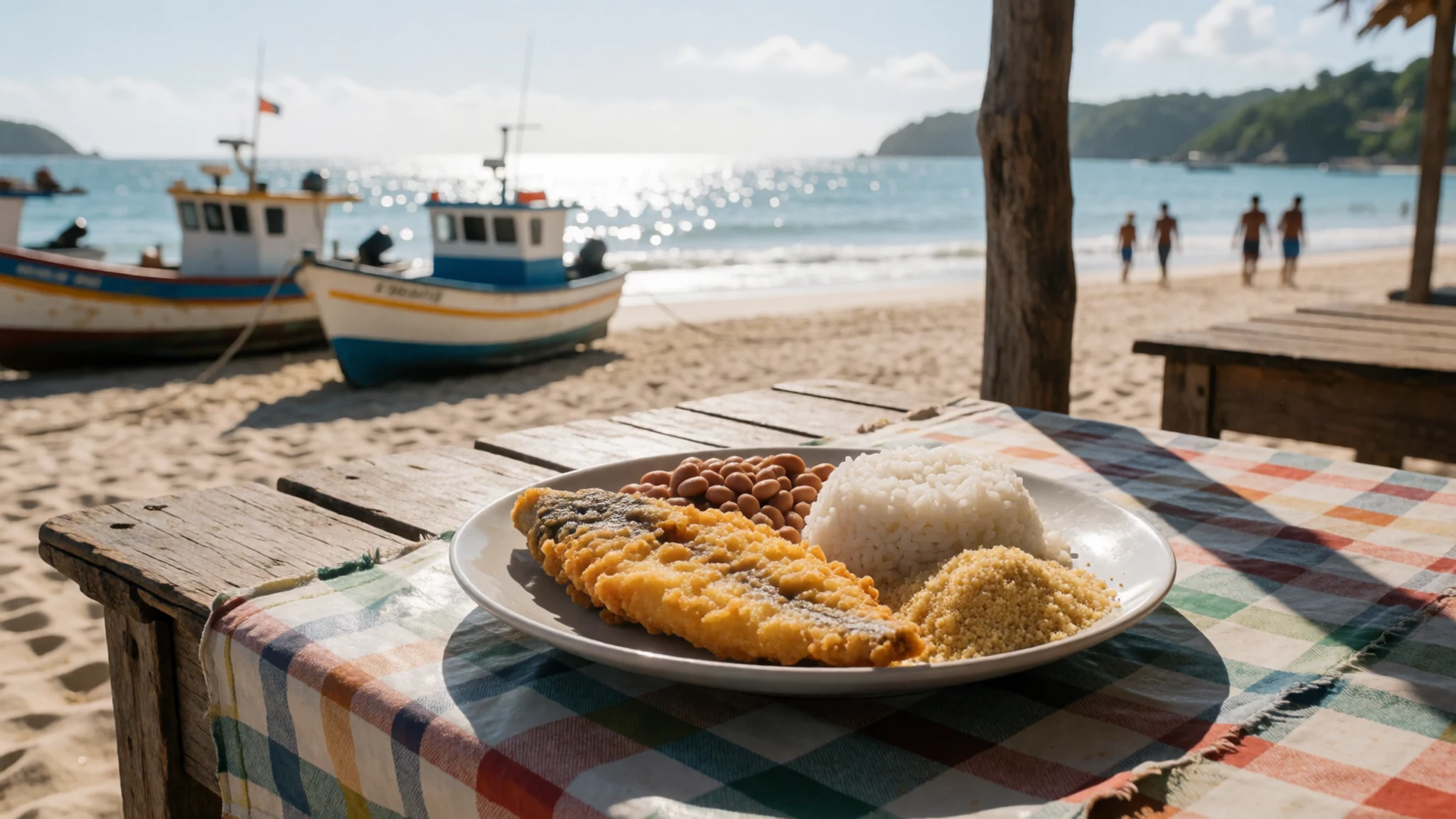
- Pirão de peixe — Homestyle restaurants serving daily fish stews
This is a thick fish broth thickened with cassava flour and served with fish, a comforting dish from the coastal kitchen. It is worth ordering at a homestyle restaurant with a daily menu, where cooks make it from whatever the market supplied. It pairs well with a simple salad and cold water. - Bolinho de bacalhau — Waterfront bars and snack counters
Salted cod fritters carry a Portuguese influence and are crisp on the outside, soft and savoury within. They are a popular snack with a cold beer in the late afternoon. Bars and snack counters on the waterfront and near the squares serve them, often freshly fried in small batches. - Caipirinha with local cachaça — Bars and cachaça shops in the historic centre
Cachaça, the sugarcane spirit, is central to Paraty's drinking culture, and a caipirinha made with it is the classic way to taste it. Several shops and bars in the historic centre offer tastings of different brands. Sample slowly, because the spirit is strong and the evenings are warm.
Plan it
Best time. The climate is tropical and humid, with heavy rain at some times of year, so choose drier spells for walks and boat trips. The driest spell runs from June to August, when rain is lightest and highs are a little lower, while the wettest months are December to February.
How long. 2–3
Getting there. Fly into Rio de Janeiro, then take an air-conditioned intercity bus, which takes about four hours along the coastal highway. Some travellers come by shared ride, by sailboat or by fast boat from Angra dos Reis or Ilha Grande. Scheduled flights do not serve the small local airstrip, so the last leg is by road or water.
Budget. mid
Tips
- Book buses or shared rides a day ahead at weekends and public holidays
- Reach the waterfalls early, before tour groups and the midday heat
- Carry cash for small shops, bakeries and boat operators, since not everywhere takes cards
- Check tide times before walking the seafront, because the streets flood at high tide
- Drink plenty of water and use sun protection, even on cloudy days
Etiquette
- Ask before photographing people, especially during processions
- Cover shoulders and knees inside churches
- Carry out your rubbish on forest trails and beaches
Nearby
Sources
- Wikidata Q926729 (CC0)
- Wikipedia: Paraty (rev 1382258986) (CC BY-SA 4.0)
- Wikivoyage: Paraty (rev 5385911) (CC BY-SA 4.0)
- Paraty from the bay, Lampiao3 (Public domain)
- Paraty, Vani Ribeiro (CC BY 3.0)
- Wide street in Paraty, Florian Höfer (CC BY 3.0)
- Museu de Arte Sacra de Paraty, Ministério da Cultura (CC BY 2.5)
- Baia de Paraty, Otávio Nogueira (CC BY 2.5)
- Ruas de Paraty, Kamila Penha Pereira de Novaes (CC BY 3.0)
- Paraty, Deni Williams (CC BY 2.5)
- High tide at Rua da Praia, Mike Peel (CC BY-SA 4.0)


