Île Sainte-Marie
Île Sainte-Marie, Madagascar
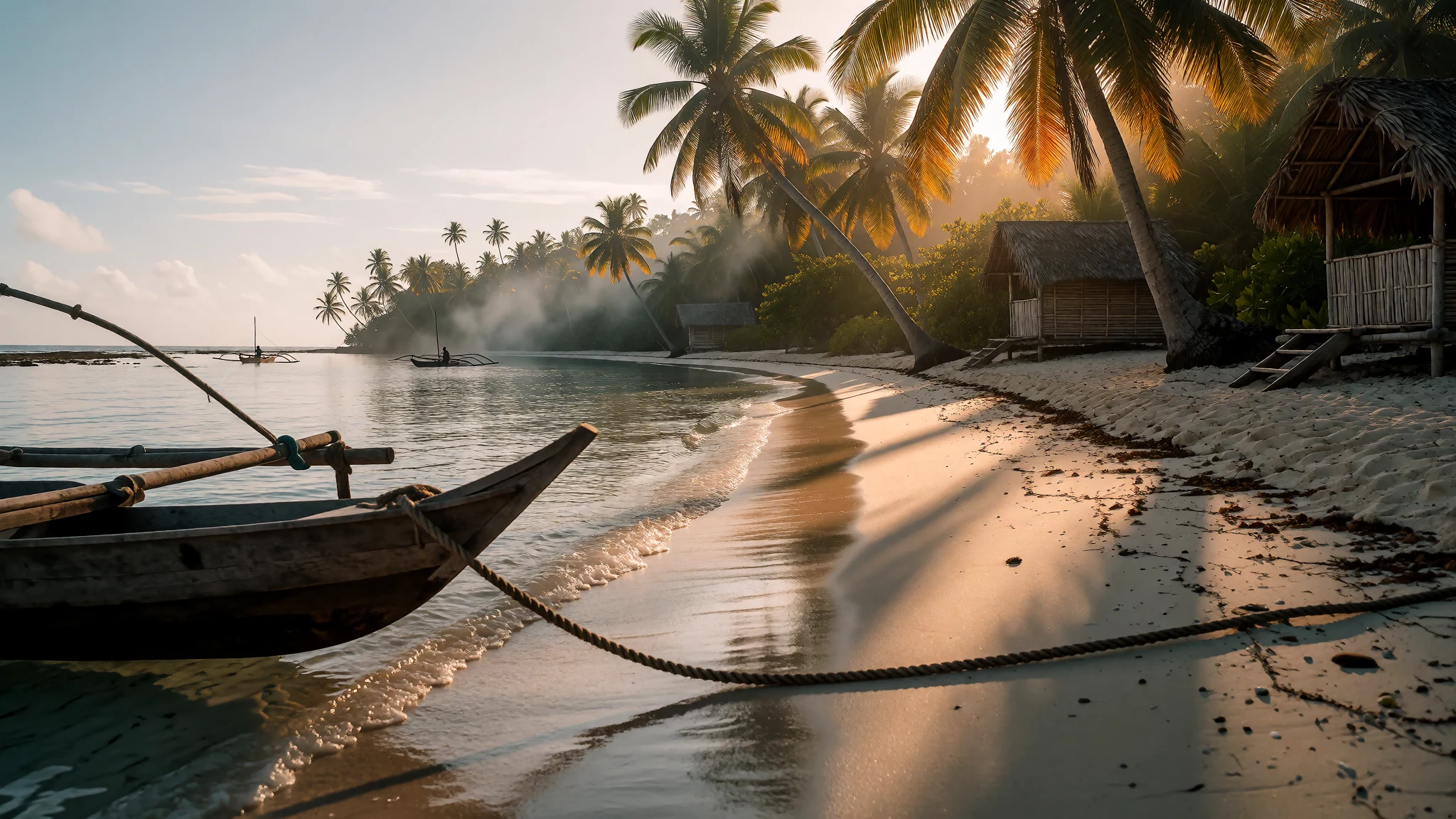
Drift back to the golden age of piracy among sheltered coral bays, sleepy fishing villages, and migrating humpback whales off Madagascar's eastern coast.
The place
Île Sainte-Marie, known locally as Nosy Boraha, lies tucked off the eastern shores of Madagascar. It forms an administrative district within the Analanjirofo Region and covers a modest expanse of land. The island maintains a population of about 30,000 residents who spread quietly across scattered settlements and traditional bamboo huts. Geography has blessed the place with a long, slender profile, featuring numerous sheltered bays, hidden inlets, and quiet sandy coves protected by coral reefs from the heavy open-ocean swells.
The main settlement, Ambodifotatra, serves as the island's modest administrative hub. It is a ramshackle collection of low houses, local cafes, a bustling market area, and administrative offices. Beyond this small town, the island is remarkably sleepy and charming. Paved roads give way to sandy tracks and shaded paths where bicycles and foot traffic are the primary modes of movement. Quiet beaches line the coastlines, their isolation interrupted only by discreet tourist lodges and small fishing outposts. These intimate lodges help arrange local excursions, whether visitors wish to explore sunken pirate anchors or watch marine mammals breach in the channel.
Indeed, the marine environment remains one of the island's greatest natural treasures. The deep channel separating the island from the mainland acts as a vital aquatic highway for pods of humpback whales migrating northwards from Antarctic waters. From the middle of the year through to early spring, these magnificent creatures put on an unforgettable spectacle right off the coast, drawing travellers from across the globe to witness their powerful breaches and tail slaps in the calm tropical waters.
Its story
During the seventeenth and eighteenth centuries, Île Sainte-Marie earned lasting renown as a thriving haven for international outlaws and sea rovers. Beginning with figures such as Adam Baldridge in 1691 and concluding with later captains around 1719, the location offered ideal geography for illicit operations. It sat conveniently close to vital maritime trade routes utilised by merchant ships returning heavily laden with loot from the East Indies. Moreover, the intricate maze of bays, hidden inlets, and tranquil waters provided absolute protection from violent seasonal storms and naval patrols.
Legendary figures including William Kidd, Robert Culliford, Olivier Levasseur, Henry Every, Abraham Samuel, and Thomas Tew made the protected islet of Île aux Forbans, situated directly within Ambodifotatra bay, their temporary home. Many of these notorious commanders were eventually laid to rest in local burial grounds, although their exact graves remain largely unidentified today. Rumours even whispered of a utopian pirate realm known as Libertalia, supposedly established nearby by charismatic outlaws, though historians debate whether this egalitarian republic ever truly existed outside folklore and sailor tales.
Colonial ambitions eventually replaced the era of outlaws. In 1750, local sovereign Bety of Betsimisaraka formally ceded the island to the French Crown through a treaty. Tensions flared quickly, resulting in a fierce rebellion and massacre of European settlers in 1752, after which France abandoned the territory for decades. Paris reasserted control in 1818, initially operating the territory as a penal colony before constructing the first Catholic church on Malagasy soil here in 1857. French administration finally concluded in 1960 when local residents overwhelmingly voted in a referendum to join the newly independent Malagasy Republic.
What to see
- Humpback Whales — Offshore channel
The deep channel between the island and the mainland serves as a crucial migration route for pods of humpback whales travelling from the Antarctic. Taking a boat excursion during the cooler months offers travellers a remarkable opportunity to observe these massive marine mammals breaching and nursing their calves in remarkably calm tropical waters.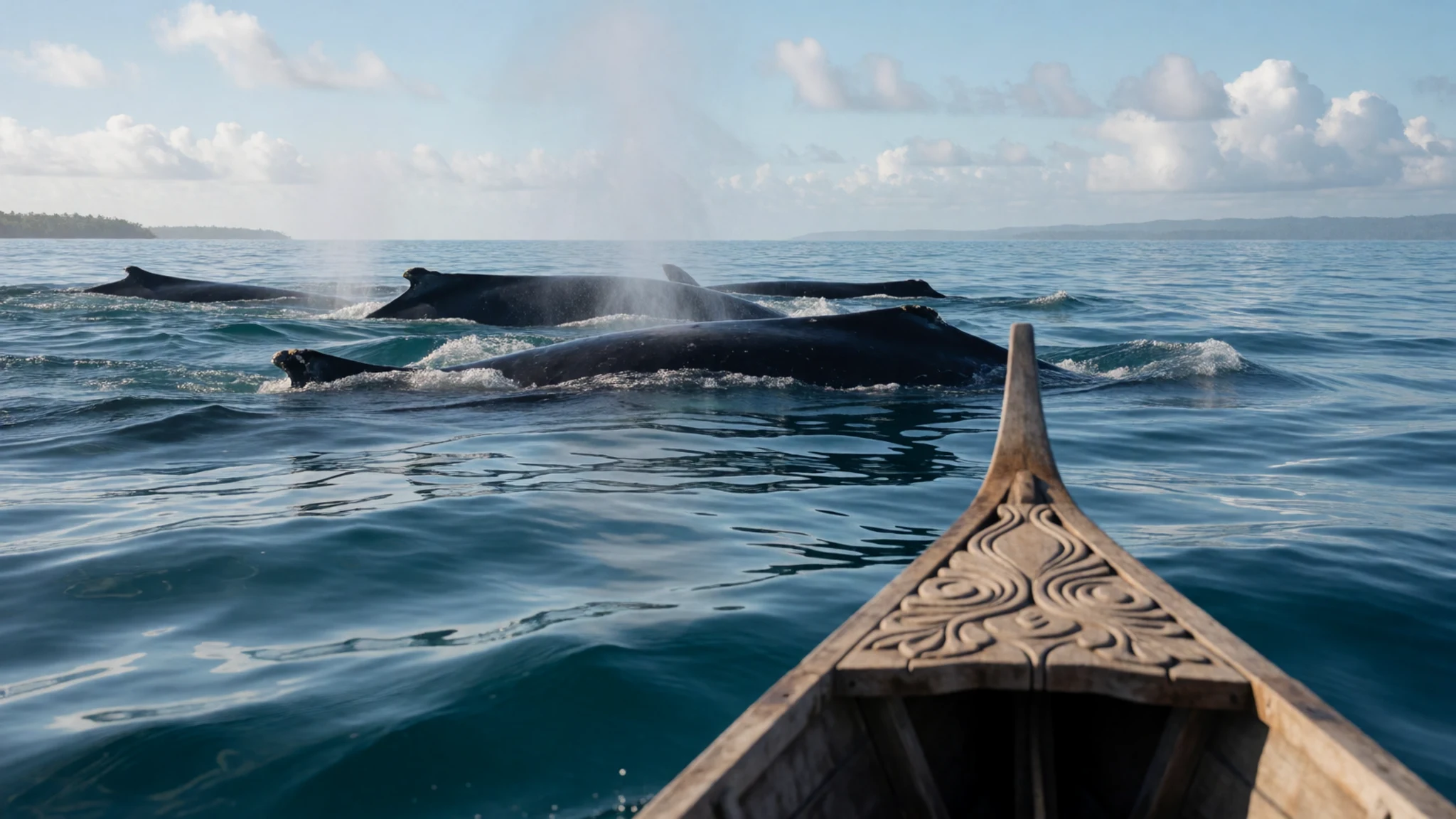
- Pirate Cemetery — Ambodifotatra
Perched on a verdant hill overlooking the bay in Ambodifotatra, this unusual graveyard holds the weathered stone tombs and carved skull-and-crossbones markers of the many sea rovers who once made the island their stronghold. Walking among the ancient graves under the shade of massive frangipani trees offers a tangible glimpse into the territory's turbulent maritime past.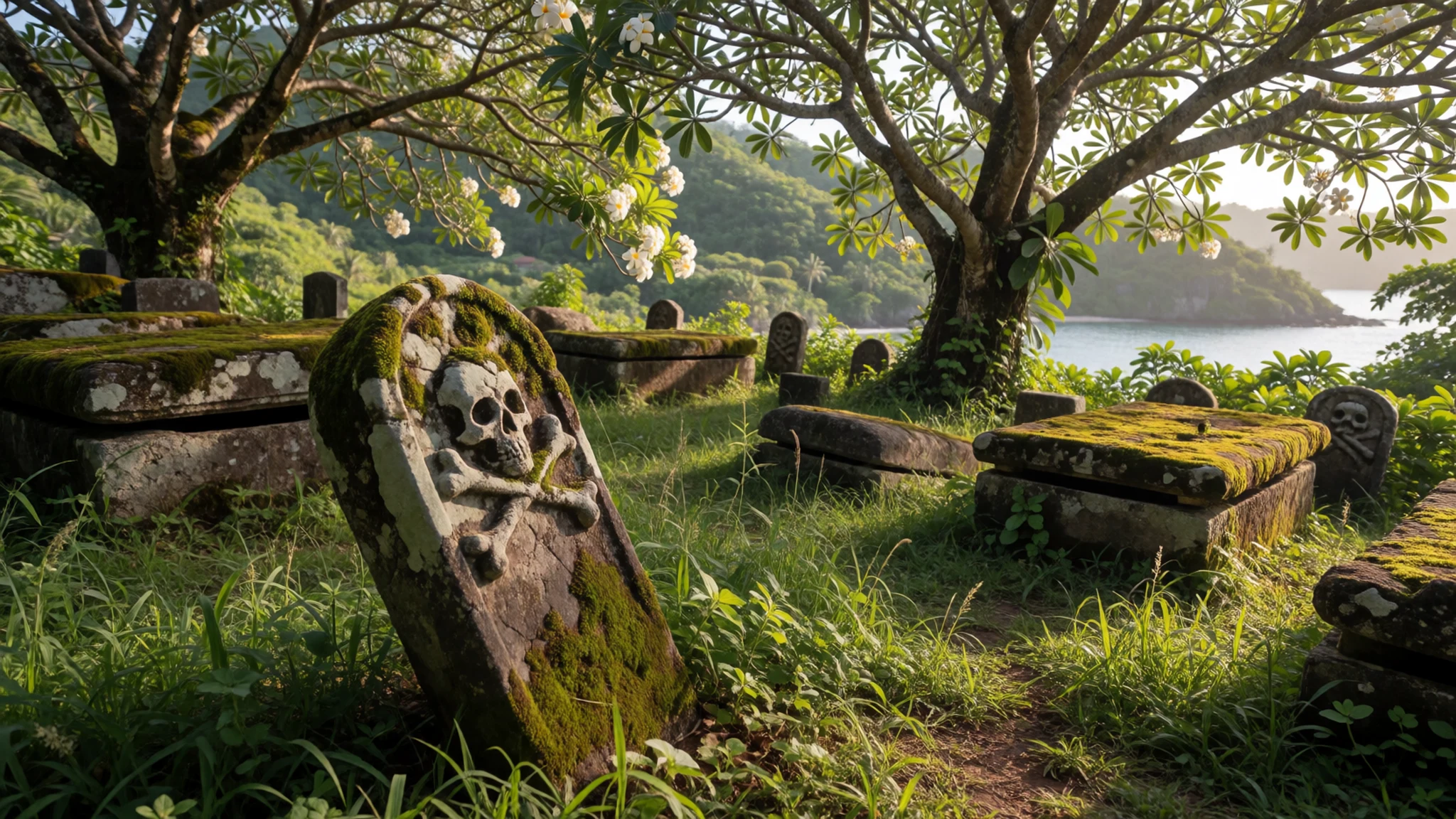
- Îlot Madame Museum — Îlot Madame, Ambodifotatra
Situated on the small connected islet of Îlot Madame near the main town, this modest local museum showcases the fascinating maritime history of the region. Exhibits detail the era when outlaws dominated the coastal inlets, featuring recovered artifacts, historical maps, and tales of legendary captains who once weighed anchor in these sheltered waters.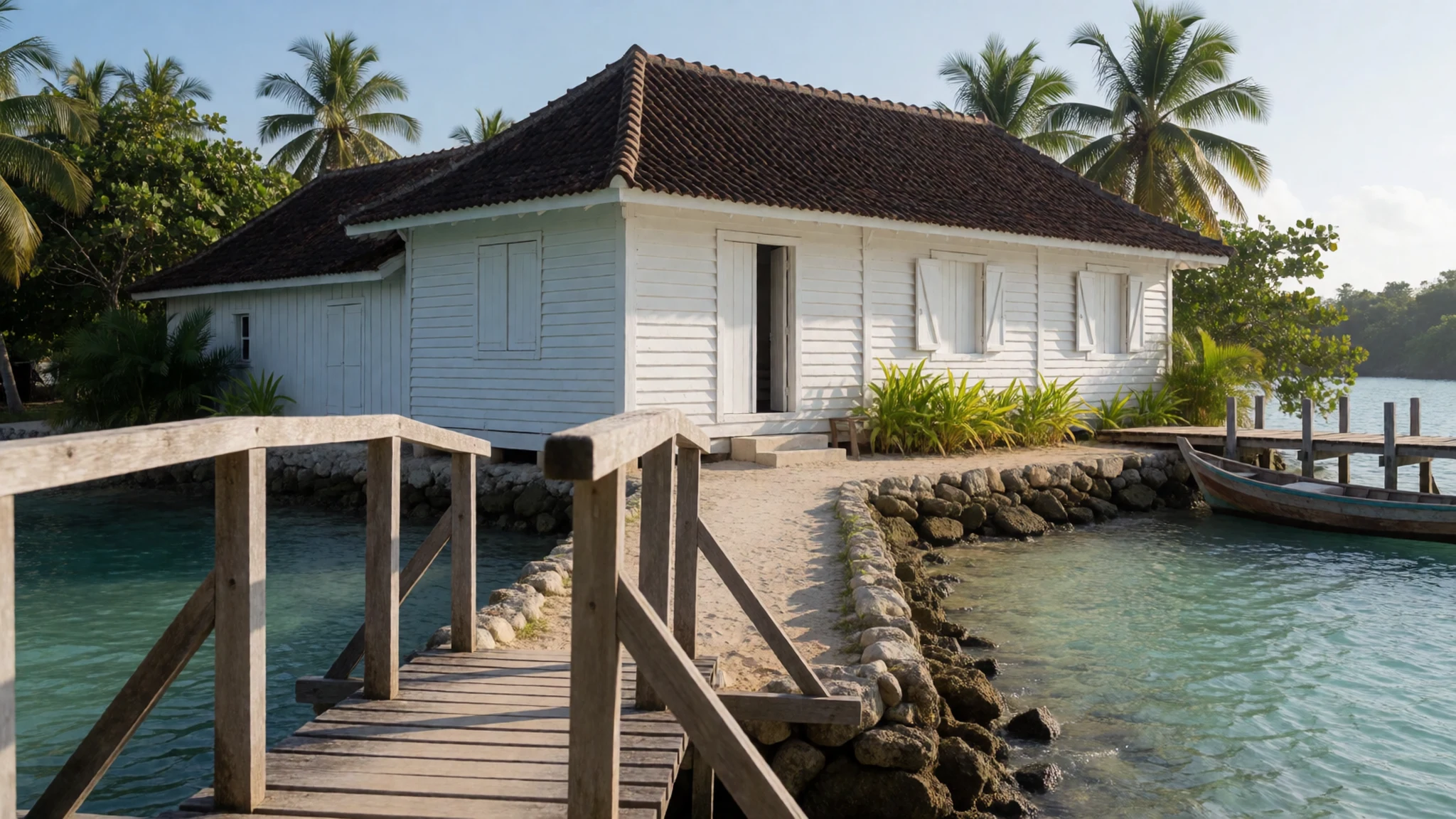
- First Catholic Church — Ambodifotatra
Built during the mid-nineteenth century under French administration, this historic house of worship stands as the very first Catholic church established in Madagascar. Constructed with sturdy local materials and surrounded by lush tropical foliage, the building remains an active spiritual focal point and an important architectural landmark for the island community.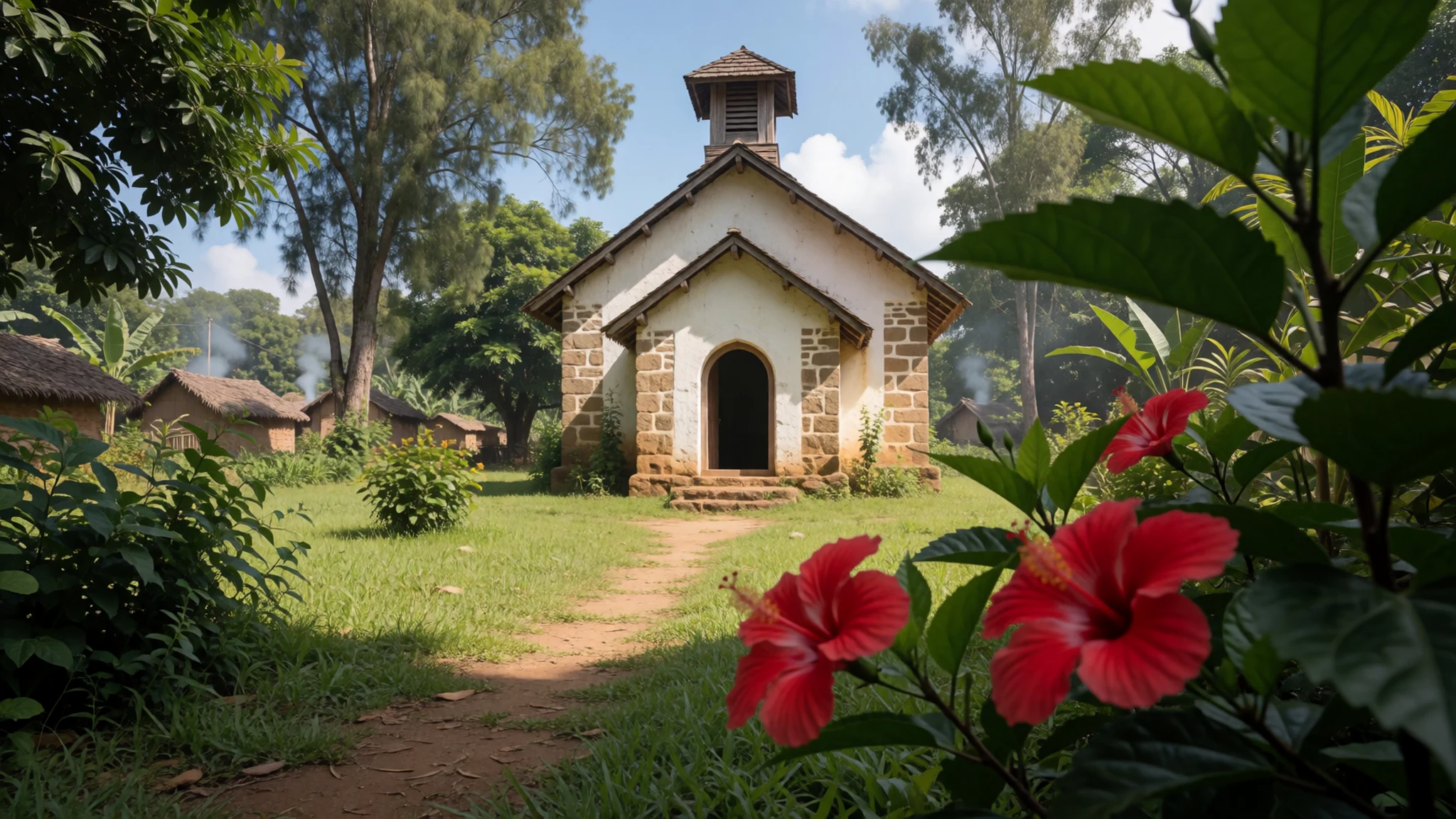
- La Crique Beaches — Northern coastline
Located along the protected eastern and northern stretches of the coastline, these idyllic golden strands offer travellers pristine environments for quiet relaxation. Framed by thick coastal vegetation and washed by crystal-clear turquoise waters, the beaches remain blissfully uncrowded, providing an ideal setting for leisurely shoreline walks and peaceful afternoon daydreams.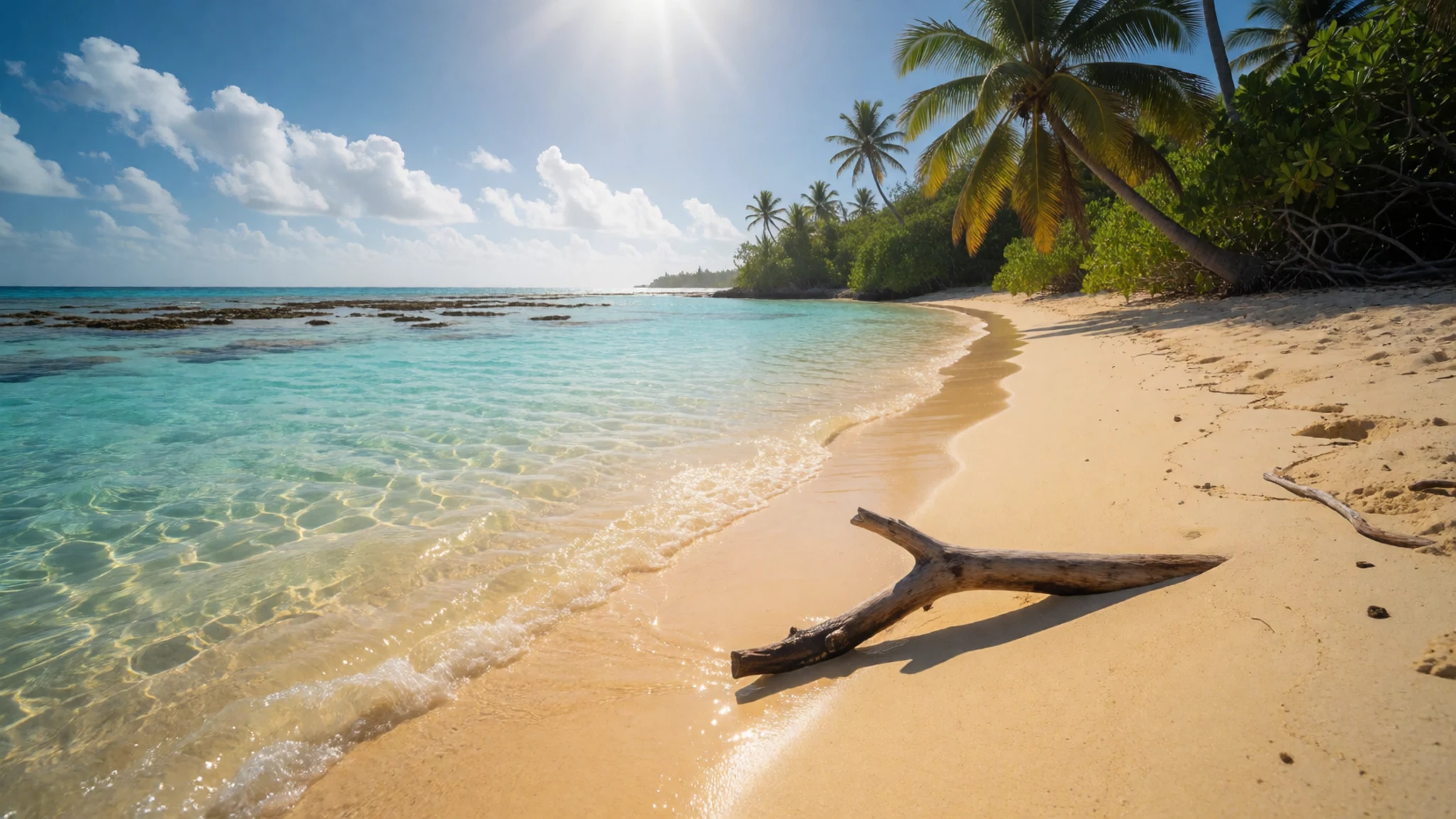
Culture
Life on Île Sainte-Marie moves at a gentle, unhurried rhythm shaped by Malagasy traditions blended with coastal island influences. The local population consists primarily of Betsimisaraka people, whose daily existence revolves around small-scale fishing, agriculture, and gathering in communal village spaces. Respect for ancestors, known locally as razana, forms the bedrock of spiritual life, influencing everything from agricultural planting cycles to community gatherings. Visitors will quickly notice a deep-seated hospitality among residents, often expressed through polite greetings and warm smiles exchanged along the sandy pathways. Music and storytelling play important roles in social cohesion, frequently filling the warm tropical evenings with acoustic guitar melodies and soft choral harmonies echoing from village huts. When interacting with local residents, it is customary to greet elders respectfully and ask permission before photographing individuals or private homesteads. Always ask permission from local elders before entering sacred forest groves or historical burial sites.
What to wear
Traditional attire across Île Sainte-Marie reflects practical adaptation to a warm tropical climate combined with broader Malagasy cultural norms. The most iconic traditional garment is the lamba, a versatile rectangular length of cloth worn wrapped around the waist or draped gracefully over the shoulders. Women frequently wear brightly patterned lambas alongside matching headwraps, while men opt for lightweight shirts and trousers suited for physical labour in the humid coastal air. Hand-woven plant fibres and locally spun textiles traditionally formed the basis of these garments, though modern manufactured cotton fabrics are now commonplace in daily village life. For everyday wear, locals favour comfortable, breathable clothing designed to withstand the tropical heat and frequent afternoon showers. Travellers should pack lightweight, loose-fitting cotton or linen apparel, a sturdy wide-brimmed hat, and reliable sunglasses for sun protection. While casual beachwear is entirely appropriate along the sandy shores and tourist lodges, visitors should dress modestly when visiting the main town of Ambodifotatra or local villages, ensuring shoulders and knees remain covered out of respect for local customs. Sturdy sandals or waterproof footwear are essential for navigating sandy paths, uneven stone trails, and rocky shorelines during low tide excursions.
What to eat
- Coconut Rice and Fish — Local village canteens and beachside eateries
A staple island comfort dish featuring freshly caught local fish simmered in a rich, fragrant coconut milk broth, served alongside steaming white rice infused with subtle tropical aromatics. You can easily find this wholesome preparation at small local eateries and family-run beachside canteens across the island.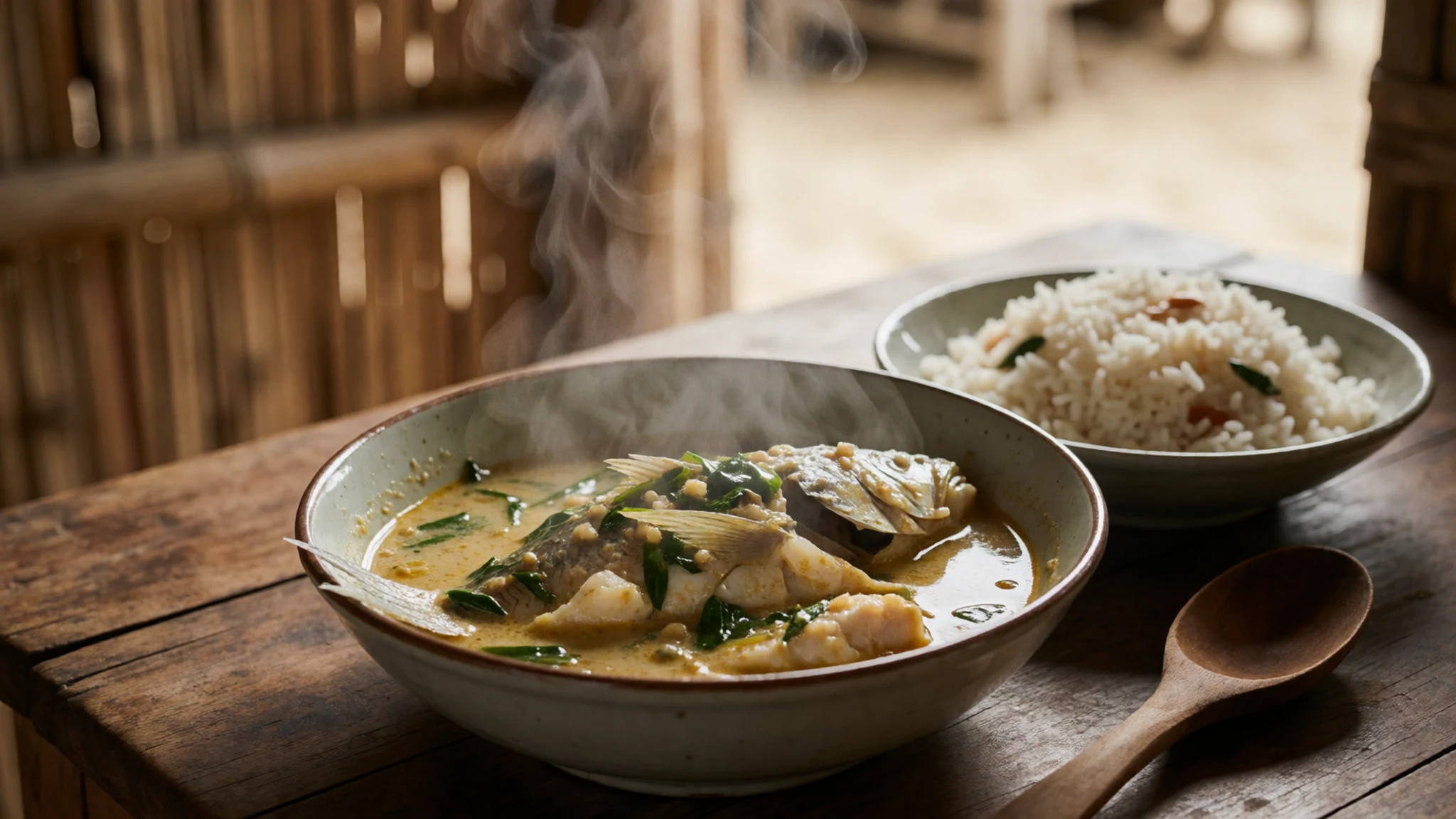
- Grilled Langouste — Seaside tourist lodges and coastal grilling spots
Sweet, tender rock lobster harvested straight from the surrounding coral reefs, lightly seasoned with garlic and lime juice before being charred to perfection over open wood coals. This sought-after coastal delicacy is widely prepared by seaside lodges and informal open-air dining spots along the coast.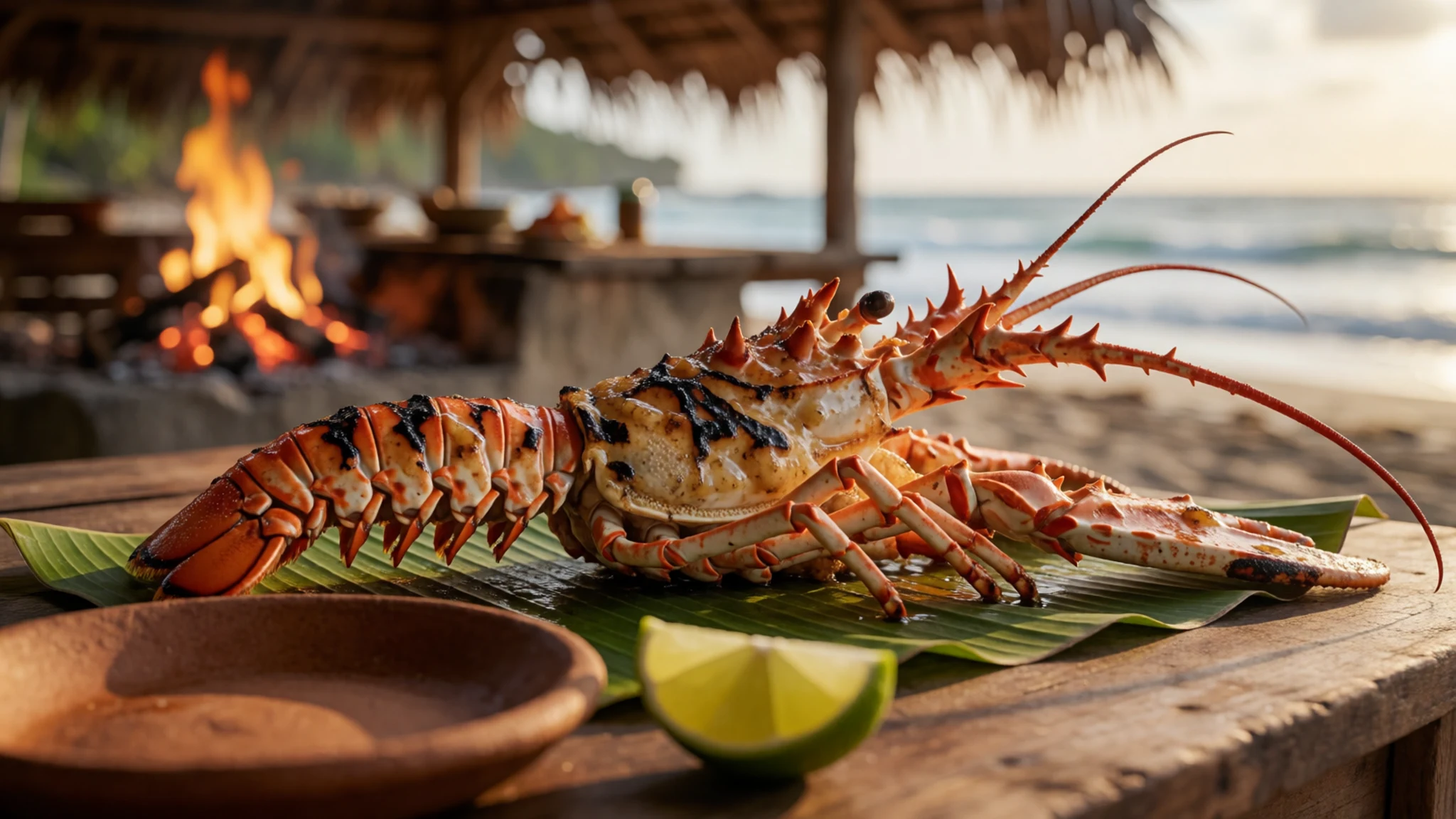
- Manioc Fritters — Ambodifotatra morning market and roadside stalls
Crispy golden snacks prepared by grating fresh cassava root, shaping it into bite-sized cakes, and frying them until wonderfully crunchy on the outside while remaining soft within. These savoury treats are commonly sold by street vendors operating near the bustling morning market in Ambodifotatra. - Vanilla-Infused Seafood Curry — Traditional restaurants in Ambodifotatra
Plump prawns and fresh reef fish cooked gently in a creamy sauce flavoured with locally harvested vanilla pods, ginger, tomatoes, and mild local spices. This unique regional dish highlights the island's agricultural bounty and is served at most traditional restaurants in the main town. - Fresh Tropical Fruit Platters — Local guest houses and island cafes
An abundant assortment of freshly sliced seasonal produce, including juicy pineapples, ripe mangoes, sweet papayas, and fragrant bananas picked straight from local orchards. These refreshing platters are served as a natural daily dessert at virtually every lodge, cafe, and guest house on the island.
Plan it
Best time. June to September is the best period for visiting, as this is when humpback whales migrate through the coastal channel and weather conditions remain relatively dry.
How long. 3–4
Getting there. Fly to Madagascar, then take a domestic flight with Madagascar Airlines to the island's airstrip, or travel overland to Toamasina and catch an intermittent coastal ferry.
Budget. mid
Tips
- Book domestic flight connections well in advance due to limited and frequently changing schedules
- Carry sufficient physical cash, as card payment facilities are extremely rare outside major lodges
- Protect yourself effectively against mosquitoes and tropical sun exposure throughout your stay
- Arrange bicycle rentals or local pirogue boat transport for exploring secluded beaches at your own pace
Etiquette
- Always ask permission from village elders before taking photographs of local residents or sacred sites
- Dress modestly with covered shoulders and knees when visiting towns and traditional inland communities
- Remove footwear before entering local homes and certain traditional gathering spaces
Nearby
Sources
- Wikidata Q1321311 (CC0)
- Wikipedia (rev 1376939607) (CC BY-SA 4.0)
- Wikivoyage (rev 4912919) (CC BY-SA 4.0)
- Photo 01-beache-of-la-crique-sainte-marie.jpg (Public domain)
- Photo 02-humpback-whale-sainte-marie-madagascar-july-2013.jpg (CC BY 3.0)
- Photo 03-pirates-cemetery-ile-ste-marie-madagascar.jpg (CC BY-SA 1.0)
- Photo 04-stamp-frcolonies-madagascar.jpg (Public domain)
- Photo 05-sainte-marie-madagascar-paved-road.jpg (CC BY 3.0)
- Photo 06-sainte-marie-madagascar-first-church.jpg (CC BY 3.0)
- Photo 07-sainte-marie-madagascar-pirate-cemetery-2.jpg (CC BY 3.0)
- Photo 08-sainte-marie-madagascar-pirogue-taxi-depot.jpg (CC BY 3.0)


