Ihlara Valley
Ihlara Valley, Turkey
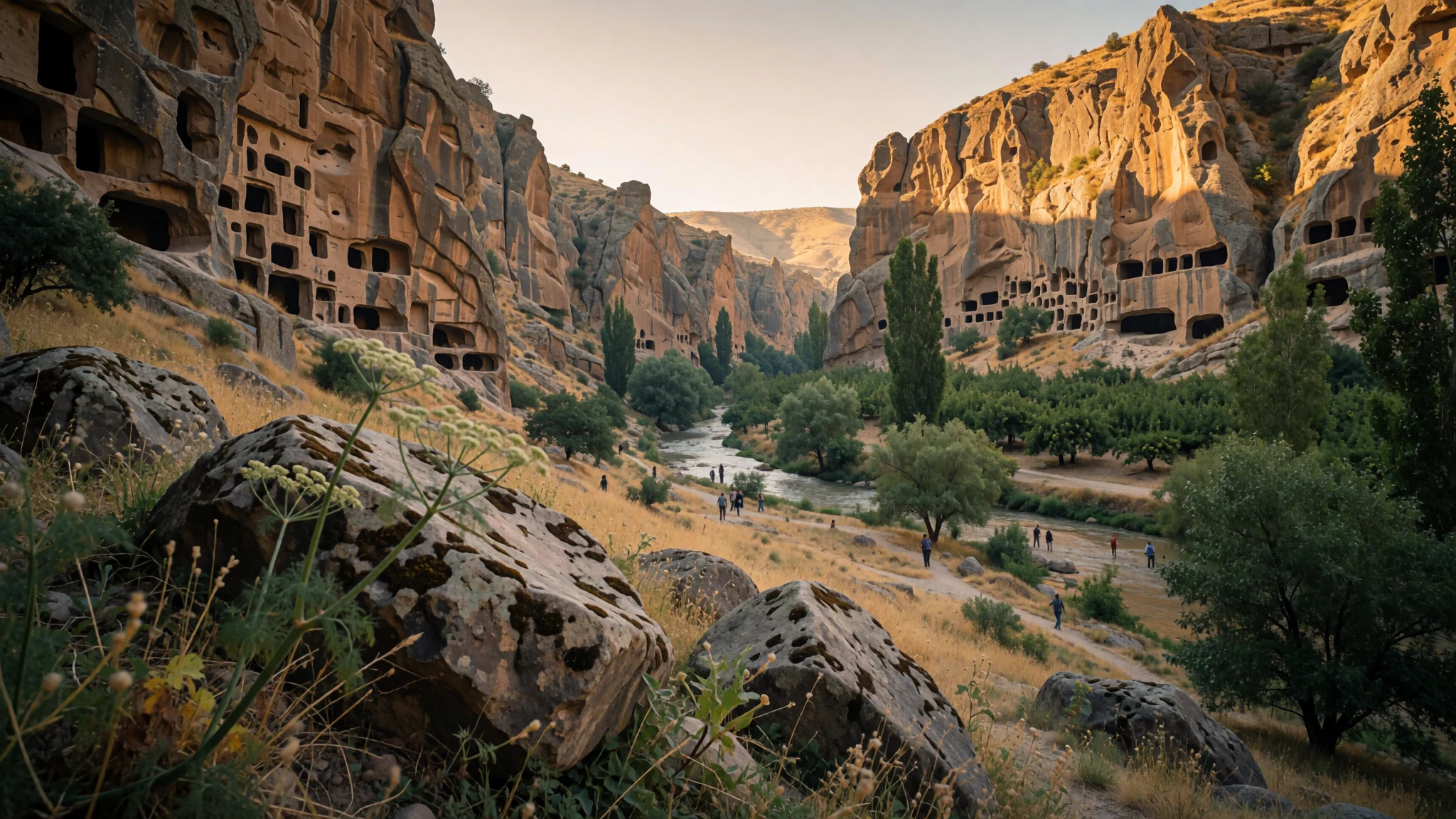
Walk through a dramatic canyon carved with ancient rock-cut churches and quiet monastic chambers hidden deep inside the Anatolian plateau.
The place
Ihlara Valley cuts a dramatic path through the landscape of the southwest of the Turkish region of Cappadocia, sitting in the municipality of Güzelyurt within Aksaray Province. This deep canyon carves its way through the arid plateau, creating a sheltered green ribbon where poplars, fruit orchards and local agriculture thrive alongside the Melendiz River. The gorge stretches for kilometres, its sheer stone cliffs honeycombed with ancient stairwells, balconies, and monastic retreats carved directly into the soft volcanic rock. Long before modern tourism reached these parts, early Christian communities sought out the seclusion of this isolated cleft, carving dozens of rock-hewn sanctuaries and living quarters into the canyon walls. Today, walking the floor of the gorge means following the gentle murmur of water past shaded willow trees while looking up at dark rectangular apertures punched high into the cliff face. These openings mark the entrances to subterranean shrines and monastic complexes that have stood weathering the Anatolian seasons for centuries. Visitors descend long stone staircases from the dry plateau above into a microclimate that feels entirely separate from the windswept plains stretching across central Turkey. The sound of the river accompanies every step along the trail, linking quiet hamlets like the village of Ihlara itself down towards Belisırma. It is a place where geology and human faith have sculpted the stone in equal measure, leaving a quiet, weathered monument to centuries of rural Anatolian life.
Its story
The story of Ihlara Valley sits within the broader, sweeping narrative of Anatolia, a land shaped by millennia of migrating peoples, shifting empires, and rising faiths. Long before the canyon became a Christian sanctuary, the wider region bore witness to the footprint of early civilisations, from the pioneering settlements of central Turkey to the Bronze Age kingdoms of the Hittites, who established an empire that traded and negotiated with the great powers of the ancient Mediterranean world. As centuries turned, the territory passed through the hands of Phrygians, Greeks, and Romans, absorbing administrative frameworks and trade routes that knit together the eastern Mediterranean. Following the division of the Roman Empire, the lands became part of the Eastern Roman, or Byzantine, administration. It was during this extended medieval epoch that the secluded canyon walls of the valley transformed into a haven for monastic communities, hermit monks, and rural congregations who decorated their rock-cut sanctuaries with vibrant frescoes. The geopolitical map of Anatolia shifted decisively with the entry of Seljuk Turks, eventually leading to the long centuries of Ottoman rule that dominated the Balkans, the Middle East, and the eastern Mediterranean until the closure of the First World War. Out of the remnants of the Ottoman Empire, the modern Turkish Republic was established, bringing sweeping secular laws and rapid modernisation programmes designed to reshape the state. Through every political transition, the rocky canyon remained largely undisturbed, preserving its hidden layers of medieval art and monastic architecture beneath the quiet Anatolian sky.
What to see
- Ağaçaltı Church
One of the most striking rock-cut sanctuaries in the canyon, known for its cruciform architectural plan and remarkably preserved early wall paintings. The interior reveals rich earthly tones and traditional iconography painted directly onto the carved volcanic tuff, sheltered away from the elements inside the deep gorge walls.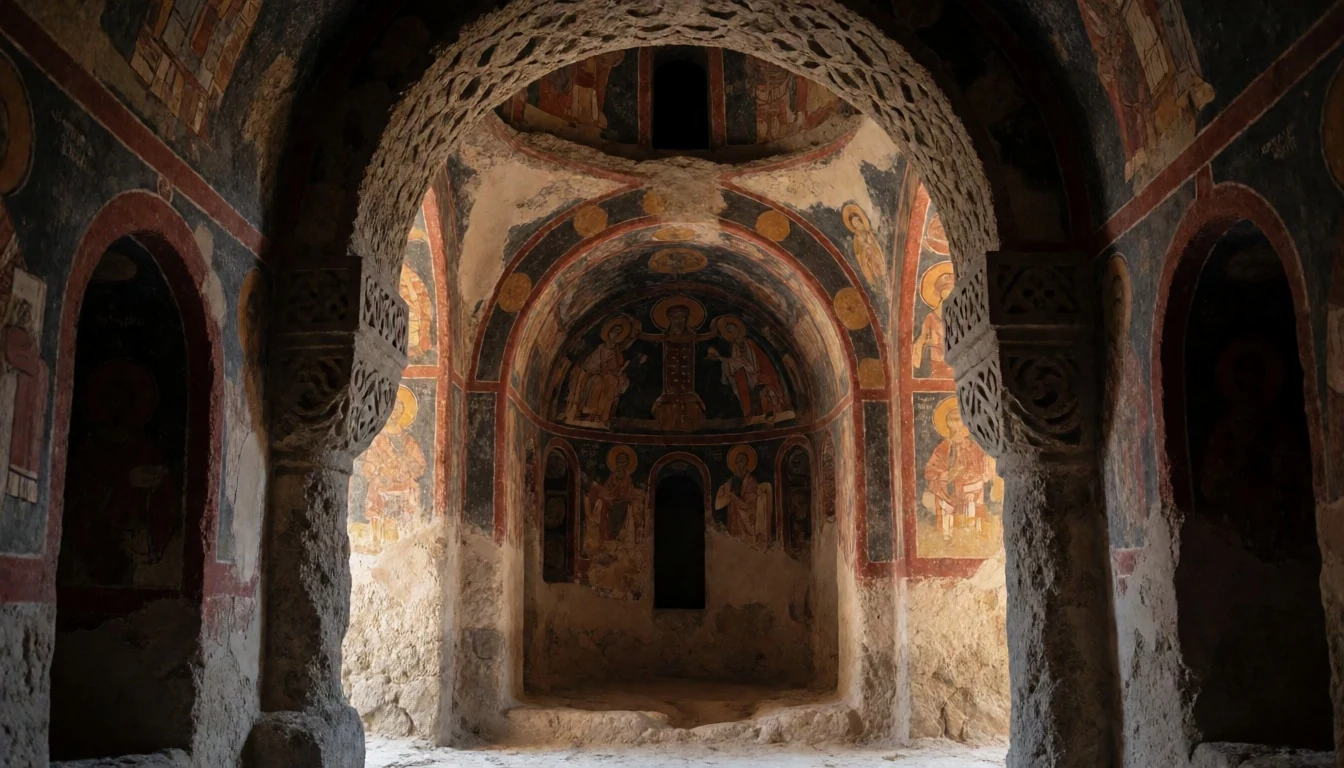
- Yılanlı Church
Named after the distinct serpentine figures depicted in its faded fresco cycle, this cliffside chapel offers a fascinating glimpse into monastic artistry. Reached via steep stone paths, the interior space combines humble architectural proportions with intricate wall decorations that reflect centuries of religious devotion.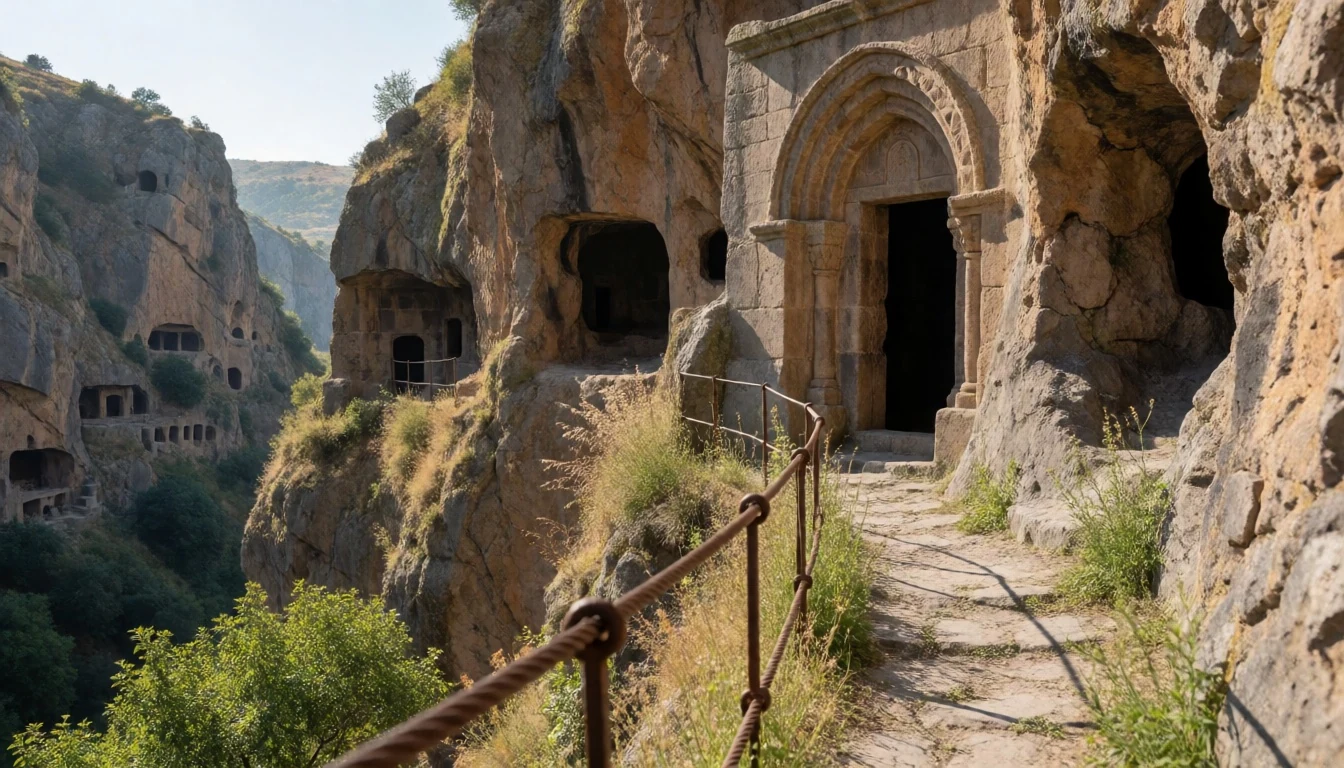
- Sümbüllü Church
Carved into the sheer rock face with an ornate façade featuring carved stone niches, this multi-level monastic complex stands out among the valley's ruins. Visitors can observe the remnants of ancient courtyards, living quarters, and ruined staircases that once connected monks to the wider canyon floor.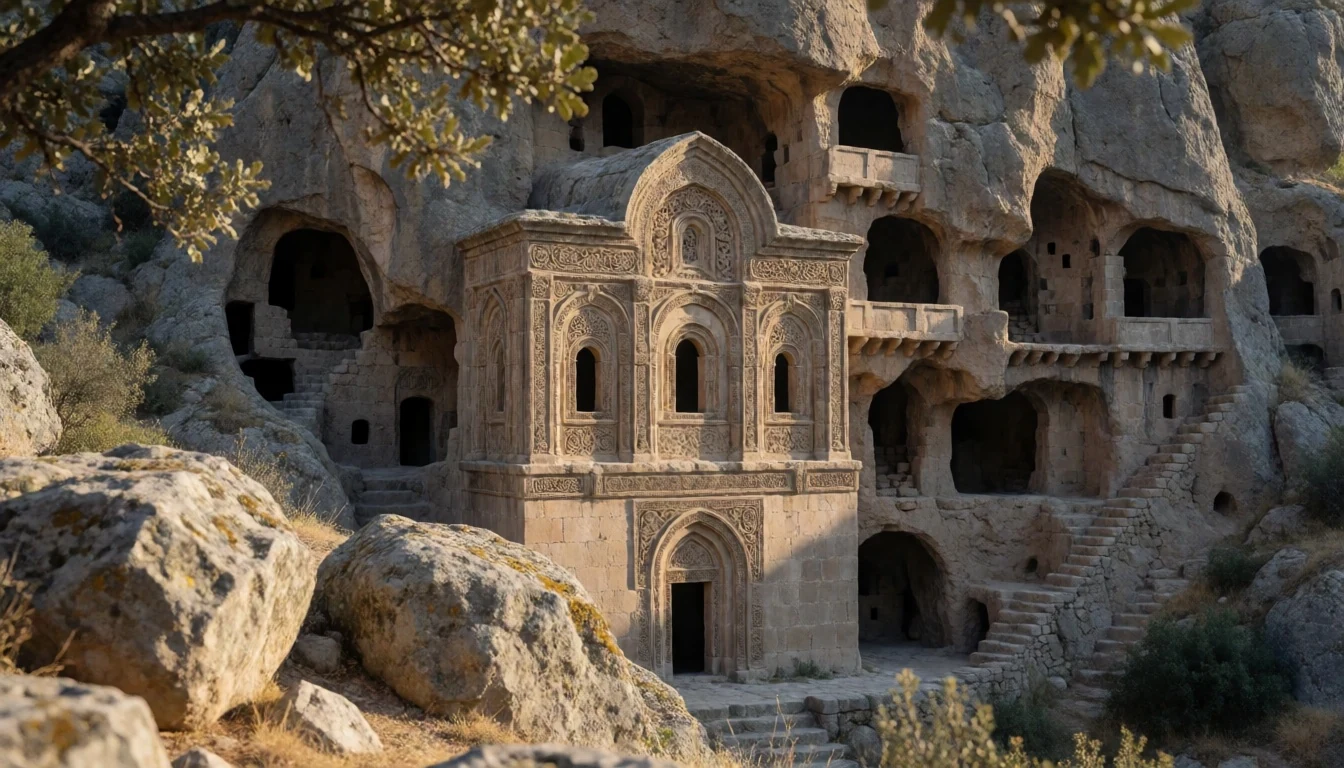
- Aksaray Museum
Located in the nearby provincial capital, this institution houses archaeological finds, classical sculptures, and ecclesiastical artefacts recovered from the valley and surrounding archaeological sites. It provides essential context on the various civilisations that shaped central Anatolia before exploring the canyon itself.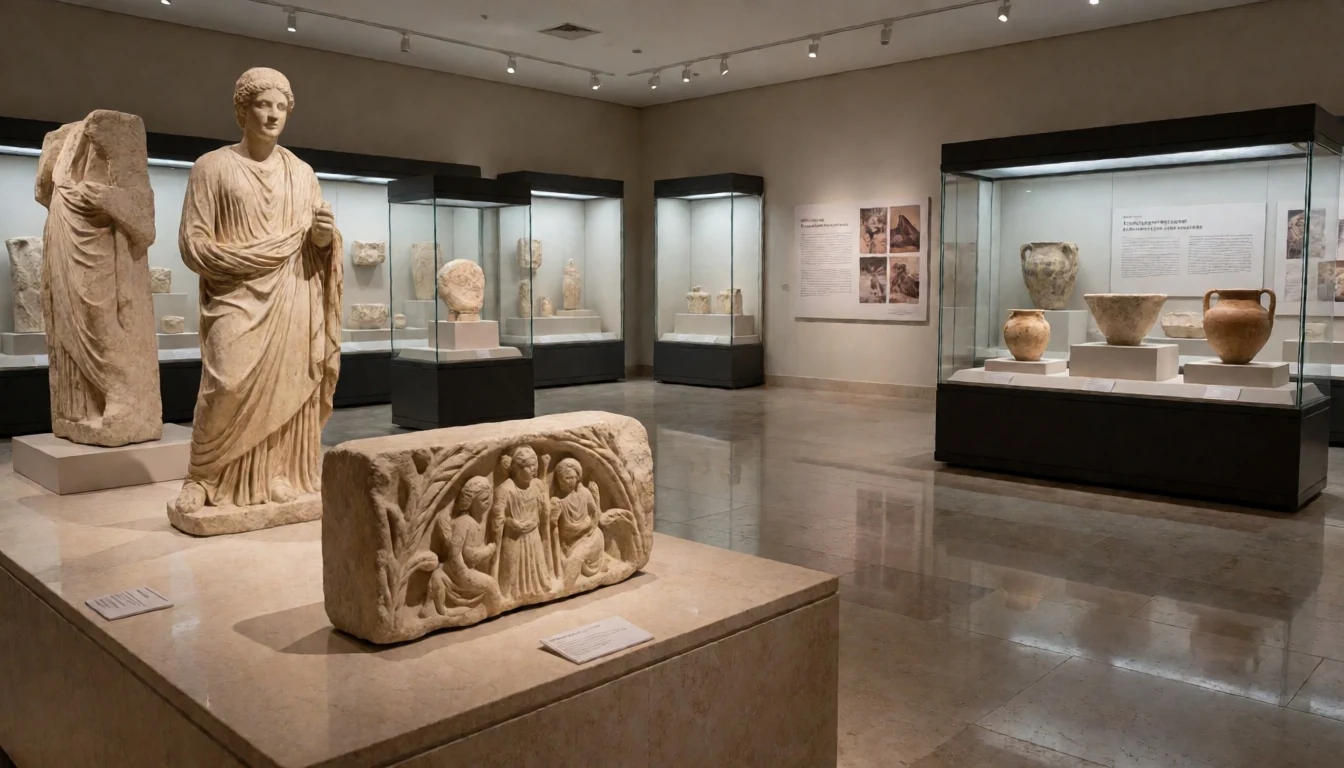
Culture
Turkish society places a high value on warmth, courtesy, and unconditional hospitality, making even brief encounters in rural regions memorable for visitors. When entering a traditional home or local guesthouse, it is customary to bring a small offering such as flowers, boxed chocolates, or items from your home country, though alcoholic beverages should generally be avoided unless you know the hosts well, as many people abstain for personal or religious reasons. Shoes are invariably removed either just outside or immediately upon crossing the threshold, leaving them neatly lined up by the door. Hosts will often express their care through endless offers of tea, food, and assistance; accepting these gracious gestures with polite gratitude is an essential part of local etiquette. Conversations are conducted with polite deference, and showing genuine appreciation for local cooking or craftsmanship goes a long way towards building a warm rapport with residents. When visiting sacred spaces, shrines, or active mosques across the wider region, dress modestly with shoulders and knees covered, and ensure your head is veiled if entering a house of prayer. Always remove your shoes when stepping onto carpets in mosques or traditional homes, and keep your voice low out of respect for worshippers.
What to wear
Traditional Anatolian clothing historically featured durable wools, heavy cottons, and woven textiles designed to withstand the harsh winters and warm summers of the central plateau. While historical garments like layered vests, embroidered headscarves, and sturdy wool trousers remain visible in regional museums and during folkloric festivals, everyday wear in modern towns and rural areas mirrors contemporary European casual styles. Younger generations and urban visitors alike wear denim, trainers, lightweight shirts, and practical jackets suited to changing weather conditions. For travellers visiting the canyon and surrounding villages, sensible footwear is essential; sturdy walking boots or grip-soled trainers are necessary for navigating the steep stone staircases leading down into the gorge and the uneven dirt paths along the riverbank. Because central Turkey experiences hot, dry summers and chilly winds during shoulder seasons, dressing in breathable layers is the most practical approach. When moving away from the main tourist trails into conservative rural villages, visitors should maintain modest standards of dress by keeping shoulders and knees covered out of respect for local customs.
What to eat
- Turkish Coffee — Any traditional teahouse, village café, or roadside eatery across the region
A rich, finely ground brew prepared in a small copper pot called a cezve and served unfiltered in delicate tiny cups. It is strong, aromatic, and traditionally enjoyed slowly, taking care to leave the dark, sludgy grounds settled at the bottom of the cup.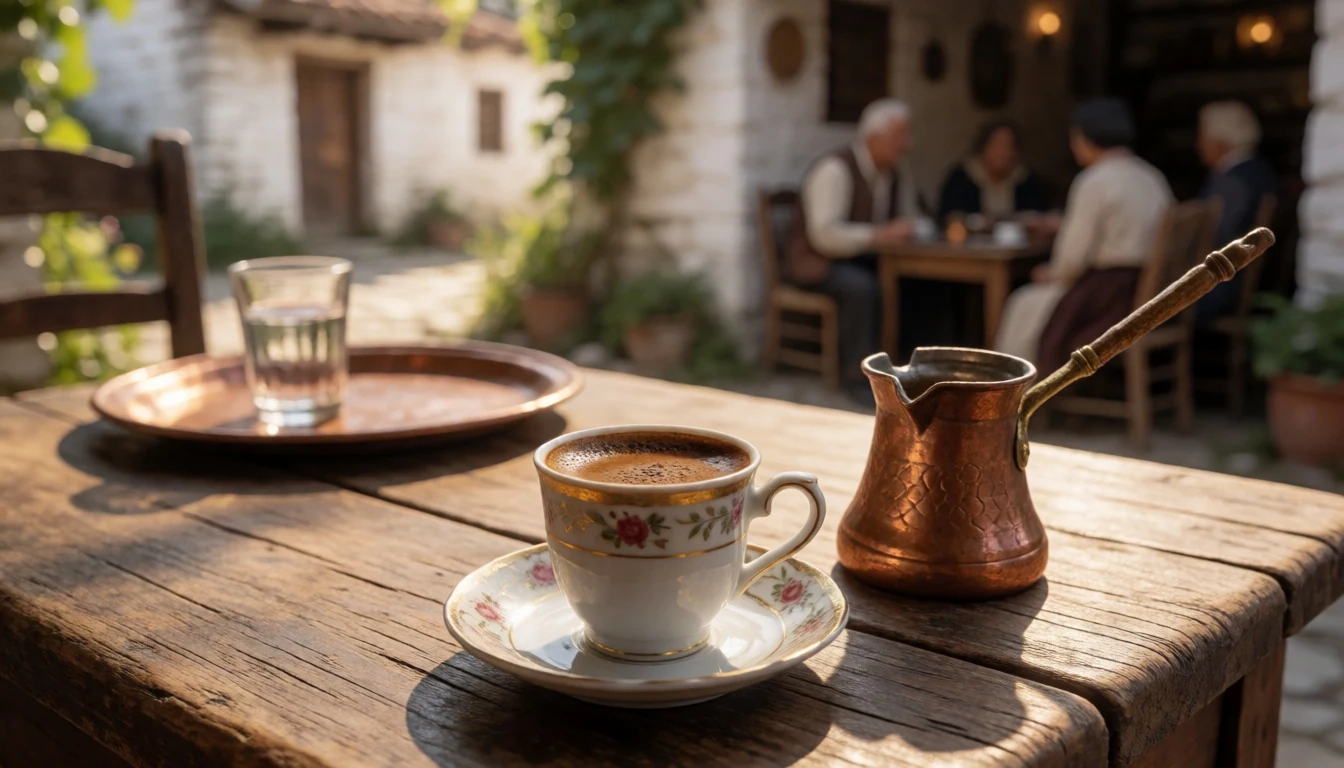
- Anatolian Flatbreads — Local village bakeries and family-run roadside restaurants
Various styles of thin, unleavened or yeast-risen flatbreads baked on hot griddles or in stone ovens, often stuffed with spiced minced meat, white cheese, or local herbs. They are served warm alongside nearly every rural meal.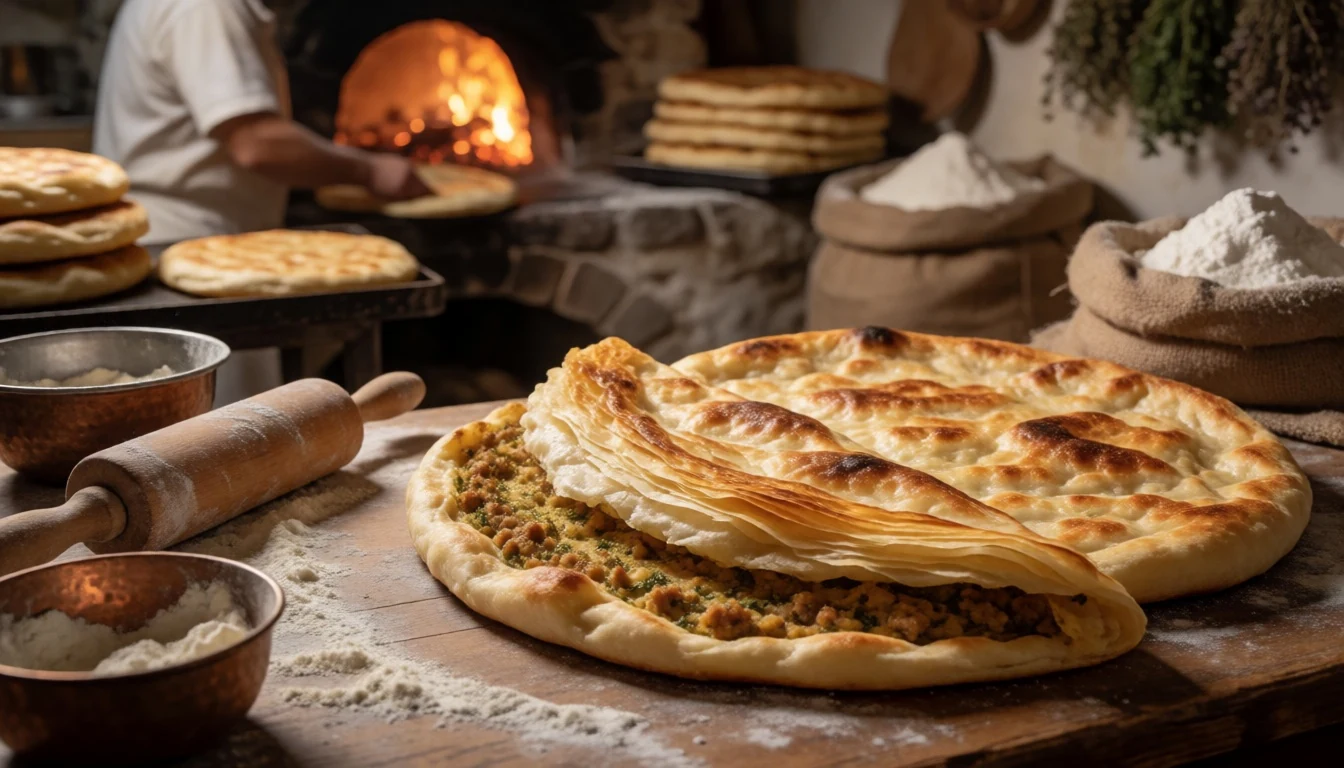
- Lentil Soup — Traditional lokanta eateries throughout Aksaray Province
A comforting, velvety soup made from red lentils, onions, and mild spices, gently simmered and finished with a dash of melted butter or paprika oil and a squeeze of fresh lemon juice. - Grilled Lamb Kebabs — Local grill houses and family restaurants in nearby towns
Succulent cuts of meat marinated in regional spices, skewered, and grilled over open charcoal embers until tender and charred at the edges. Lamb and beef form the core of hearty inland Turkish cooking.
Plan it
Best time. April to May and September to November offer comfortable daytime temperatures for walking the canyon floor without the intense heat of high summer.
How long. 1–2
Getting there. Fly into regional airports such as Kayseri or Nevşehir, then take a hire car, local bus, or organised excursion directly to the canyon entrances near Güzelyurt and Ihlara village.
Budget. mid
Tips
- Wear sturdy walking shoes with good grip for the steep, uneven stone staircases descending into the canyon.
- Carry cash in local currency for small entrance fees, village teahouses, and parking areas.
- Start your walks early in the morning to enjoy the quietest trails and cooler canyon air.
- Bring a refillable water bottle, as walking along the riverbed involves stretches without shops.
Etiquette
- Remove your shoes before stepping onto carpets in traditional homes and religious sanctuaries.
- Dress modestly with covered shoulders and knees when visiting rural villages near the canyon.
Nearby
Sources
- Wikidata Q22343387 (CC0)
- Wikipedia (CC-BY-SA 4.0)
- Wikivoyage (CC-BY-SA 4.0)