Hukou Waterfall
Hukou Waterfall, People's Republic of China
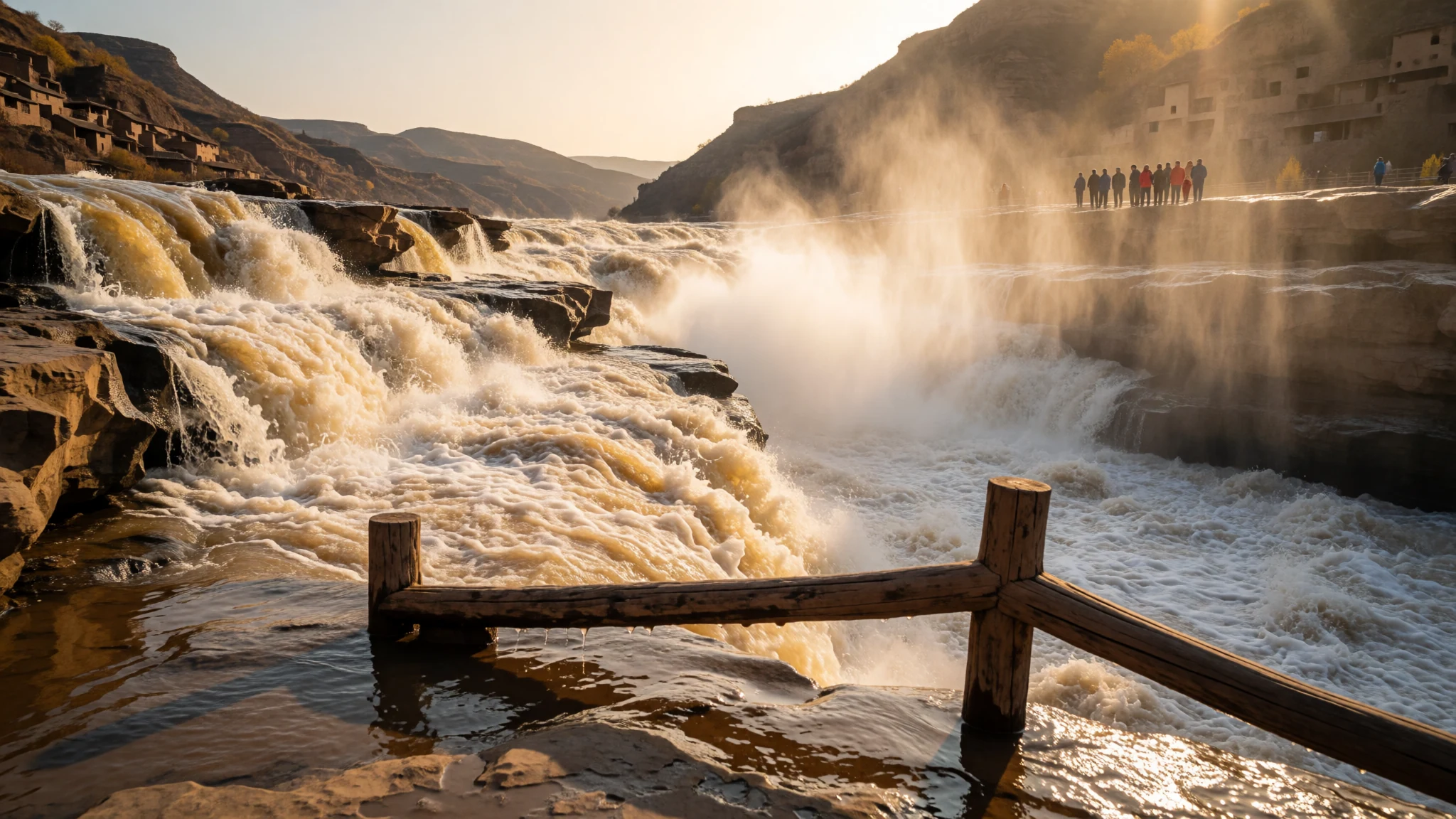
Witness the raw power of the world's largest yellow waterfall as it plunges through a dramatic canyon gorge.
The place
Hukou Waterfall sits at the intersection of Shanxi and Shaanxi provinces, where the middle reaches of the Yellow River force their way through the rugged terrain of the Loess Plateau. As the river approaches, enclosing mountains abruptly squeeze the rushing current into a narrow channel. The water picks up immense velocity before plunging over a rocky cliff, churning into a frothing amber torrent that resembles liquid clay pouring from a colossal vessel. This distinctive shape gives the site its name, which translates to flask mouth. Beneath the plummeting torrent, the riverbed transitions through deep canyons carved over millennia into the arid landscape. High desert hills and traditional cave dwellings burrowed into the slopes frame the region, offering a stark contrast to the lush green river valleys found elsewhere in the country. A short distance away, the Qilangwo Bridge spans the rushing waters to connect the two provinces, while sunlight catches the heavy river mist to project brilliant, fleeting rainbows across the gorge.
Its story
For generations, the fierce spirit of the Yellow River has held a central place in the cultural imagination of the region, symbolising endurance and the untamed power of nature. Because of its remote location within the Loess Plateau hinterlands, travellers once faced immense difficulty reaching the site, relying on rough dirt tracks and local guides. Over time, infrastructure improvements opened the gorge to regular visitors, transforming a desolate frontier outpost into a celebrated destination. Its iconic roaring waters even achieved national currency fame when an engraving of the falls was featured on older banknotes. Today, visitors arrive to stand on the rocky banks just as travellers did decades ago, listening to the thunderous roar echo off the canyon walls. Local guesthouses and family-run inns cluster on the ridges above the river, providing a quiet base where guests can gather after dark to share simple meals and stories of the road. The rhythm of life here remains closely tied to the shifting moods of the river, rising and falling with the seasonal rains and the melting snows from the northern highlands.
What to see
- Main Viewing Platforms — East bank near the guesthouse area
Stand directly beside the roaring chasm to feel the sheer vibration of the rushing water underfoot. The platforms offer front-row views of the amber torrent squeezing through the narrow rock bottleneck and plunging into the foaming pool below.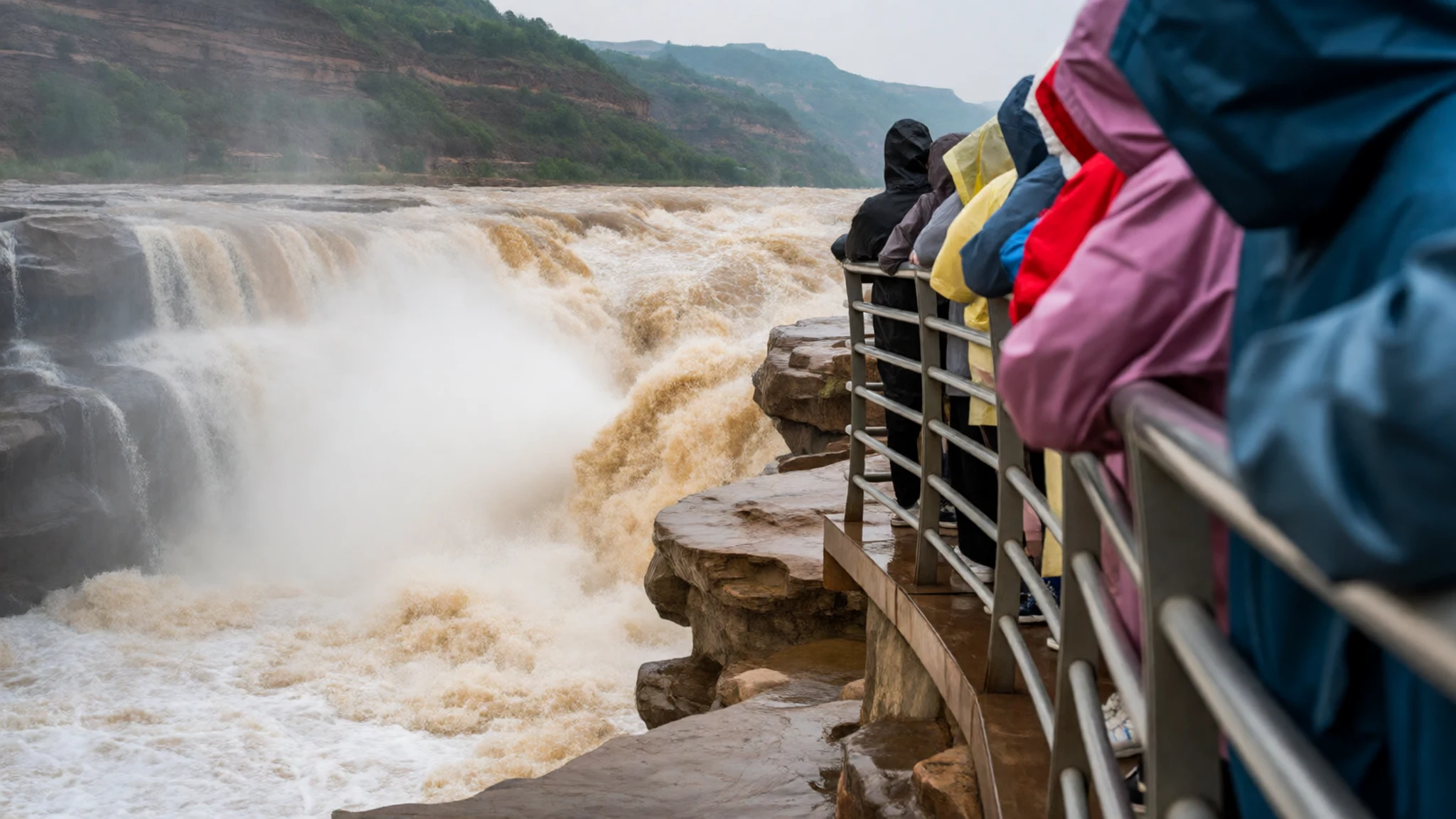
- Qilangwo Bridge — Just beneath the waterfall
Walk across this bridge linking Shanxi and Shaanxi provinces for sweeping panoramas of the canyon upstream and downstream. On sunny days, the heavy spray rising from the base creates vivid rainbows arching directly over the churning water.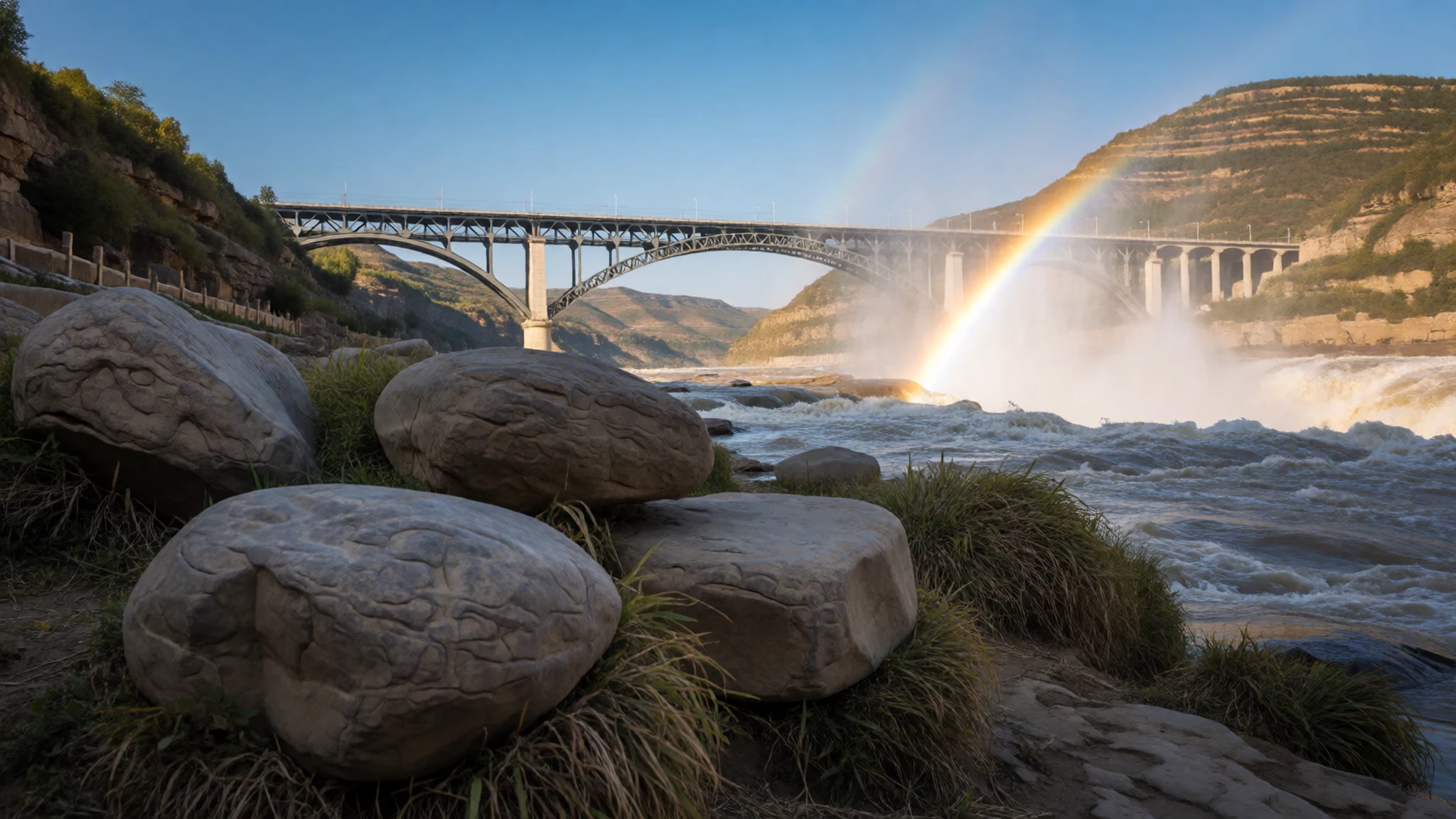
- Loess Plateau Canyon Vistas — Along the approach roads in Yichuan and Jixian
Observe the high desert hills and traditional cave homes burrowed into the surrounding mountain slopes. The arid landscape and revolutionary history of the broader region provide a unique cultural backdrop quite unlike humid southern river valleys.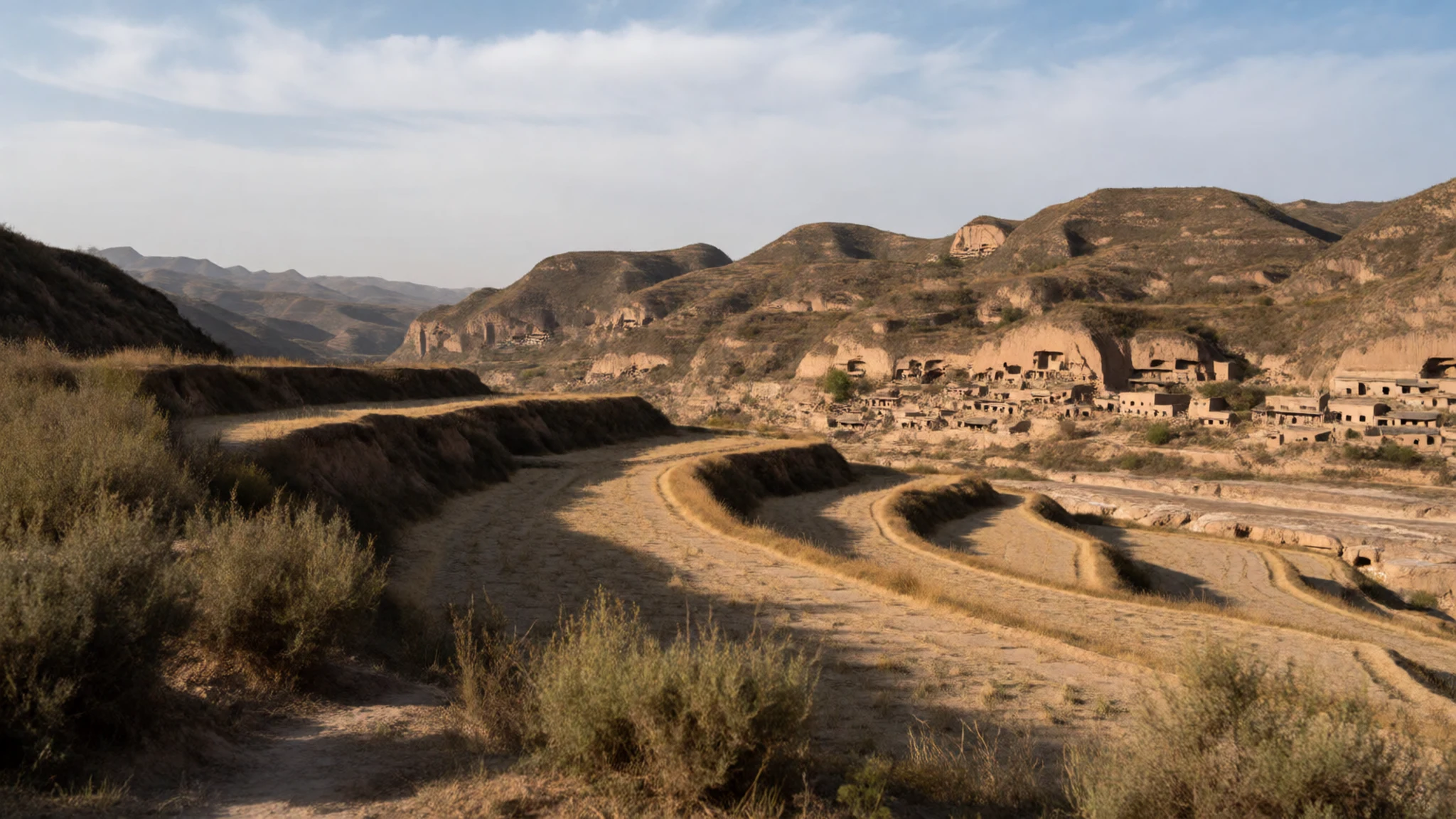
- The Riverbed and Mysterious Stone — Along the middle reaches of the riverbed
Wander the rocky riverbanks at dawn or dusk when the crowds vanish and the roar of the current feels most exhilarating. Look out for the peculiar moving stone in the channel that shifts up and down with the water level.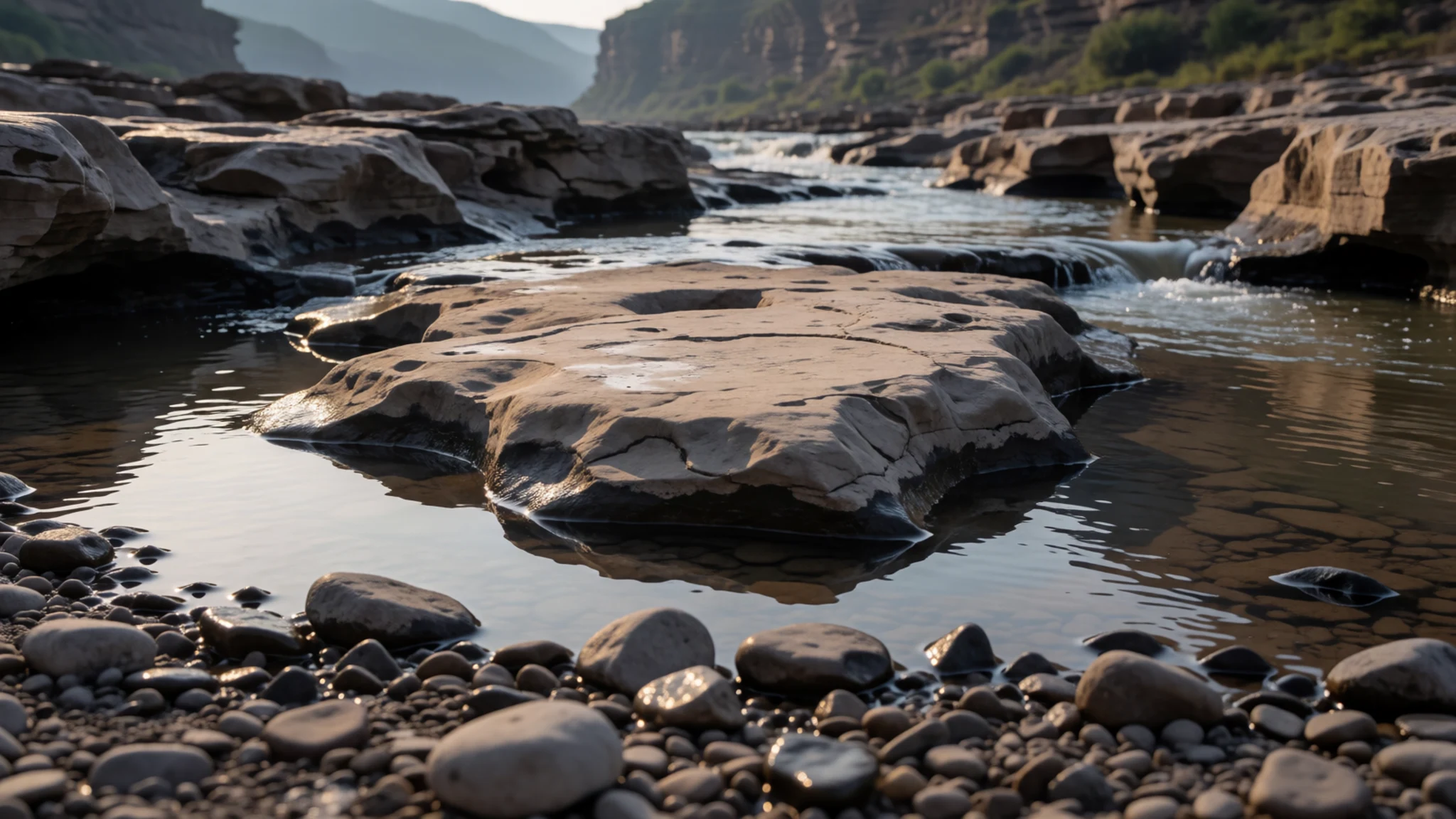
Culture
Life around the Loess Plateau is shaped by resilience, warmth and deep-rooted rural traditions. Local communities living beside the Yellow River have adapted their homes and daily routines to the arid climate and rugged topography, frequently carving dwellings directly into the soft cliff sides to stay cool in summer and warm in winter. Hospitality is straightforward and unpretentious; guesthouse hosts and local drivers treat visitors with sincere generosity, often welcoming strangers over simple bowls of noodles and hot tea. While Mandarin is spoken universally, regional dialects carry a distinct northern cadence. Visitors will find that patience and polite gestures go a long way when navigating transport or settling into village accommodation. Always ask for permission before taking photographs of working locals or vendors along the river path.
What to wear
Traditional dress in the northern Loess Plateau reflects practical adaptations to a dry, dusty and seasonal climate. Historically, rural residents relied on durable cotton garments and head coverings designed to shield against harsh winds and blowing soil. Today, locals wear standard modern casual attire, with heavier quilted coats and windbreakers essential during the colder months. For visitors exploring the canyon, sturdy walking shoes or boots with good grip are necessary for navigating uneven, damp rocky ground near the spray zone. Dressing in practical layers is recommended, as temperatures can shift quickly between sunny afternoons and chilly evenings by the river, and a waterproof jacket will keep you dry from the heavy mist rising off the falls.
What to eat
- Hand-Pulled Noodles — Small roadside eateries and guesthouse dining rooms in Yichuan
Hearty wheat noodles stretched fresh by local cooks, served in a rich, savoury broth with garlic, chilli oil and vinegar typical of northern Shaanxi and Shanxi cooking.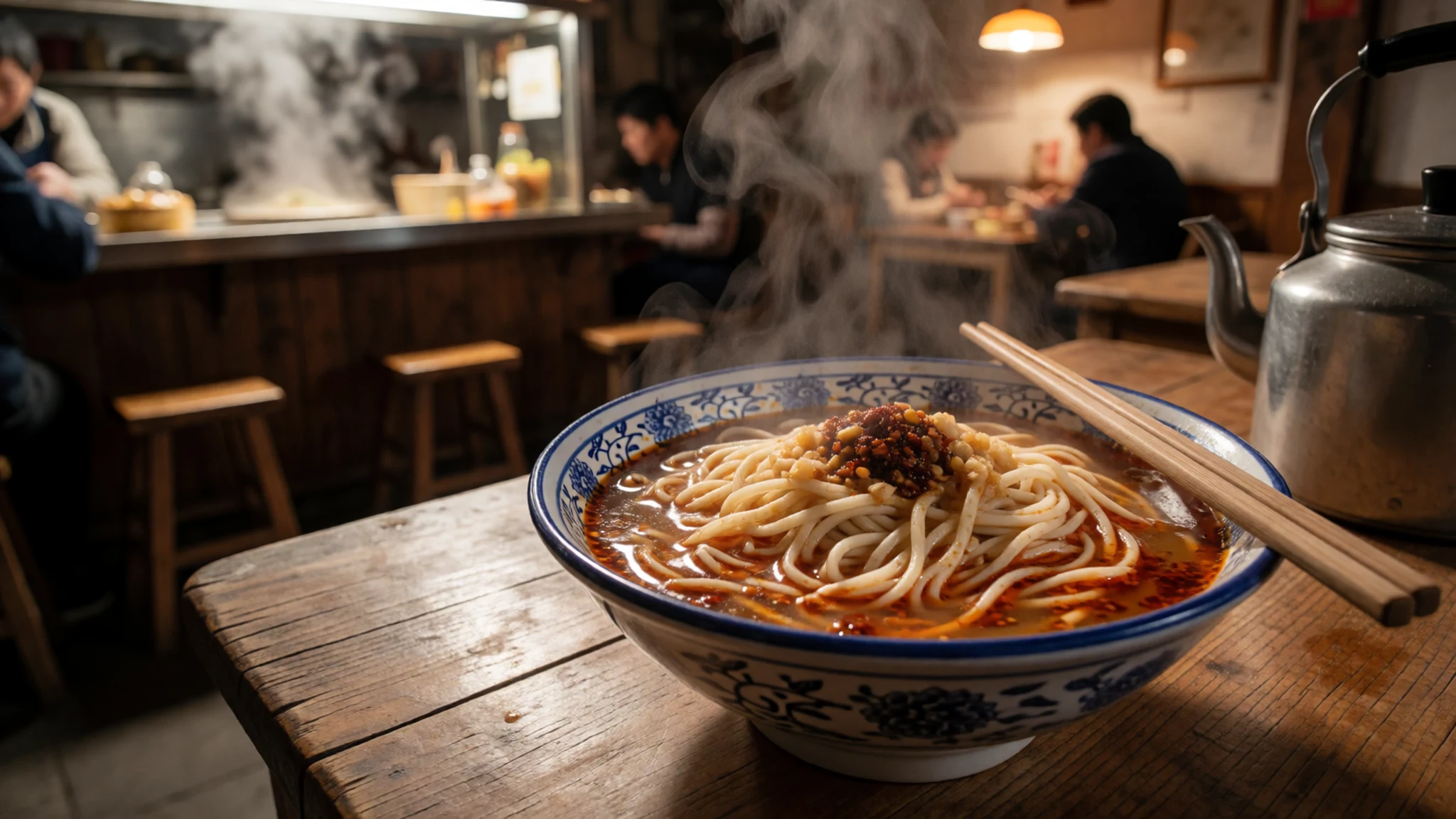
- Loess Plateau Steamed Buns — Village markets and family-run noodle shops
Dense, slightly sweet steamed bread made from local wheat flour, perfect for soaking up hearty stews and warming up on chilly canyon mornings.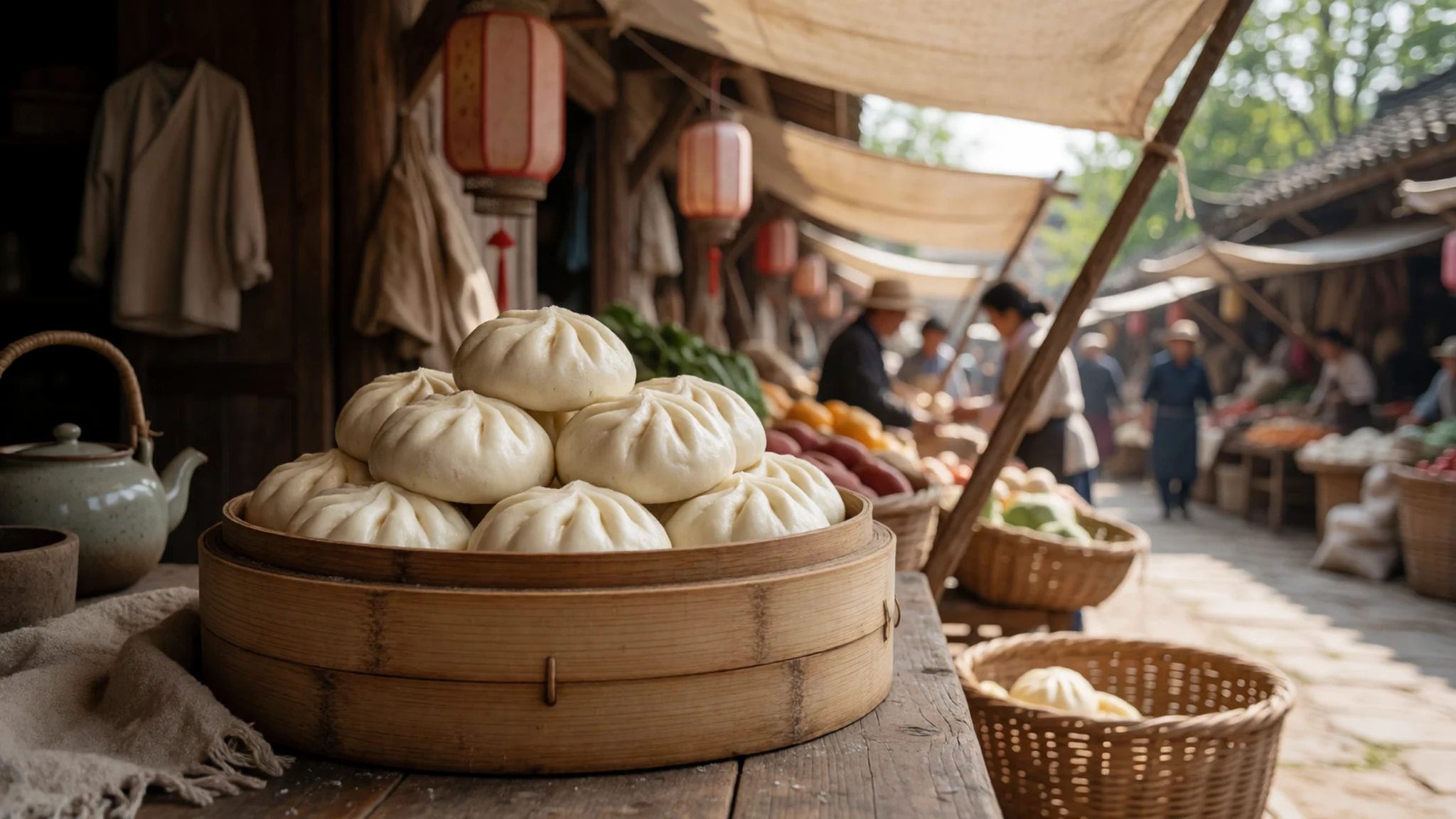
- Yellow River Carp — Simple restaurants near the river banks
Fresh fish caught from the river, traditionally braised with local soy sauce, ginger, scallions and sharp vinegar for a pungent, satisfying flavour. - Millet Porridge — Guesthouse breakfasts and morning food stalls
A nourishing staple of the arid northern plateau, slow-cooked from locally harvested grains and often served alongside pickled vegetables.
Plan it
Best time. April to May for spring warmth and melting ice, or September to October for clear skies and comfortable autumn weather.
How long. 2
Getting there. Take a long-distance bus from Xi'an East Bus Station to Yichuan, then transfer to a local vehicle heading towards the waterfall bridge.
Budget. low
Tips
- Visit the waterfall at dawn or dusk to enjoy quiet paths and the best lighting
- Keep small denomination cash handy for park entry and local transport
- Communicate your destination clearly to drivers using local place names
- Pack a waterproof shell jacket to stay dry from the heavy river mist
Etiquette
- Always ask permission before photographing local vendors or their animals
- Respect local guesthouse hosts and remove muddy footwear at the door
Nearby
Sources
- Wikidata Q602973 (CC0)
- Wikipedia (rev 1333854135) (CC BY-SA 4.0)
- Wikivoyage (rev 5217897) (CC BY-SA 4.0)