Hokkaido
Hokkaido, Japan
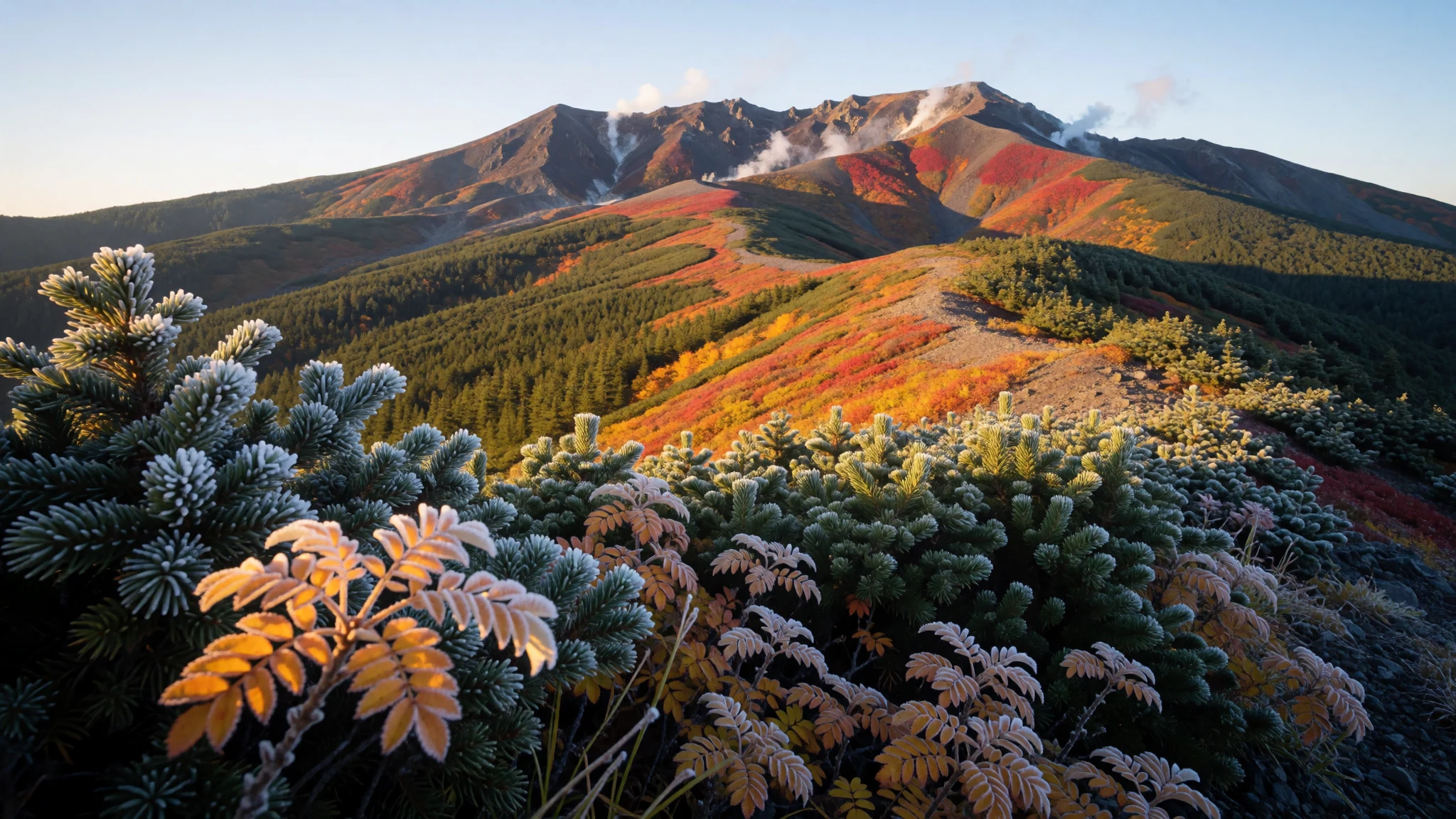
Hokkaido offers wild volcanic peaks, vast farmland, deep winter snow, rich seafood and the distinctive cultural heritage of the indigenous Ainu.
The place
Hokkaido, the northernmost main island of Japan, presents a dramatic landscape sharply distinct from the rest of the archipelago. Defined by volcanic mountain chains, expansive coniferous forests, sweeping caldera lakes and agricultural plains, the region experiences harsh, snowy winters with heavy snowfall and hot summers that peak in August, the hottest and wettest month, with June the most comfortable. Sapporo serves as the main urban hub, laid out on a clean grid pattern amidst expansive public parks and wide avenues.
Beyond the major cities, the geography becomes strikingly rugged. The Shiretoko Peninsula juts out into the Sea of Okhotsk, forming a wild realm of primeval forests, coastal cliffs and brown bear populations. In the central highland massifs, volcanic peaks steam above alpine meadows, feeding thermal hot springs that dot the valleys. Coastal regions vary from the windswept headlands of the north to the protected bays along the southern Pacific shoreline, where fishing ports supply markets with crab, sea urchin and squid.
The island relies on an extensive network of expressways, scenic railway lines and ferry ports connecting coastal towns to the mainland. Agricultural districts dominated by dairy farms, lavender fields and wheat crops define the central inland plateaus. Outdoor activity revolves around winter snow sports, summer hiking and hot spring bathing, shaping a region defined by its seasonal extremes and broad, uncluttered horizons.
Its story
Hokkaido was known historically to mainland Japanese as Ezo, an island home to the indigenous Ainu people who developed a culture deeply connected to the natural landscape, ocean fishing and hunting. For centuries, trade existed between Ainu communities and Japanese merchants from the south, though territorial friction and armed conflicts occurred as mainland influence expanded across the southern coastal headlands. Historical artwork depicts Japanese samurai negotiating trade and receiving gifts from Ainu elders near Hakodate in 1751, reflecting a complex borderland exchange during the Edo period. Around 1775, formal records and illustrated scrolls documented traditional Ainu clothing, rituals and living practices in growing detail.
In the late nineteenth century, the Japanese government established the Development Commission to systematically colonise and modernise the island, renaming it Hokkaido. Foreign advisors, particularly engineers and agricultural specialists from North America, were recruited to plan new cities, construct railways and introduce Western farming techniques suited to the cold climate. Sapporo was surveyed and built from scratch as the modern administrative capital.
This rapid development transformed the regional economy through mining, commercial forestry and large-scale farming, but it also resulted in severe marginalisation of the indigenous population, whose language and customs were suppressed under assimilation policies. In recent decades, cultural revival efforts and legal recognition have brought renewed focus to Ainu heritage, highlighting indigenous identity alongside Hokkaido modern pioneer history.
What to see
- Shiretoko Goko Lakes — Shiretoko Peninsula
Located on the remote eastern peninsula, these five quiet lakes are surrounded by dense virgin forest and coastal mountains. Elevated wooden boardwalks allow visitors to walk safely above the terrain while taking in views of Lake Ichiko and watching for wild deer and brown bears.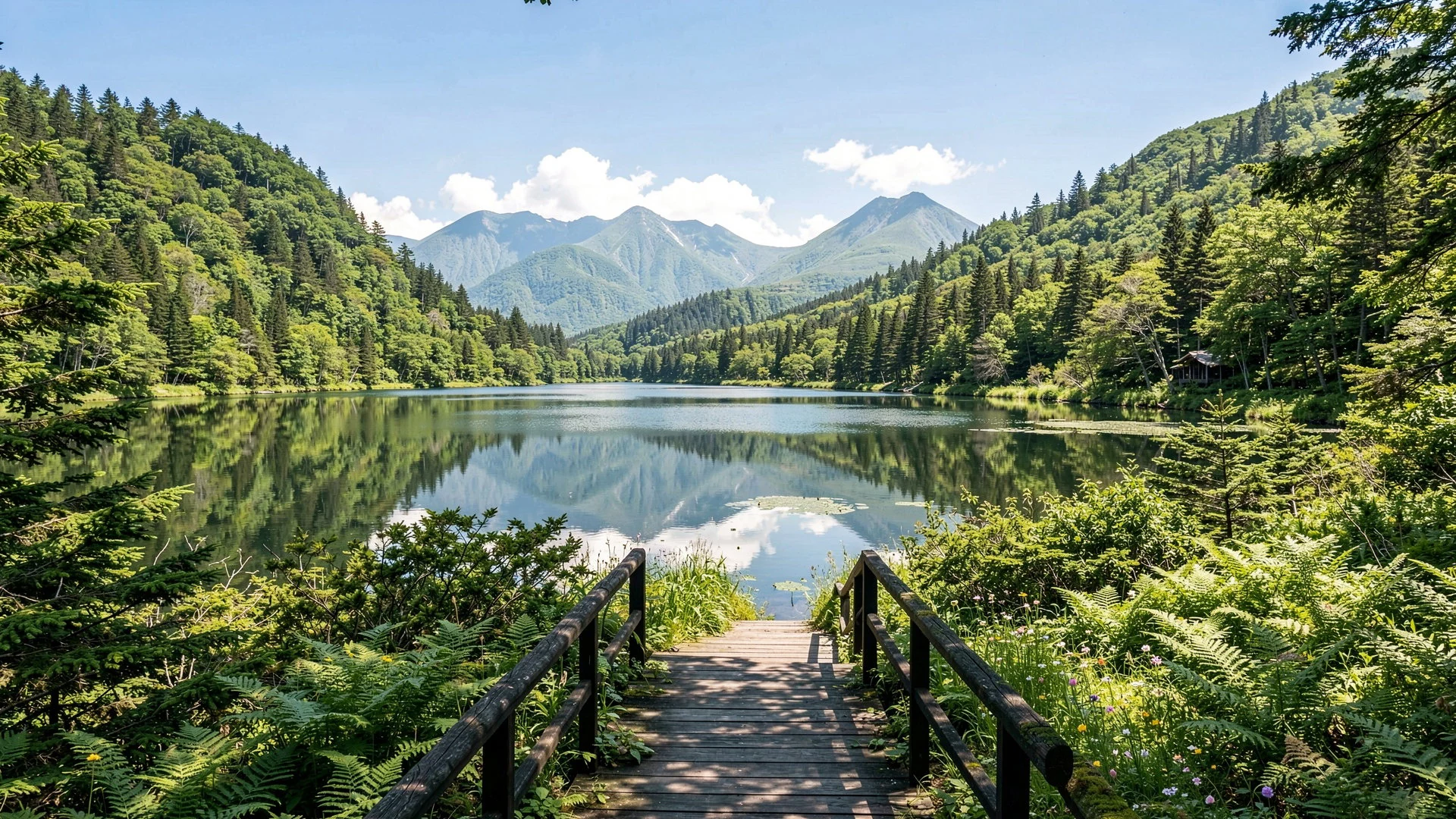
- Goryokaku Fort — Hakodate
Constructed in the nineteenth century, this star-shaped Western-style citadel is surrounded by a broad moat and thousands of cherry trees. Visitors can view its distinctive geometric outline from the adjacent observation tower or stroll along the ramparts through peaceful parkland.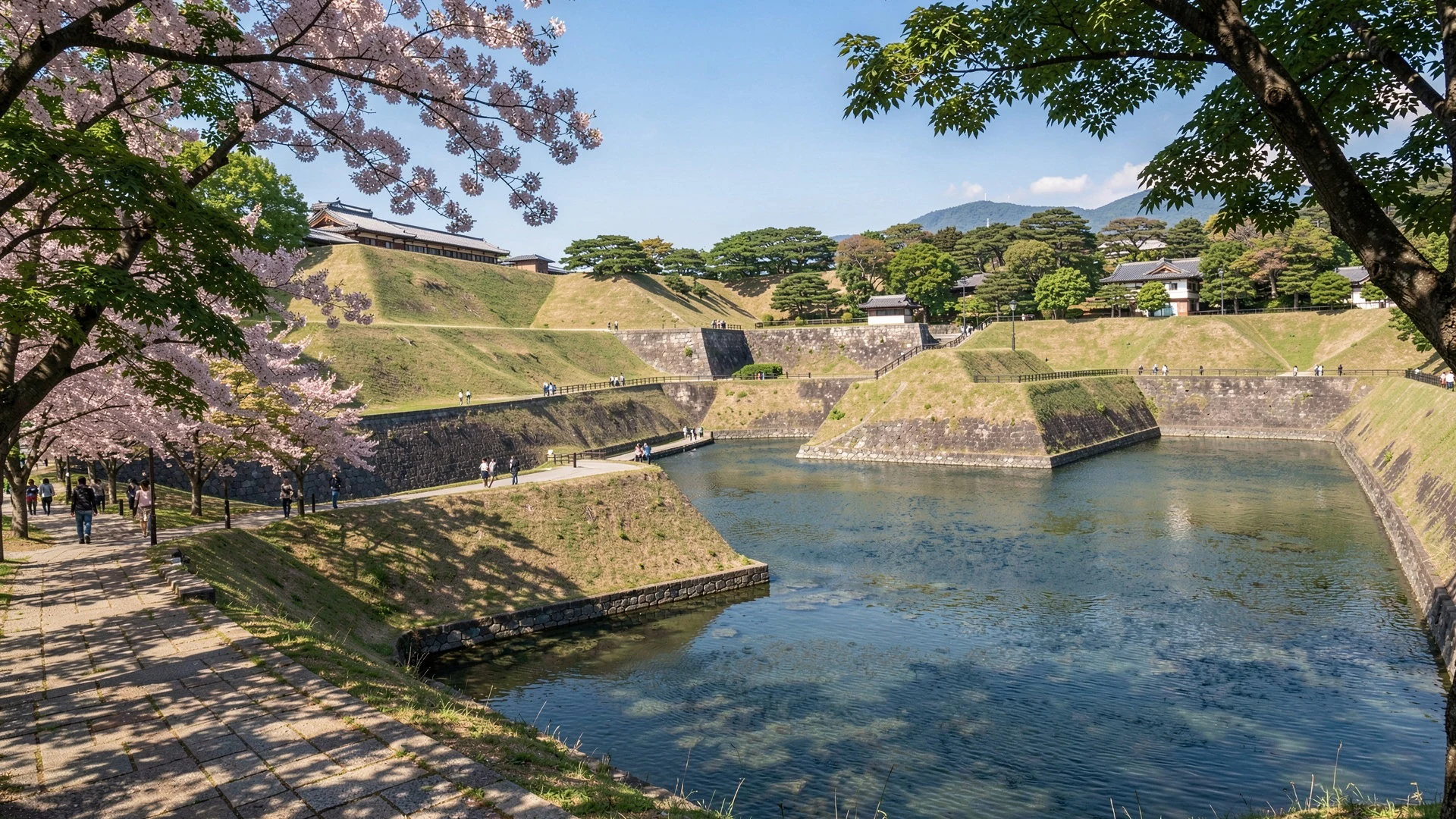
- Former Hokkaido Government Office — Sapporo
Known locally as the Red Brick Office, this Neo-Baroque structure was built in central Sapporo as the administrative base for island development. Set within landscaped gardens with duck ponds, the building houses historic displays detailing regional history and foreign architectural influences.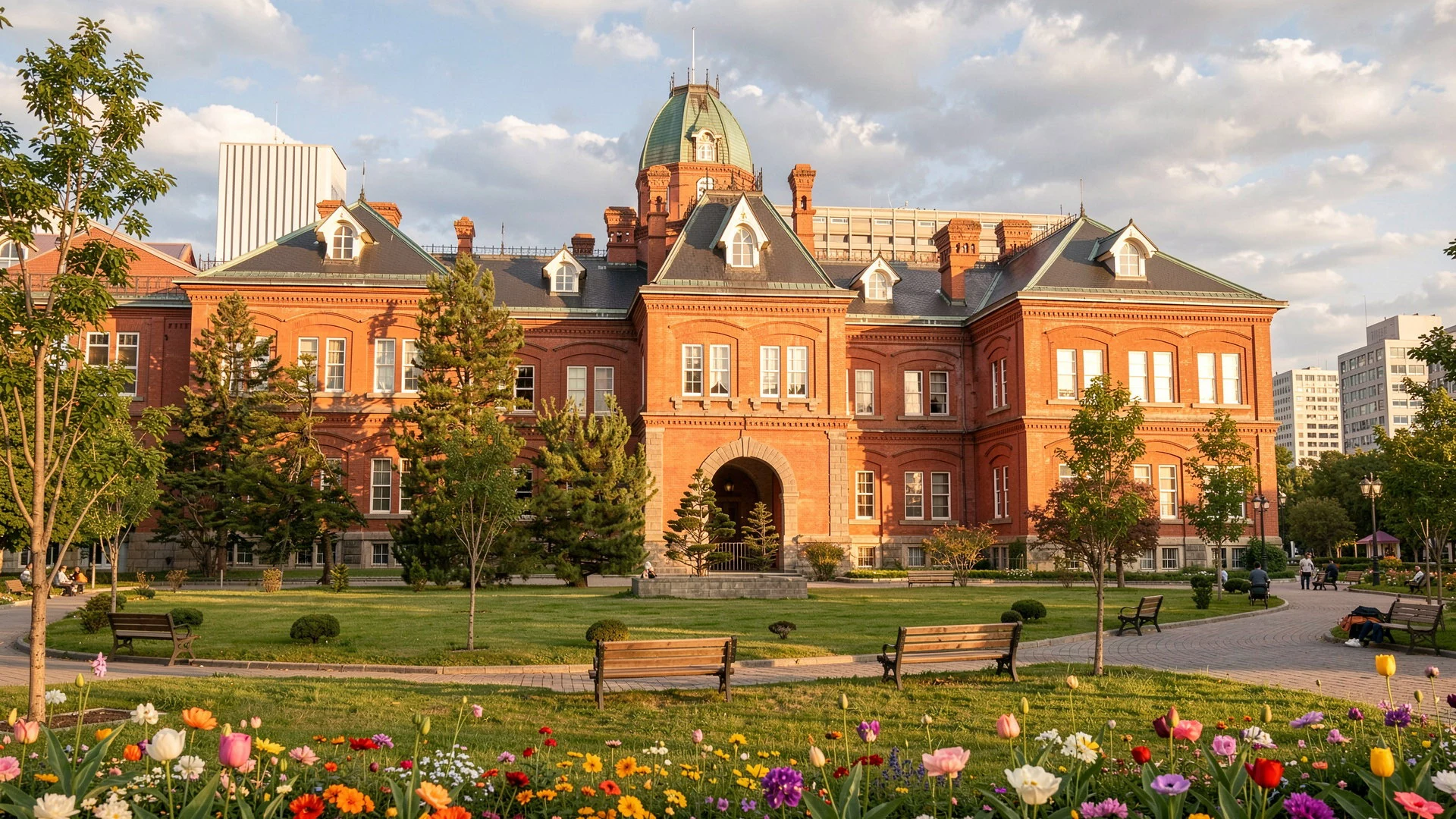
- Lake Toya — Shikotsu-Toya National Park
This large volcanic caldera lake remains unfrozen throughout winter due to underlying geothermal activity. Surrounded by scenic hiking trails, hot spring resorts and active volcanic peaks, the clear water offers cruise boat excursions to Nakajima Island located at the centre of the lake.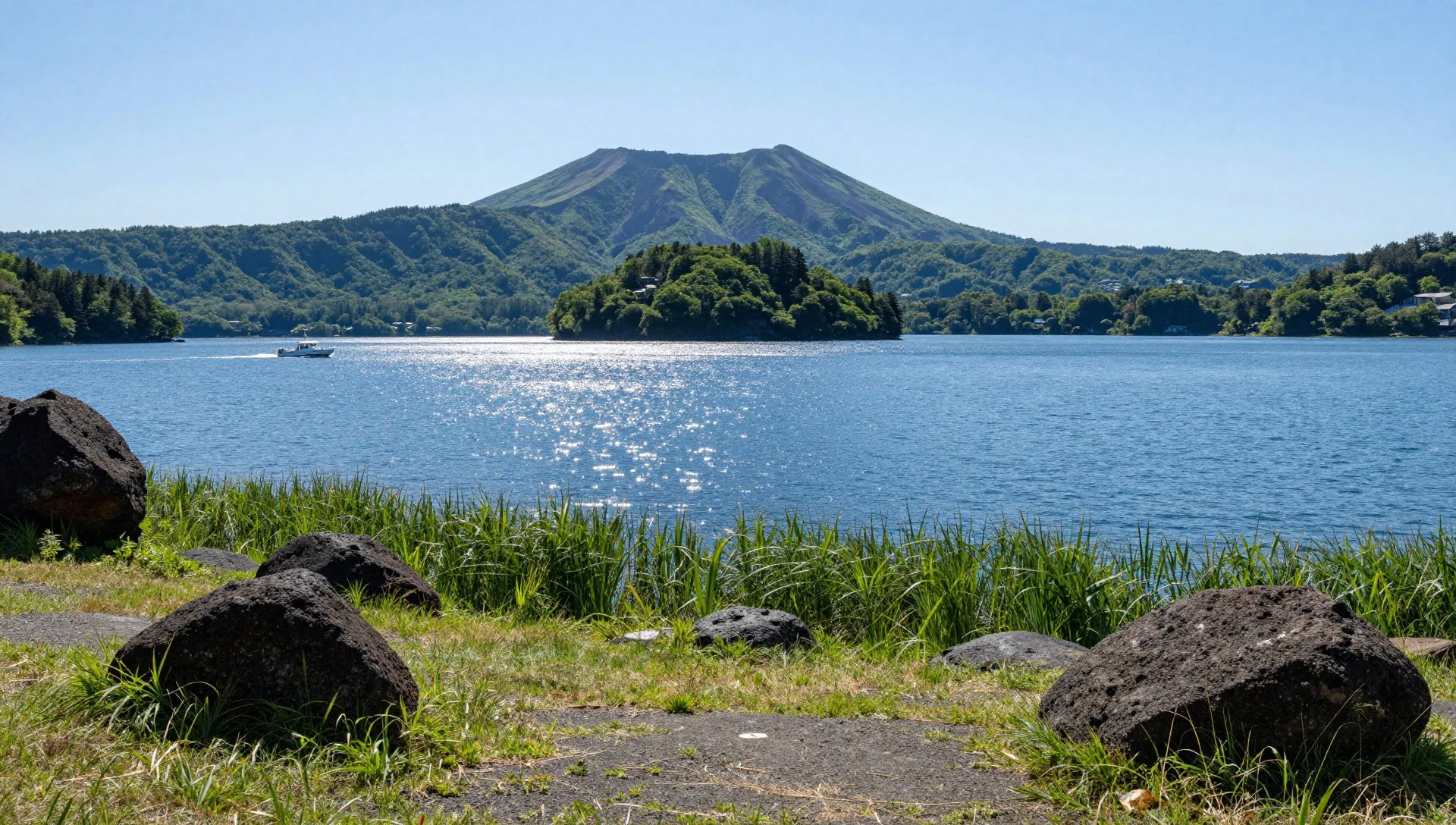
- Furano Flower Fields — Central Hokkaido
Rolling agricultural hills in central Hokkaido transform into vibrant carpets of lavender, poppies and marigolds during the summer months. Walking trails and farm cafes allow visitors to sample local lavender ice cream while taking in panoramic views of the Tokachi mountain range.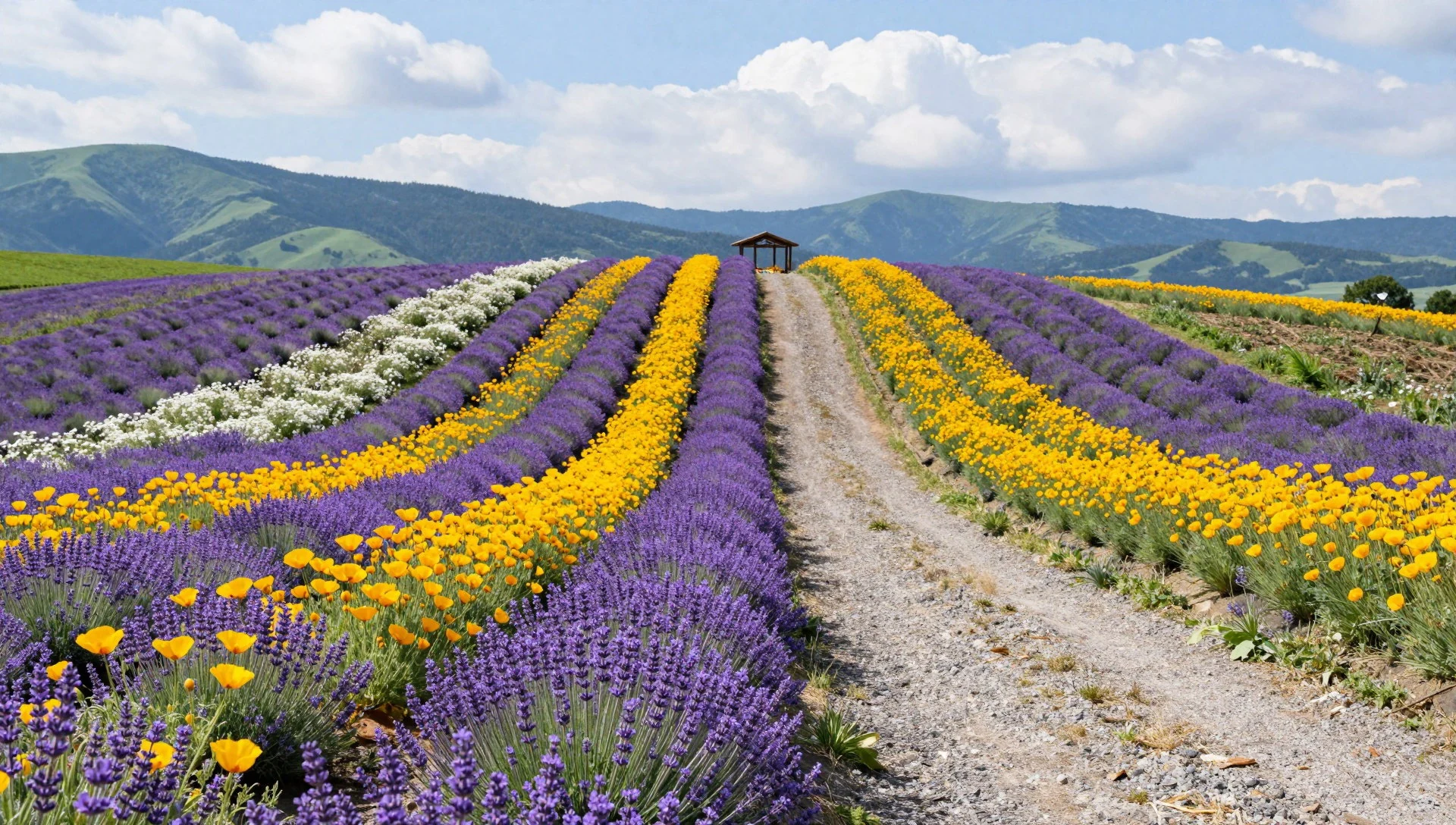
Culture
Hokkaido possesses a distinct regional culture shaped by its indigenous Ainu roots and its history as an agricultural frontier. Indigenous Ainu traditions emphasize reverence for the natural world, expressed through intricate wood carvings, embroidered geometric textiles and ceremonial songs known as yukar. Cultural centres and museums across the island work to preserve and share these living customs.
The daily rhythm of the island reflects a strong connection to seasonal cycles and natural outdoor life. Winter brings enthusiasm for snow sculpture festivals, skiing and communal soaking in volcanic thermal baths, while summer focuses on outdoor flower viewing, camping and coastal seafood harvesting. Architecture across Hokkaido favors practical designs built to withstand heavy snowfall, featuring steep pitched roofs, covered walkways and insulated entry halls. Food culture acts as a central social pillar, where communal hot-pot meals and outdoor barbecue gatherings bring families together during long winter nights.
When visiting hot springs or traditional bathhouses in Hokkaido, wash thoroughly at the shower stations before entering the shared bath water.
What to wear
Hokkaido fashion reflects both indigenous textile traditions and the demanding climate of northern Japan. The traditional garment of the Ainu people is the attus, a durable robe crafted from the woven inner bark of elm trees and decorated with intricate appliqué patterns and geometric embroidery around the neck and cuffs. These garments, along with robes made from salmon skin or animal furs, were designed to provide warmth and protection during harsh winter months. Today, these distinctive textile motifs appear on modern artistic garments, scarves and woven crafts.
Contemporary residents dress with a sharp eye toward seasonal practicality. In urban centres like Sapporo, winter street wear prioritises high-performance insulated down coats, windproof outer shells and sturdy thermal footwear equipped with non-slip ice grips. During the hot summer, everyday attire shifts to lightweight linen shirts, breathable cotton trousers and relaxed outdoor leisure wear suitable for hiking and coastal excursions.
Visitors should pack heavy thermal layers, waterproof boots with good tread and windproof outerwear if travelling in winter, along with slip-on shoes for easy removal at indoor venues. For summer visits, light layers paired with sturdy walking shoes and sun protection work best for rural exploration.
What to eat
- Jingisukan — Sapporo beer halls and specialised grill eateries
Thinly sliced mutton or lamb is grilled alongside onions, cabbage and bean sprouts on a convex metal skillet shaped like a helmet. Diners dip the seared meat into a savoury soy-based dipping sauce infused with garlic and ginger.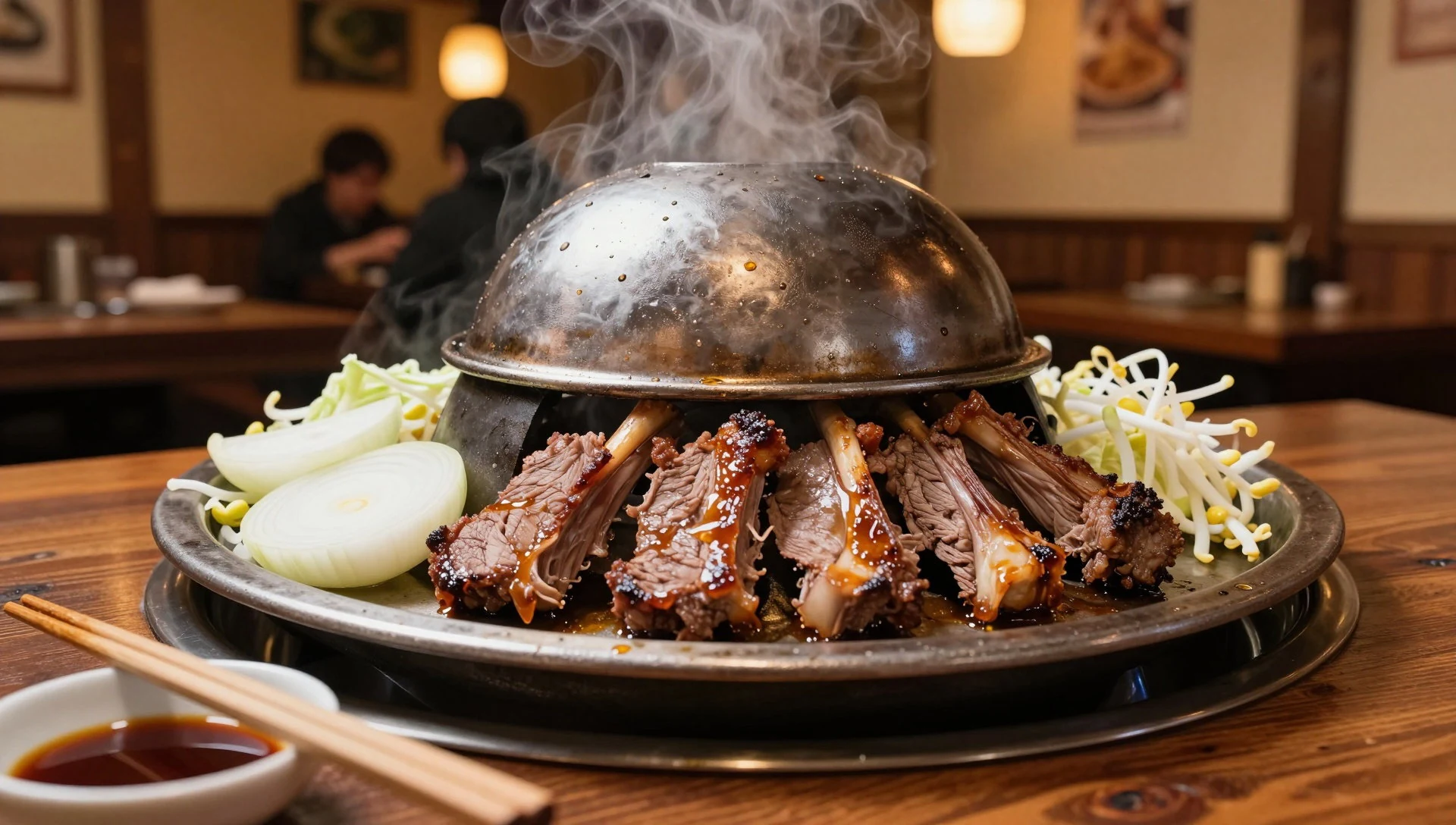
- Hokkaido Miso Ramen — Ramen alleyways and train station eateries
A rich, warming noodle soup served in a deep broth seasoned with rich miso paste and garlic. It is typically topped with sweetcorn, thick slices of roasted pork, bamboo shoots and a pat of local Hokkaido butter.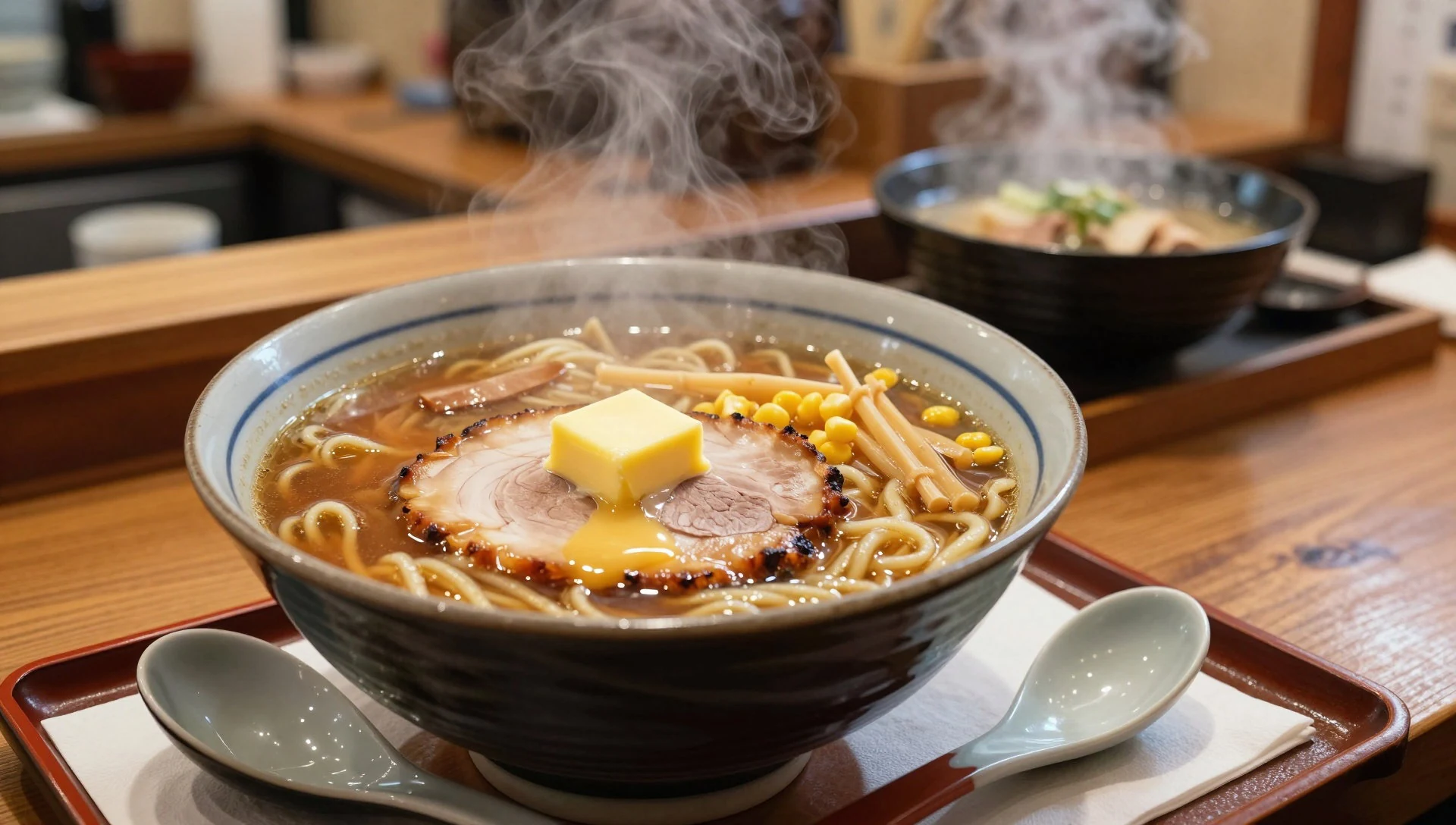
- Kaisen-don — Morning fish markets and harbour eateries
A bowl of steamed rice heaped with fresh raw seafood, including sea urchin, salmon roe, sweet scallops and crab meat. The dish highlights the natural sweetness of freshly caught cold-water seafood from coastal ports. - Soup Curry — Sapporo dining districts and neighbourhood cafes
Unlike thick traditional Japanese curry, this dish consists of a light, aromatic spiced broth filled with tender chicken legs and large chunks of flash-fried local vegetables such as squash, lotus root and aubergine. - Hokkaido Soft Serve — Rural farm stands and roadside rest stops
Made from high-fat, unpasteurised milk produced by local dairy farms, this rich soft-serve ice cream is famous across Japan. Flavours range from classic rich vanilla to regional specialities like lavender, melon and sweet corn.
Plan it
Best time. December to February for snow sports and ice festivals; June for the most comfortable weather, and August, the hottest and wettest month, for flower blooms and outdoor hiking.
How long. 5–7
Getting there. Fly into New Chitose Airport near Sapporo, or take the Hokkaido Shinkansen bullet train from Tokyo across to Shin-Hakodate-Hokuto Station.
Budget. mid
Tips
- Rent a car with four-wheel drive and winter tyres if visiting rural regions during snow season
- Book popular hot spring resorts and Sapporo hotel accommodation months in advance for the winter ice festival
- Carry cash when visiting rural markets, roadside farm stalls and small coastal eateries
- Purchase an IC transit card for effortless travel on Sapporo subway lines and urban buses
Etiquette
- Remove shoes and place slippers on when entering traditional ryokan guesthouses or private homes
- Shower and wash completely before entering shared hot spring baths, and keep towels out of the water
- Dispose of litter in designated bins or carry trash with you, as public rubbish bins are rare
Nearby
Sources
- Wikidata Q22309 (CC0)
- Wikipedia: Hokkaido (CC BY-SA 4.0)
- Wikivoyage: Hokkaido (CC BY-SA 4.0)