Hippo Regius
Hippo Regius, Algeria
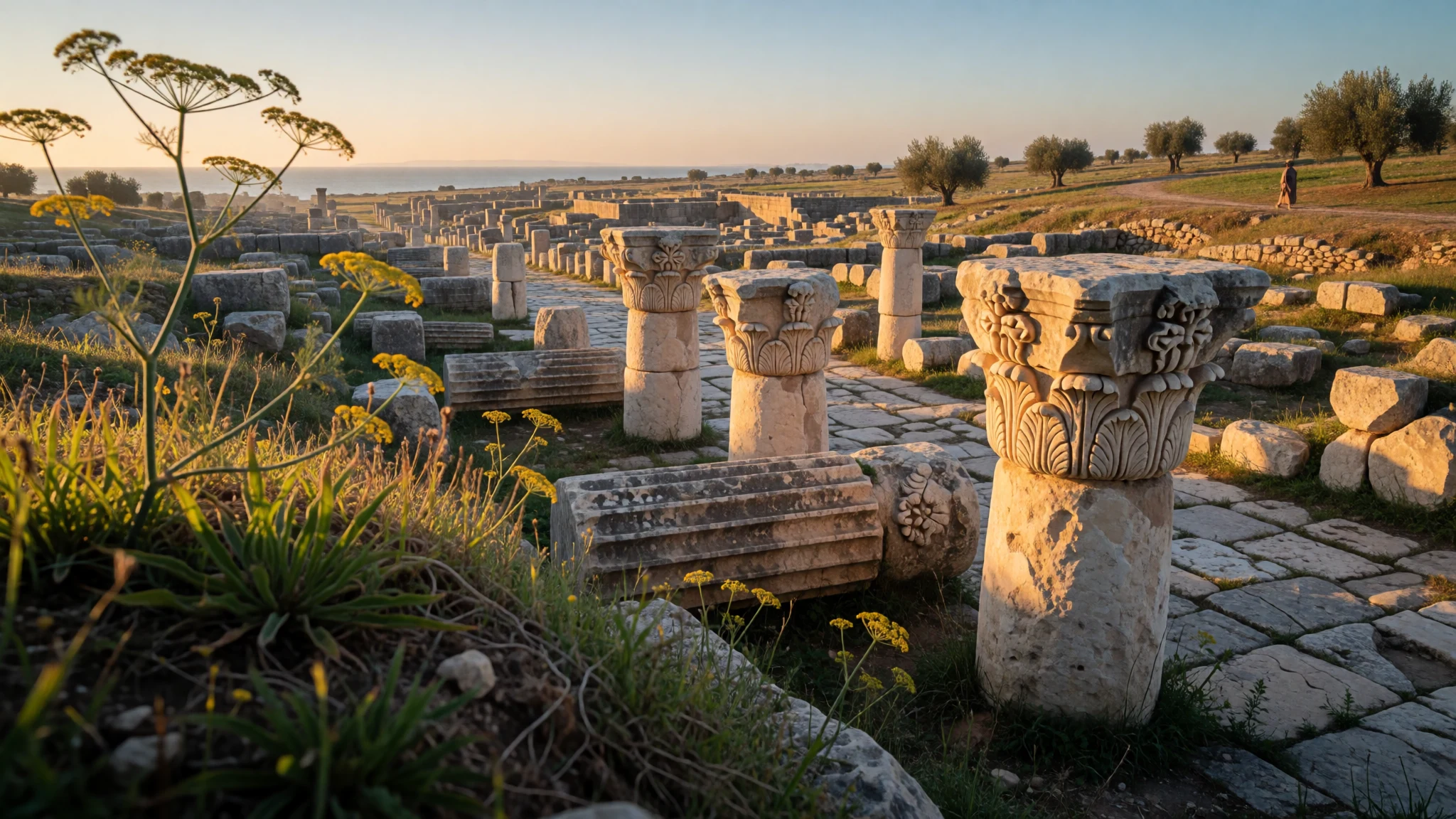
Walk among ancient Phoenician and Roman ruins at Hippo Regius, where Saint Augustine spent his final days as bishop.
The place
Hippo Regius stands as an evocative archaeological site on the Mediterranean coast of North Africa, located within the modern city limits of Annaba. Long before it became a prized jewel of the Roman province, this coastal settlement was established by Phoenician mariners hailing from Tyre, who recognised the strategic value of the sheltered bay near the river mouth. Over subsequent centuries, the settlement transitioned through Berber rule, serving as a royal residence for Numidian monarchs who appreciated its fertile hinterlands and maritime trade routes. When Rome absorbed the region, Hippo Regius blossomed into a prosperous colonial hub adorned with stately basilicas, grand forums, and sprawling residential quarters decorated with intricate floor mosaics. Today, travellers exploring Hippo Regius encounter weathered stone pillars, tumbled capitals carved with delicate lotus leaf motifs, and the silent outlines of ancient baths that hint at the city's former imperial splendour. Situated against a backdrop of rolling green hills and coastal breezes, the ruins offer a quiet, contemplative atmosphere far removed from the heavier tourist footfall found at comparable Mediterranean antiquities. Visitors wandering through the archaeological park can trace the ancient street grids, examine remnants of early Christian sanctuaries, and gaze out toward the Mediterranean, imagining the ancient galleys and merchant vessels that once crowded the harbour long before the shoreline shifted over the millennia.
Its story
The historical weight of Hippo Regius is deeply entwined with the twilight of the Roman world and the emergence of Christian theology. Its Latin name derives from a Punic root connected to the concept of a harbour, later augmented with the epithet Regius because Numidian kings kept palaces here. As part of the Roman diocesan system, the city gained immense intellectual and spiritual gravity when Augustine became its bishop. During his episcopate, Hippo Regius transformed into a central crucible for theological debate and ecclesiastical councils that shaped Western Christianity for centuries. However, the golden era of Roman Africa faced a catastrophic interruption in the fifth century as Germanic tribes swept across the Mediterranean territories. In the autumn, Vandal forces advanced eastward along the coastline and placed Hippo Regius under a punishing siege that lasted for months. Inside the fortified walls, an aging Augustine led his congregation in prayer while agricultural fields outside lay untended and fallow. The bishop passed away within the city during the third month of the blockade as famine took hold, sparing him from witnessing the eventual capture of the settlement. The invaders subsequently made the city the initial capital of their North African kingdom before power shifted toward Carthage. Subsequent centuries brought Byzantine rule, early Islamic expansion, and the gradual quietude of the ruins until modern archaeological excavations began unearthing the foundations of basilicas, villas, and fortification walls that bear witness to a turbulent and fascinating antiquity.
What to see
- The Basilica of Peace — Main archaeological zone
Explore the sprawling archaeological remains of the great Christian basilica associated with Saint Augustine at Hippo Regius. Visitors can trace the expansive stone foundations, ancient columns, and sacred precinct layouts that mark one of the most spiritually significant ecclesiastical centres of the late Roman African world.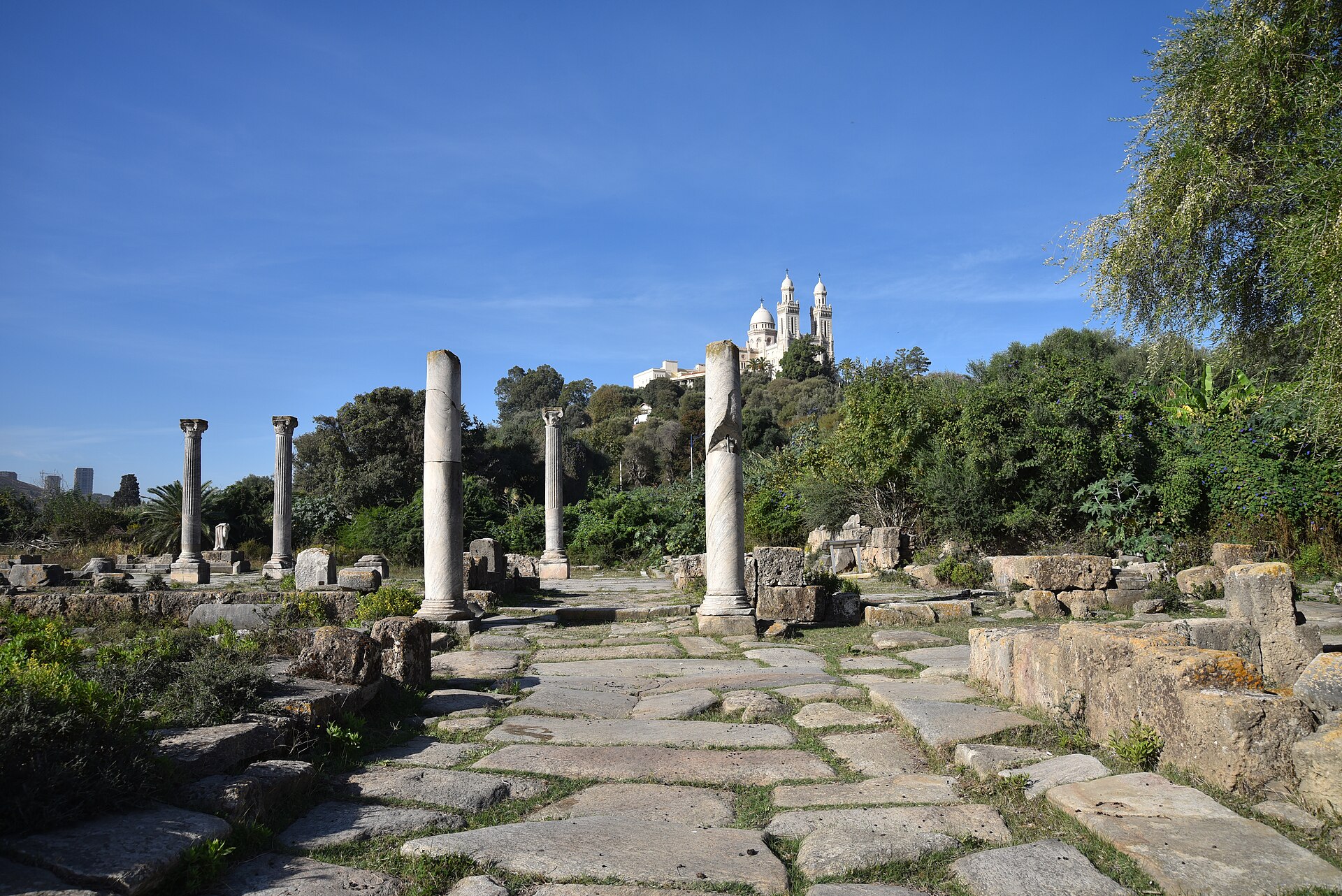
- Roman Forum and Civic Centre — Central ruins sector
Wander through the monumental heart of ancient Hippo Regius, where civic life once thrived around public squares, administrative halls, and colonnaded porticoes. Weathered plinths and fallen marble fragments offer a clear picture of the urban planning and architectural ambition that characterised this major provincial capital.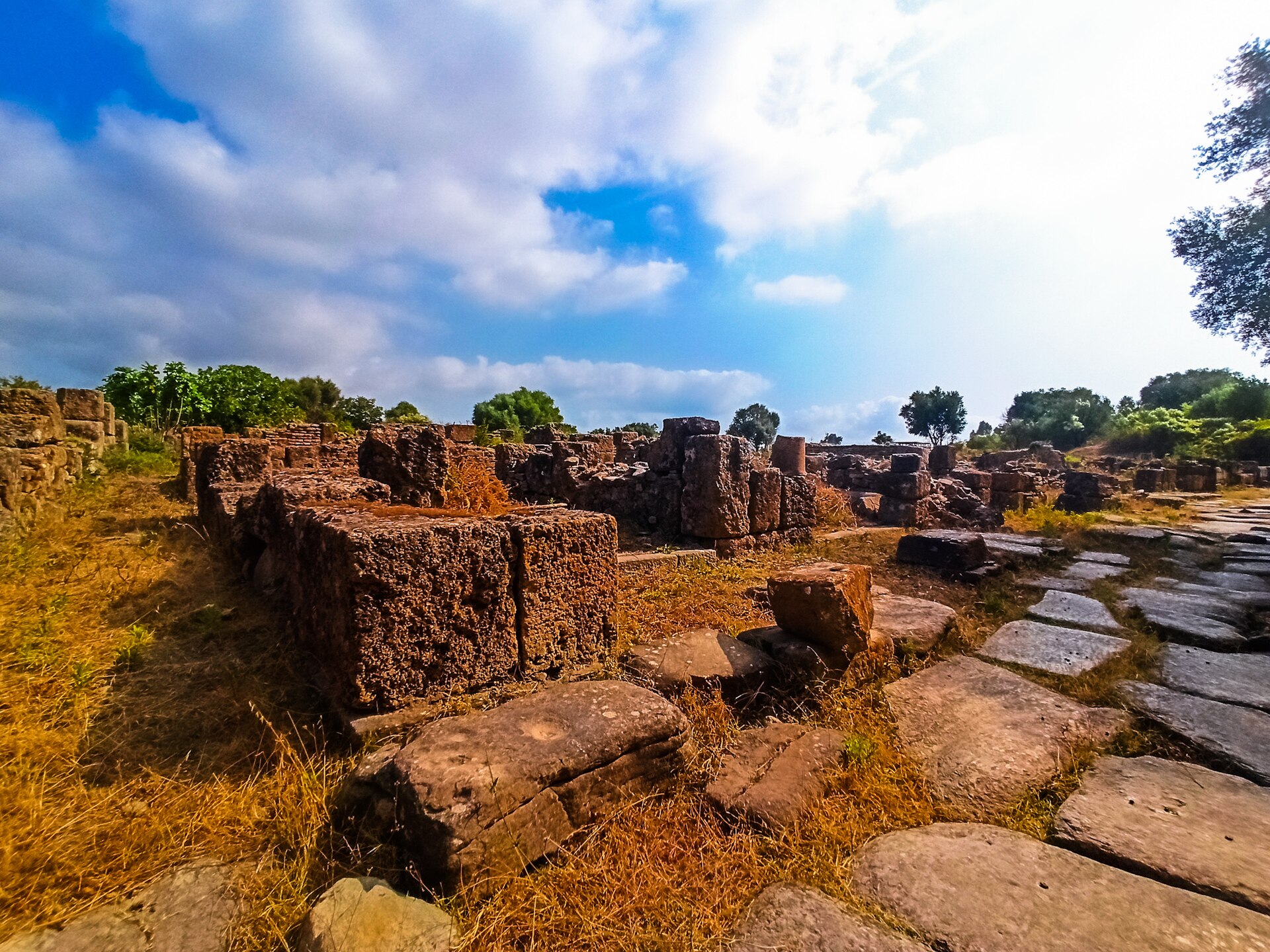
- Roman Residential Quarters — Northern residential zone
Inspect the intricate floor mosaics and private villa foundations discovered during excavations across the site of Hippo Regius. These domestic quarters reveal how wealthy citizens lived, featuring courtyards, drainage systems, and decorative stonework that survived centuries of subsequent Mediterranean history.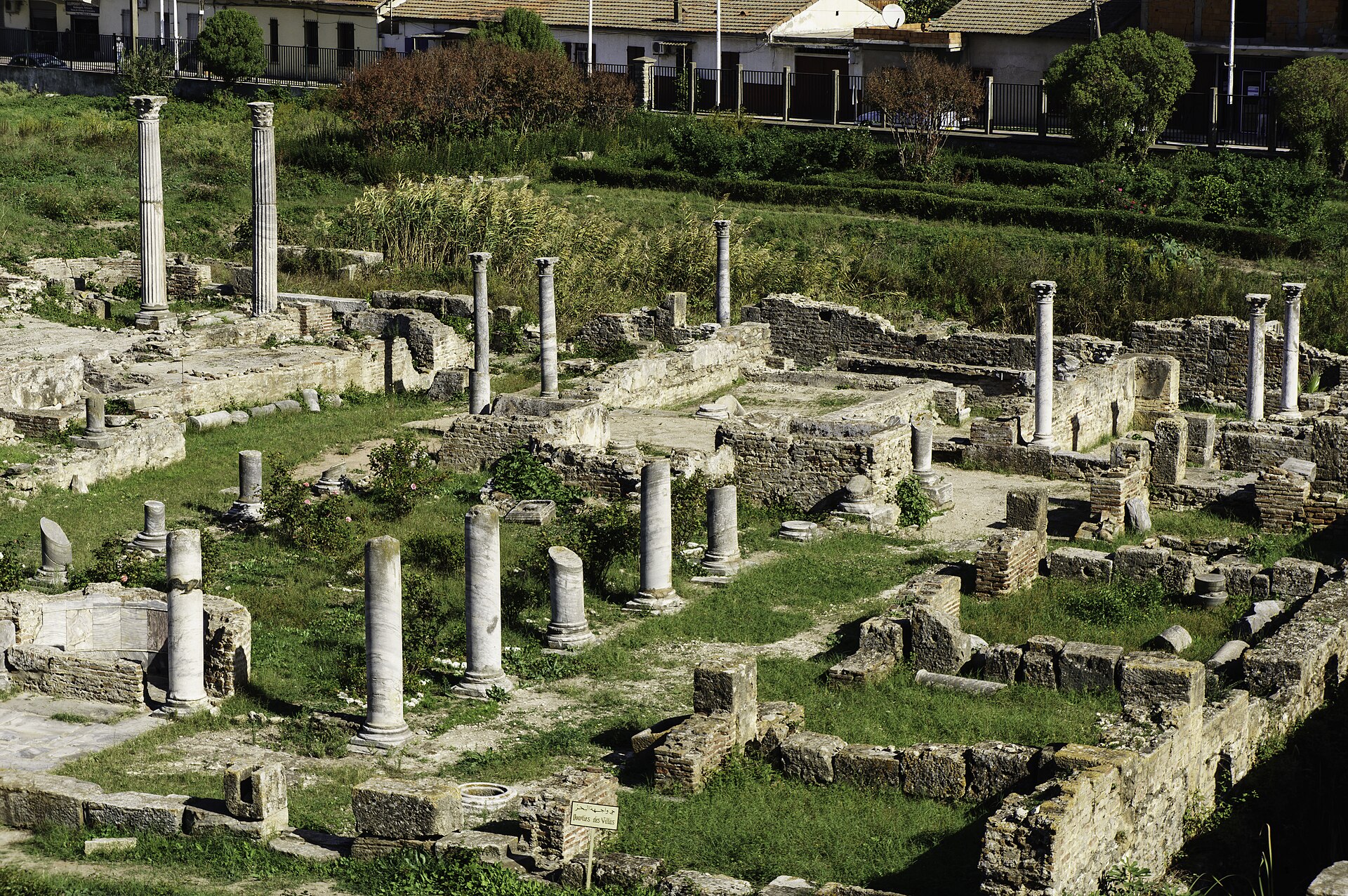
- Timgad Archaeological Site — Near Batna
Venture inland to immerse yourself in the astonishing grandeur of this ancient Roman colonial grid, widely celebrated as a remarkably intact example of imperial town planning. Marvel at the triumphal arches, majestic columns, and vast public amphitheatre rising against the mountain horizon. - Djémila Ruins — Near Sétif
Delight in the mountain splendor of this remarkable UNESCO World Heritage site perched high in the northern highlands. Roam through the exceptionally preserved forum, ancient temples, and hillside dwellings adorned with some of the finest surviving Roman mosaic artistry in North Africa. - Calama Archaeological Remains — Guelma
Uncover the secrets of this ancient inland Roman city renowned for its thermal heritage and theatrical architecture. Wander through the atmospheric ruins of temples, basilicas, and the remarkably intact Roman theatre that still hosts cultural gatherings today.
Culture
Algerian society shares deep cultural ties with the broader Arab world and North Africa, where personal honour, hospitality, and mutual respect form the bedrock of daily interactions. When travelling around Hippo Regius and the surrounding region, showing genuine curiosity about local history, regional customs, and heritage will immediately earn you the warmth and appreciation of residents. Honour is taken seriously in social exchanges, and public criticism or causing someone to lose face in front of others is considered deeply disrespectful. Traditional courtesies govern greetings, and taking the time to exchange pleasantries before conducting business or asking for directions is customary. When interacting with locals, remember to respect privacy and maintain modest behaviour in public spaces. Always ask for permission before taking photographs of residents, especially in traditional neighbourhoods and markets.
What to wear
At Hippo Regius and across modern Algeria, daily attire blends contemporary Mediterranean styles with traditional modesty standards. In larger cities and coastal areas like Annaba, younger generations commonly wear western-style trousers, shirts, and jackets, while traditional garments such as the loose-fitting gandoura or embroidered kaftans remain popular during family celebrations, religious holidays, and formal gatherings. These traditional textiles often feature lightweight cotton, wool, and intricate threadwork passed down through generations of artisans. For visitors exploring archaeological sites and urban areas, dressing modestly is essential; both men and women should generally keep shoulders and knees covered out of respect for local cultural norms. Sturdy, comfortable walking shoes are vital for navigating the uneven stone paths, broken columns, and dusty terrain found among the ruins of Hippo Regius. Lightweight, breathable fabrics suit the coastal climate, though a warm layer is recommended for breezy evenings near the Mediterranean shore.
What to eat
- Couscous — Traditional local restaurants across Annaba
This staple North African dish features steamed semolina grains served with a rich, spiced broth containing tender meat, chickpeas, and seasonal vegetables such as carrots and courgettes. Savour a hearty portion at traditional family-run eateries throughout Annaba. - Chorba — Local cafes and family dining rooms
A comforting, fragrant soup prepared with meat, tomatoes, wheat, and aromatic herbs spiced with mint and coriander. It is widely enjoyed as a warming starter during cooler evenings or festive gatherings in neighbourhood eateries. - Brik — Street food stalls and bakeries in Annaba
A crispy pastry made from thin malsouka dough folded around a savoury filling, typically including egg, tuna, capers, and fresh herbs, then deep-fried until golden. Find freshly made parcels at local snack counters near the town centre. - Tagine — Traditional restaurants throughout the city
Slow-cooked stews combining Mediterranean and North African flavors, featuring tender cuts of lamb or chicken simmered with olives, preserved lemons, root vegetables, and aromatic spices. Order this slow-cooked specialty at traditional dining establishments. - Rechta — Specialist local eateries and home kitchens
Delicate, handmade ribbon pasta served in a clear, fragrant chicken broth accompanied by chickpeas and tender pieces of potato and meat. This celebratory dish is frequently prepared for family lunches and local gatherings.
Plan it
Best time. March to April and October to November offer pleasant, moderate weather ideal for exploring outdoor archaeological sites without intense summer heat.
How long. 2–3
Getting there. Fly into Annaba's Rabah Bitat Airport, then take a short taxi or local transport transfer directly to the city centre and the nearby ruins of Hippo Regius.
Budget. mid
Tips
- Arrive at the archaeological park in the morning to beat the afternoon heat
- Wear sturdy walking shoes with good grip for uneven stone paths
- Carry local currency in cash for small purchases, taxis, and market stalls
- Keep bottled water with you while exploring the open-air site
- Allow extra time for administrative formalities when planning your travel logistics
Etiquette
- Always ask permission before photographing local residents
- Dress modestly with shoulders and knees covered when visiting public areas
- Greet people politely and show interest in local history to build warm rapport
Nearby
Sources
- Wikidata Q858024 (CC0)
- Wikipedia (CC-BY-SA 4.0)
- Wikivoyage (CC-BY-SA 4.0)
- Photo 01 (CC BY-SA 2.0)
- Photo 03 (CC BY-SA 4.0)
- Photo 05 (CC BY-SA 2.0)


