Himeji Castle
Himeji Castle, Japan
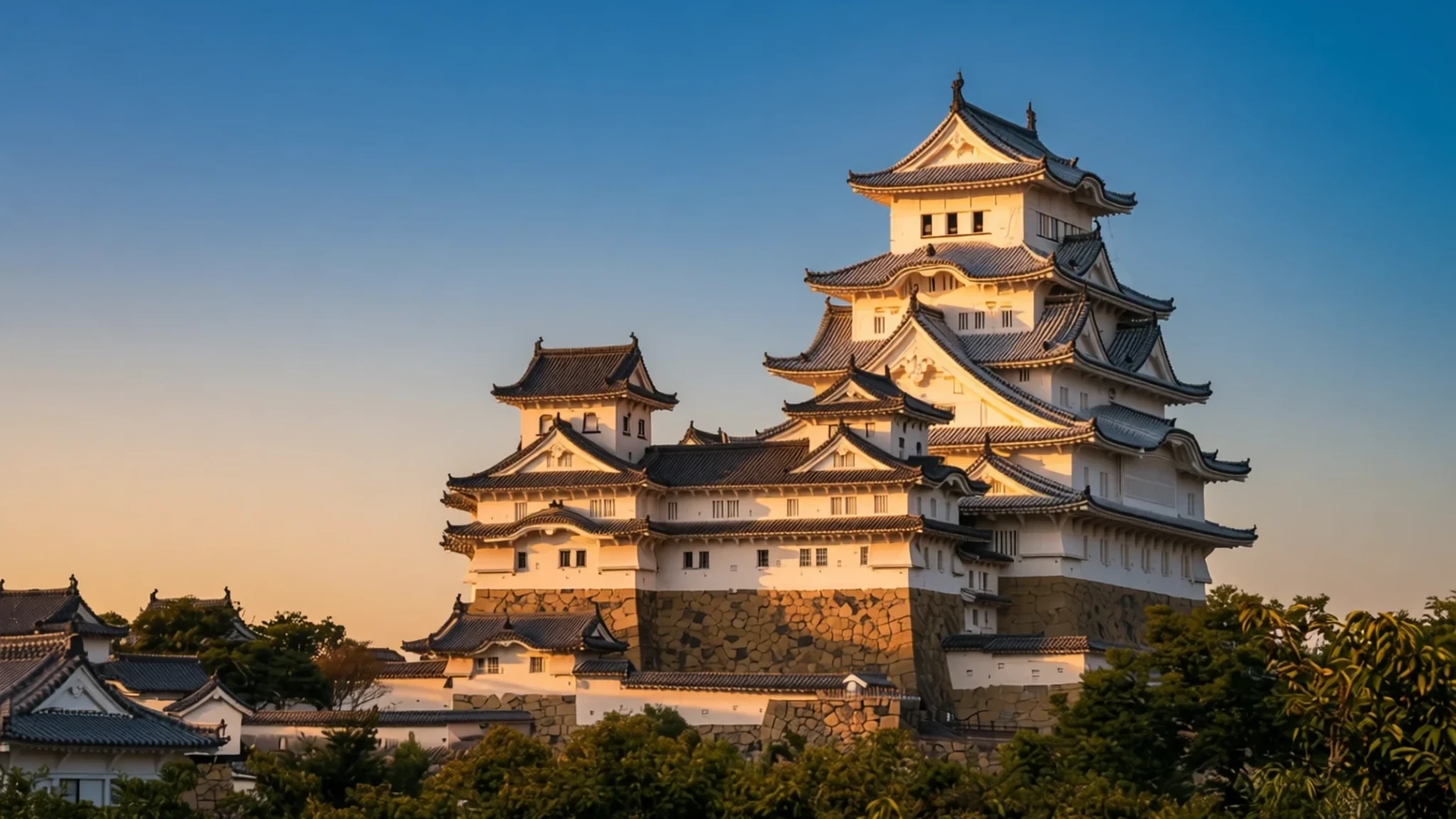
Explore Himeji Castle to witness the ultimate surviving masterpiece of feudal Japanese defensive architecture and brilliant white artistry.
The place
Himeji Castle stands as a breathtaking hilltop complex in the Hyōgo Prefecture of Japan, celebrated for its brilliant white exterior. Often called the White Egret or White Heron Castle because its soaring tiered roofs resemble a bird taking flight, this sprawling architectural marvel comprises dozens of interconnected structures. Built upon a steep stone base, the complex represents the pinnacle of defensive engineering from Japan's feudal era, featuring a labyrinth of winding paths, hidden gates, gun ports, and drop chutes designed to confuse and repel invaders. Unlike many historical structures lost to fire, war, or modernization, the castle complex survives remarkably intact from the days of samurai lords and daimyō rulers. Visitors walking through its sprawling courtyards pass beneath massive wooden beams and tiled gates bearing the family crests of bygone rulers. The main keep dominates the skyline, anchoring a vast defensive network that once sheltered garrisons and storehouses. Surrounded by cherry trees that burst into delicate pink blossoms in spring and blazing maples in autumn, the monument offers a vivid window into medieval Japanese military power and aesthetic refinement. Every angle reveals meticulous carpentry, where traditional joinery supports towering wooden pillars without a single nail. Wandering through the corridors reveals stark, practical chambers designed for wartime strategy rather than lavish courtly living. It is an extraordinary destination for anyone fascinated by traditional craftsmanship and military history.
Its story
The history of Himeji Castle began when a local military governor constructed a fort upon Himeyama hill. Decades later, his descendant demolished that early fortification to establish a more substantial stronghold on the elevated terrain. Over subsequent generations, regional clans expanded the hilltop defenses, adding robust walls and multi-tiered keeps that reflected shifting political power in western Japan. A major transformation occurred when a prominent warlord took control of the site and constructed an expanded keep featuring multiple levels. Following a decisive nationwide conflict at the dawn of the seventeenth century, the victorious central authority granted the castle domain to a trusted son-in-law. This new lord orchestrated a massive rebuilding campaign that shaped the sprawling complex seen today, mobilizing thousands of labourers to construct intricate moats, stone ramparts, and dozens of fortified watchtowers. Later noble families added further residential quarters, including a specialized dressing tower for a feudal princess linked to the ruling shogunate. As the turbulent feudal era gave way to modern administrative reforms, the complex faced severe neglect and partial demolition to clear space for military garrisons. Fortunately, passionate preservationists and local leaders intervened to halt the destruction and secure funding for structural repairs. Subsequent decades brought further meticulous restoration projects to reinforce the wooden framing and replace thousands of heavy ceramic roof tiles. Today, this UNESCO-listed landmark endures as a testament to centuries of resilience.
What to see
- Himeji Castle Main Keep — Castle Interior
The central keep at Himeji Castle towers above the complex as a multi-tiered wooden masterpiece. Visitors can climb its steep interior staircases to explore austere wartime storage levels and enjoy panoramic views across the city and surrounding stone ramparts.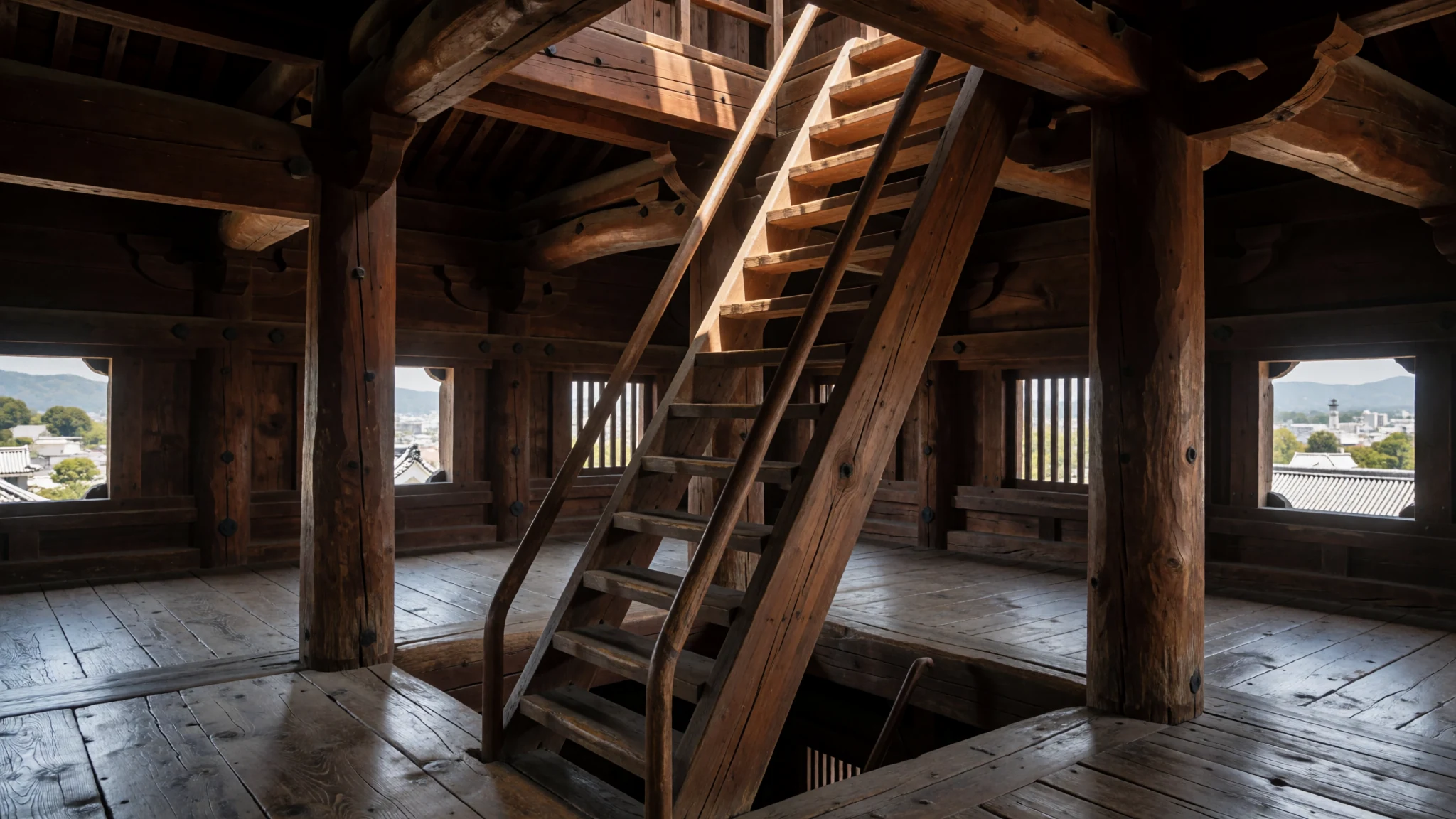
- Kōkoen Garden — Western Quarter
Situated just outside the castle walls, Kōkoen Garden comprises a magnificent collection of nine walled spaces styled after the Edo period. Streams, bamboo groves, and traditional tea houses occupy grounds where samurai residences once stood.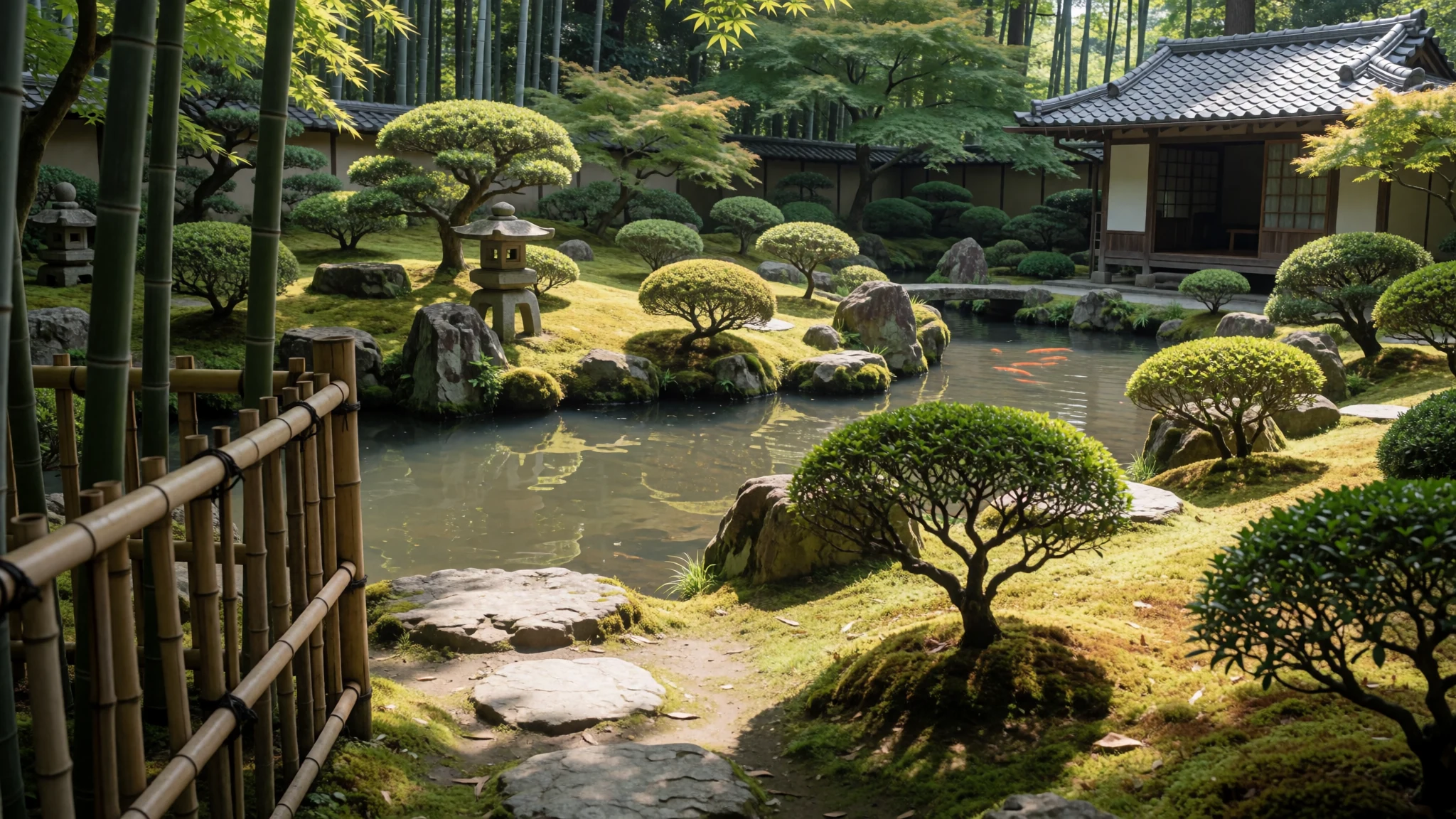
- Himeji City Museum of Art — Museum District
Housed within nineteenth-century red-brick military warehouses near the castle grounds, this cultural institution showcases regional artists alongside European paintings, prints, and diverse rotating exhibitions in a peaceful park setting.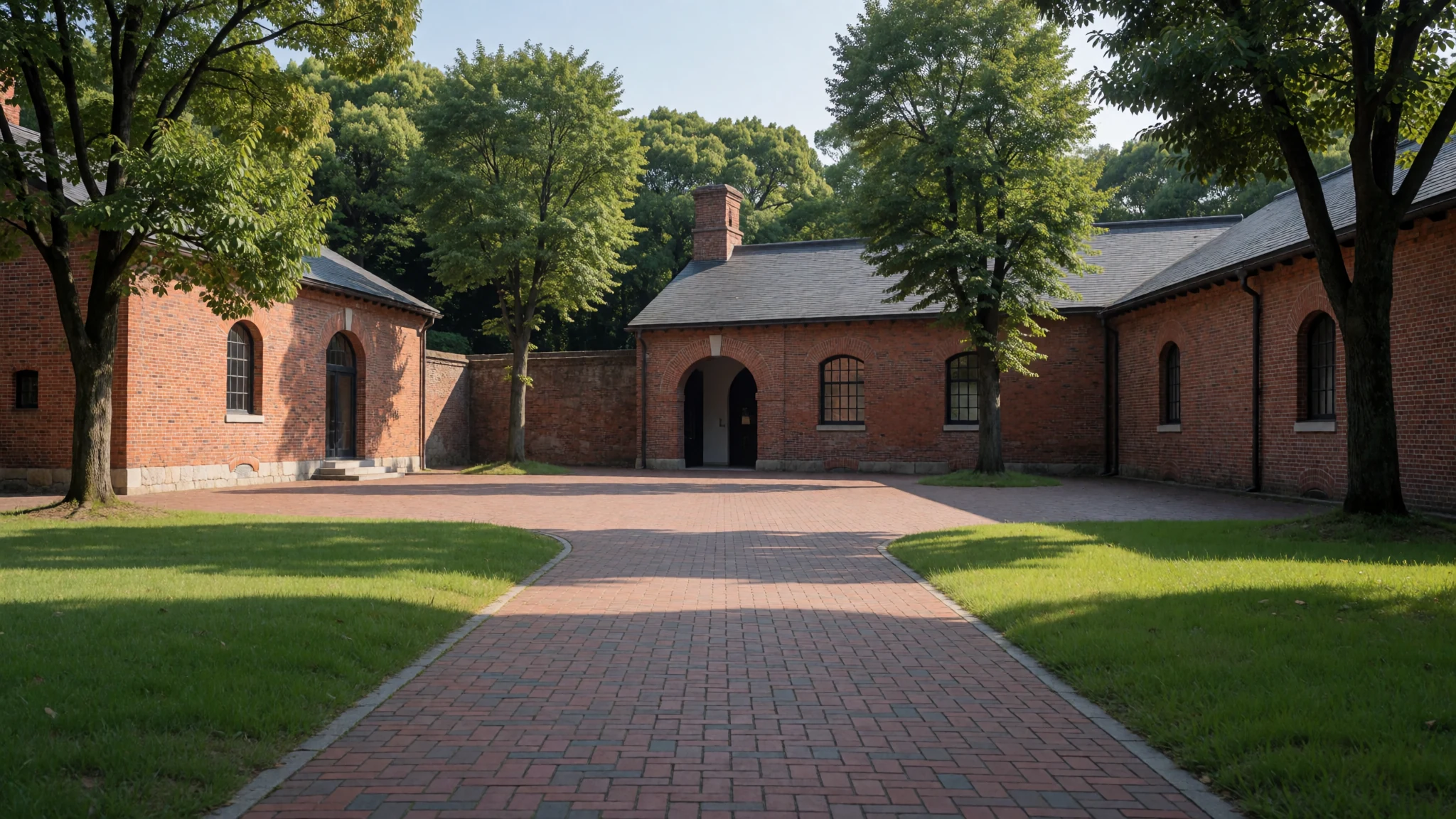
- Senhime Shrine — Northern Enclosure
Dedicated to the historical shogunate princess who once lived in the castle, this peaceful shrine sits on an elevated terrace. Climbing its stone stairs rewards visitors with a unique vantage point framing the white keep.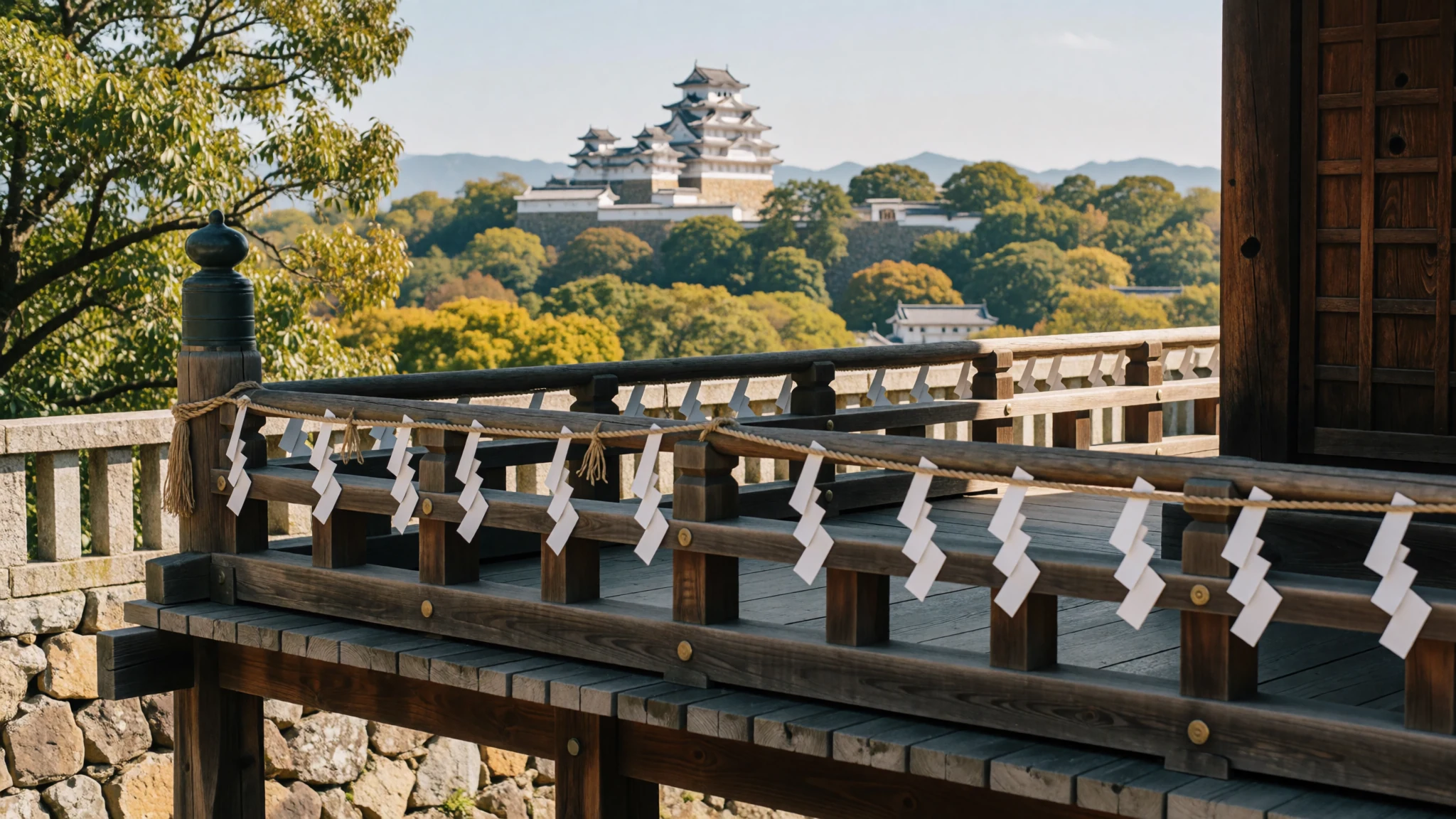
- Engyō-ji Temple — Mount Shosha
Nestled on Mount Shosha to the north of the city, this sprawling historic temple complex features ancient wooden halls connected by forest paths. Ancient cedars tower over mossy courtyards that have welcomed pilgrims for centuries.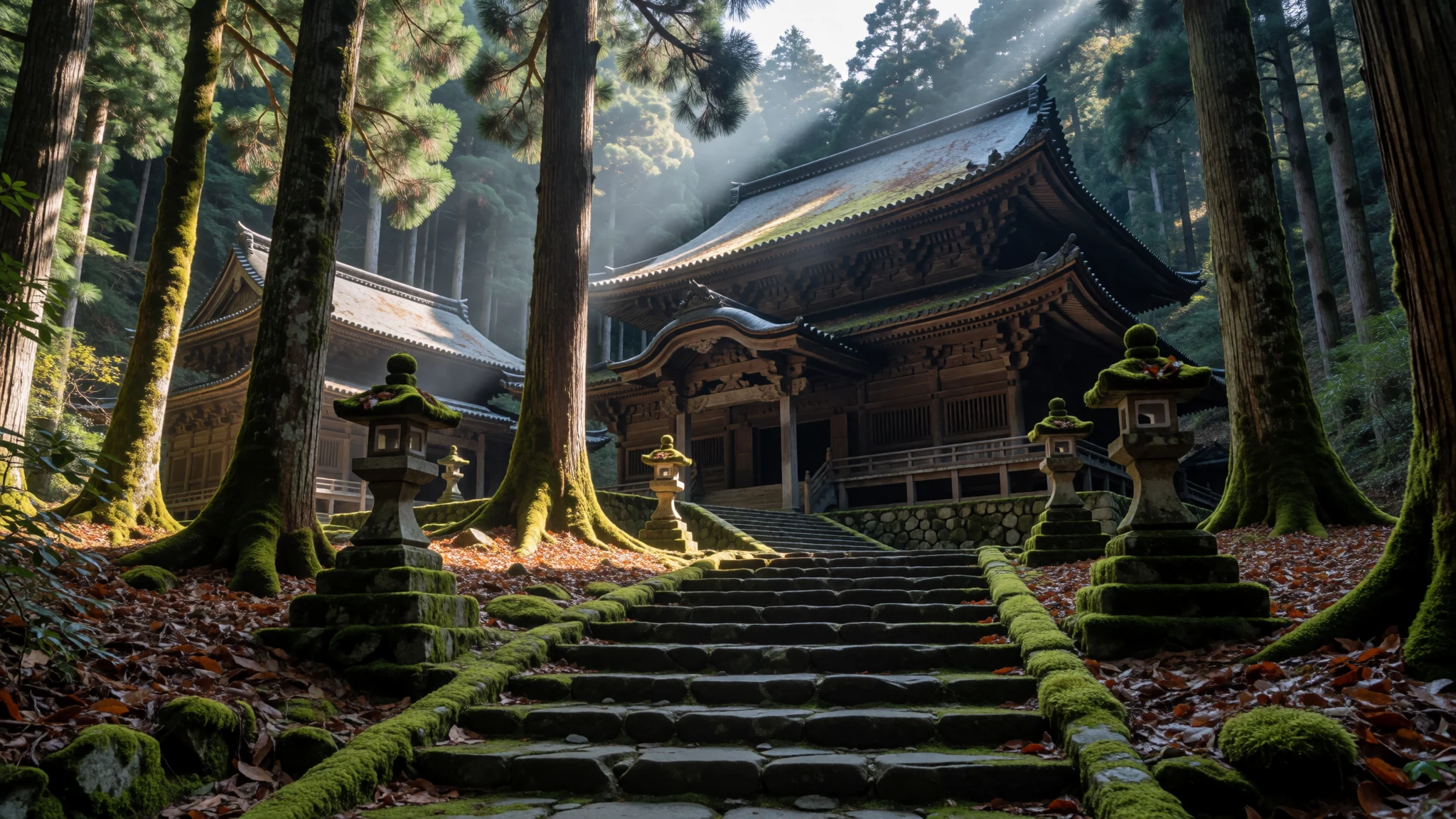
Culture
Life around Himeji Castle reflects a harmonious blend of deep-rooted regional traditions and contemporary Japanese urban culture. Local residents take immense pride in their historic landmark, hosting grand seasonal festivals that celebrate the cherry blossom season and historical heritage with ceremonial processions and traditional music. Community life revolves around neighbourhood shopping arcades, local tea houses, and seasonal celebrations where artisans showcase pottery, textiles, and culinary crafts passed down through generations. Politeness, punctuality, and respect for public spaces form the bedrock of daily social interactions, making it easy for travellers to navigate transit systems and markets. When visiting sacred sites, temples, or traditional gardens around the castle precinct, observe quiet contemplation and maintain a courteous demeanour. Always remove your footwear when stepping onto tatami mats or polished wooden temple floors, placing them neatly in the designated racks provided.
What to wear
Traditional attire in Himeji is anchored by the kimono and yukata, crafted from woven silk or breathable cotton fabrics, featuring intricate seasonal motifs such as cherry blossoms or maple leaves. These garments are traditionally worn during summer festivals, wedding ceremonies, and visits to heritage shrines. In everyday modern life, local residents dress in contemporary urban fashions that favour neat, comfortable tailoring and neutral palettes, with smart-casual wear prevailing across offices and shopping districts. For visitors exploring Himeji Castle and its expansive grounds, comfort and practicality are paramount. Because exploring the castle keep requires removing shoes and climbing steep, polished wooden staircases, wear slip-on shoes that are easy to remove and pair them with clean socks. Opt for breathable layers suited to the seasonal climate, along with comfortable walking shoes for navigating the gravel courtyards and stone paths.
What to eat
- Himeji Oden — Station Shopping District
A comforting regional variation of the classic hot pot dish, featuring daikon radish, fish cakes, and boiled eggs simmered in a savoury broth and served with a distinctive dab of sweet ginger soy paste. Find it at traditional izakayas near the station.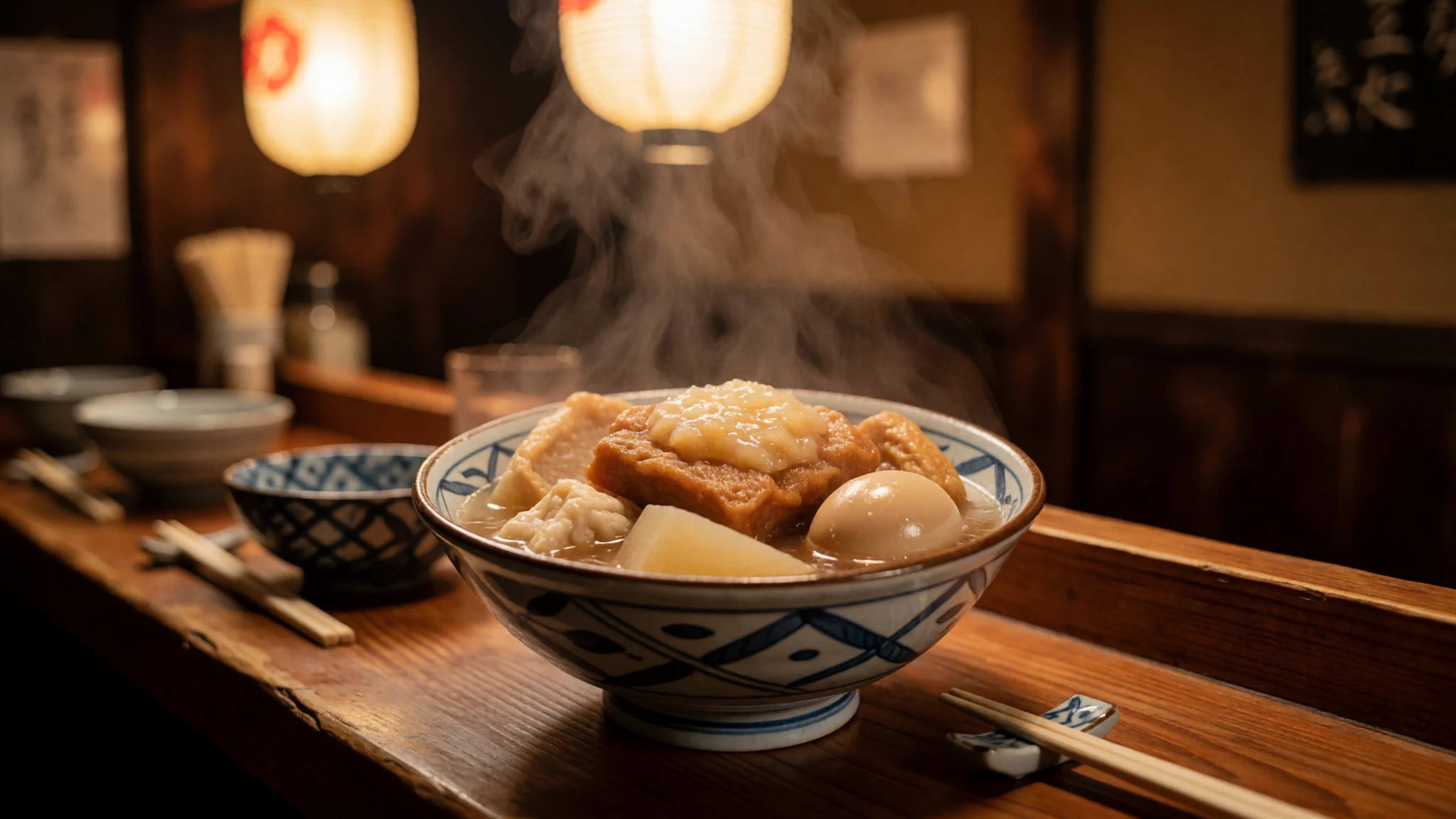
- Anago Sushi — Miyuki Dori Shopping Street
Grilled sea eel brushed with a sweet, caramelised soy glaze atop seasoned rice, reflecting the rich maritime bounty of the nearby Inland Sea. Savour this delicacy at specialist sushi restaurants along the main shopping arcade.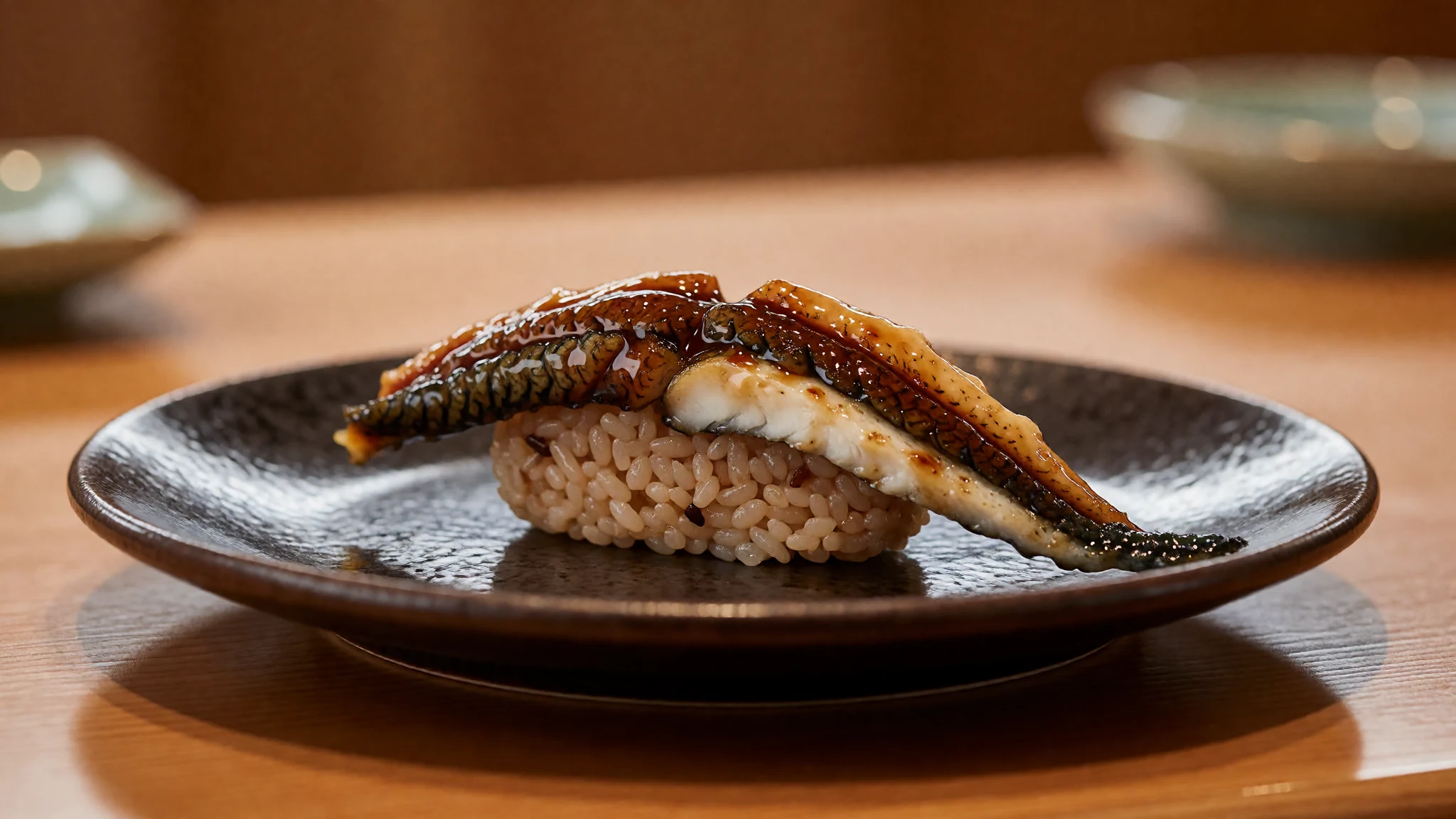
- Himeji Ramen — Central Station Area
Rich pork bone broth paired with springy noodles, topped with tender chashu pork, green onions, and bamboo shoots. Enjoy a steaming bowl at compact ramen counters tucked away near the central transit hub. - Matcha and Wagashi — Kōkoen Garden Teahouse
Delicate traditional sweet confections shaped like seasonal flowers, paired with a bowl of frothy, bitter green tea. Enjoy these treats at traditional tea houses within the nearby historical gardens. - Hyogo Sake — Downtown Entertainment District
Locally brewed artisanal rice wine crafted from pure mountain water and premium grains, offering crisp and aromatic profiles. Sample flights at specialist tasting bars and traditional pubs across the city.
Plan it
Best time. March to April for cherry blossoms and late October to November for vibrant autumn maples, when temperatures are most comfortable; the rainy season runs from June into July, which is the wettest and hottest month.
How long. 2
Getting there. Fly into Kansai International Airport, then take the JR Haruka express to Shin-Osaka and transfer to the shinkansen line to reach Himeji Station in about 1 hour 45 minutes.
Budget. mid
Tips
- Arrive at the castle gates early in the morning to beat the afternoon crowds
- Carry Japanese yen in cash for small shrine offerings and local market stalls
- Wear comfortable socks since shoes must be removed before entering the castle keep
- Check the official website for seasonal illumination schedules and special entry guidelines
Etiquette
- Remove your footwear whenever stepping onto tatami mats or temple flooring
- Keep your voice low and refrain from flash photography inside historic wooden buildings
Nearby
Sources
- Wikidata Q188754 (CC0)
- Wikipedia (CC-BY-SA 4.0)
- Wikivoyage (CC-BY-SA 4.0)
- Himeji castle in may 2015 (CC BY-SA 4.0)
