Hebron
Hebron, Palestine
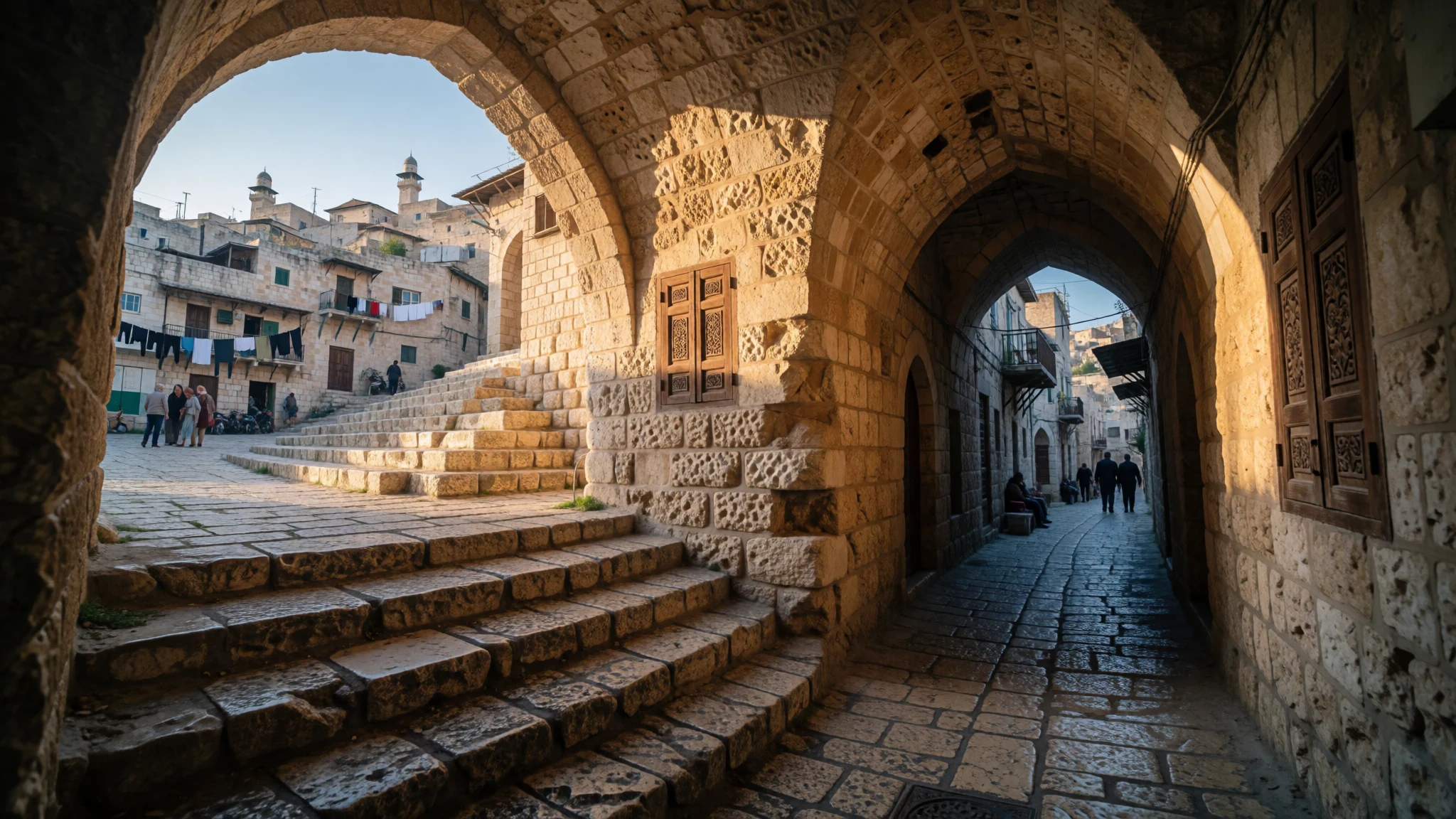
Hebron stands as a deeply layered urban settlement in the hills, holding millennia of shared heritage, ancient alleyways, and enduring regional culinary traditions.
The place
Hebron functions as a prominent urban centre in the southern West Bank, positioned approximately thirty kilometres south of Jerusalem. The municipality supports a substantial population while acting as the administrative anchor for the wider governorate across the surrounding hills. Spanning a considerable territory at a notable elevation above sea level, the locality experiences distinct seasonal shifts, including cool, crisp winters that occasionally bring snow to the highest points.
As a deeply historic settlement, Hebron is revered across multiple religious traditions. The urban fabric is divided into distinct sectors, reflecting a complex modern reality alongside ancient stone architecture. Narrow limestone alleyways wind through the old quarters, where vaulted passageways shade traditional workshops, small metalworking forgeries, and bustling market stalls laden with regional produce. The surrounding terraced hillsides are famously dedicated to agriculture, supporting extensive vineyards that define the regional landscape and drive local autumn harvests.
Visitors walking through the historic core encounter layered masonry spanning centuries of continuous habitation. Ancient fortifications, Crusader-era stonework, and Ottoman houses sit alongside active commercial streets where vendors sell fresh bread, spices, and local sweets. Despite political divisions that shape daily routines, the hospitality within the traditional markets remains warm, offering travellers a window into a resilient community deeply tied to its land, its craft, and its distinct culinary heritage.
Its story
Hebron counts among the oldest continuously inhabited urban areas in the Levant, with archaeological excavations revealing deep historical roots stretching back to early Bronze Age civilisations. Early settlements established strong fortifications around the elevated ridge of Tel Rumeida, creating a formidable stronghold that commanded the surrounding agricultural valleys.
Throughout the Middle and Late Bronze Ages, the location flourished as a Canaanite royal city before suffering destruction by fire and subsequent resettlement. Ancient narratives and regional traditions closely link the area with nomadic and pastoral groups, including early Kenite clans and Hittite associations recorded in historical texts. Biblical accounts further anchor the locality in regional lore, connecting it with ancient patriarchs, early tribal migrations, and the early reigns of Israelite kings.
Subsequent centuries brought numerous imperial transitions, including periods under Edomite, Hasmonean, Roman, Byzantine, Crusader, and Ottoman administration. Each successive power left architectural and cultural traces upon the landscape, transforming places of worship and rebuilding residential quarters. This long sequence of occupation has created an extraordinarily rich archaeological record preserved beneath the modern streets, making the hillsides an enduring focus for historical research and archaeological exploration into the ancient origins of Levantine urban life.
What to see
- Cave of the Patriarchs — Historic Old City
The Cave of the Patriarchs in Hebron serves as the primary religious and historical sanctuary in the city, situated deep underground beneath a monumental stone building constructed by King Herod approximately two millennia ago. Visitors approach the venerable holy site through partitioned entrances, observing ancient masonry and ornate interior architecture that have drawn pilgrims from various faiths across many centuries of continuous veneration.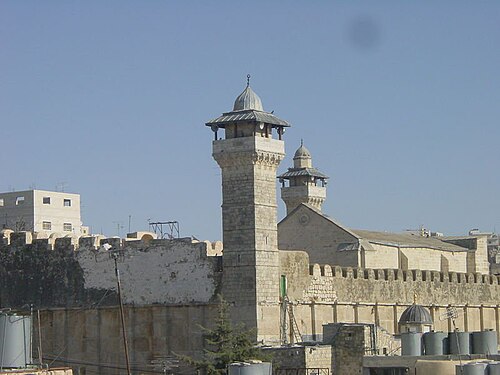
- Tel Rumeida — Western ridge
Tel Rumeida in Hebron represents the ancient archaeological heart of the settlement, where extensive excavations have uncovered the impressive ruins of city walls and stone staircases dating back four and a half millennia. Walking up the terraced slopes provides travellers with a direct view into the earliest layers of urban civilization in the region, alongside modern residential structures perched quietly on stone pillars above the ancient digs.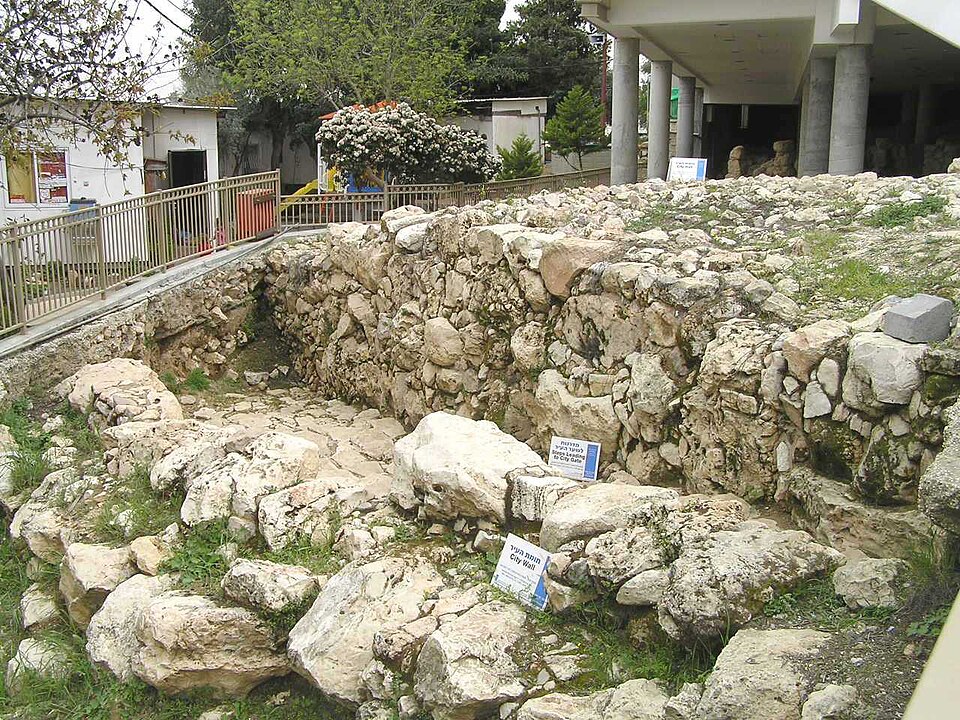
- Tomb of Yishai and Ruth — Old City sector
The Tomb of Yishai and Ruth in Hebron is a revered historic shrine traditionally associated with the biblical lineage of King David, located within the ancient quarter near the lower hillside paths. The complex features a modest medieval-style synagogue structure built around the ancestral burial cave, offering a quiet space for reflection amidst the dense stone alleyways of the historic urban fabric.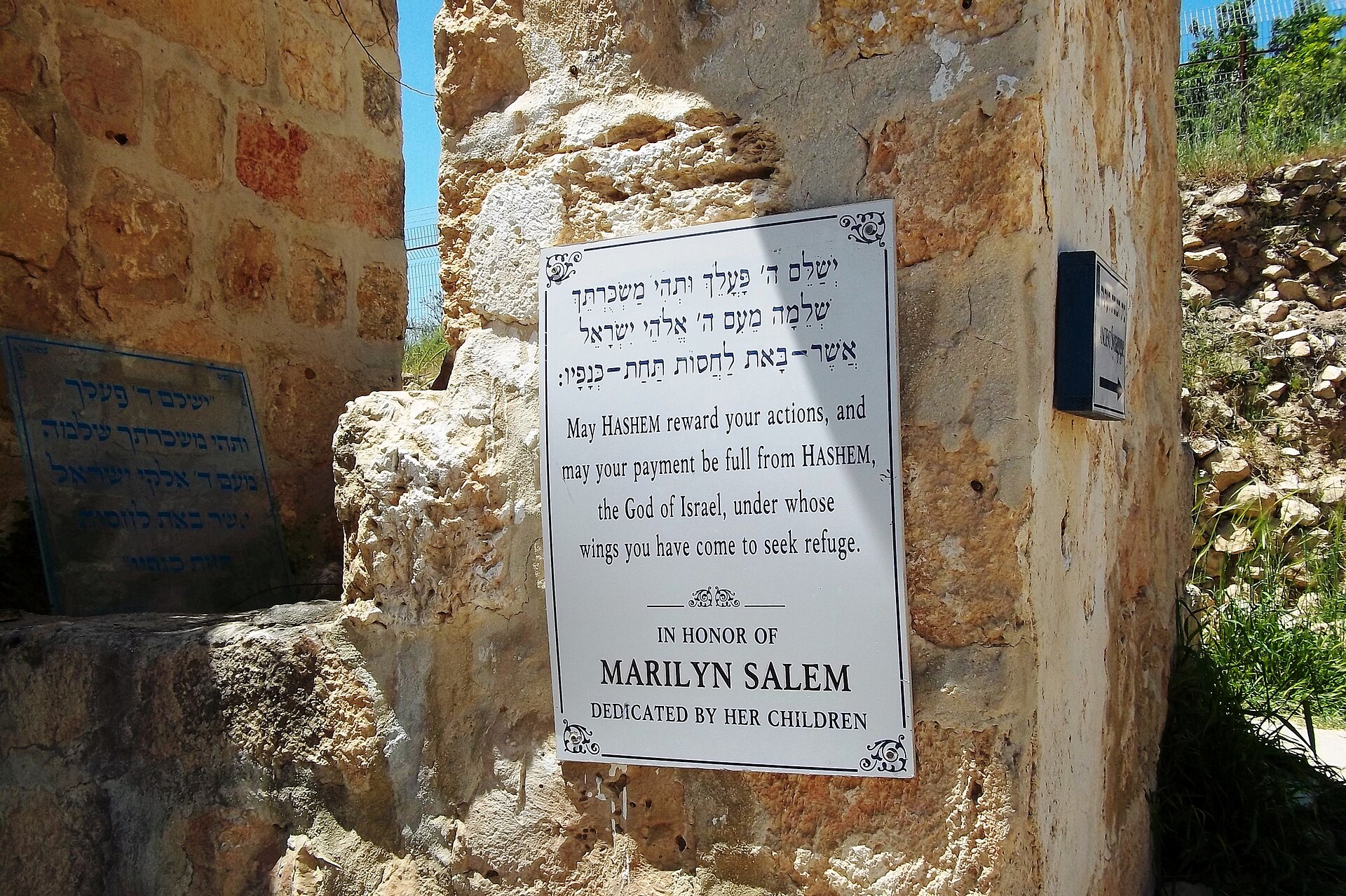
- Abraham's Well — Central valley
Abraham's Well in Hebron is an ancient stone-lined water source traditionally linked to the patriarchs and early pastoral travellers who crossed the southern hill country. Situated near the older commercial roads, the historic well stands as an enduring symbol of desert survival and ancient hospitality, marking a crucial stopping point along historical caravan routes through the region. - Church of the Holy Forefathers — Mamounia district
The Church of the Holy Forefathers and Monastery of the Holy Trinity in Hebron is a serene Russian Orthodox monastic compound established in the early twentieth century. The property features a striking church building surrounded by leafy gardens and ancient terebinth trees, providing a peaceful sanctuary away from the energetic pace of the surrounding commercial streets and markets.
Culture
Hebron possesses a vibrant social fabric rooted in traditional Palestinian customs, agricultural celebrations, and familial hospitality. The surrounding hills are famous for viticulture, celebrated annually during the autumn grape festival where farmers display fresh fruit alongside an array of preserves like grape molasses, dried leather strips, and pickled leaves. A beloved local specialty involves mixing regional grape syrup into winter snow, taking advantage of the elevation. The culinary identity also centres on qidreh, a spiced rice and meat dish baked slowly with local clarified butter in heavy brass pots.
Traditional crafts, including glassware blowing and pottery, have been practiced in the narrow alleys for generations, passed down through families. Visitors are frequently greeted with gestures of welcome, such as an invitation to share small cups of cardamom-spiced coffee or sweet tea in a neighbourhood shop. Always ask permission before photographing local residents or private market stalls, and dress modestly out of respect for local customs.
What to wear
In Hebron, traditional attire reflects both rural Palestinian heritage and practical adaptation to the hill climate. Historically, villagers wore embroidered cotton robes, draped headdresses, and woven wool garments suited for cold winter winds and warm summer afternoons. While traditional embroidered dresses remain treasured for weddings and cultural celebrations, everyday urban wear now mirrors modern Mediterranean and Middle Eastern styles, with men typically wearing trousers, shirts, and jackets, and women wearing long coats, tunics, and hijabs.
Visitors exploring Hebron should dress modestly to respect local cultural norms and religious sensitivities. Both men and women are advised to wear loose-fitting clothing that covers the shoulders and knees, avoiding shorts or sleeveless shirts in public markets and residential quarters. Sturdy walking shoes are essential for navigating the uneven stone staircases, ancient alleyways, and steep hills of the historic districts. Carrying a light jacket or fleece is recommended for chilly evenings, particularly during the cooler months when temperatures drop significantly across the elevated terrain.
What to eat
- Abu Saadee Falafel — Old City market edge
Abu Saadee Falafel in Hebron is an iconic street-side institution run by an experienced proprietor who has served crispy chickpea fritters to locals for generations. There is no indoor seating, but the fresh, piping-hot falafel wrapped in thin flatbread draws a steady stream of hungry passersby. - Falafel Al-Balad — Bab il Zaweya quarter
Falafel Al-Balad operates as a lively neighbourhood eatery in Hebron where residents gather to enjoy freshly fried balls seasoned with local herbs and spices. The counter service is swift, and customers can customize their sandwiches with generous portions of pickled vegetables and tahini. - Falafel Shorla — Central commercial district
Falafel Shorla in Hebron is renowned for serving excellent, golden-brown falafel accompanied by a self-serve salad bar packed with crisp pickles, radishes, and fresh greens. It is a favourite casual spot for a quick, filling bite while exploring the commercial thoroughfares. - Badran Café — Historic old town centre
Badran Café in Hebron is a historic establishment operating for well over a century on the Palestinian side of the city. It serves as the quintessential venue to engage in lively conversation over strong Arabic coffee and tea while soaking in the historic atmosphere.
Plan it
Best time. March to April offers pleasant spring temperatures and blooming hillsides, while October and November bring comfortable autumn weather and the grape harvest season; winters are cold with occasional snow, and summers can be warm.
How long. 2–3
Getting there. From Jerusalem, take local buses from the Damascus Gate area directly to Hebron; from Be'er Sheva, regional buses connect via nearby settlements.
Budget. mid
Tips
- Wear sturdy footwear for steep, uneven stone steps
- Carry cash for small bakeries, cafes, and market stalls
- Start early in the morning to enjoy cooler temperatures and quieter alleys
- Respect local checkpoints and security protocols across different sectors
Etiquette
- Always ask permission before photographing local residents or shopkeepers
- Dress modestly with covered shoulders and knees out of respect for local customs
Nearby
Sources
- Wikidata Q168225 (CC0)
- Wikipedia (CC BY-SA 4.0)
- Wikivoyage (CC BY-SA 4.0)