Hawar Islands
Hawar Islands, Bahrain
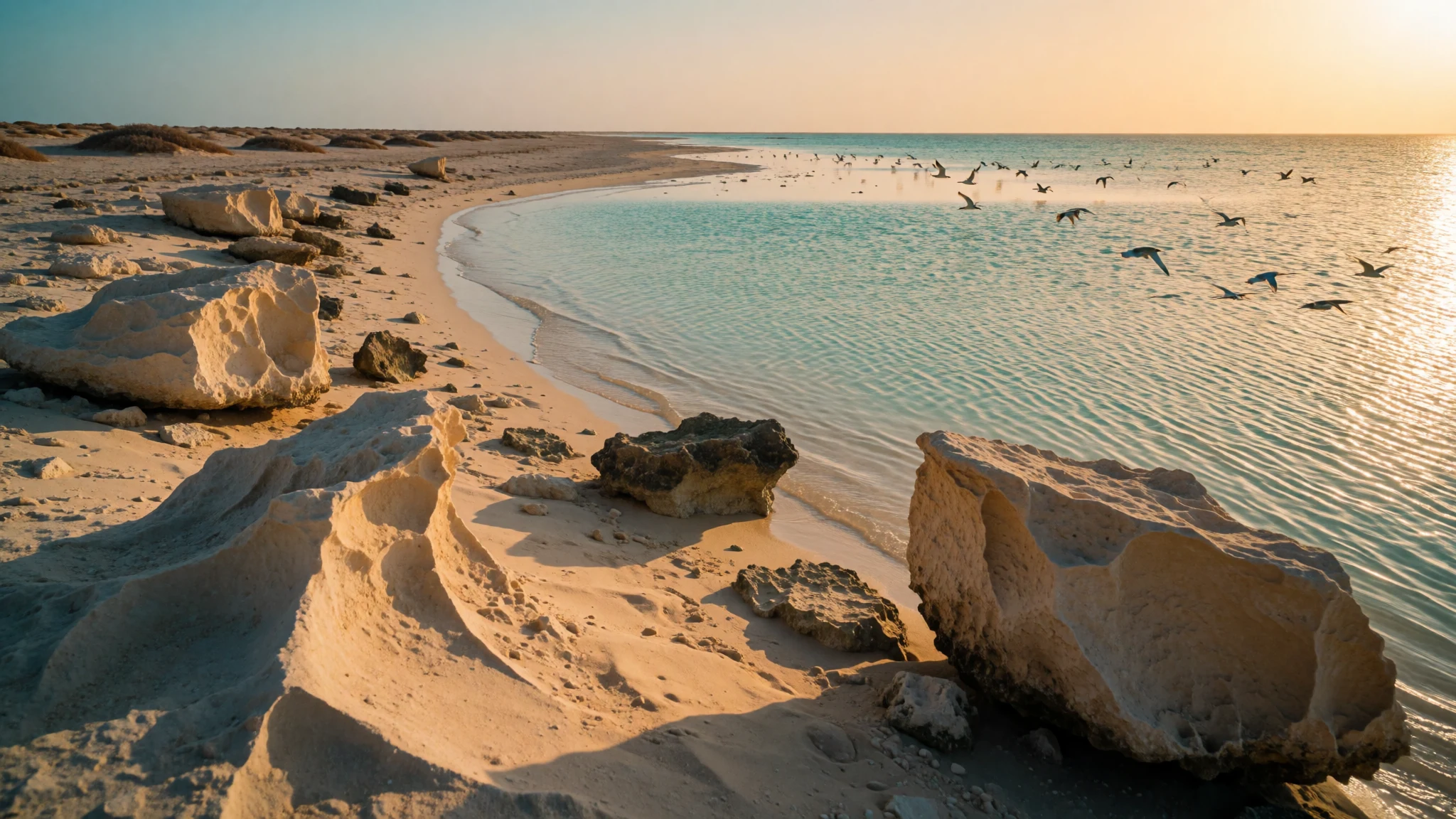
Hawar Islands are a rare, desert-island getaway for wildlife spotting, calm sea days, and restricted-access exploration.
The place
Hawar Islands (جزر حوار, Juzur Ḥawār) sit in the Gulf of Bahrain, off the west coast of Qatar. The archipelago is made up of desert islands, and the feeling here is very much “open sea, low land, big skies”. Most islands are owned by Bahrain, but one smaller, uninhabited island—Jinan Island—is administered by Qatar. On paper that sounds like a trivia point; on the ground it turns into real limits on movement.
That restricted access is part of the experience, because Hawar is mostly about nature rather than wandering streets. Beyond a police base and lodging on the main island, the islands are largely uninhabited. Fishing is permitted for local fishermen in nearby waters, while visitors may be able to join recreational fishing and tourism activities around the islands.
The environment is also shaped by scarcity: fresh water has always been hard to come by, historically gathered by surface collection, and today supported by desalination plus extra brought-in supplies. It’s why your day feels efficient—plan around boat time, pack for the heat, and expect a setting where amenities are intentionally limited.
The other big draw is wildlife. The islands are known for habitats and species that attract birdwatchers and divers. If the Gulf is the backdrop, the colonies and underwater life are the main event—so the “what to do” is usually watersports, boat excursions, and slow, patient observation from the shoreline or from the water.
Its story
Hawar Islands have had people in the background of their landscape for a long time, even though many parts are uninhabited today. The islands were once settlements of the Bahraini branch of the Dawasir, with that presence linked to the early 19th century. When travellers and surveyors started to pay attention on a more formal level, the islands were surveyed in 1820, when they were also known as the Warden’s Islands—at the time, two villages were recorded.
Over time, the story shifted from settlement to management. Today, the archipelago is largely under Bahrain’s ownership, with access to many islands being severely restricted. That approach fits the way Hawar is talked about now: not as a place for lots of day-trippers to roam freely, but as a controlled landscape with a conservation-minded edge. There’s a police post and accommodation on the main island, which gives the trip a practical anchor for rest and logistics while keeping the rest of the geography quiet.
Fresh water scarcity has been part of the Hawar story for generations. Historical accounts point to surface collection, and modern supply still requires an added layer—desalination plus additional supplies brought in.
In 2002, Bahrain submitted the islands for world heritage recognition, focusing on their environment and habitats for endangered species. That’s a neat headline, but the real meaning is simpler: Hawar earns its reputation through what you can see—birds in the right seasons, and divers finding life below the surface in clear Gulf conditions.
What to see
- Hotel island base and shoreline — Main island
On the main island, the hotel area is where you’ll find your base—grab shade when the sun is high, then step out toward the water to feel how exposed the archipelago is. It’s also a practical starting point for boat logistics and day plans.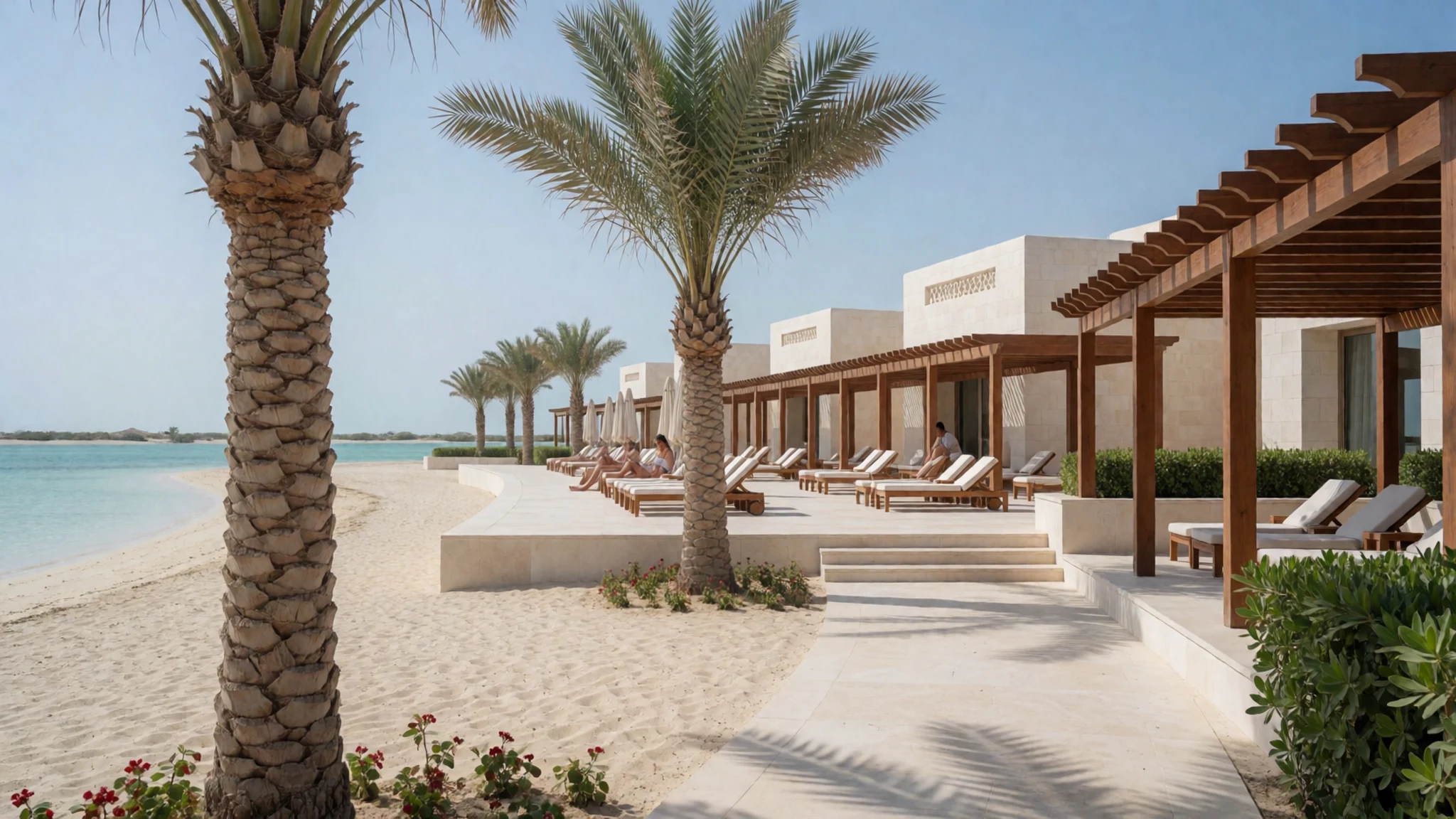
- Marine day: diving and watersports — Offshore waters
Hawar has watersports equipment available for hire, and the sea is the centre of gravity. Divers typically come for underwater life and visibility that makes the Gulf feel different from the shoreline. Even a snorkel-focused day can feel like a proper expedition.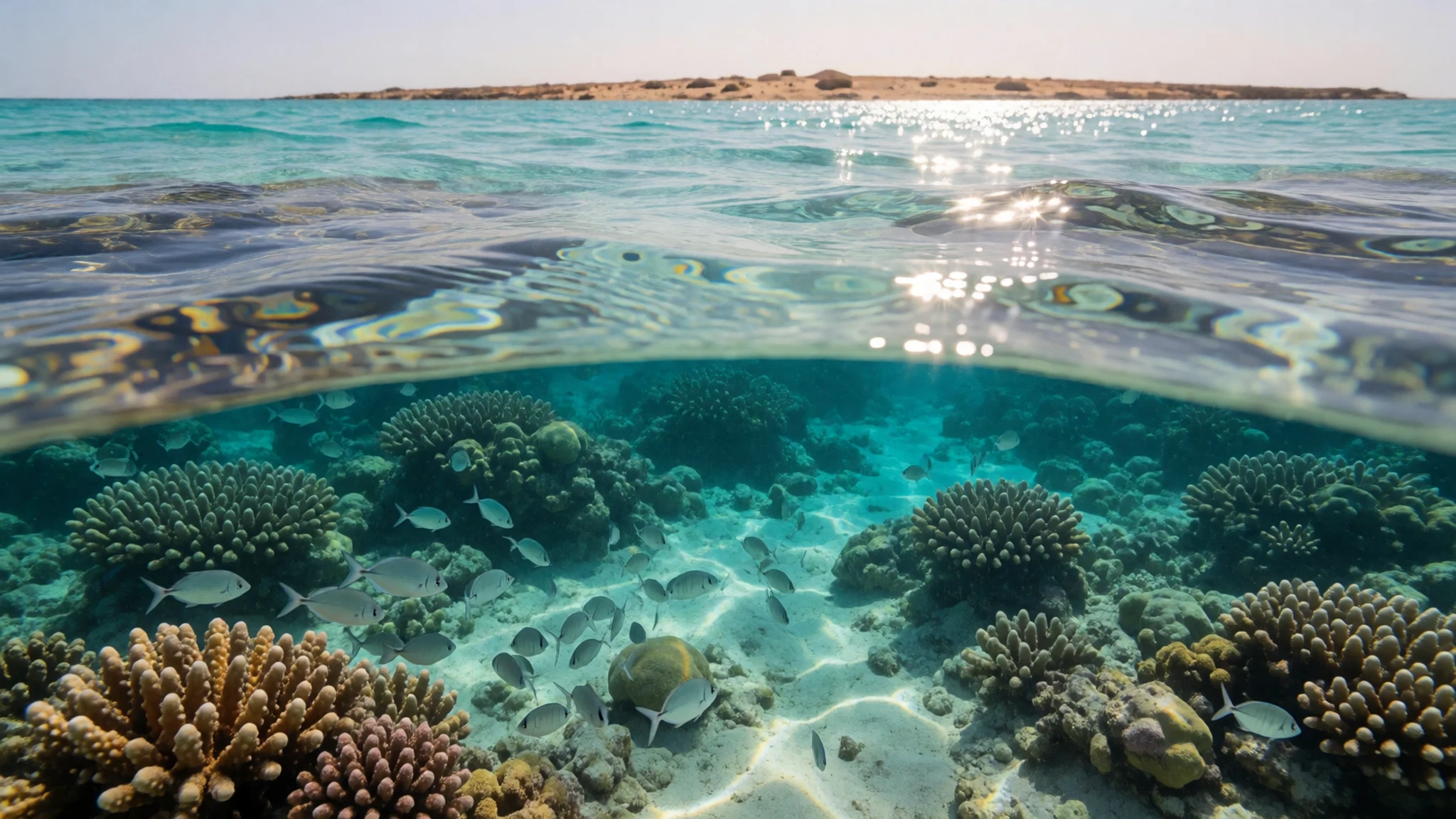
- Restricted island viewpoints and coastlines — Coasts around the archipelago
Most islands have limited access, so sightseeing is less about putting on shoes and wandering, and more about catching the right angle from the water or the permitted areas. Expect dramatic coasts, desert sand, and a horizon that stays uncluttered.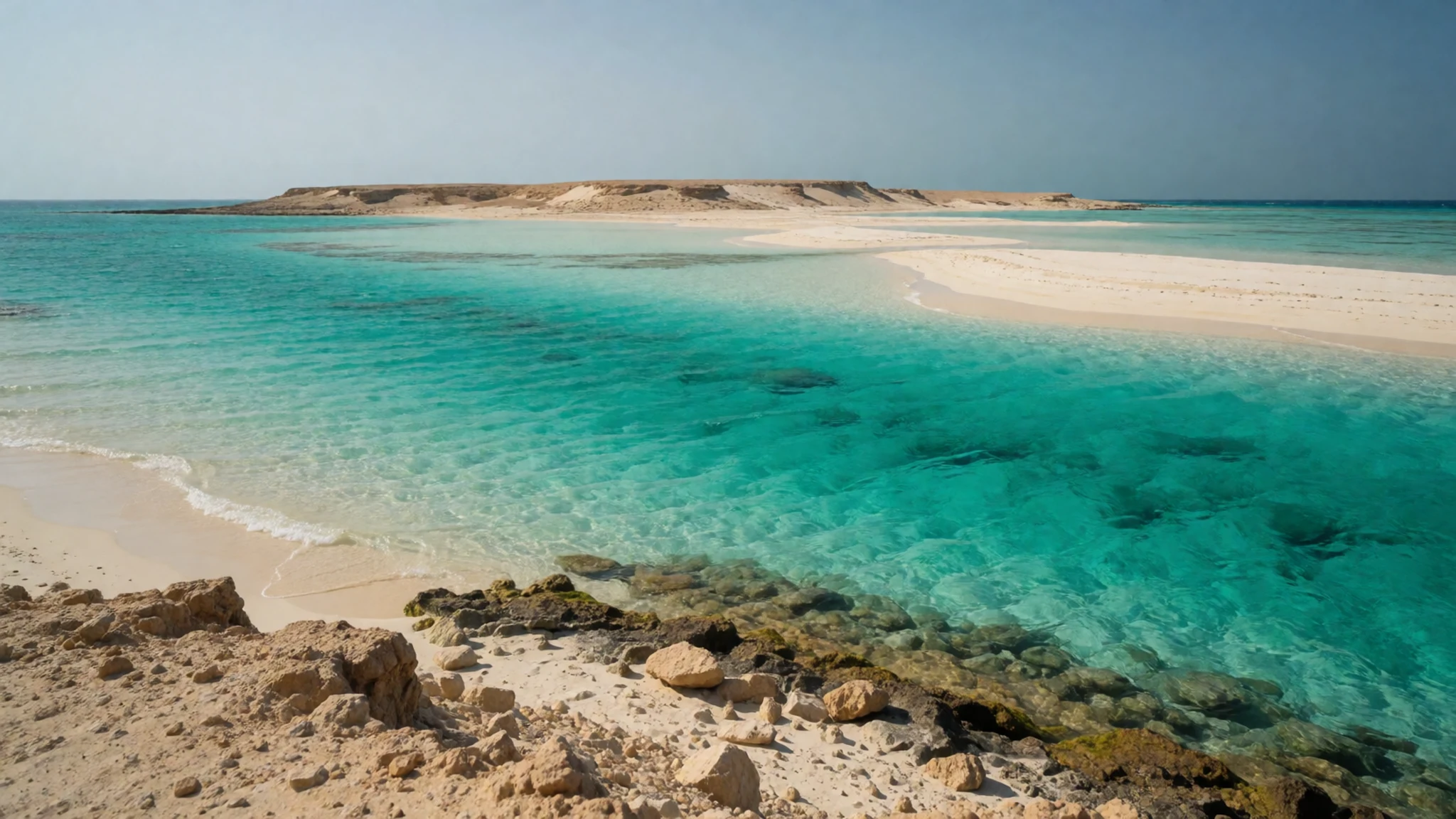
- Birdwatching opportunities — Shorelines and coastal habitats
Hawar is a magnet for birdwatchers because of the habitats and species linked to its protected environment. Bring a patient eye: the islands feel quiet, then suddenly alive when birds wheel overhead or settle along the shoreline, especially on calm days.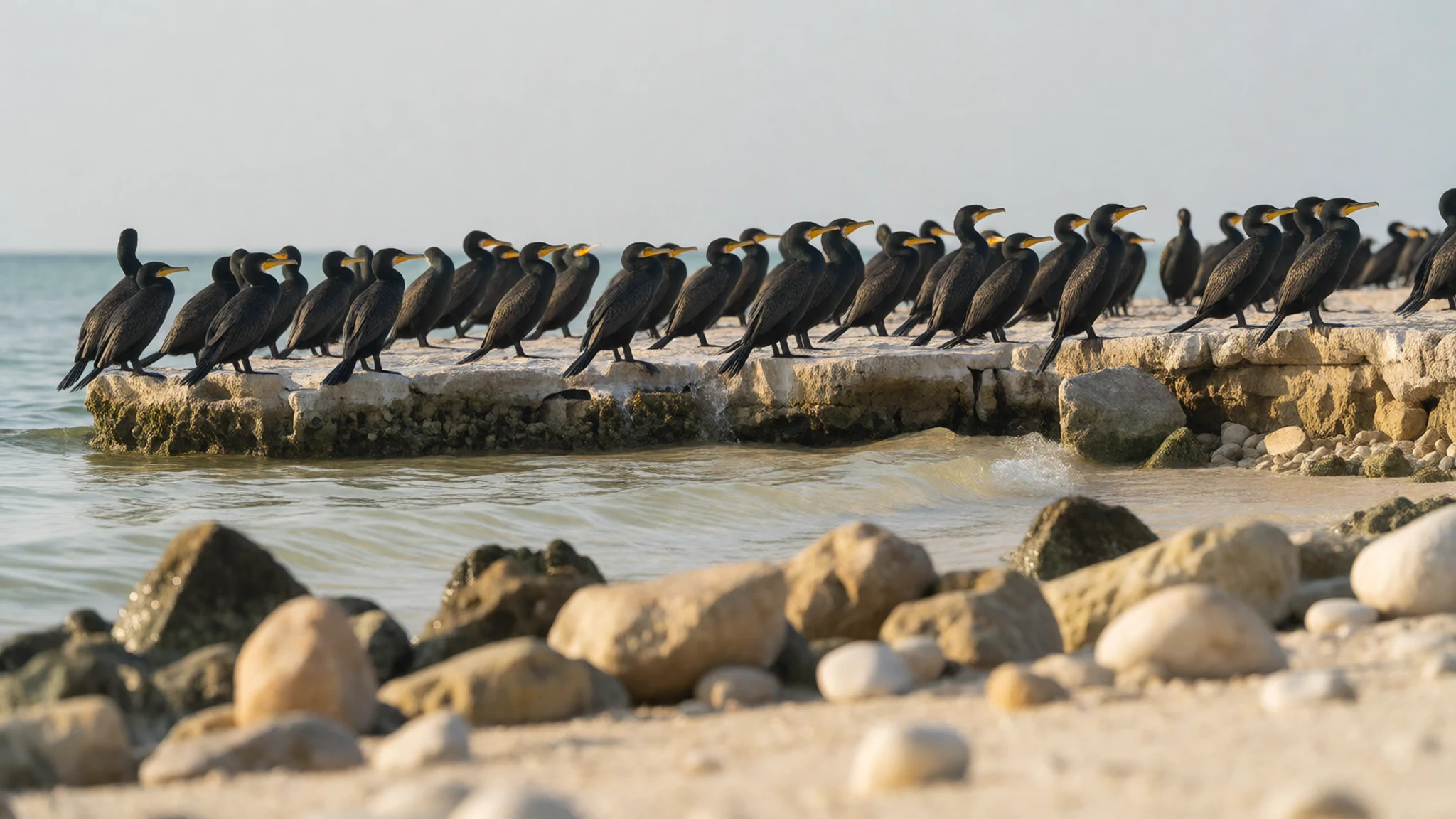
- Recreational fishing in nearby waters — Adjacent Gulf waters
Local fishermen fish in adjacent waters, and there’s some recreational fishing and tourism activity around the islands. It’s a good “middle of the day” option when you want something slow and social rather than fully active watersports.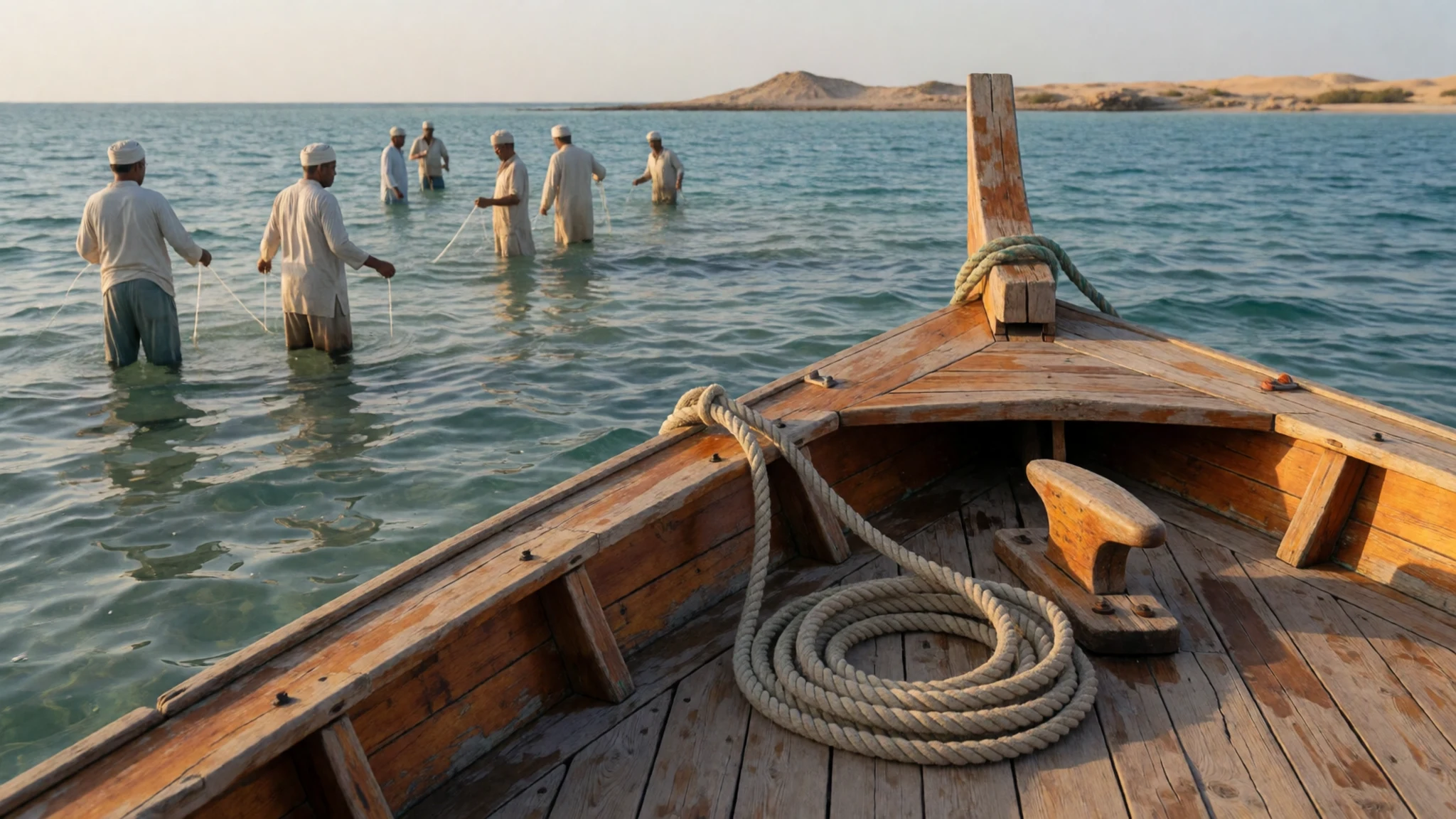
Culture
Hawar Islands feel culturally light compared with Bahrain’s cities, because most of what’s “here” is nature, infrastructure, and rules. The archipelago is split across ownership and administration, and that translates into practical boundaries: many islands are severely restricted, and the main island carries the hotel and a police garrison.
That restraint is part of why the place works for wildlife. Wildlife doesn’t thrive when there’s constant disturbance, so visitors generally experience Hawar as a day around boats, designated areas, and observation from the shoreline or water. Tourism exists, but it’s structured around what the setting can support, including the fact that fresh water is scarce and supplies must be managed through desalination and brought-in resources.
Seaside etiquette still matters, because you’re sharing quiet habitats with wildlife and with other people on the same limited-access schedule. Keep noise down, avoid blocking viewpoints where birds feed or rest, and treat the islands like a conservation zone rather than a playground.
Visitor etiquette: stay in permitted areas, keep voices low around birds, and follow any boat and access rules posted at the jetty or hotel.
What to wear
Traditional dress isn’t really the point on Hawar Islands, but Bahrain’s wider Gulf culture is visible in how people dress for heat and modesty. If there’s a local dress influence, it’s typically layered, breathable clothing and covered shoulders, chosen for day sun and for respect in more formal spaces. On the islands and boats, most visitors shift to practical wear.
What people actually wear now is mostly sun-ready: lightweight shirts or T-shirts, breathable trousers or knee-length shorts, and a hat—because the islands are desert and exposed. For modesty, consider covering shoulders when moving around the hotel and around any staff areas. Footwear matters too: bring sandals for easy walking near the shore, but also wear closed-toe shoes when boarding, walking on rocky edges, or moving around any equipment.
For a visitor, pack for glare and salt air: quick-dry clothing, swimwear you’re comfortable wearing under a cover-up, sunscreen, sunglasses, and a light layer for boat wind. If any part of the experience takes you into more formal or restricted spaces, a simple scarf or light overshirt helps you blend in and stay comfortable.
What to eat
- Resort meals on the main island — Hotel area on the main island
On Hawar, the easiest food option is what’s available through the hotel base. Think simple, practical meals timed around the day’s boat plans—nothing elaborate, just the kind of feeding you need before and after sea time.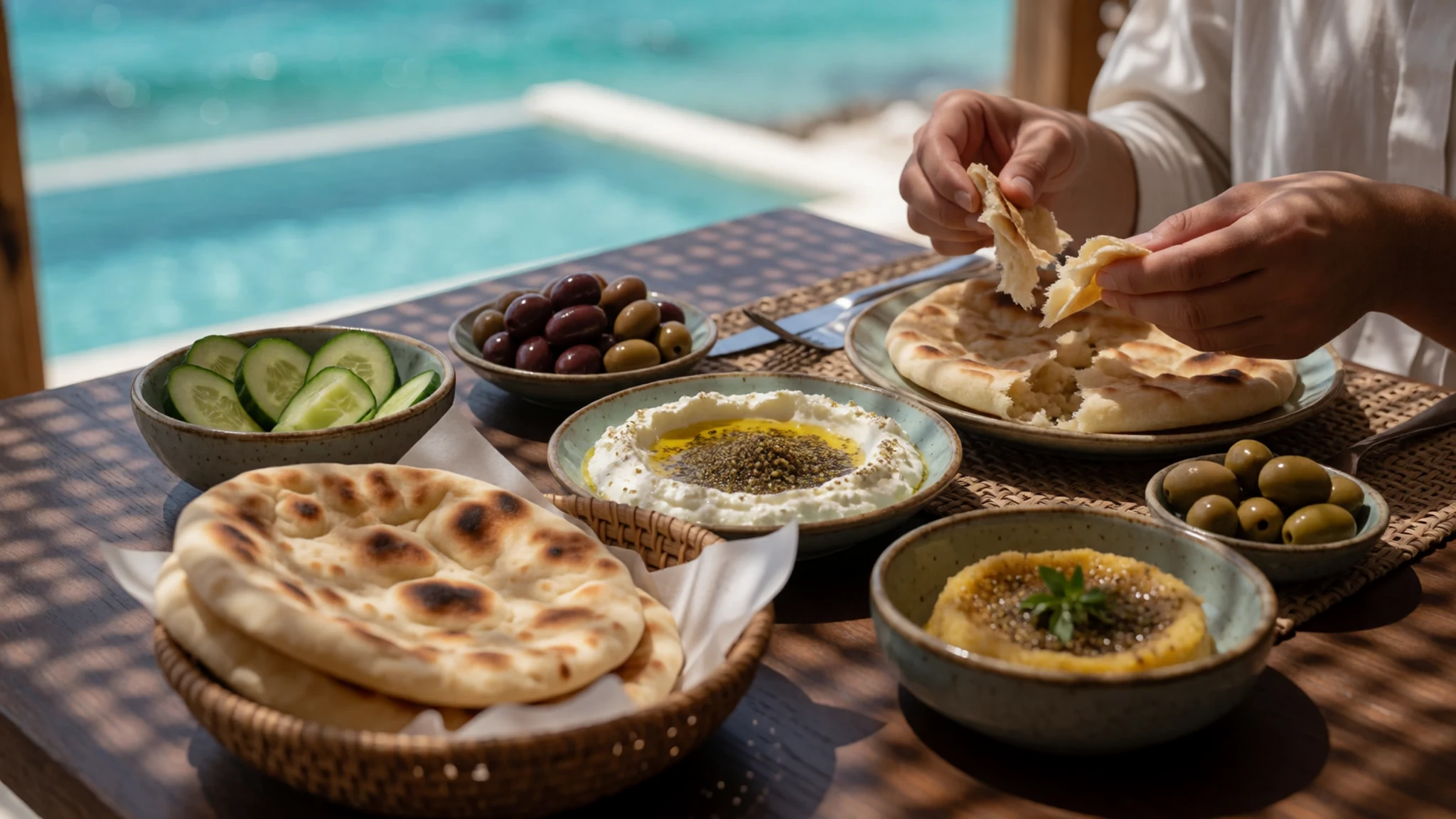
- Fresh seafood from nearby waters — Around the islands’ waters and resort menus
Because local fishermen work adjacent waters and recreational fishing happens around the islands, seafood is often part of the day’s menu choices. Even if you’re not fishing yourself, the Gulf influence shows up in what you can eat on-site.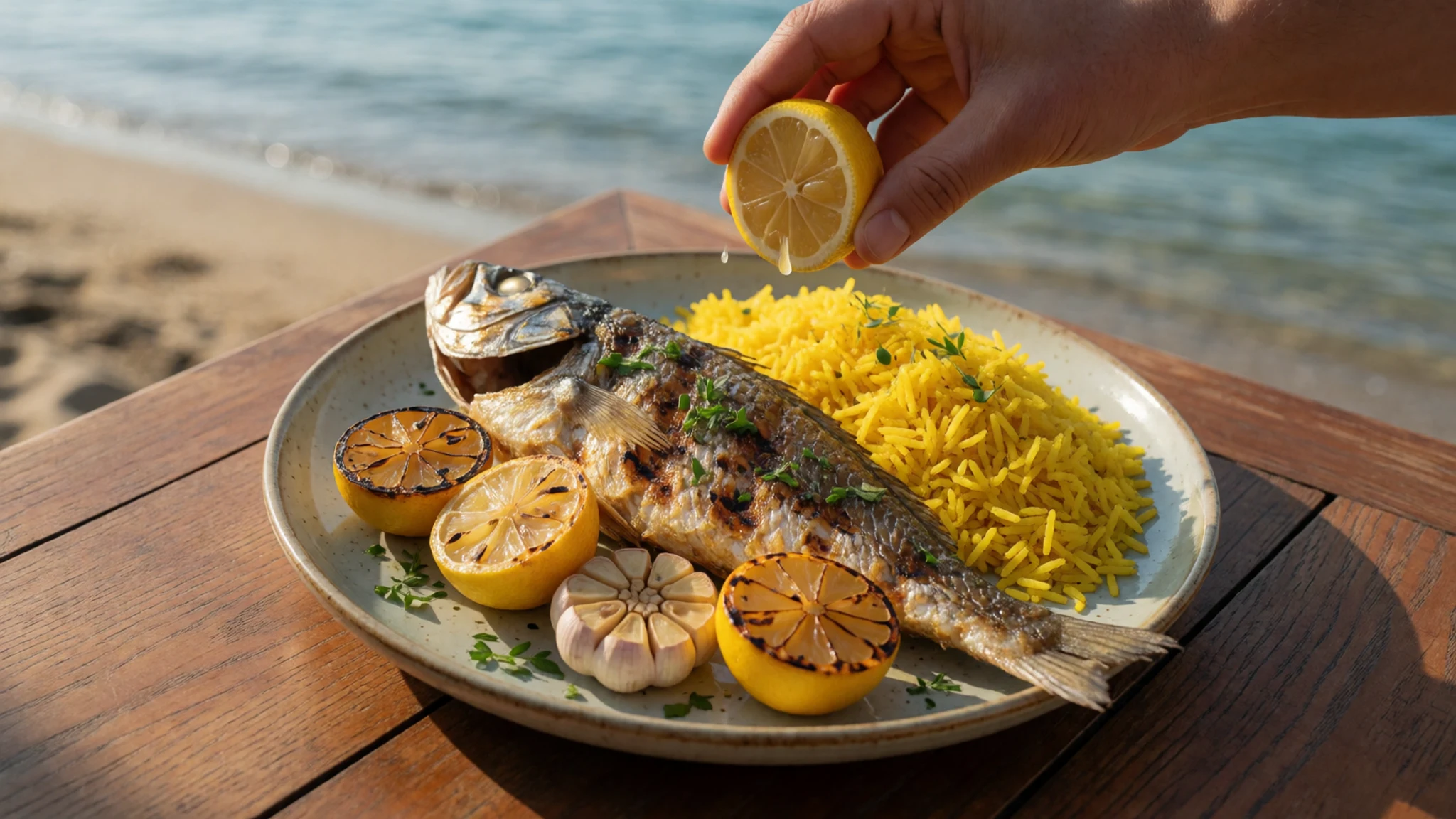
- Market-style supplies brought for trips — Departure points for boat trips (often in Manama)
For boat days, visitors often rely on packaged snacks and straightforward items kept practical for travel. The “where” is usually the departure side in Manama or wherever the excursion is arranged, rather than a dedicated Hawar market. - Desert-island hydration snacks — Hotel base and day-trip holding areas
With fresh water always scarce on Hawar, the sensible food-and-drink approach is light, hydrating snacks and plenty of water. Expect drinks and simple refuelling options that don’t require long breaks on land. - Gulf-style tea and coffee breaks — Hotel and sheltered waiting spots
Across the Bahrain/Qatar region, tea and coffee breaks are common around sea days, especially before a return boat. On Hawar, these act like a reset button between swimming, diving, and observation.
Plan it
Best time. March–April and October–November for the most comfortable conditions, when daytime highs ease from the summer heat; summer is punishing, with the hottest months in July and August.
How long. 2–3
Getting there. Most visitors start from Manama, with daily long boat trips available; then it’s a short hop by boat from Manama to the archipelago and its main island base.
Budget. mid
Tips
- Plan the day around the boat schedule rather than expecting lots of flexible time on land
- Bring sun protection and something light to cover up on deck and during shoreline pauses
- If birdwatching is the goal, set aside slow time when the sea is calm
- For diving or watersports, confirm what equipment is available before you commit
- Keep your expectations realistic about amenities: Hawar is remote and fresh water is managed carefully
Etiquette
- Keep noise low in areas where birds are settling or feeding
- Stay in permitted zones when access is restricted and follow instructions from staff and garrisons
- Rinse gear and keep the waterline tidy when you finish watersports
Nearby
Sources
- Wikidata Q1165876 (CC0)
- Wikipedia (rev 1364033344) (CC BY-SA 4.0)
- Wikivoyage (rev 5278038) (CC BY-SA 4.0)
- Photo photos/01-qatar-31-january-2003.jpg (Public domain)
- Photo photos/02-socotra-cormorant.jpg (CC BY-SA 1.0)
- Photo photos/03-hawar-islands-banner.png (CC BY-SA 2.0)
- Photo photos/04-iss067-e-153574-view-of-earth.jpg (Public domain)
- Photo photos/05-v-let-na-hawar.jpg (CC BY-SA 2.0)


