Hanging Lake
Hanging Lake, United States
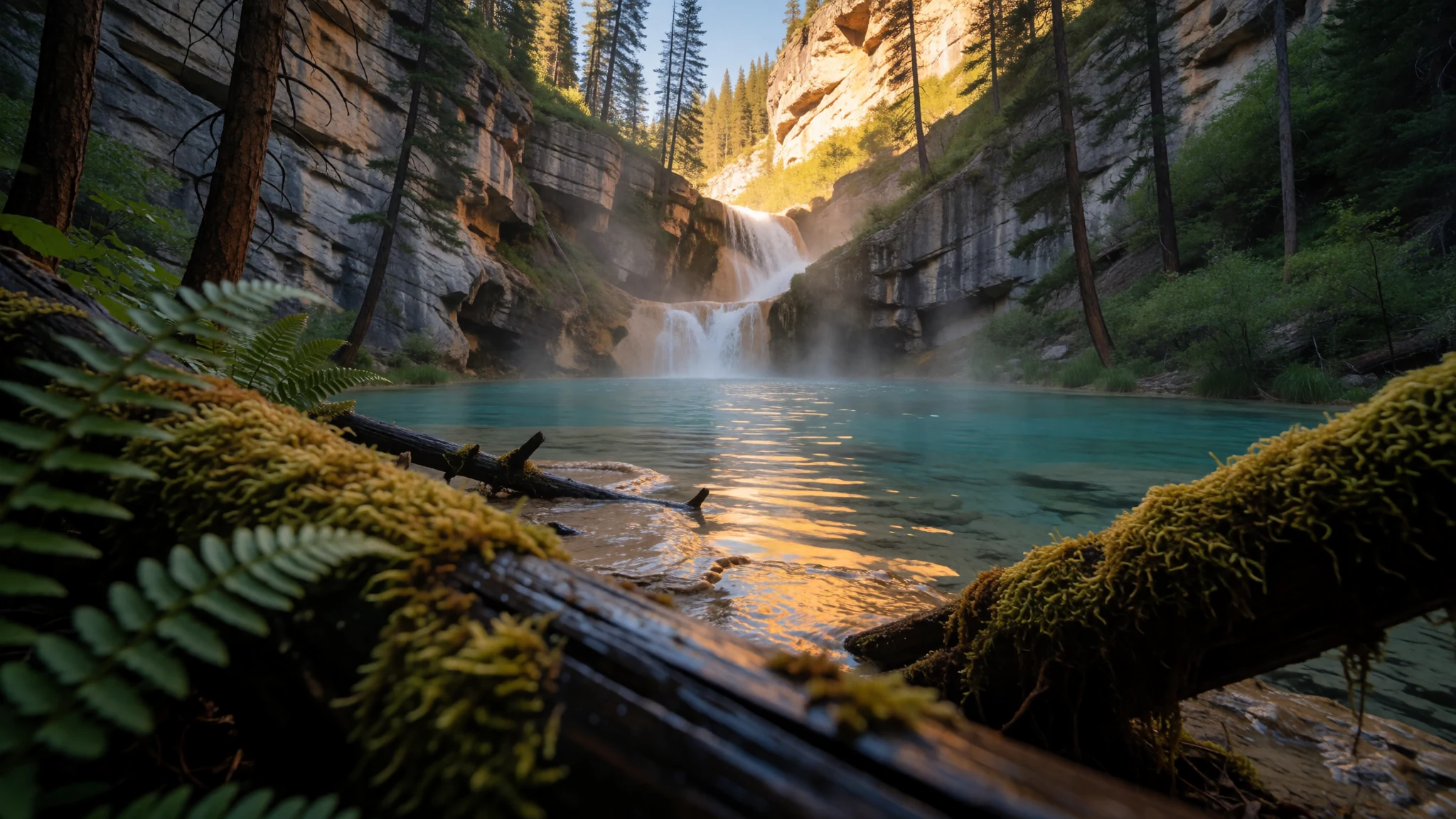
Hanging Lake offers a stunning turquoise alpine basin perched on a rugged cliff ledge, fed by pristine mountain waterfalls.
The place
Hanging Lake sits high within the dramatic rock formations of Glenwood Canyon in the western part of Colorado. This geological wonder rests at an elevation of 2,187 metres above sea level, held in place by a fragile natural dam of travertine. The surrounding canyon walls rise steeply from the floor, creating a sheltered basin where Dead Horse Creek feeds a series of crystalline waterfalls that spill directly into the turquoise waters below. The unique colour of the pool comes from carbonate minerals dissolved in the mountain runoff, which catch the sunlight and give the water its vivid hue. Because the shoreline is built from delicate layers of porous travertine formed over millennia by mineral-rich water flowing over fallen logs and rocks, the entire environment remains intensely sensitive to human touch. Visitors reach the shore by ascending a steep dirt path that climbs upward alongside the rushing creek from the canyon floor below, winding through shady pine forests and rocky terrain before arriving at the rim of the suspended basin.
Its story
Hanging Lake was formed long before human history when a massive section of the canyon floor sheared away along an active fault line, dropping a huge slab of rock to create the shallow basin we see today. Local oral histories point to a gold prospector who first stumbled upon the hidden ledge while tracking a lost horse up a steep, narrow gulch in the rugged canyon country. For many years following its discovery, the remote site served as a quiet family homestead and a private mountain retreat. As public interest grew after the turn of the twentieth century, the land was acquired by local municipal authorities to protect its striking natural beauty from overdevelopment. A commercial enterprise operated a small resort and cafe near the water during the middle decades of the twentieth century, welcoming travellers who arrived by wagon and early automobiles. That era ended when heavy construction for a major interstate highway began carving through the canyon below, prompting federal land managers to step in. In 1972, the lake and its surrounding slopes were formally placed under the protection of the United States Forest Service within the vast boundaries of the White River National Forest, ensuring strict conservation for future generations.
What to see
- Bridal Veil Falls — Upper edge of Hanging Lake basin
Bridal Veil Falls is the dramatic cascade that feeds the lake directly, tumbling over mossy, mineral-encrusted rock walls at the upper edge of the basin. The rushing mountain water creates a fine mist that nourishes the surrounding ferns and damp canyon ledges, adding to the enchanted atmosphere of the suspended geological formation.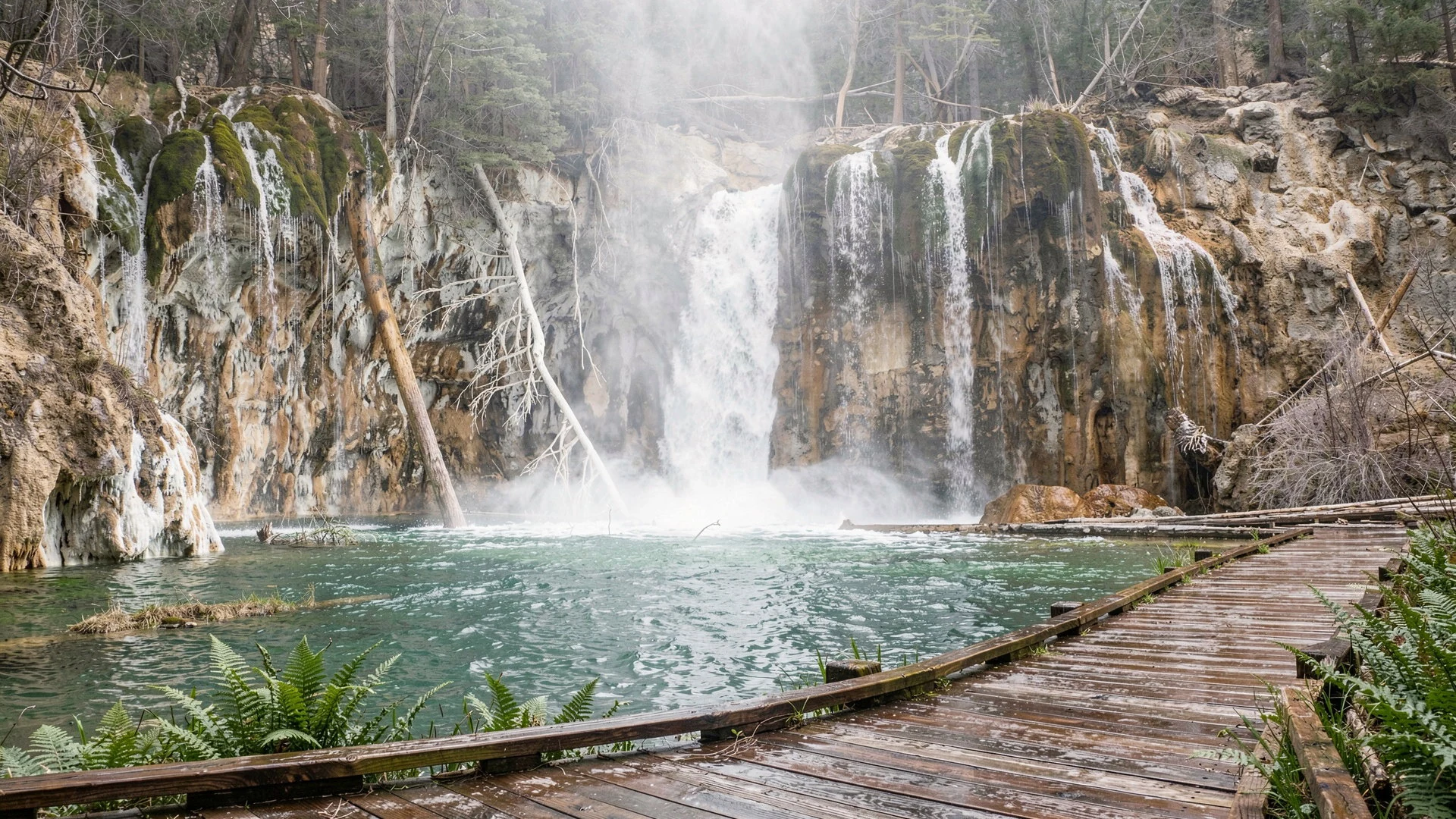
- Glenwood Canyon Cliffs — Glenwood Canyon corridor
The towering limestone cliffs of Glenwood Canyon frame the approach to the lake, exposing layers of ancient geological history carved by the rushing river below. These vertical rock faces soar high above the interstate and railway, displaying striking bands of sedimentary stone shaped by millions of years of weathering and erosion.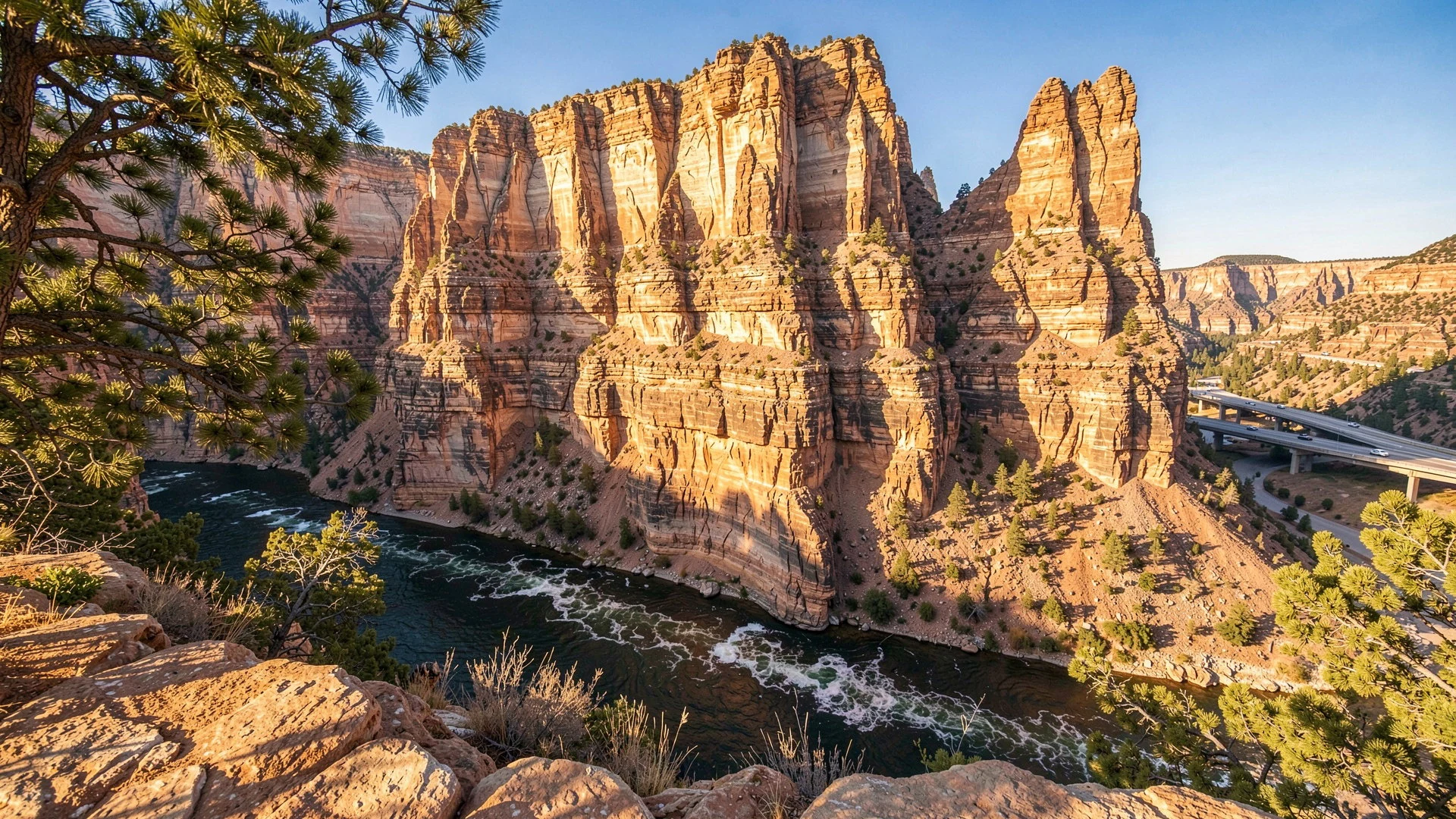
- Dead Horse Creek Trail — Trailhead off Glenwood Canyon Recreation Trail
The rugged hiking path follows the tumbling course of Dead Horse Creek as it ascends steeply through shaded side gulches and rocky pine forests. Hikers navigate a series of switchbacks and wooden footbridges that cross the rushing mountain stream multiple times before reaching the final boardwalk surrounding the pristine alpine basin.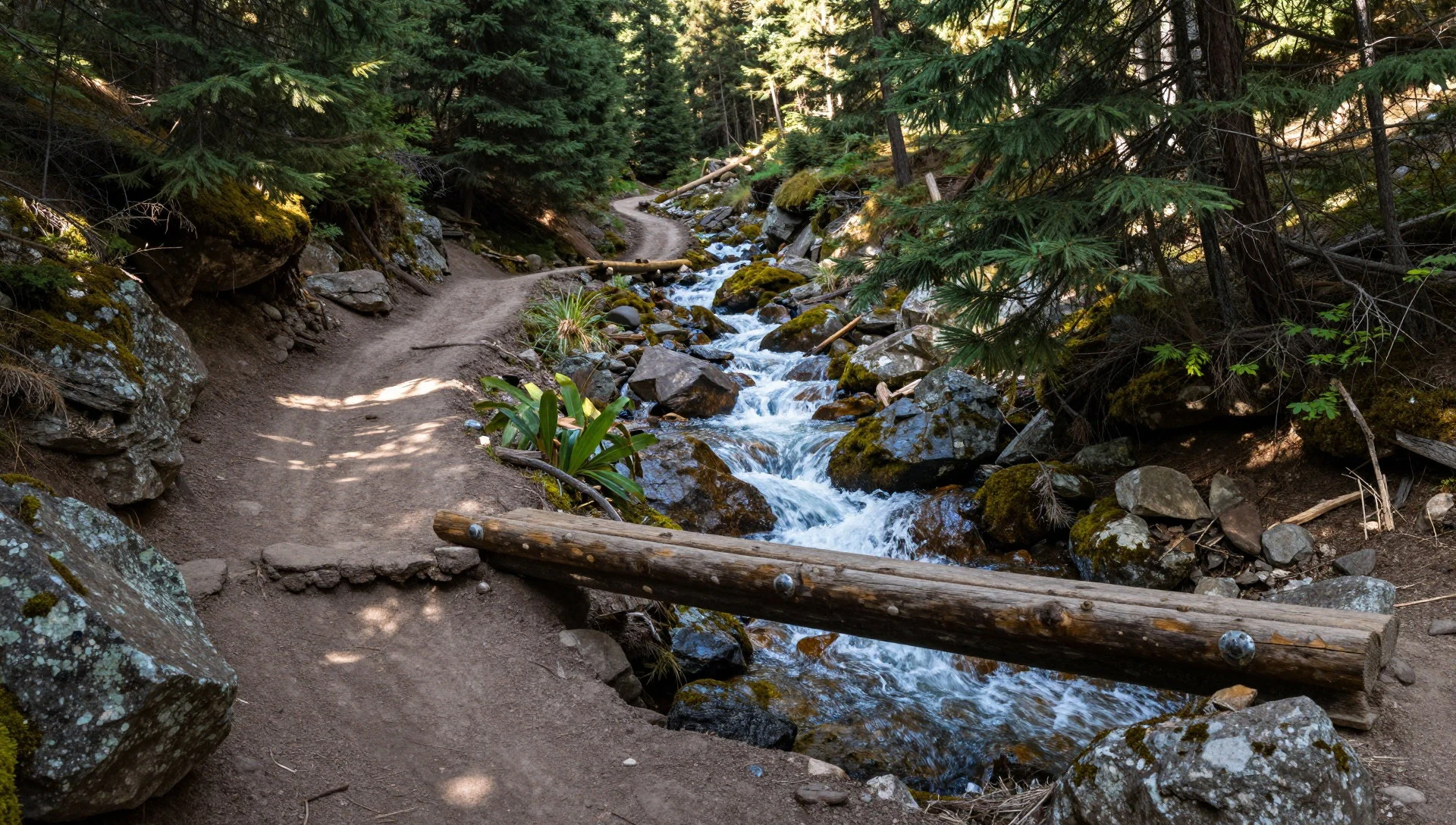
- Colorado National Monument — Near Grand Junction, Colorado
Located further west near Grand Junction, this protected area features towering red sandstone pillars, deep canyons, and dramatic monoliths carved into the high desert plateau. Visitors can drive along the winding Rim Rock Drive or hike among striking geological arches that rise hundreds of feet above the surrounding valley floor.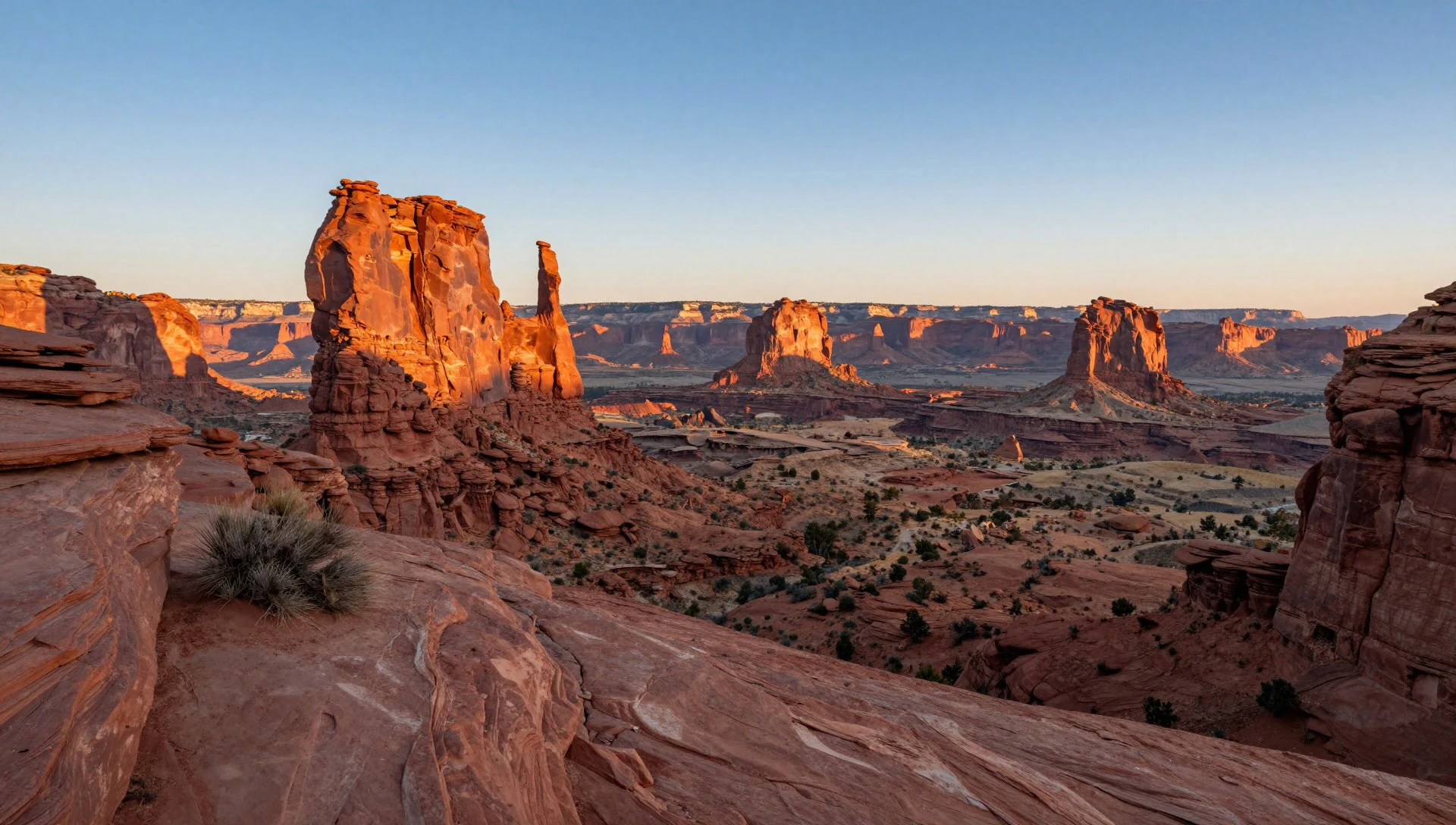
- Rocky Mountain National Park — Between Estes Park and Grand Lake
Spanning the Continental Divide of the Americas, this vast mountain park protects towering granite peaks, alpine tundra, and pristine glacial lakes connected by winding high-altitude roads. Wildlife such as elk, bighorn sheep, and black bears roam freely through the evergreen forests and dramatic glacial valleys across the protected landscape.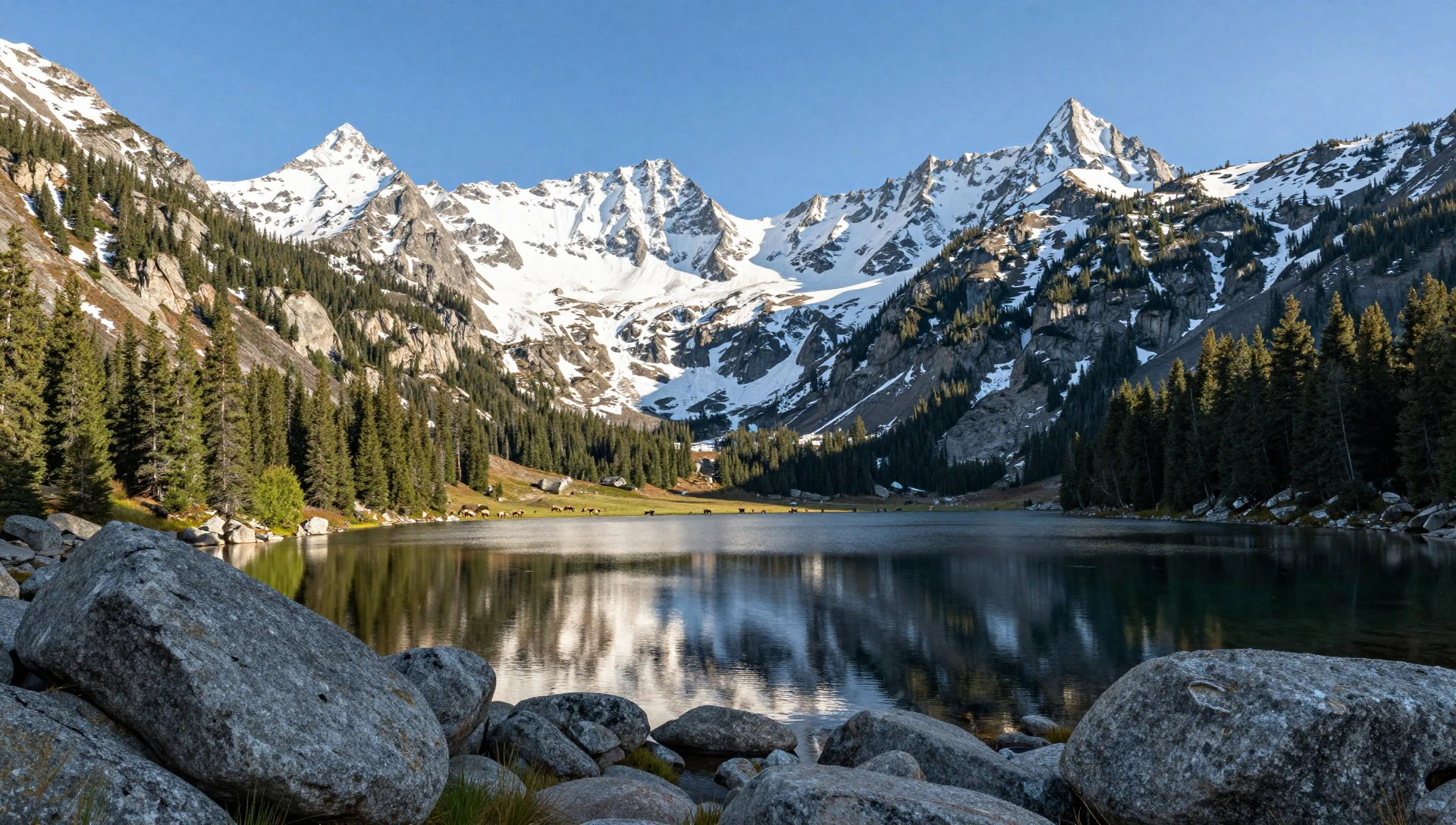
Culture
Hanging Lake is situated within the traditional and ancestral homelands of several Indigenous peoples who once roamed the river valleys and mountain passes of the region long before European settlers arrived. Today, the canyon functions as a cherished natural sanctuary for outdoor enthusiasts, hikers, and conservationists who journey to the Rocky Mountains to experience its unique geological formations. Visitors in this part of the American West generally practice a relaxed, friendly outdoor culture centred on trail etiquette, respect for wildlife, and Leave No Trace principles. Local communities take immense pride in protecting fragile natural landmarks from the heavy foot traffic brought by modern tourism. Never step off the wooden boardwalks or touch the delicate travertine shoreline under any circumstances.
What to wear
The modern mountain style around Hanging Lake and the wider Colorado high country is entirely practical, favouring durable outdoor gear designed for rapidly changing weather conditions. Traditional Western attire such as sturdy leather boots, denim jeans, wide-brimmed felt hats, and pearl-snap shirts remains a cultural touchstone across the state, originating from the historical roots of cattle ranches and mining camps. For everyday wear today, locals and travellers alike rely on layered fleece jackets, moisture-wicking activewear, flannel shirts, and weather-resistant shells. Visitors heading up the trail should wear sturdy hiking boots with good ankle support and reliable grip, as the steep dirt path includes uneven stone steps and slippery sections near the water. Bringing a waterproof outer layer is essential, as mountain rain showers can develop with little warning during the afternoon hours.
What to eat
- Denver Omelette — Traditional diners across Colorado
A classic regional egg dish prepared with diced cured ham, sautéed white onions, green bell peppers, and melted cheddar cheese. While its exact origins remain tied to historical cattle drives, you can find traditional versions served at casual breakfast diners throughout the state.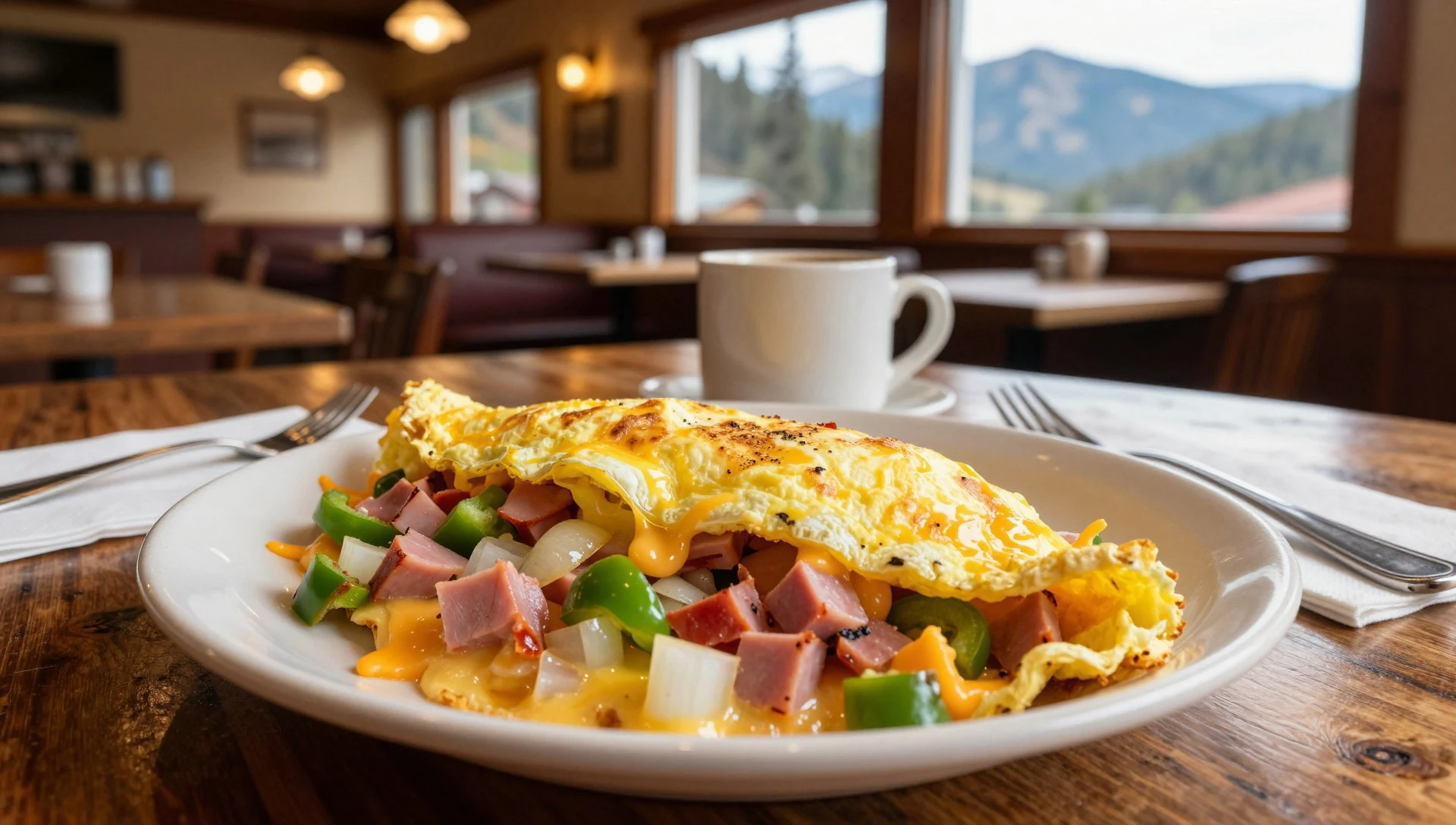
- Green Chile Stew — Local roadside diners and mountain cafes
A warming, hearty bowl featuring tender chunks of pork simmered in a rich, savoury broth flavoured with roasted green chillies, garlic, and onions. It is a staple comfort food served alongside warm flour tortillas at local eateries across the mountain region.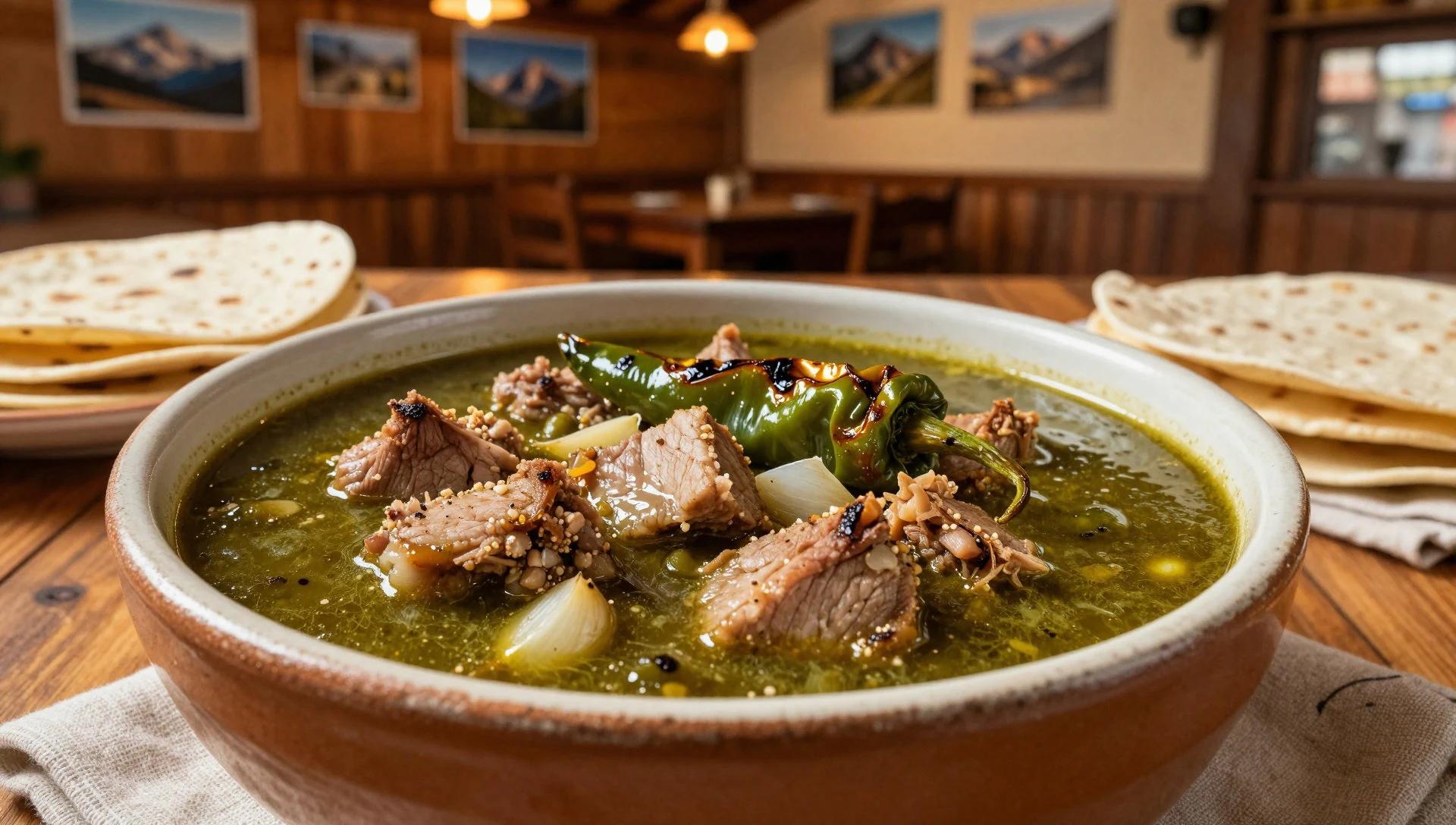
- Rocky Mountain Oysters — Rustic western taverns and saloons
A notorious local novelty dish consisting of bull testicles that are peeled, flour-coated, seasoned with spices, and deep-fried until golden brown. They are typically served as a crispy appetiser with cocktail sauce at rustic taverns and festive seasonal fairs. - Colorado Lamb — Farm-to-table restaurants in nearby mountain towns
High-altitude pasture-raised lamb known for its tender texture and rich, distinct flavour developed from grazing on native mountain grasses. Local restaurants frequently feature roasted chops or stews prepared with fresh rosemary and garlic.
Plan it
Best time. June through September offers the most reliable trail conditions and pleasant weather, while winter brings heavy snow and potential trail closures.
How long. 1–2
Getting there. Fly into Denver International Airport (DEN), then rent a car or take the Amtrak train to Glenwood Springs, followed by local transport to the canyon trailhead.
Budget. mid
Tips
- Advance permit reservations are strictly required before visiting the trail
- Start your hike early in the morning to avoid midday heat and crowds
- Carry plenty of drinking water, as high elevation increases dehydration
- Check weather forecasts and trail status updates before setting out
Etiquette
- Stay strictly on the wooden boardwalk and never walk on the fragile shoreline
- Pack out all personal rubbish and waste without exception
- Swimming, wading, and entering the lake water are strictly prohibited
Nearby
Sources
- Wikidata Q5647998 (CC0)
- Wikipedia (rev 1366022686) (CC BY-SA 4.0)
- Wikivoyage (rev 5400360) (CC BY-SA 4.0)
- Photo photos/01-glenwood-canyon.jpg (CC BY 3.0)
- Photo photos/02-hanging-lake.jpg (CC BY 3.0)
- Photo photos/03-hanging-lake-winter-2019.jpg (CC BY-SA 4.0)
- Photo photos/04-2020-08-22-20-47-30-477-cdt.png (Public domain)
- Photo photos/05-almost-frozen-4272653797.jpg (CC BY 2.5)
- Photo photos/06-below-hanging-lake-panoramio.jpg (CC BY 3.0)
- Photo photos/07-bridal-veil-falls-at-hanging-lake-dyeclan-com-panoramio-1.jpg (CC BY 3.0)
- Photo photos/08-bridal-veil-falls-at-hanging-lake-dyeclan-com-panoramio.jpg (CC BY 3.0)


